



The Honest Guide to the Best Vitamin C Serum for Dark Spots on Sensitive Skin
The skincare world has an obsession with "potency." We are constantly told that if it doesn’t sting, it isn’t working. But for those of us dealing with sensitive skin, that "tingle" usually turns into a full-blown breakout or a week of redness.
If you’ve been hunting for the best vitamin c serum to finally fade dark spots without making your face feel like it’s on fire, you’re in the right place. Vitamin C is the undisputed heavyweight champion for treating hyperpigmentation and boosting collagen production, but it’s a finicky active ingredient.
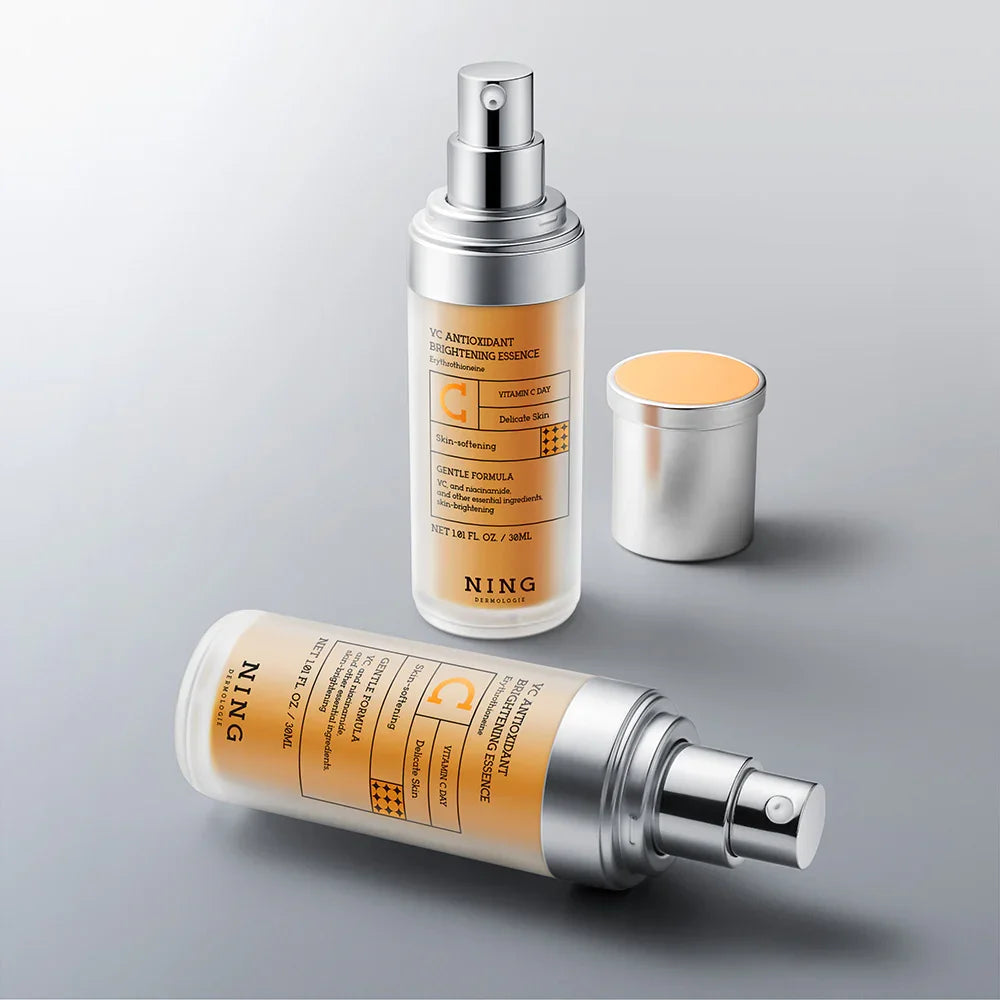
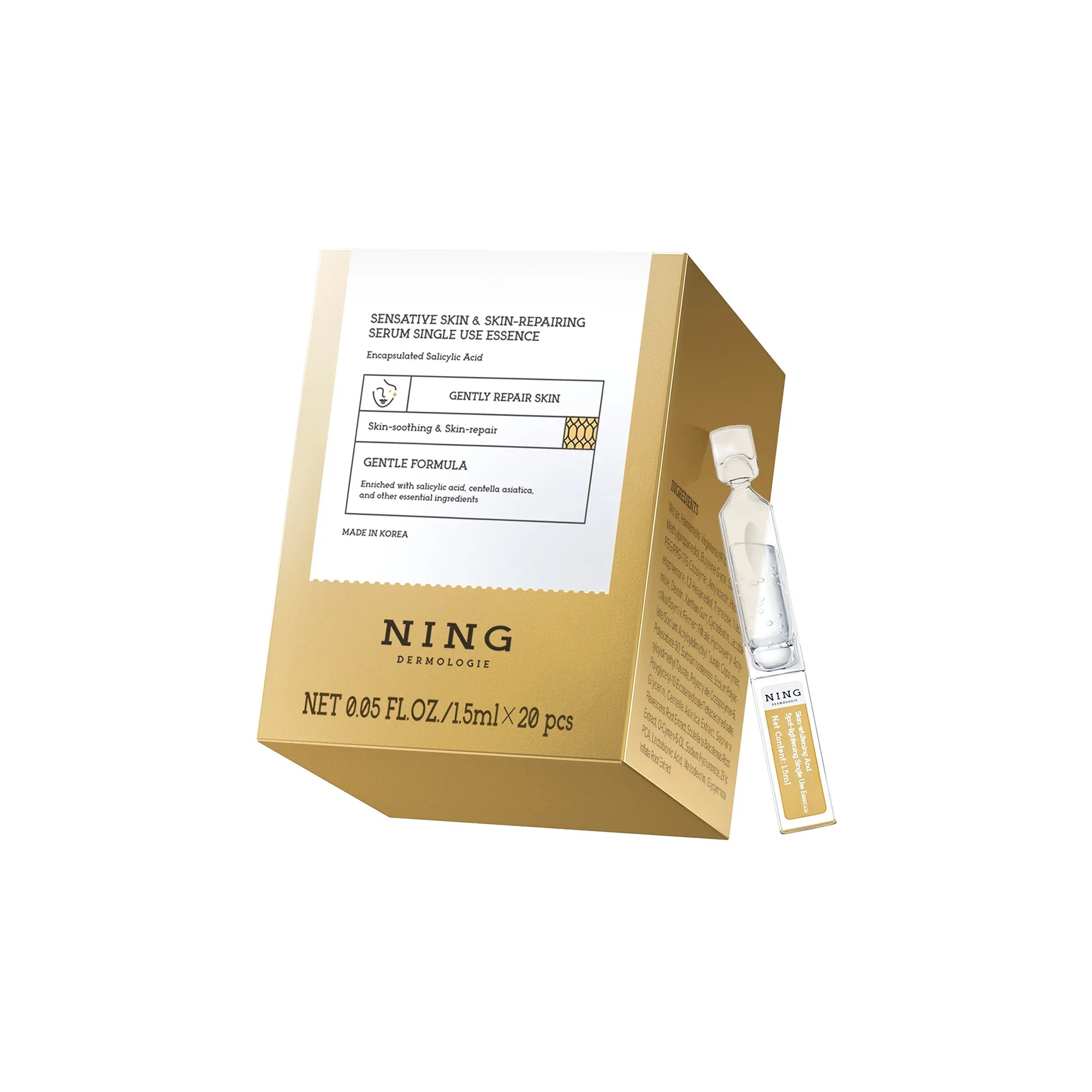
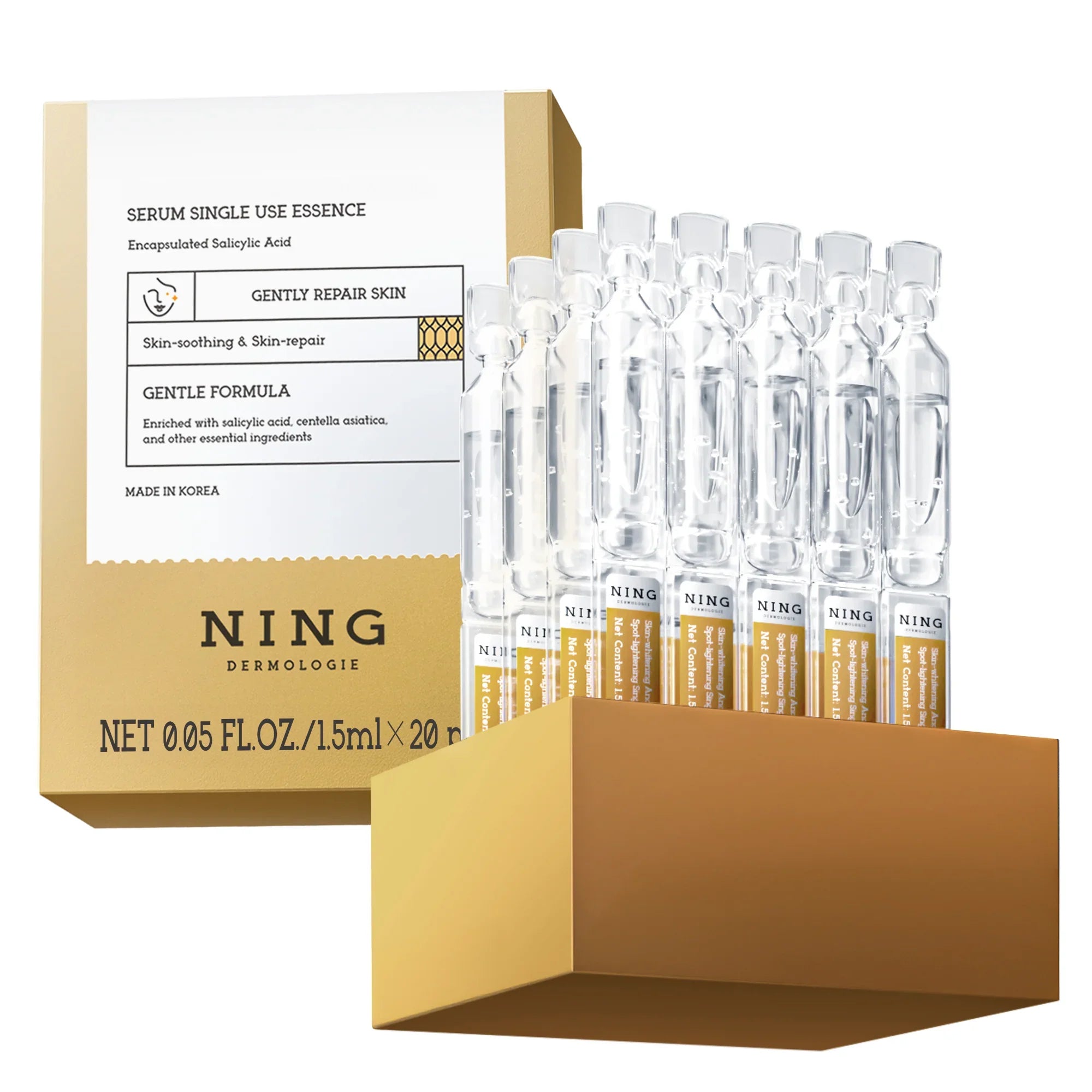
In this guide, we’re going to break down why most vitamin c products fail sensitive types and why a specific form of vitamin c—like the one we developed at NING Dermologie—is changing the game for discoloration.

Why Is Vitamin C So Crucial (And So Frustrating)?
Vitamin C, or ascorbic acid in its purest form, is a legendary antioxidant. Its job description is impressive: it neutralizes free radicals from UV rays and pollution, it blocks the enzyme (tyrosinase) that creates excess melanin, and it tells your skin to keep producing the collagen that keeps things firm.
But here’s the kicker: pure vitamin c (L-ascorbic acid) is notoriously unstable. To make it penetrate the skin deeply, chemists usually have to drop the pH level to a very acidic range (around 2.5 to 3.5). For sensitive skin, that acidity is like an invitation for irritation.
If you have a compromised skin barrier, a high-concentration l-ascorbic acid serum can lead to:
- Instant redness and stinging.
- Itchy patches.
- "Purging" or acne flare-ups.
This is why your skin type and tolerance matter more than the percentage on the bottle.
Understanding Different Vitamin C Formulations
When you’re looking for the best vitamin c serum for sensitive skin, you need to look past the marketing and scan the ingredient list for the specific type of vitamin c used. Not all "C" is created equal.
1. L-Ascorbic Acid (The Diva)
This is the most common form. It’s powerful but volatile. If you see Skinceuticals C E Ferulic, you’re looking at the gold standard of l-ascorbic acid. It’s a super serum that combines vitamin e and ferulic acid to stabilize the C. However, for many with sensitive skin, the 15% concentration is just too much.
2. Sodium Ascorbyl Phosphate (SAP)
A much gentler vitamin c derivative. It’s salt-based and particularly great for acne-prone skin because it has antimicrobial properties. It doesn’t brighten quite as fast as pure acid, but it’s very stable.
3. Ethyl Ascorbic Acid (The Modern Hero)
This is the active ingredient we chose for the NING Dermologie Vitamin C Serum. Why? Because it’s a "next-gen" derivative. It’s highly stable, absorbs quickly, and offers the benefits of vitamin c without the crazy acidity. It’s the sweet spot for combination skin and those trying to even out skin tone without the burn.
How Vitamin C Helps Fade Dark Spots
Hyperpigmentation happens when your skin overproduces melanin—usually after sun damage or an acne breakout (post-inflammatory hyperpigmentation).
A vitamin c dark spot serum works by inhibiting the melanin-making process. But it’s not a magic wand that works overnight. To truly fade dark spots, you need a brightening vitamin c that you can use consistently. If a serum is too harsh and you can only use it once a week, you’ll never see results.
This is where NING Dermologie stands out. By blending Ethyl Ascorbic Acid with Niacinamide, our Vitamin C Serum attacks discoloration from two angles: the Vit C stops the production of pigment, and the Niacinamide stops that pigment from transferring to the skin cells.
The Comparison: What’s Actually the Best Vitamin C?
Let’s look at the heavy hitters a board-certified dermatologist might mention:
Skinceuticals C E Ferulic
As mentioned, Skinceuticals is the "holy grail." It uses pure vitamin c with ferulic acid. It’s incredible for mature skin and skin firmness. But let’s be honest—it smells like hot dog water, it’s expensive, and for sensitive skin, it can be a gamble.
La Roche-Posay Vitamin C Serum
La Roche-Posay vitamin products are usually built for sensitivity. Their serum contains 10% pure Vit C but adds salicylic acid. It’s a great vitamin c product for oily skin, but the added acid might be "too much" for those with serum for dry skin needs.
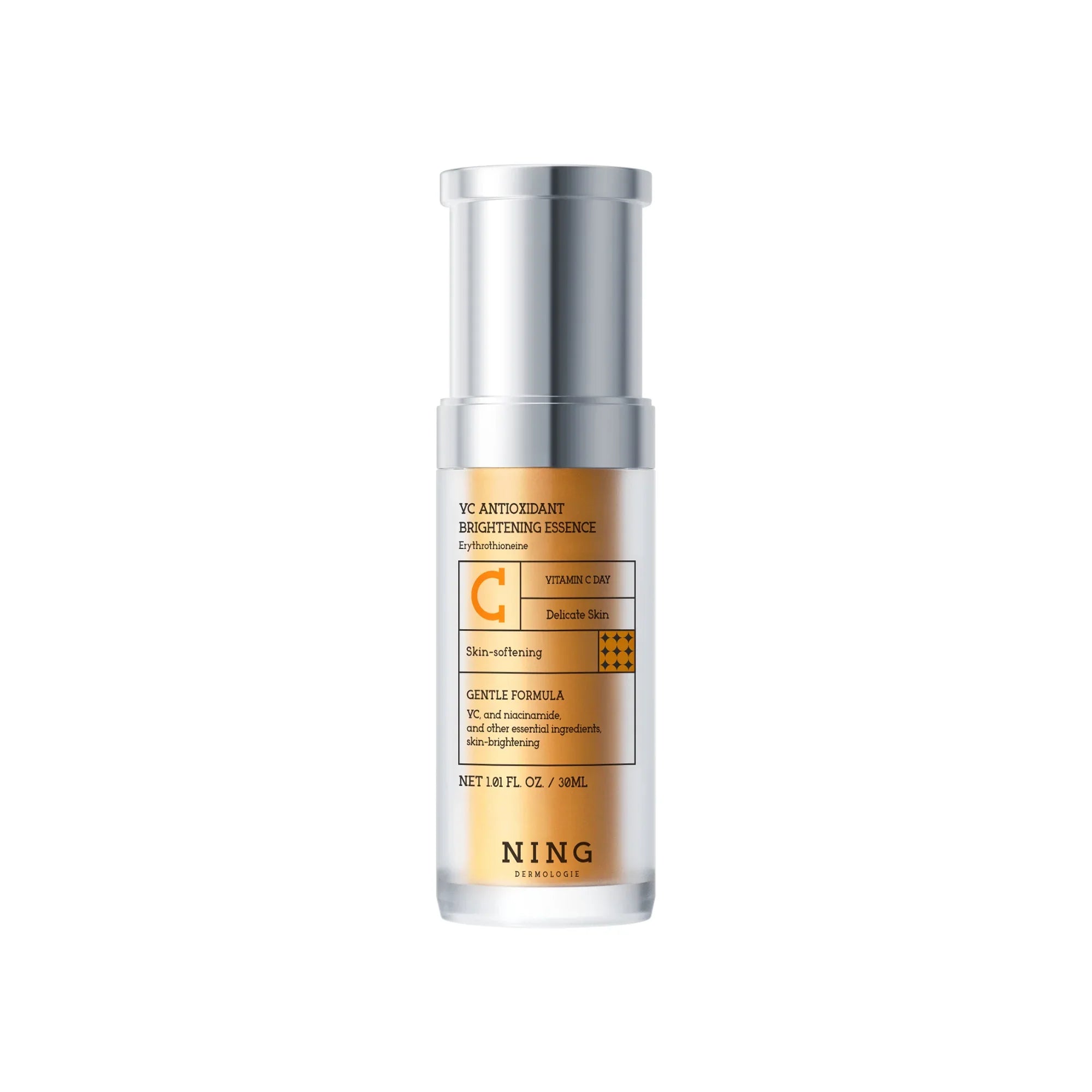
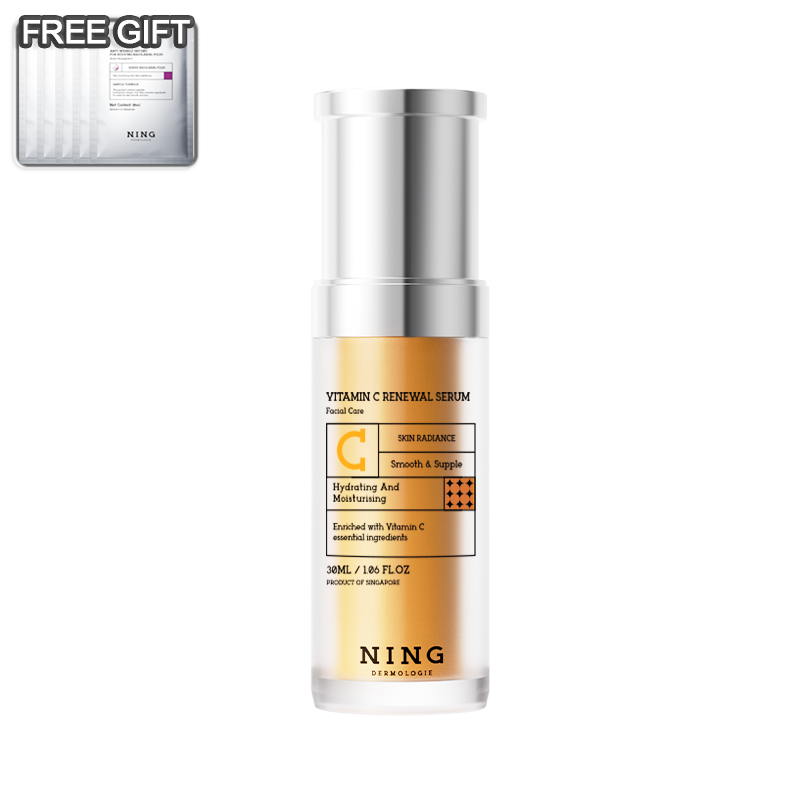
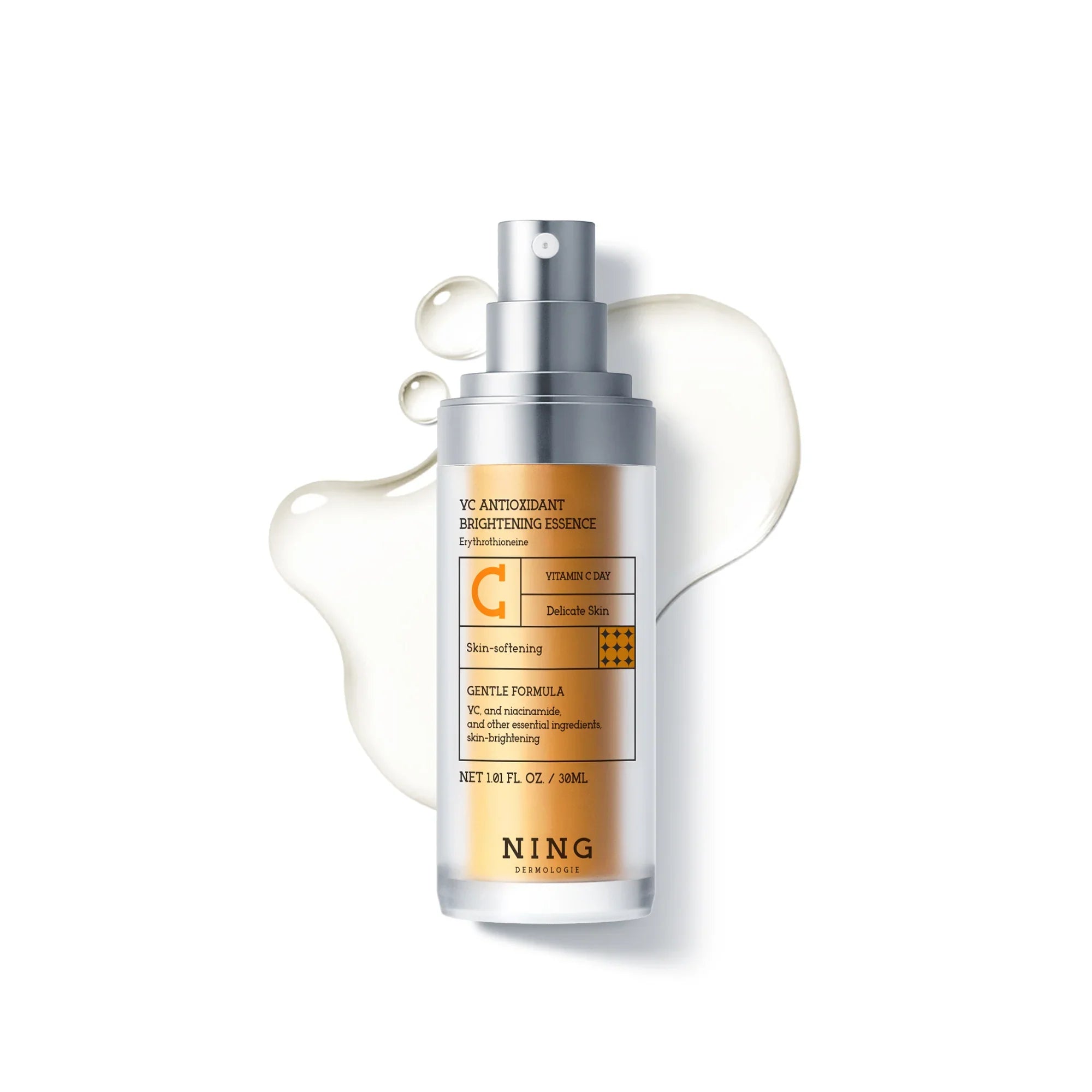
NING Dermologie Vitamin C Serum with Niacinamide
We designed this for people who have never used a vitamin c before or who have been "burned" by other brands. It layers well under makeup, doesn’t oxidize in the bottle after two weeks, and uses hyaluronic acid to ensure your skin feel is hydrated, not stripped. It’s arguably the best vitamin c serum for someone who wants results without the drama.
Choosing for Your Specific Skin Type
Your skin type dictates how the brightening serum will react.
- Oily Skin: Look for a blend of vitamin c that is water-based and absorbs quickly. You want something that won't clog pores.
- Acne-Prone Skin: Avoid heavy oils. Sodium ascorbyl phosphate or ascorbyl glucoside are your friends here.
- Mature Skin: You need the heavy hitters. Focus on collagen production. A serum with vitamin e is vital as it recharges the Vitamin C.
- Combination Skin: You need balance. The NING Dermologie formula works here because it hydrates the dry patches while the Niacinamide manages the T-zone.
How to Incorporate Vitamin C Into Your Skincare Routine
If you want to improve skin tone, you can't just slap the serum on whenever you feel like it.
The Morning Shield
Most dermatologists agree: apply vitamin c in the morning. Why? Because it acts as a secondary defense against free radicals and UV damage that your sunscreen might miss. It brightens and even out skin while you’re out in the world.
-
Cleanse: Use a gentle, pH-balanced cleanser.
-
Apply Vitamin C: Use 3-5 drops of a brightening vitamin c serum. Pat it into the skin.
-
Hydrate: Use a serum with hyaluronic acid or a light moisturizer.
-
Protect: This is non-negotiable. Vitamin C and SPF are a power couple.
Can You Use It at Night?
Yes, especially if you have melanin-rich skin and are focusing on repair. However, never used a vitamin c alongside retinol in the same step. The two actives can cancel each other out or, worse, cause massive irritation. Use Vit C in the AM and Retinol in the PM.
Looking for a "Best Drugstore" Option?
If you're on a budget, Truskin Vitamin C or Buttah Vitamin C are popular. Truskin vitamin c uses SAP (Sodium Ascorbyl Phosphate), which is safe for sensitive skin. However, many best drugstore options use high amounts of "filler" or fragrances.
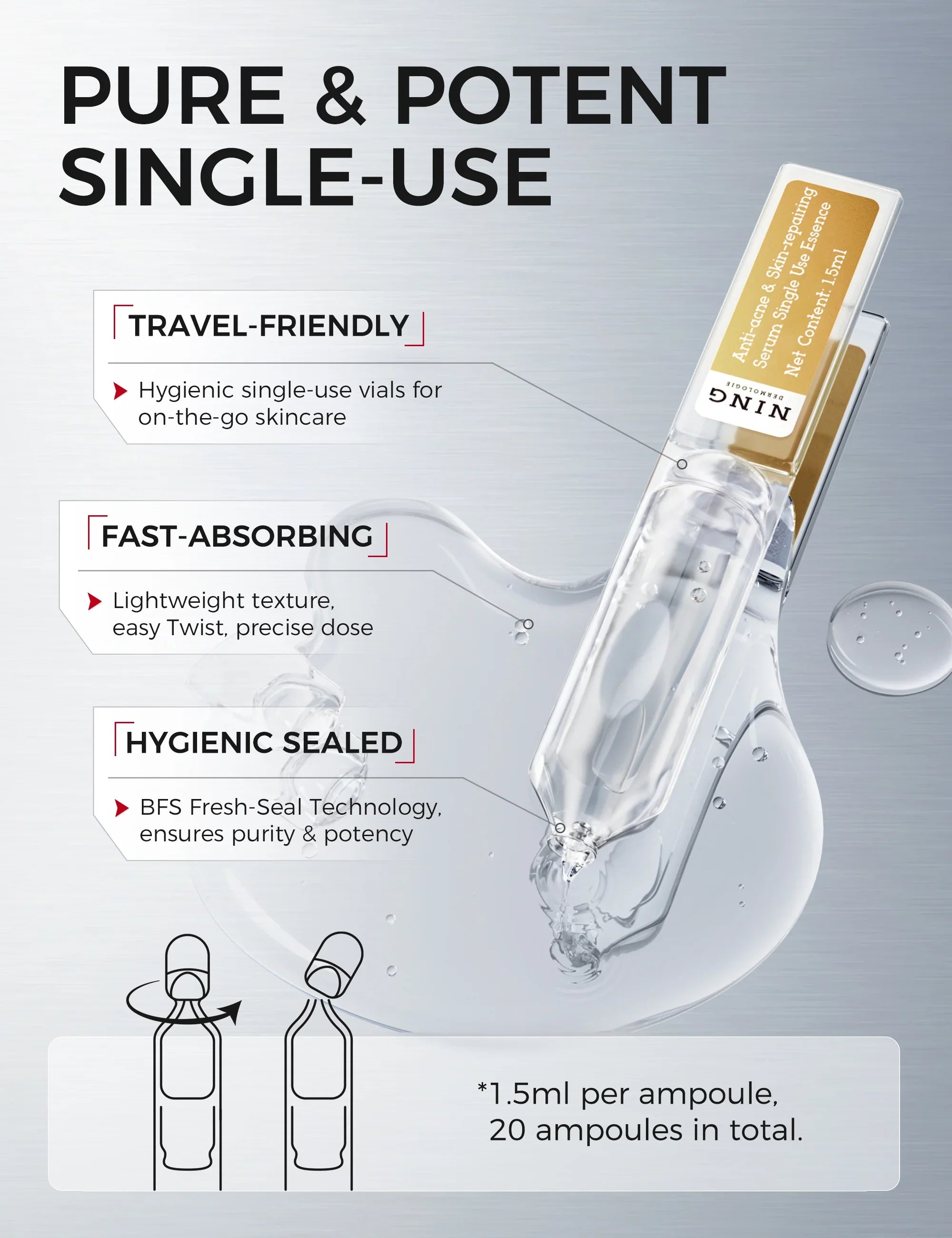
If your skin looks dull, investing a bit more in a stabilized formula like NING Dermologie ensures that the active ingredient actually stays active. There's nothing worse than a vitamin c product that turns brown (oxidizes) before you’re halfway through the bottle.
Common Mistakes with Vitamin C
-
Storing it in the bathroom: Heat and light destroy ascorbic acid. Keep your vitamin c serum in a cool, dark place (even a fridge).
-
Using too much: Your skin can only absorb so much. A few drops are enough to improve skin texture.
-
Ignoring the smell/color: If your topical vitamin c smells metallic and looks like dark orange juice, it’s oxidized. Stop using it; it’s now creating free radicals rather than fighting them.

Why NING Dermologie is the Smart Choice
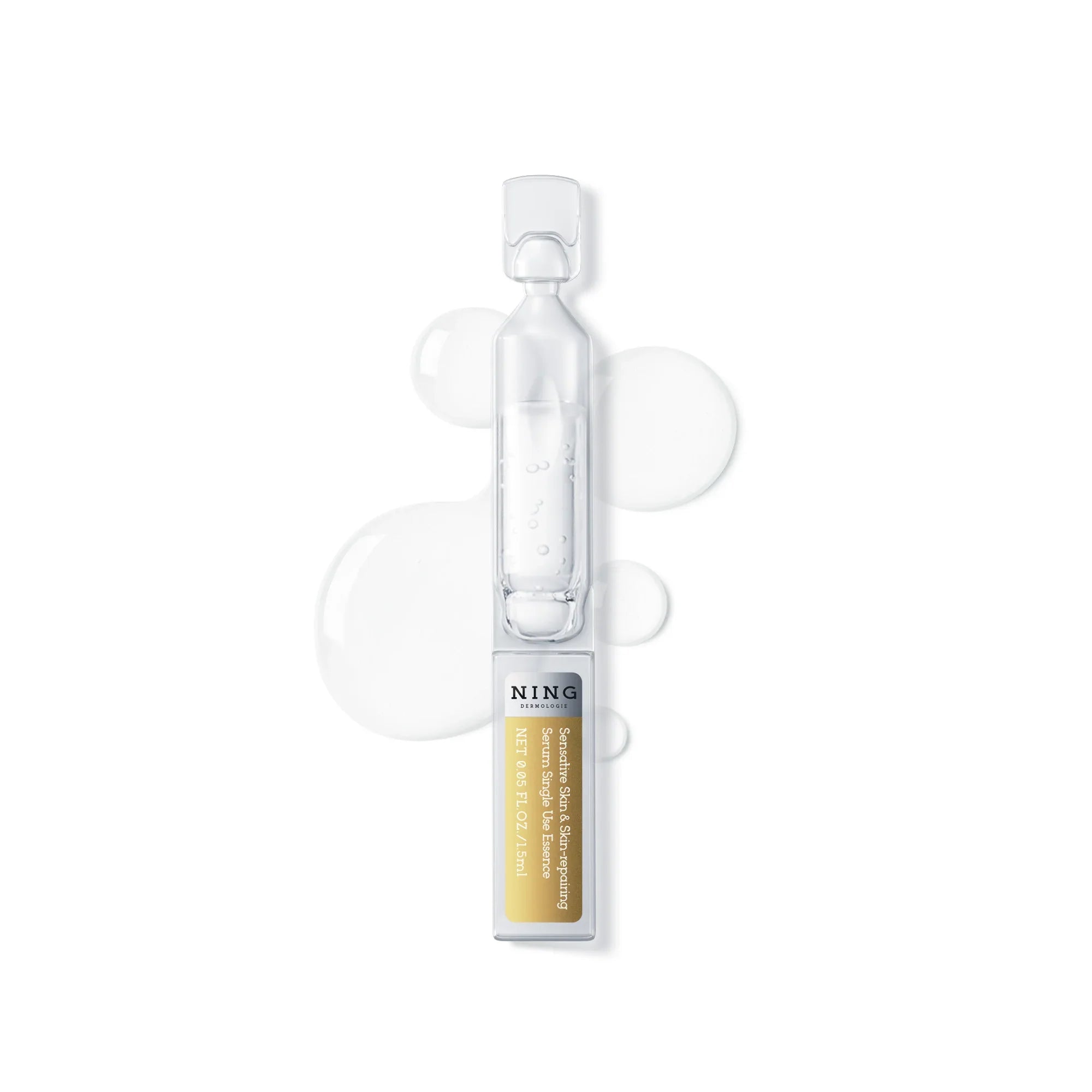
When we formulated the NING Dermologie Vitamin C Serum, we focused on skin texture and the skin barrier. We didn't want to just brighten; we wanted to heal.
By including Ethyl Ascorbic Acid, we ensured the serum penetrate the skin deeply without needing a high-acid environment. It leaves skin feeling silky, well under makeup, and provides that natural skin glow that everyone is chasing. It’s a vitamin c with hyaluronic acid powerhouse that respects sensitive skin.
Frequently Asked Questions (FAQ)
1. How long does it take to see results on dark spots?
Consistency is the name of the game. While you might notice your skin looks more radiant within a week due to the brightening serum effects, fading dark spots and correcting hyperpigmentation usually takes 8 to 12 weeks. This timeline matches your skin's natural cell turnover cycle. Stick with your vitamin c product daily for at least two months before deciding if it’s working for you.
2. Can I use Vitamin C if I have active acne?
Absolutely. In fact, certain vitamin c formulations, like those using sodium ascorbyl phosphate, have been shown to reduce acne inflammation. For acne-prone skin, Vitamin C helps prevent the dark marks (PIH) that often stay behind after a pimple heals. Just ensure the serum is non-comedogenic and doesn't contain heavy oils that could clog pores further while it works to even out skin tone.
3. Why does my Vitamin C serum turn orange or brown?
That’s oxidation. When pure vitamin c (l-ascorbic acid) is exposed to air, light, or heat, it loses its electrons and becomes dehydroascorbic acid. This version is not only ineffective but can actually cause skin feel irritation. To avoid this, look for stable derivatives like those in NING Dermologie or ensure your vitamin c serum comes in an opaque, airtight bottle. If it's dark, toss it.
4. Is a higher percentage of Vitamin C always better?
Not at all. While a 20% l-ascorbic acid serum sounds powerful, it’s often too aggressive for sensitive skin. Research shows that the skin’s absorption of Vitamin C plateaus around 20%, and even 10% is highly effective for most skin type needs. For those with sensitive skin, a lower percentage of a highly stable vitamin c derivative is much better than a high percentage of an unstable one.
5. Can I use Vitamin C and Niacinamide together?
Yes! There is an old myth that you can't, but modern skin care science has debunked this. Combining vitamin c with niacinamide is actually a "power move" for dark spots. Niacinamide strengthens the skin barrier and calms redness, while Vitamin C handles the antioxidant work. Products like NING Dermologie purposefully blend these key ingredients to maximize the benefits of vitamin c without causing the irritation associated with acidic formulas.





Share:
Customer reviews for vitamin C serums that help with dark spot removal
How to choose a vitamin C serum to reduce dark spots