

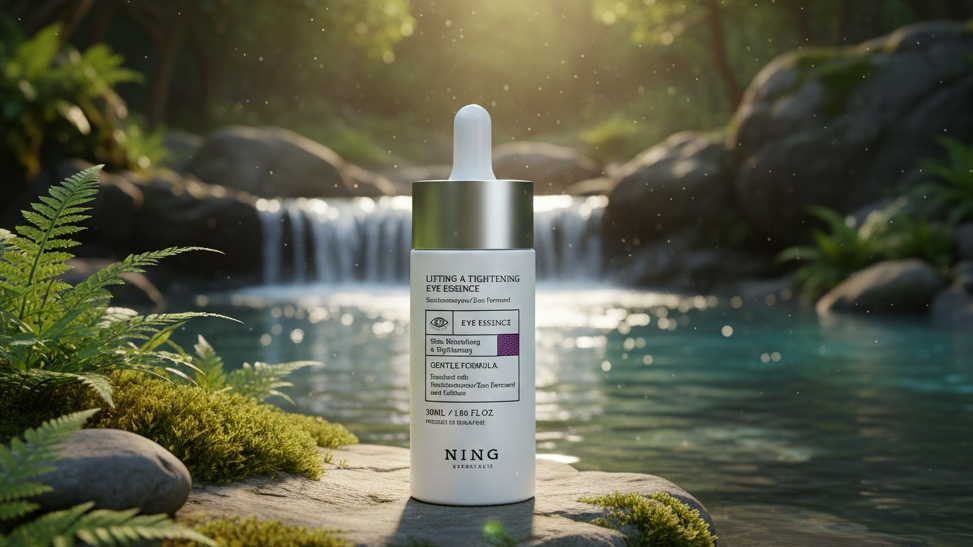

Let’s talk about the morning mirror shock. You wake up, drag yourself to the bathroom, and see eye bags heavy enough to carry your groceries. Most of us immediately reach for the nearest eye cream, hoping for a miracle in a tiny jar. But here is the unfiltered, straight-talking truth: not all bags under eyes are created equal. Some are temporary visitors caused by a late night or salty takeout, while others are structural changes that have taken up permanent residence on your face.
Understanding the fundamental difference between what a solid eye serum can fix and what requires serious lifestyle changes—or professional intervention—is the only way to save your time, your money, and your sanity. Let’s break down exactly what is happening beneath your lower lash line, separate the skincare facts from the marketing fiction, and figure out your actual game plan.

The Anatomy of the Baggage: What Is Actually Happening?
To fix the problem, you need to understand the architecture of your face. What exactly is happening under there? Medically peer-reviewed studies and data from top academic research institutions point to a few distinct culprits.
First, there’s fluid buildup. The skin around your eyes is incredibly thin—about 0.5 millimeters compared to the 2 millimeters on the rest of your face. When fluid retention occurs, it shows up immediately. This condition, medically known as periorbital edema, is responsible for the swollen eyelids and eye puffiness you see after a rough night. It is essentially a drainage issue.
Then there is the structural reality of aging. As we get older, the skin tissue simply loses its snap. The suborbicularis oculi—the muscle situated directly under the eye—begins to weaken. Simultaneously, your actual orbital bone changes shape and recedes slightly. When the muscle weakens and the bone shifts, the fat pads that normally cushion and support the eye can bulge forward. Add in a lifetime of chronic sun damage from relentless UV rays, and you have a perfect recipe for persistent under-eye bags and undereye circles.
What Helps: The Realistic Power of an Eye Serum
Let's get straight to the point about skincare: topicals cannot push herniated fat back behind your orbital bone. If you have true, genetic fat pads, no cream in the world is going to erase them. But if your eye swelling is tied to skin laxity, superficial dehydration, or poor microcirculation, the right eye serum is absolutely your best line of defense.
Active ingredients matter immensely here. You want hyaluronic acid to pull moisture into the epidermis and plump up dehydrated skin, making the hollows and shadows look far less pronounced. Vitamin A (retinol) is non-negotiable for speeding up cell turnover and thickening that fragile skin tissue over time. Antioxidants like Vitamin E are required to fight off free radicals from environmental stressors that degrade your collagen.
While the market is totally flooded with options—from the viral Peter Thomas Roth instant firming gels to classic drugstore staples like the No7 Youthful Eye Serum—finding a formula that balances heavy-hitting active ingredients without causing irritation is the real challenge.
This exact balance is why we developed the NING Dermologie Lifting & Tightening Eye Essence. It is formulated specifically for the unique and frustrating challenges of the under-eye area. Instead of just offering a temporary, tight feeling that washes off at the end of the day, it focuses on long-term skin health. It targets the fluid retention and the loss of elasticity that make eye bags look significantly worse than they actually are. When used consistently as part of your daily routine, an effective formula like our Lifting & Tightening Eye Essence acts as a structural support system, helping to keep the area firm, hydrated, and resilient against daily stressors.
Advanced formulations often utilize collagen peptide technology to communicate with your cells, encouraging them to rebuild the dermal matrix. When you apply your serum, technique also matters. Do not drag or pull. Use your ring finger to gently tap the product along the bone. The slight warmth of your skin helps the active ingredients penetrate effectively without tugging at the delicate skin tissue.
The Hard Truth: What Needs Lifestyle Changes
If your eye bags are significantly worse in the morning and tend to fade by lunchtime, you likely don't need surgery; you need to take a hard look at your daily habits. Fact checked data from respected health organizations like the Mayo Clinic consistently highlight lifestyle as a primary driver of fluid buildup.
Check Your Sodium Intake: That late-night ramen, the extra soy sauce, or that salty snack is actively pulling water into your tissues as you sleep. High sodium intake leads directly to systemic fluid retention. If you wake up looking puffy, the very first thing you need to do is cut the salt the night before.
Manage Allergies and Infections: Chronic eye allergies are notorious for causing under-eye pooling and dark circles (often referred to as allergic shiners). If you are rubbing your eyes constantly because they itch, you are physically breaking the microvasculature under the skin. Managing this might require consistent use of allergy medication or a conversation with your health care provider. Note: if the puffiness is accompanied by intense redness, pain, or a sticky discharge, rule out pink eye or a bacterial eye infection immediately.
Evaluate Toxins and Vices: Excessive alcohol consumption and the use of recreational drugs massively disrupt your sleep cycle and severely dehydrate your skin. This leads to a sunken, shadowed appearance that makes the bags under eyes look far more prominent and darker than they are on a healthy day.
Upgrade Your Sun Protection: Unprotected exposure to UV rays breaks down collagen and elastin faster than literally anything else. You should absolutely be wearing UV-filtering sunglasses every time you step outside. Combine this with the daily application of a broad-spectrum sunscreen or a dedicated SPF sunscreen right up to the lash line.
To tackle the lifestyle aspect holistically, you might even consider advice outside of the dermatology office. Health education specialists, personal trainers, and corrective exercise specialists often note that improved cardiovascular health and better posture—specifically neck alignment and sleep posture—can dramatically enhance lymphatic drainage. Sleeping flat on your back without a pillow allows fluid to pool in your head. Elevating your head slightly with a supportive pillow lets gravity do the work of draining the periorbital edema while you rest.
Beyond Skincare: When to Consider the Clinic
Sometimes, lifestyle changes and a stellar NING Dermologie eye serum aren't enough to get the specific results you are looking for. If you are dealing with permanent, structural fat prolapse, it’s time to look at clinical options.
Medical experts across the country, from Dr. Joel E. Kopelman in New York City to aesthetic clinics like Oasis Aesthetics or locations in Desert Bloom and St. George, UT, often discuss the hard limitations of topicals for structural issues. As noted by experts like Dr. Axe when comparing holistic approaches to surgical routes, you have to match the treatment to the root cause.
For surface-level skin tightening, stubborn dark circles, and heavy texture, in-office treatments like chemical peels and laser resurfacing (such as Fraxel or CO2 lasers) can stimulate collagen in ways that topicals simply cannot. But for actual fat bags, oculoplastic surgery—specifically a lower eyelid blepharoplasty—remains the gold standard. Surgery physically removes or repositions the fat pads, offering a permanent structural fix.
Building Your Real-World Arsenal
You need a holistic, realistic approach that blends smart skincare with daily habits. Here is the action plan:
- Assess the Situation: Figure out what you are dealing with. Are they fluid bags (worse in the morning, better later) or fat bags (constant all day)?
- Treat Topically: Use a high-quality, targeted treatment like the NING Dermologie Lifting & Tightening Eye Essence twice a day. Consistency is the only way active ingredients can rebuild the skin barrier.
- Stimulate Drainage: A gentle morning facial massage or using a cool gua sha tool can manually push stagnant periorbital edema out of the eye area.
- Camouflage Smartly: While waiting for your skincare and lifestyle changes to kick in, a good color correcting concealer (like a peach or orange tone) will neutralize the blue/purple shadows cast by bags under eyes.
- Protect Relentlessly: Never skip your broad-spectrum sunscreen and your sunglasses. Prevention is always cheaper than correction.
If you suspect your eye swelling is tied to a deeper systemic issue—like a thyroid disease—skip the skincare aisle and book an appointment with your doctor. Your eyes are a window to your overall health, and persistent swelling should never be ignored.

Frequently Asked Questions (FAQ)
Can drinking more water actually reduce my under-eye bags?
Yes, if your bags are caused by fluid retention. When dehydrated, your body hoards water, often storing it under your eyes. Drinking enough water flushes the system. However, hydration won't fix genetic fat pads or structural aging.
How long does it take for an eye serum to work?
For temporary puffiness, caffeine-based serums work in minutes. For long-term structural benefits—like building collagen or thickening skin with our NING Dermologie eye essence—expect to wait 4 to 6 weeks of consistent daily use to see real changes.
Are cooling tools better than using my fingers?
Cold temperatures constrict blood vessels, quickly reducing morning swelling. A cold gua sha tool or metal roller feels great and physically pushes stagnant fluid away. Just remember to use a serum for slip so you don’t drag the skin.
Do I really need sunglasses if I wear SPF?
Absolutely. Sunscreen is great, but UV-filtering sunglasses provide a physical barrier against UV rays while preventing you from squinting. Squinting breaks down the collagen around the orbital bone, worsening the appearance of bags and lines over time.
When should I see a doctor about my eye bags?
See a health care provider if the swelling is sudden, painful, red, or itchy, as it could be an infection or a thyroid issue. If the bags are purely cosmetic but bother you, consult a dermatologist or plastic surgeon.








Share:
Eye Serum for Fine Lines Under Eyes: Retinol vs Peptides vs Hyaluronic Acid
Eye Serum for Under-Eye Swelling: Morning De-Puff Routine That Works