

The Retinol Survival Guide: How to Pair Hyaluronic Acid & Vitamin A Without Ruining Your Barrier
Let’s be real for a second: Retinol is a bit of a diva.
We all know it’s the gold standard. Whether you’re fighting fine lines, battling acne-prone skin, or just chasing that elusive skin radiance, the retinoid family is non-negotiable. But the price of admission? The dreaded "retinol uglies"—dryness, peeling, and a skin barrier that feels like it’s on fire.
This is where Hyaluronic Acid (HA) steps in. If Retinol is the engine driving cell turnover, Hyaluronic Acid is the oil preventing the engine from overheating.
As a formulation enthusiast who has tested everything from drugstore staples to high-end topical treatments, I’m going to walk you through exactly how to combine these skincare superstars. We aren’t just slapping serums on our face here; we are building a strategy to maximize collagen production while keeping your skin calm, hydrated, and happy.

The Science: Why They Need Each Other
To understand the pairing, you have to understand the conflict. Vitamin A (the umbrella term for retinol, retinal, and retinoids) works by accelerating skin cell turnover. It tells your skin to shed old cells and generate new ones faster. This is great for skin rejuvenation and smoothing out skin texture, but it often disrupts the moisture barrier, leading to transepidermal water loss.
Hyaluronic acid, on the other hand, is a hydration hero. It acts like a water sponge, holding up to 1,000 times its weight in water. When you apply hyaluronic acid serums before or after retinol, you are essentially creating a water reservoir that mitigates the drying effects of the active ingredients.
The "Sandwich Method": Your New Best Friend
If you have sensitive skin or are new to active ingredients, you need to master the "Sandwich Method." This technique, often recommended by experts like dermatologist Sandra Lee (aka Dr. Pimple Popper) and Joshua Zeichner at Mount Sinai Hospital, buffers the irritation without killing the efficacy.
Here is the blueprint:
- Cleanse: Use a gentle wash.
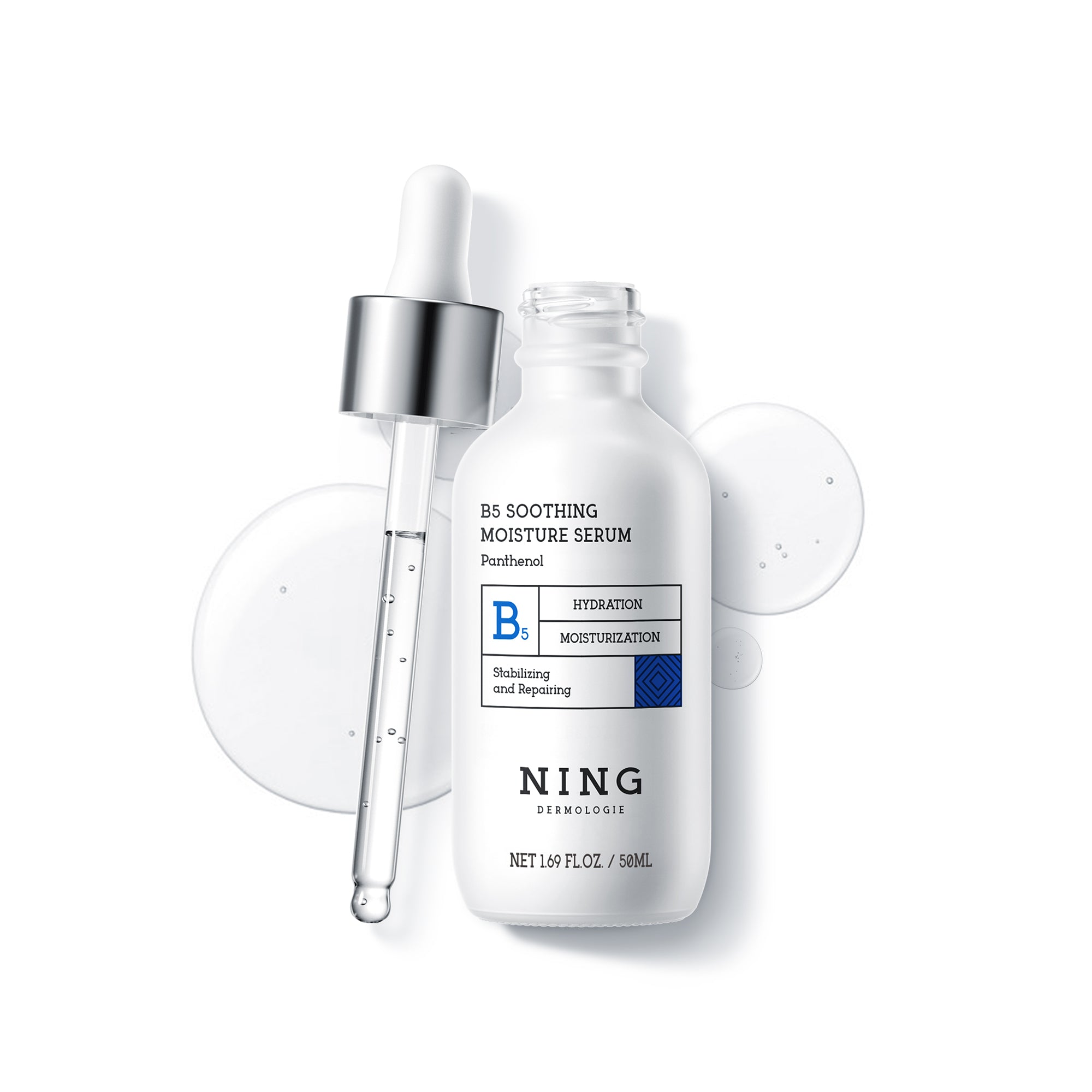
- Hydrate (Layer 1): Apply your hyaluronic acid serum or a light moisturizer.
- Treat: Apply your Vitamin A product.
- Seal (Layer 2): Lock it all in with a rich barrier cream.
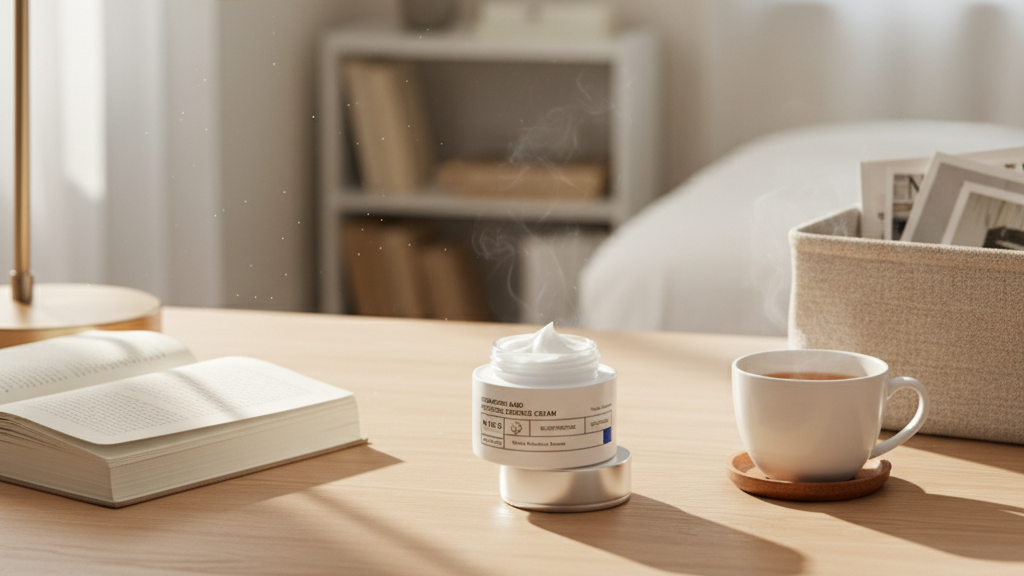
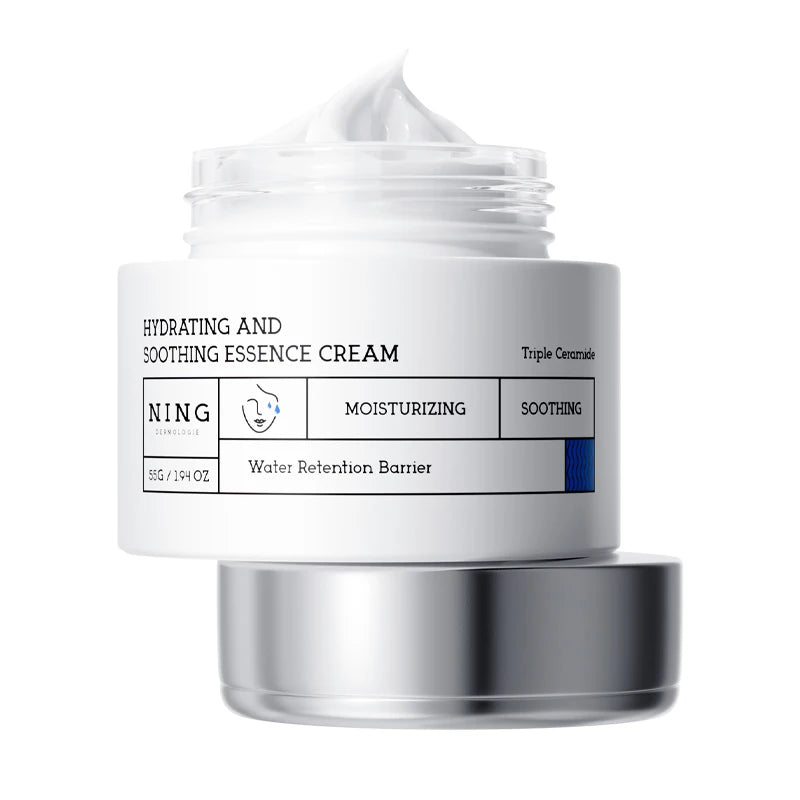
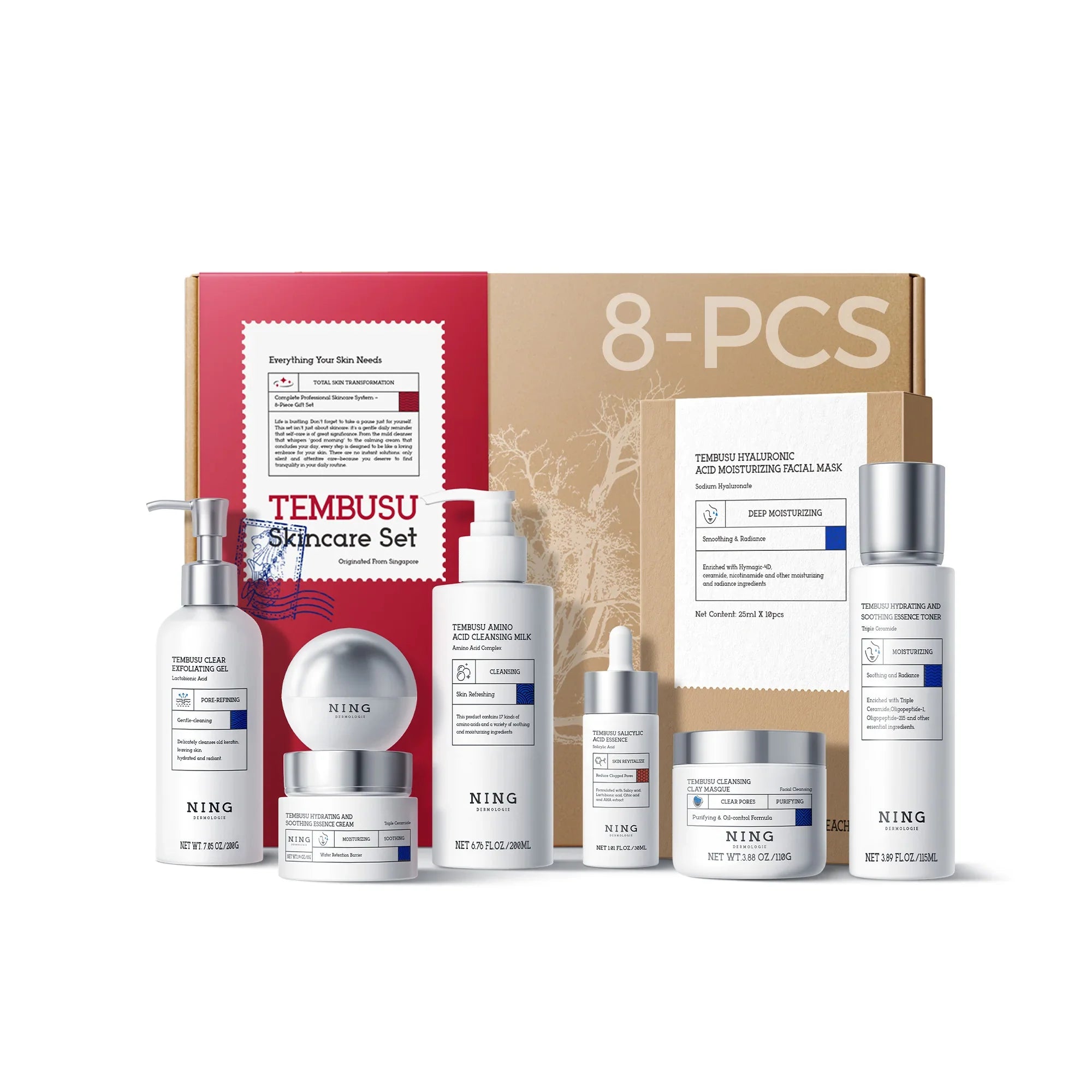
This is where NING Dermologie shines. While many people focus on the serum step, the seal is actually the most critical part of the sandwich. The NING Dermologie Hydrating & Soothing Essence Cream was practically engineered for this moment. It doesn't just sit on top; it integrates with the skin to soothe the inflammation that retinol often causes.
The Routine: Mixing Brands & Ingredients Like a Pro
You provided a list of products you might already have on your shelf. Let’s look at how to organize a routine that incorporates these skincare ingredients safely.
Morning Routine: Protect and Prep
- Cleanser: Start fresh. If you are dry, a splash of water is fine. If oily, use a gentle cleanser.
- Vitamin C: Apply a serum to fight free radicals and brighten dark spots.
- Hydration: A lightweight moisturizing lotion or HA serum.
- SPF: This is non-negotiable. Retinol makes you sun-sensitive. Whether you choose SkinCeuticals Physical Fusion Defense SPF 50 for a mineral formula or a drugstore classic with at least SPF 15 (though 30+ is better), apply it generously.
Evening Routine: The Retinol Power Hour
- Double Cleanse: If you wear makeup, start with a balm like the Garnier Erase It All Makeup Removing Cleansing Balm or the CeraVe Foaming Oil-Free Cleanser to remove debris and sebum production.
- The Humectant Step: Apply a dedicated HA serum. Options like the CeraVe Hydrating Hyaluronic Acid Serum are reliable for delivering essential ceramides. For a more botanical approach, look for serums with green tea extract or plant stem cells.
- The Active: Apply your retinol. Whether you are using the L'Oréal Paris RevitaLift Retinol Pressed Night Cream, the SLMD Retinol Resurfacing Serum, or a stronger Crystal Retinal, a pea-sized amount is all you need.
- The Barrier Builder (Crucial): This is where you save your skin. You need a moisturizer that supports the moisture barrier without interacting negatively with the retinol.
Why NING Dermologie is the "Retinol Chaser" You Need
Many heavy creams can feel suffocating, but NING Dermologie Hydrating & Soothing Essence Cream hits a rare balance. It provides the deep occlusion needed to treat dehydrated skin (a common side effect of Night Watch routines) but absorbs elegantly.
Unlike generic creams, NING’s formula focuses on calming skin sensitivity. When your skin is in a state of rapid skin cell renewal due to Vitamin A, it is vulnerable. The Hydrating & Soothing Essence Cream acts as a "reset button," reducing the redness and tightness associated with aging skin treatments. It complements the Universal Emulsion CREAM concept but with a focus on immediate soothing.
What NOT to Mix (The Danger Zone)
While we are discussing what combines well, we must discuss what doesn't.
When using Retinol in your PM routine, avoid using other potent chemical exfoliants at the same time.
- Alpha Hydroxy Acids (AHAs): Like glycolic acid.
- Beta Hydroxy Acids (BHAs): Like salicylic acid.
- Benzoyl Peroxide: This can actually oxidize retinol, making both less effective.
If you love your alpha and beta hydroxy acids, move them to the morning (if your skin is resilient) or use them on "off nights" (nights you skip retinol). This is the concept of "Skin Cycling," popularized by dermatologists like Dr. Whitney Bowe and often discussed by experts at the Schweiger Dermatology Group in New York City.
Navigating Different Skin Types
For Acne-Prone Skin
You might be tempted to blast your face with benzoyl peroxide and retinol. Don't. It leads to chemical burns. Instead, use a lightweight Oil Serum SENSITIVE formula or the SLMD Hyaluronic Acid Moisturizer to keep pores clear while hydrating. Retinol helps with large pores over time, so be patient.
For Dry, Aging Skin
Skin aging involves a loss of skin elasticity and moisture. Your routine should be 80% hydration, 20% stimulation. Layer your Youth Serum or growth factors before your retinol, and always finish with the NING Hydrating & Soothing Essence Cream.
For Sensitive Skin
Always patch test new retinoids on your neck. Start with a low concentration. Formulation experts, like Go-To formulation chemist Ingrid, often suggest looking for encapsulated retinols which release slowly to minimize skin irritation.
The Verdict
Finding Hyaluronic acid serums that combine well with retinol products isn't just about buying two bottles. It's about the ecosystem you create on your face.
Retinol pushes the gas pedal on skin tone improvement and anti-aging. Hyaluronic Acid and barrier creams like NING Dermologie pump the brakes on irritation. You need both to reach the finish line.
So, grab your hydration hero, apply your Vitamin A, and seal it all in. Your future face will thank you.

Frequently Asked Questions (FAQ)
Q1: Can I use Hyaluronic Acid and Retinol at the exact same time?
A: Absolutely. In fact, they are the power couple of anti-aging cosmetics. HA draws moisture in, countering the drying effects of Retinol. Apply your HA serum first on damp skin, let it absorb slightly, then apply Retinol. This mitigates peeling and keeps the skin barrier intact.
Q2: Should I apply Retinol on dry or damp skin?
A: Ideally, apply Retinol on dry skin. Water increases permeability, meaning damp skin absorbs Retinol deeper and faster, which sounds good but increases skin irritation. Apply your HA serum, wait for it to dry down, then apply your Retinol to avoid the "burn."
Q3: How often should I use this combination?
A: Hyaluronic acid serums can be used twice daily. Retinol depends on your tolerance. Beginners should start 2 times a week. As Dr. Corey L. Hartman suggests, "low and slow" wins the race. Listen to your skin—if you sting, take a break and focus on hydration.
Q4: Can I use Vitamin C with this duo?
A: Yes, but separate them. Use Vitamin C in the morning to fight free radicals and boost sunscreen protection. Use Retinol and HA at night. Mixing Vitamin C and Retinol directly can cause significant sensitivity and alter the pH balance of the active ingredients.
Q5: Is NING Dermologie Hydrating Cream suitable for oily skin on Retinol?
A: Yes. Even oily skin gets dehydrated (lacking water) from Retinol. NING Dermologie is formulated to hydrate without clogging pores. It balances sebum production by preventing the skin from over-producing oil to compensate for dryness. It’s the perfect buffer for all skin types.





Share:
The Truth About Viral Hyaluronic Acid Serums: What Pros Use vs. What TikTok Hypes
Compare price and effectiveness of popular hyaluronic acid serums