



There is nothing quite as frustrating as doing your entire skincare routine, keeping your hands off your face, drinking your water, and still taking off your face covering at the end of the day only to find a painful new breakout brewing on your chin.
Ever since the COVID-19 pandemic made face masks a staple of our daily lives, we’ve been battling a literal skincare epidemic. Suddenly, people who hadn't dealt with breakouts since high school were desperately Googling "Acne 101."
But here is the thing: what you're experiencing under there isn't just a standard breakout. It requires a totally different game plan. If your skin is currently red, angry, and covered in tiny bumps, take a deep breath. We are going to fix this.

What Exactly is Maskne? (Hint: It’s Not Just Regular Acne)
When dermatologists talk about "maskne," they are usually referring to a specific beast called acne mechanica. Long before it became a household term, experts at Loma Linda University Health and various other healthcare systems were treating this in doctors and nurses who wore heavy personal protective equipment for 12 hours a day.
It boils down to two main culprits:
The Friction Factor
Whether you are wearing surgical masks, disposable paper masks, or cute fabric masks, the constant physical rubbing against your skin compromises your skin barrier. This friction creates micro-tears and irritation, which can quickly evolve into Contact Dermatitis or trigger acne mechanica.
The Moisture Trap
Think about what happens when you breathe, talk, or sweat under a mask. You are essentially creating a tiny, humid greenhouse on the lower half of your face. This trapped moisture, mixed with oil, dead skin cells, and bacteria, leads straight to stubbornly clogged pores.
Choosing the Right Shield: Mask Materials Matter
Before we even touch your skincare bottles, we need to talk about your mask hygiene and the mask materials you choose.
If you are breaking out, ditch the synthetic fibers. Materials like polyester trap sweat against the skin and offer zero breathability. Instead, opt for 100% cotton or silk reusable masks.
If you prefer a disposable mask, make sure you are actually disposing of it. Re-wearing the same disposable mask for three days is basically asking for a breakout. If you go the reusable route, wash them frequently using a gentle, hypoallergenic detergent. Residual laundry chemicals are a massive trigger for skin conditions.
The "Maskne Clear Skin" Protocol: Prevention & Treatment
You cannot treat friction-induced acne with the same aggressive, drying products you used as a teenager. You will only damage your skin barrier further. We need a targeted, gentle approach. Here is your action plan.
Step 1: Rethink Your Cleansing Routine (The Right Way to Exfoliate)
When you feel clogged up, the temptation is to scrub your face raw. Don't do it. You need a non-stripping cleanser that respects your skin's natural defenses.
To break down the glue holding dead skin cells and sebum together, you need smart chemical exfoliation, specifically a Beta Hydroxy Acid (BHA). Because BHAs are oil-soluble, they can actually penetrate deep into the pore lining to clear out the junk.
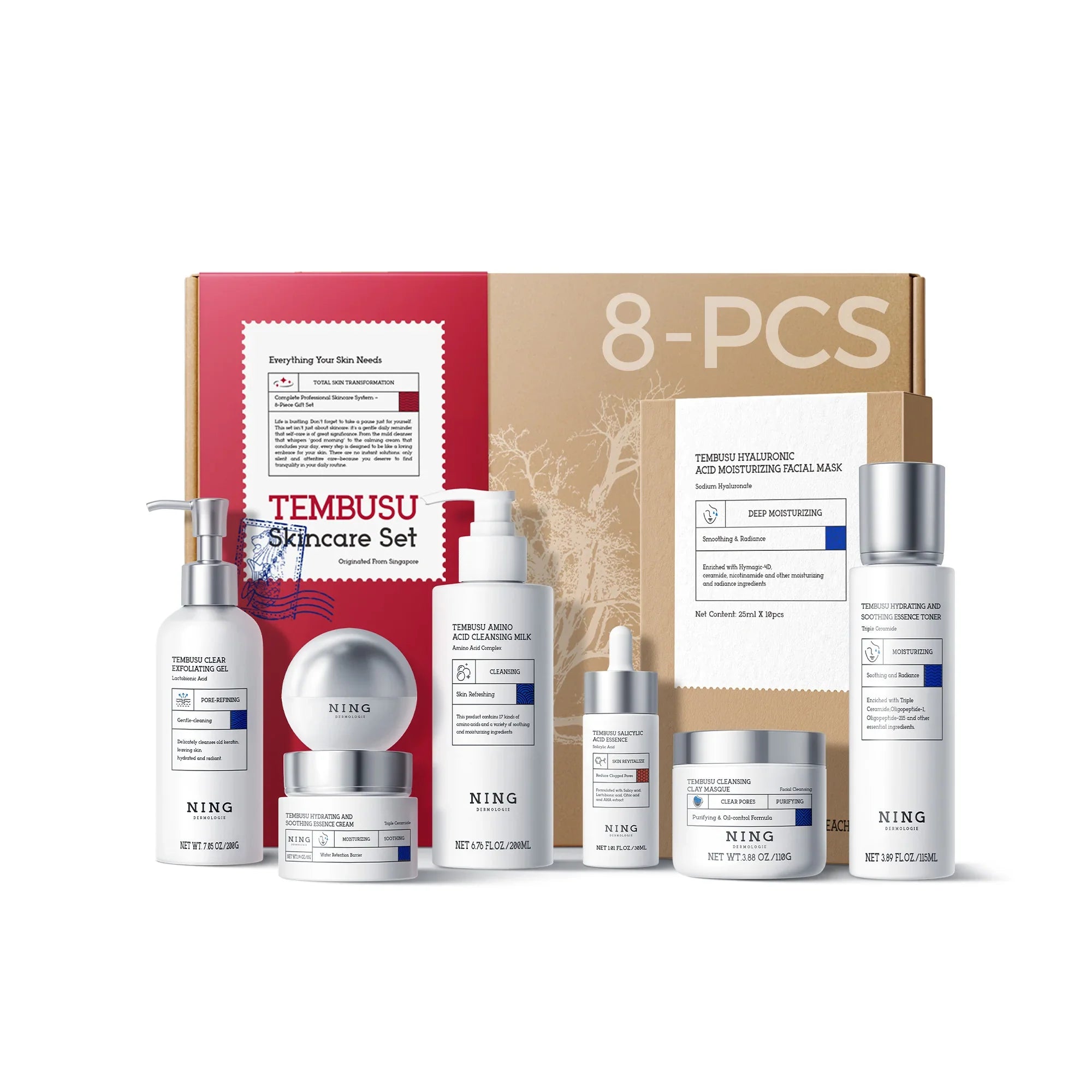
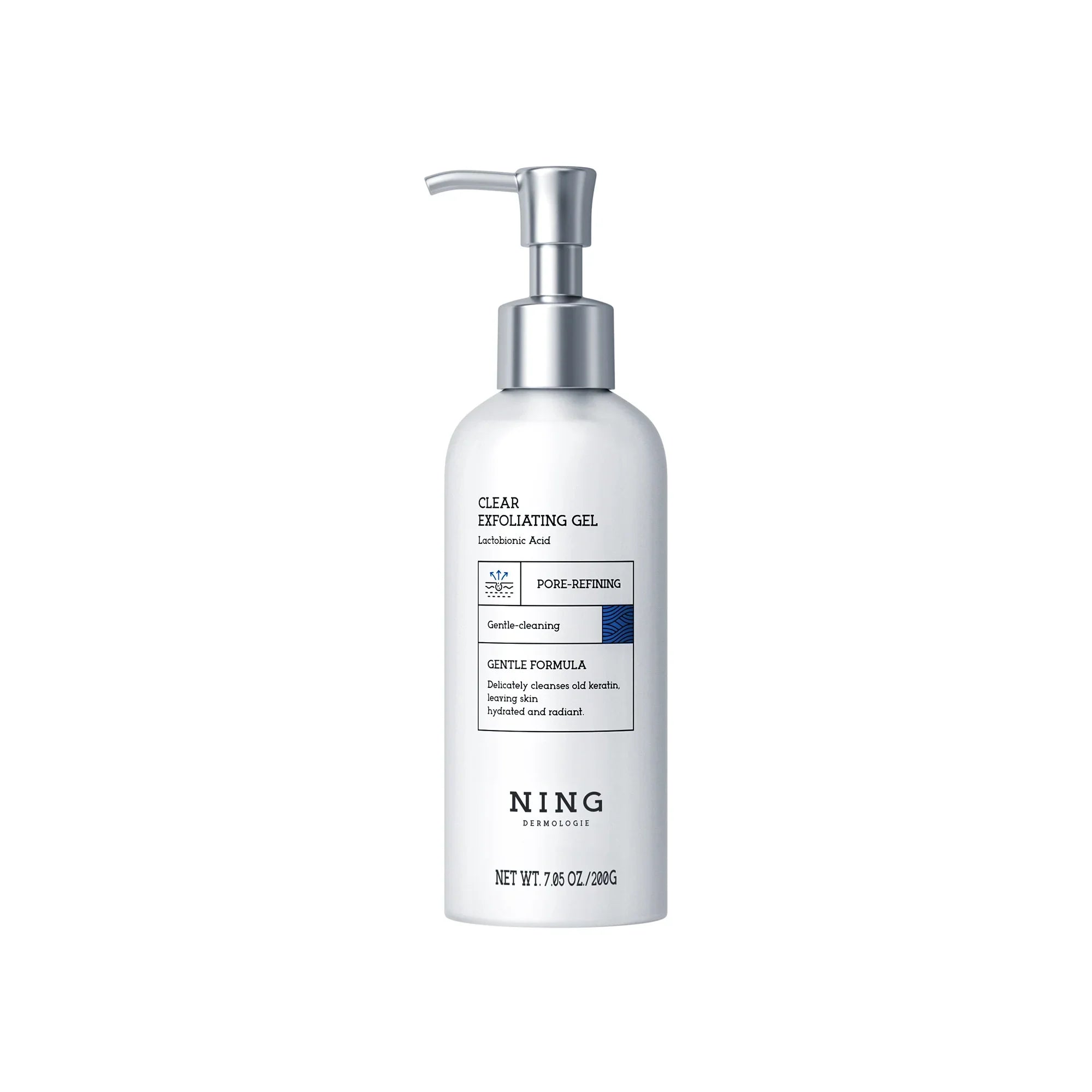
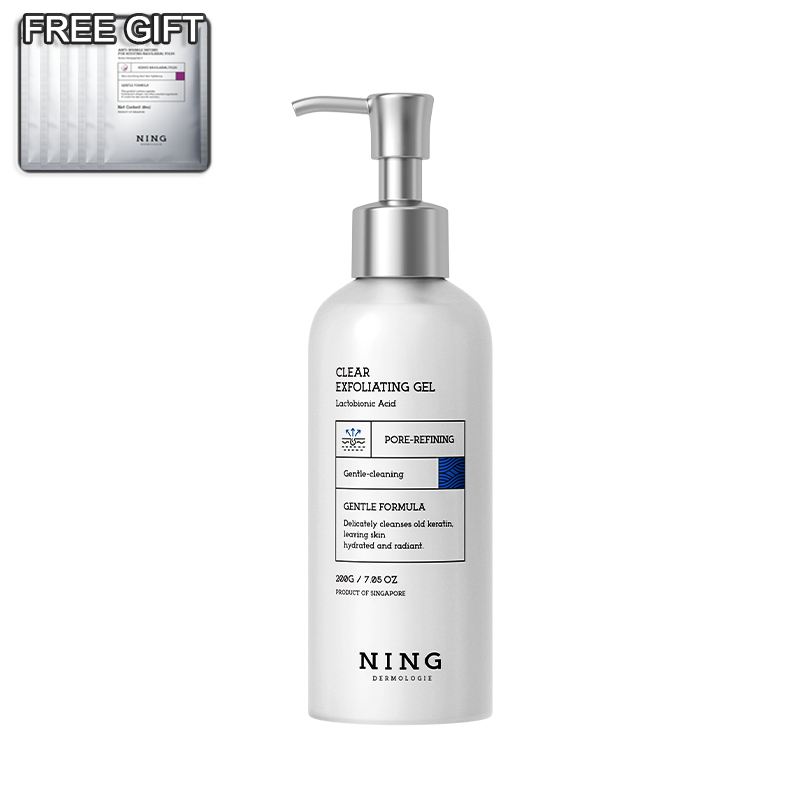
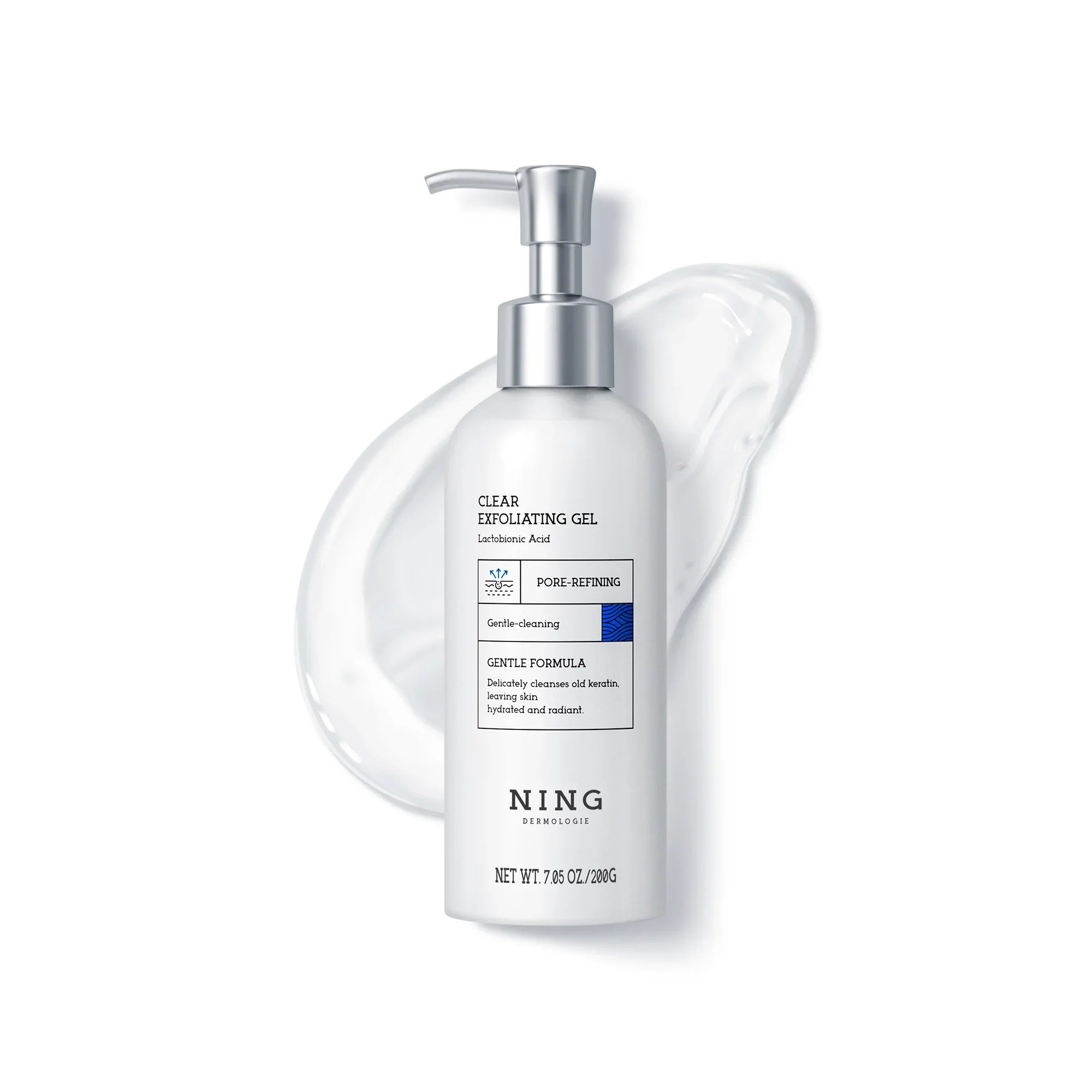
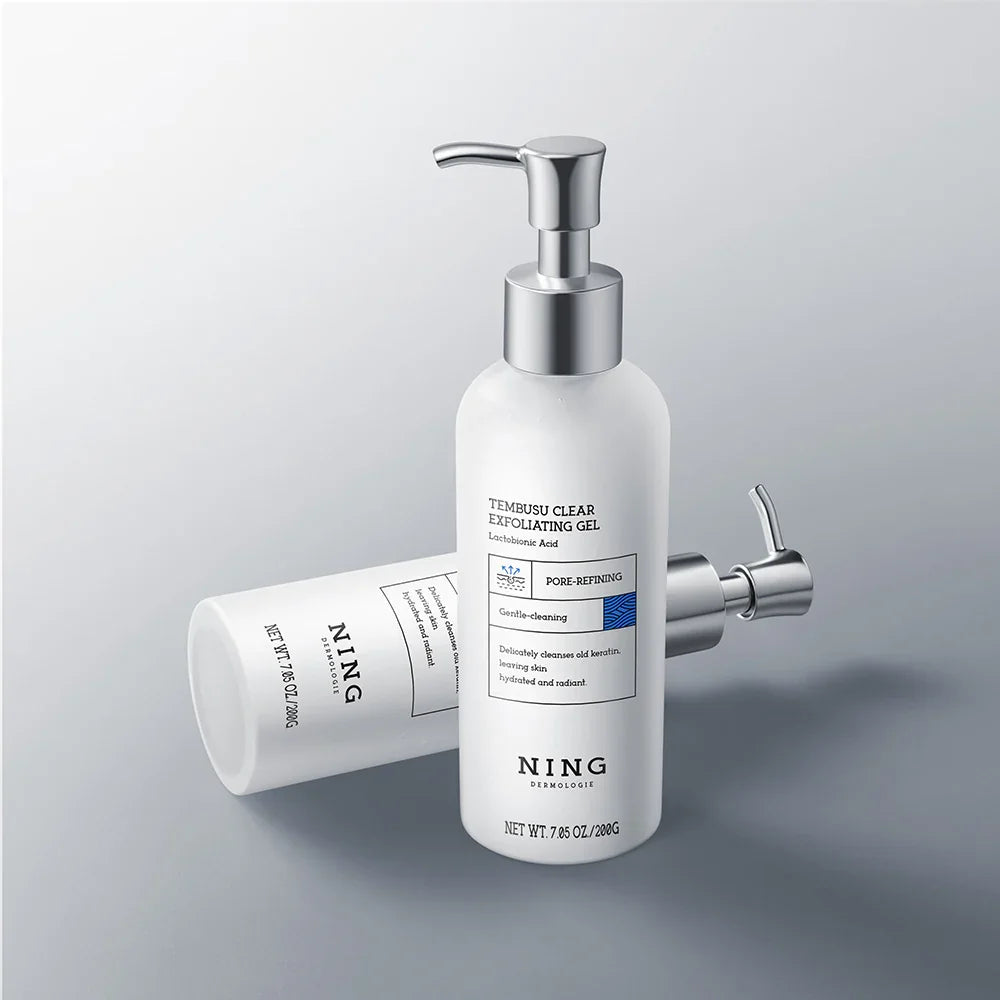
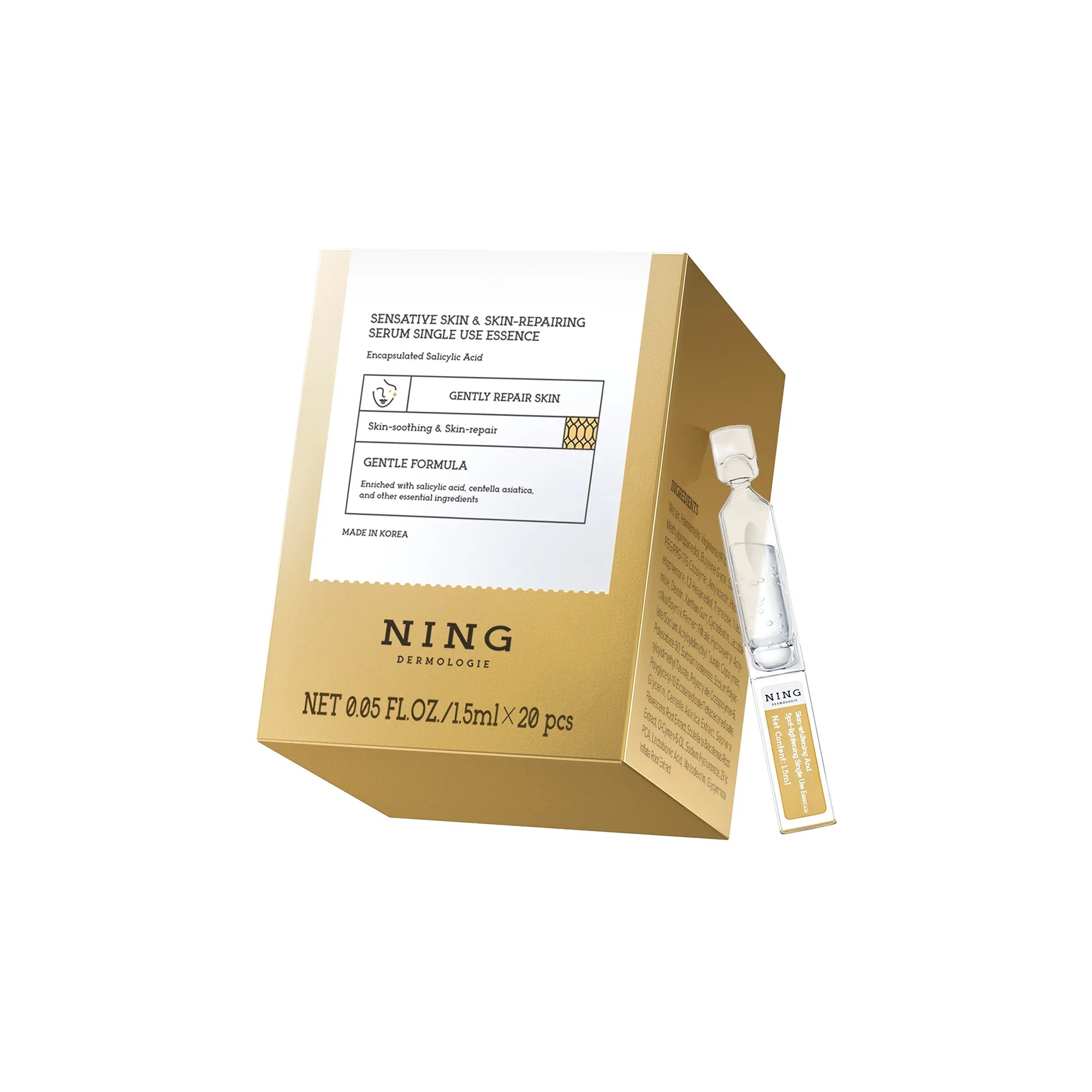
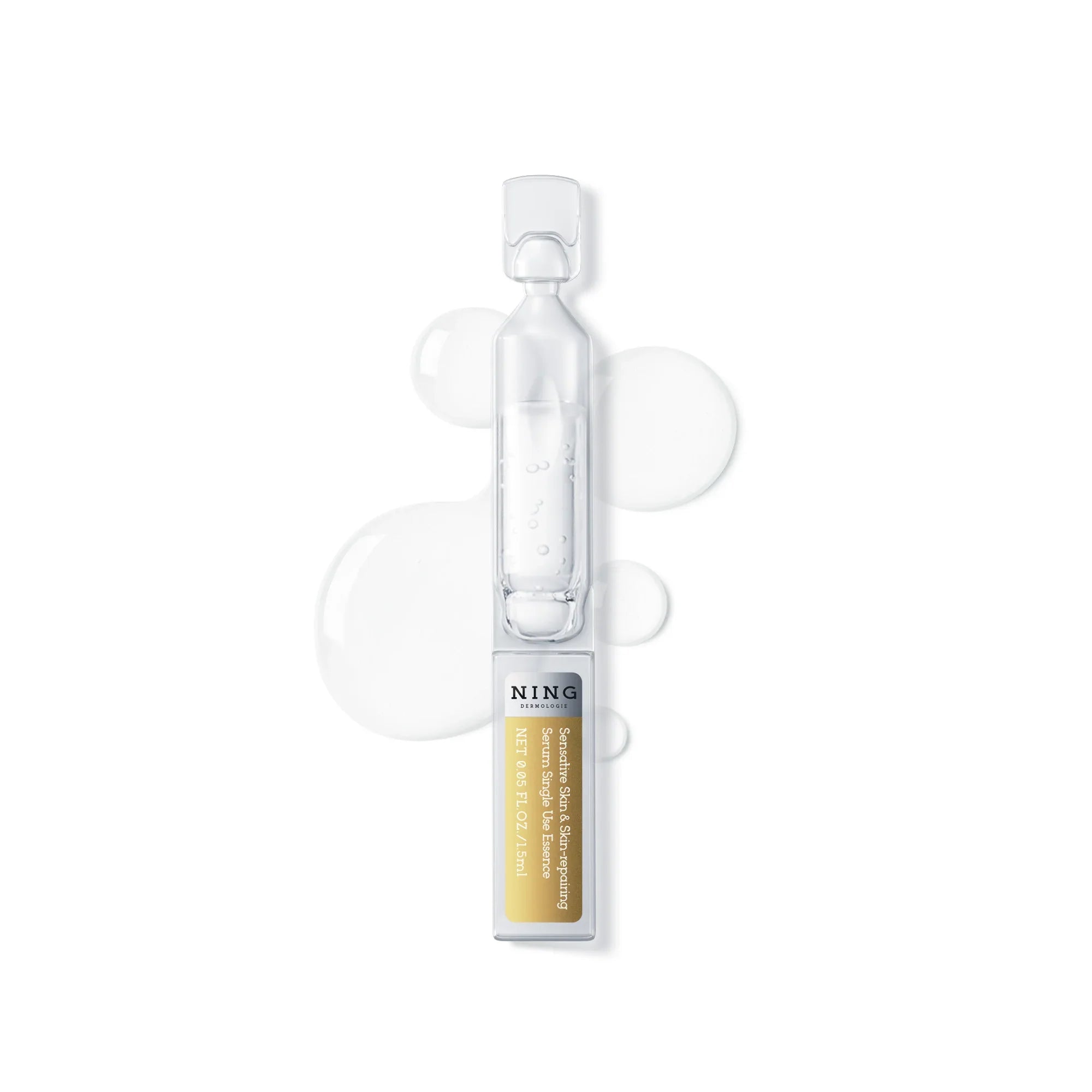
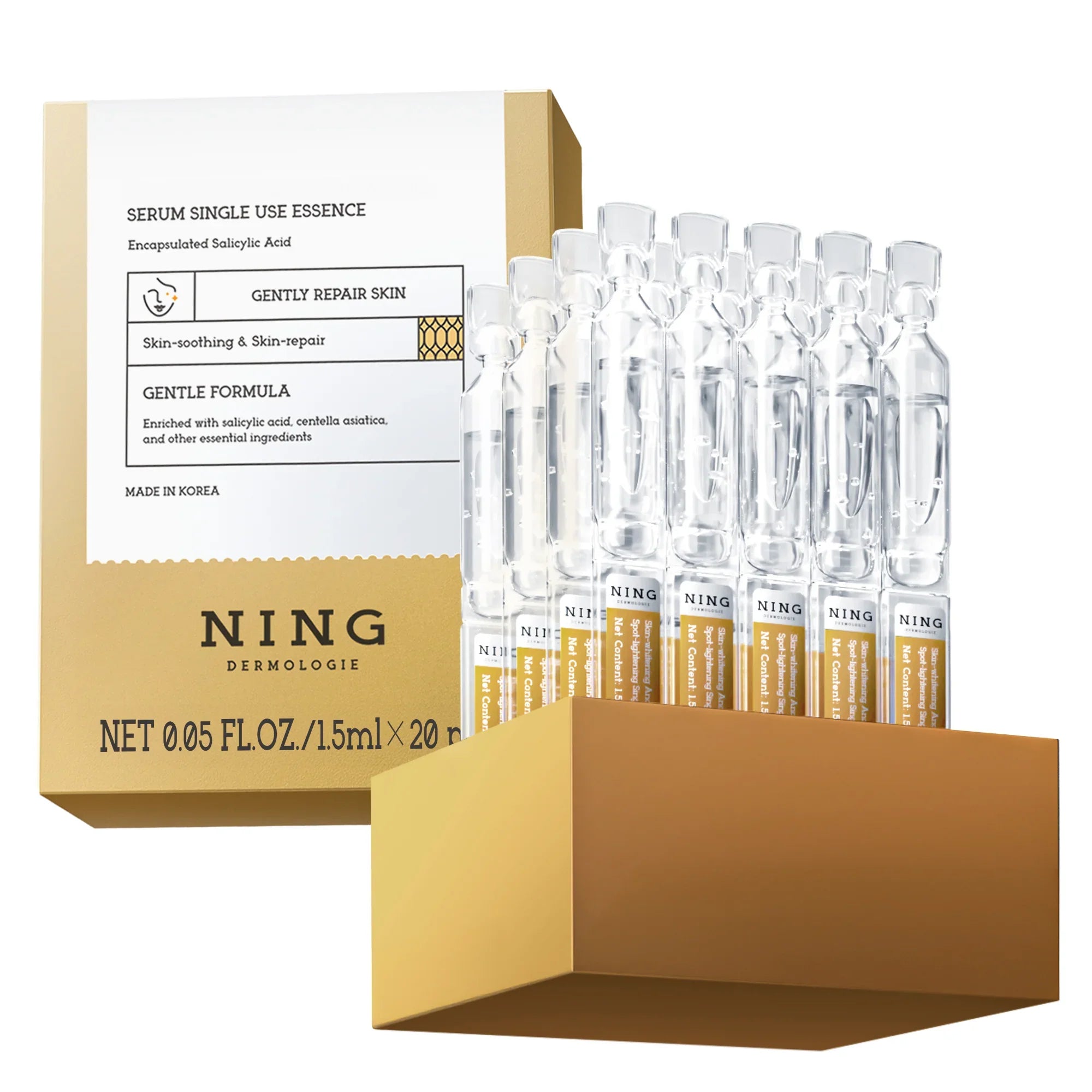
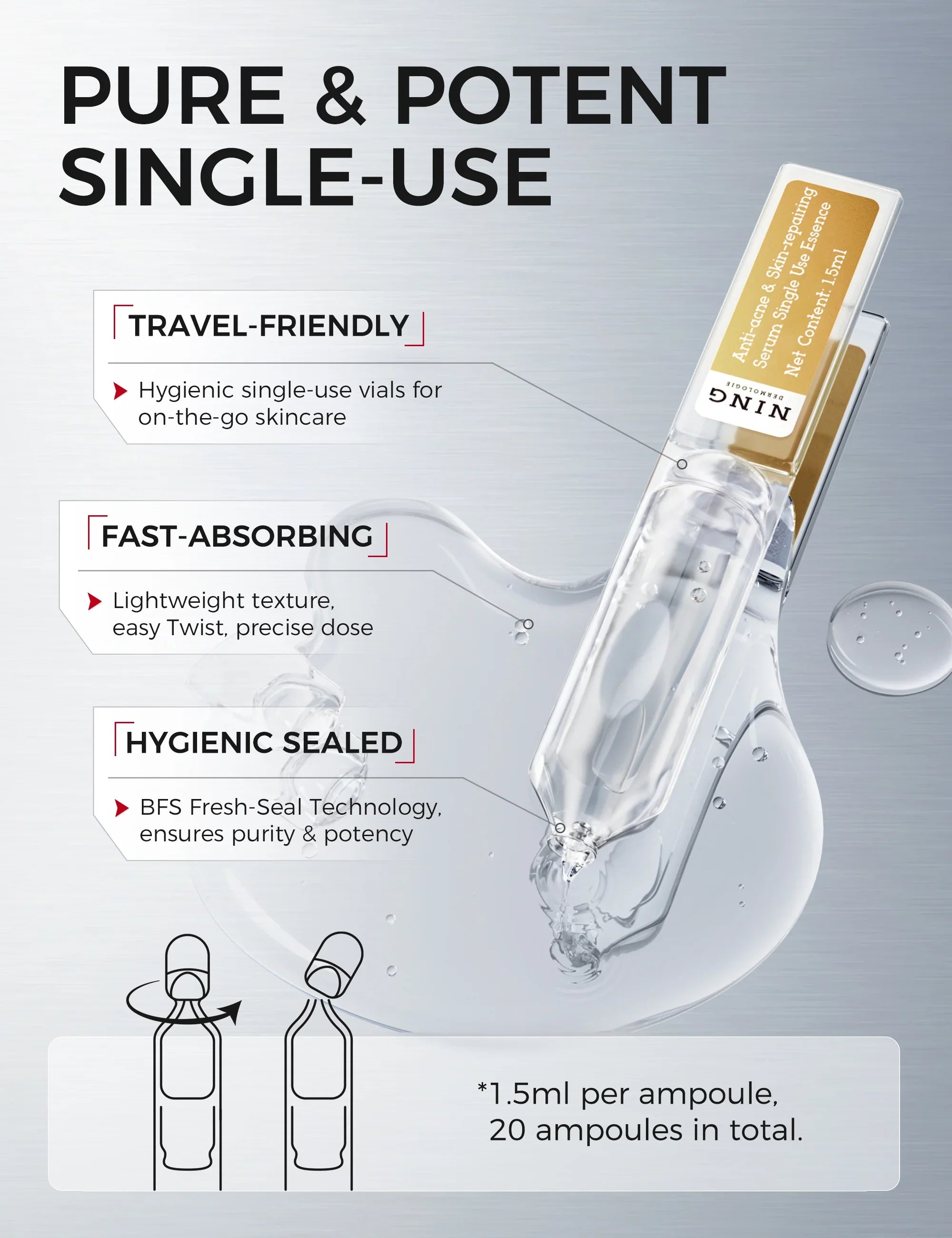
If you are looking for a highly effective but gentle option to integrate into your routine, the NING Dermologie Exfoliating Face Wash is a brilliant choice. It acts as a purifying peeling gel that gently sloughs away dead skin without the harsh, jagged particles of traditional physical scrubs. Using an exfoliator like this 2-3 times a week keeps the skin turnover rate healthy, preventing the pores from getting backed up in the first place.
If your skin is incredibly oily, you might also alternate with a dedicated Salicylic Acid Cleanser or sweep an antiseptic toner (like a salicylic toner) over your jawline as soon as you get home.
Step 2: The Hero Ingredients You Actually Need
To build your own custom maskne clear skin kit, look for these specific, science-backed ingredients:
- The Exfoliators (Hydroxy Acids): Beyond BHA, Alpha Hydroxy Acids (AHAs) like glycolic acid and lactic acid help smooth the surface texture. If you have sensitive skin, consider Succinic Acid or azelaic acid—both are incredibly gentle and effectively reduce the redness associated with mask wearing.
- The Bacteria Killers: Benzoyl peroxide is the gold standard for killing acne-causing bacteria. A lightweight Benzoyl Peroxide Acne Lotion can work wonders as a spot treatment. If you are allergic to it, look into sulfur acne products.
- The Soothers: You need hydration to repair the barrier. Look for Hyaluronic Acid, Lotus Extract, or a protective Q10 Serum. To calm inflammation, anything containing a zinc compound or zinc oxide is your best friend.
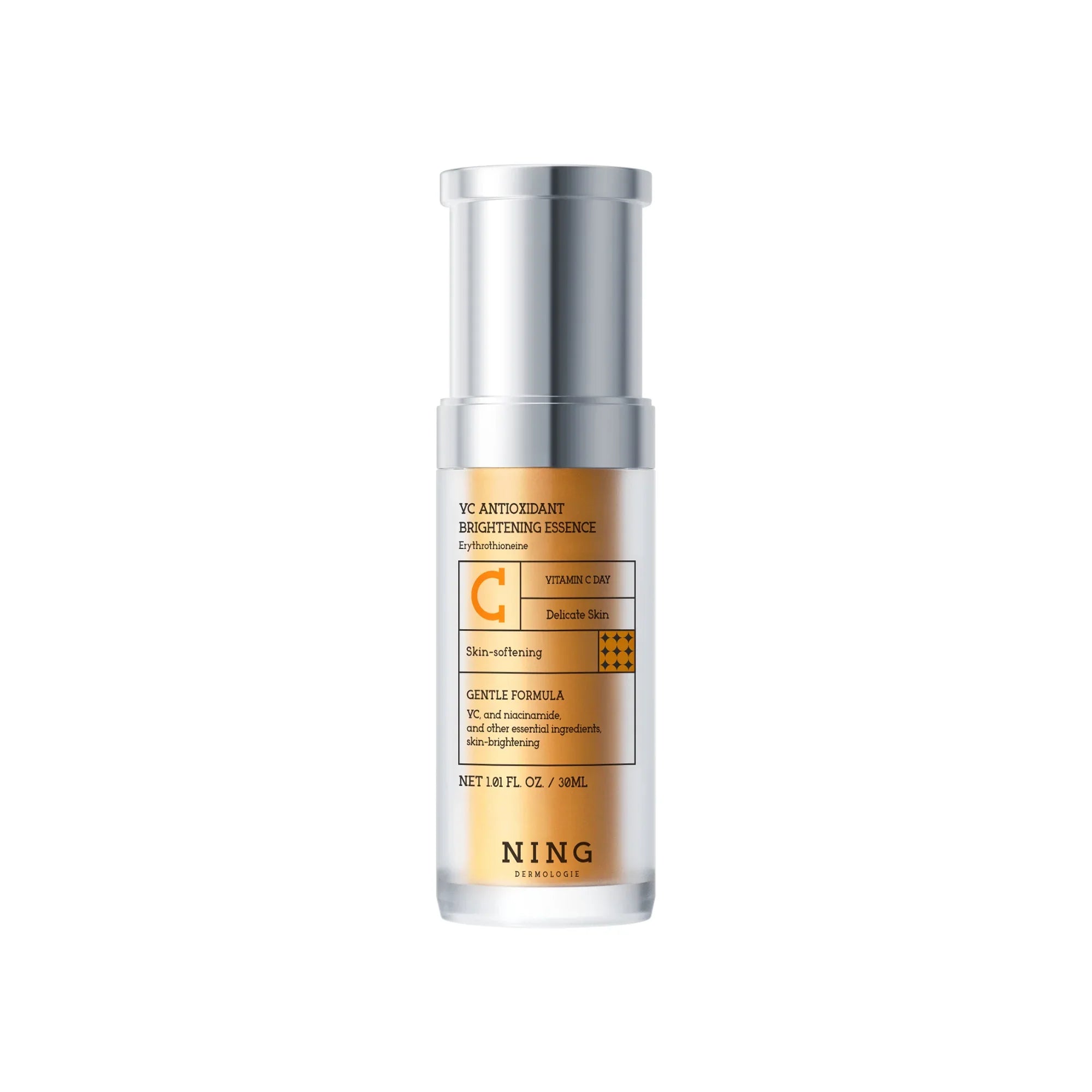
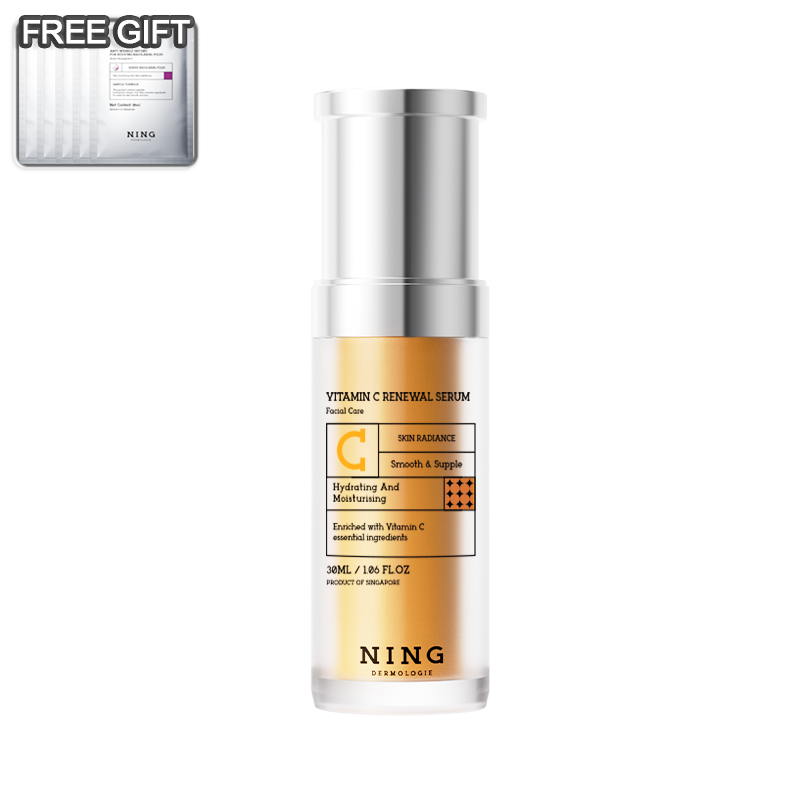
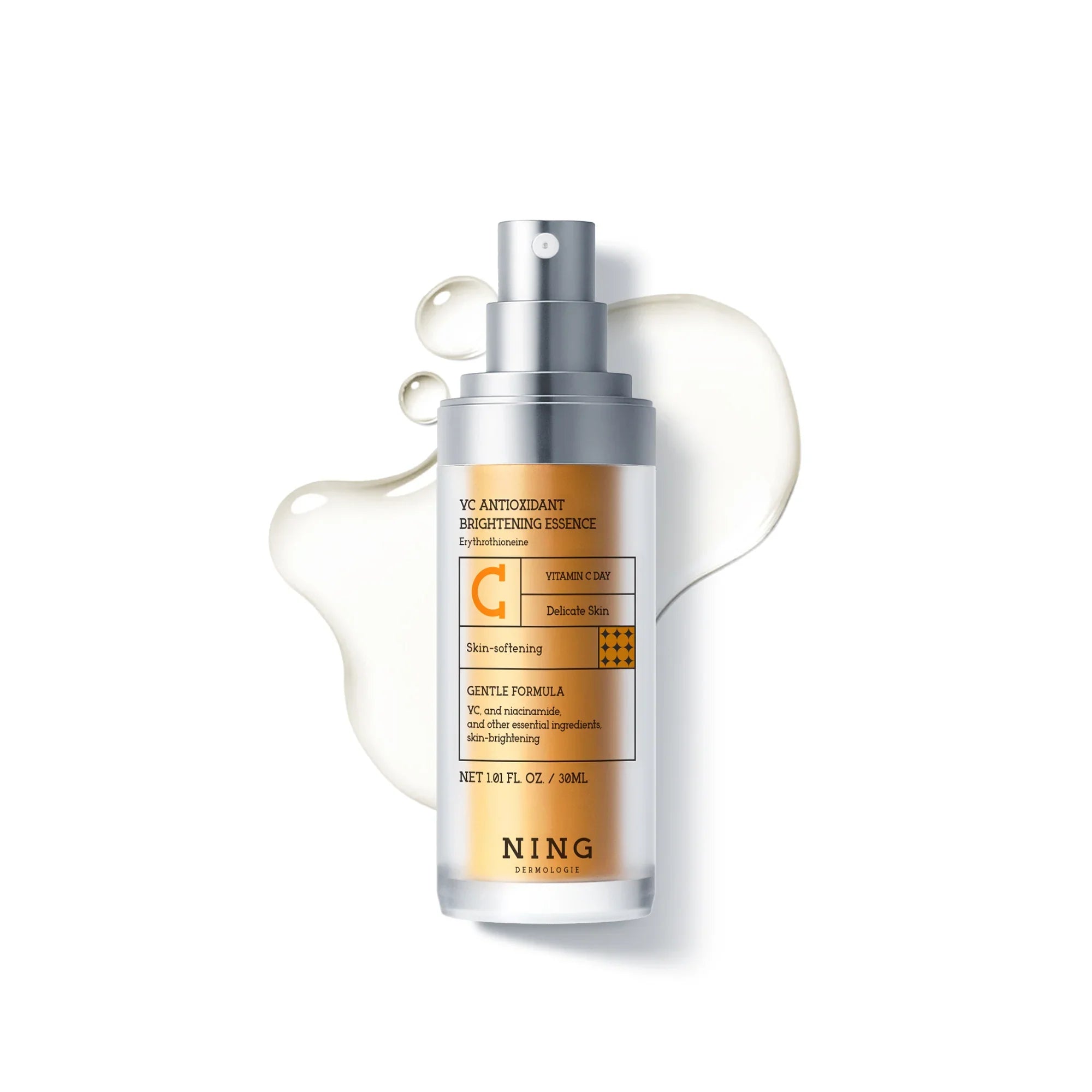
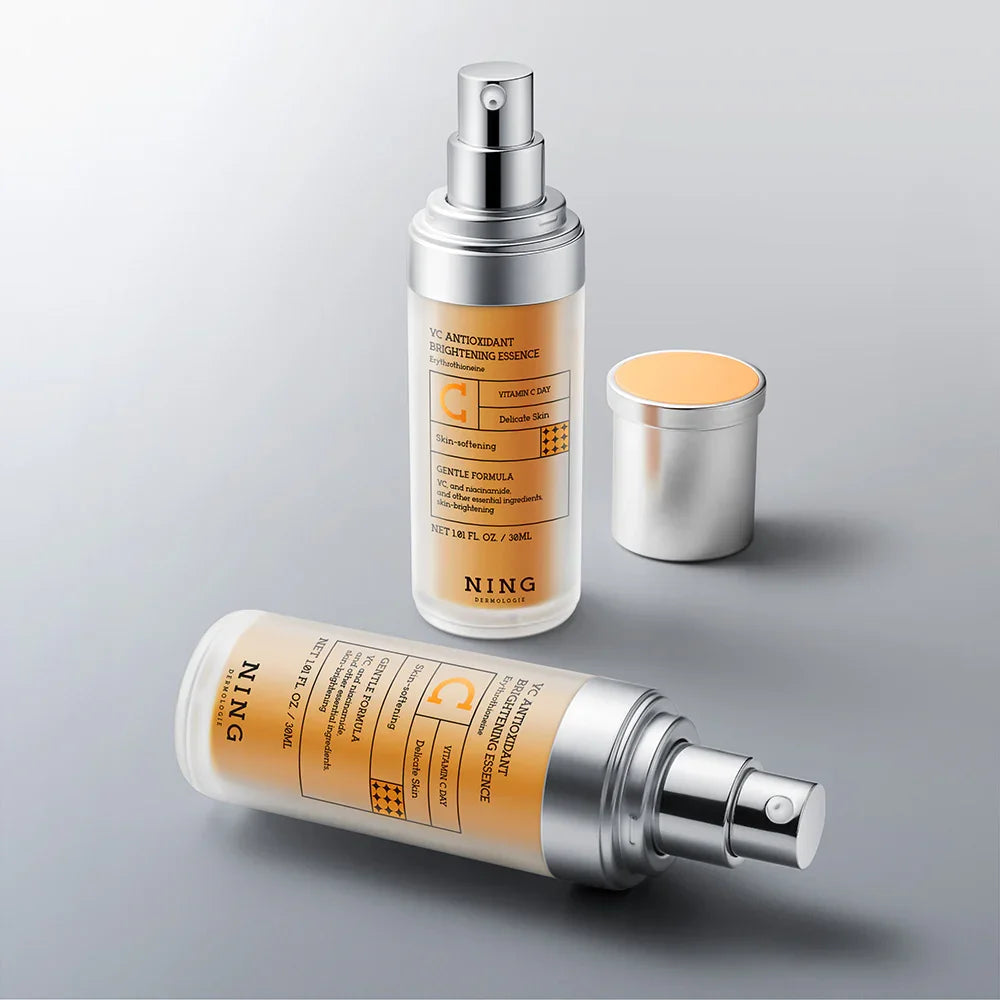
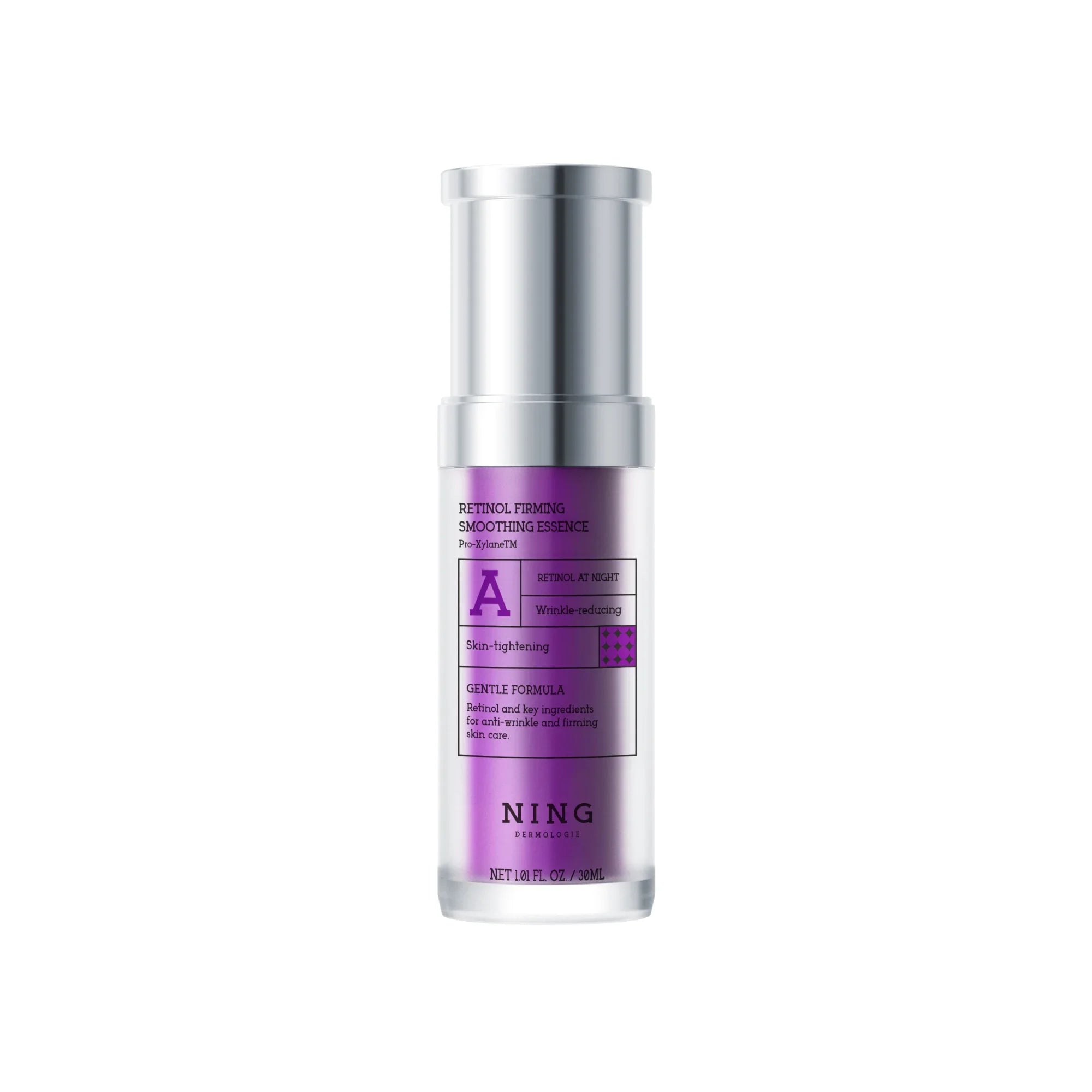
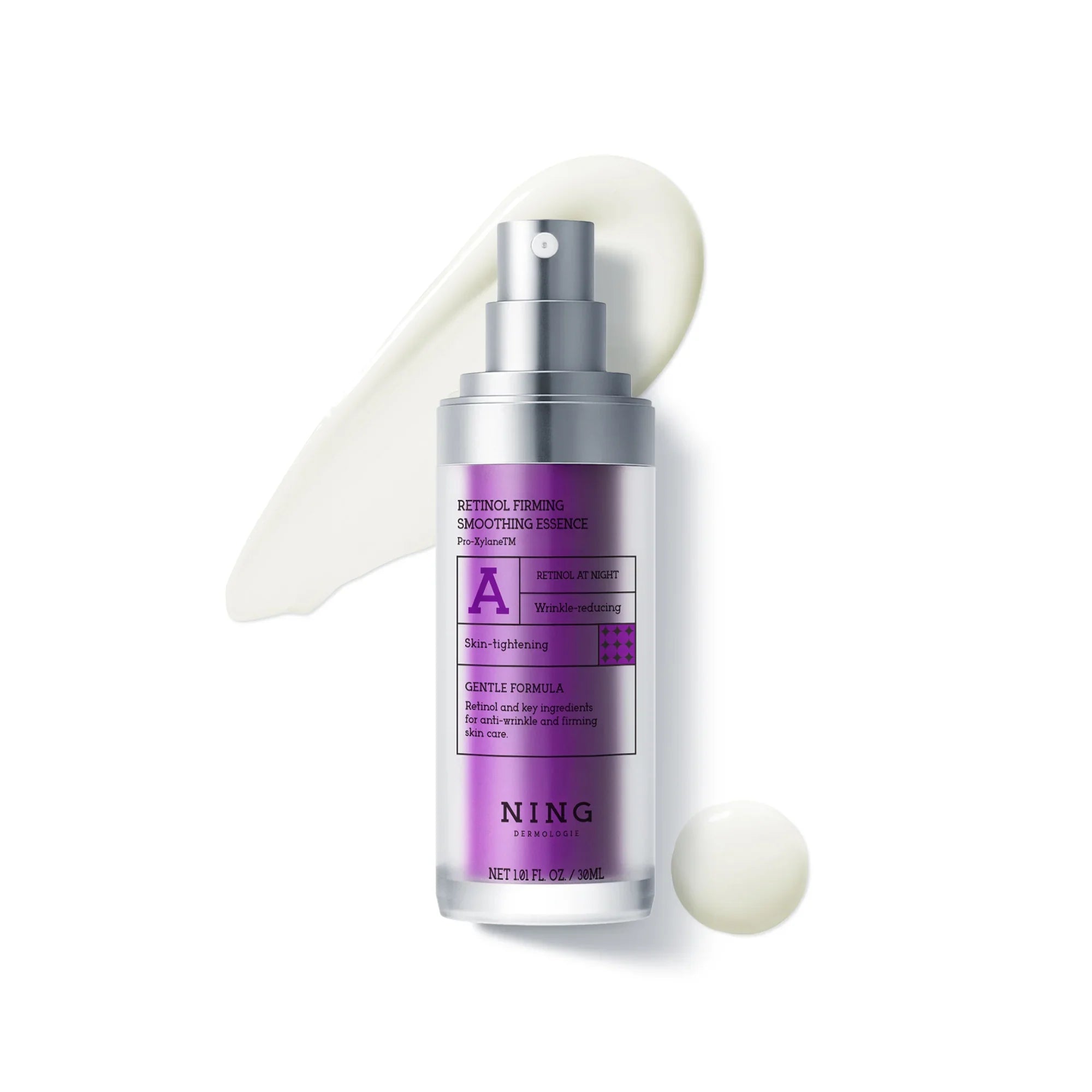
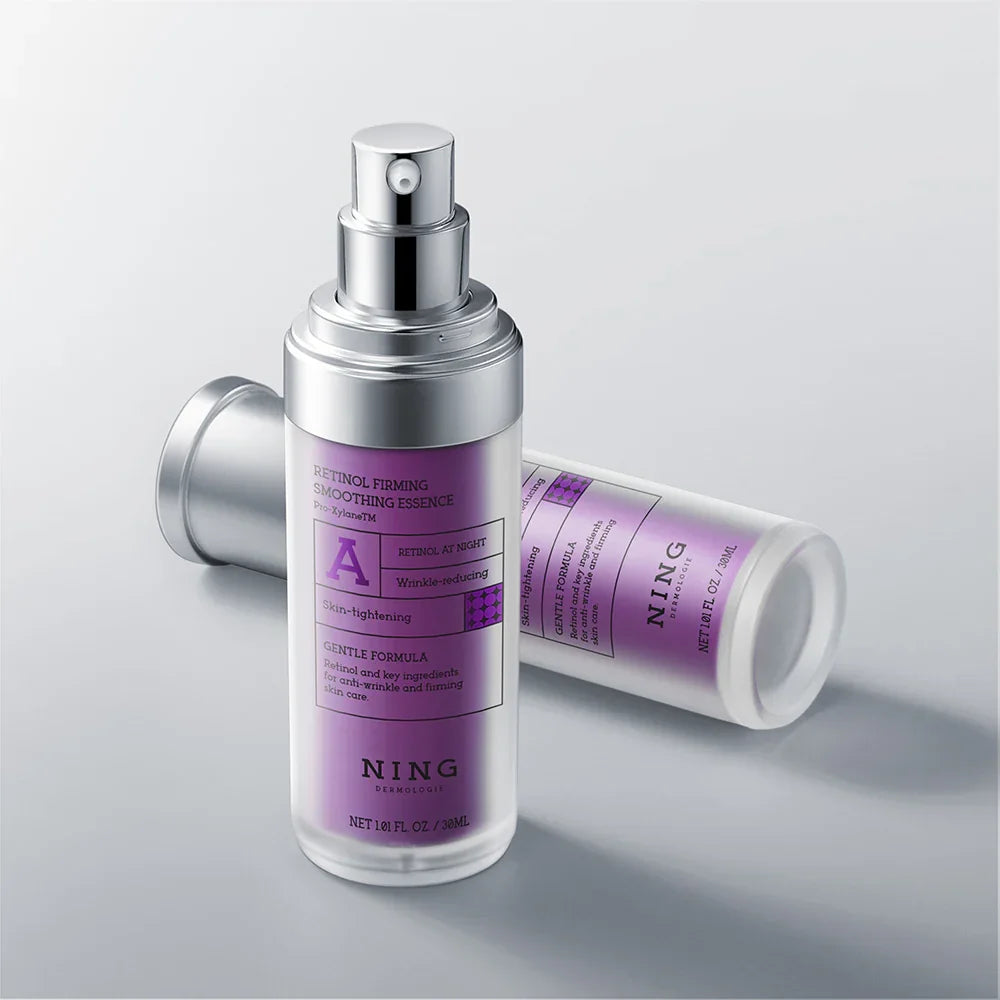
- The Brighteners: To deal with the dark marks left behind after a breakout, reach for a stable Vitamin C serum for the daytime, or a Retinol Resurfacing Serum at night.
Step 3: Ditch the Heavy Makeup
If you are wearing a mask, nobody is looking at your lower cheeks anyway. Heavy, oil-based foundations will melt into your pores under a mask.
Switch to a non pore-clogging, non-comedogenic foundation, or better yet, skip it entirely and just use a tinted SPF. Yes, you still need sun protection! UV rays don't care that you have a mask on. Opt for a broad-spectrum sunscreen. Dermatologist favorites include the Alastin Hydratint SPF 36 or the Elta MD UV Clear Tinted Broad Spectrum SPF 46. Both give a gorgeous, sheer coverage without suffocating your skin.
Step 4: Emergency Spot Treatments
When a pimple does pop up, do not pop it. Since your mask will just rub against the open wound, you need physical protection.
Hydrocolloid bandages are lifesavers here. Slap a Mighty Patch over the blemish before you put your mask on. It creates a physical barrier against friction, sucks out the impurities, and stops you from picking at it.
If you have a larger irritated area, layer a lightweight hydrator like the SLMD Facial Moisturizer to act as a buffer between your skin and the fabric. (And if you happen to be dealing with breakouts on your chest or back from workout clothes, an easy spray like the SLMD Salicylic Acid Body Spray is great to have on hand).
When At-Home Skincare Isn't Enough
Sometimes, despite following all CDC covid-19 precautions and perfecting your skincare routine, maskne leaves behind deep cysts or stubborn scarring. If you've tried everything and it's physically painful, it’s time to see a professional.
Dermatologists can prescribe a topical antibiotic cream to quickly knock out severe bacterial overgrowth. For lingering red and brown acne marks, professional treatments can speed up the healing process by months. Medspas and clinics offer chemical peels to deeply resurface the skin. For persistent redness, laser treatment like the Vbeam laser is highly effective. Some advanced clinics are even using Gold Photothermal Therapy for severe acne (and fun fact, many of the clinics that handle complex skin issues like laser tattoo removal also have the best technology for severe acne scarring).
The bottom line? Maskne is annoying, but it is entirely manageable. Focus on reducing friction, keeping your face coverings clean, and using smart, gentle exfoliants like the NING Dermologie wash to keep your pores breathing. Your skin will bounce back.

Frequently Asked Questions (FAQ)
Q: Can I just wash my face with hot water to kill the bacteria?
Absolutely not! Hot water strips your skin's natural oils and damages your moisture barrier, making breakouts worse. Always use lukewarm water and a gentle, non-stripping cleanser. You want to calm the skin down, not boil it.
Q: Are hydrocolloid patches really better than traditional spot treatments?
Under a mask? Yes. Creams just rub off onto the fabric. A patch acts as a physical shield against the mask's friction while absorbing the gunk underneath. Plus, it completely stops you from picking at it during the day.
Q: Why is my chin so dry and flaky but still breaking out?
That is classic barrier damage from friction. Your skin is overproducing oil to compensate for the dryness, leading to clogged pores. Stop using harsh scrubs immediately. Switch to a hydrating moisturizer and rely on gentle chemical exfoliants like salicylic acid instead.
Q: How often should I actually wash my reusable fabric masks?
Treat them exactly like your underwear. Wash them after every single use. If you wore it out to the grocery store and sweated in it, it goes straight into the laundry bag. Use a fragrance-free detergent to avoid extra irritation.
Q: I have to wear an N95 for work all day. What’s the best preventative step?
Prep your skin with a lightweight, hydrating barrier cream before masking up, focusing on the bridge of your nose and jawline. Keep your routine super simple: gentle cleanse, minimal active ingredients during the day, and change the mask if it gets damp.





Share:
Say Goodbye to Fine Lines: High-Performance Anti-Aging Habits
Hyaluronic Acid vs. Ceramides: Which One Does Your Skin Barrier Need?