

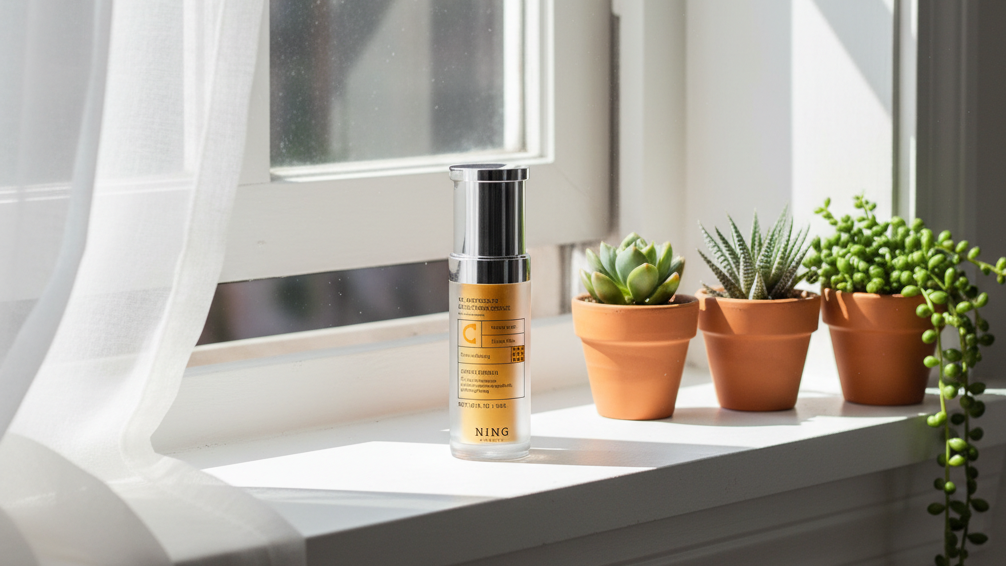

The skincare industry can be loud. Between TikTok trends, complex ingredient lists, and advice that seems to change every week, figuring out what to put on your face is harder than it should be. At NING Dermologie, we spend a lot of time in the lab, but we spend just as much time reading your emails and DMs.
We’ve noticed that while everyone has a unique skin condition, the questions you ask are surprisingly similar. You want to know if layering acids will burn your face off, why your dark spots aren't fading, and if an 8-step routine is actually necessary or just marketing hype.
So, we are skipping the marketing fluff. Below is a deep dive into the real questions we get asked, answered with the nuance and skincare science you deserve.

The Routine Dilemma: "Do I Really Need 8 Steps?"
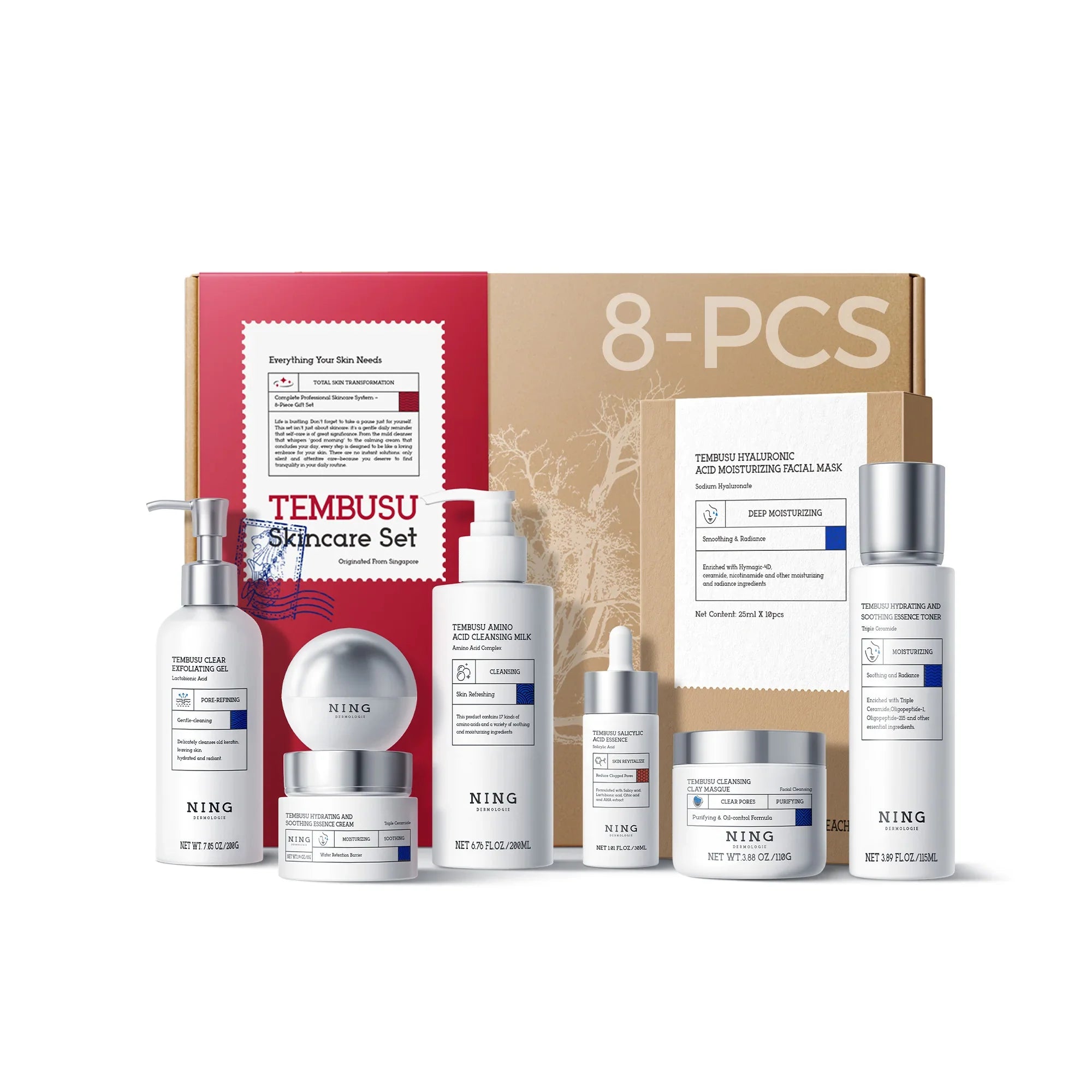
This is the big one. We often get asked about our TEMBUSU set and the philosophy behind the TEMBUSU 8-Step Routine. In a world preaching "skin minimalism," seeing eight bottles can feel overwhelming.
Here is the reality: Minimalism is great if you have perfect genetics and zero skin concerns. But if you are trying to tackle nasolabial folds, dullness, and dehydration simultaneously, a single moisturizer isn't going to cut it. The TEMBUSU 8-Step Routine isn't about clutter; it’s about layering.
Think of your skin like a sponge. If you dump a thick cream on a dry sponge, it sits on top. If you wet the sponge first (toner), then add lightweight fluids (ampoules/serums), and seal it in (cream), the sponge absorbs everything.
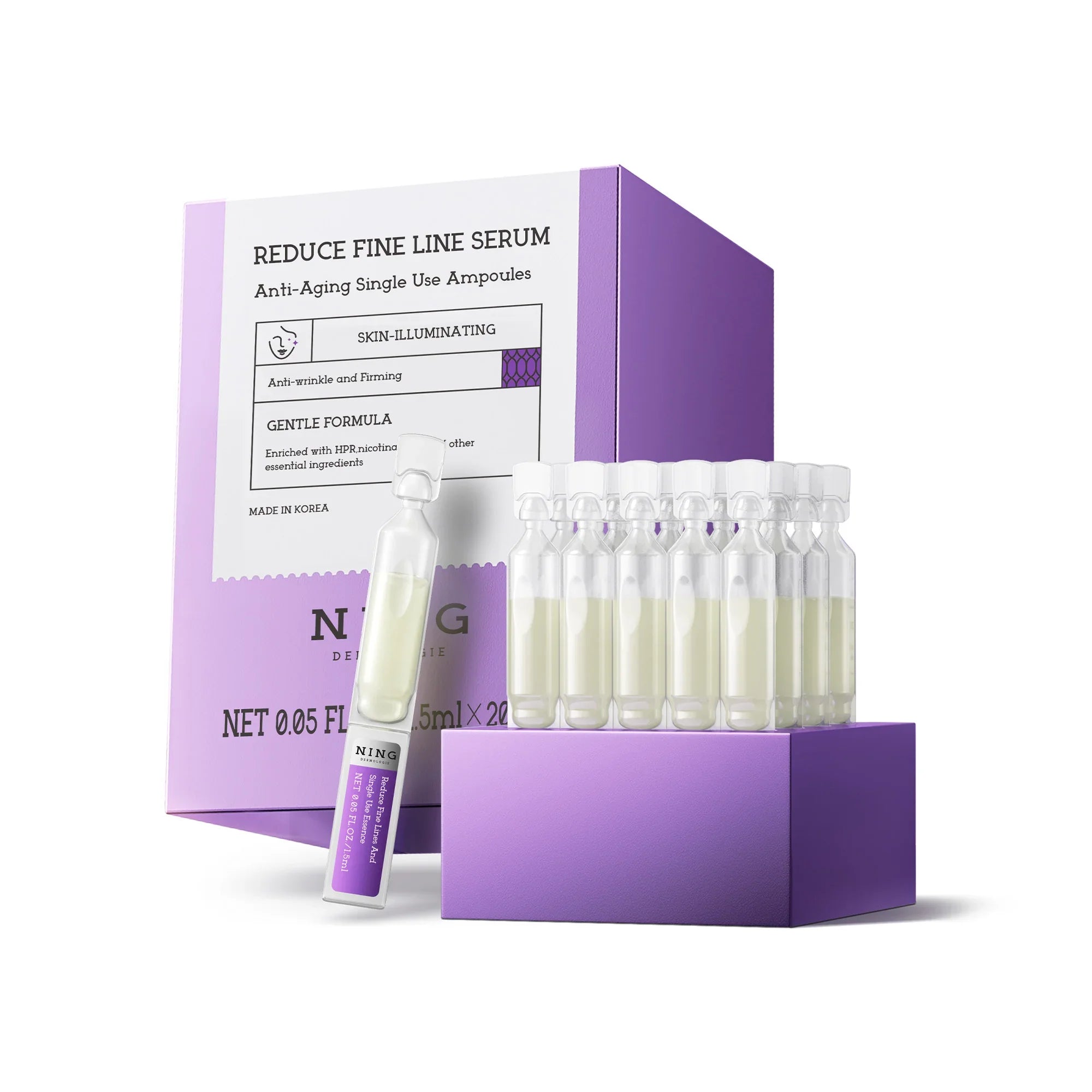
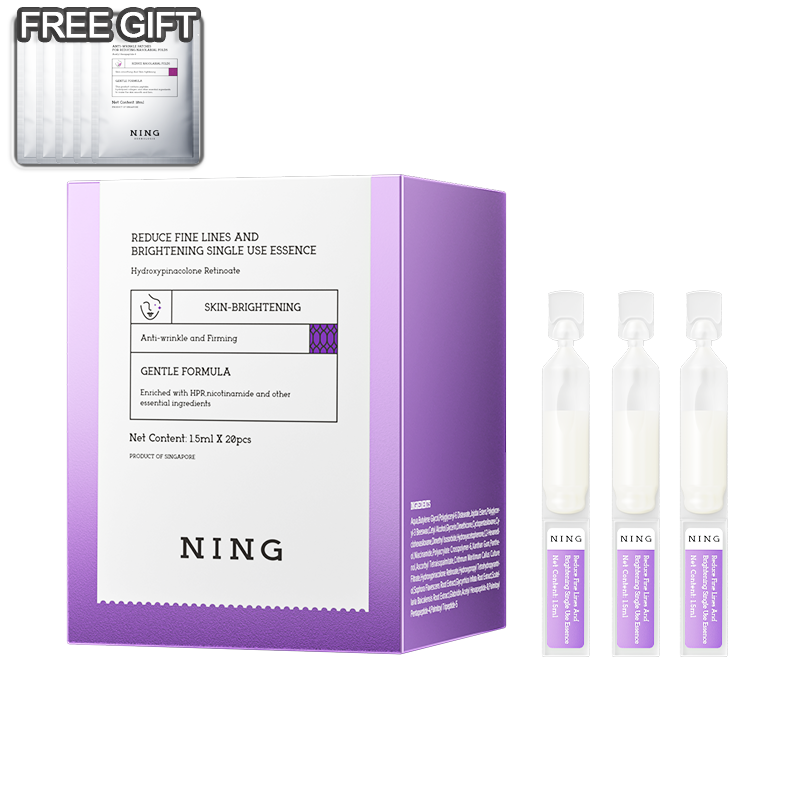
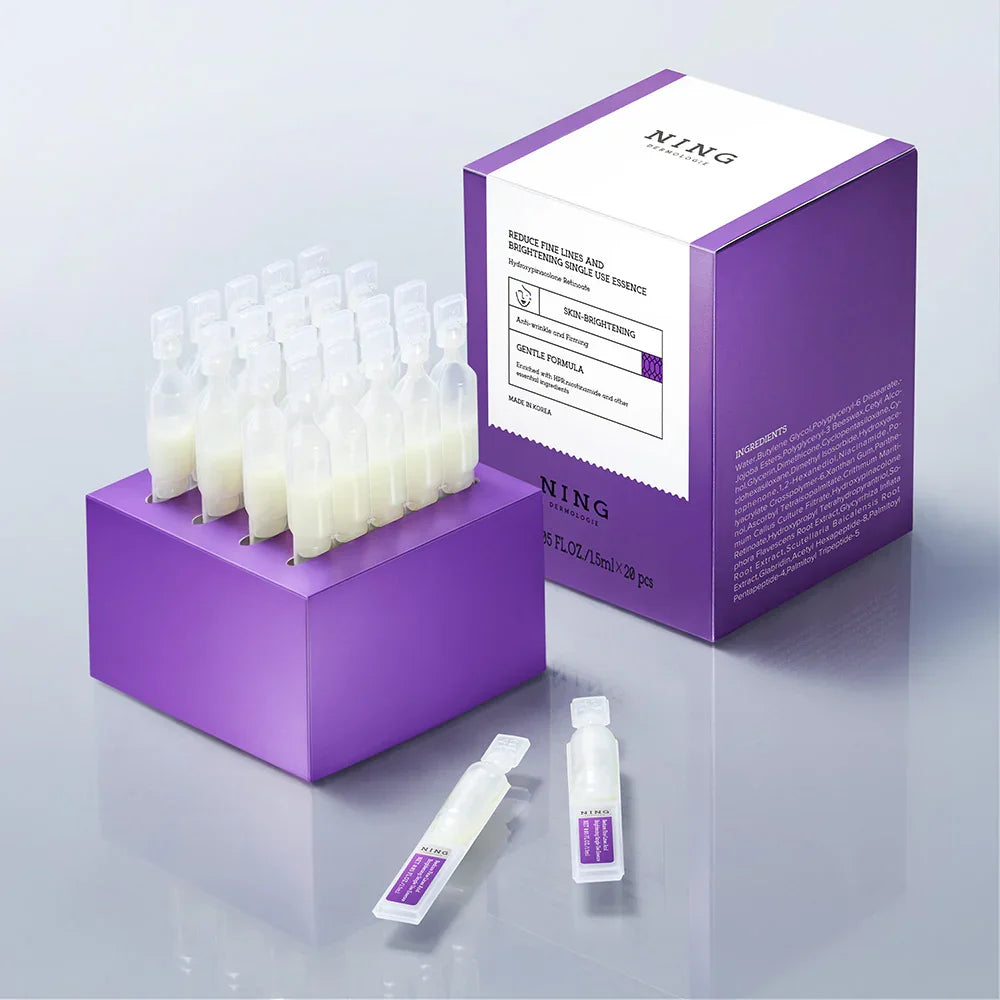
Whether you call it a standard Skincare Routine or use the localized term skincare rutina like some of our European community, the logic holds up. The order matters. You need to start with the thinnest consistency—usually your Reduce Fine Lines ampoules or hydration boosters—and move to the thickest. This ensures that the aktivni sastojci (active ingredients) can actually penetrate the skin barrier rather than just evaporating.
The Acne Battle: "How Do I Clear Breakouts Without Ruining My Barrier?"
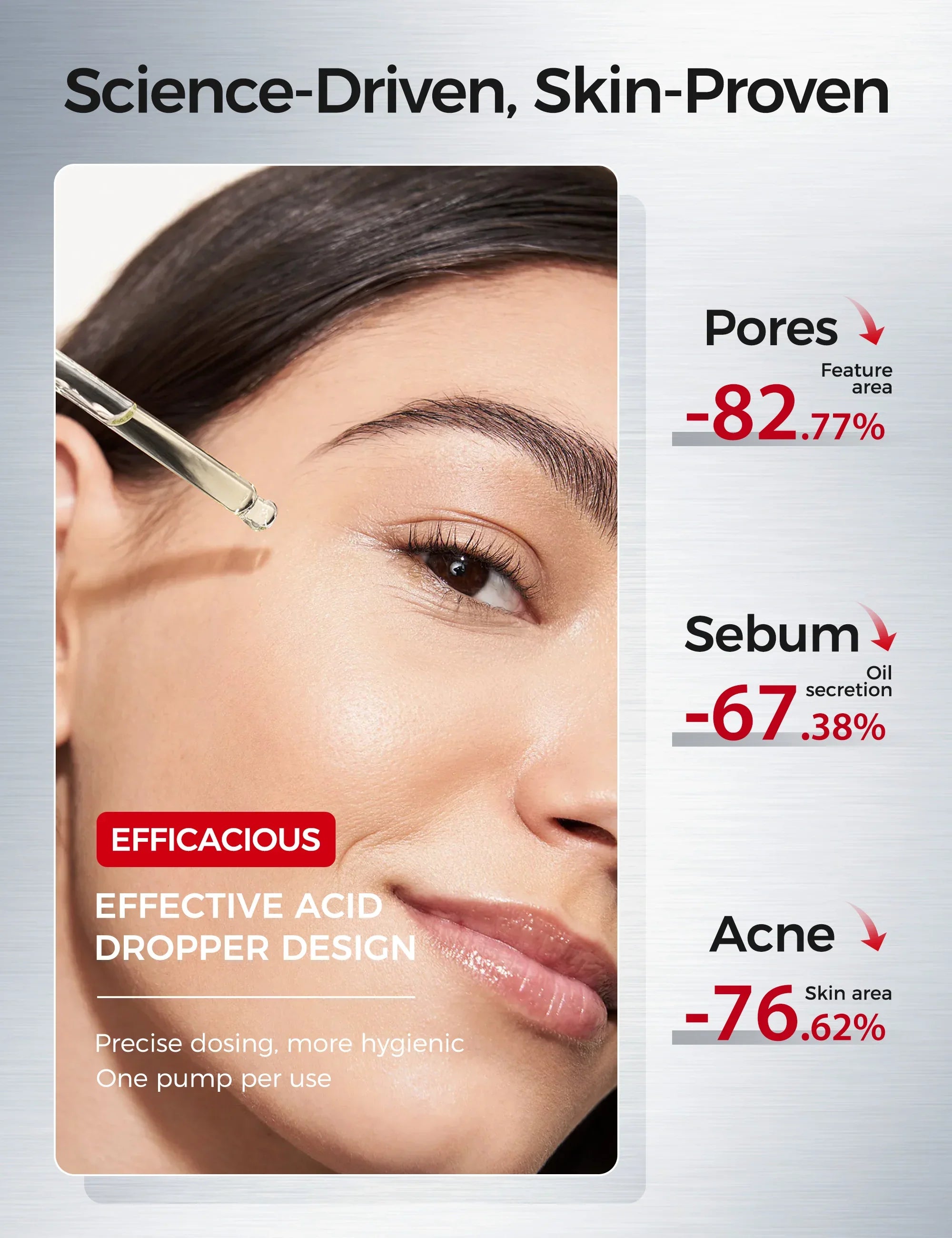
Treating Oily och Acne-Prone Skin (that’s Oily and Acne-Prone Skin) is a balancing act. The biggest mistake we see? Nuking the skin with harsh drying agents until it produces more oil to compensate.
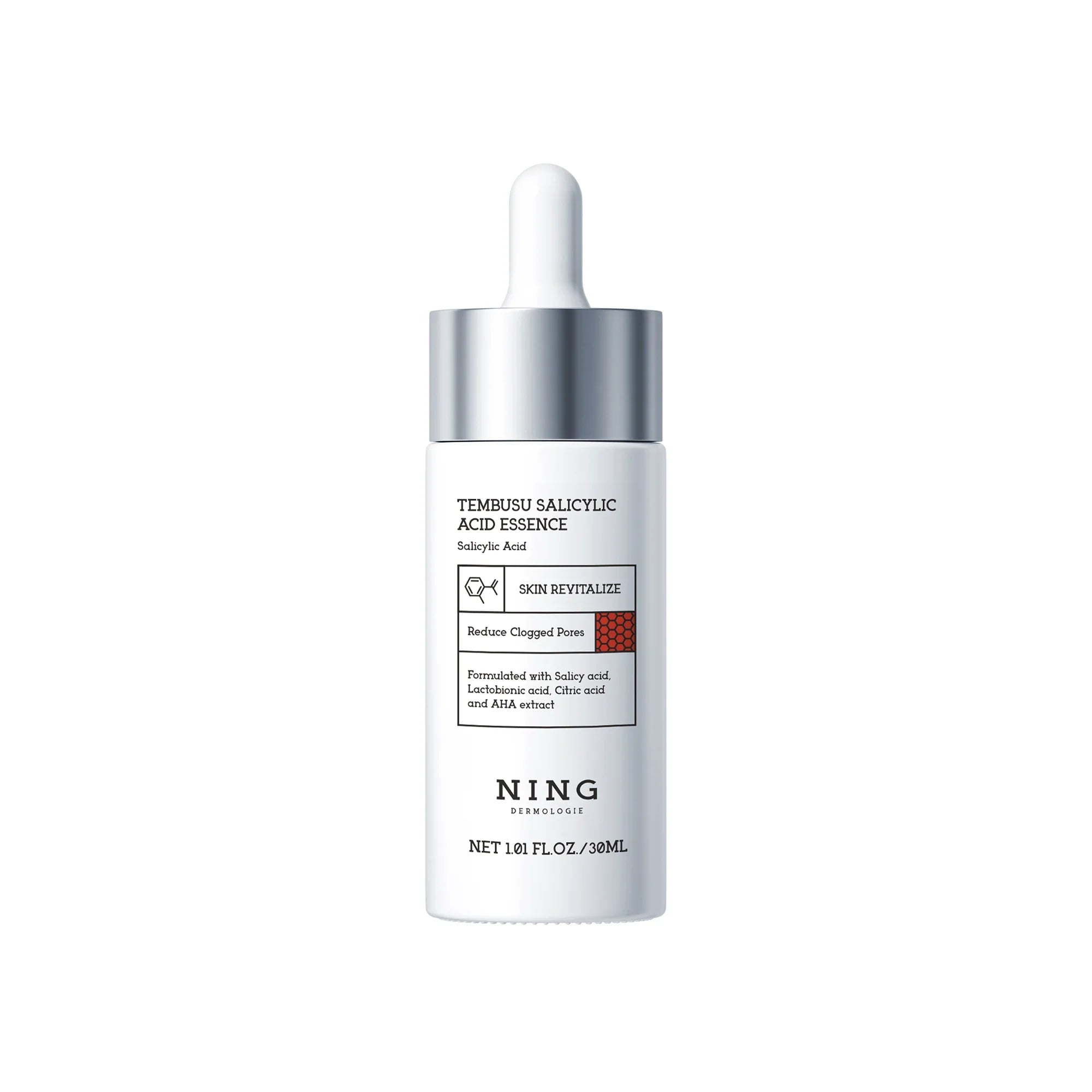
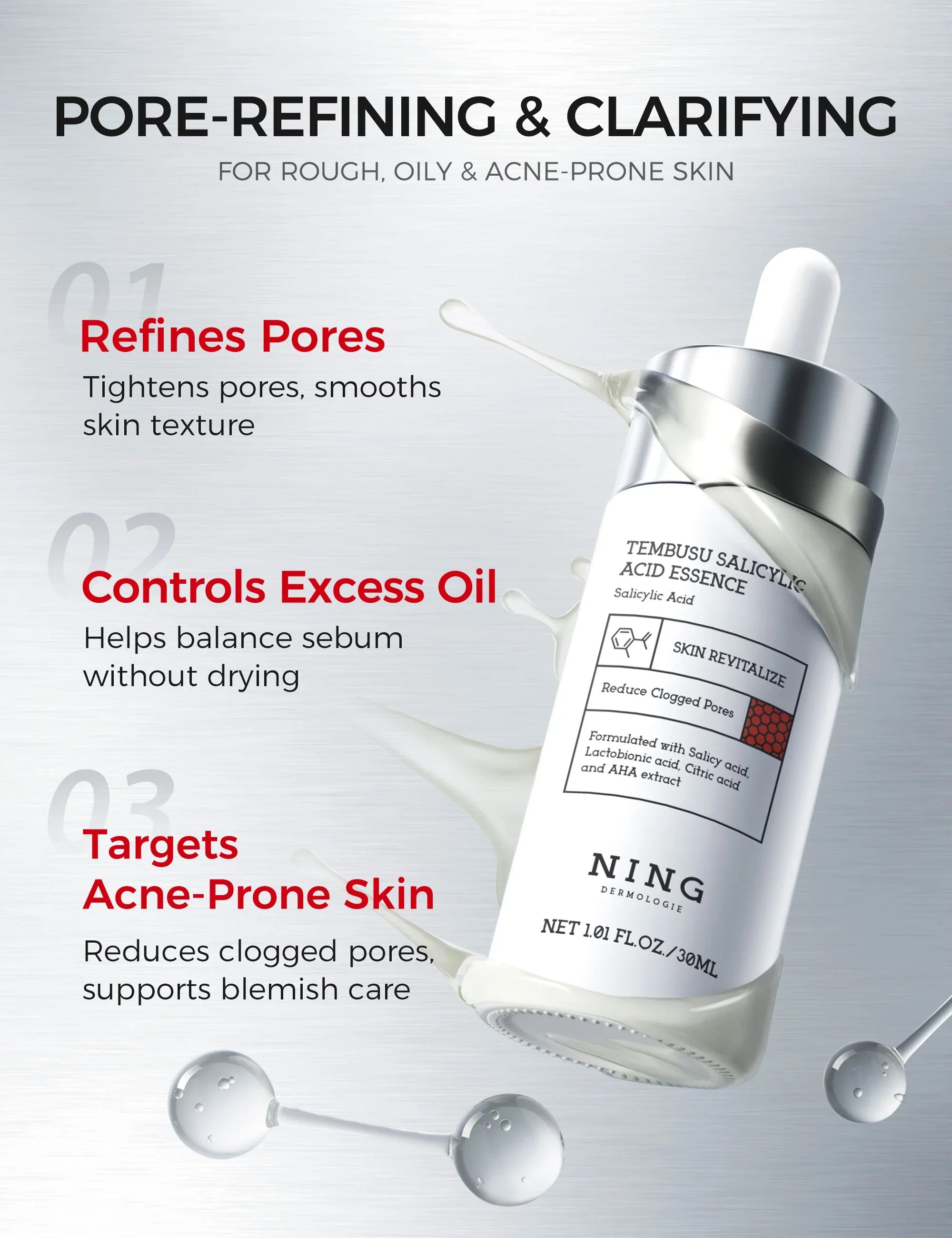
If you are dealing with congestion, your best friends are exfoliating acids. Specifically, salicylic acid. Unlike water-soluble acids, salicylic acid is oil-soluble, meaning it dives deep into the Sebaceous Glands to dissolve the glue holding dead skin cells and sebum together.
We formulated our Salicylic Acid Acne Serum and Acne Serum to target this exact mechanism. However, you cannot just slap it on and hope for the best. If you overuse it, you compromise your barrier, leading to more inflammation and inevitably, more acne.
Here is a pro tip: If you are using strong actives like Benzoyl Peroxide or high-strength salicylic acid, do not do it every day initially. Try skin cycling.
- Night 1: Exfoliation (Acne Serum).
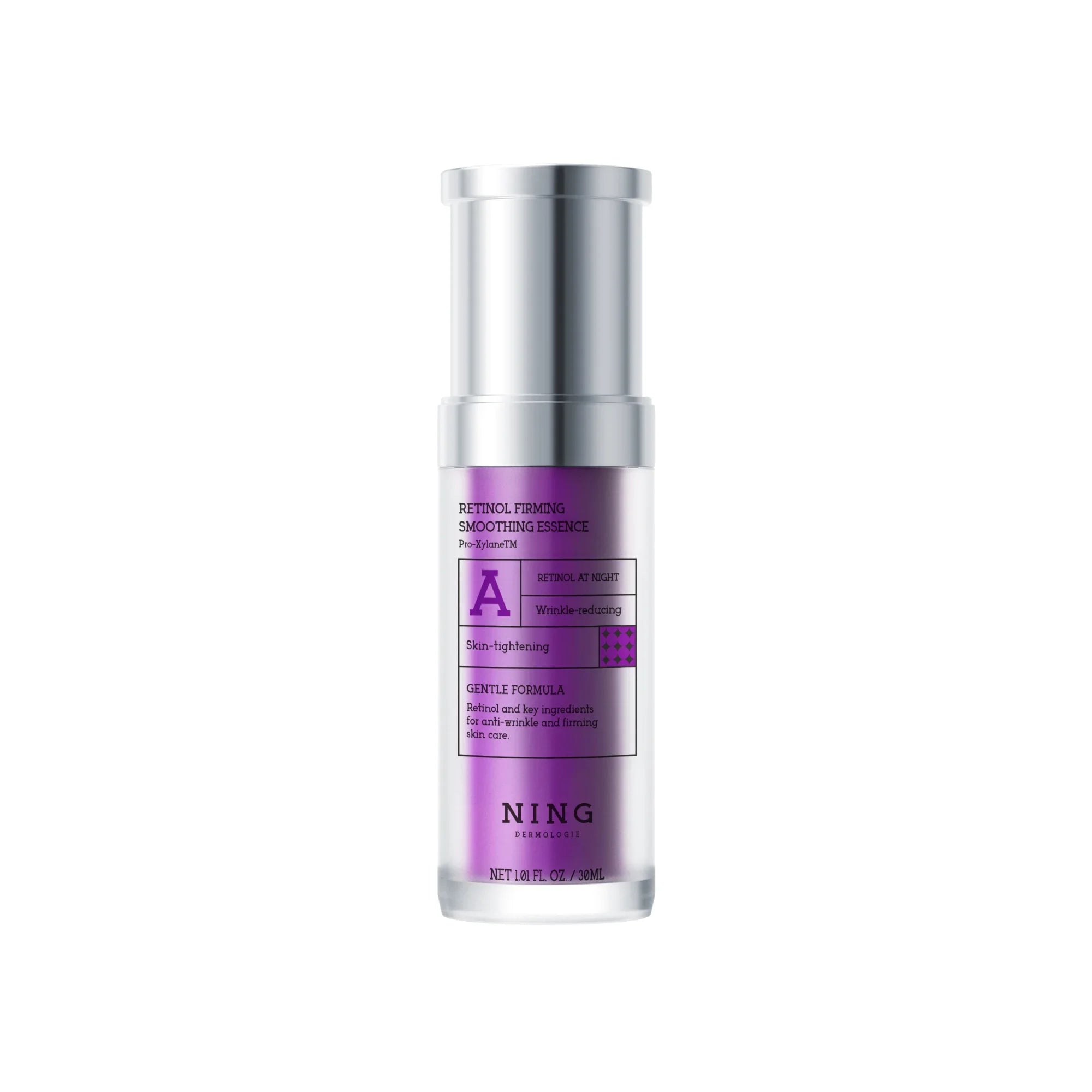
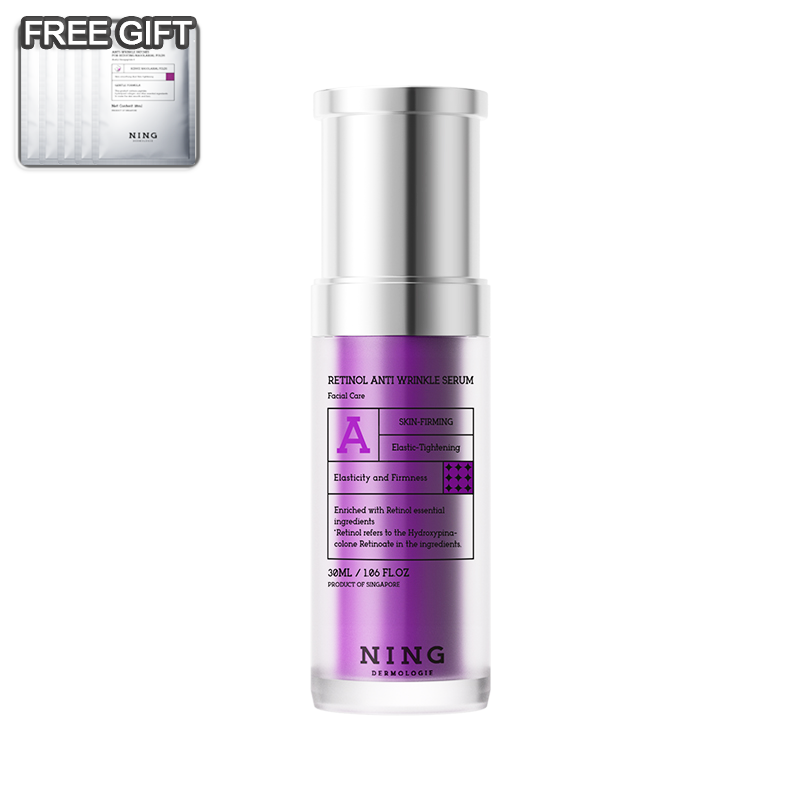
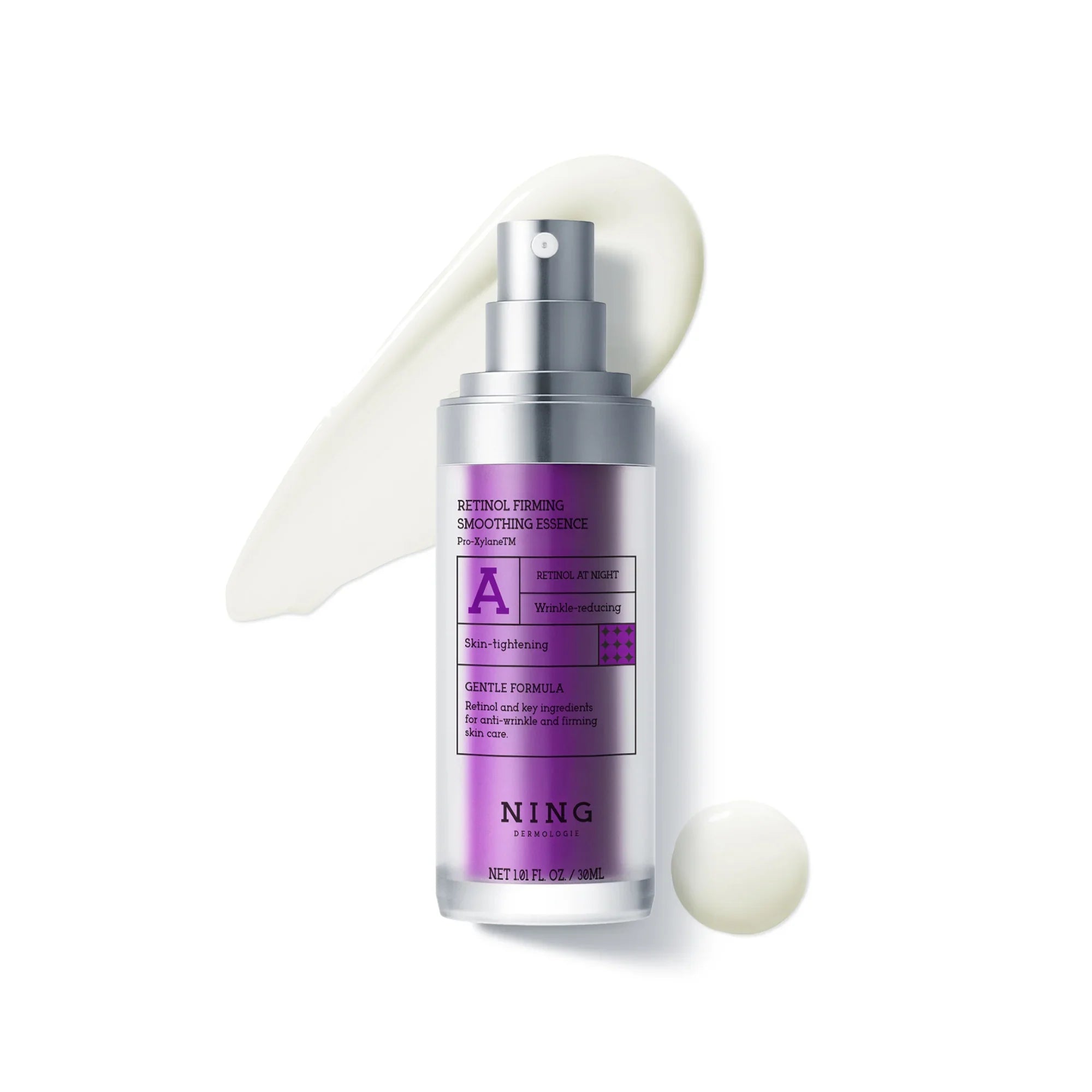
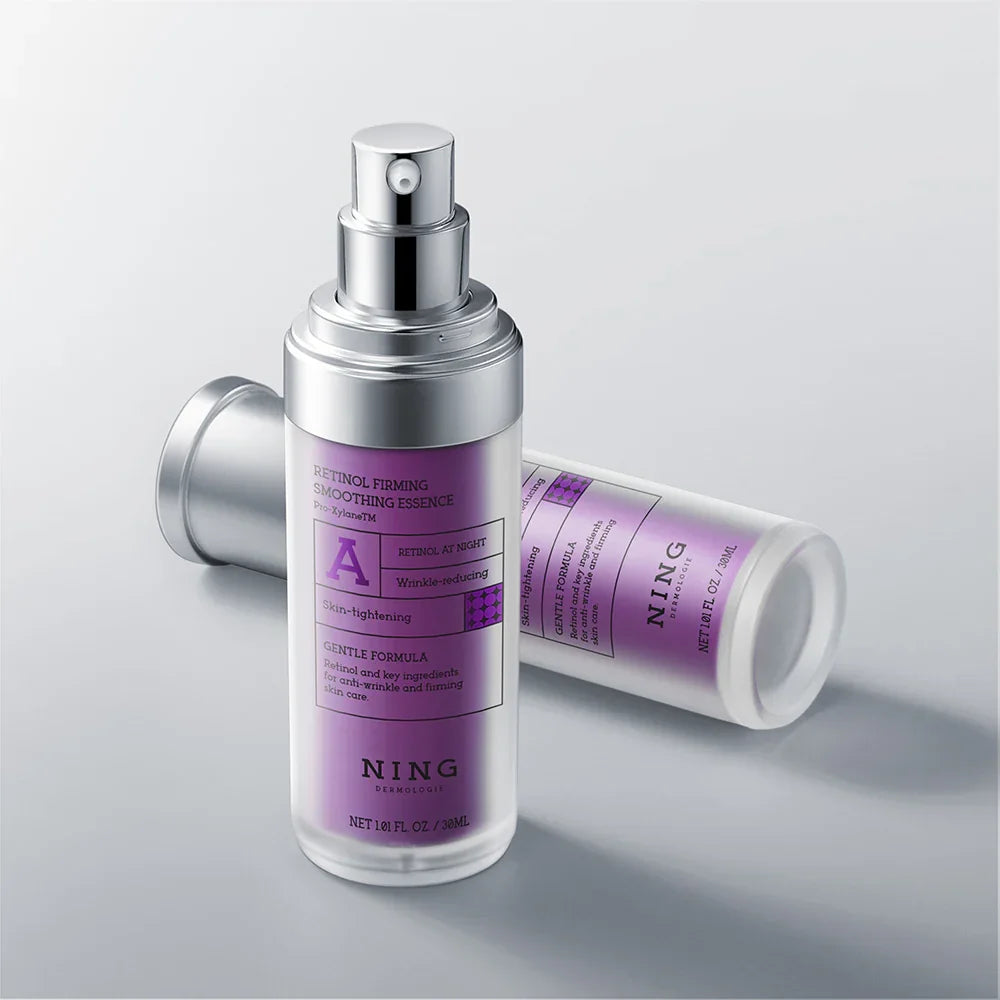
- Night 2: Retinol (if your skin tolerates it).
- Night 3 & 4: Recovery (Hydration focus).
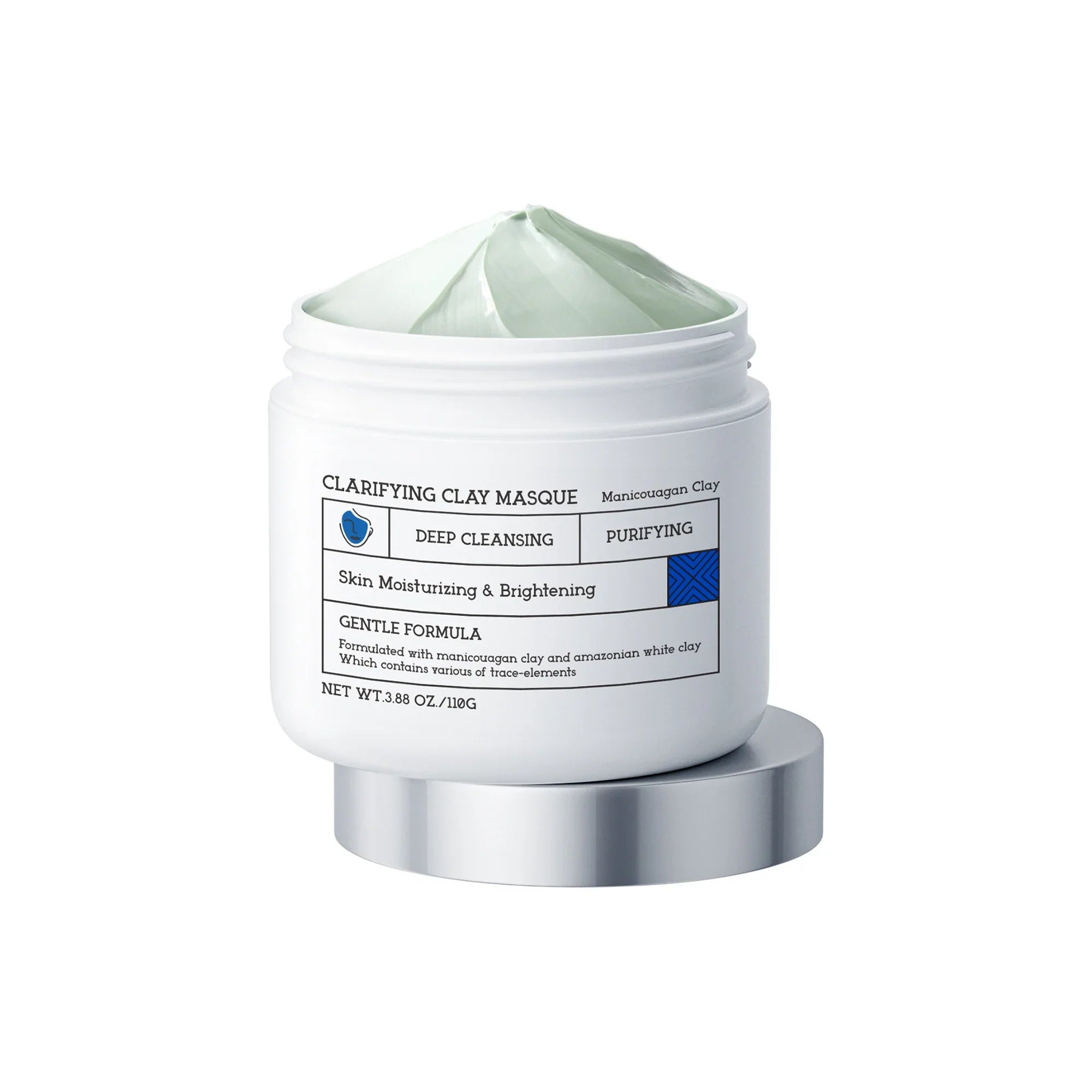
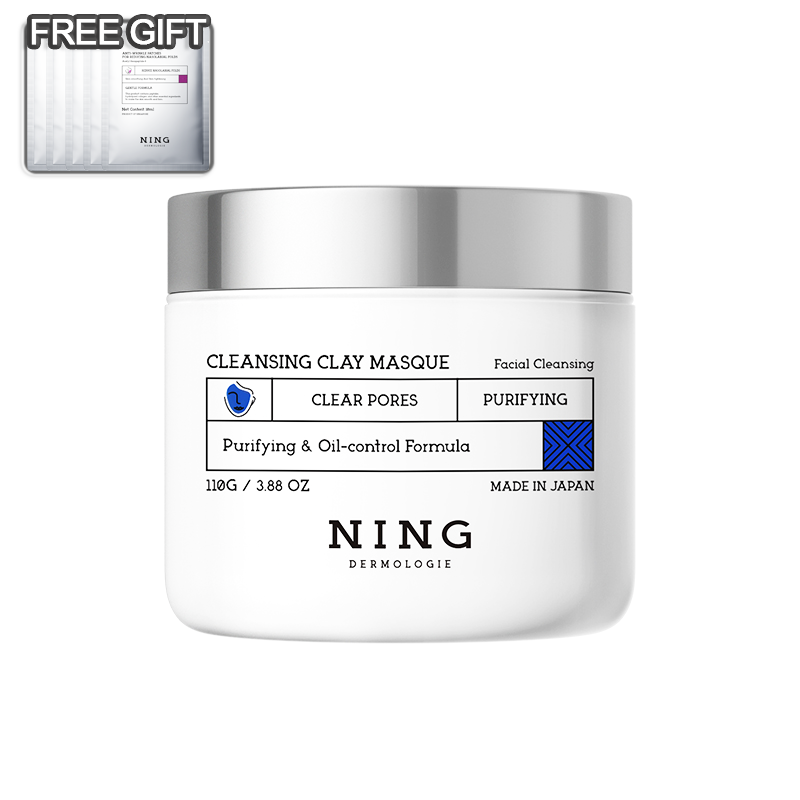
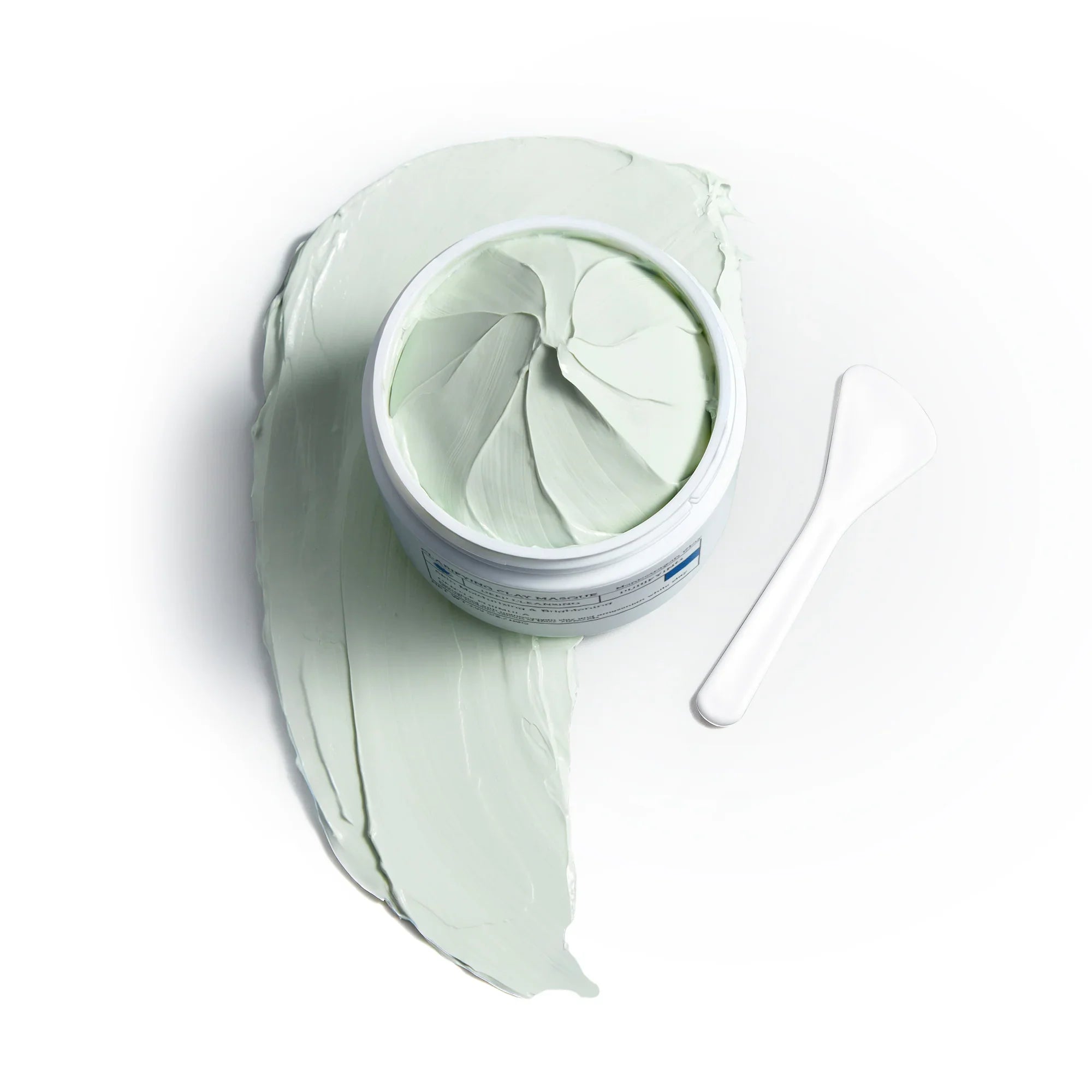
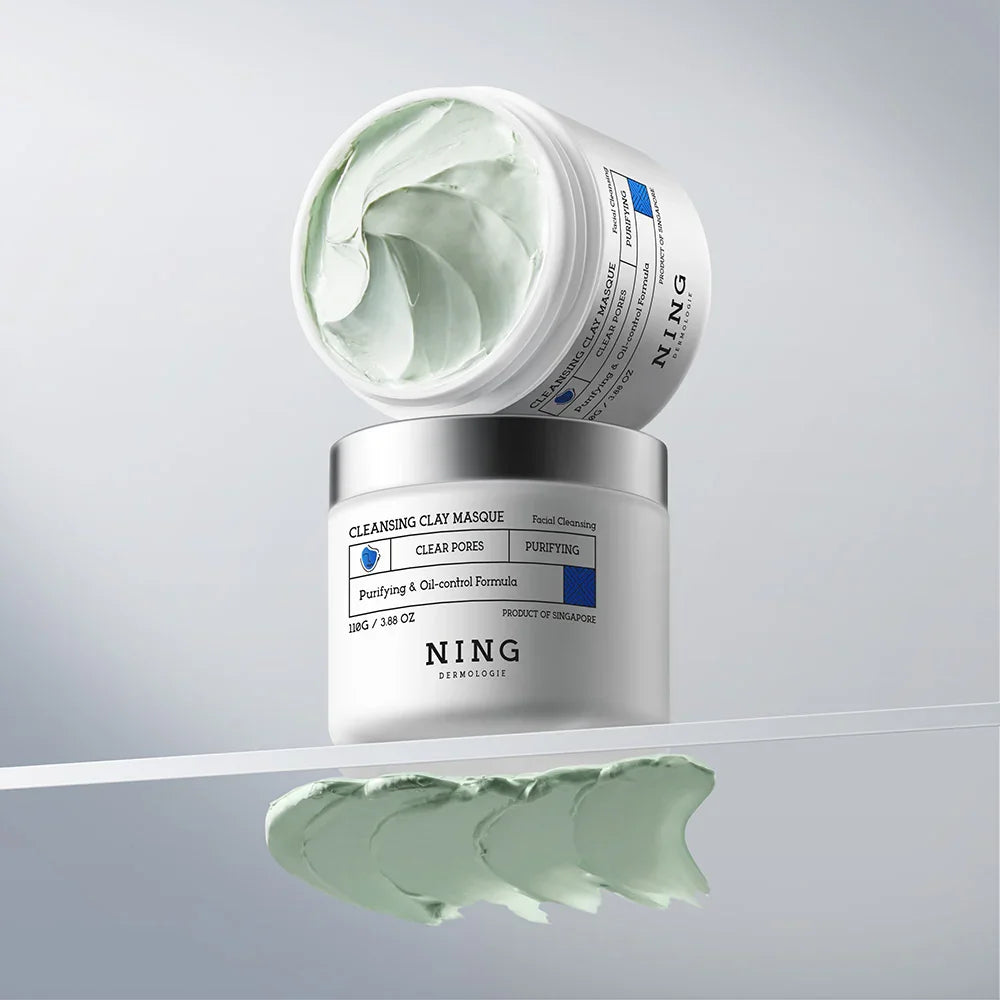
For deep cleaning without the sting, incorporate a clay mask once a week. Our Clarifying Clay Mask uses earth clays to physically pull impurities out of the pores. It’s particularly effective if you live in a city with high pollution. Just don't let the clay crack and crumble on your face; rinse it off while it's still slightly tacky to avoid dehydrating the skin.
The Brightening Protocol: "Why Aren't My Dark Spots Fading?"
Pigmentation is stubborn. Whether it’s sun damage or post-acne marks, dark spots originate in the deeper layers of the epidermis. Many people buy a generic Vitamin C, use it for three days, see no change, and give up.
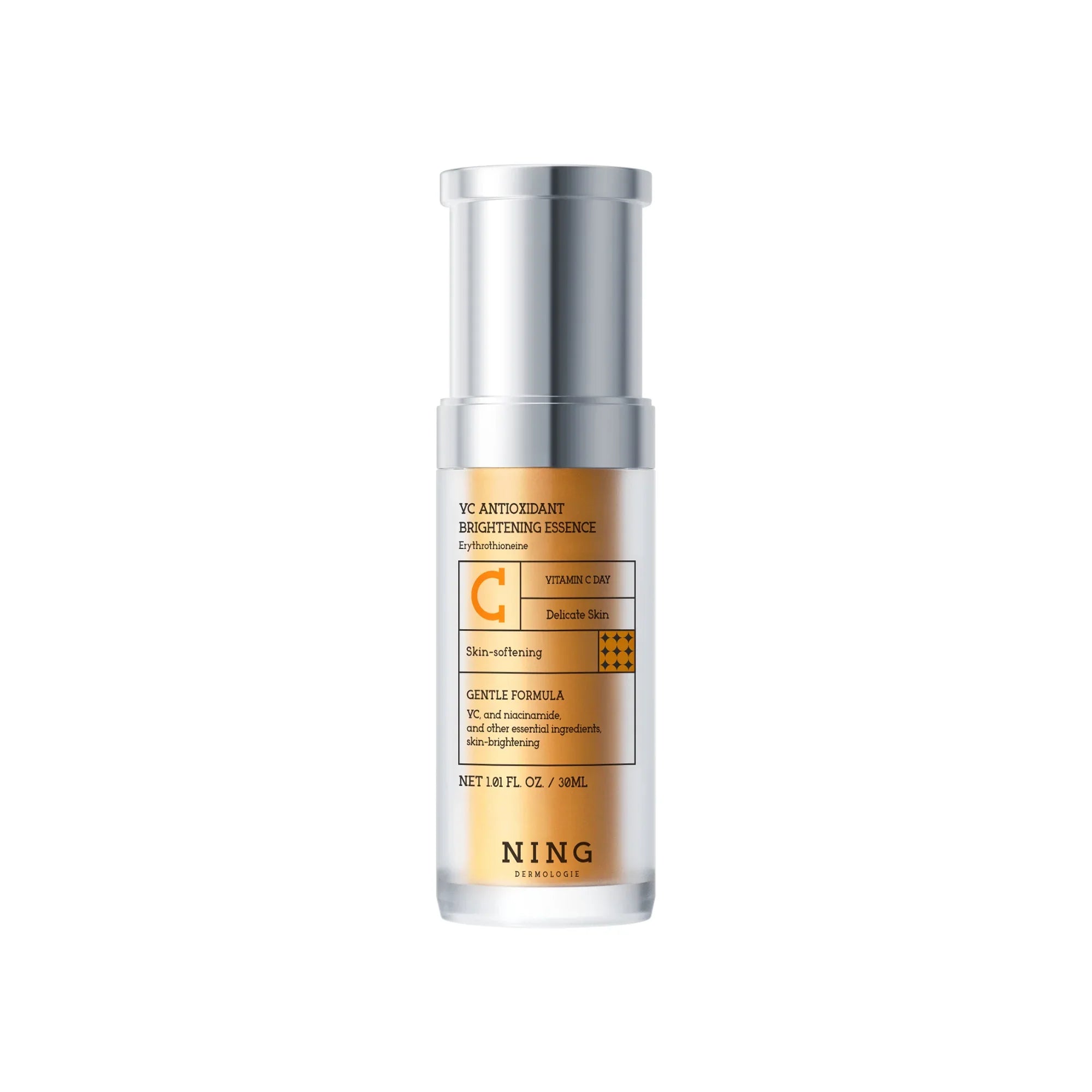
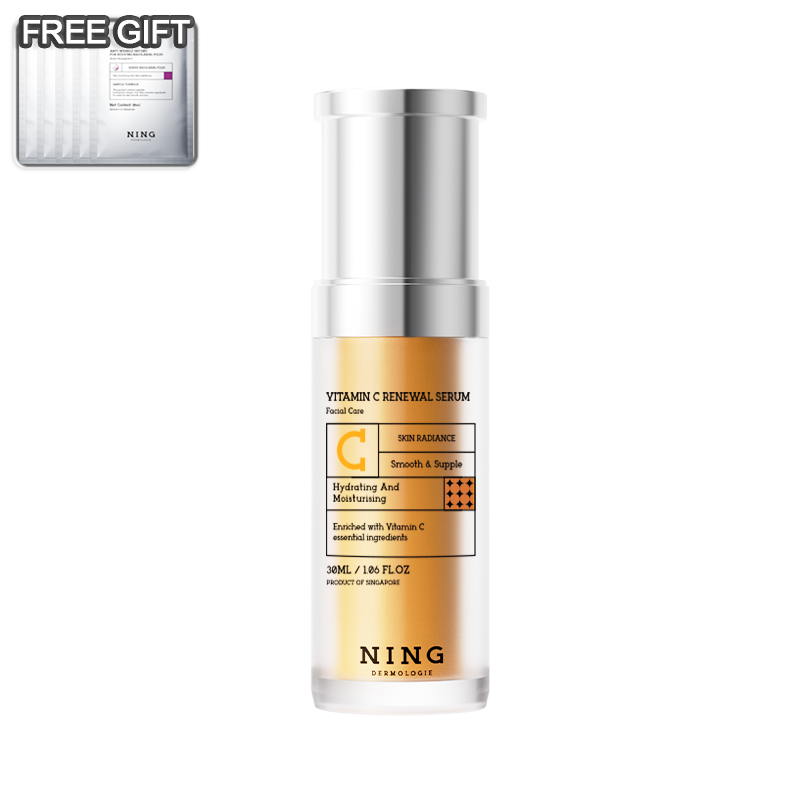
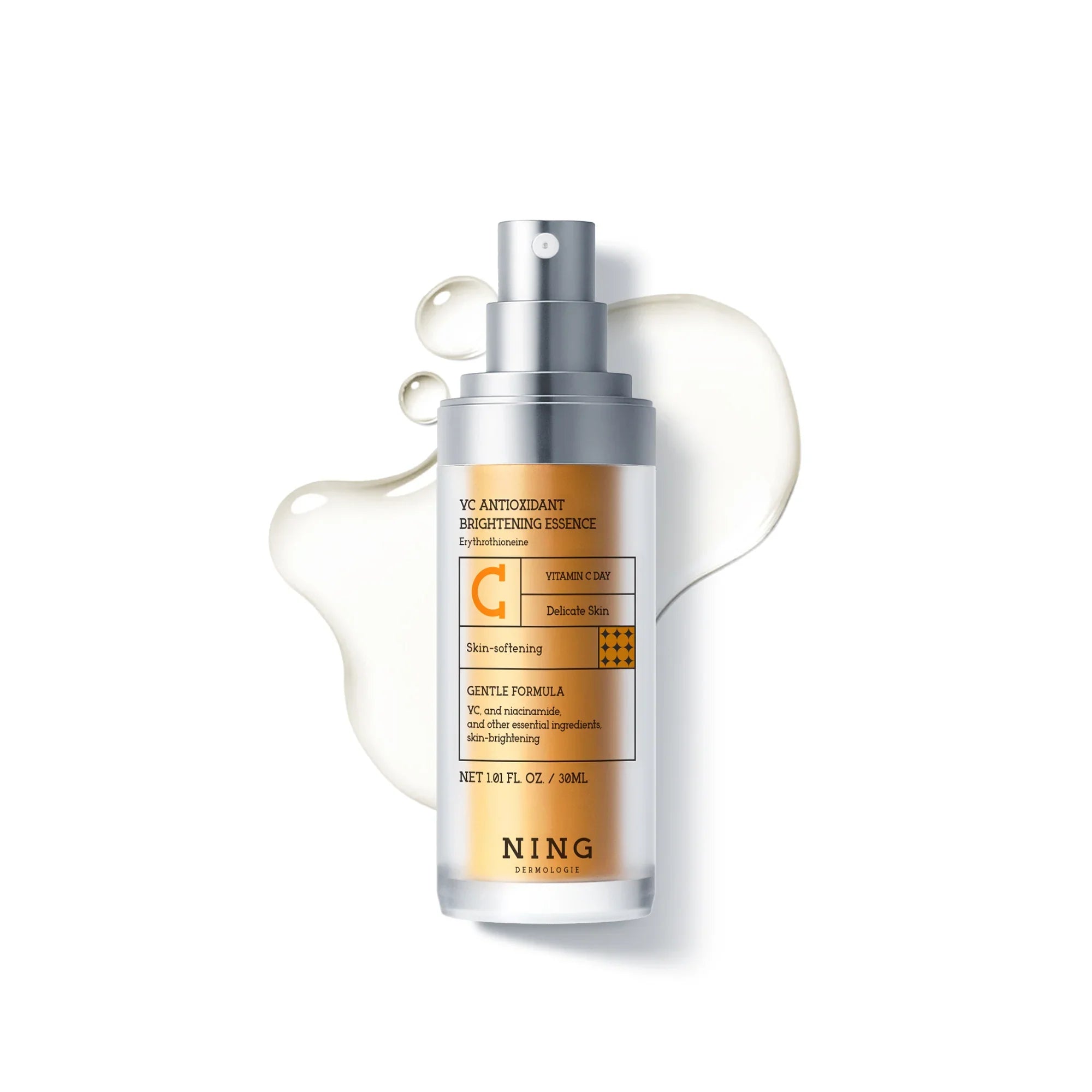
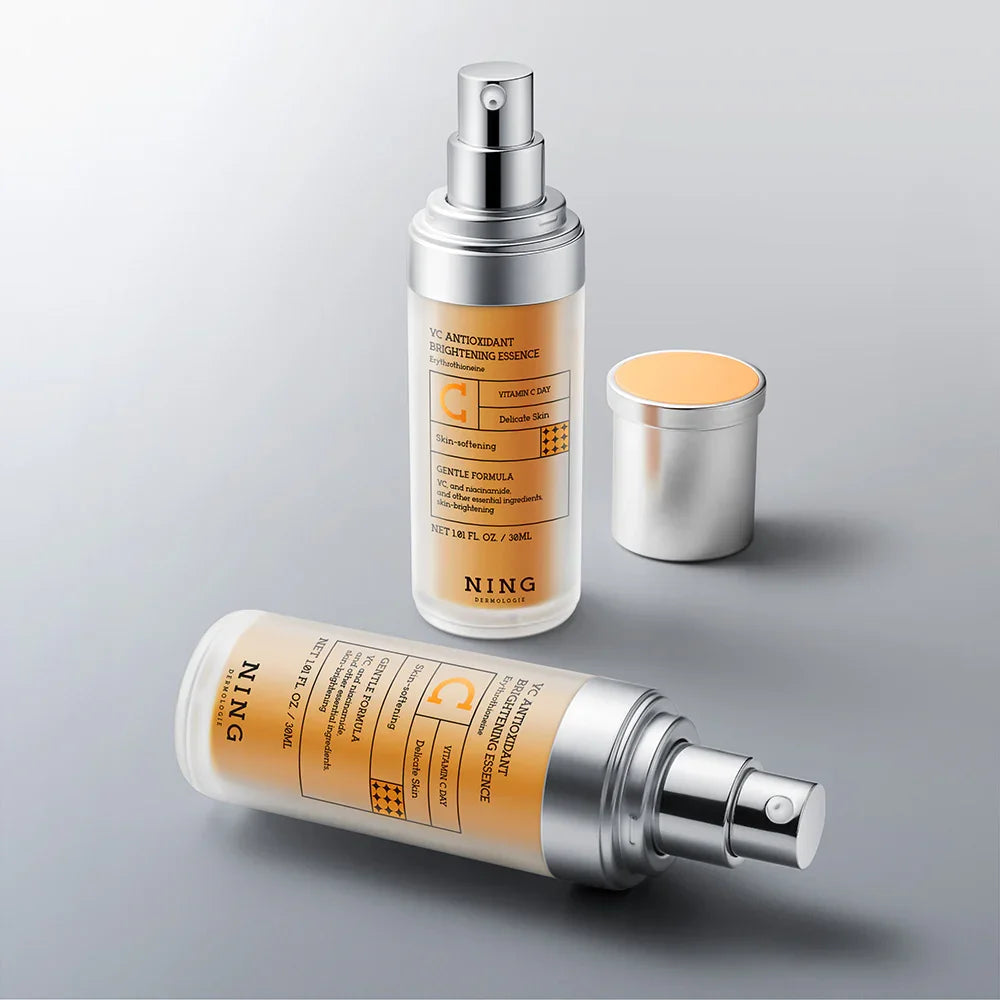
You need the right vehicle. Enter ourVitamin C Serum.
We don't just use plain L-Ascorbic Acid, which oxidizes (turns brown) if you look at it wrong. We use stable derivatives paired with Niacinamide. This combination targets pigmentation from two angles: inhibiting the production of pigment and blocking the transfer of pigment to your skin cells.
How to use it: Your Vitamin C serum belongs in your morning routine. Why? because it’s an antioxidant. It sacrifices itself to neutralize free radicals from UV radiation and blue light before they can damage your collagen. If you aren't wearing it under your SPF, you are missing half the protection.
A common question is: "Can I use Vitamin C with other acids?" Generally, be careful mixing it with glycolic acid in the same session if you have sensitive skin. A better approach is to use your Vitamin C in the morning and your glycolic acid or Retinol Serum at night. This separation reduces irritation risk while maximizing the efficacy of both products.
Hydration vs. Moisture: The B5 Connection
You might have oily skin but still feel "tight." That is dehydration, a lack of water, not oil. This is where hyaluronic acid and Vitamin B5 come into play.
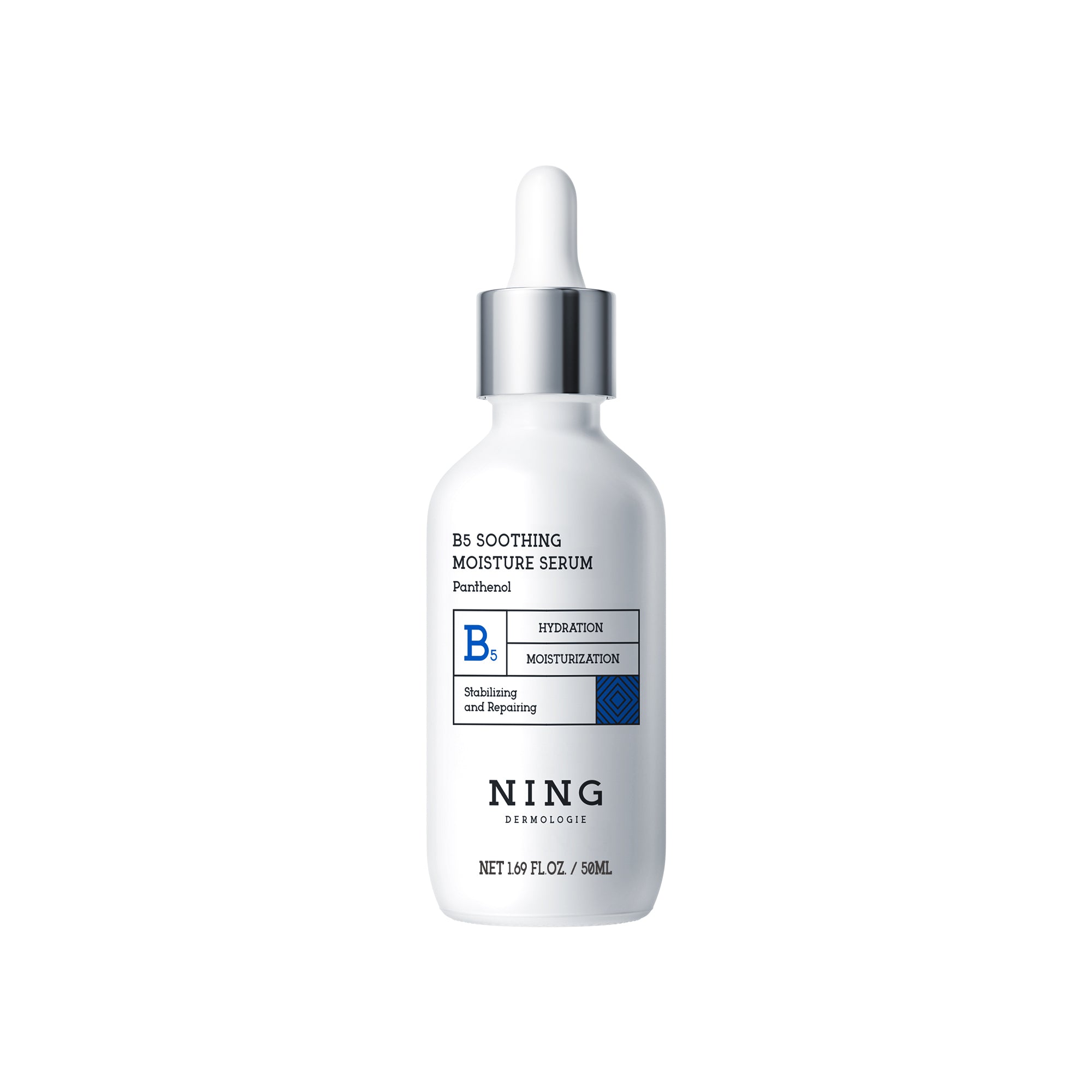
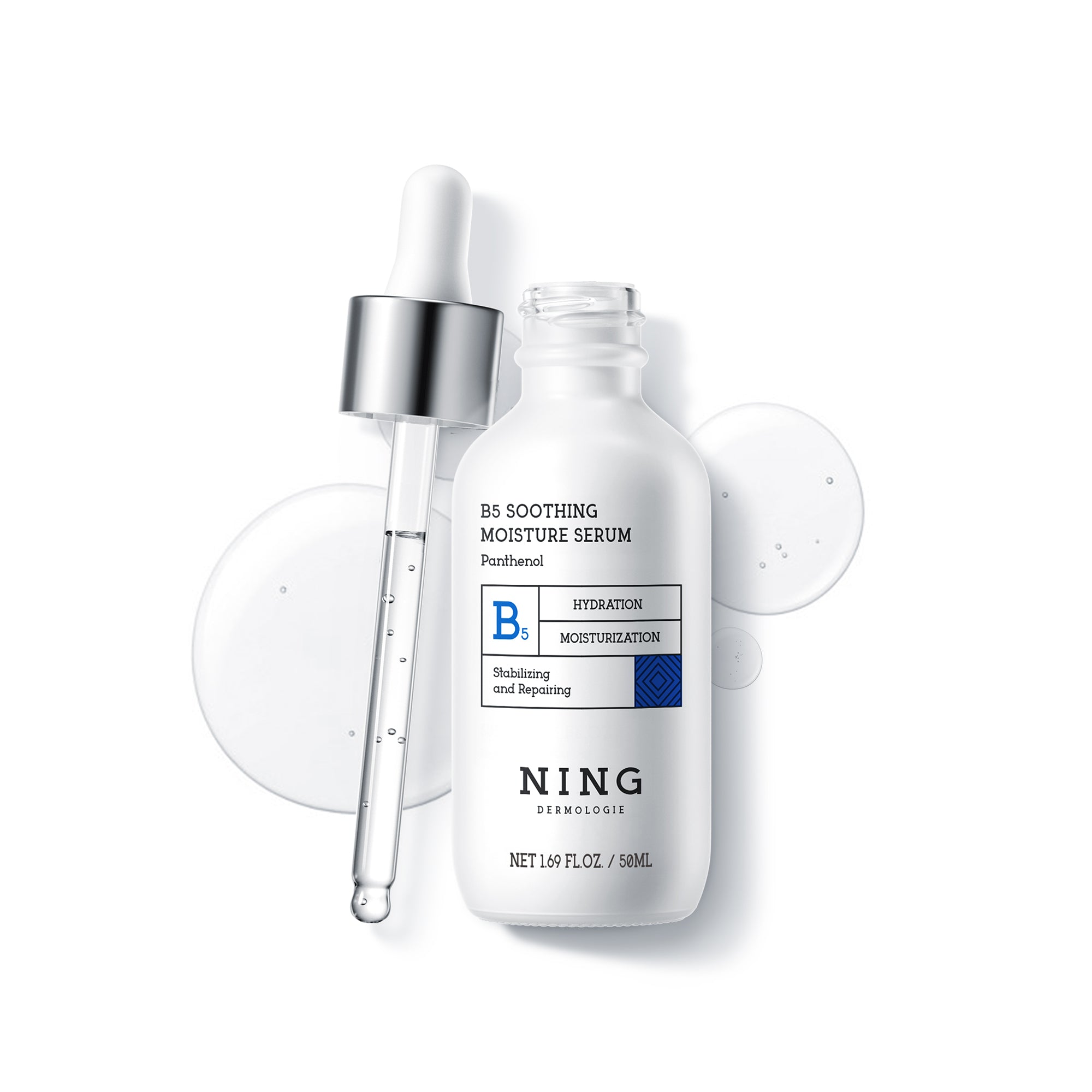
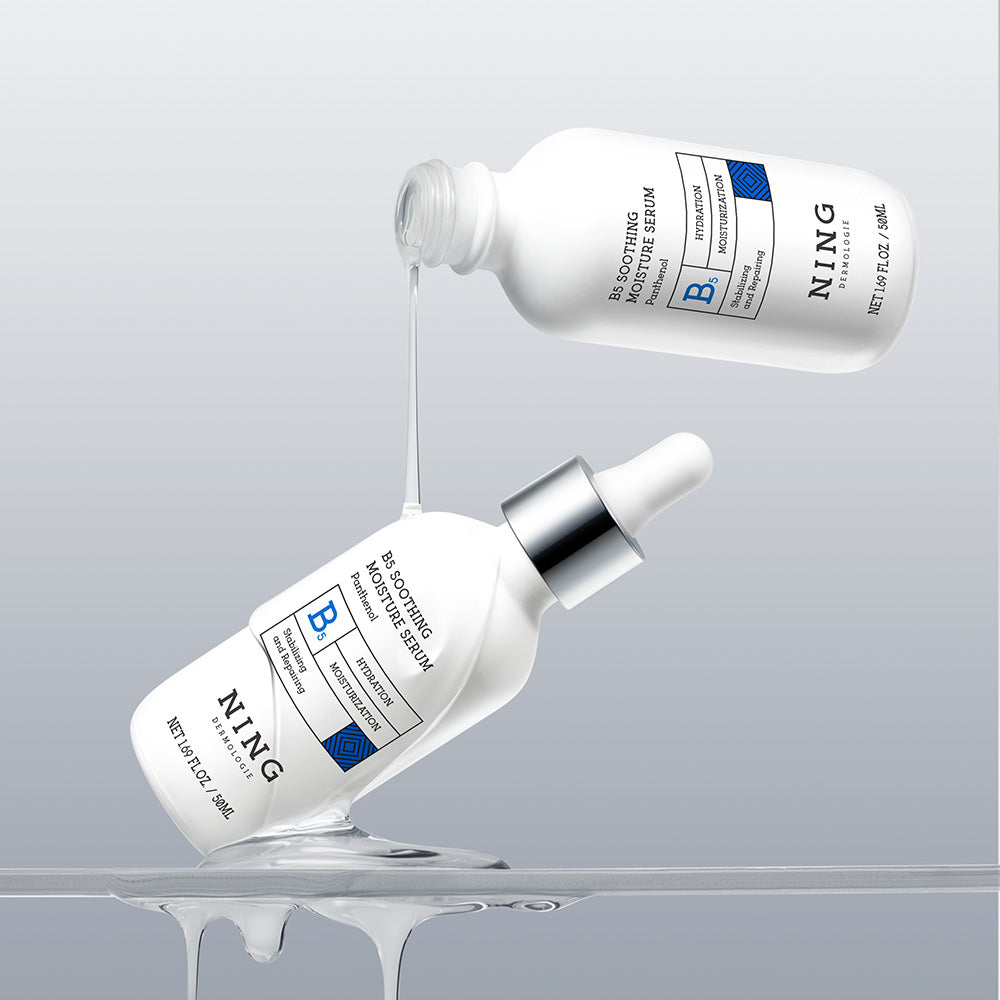
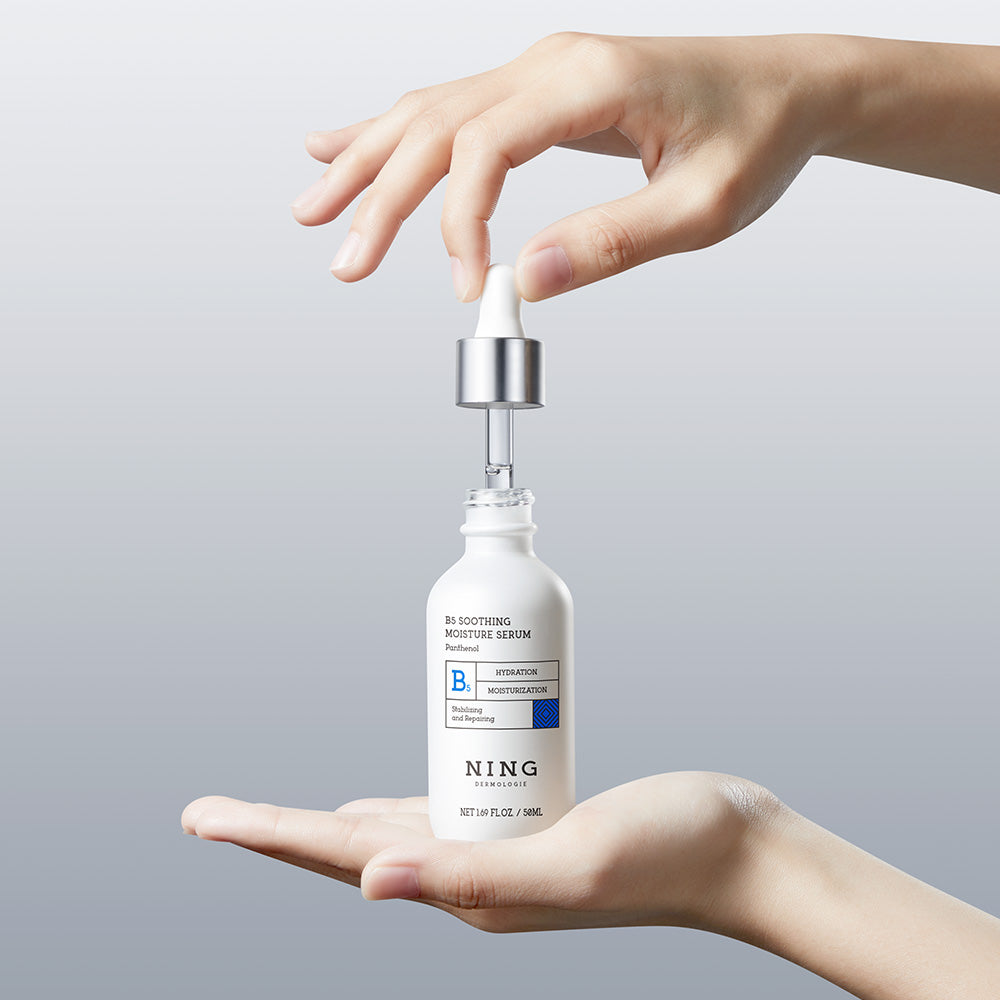
Our B5 Soothing Moisture Serum is designed to be the "fire extinguisher" of your routine. Vitamin B5 (Panthenol) is incredible at stabilizing the skin barrier. When your barrier is intact, it keeps bacteria out and water in.
If you have gone too hard with a chemical peel or a skincare trial kit that was too strong for your skin type, stop all actives. Switch to a "recovery mode" focused solely on the B5 serum and a basic moisturizer. You should feel the skin calm down within 24 to 48 hours.
Technical Questions & Ordering
We know that sometimes the issues aren't about the cream, but the cart. If you are trying to order a tembusu 8-step rutina set and the site glitches, it’s frustrating.
If you run into payment errors or the site thinks you are a bot, our support team needs two things to help you fast: your Reference number (if an order was attempted) and, weirdly enough, your IP Address if you are getting blocked from the site entirely. It helps our tech team whitelist you. We want to make sure you get your products, not an error code.

Frequently Asked Questions (FAQ)
Q: Can I use the Vitamin C Serum if I have active acne?
A: Yes. Actually, Vitamin C helps reduce the inflammation associated with acne and can prevent the red/brown marks (PIH) that appear after a pimple heals. Just make sure to layer it before your moisturizer.
Q: What is the difference between the B5 Serum and a moisturizer?
A: The B5 Serum is a humectant—it pulls water into the skin cells to hydrate. A moisturizer contains emollients and occlusives to seal that water in. You need both: serum first, then moisturizer to lock it.
Q: How often should I use the Clarifying Clay Mask?
A: For oily skin, 1-2 times a week is the sweet spot. If you have dry or sensitive skin, stick to once a week or use it only on your T-zone (forehead and nose) where pores are most visible.
Q: Can I mix the Retinol Serum with the Salicylic Acid Acne Serum?
A: We don't recommend mixing them in your hand. Using them at the same time increases irritation risk. Use Salicylic Acid in the morning (or on alternate nights) and Retinol at night.
Q: My skin tingles when I use the TEMBUSU set. Is that bad?
A: A slight tingle with active ingredients (like glycolic acid or Vitamin C) is normal and usually subsides in 30 seconds. If it burns, stays red, or feels hot for minutes, wash it off immediately—your barrier might be compromised.





Share:
Why Ning Dermologie Is Different from Typical Skincare Brands
Is Ning Dermologie Worth the Price? Value vs Results: A No-Nonsense Review