


Have you ever splashed water on your face, patted on your everyday, totally safe moisturizer, and suddenly felt like your skin was on fire? Your face turns bright red, feels tight, and looks like it's peeling, yet somehow it's also overproducing oil. That right there is the classic "ouch" moment. It means your skin barrier is compromised.
Instead of panicking and throwing ten different serums at the problem, we need to take a massive step back. Fixing a damaged face isn't about doing more; it's about doing significantly less, but doing it smarter.

What Actually Happened to Your Face?
Your skin barrier, scientifically known as the stratum corneum, acts like a brick wall. The skin cells are the bricks, and the lipid barrier—made up of cholesterol, ceramides, and fatty acids—is the mortar holding everything together. When this wall is intact, it keeps the good stuff (hydration) in and the bad stuff (bacteria, pollutants) out.
But when you overdo it with aggressive skin care, that mortar dissolves. Suddenly, you're dealing with severe Skin Inflammation. Water evaporates out of your skin at a rapid pace (leading to that tight, dry feeling), and irritants easily get in (causing the redness and stinging). It shifts from a temporary annoyance to a chronic Skin Condition if you don't step in and change your habits immediately.
The "Stop It Right Now" List
Before we talk about what to apply, we have to talk about what to drop from your skin-care routine. The hardest part of barrier repair is leaving your skin alone.
- Put down the scrubs: Physical exfoliants need to go in the trash for now. If you are using something gritty like the Method Polish by Dr. Lancer, put it away. Micro-tears will only make the redness much worse.
- Pause all the acids: Exfoliating acids are amazing for glowing skin, but they are your worst enemy right now. Completely halt the use of any alpha hydroxy acids (like glycolic acid and lactic acid) and any beta hydroxy acid (like salicylic acid).
- Cancel the treatments: No at-home chemical peels, no retinoids, and no vitamin C serums. Your face cannot handle active ingredients while the barrier is broken.
A Barrier First Approach: Your Rapid Recovery Routine
When your face is stinging, you need to adopt a strict barrier first approach. The goal is to artificially replace that "mortar" while your body works to heal the underlying tissue.
Step 1: Calm and Hydrate
Your skin is incredibly thirsty right now, but heavy creams applied to dry skin just sit on the surface. You need to prep the area with lightweight, water-based hydration that brings down the heat. Look for hydrating toners packed with soothing agents.
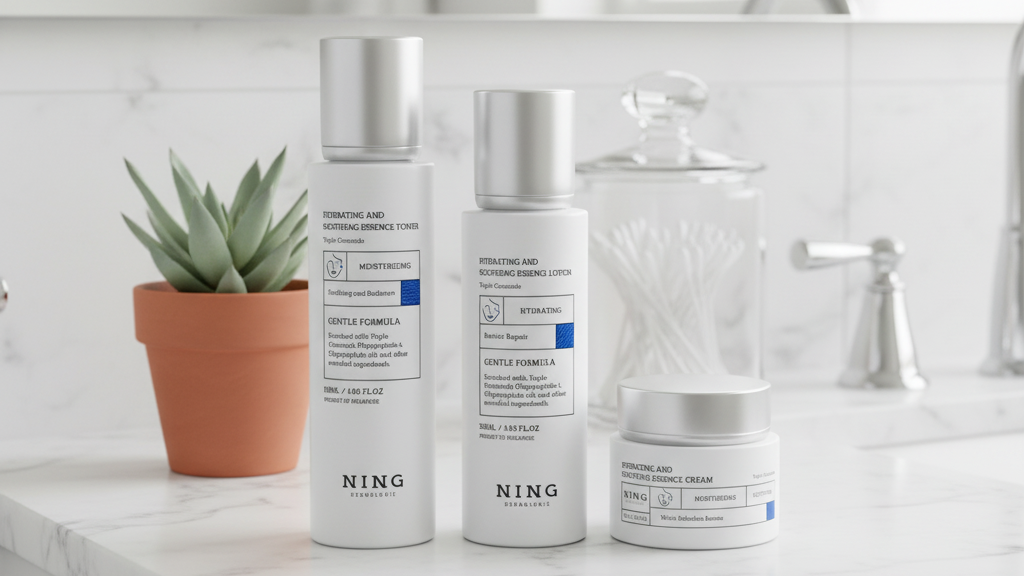
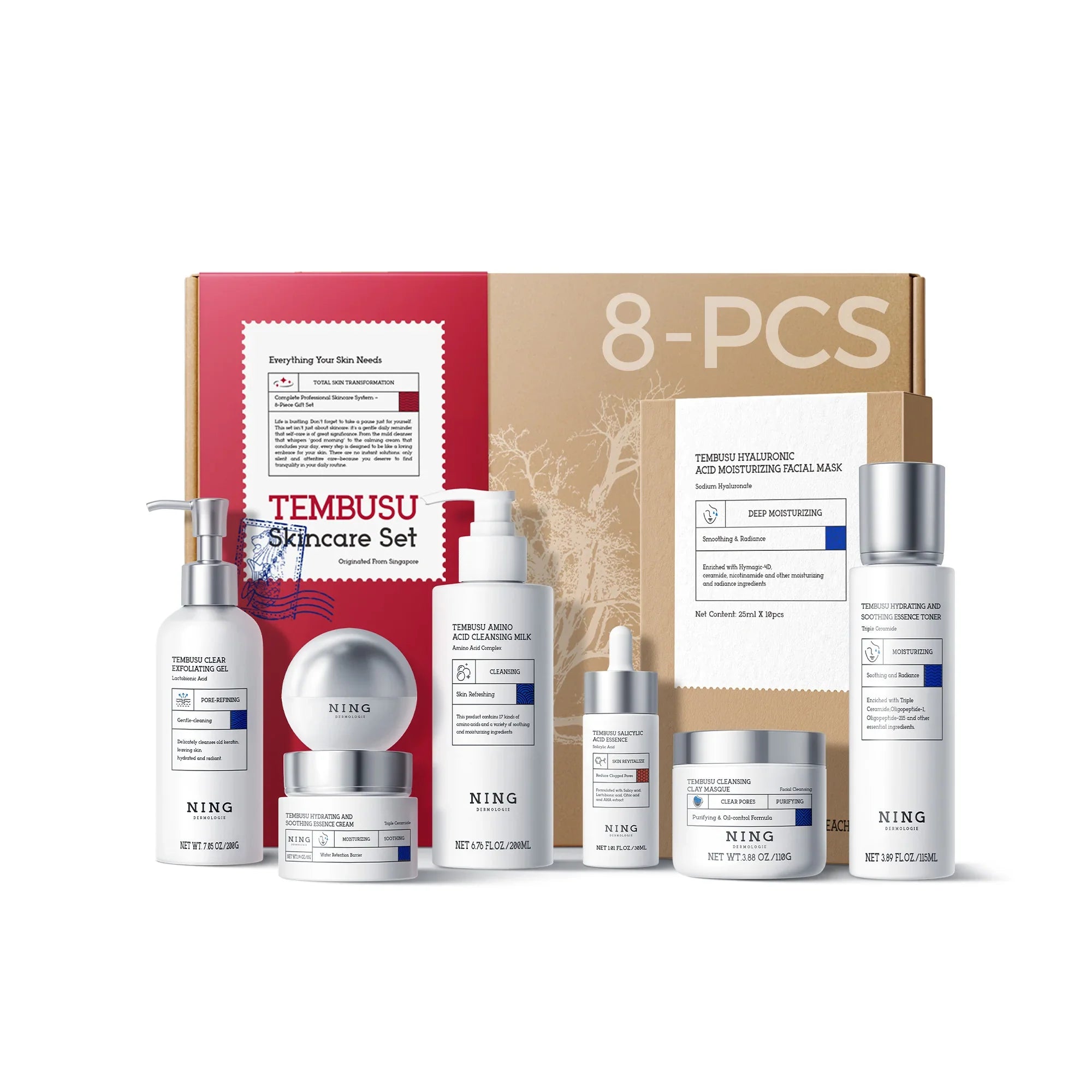
Ingredients like Centella asiatica (cica), colloidal oatmeal, oat extract, and licorice root extract are phenomenal for taking the angry red flush out of your cheeks. Instead of piecing together random products, a streamlined system works best to avoid ingredient conflict. I highly recommend leaning on a coordinated set like the NING Dermologie Toner+Lotion+Creambundle. Their toner instantly cools the sting, laying down a gentle layer of moisture without any hidden drying alcohols, perfectly prepping the skin for the heavier repair steps.
Step 2: Rebuild with Lipids
Once your skin is damp and calm, you have to replace the missing fats. You need a dedicated barrier-repair moisturiser. Don't just grab any random lotion; you specifically need a ceramide-rich moisturizer.
Look at the ingredient labels for glucosyl ceramides and fatty acids. These literally act as replacement mortar for your broken wall. The lotion and cream steps in the NING Dermologie set are formulated exactly for this—they push those essential lipids back into the skin cells, reinforcing the structure so your face stops losing water to the dry air around you.
Step 3: Seal the Leaks
If your skin is severely flaking, just moisturizing isn't enough. You need occlusive support to create a temporary physical shield over your face while you sleep. Applying an occlusive layer—like a very thin layer of plain petrolatum healing ointment over your barrier-repair creams—traps the moisture and ingredients underneath, forcing your skin to heal without interference from the environment.
Step 4: Guard Against the Sun
The final, non-negotiable step in your morning routine is defense. UV radiation acts like a wrecking ball to a damaged barrier. UV exposure slows down healing, exacerbates redness, and can trigger post-inflammatory hyperpigmentation.
You must wear a broad-spectrum sunscreen every single day, ideally one with a broad-spectrum SPF of 30 or higher. Since chemical sunscreens can sometimes sting a broken barrier, opt for mineral options containing Zinc oxide. Zinc is naturally anti-inflammatory and sits gently on top of the skin, reflecting UV rays without causing that awful burning sensation.
Beyond the Basics: Extra Comfort Measures
If you have to go to work and can't bear the redness, Color-correcting skin care (like green-tinted cica balms) can neutralize the flush without requiring heavy, irritating makeup.
Additionally, if you have the budget, LED light therapy can be a game-changer. Using at-home LED masks on the red light setting helps reduce inflammation at a cellular level without applying any physical product to the skin.
When to Seek Professional Support
There is a massive difference between a temporarily irritated face from trying a new acid and a true dermatological emergency. If your skin is blistering, weeping clear fluid, or if the redness is spreading rapidly and feels hot to the touch, stop everything.
Thought leaders in the dermatology space, like Dr. David Kim and the team at Idriss Dermatology, constantly remind patients that chronic, painful inflammation requires a professional assessment. Don't try to DIY a severe infection or an allergic reaction. A board-certified dermatologist can prescribe topical steroids or non-steroidal anti-inflammatory creams or gels to get the fire under control fast and safely.
Fixing a damaged barrier requires patience. It usually takes anywhere from two to four weeks of this strict, boring routine for your skin to feel normal again. Stick with the hydration, pile on the ceramides, and leave the scrubs alone.

Frequently Asked Questions (FAQ)
Why does my regular moisturizer suddenly burn my face?
Your skin barrier is compromised, meaning micro-cracks have formed on the surface. Ingredients that are normally safe are now sinking too deep, triggering nerve endings and causing that immediate stinging sensation.
How long will it take for the redness to go away?
Minor irritation can subside in three to five days with gentle care. However, repairing a severely damaged lipid barrier typically takes two to four weeks of a consistent, zero-exfoliation routine.
Can I still wear makeup while my barrier is damaged?
You can, but avoid it if possible. Heavy makeup requires double cleansing to remove, which causes further friction. If you must, use a gentle mineral powder or a green-tinted soothing balm.
Is washing my face with just water in the morning okay?
Absolutely. Skipping morning cleanser is a great way to let your natural oils recover. A quick splash of lukewarm water is enough to prep your face for moisturizer and SPF.
Should I use ice to calm the redness?
Skip the direct ice. Extreme cold can shock the skin and cause rebound redness. Instead, apply a cool, damp washcloth or keep your hydrating toners in the fridge for a gentle cooling effect.





Share:
The Ultimate Glow-Up: 3-Step Morning Routine for Radiant Skin
Why Your Brightening Serum Isn't Working: 3 Common Application Mistakes