

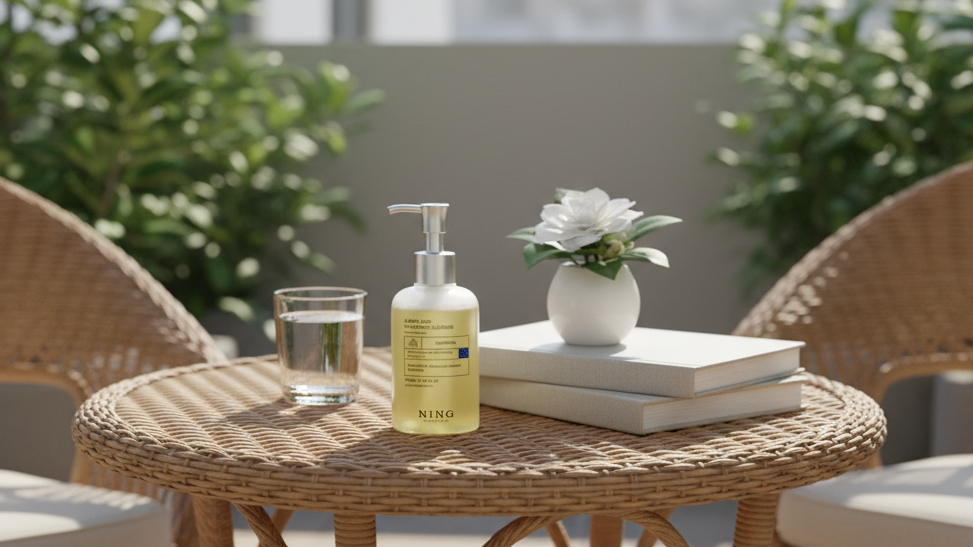

Let’s be honest about the numbers game in the beauty aisle. You pick up a bottle, squint at the label, and see "2% Salicylic Acid." Next to it, another bottle says "0.5%." The logical side of your brain—the side that likes bigger numbers—immediately assumes the 2% bottle is four times better.
But skincare isn't math; it’s chemistry.
When it comes to face cleansers, specifically those targeting acne-prone skin or excess oil, the concentration is only half the story. The other half is how long it stays on your face and what else is in that bottle. If you are scrubbing your face with a high-percentage acid but destroying your skin barrier with harsh soaps, you aren't clearing acne; you're just engineering a chemical burn.
Here is the unfiltered truth about salicylic acid concentration, how to use it without ruining your face, and why the "vehicle" (the formula itself) matters more than the percentage on the front label.

The Science: Why Salicylic Acid is the "Oil" Expert
To understand the dosage, you have to understand the drug. Salicylic acid is a beta hydroxy acid (BHA). Unlike Glycolic acid or Mandelic acid (which are Alpha Hydroxy Acids and water-soluble), BHA is lipophilic. That’s fancy talk for "oil-loving."
It doesn’t just exfoliate the surface dead skin cells like a scrub. It actually dives inside the pore, cutting through the sebum (oil) that acts like glue for bacteria and debris. It dissolves the oil buildup inside the sebaceous gland pathway. This makes it a keratolytic agent—it breaks down the outer layer of skin to unclog things.
This unique ability to penetrate oil is why it is the gold standard for oily skin, blackheads, and clogged pores. But because it penetrates so deeply, the margin for error—and skin irritation—is slim.
The Concentration Breakdown: 0.5% vs. 2%
So, what is the "effective" amount?
0.5% to 1%: The Daily Drivers
If you have sensitive skin or you are just looking to maintain clear pores rather than treat a massive breakout, this is your zone. A salicylic acid cleanser at this range provides mild exfoliation. It helps with skin cell turnover without stripping the moisture barrier aggressively. It’s often paired with soothing agents like Aloe vera or Aloe juice to buffer the effect.
2%: The Heavy Lifter (OTC Maximum)
For true acne-prone skin, comedones, or stubborn texture issues, 2% is the standard maximum for OTC products (Over-the-Counter). This concentration is high enough to be bactericidal (kills bacteria) and strongly keratolytic. However, in a face wash, this power is transient. You wash it off.
The Prescription Zone
You might hear about higher percentages (up to 6% or more), but those are usually prescription-strength formulas or spot treatments for things like plantar warts or psoriasis. Do not put those on your face. That risks salicylate toxicity (rare, but possible with massive surface area application) and severe burns.
The "Contact Time" Paradox
Here is where most people fail. You buy a 2% acne control cleanser, you slap it on, foam it up for 8 seconds, and rinse.
Congratulations, you just washed money down the drain.
For a rinse-off product to work, the active ingredients need time to adhere to the skin and penetrate the lipid layer. If you are using a BHA cleanser, you need to follow the 60-Second Rule. Massage the cleanser into the areas with oil buildup (usually the T-zone) for a full minute. This allows the anti-inflammatory properties and the exfoliating acids to actually interact with the skin texture.
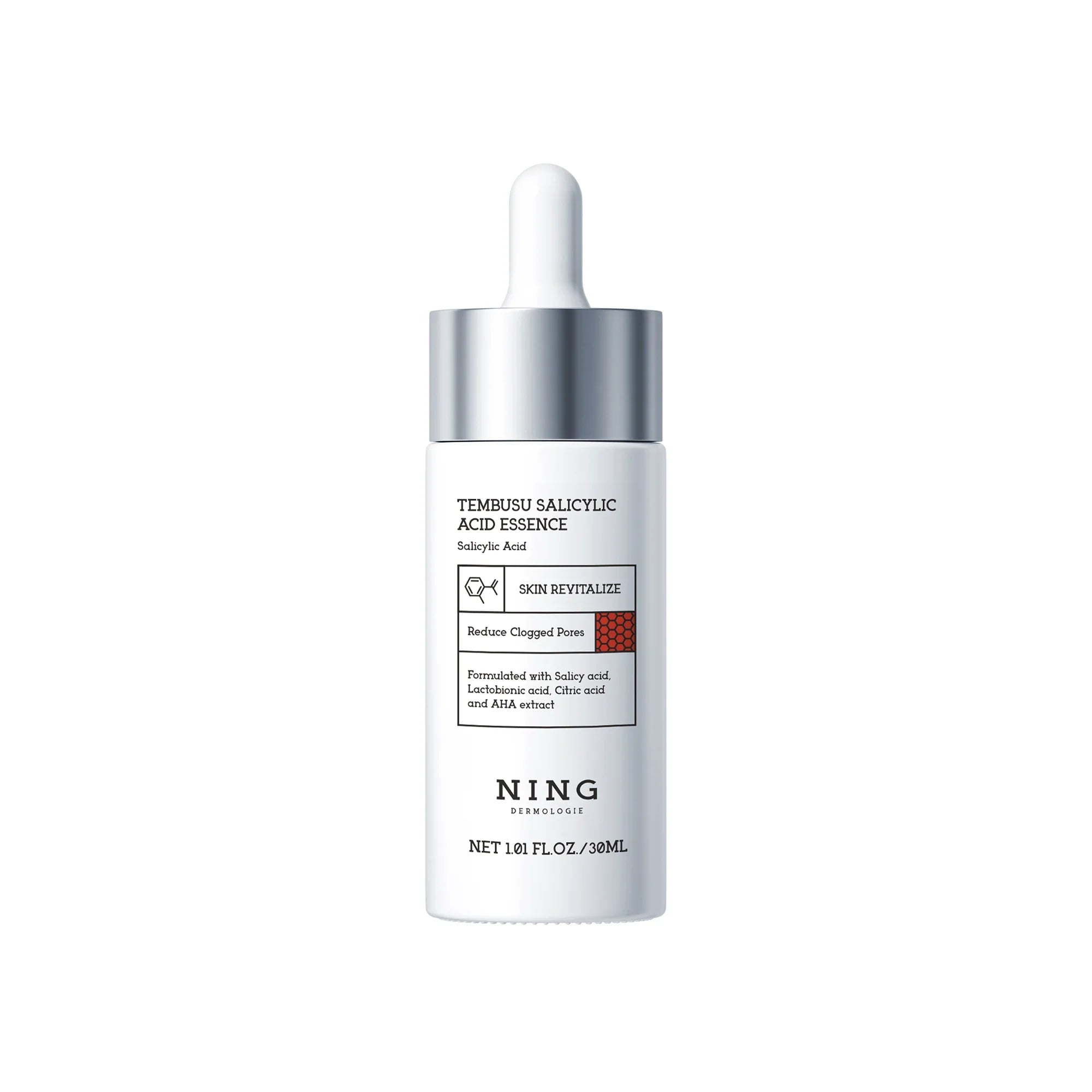
The Trap: Harsh Surfactants vs. The NING Dermologie Approach
This is the most critical part of this guide. A 2% Salicylic Acid wash in a base of harsh sulfates (like Sodium Lauryl Sulfate) is a recipe for disaster. It strips the skin so badly that your face panics and produces more oil to compensate. This is often why people with oily skin feel greasy two hours after washing.
You need a formula that balances the "attack" of the acid with a "cushion" for the skin.
This is the philosophy behind the NING Dermologie Amino Acid Facial Cleanser with Salicylic Acid.
Instead of cheap soap bases, we utilize Sodium Lauroyl Sarcosinate and other amino acid-based surfactants. These are SLS free cleanser options that clean without decimating the skin's lipid layer. By suspending the Salicylic acid in an aqua base with amino acids, the product creates a buffer. It allows the acid to target the clogged pores and acne bacteria without triggering the inflammatory response that leads to dark spots (PIH) or redness.
We also formulate to ensure the pH is low enough for the acid to work, but not so low that it causes allergic reactions or stinging. It’s about efficacy with elegance.
Integrating SA into Different Skin Routines
Not all skin types should use face washes with actives the same way.
The Oily/Congested User
- Frequency: Twice daily is usually okay if the formula is gentle (like the NING Amino Acid base).
- Pairing: Follow with a light, hydrating moisturiser or an aqua base gel.
- Watch out for: oil-absorbing technology in other products. If your toner, serum, and moisturizer all control oil, you will dry out.
The Dry/Sensitive User
- Frequency: Once a day (night) or 3 times a week.
- Method: Use the SA cleanser only on the nose and chin, and a gentle cream cleanser elsewhere.
- Pairing: You must repair the barrier immediately. Look for Ceramides or Hyaluronic Acid.
- Caution: If you have eczema or rosacea, patch test first. Sometimes Lipo-hydroxy acid (a gentler derivative) or Polyhydroxy acids are better alternatives, though less effective on deep oil.
The "Body Acne" User
Interestingly, face cleansers with 2% SA are fantastic for Keratosis Pilaris (chicken skin) on the arms or body acne on the back. The skin on the body is thicker and tolerates higher contact time better.
What NOT to Mix (The Danger Zone)
If you are using a salicylic acid cleanser, you are already exfoliating. Be very careful adding:
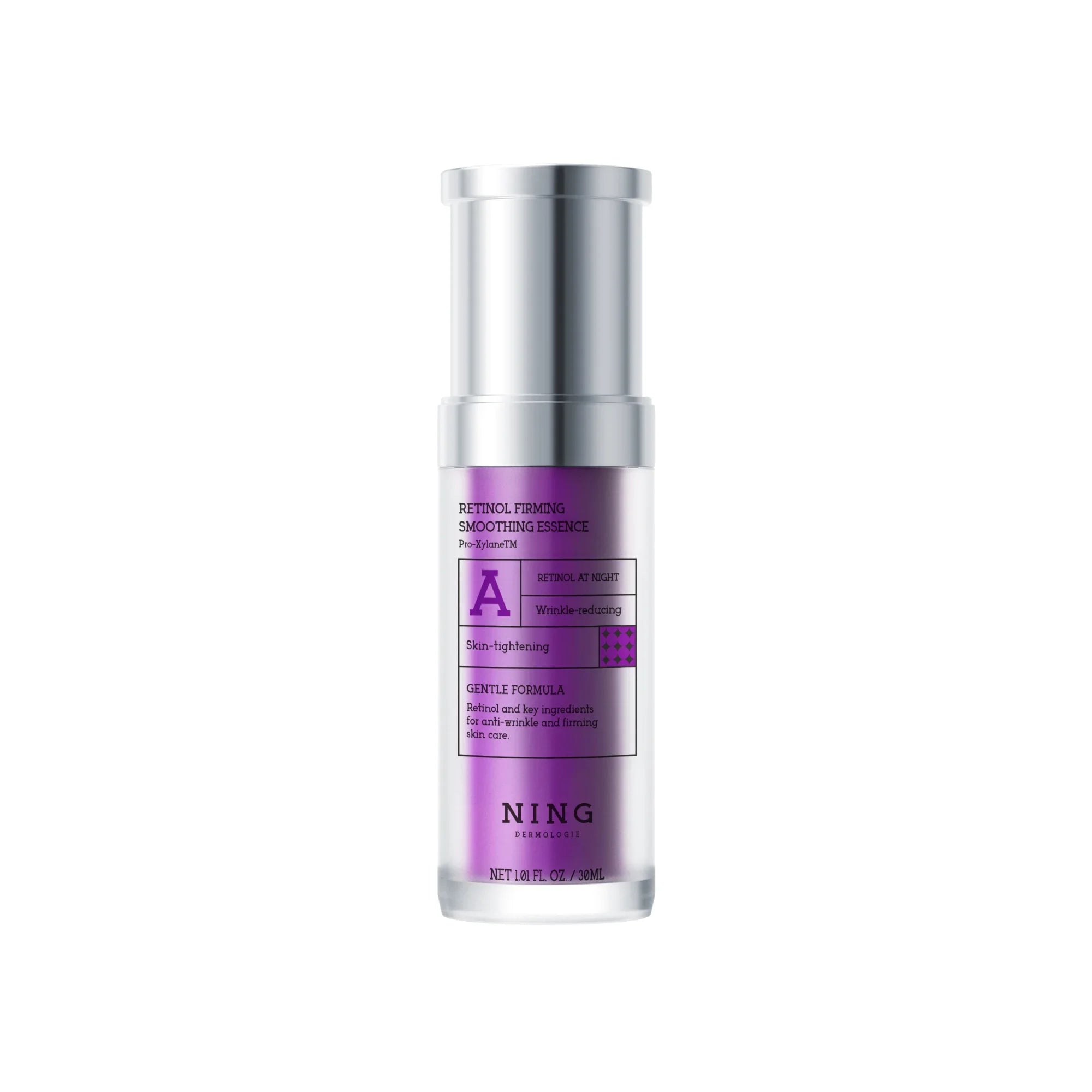
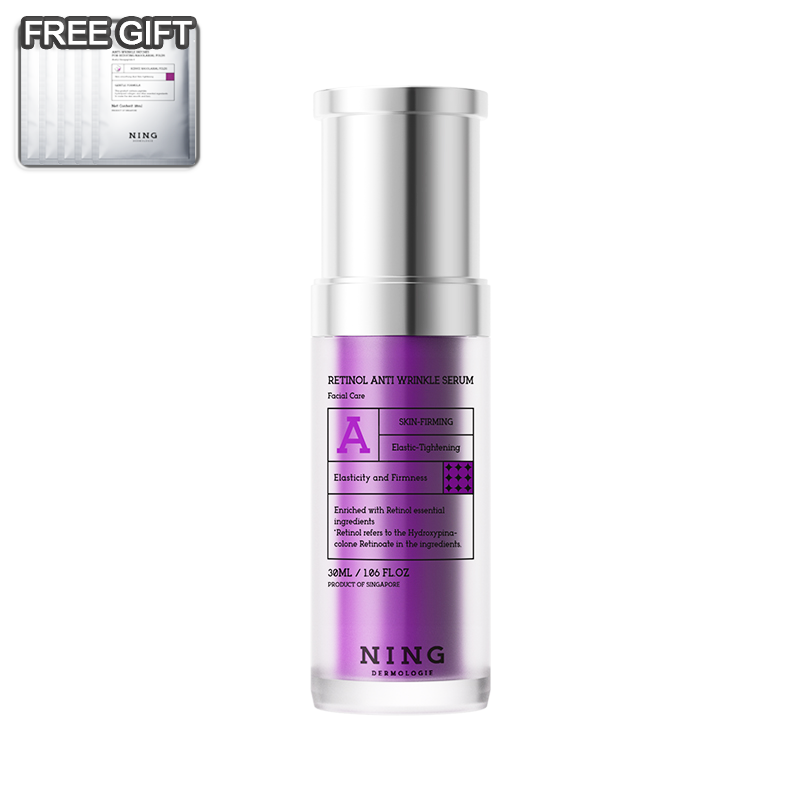
- Retinol Serum: Using SA and Retinol at the same time can cause massive irritation. Use the SA wash in the morning and Retinol at night.
- Benzoyl Peroxide: This is another heavy hitter for acne. Using a Benzoyl peroxide wash and an SA toner is overkill. Choose one antibacterial compound per routine.
- Physical Scrubs: You do not need apricot pits if you are using chemical exfoliants.
- Occlusive Dressing: Do not put thick layers of Vaseline (slugging) over strong actives; it traps them and increases potency unpredictably.
A Note on "Natural" Alternatives
You might see brands touting Willow bark extract. While this is the natural source from which salicylic acid is derived, the conversion rate to active salicylic acid on the skin is very low. It’s a nice soothing additive (we like it for its anti-inflammatory benefits), but don't expect it to clear cystic acne the way a standardized beta-hydroxy acid will.
The Maintenance Plan
Once your acne clears, do not stop the wash. Acne is a chronic condition of the pore. You need to maintain the clear path. You might drop from a 2% Acne Control Cleanser to a milder 0.5% wash, or simply use the NING Dermologie Amino Acid Facial Cleanser once a day instead of twice.
And finally, the non-negotiable rule: Sun Protection. All exfoliating agents, including SA, expose fresher, younger skin cells. These cells are vulnerable to UV damage. You must apply SPF 30 or higher every single morning. If you skip sunscreen, you are just trading pimples for sun damage and premature aging.

Frequently Asked Questions (FAQ)
Q: Can I use a Salicylic Acid cleanser every day?
A: Generally, yes, especially for oily skin. However, if you feel tightness or see flaking, switch to every other day. For NING Dermologie’s Amino Acid Cleanser, the formula is gentle enough for daily use because it avoids harsh sulfates that strip the moisture barrier.
Q: Will this cleanser make me purge?
A: It’s possible. Since keratolytic agents speed up cell turnover, clogs deep in the skin might surface faster. This "purging" usually lasts 2–4 weeks. If you see breakouts in new areas where you never usually get acne, that’s irritation, not purging—stop using it.
Q: Can I use Vitamin C with a Salicylic Acid face wash?
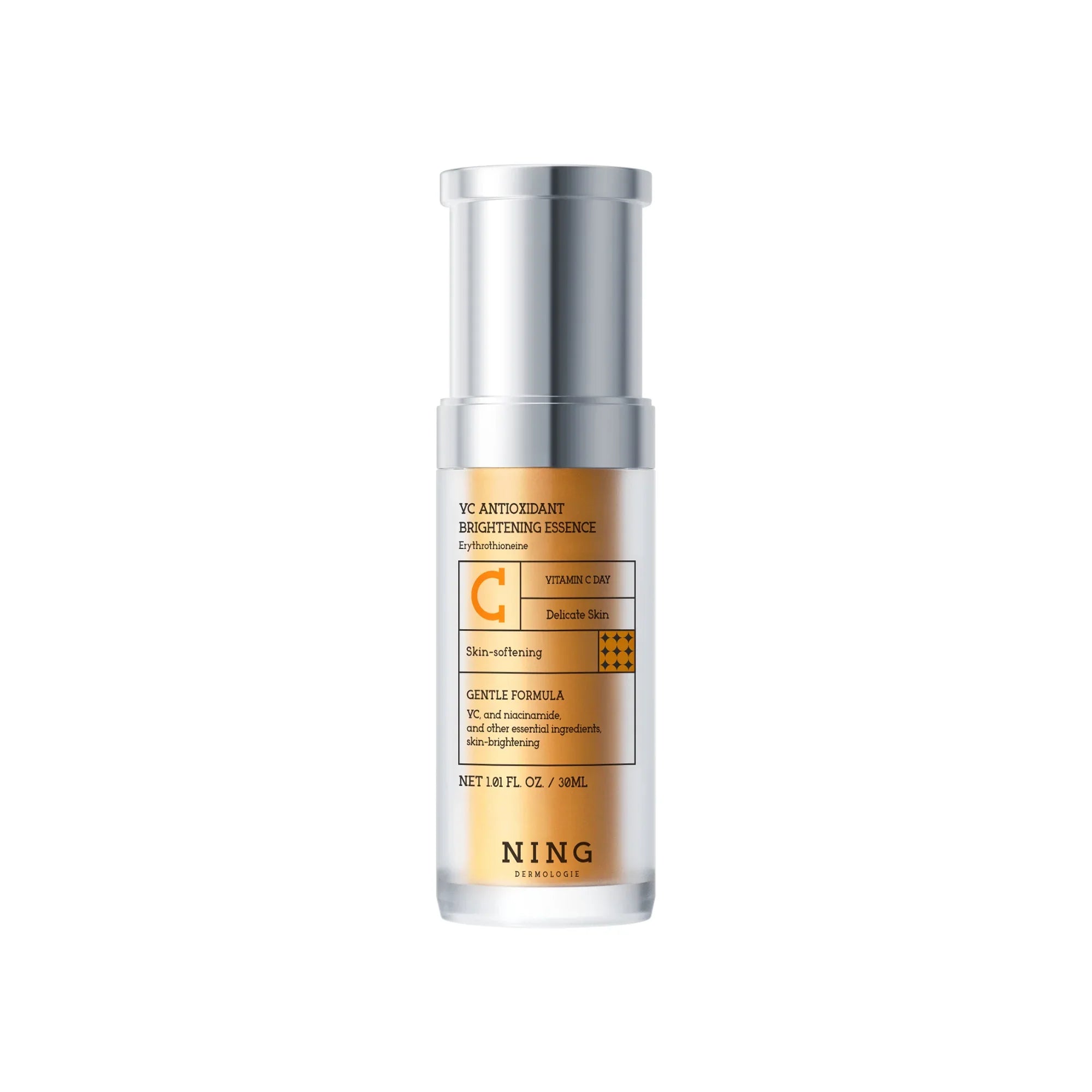
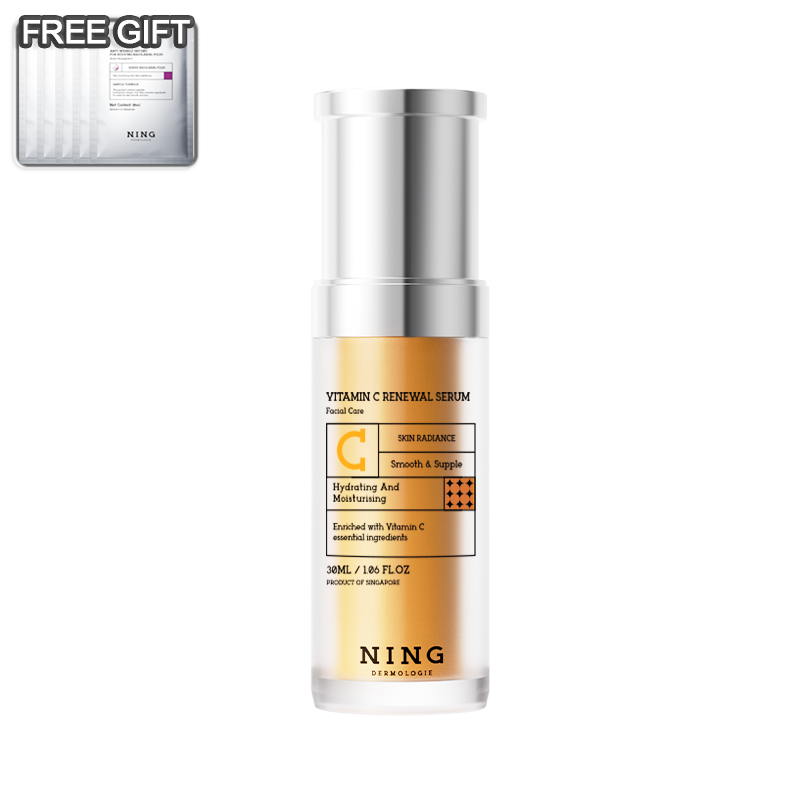
A: Yes. Since the cleanser is rinsed off, the risk of interaction is low. A common routine is using the salicylic acid cleanser to prep the skin (unclogging pores), drying the face, and then applying Vitamin C serum. Just ensure you follow up with SPF 30.
Q: Is 2% Salicylic Acid better than Benzoyl Peroxide?
A: They do different things. Benzoyl Peroxide kills bacteria via oxygenation but can be bleaching and drying. Salicylic Acid focuses on unclogging the pore and calming inflammation. For blackheads and texture, SA is superior. For angry, inflamed pustules, they can be used in rotation.
Q: Does Salicylic Acid help with dark spots?
A: Indirectly, yes. By preventing future breakouts, it stops new dark spots from forming. Also, its exfoliating properties help lift pigmented dead skin cells faster. However, for established spots, you’d want to pair it with tyrosinase inhibitors like Vitamin C or specific spot treatments.





Share:
Stop Scrubbing Your Face Off: How to Use Salicylic Acid Face Wash Without Ruining Your Barrier
The Truth About Natural Salicylic Acid: A Guide for the Skeptical & Sensitive