



Ultimate Guide to Exfoliating Cleansers for a Radiant Glow
This guide isn't your typical "skincare 101" that you’ve read a thousand times. We’re skipping the fluff. If you’re here, it’s because your skin looks dull, your foundation is flaking, or you’re tired of seeing those stubborn dead skin cells clinging to your face like they pay rent.
Achieving Healthy, Radiant Skin isn't about scrubbing your face until it’s raw. It’s about strategy. Specifically, it’s about choosing the right exfoliating cleanser that respects your skin barrier while forcing cell turnover to actually happen.
The "Radiant Glow" Myth vs. Reality
We see it all over social media: skin that looks like glass. But here’s the truth your dermatology provider won't tell you in a 10-minute consult: you can’t glow if you’re buried under a layer of dead cells.
Normally, your skin has a natural cell renewal cycle of about 28 days. As we age, that cycle slows down. The result? A buildup of "cellular debris" that traps natural oils and clogs pores. To fix this, you need a skincare routine that incorporates exfoliating products without causing a "scorched earth" policy on your face.

Physical vs. Chemical: Choose Your Weapon
There is a massive divide in the skincare world. On one side, you have mechanical exfoliation (think volcanic sand or cleansing brushes); on the other, you have chemical exfoliation (acids and enzymes).
1. The Physical Camp (Manual Exfoliants)
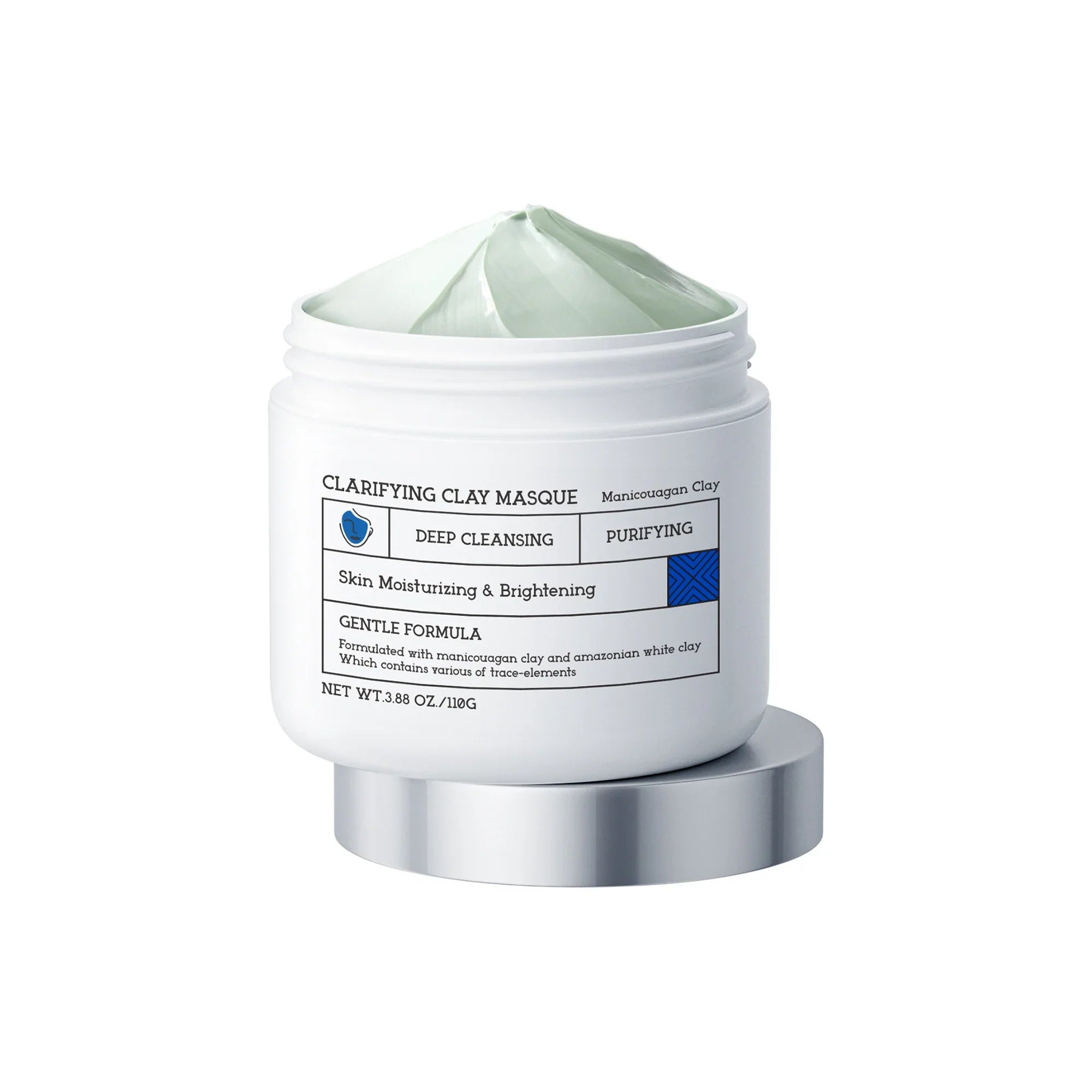
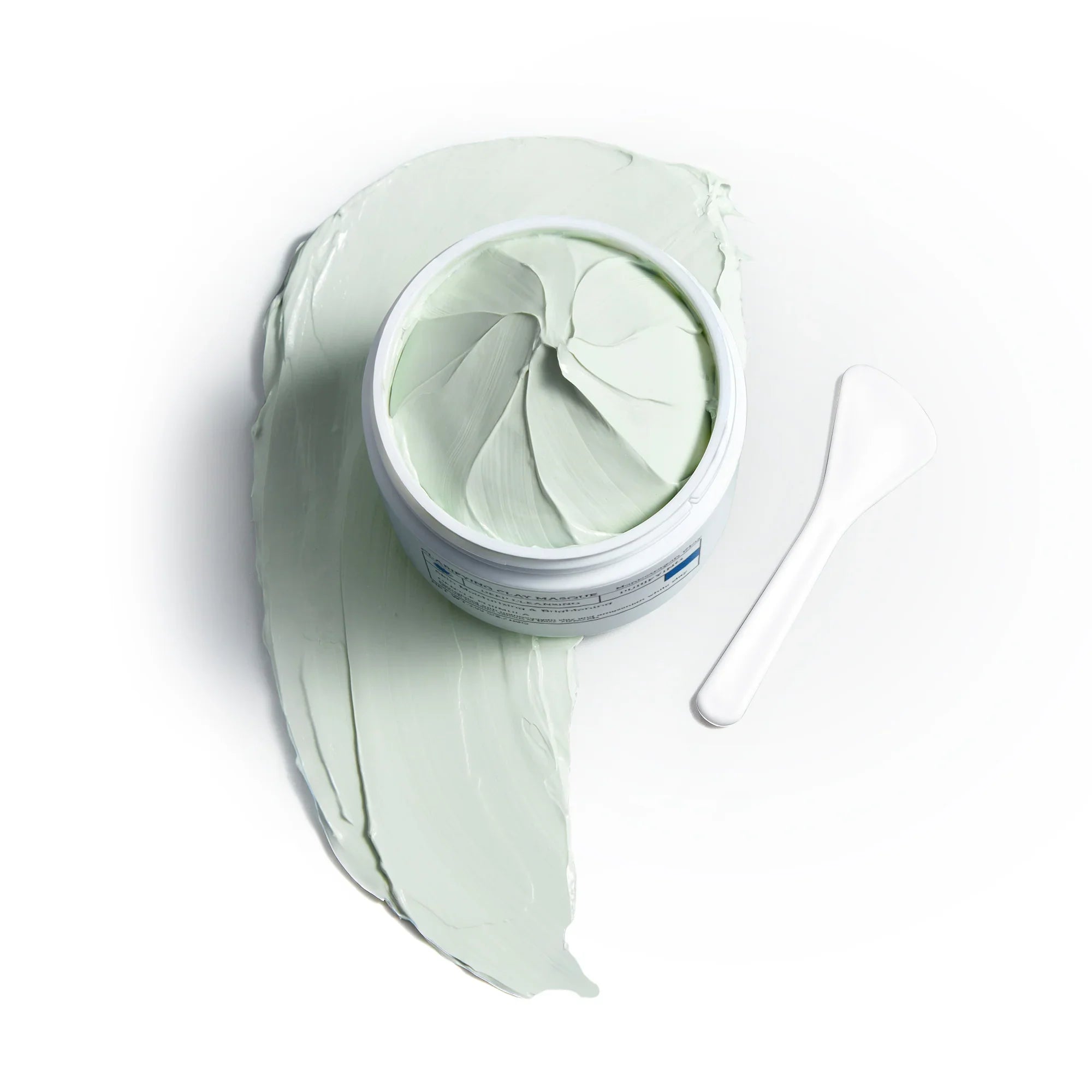
If you like the "feeling" of scrubbing, you’re looking at physical exfoliation. We’ve moved past the era of jagged walnut shells that cause micro-tears. Modern, high-end formulas use rice particles, jojoba beads, or Amazonian white clay to gently lift dead skin away.
2. The Chemical Camp (The Scientists)
This is where the magic happens for most people. Chemical exfoliants use active ingredients to dissolve the "glue" holding dead skin cells together.
- Alpha Hydroxy Acids (AHAs): Like glycolic acid, lactic acid, and mandelic acid. These are water-soluble and perfect for Dry skin or Normal skin needing a hydration boost.
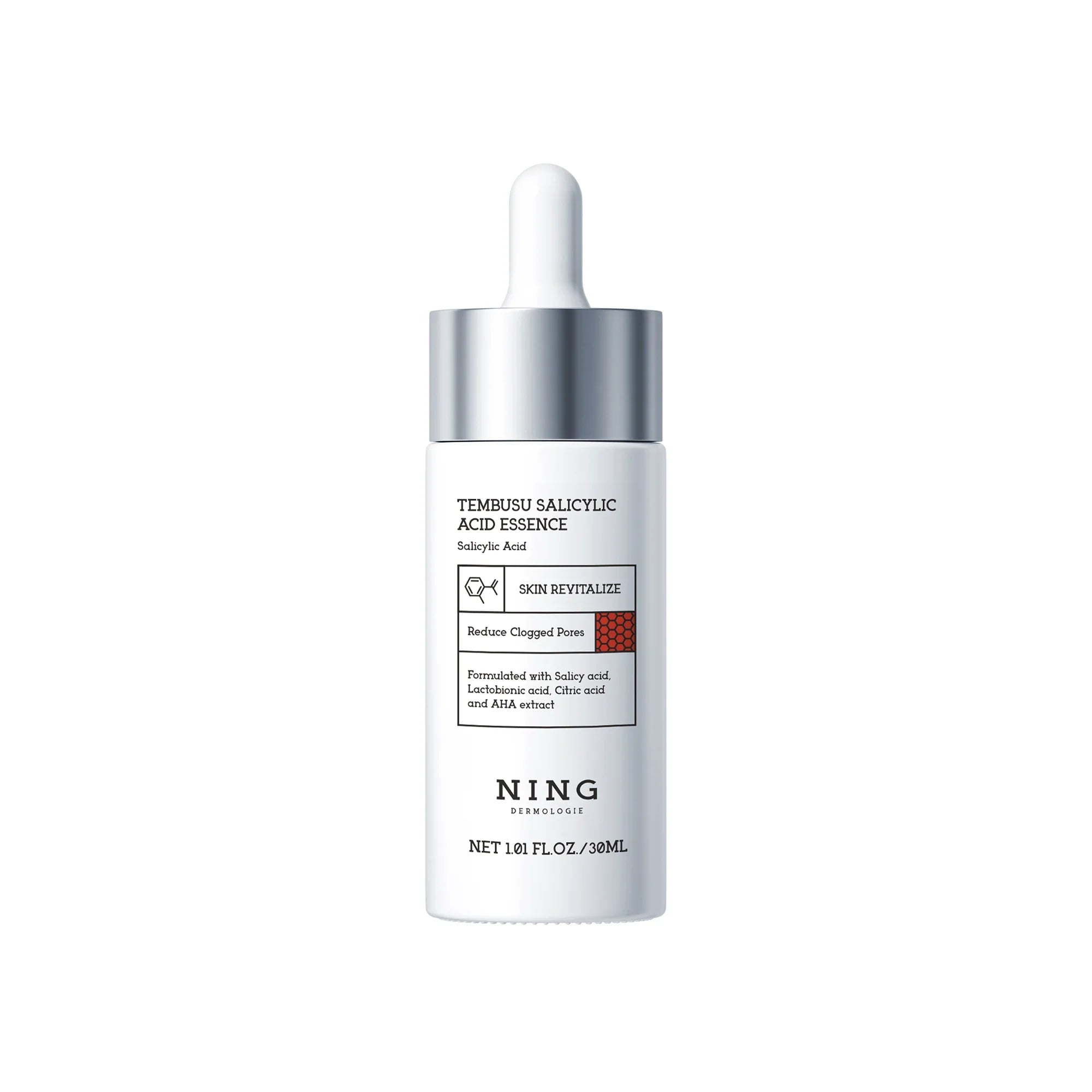
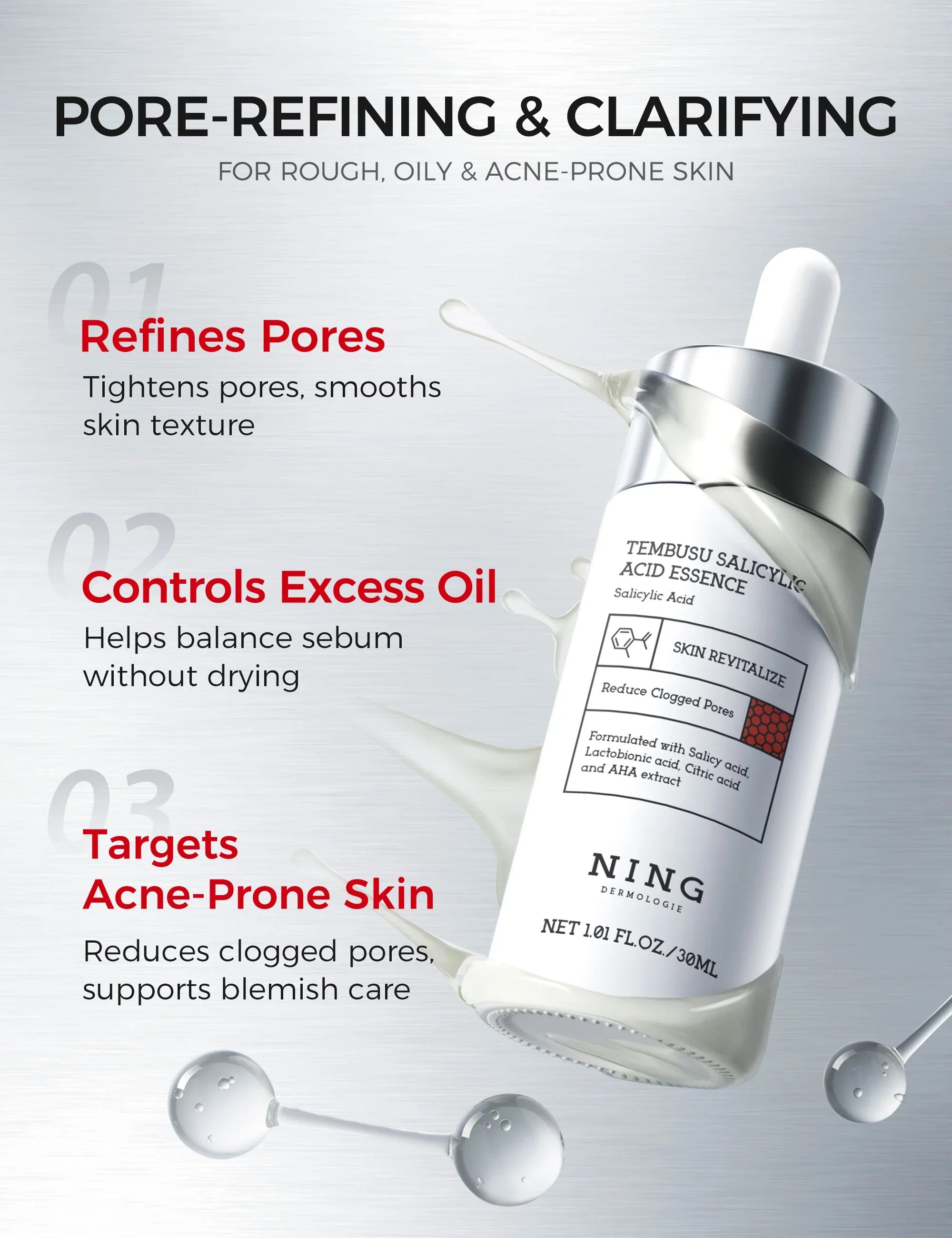
- Beta Hydroxy Acids (BHAs): Specifically salicylic acid. It’s oil-soluble, meaning it dives deep into pores to break up sebum production. If you have Oily skin, this is your holy grail.
- Polyhydroxy Acids (PHAs): The gentle cousin. Poly hydroxy acids have larger molecules, making them the gold standard for Sensitive skin.
Identifying Your Skin Type (Be Honest)
You can't pick an exfoliating cleanser if you don't know what you're working with.
|
Skin Type |
What it feels like |
Best Exfoliant Ingredient |
|
Oily skin |
Shiny by noon, visible pores. |
Salicylic acid, volcanic sand. |
|
Dry skin |
Tight, flaky, dullness. |
Lactic acid, cloudberry seed oil. |
|
Combination skin |
Oily T-zone, dry cheeks. |
Fruit enzymes, kiwi AHAs. |
|
Sensitive skin |
Turns red if you look at it wrong. |
Mandelic acid, Amino Acids. |
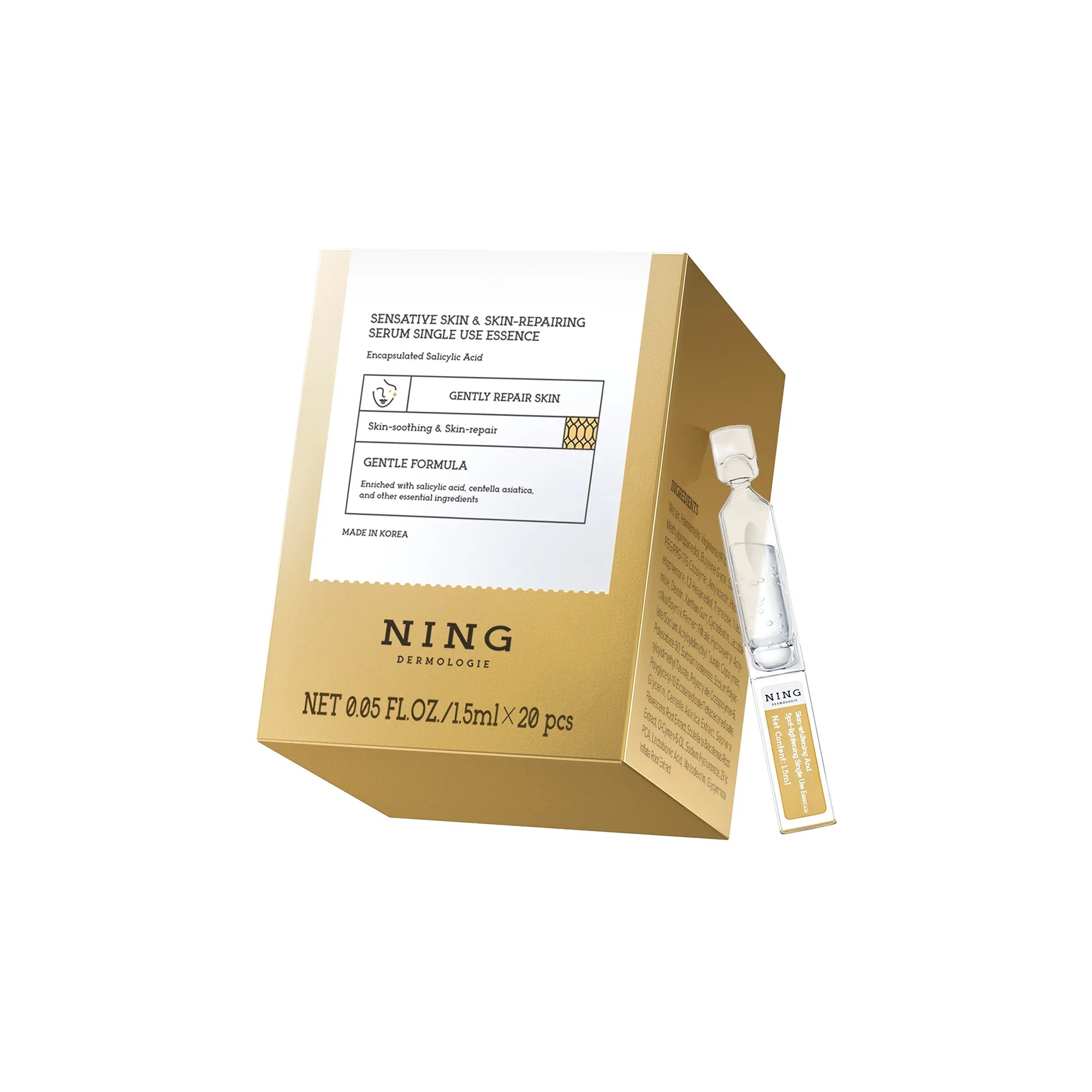
The NING Dermologie Approach: Precision Exfoliation
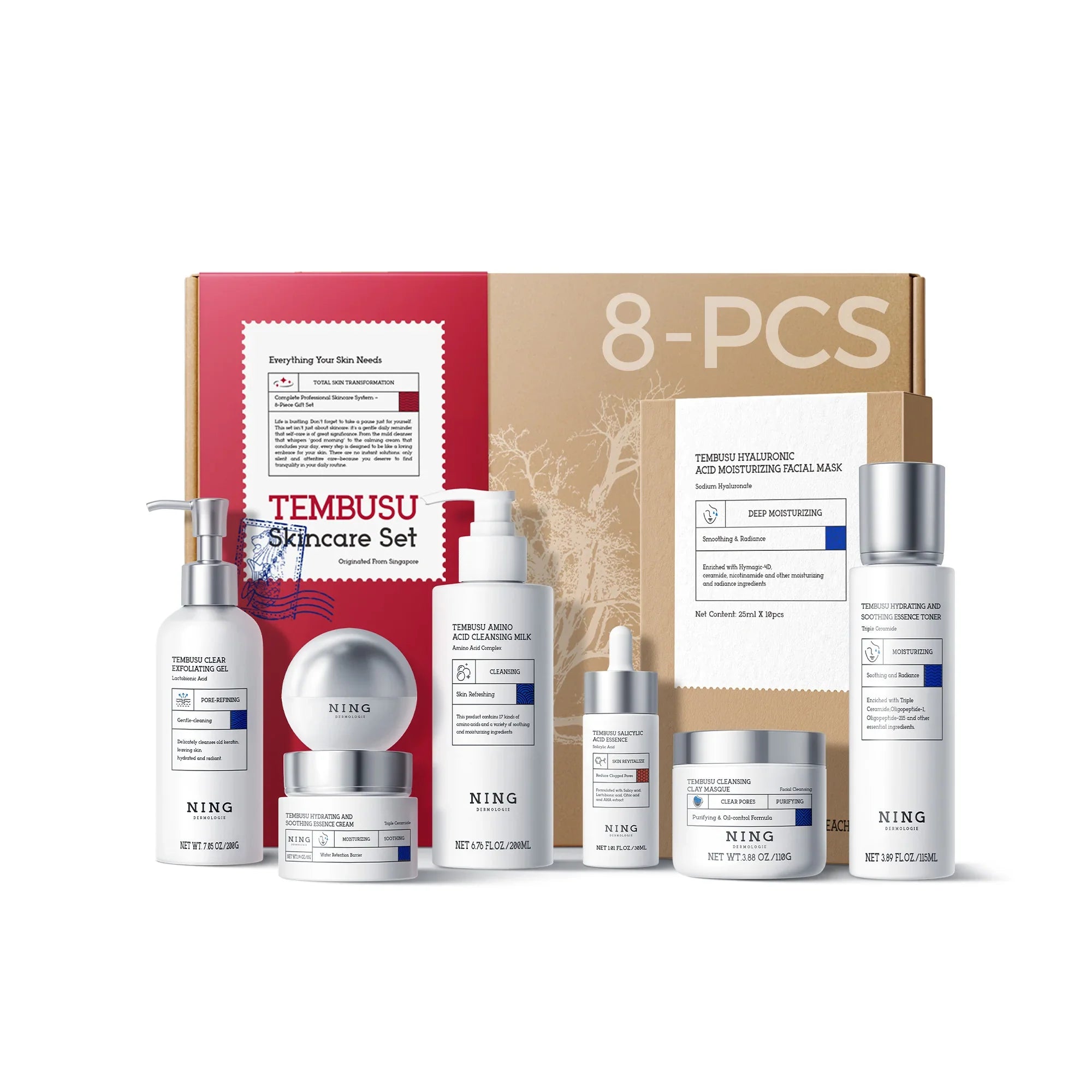
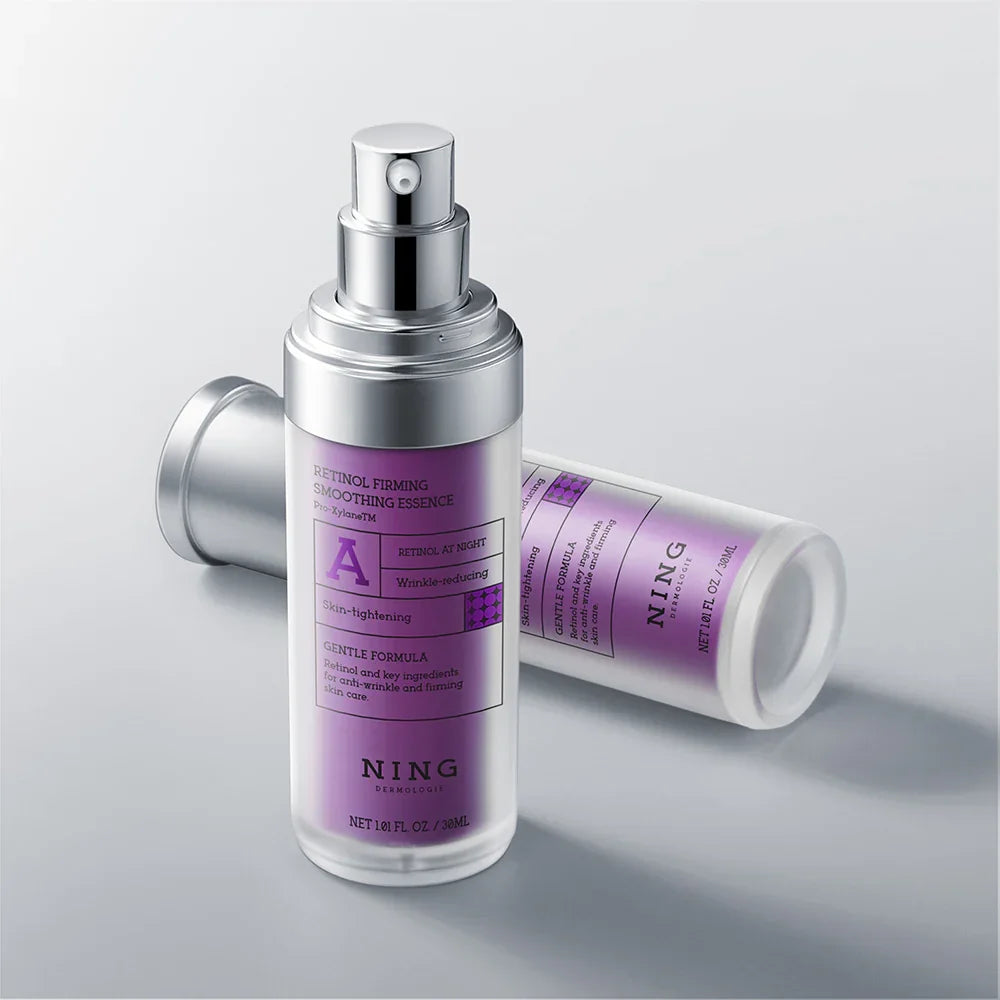
At NING Dermologie, we don't believe in "one size fits all." Most exfoliating face washes on the market are either too weak to do anything or so harsh they strip your natural oils, leaving your skin screaming for help.
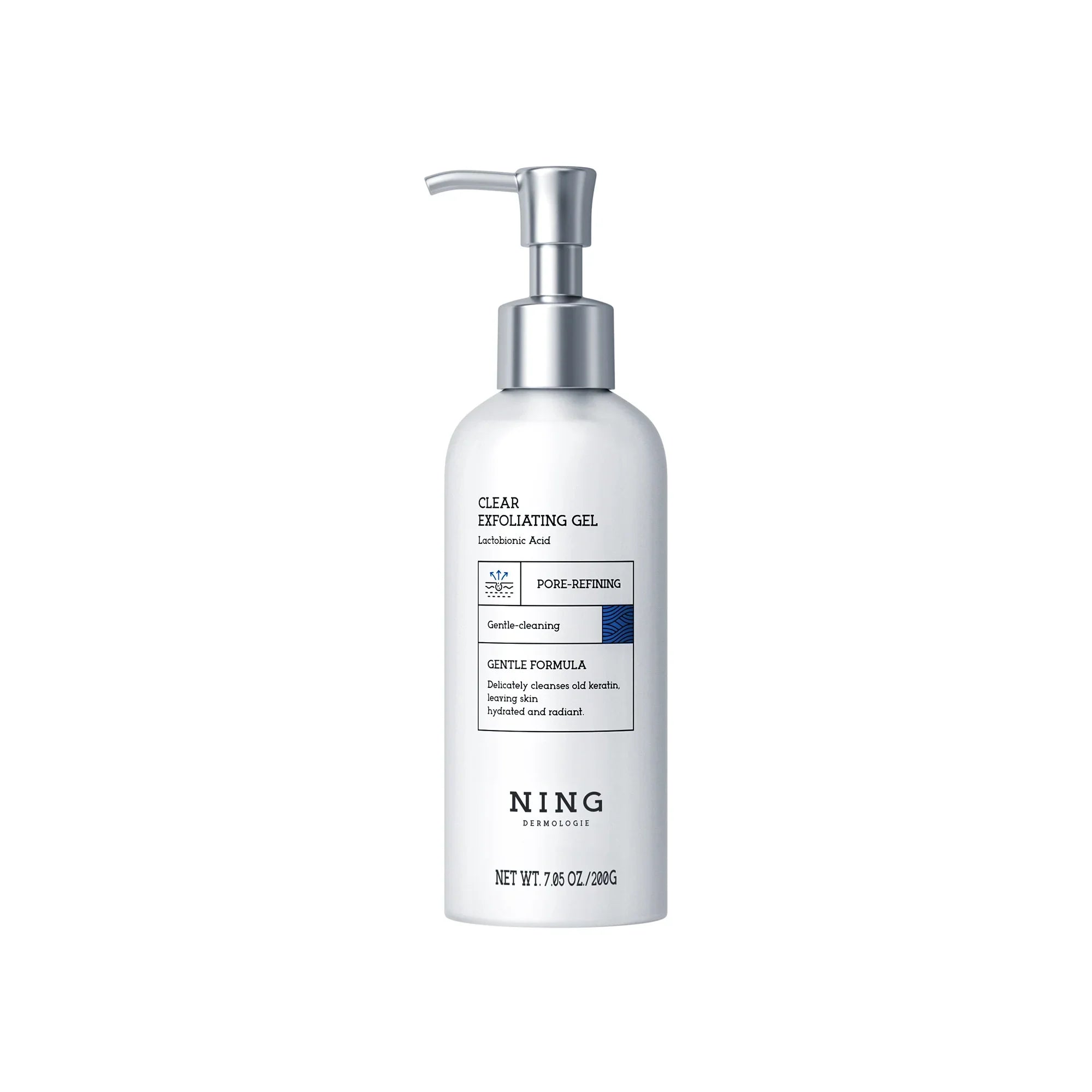
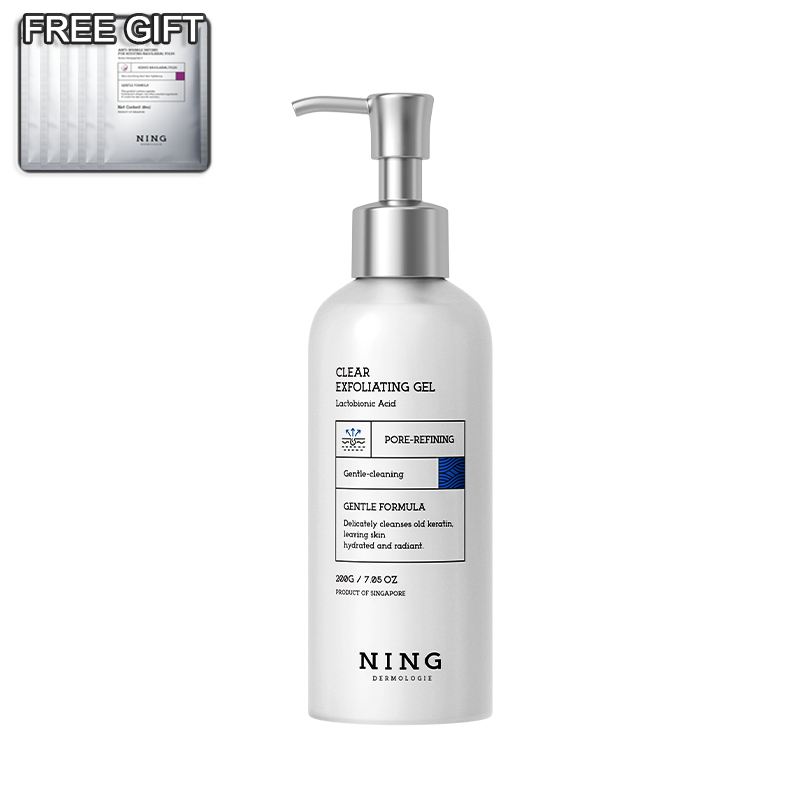
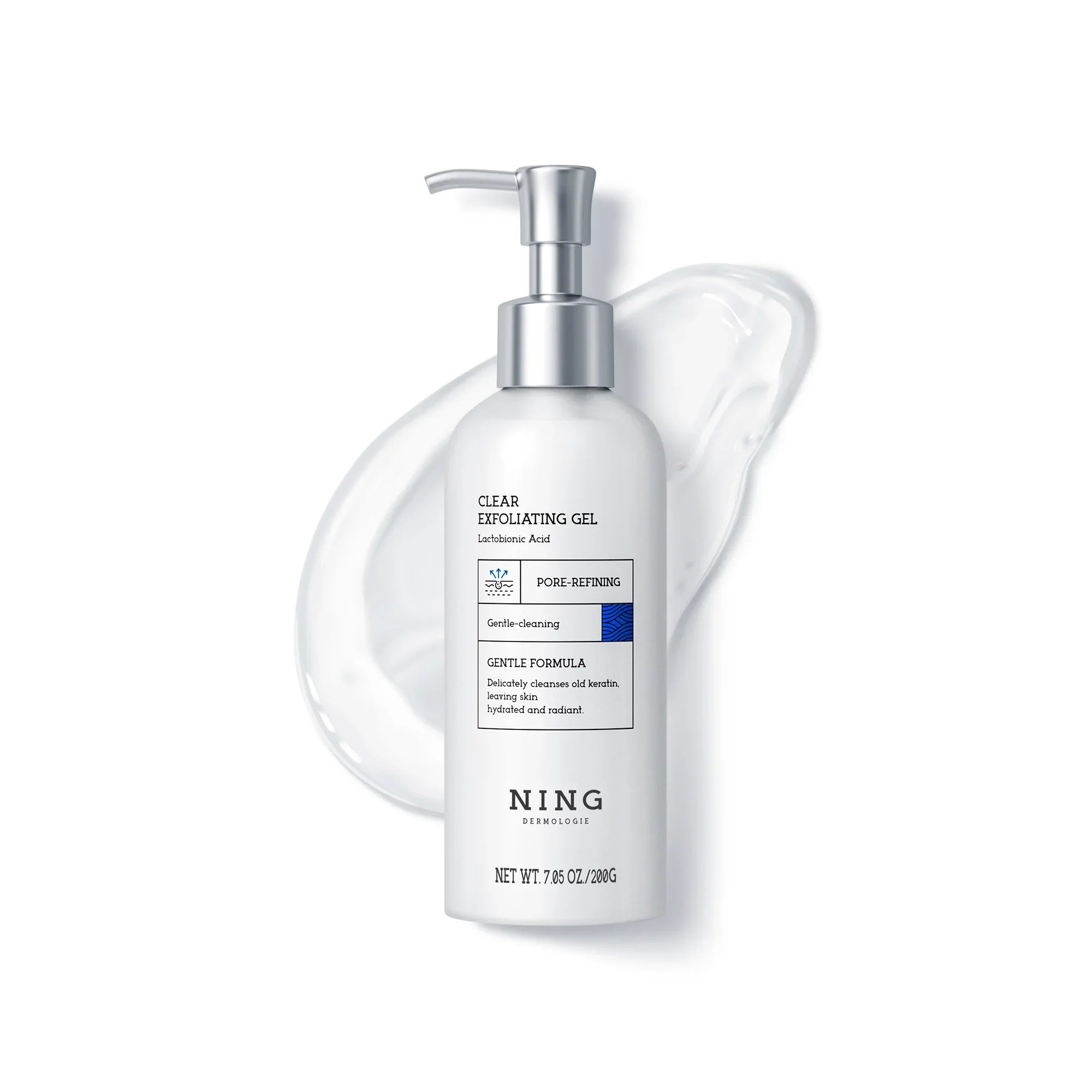
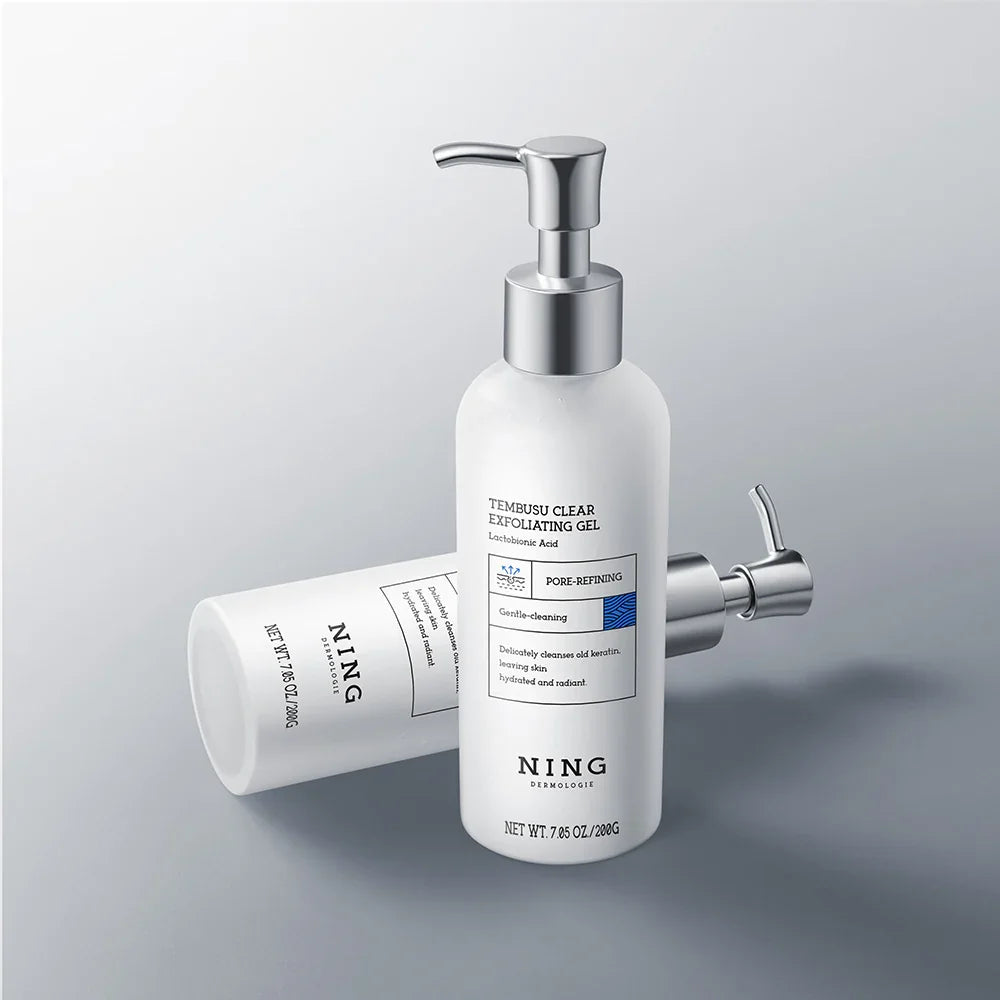
We developed ourExfoliating Face Wash(our signature Peeling Gel) to bridge that gap. It doesn't rely on harsh exfoliating beads. Instead, it uses a sophisticated blend of Carica papaya Extracts and Pineapple Core (enzyme exfoliants) to target only the dead cells.
Why does this matter? Because maintaining pH balance is non-negotiable. When you over-strip your face, you trigger an emergency response that actually increases sebum production. You end up oilier than when you started. By using Amino Acids and blue-green algae, our facial cleanser ensures that while the "junk" is removed, your skin barrier remains intact.
How to Build the Ultimate Routine
If you want Targeted Treatments that actually work, follow this blueprint. This isn't a "once in a while" thing; it's about consistency.
Step 1: Double Cleansing
Start with a gentle oil-based cleanser to remove Sun Protection and makeup. Then, follow up with your exfoliating cleanser. This ensures the active ingredients actually touch your skin rather than just sitting on top of your foundation.
Step 2: The Facial Massage
Don't just splash and go. Spend 60 seconds performing a light facial massage. This boosts circulation and allows ingredients like Vitamin C or hyaluronic acid (often found in premium formulas) to penetrate deeper.
Step 3: Hydration & Recovery
Exfoliation opens up the "windows" of your skin. This is the best time to apply an Overnight Serum AHA Treatment or a rich night cream containing borage oil and glacial oceanic clay.
Step 4: The Golden Rule — Sun Protection
I cannot stress this enough. Every board-certified dermatologist from New York City to LA—whether at Snyder Dermatology, Center Aesthetic & Dermatology, or FACET Dermatology—will tell you the same thing: Exfoliation increases photosensitivity. If you aren't using a broad-spectrum sunscreen, you are undoing all your hard work. UV rays will hit those fresh, new skin cells and cause premature aging. No SPF? No glow.
Expert Insights: What the Pros Say
According to the American Academy of Dermatology, the key to exfoliation is "less is more" initially. Dr. Geeta Yadav and other top experts often suggest that while exfoliating scrubs have their place, chemical options usually provide a more even result.
If you have persistent issues, don't play chemist in your bathroom. Seek an Rx formula from a dermatology provider. But for 90% of us, a high-quality exfoliating face wash used 2-3 times a week is the "sweet spot" for stimulating collagen production and maintaining that elusive Radiant Skin.
Avoiding the "Over-Exfoliation" Trap
How do you know if you've gone too far?
- Your skin looks "shiny" but not in a good way (it looks plastic/waxy).
- Products that usually don't sting suddenly burn.
- Random breakouts in areas you're usually clear.
If this happens, stop all exfoliating face washes and exfoliating serums. Stick to a basic face wash and heavy-duty hyaluronic acid for a week until your skin cell turnover stabilizes.

Final Thoughts on Your Skin Goals
Your skin is a living organ, not a kitchen counter that needs to be bleached and scrubbed. By choosing products like the NING Dermologie Exfoliating Face Wash, you’re choosing a path of "intelligent exfoliation."
You’re removing the dead skin, yes. But you’re also nourishing the new cells with Vitamin C, Amino Acids, and blue-green algae. That is how you achieve a glow that looks like it comes from within, rather than just a temporary shine from a bottle.
Frequently Asked Questions (FAQ)
1. Can I use an exfoliating cleanser every day?
Look, your skin isn't a kitchen floor—you don't need to scrub it daily. While some brands claim their formulas are "gentle enough for daily use," most people actually wreck their skin barrier by doing too much. Start with twice a week. If your skin doesn't get red or weirdly shiny, you might move to every other day. But honestly? Give your skin a break. Over-exfoliating just leads to more inflammation and oil.
2. Is chemical exfoliation safer than using an exfoliating scrub?
In my book, chemical wins almost every time. Why? Because you can’t control the jagged edges of a physical exfoliation scrub, which often cause micro-tears you can't even see. Chemical exfoliants like the ones we use at NING Dermologie dissolve the "glue" between dead cells evenly. It’s a controlled, predictable process. Scrubs are fine for your feet, but for your face? Acids and enzymes are just more intelligent.
3. Will an exfoliating face wash help with acne?
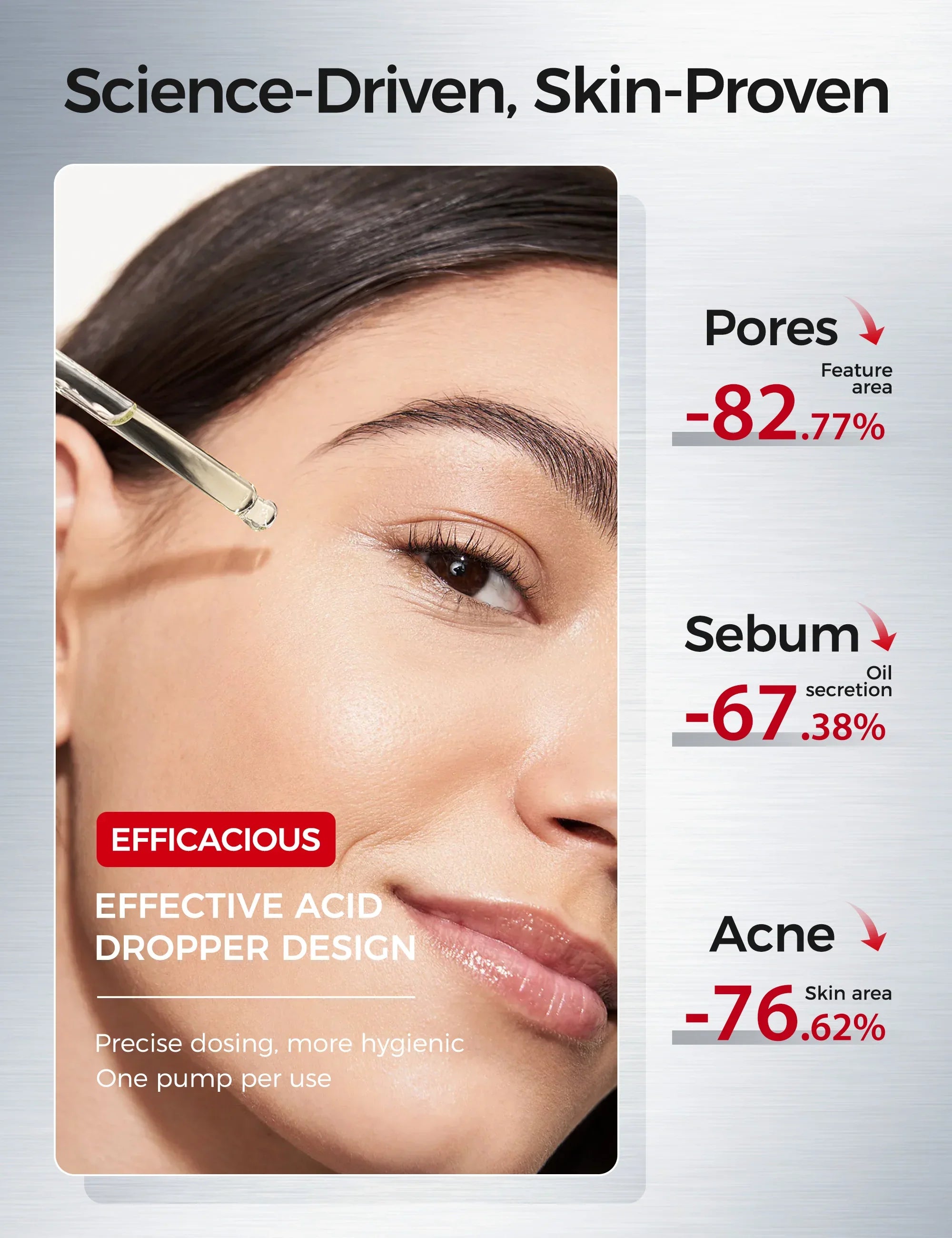
Absolutely. Acne is often caused by a buildup of sebum production and dead skin cells trapping bacteria in the pore. Using a face wash with salicylic acid (a BHA) or mandelic acid can clear these blockages. OurExfoliating Face Washhelps refine pores and prevents the congestion that leads to breakouts, resulting in a much smoother complexion over time.
4. Why do I need sunscreen after using exfoliating products?
Exfoliation removes the top layer of dead cells, exposing "baby" skin that is highly vulnerable to UV rays. This new skin burns easily and is prone to hyperpigmentation. Every board-certified dermatologist will tell you that Sun Protection (at least SPF 30) is mandatory. Failing to use broad-spectrum sunscreen while using acids can actually lead to more dark spots and faster aging.
5. Can I use Vitamin C with my exfoliating cleanser?
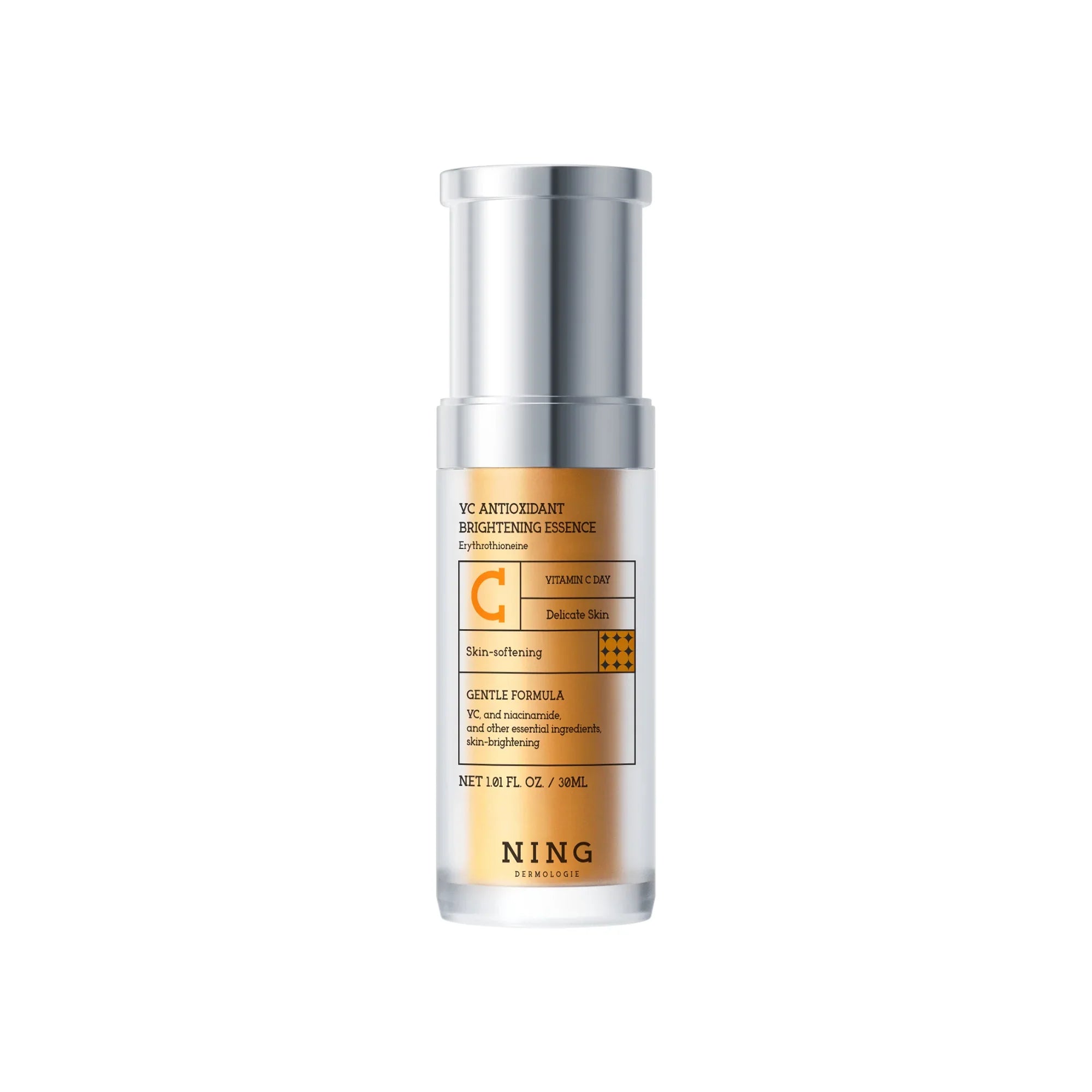
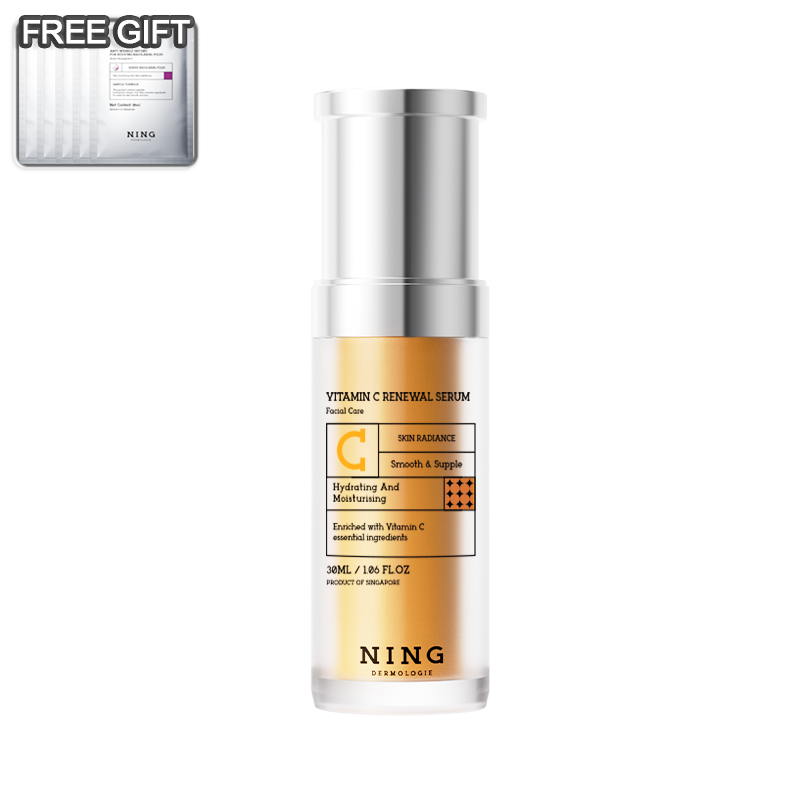
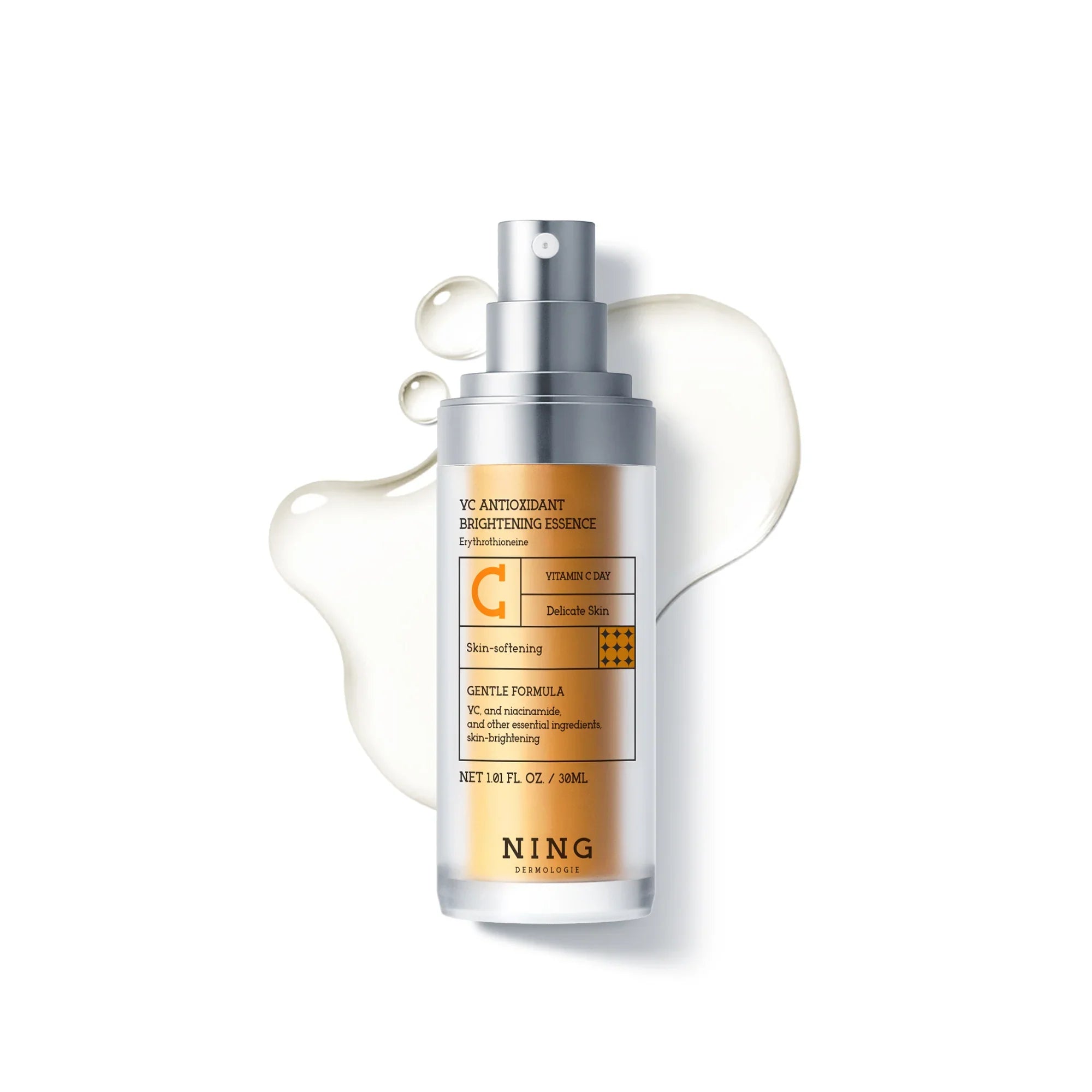
You can, but don't just slap them both on if your skin is acting up. Using Vitamin C after a wash with NING Dermologie is great because the path is cleared of dead skin, meaning the serum actually sinks in. But here's the catch: if you're feeling sensitive, split them up. Use your exfoliating cleanser at night and save the Vitamin C for your morning routine. Your skin will thank you.
Ready to see what's hiding under those dead skin cells?Explore the NING Dermologie Exfoliating Face Wash hereand start your journey toward your ultimate skin goals.





Share:
Show me the ingredients commonly found in exfoliating face washes.
Brighten Dull Skin with These Must-Have Exfoliating Face Washes