

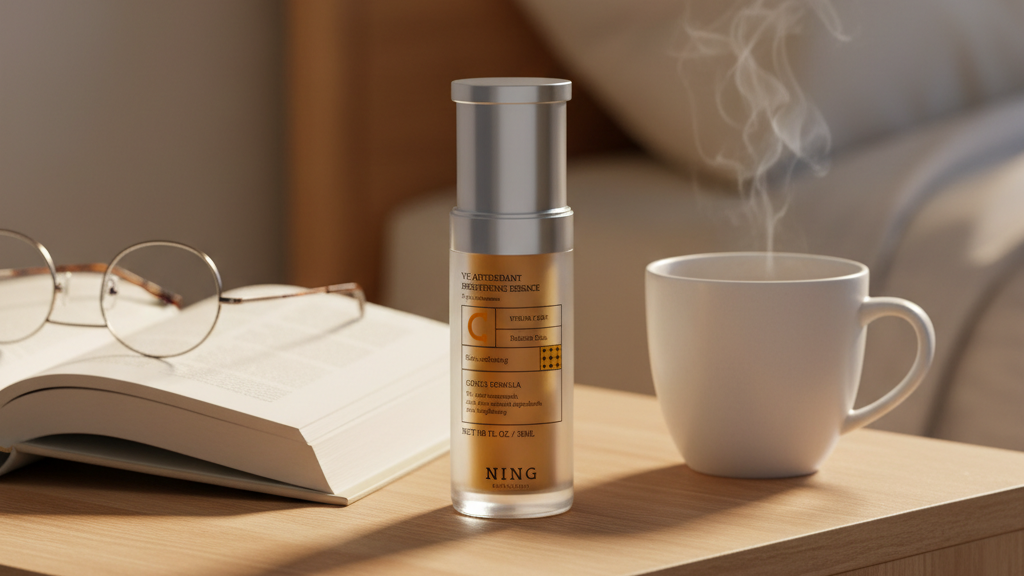

Let’s Get Real About High-Concentration Vitamin C: Is More Actually Better for Your Dark Spots?
You wake up, look in the magnifying mirror, and there it is—that one stubborn dark spot that seems to have its own zip code. Naturally, your first instinct is to find the "strongest" thing on the market. You search for the highest concentration of vitamin c thinking that if 10% is good, 30% must be a miracle, right?
Well, as someone who has seen people literally burn their skin barrier in pursuit of "brightness," I’m here to tell you: it’s not just about the percentage. It’s about the chemistry, the stability, and whether that serum actually makes it into your skin or just sits on top and oxidizes into a messy orange film.
In this guide, we’re cutting through the marketing noise to find the best vitamin c serum for your specific skin type, exploring the vitamin c serums of 2026, and explaining why NING Dermologie might just be the "sweet spot" your routine is missing.

The "Highest Concentration" Trap: Why 20% is Often the Ceiling
Before we list the 11 best vitamin c serums, let's talk numbers. Pure vitamin c (L-ascorbic acid) is notoriously unstable. If you go above a 20% concentration of vitamin c, two things happen:
-
Absorption Plummets: Your skin can only absorb so much. Research shows that once you hit 20%, the skin becomes saturated. Anything more is just wasted money.
-
Irritation Skyrockets: High acidity levels required to keep pure vitamin c stable can leave sensitive skin red, peeling, and angry.
If you have oily skin or "thick" skin, you might handle a 20% dark spot serum just fine. But if you have dry skin or acne-prone skin, chasing the highest number is a recipe for a breakout.
The Rise of Vitamin C Derivatives
This is where 2026 technology changes the game. We are seeing a shift away from just "pure acid" toward a blend of vitamin c derivatives like Ethyl Ascorbic Acid. These are more stable, less irritating, and—critically—they don't turn your pillowcase orange overnight.
Finding the Best Vitamin C Serum for Your Skin Type
Every skin type reacts differently to this "super serum." To find the best fit, you need to look at the supporting cast of ingredients.
1. The Gold Standard: SkinCeuticals C E Ferulic
You can’t talk about vitamin c brightening serum without mentioning Skinceuticals C E Ferulic. It’s a dermatologist favorite for a reason. It uses a specific c e ferulic serum patent (15% L-ascorbic acid, 1% vitamin e, and 0.5% ferulic acid).
- The Pro: It’s backed by decades of science to fade dark spots.
- The Con: It smells like "hot dog water" and costs a small fortune.
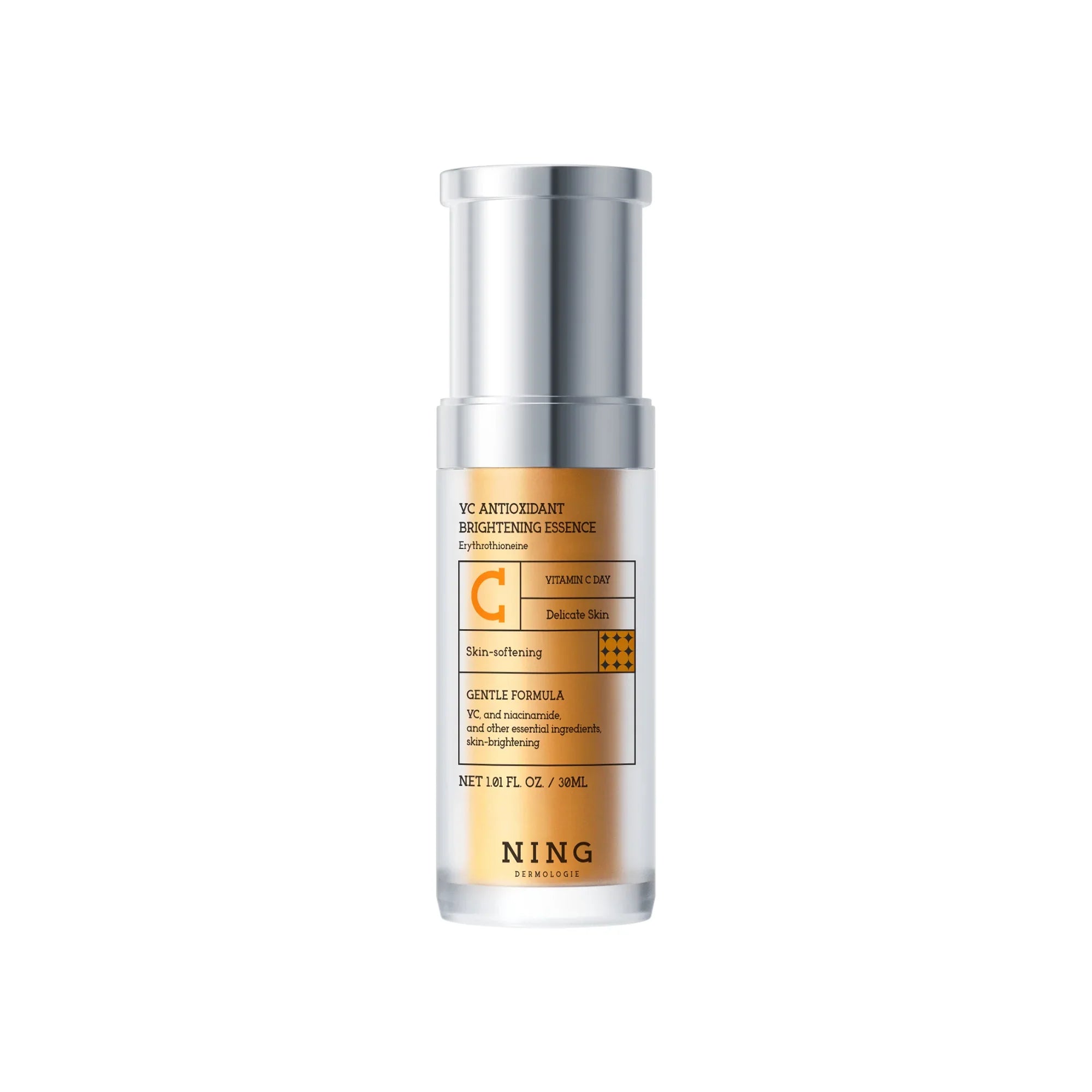
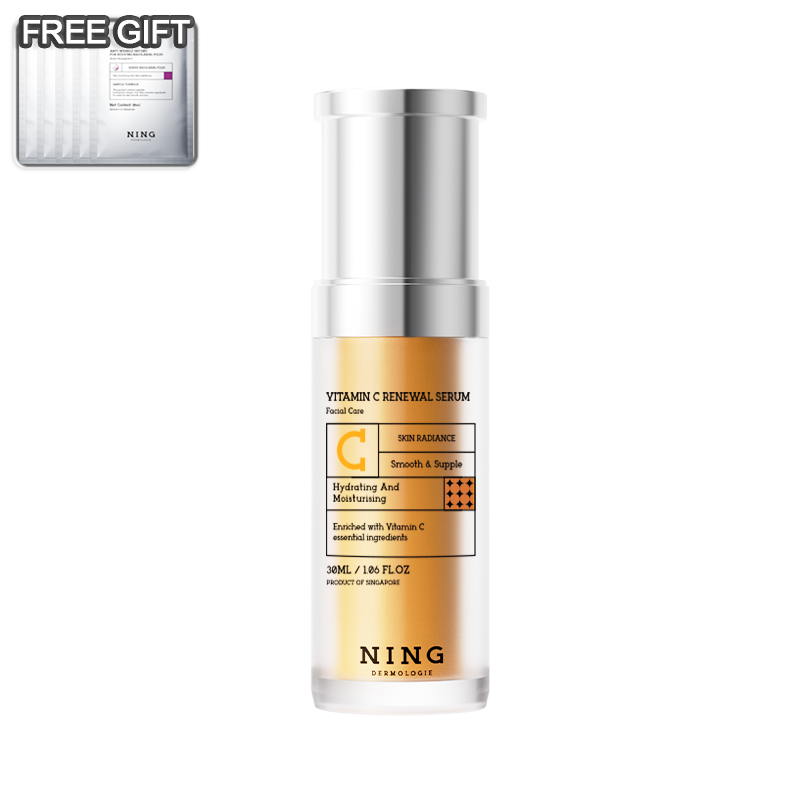
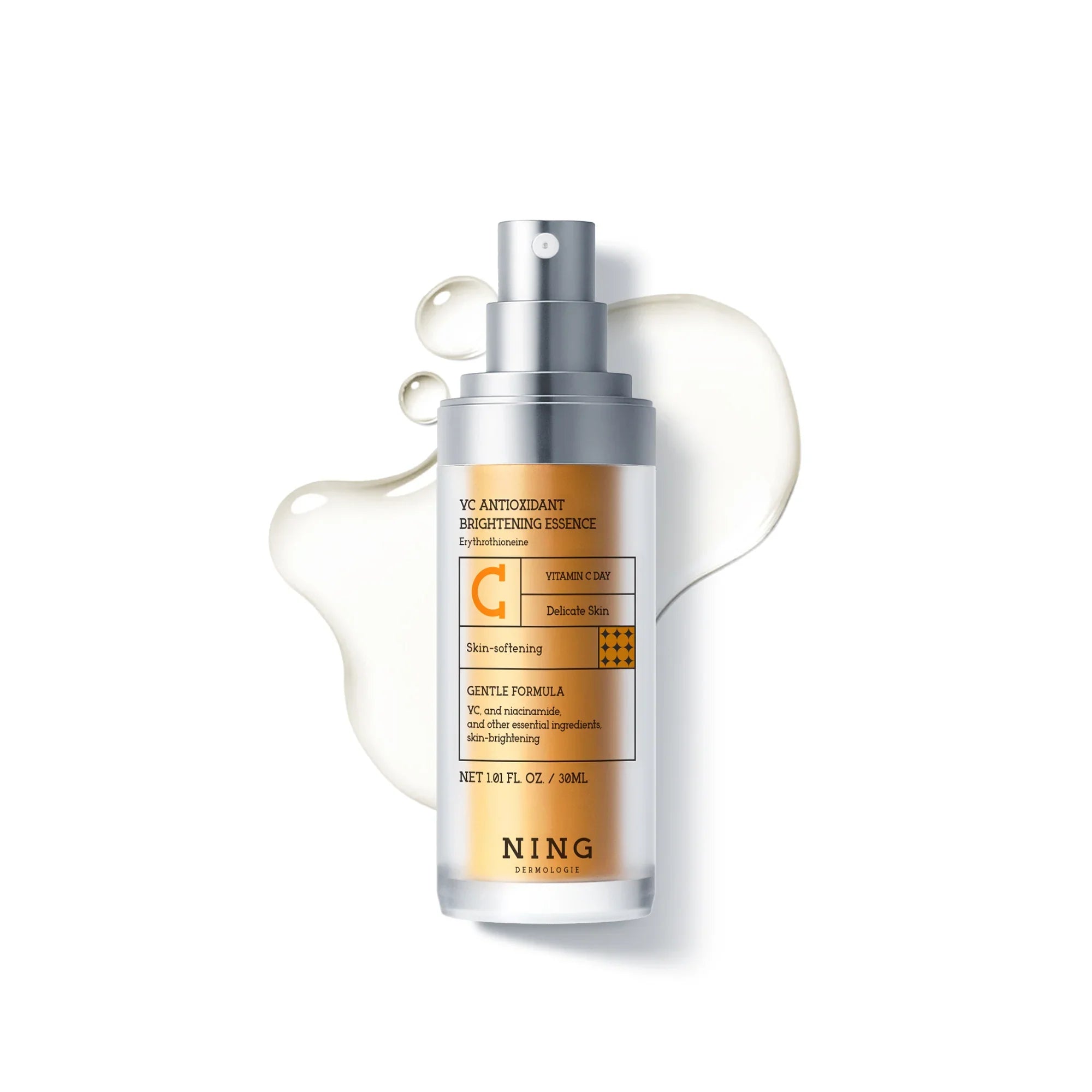
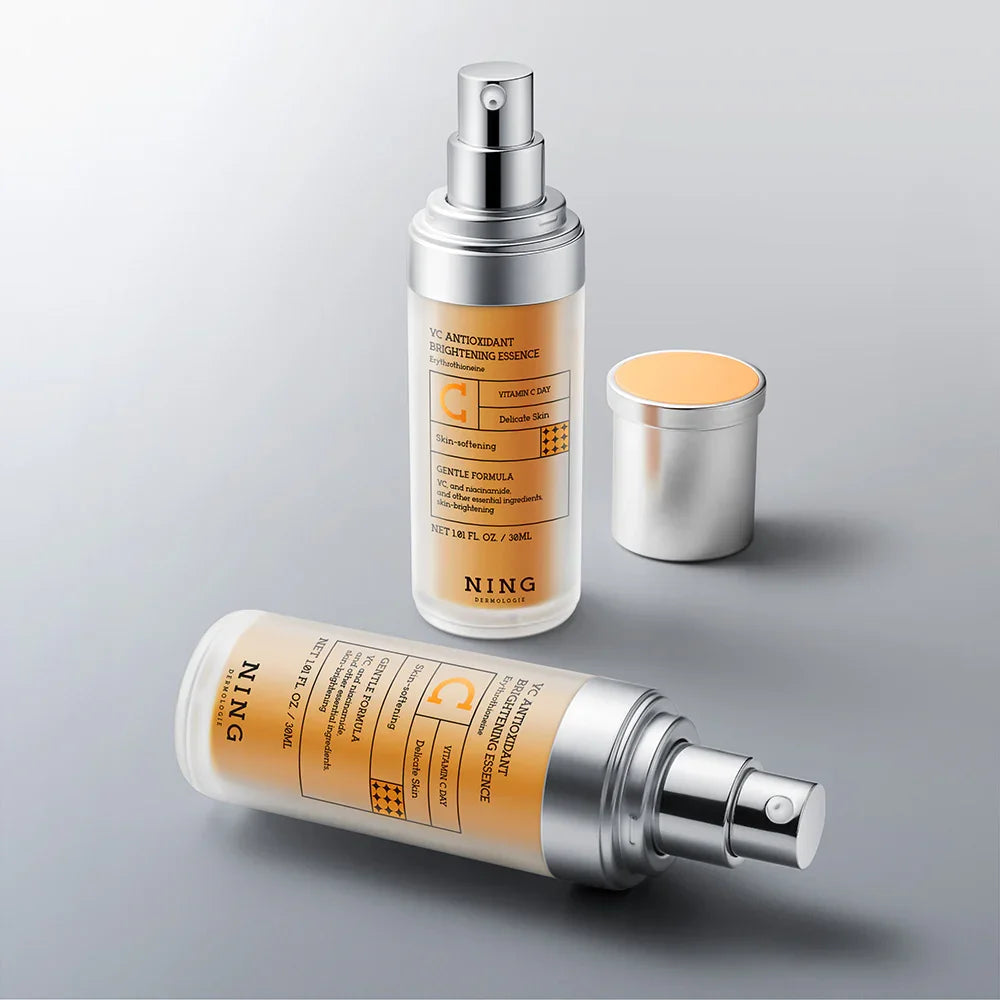
2. For the Sensitive & Practical: NING Dermologie Vitamin C Serum
If Skinceuticals’ C E Ferulic is the "old guard," NING Dermologie is the modern disruptor. Their Vitamin C Serum doesn't just throw acid at your face. It uses a sophisticated brightening vitamin c (3-O-Ethyl Ascorbic Acid) combined with vitamin b3 (Niacinamide).
Why does this matter for dark spot correcting? Because vitamin b3 and vitamin c work better together to even out skin tone than either does alone. This lightweight serum is suitable for all skin types, including acne-prone skin types, because it doesn't use the heavy oils found in traditional ferulic serum formulas.
3. The Budget-Friendly Choice: TruSkin Vitamin C
If you want the best budget-friendly option, TruSkin Vitamin C serum is a staple. It’s a best drugstore contender that uses Sodium Ascorbyl Phosphate. It’s a vitamin c dark spot serum that’s gentle, though it may take longer to see visibly brighter skin compared to medical-grade formulas.
How to Choose the Best Serum Based on Your Skin Concerns
Vitamin C Serum for Dry Skin
If you struggle with flaky patches, look for a serum for dry skin that includes vitamin e and ferulic acid or hyaluronic acid. A c serum for dry skin should feel slightly "cushiony." You want a serum contains lipids to help the vitamin c penetrate without causing a sting.
Vitamin C Serum for Sensitive Skin
If your skin turns red at the mere thought of an exfoliant, you need a c serum for sensitive skin. Avoid pure vitamin c and look for vitamin c derivatives. A vitamin c serum for sensitive users should have a neutral pH.
Vitamin C Serum for Acne-Prone Skin
The nightmare: a dark spot serum that causes new spots. For acne-prone skin, avoid "heavy" textures. A c serum for acne-prone skin should be a lightweight vitamin c that is non-comedogenic. Look for ingredients like vitamin B3 (Niacinamide) to help regulate oil while the vitamin c works on post-acne marks.
The 2026 Checklist: What Makes a "Super Serum" Work?
When browsing the 11 best vitamin c serums of the year, don't just look at the H1 header. Look for these "secret" markers of quality:
- Stability: If the serum comes in a clear glass bottle, run. Vitamin c products must be in opaque or amber packaging.
- Texture: A lightweight serum should absorb quickly into the skin. If the serum feels tacky or sticky for more than five minutes, the molecular weight is likely too high to get within the skin.
- The Synergy: The best vitamin c serum usually includes vitamin e and ferulic acid. This trio creates a "photoprotective" shield that is much stronger than vitamin c alone.
How to Apply Vitamin C Serum for Maximum Results
I’ve seen people apply vitamin c serum and then immediately follow it with a harsh glycolic acid. Don't do that. Here is the "human-tested" way to improve skin tone without the irritation:
-
Cleanse: Start with a damp (not soaking) face.
-
Apply: Use 3-5 drops of your brightening serum.
-
Wait: Give it 60 seconds. You want to feel that the serum absorbed quickly.
-
Seal: Use a moisturizer. If it's daytime, using this serum without SPF is a waste of time—UV rays will just create new dark spots while you’re trying to fade the old ones.
Pro Tip: If you’ve never used a vitamin c before, start every other day. Let your skin texture adjust. After two weeks, if your skin looked and felt fine, move to serum daily.

Final Verdict: Why Balance Beats Concentration
At the end of the day, the best vitamin c serum is the one you actually use every day. While a vitamin c dark spot serum with 30% concentration sounds impressive, it’s useless if it sits in your drawer because it stings.
Brands like NING Dermologie have mastered the even out skin tone game by focusing on various skin types. Their vitamin c brightening serum provides the best value because it combines the potency of dark spot correcting with the soothing properties of vitamin b3.
Whether you choose Skinceuticals’ C E Ferulic for its prestige or a best budget-friendly option, remember: consistency is the only way to brighten and even out skin. Give it 8 weeks. Your skin tone and texture will thank you.
Frequently Asked Questions (FAQ)
1. Can I use Vitamin C serum every day?
Yes, most dermatologists recommend using a vitamin c serum daily, preferably in the morning. This allows the antioxidants to protect your skin from environmental stressors and UV damage throughout the day. However, if you are using a very high concentration of vitamin c, start 2-3 times a week to ensure your skin type can handle the acidity without irritation. Always follow with SPF to protect your progress.
2. Why does my Vitamin C serum turn orange or brown?
This is a sign of oxidation. Pure vitamin c (L-ascorbic acid) is highly sensitive to light and air. When it turns dark orange or brown, it has lost its potency and may actually cause oxidative stress on the skin. To prevent this, find the best products in opaque packaging, like NING Dermologie, and store them in a cool, dark place. If the serum had virtually changed color, it’s time to replace it.
3. Can I use Vitamin C with Niacinamide?
Older skincare myths suggested these two couldn't mix, but modern science says otherwise. Using ingredients like vitamin c and Niacinamide (vitamin b3) together is actually a power move for dark spot correcting. They target pigment through different pathways, leading to visibly brighter skin faster. This is why the NING Dermologie Vitamin C Serum is so effective—it utilizes both to brighten and even out skin safely.
4. Which is better: Pure Vitamin C or Vitamin C derivatives?
It depends on your skin feel preference and sensitivity. Pure vitamin c (L-ascorbic acid) is the most powerful but highly unstable and irritating. Vitamin c derivatives, like the one used in brightening serum formulas for sensitive skin, are more stable and penetrate deeper without the sting. For most people looking to improve skin tone without a doctor's prescription, a high-quality derivative is the best value.
5. How long does it take to see results on dark spots?
Patience is key. While a lightweight serum might make your skin look and felt smoother within days, fade dark spots usually takes 6 to 12 weeks of consistent serum daily use. This timeline matches your skin's natural regeneration cycle. To improve skin tone and make the results last, you must use sunscreen, as even one day of unprotected sun can undo weeks of dark spot serum progress.





Share:
Korean vitamin C serums with high concentration of pure vitamin C
Best vitamin C serum bundles or kits for dark spot treatment