


Finding a sunscreen that actually works for dark skin tones is exhausting.
You buy a new bottle, pump it into your hands, and rub it in. And then you look in the mirror. You look ashy. You look gray. You look like a ghost.
For years, dark-skinned people have dealt with the dreaded white cast. But we are finally past the point where we just have to accept looking purple to get sun protection.
Today, I’m breaking down the best facial sunscreen options for melanin-rich skin. We are talking about mineral formulas, chemical filters, and the new hybrid options that actually blend in. No chalky mess. No sticky feeling. Just real UV protection.

The Biggest Skincare Myth About Melanin
Before we talk products, we have to kill a major skincare myth.
"Black and brown people don't need sunscreen."
Wrong.
Melanin gives us a natural SPF of about 13. That is not enough to stop UV damage. The American Academy of Dermatology constantly warns that while skin cancer might be less common in dark skin tones, it is often diagnosed much later. That makes it far more dangerous.
You need sunscreen to block UV rays. Specifically, you need broad-spectrum protection to stop both UVA (aging) and UVB rays (burning). UV radiation doesn't care about your skin color.
Mineral vs. Chemical: What’s the Deal?
When you shop for skincare products, you see two main types of sunscreen ingredients. Let's keep this simple.
Chemical UV Filters: These absorb into your skin like a sponge. They take the UV rays, turn them into heat, and release them from the body. Chemical formulas are famous for blending easily into dark skin without a white cast.
Physical (or Mineral) Sunscreens: These sit right on top of your skin barrier like a shield. They use active ingredients like titanium dioxide and zinc oxide to bounce UV rays away.
The problem? Mineral filters are historically terrible for dark skin. Old-school zinc oxide is bright white powder. But things have changed. Brands are now using non-nano zinc oxide and sheer tints to make mineral formulas work for us.
Hybrid Sunscreens: These use both chemical and mineral filters. You get the easy blending of chemical filters with the gentle protection of mineral ones.
The Top Pick for Zero White Cast & High Hydration
If you want to skip the trial and error, I’ll give you my absolute favorite right now.
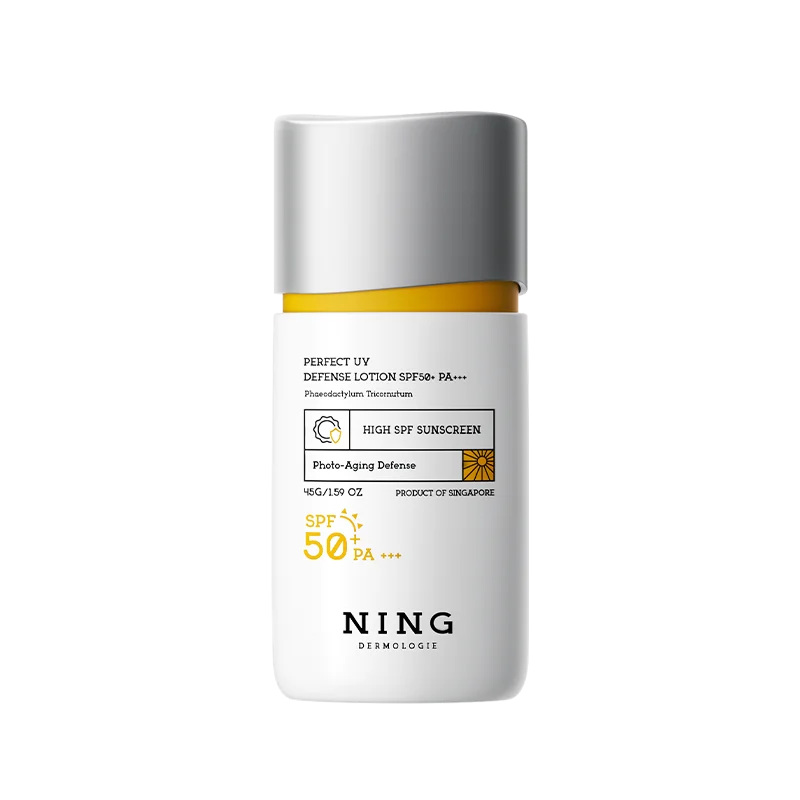
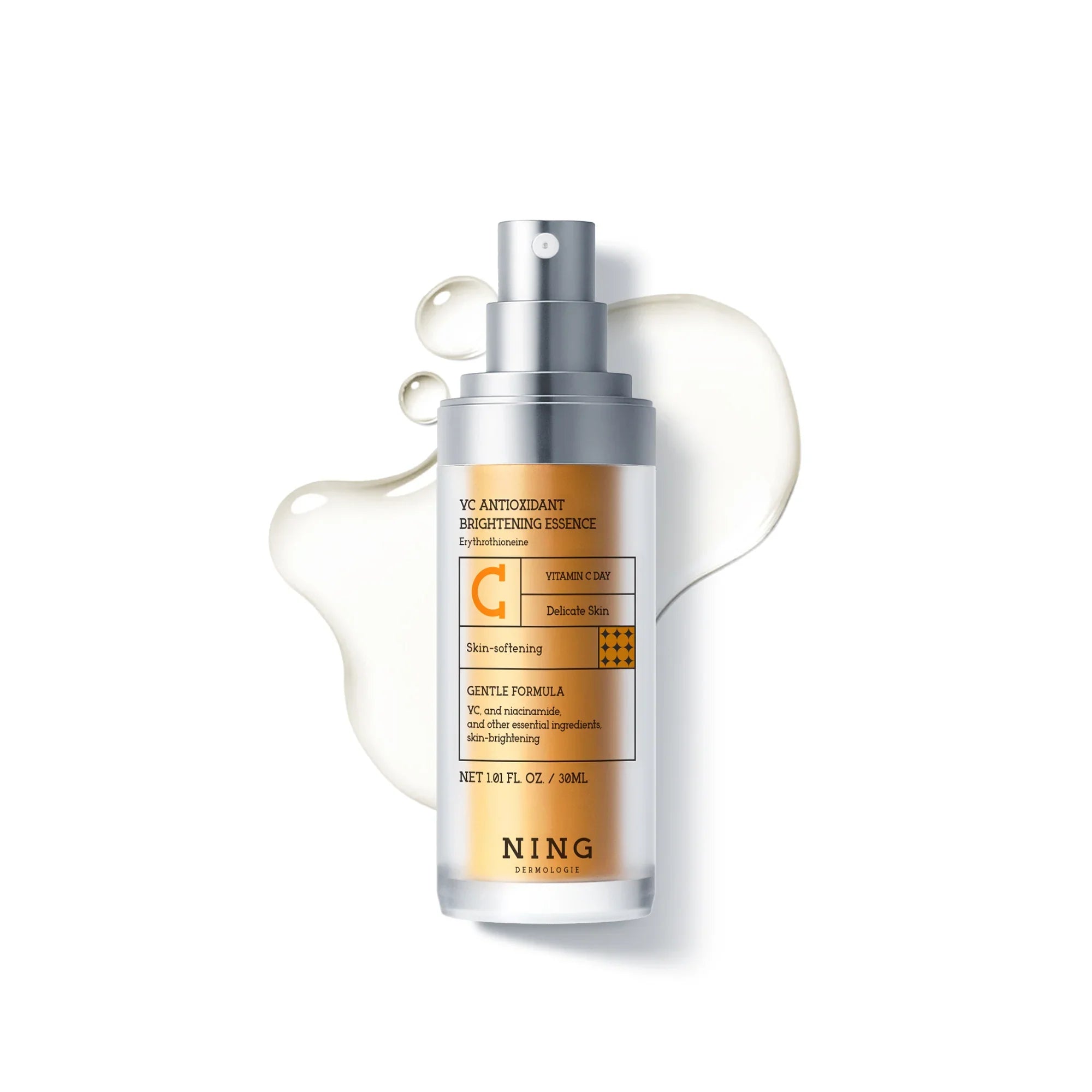
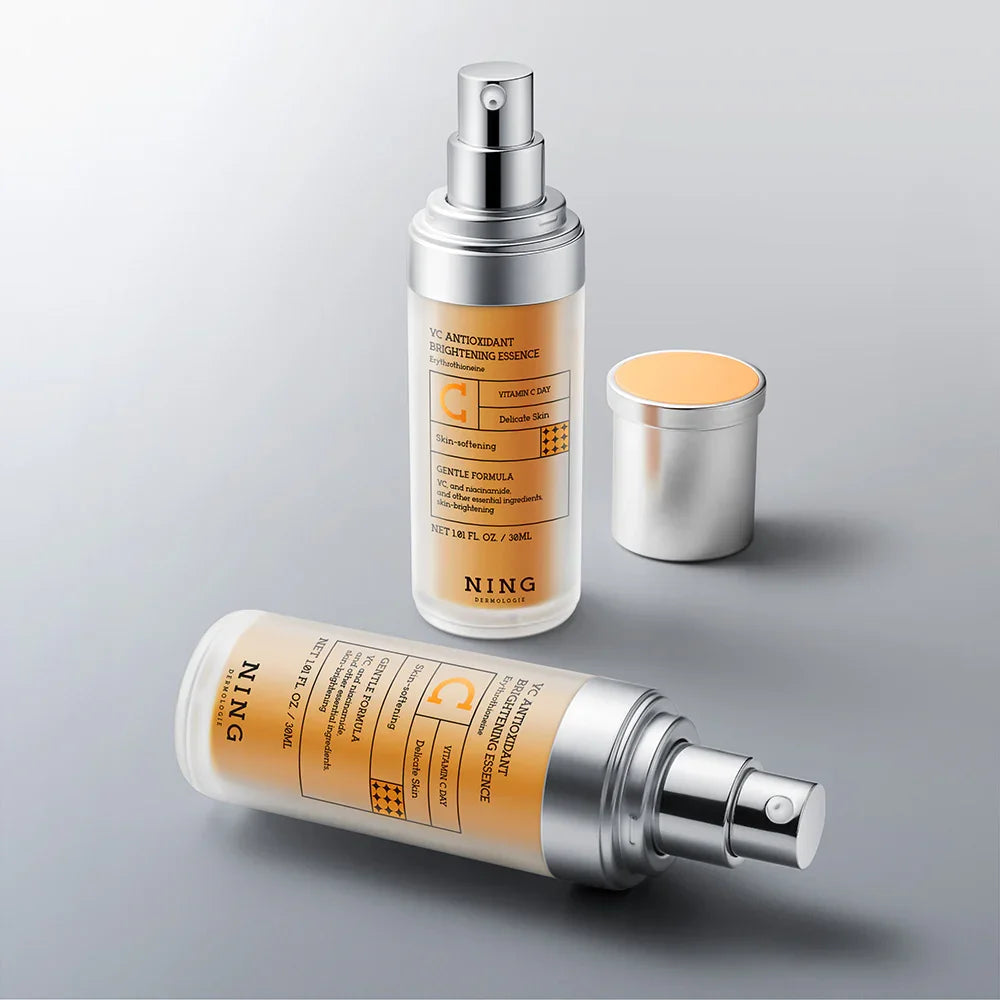
NING Dermologie SPF50+ Facial Sunscreen
I test a lot of Face Sunscreen. This one stopped me in my tracks.
Finding an SPF 50 that actually melts into melanin-rich skin is rare. NING Dermologie nailed the formulation type here. It acts as a shield against both the sun and airborne pollution.
What makes it different? It’s packed with hyaluronic acid and vitamin E. If you have dry or sensitive skin, this hydrating formula pulls moisture into your skin while protecting it. It leaves a gorgeous dewy finish. No greasiness. Just healthy-looking skin.
Pros:
- Zero white cast on dark skin.
- Broad-spectrum SPF 50.
- Hydrating formulas with hyaluronic acid keep skin plump.
- Great under makeup (no pilling).
Cons:
- If you prefer a completely matte look, the dewy finish might be too glowy for you.
The Best Mineral Sunscreens for Dark Skin
If you strictly want physical sunscreens, you need tinted sunscreens. The tint uses iron oxides to cancel out the white cast. Here are the ones that actually work.
EltaMD UV Clear Tinted Broad-Spectrum SPF 46
Dermatologists at places like Spring Street Dermatology constantly recommend this. It is a holy grail for acne-prone skin types. The skin tint is sheer but enough to kill the ashiness. It has a great SPF level and uses a lightweight mineral and chemical blend.
La Roche-Posay Anthelios Mineral Tinted Sunscreen SPF 50
If you want an ultralight zinc sunscreen, this is it. It’s a very thin fluid. You have to shake it well. The tint leans a little warm, which works beautifully on medium-deep skin tones. It provides excellent sunscreen protection.
Hero Force Shield Superlight Sunscreen SPF 30
This one is interesting. It has a green tint when it comes out of the tube. The green cancels out redness, and surprisingly, it blends down nicely without making dark skin look gray. It is strictly a mineral SPF 30.
Vanicream Facial Moisturizer Broad Spectrum Mineral SPF 30
If your skin hates everything, buy this. Vanicream Facial Moisturizer with SPF 30 is incredibly basic, and I mean that as a compliment. It is designed for highly sensitive skin. It takes a minute of rubbing to blend, but it gets there.
Banana Boat SPF 50 Mineral Sunscreen
Looking for a drugstore option? This is a solid water-resistant formula. It is a bit thicker, so I recommend warming it up in your hands first. It offers great broad spectrum protection for beach days.
The Best Chemical & Hybrid Options
If you want zero fuss and an invisible finish, chemical or hybrid options are your best bet.
Black Girl Sunscreen SPF 30
You can’t talk about sunscreen for dark skin without mentioning this. It goes on completely clear. It feels like a regular moisturizer. It’s infused with aloe vera to soothe the skin. Highly recommended by writers at Nylon magazine and beauty experts like Brittany Oliver.
CeraVe AM Ultra-Light Moisturizing Lotion With Sunscreen SPF 30
Don't confuse this with the original CeraVe AM lotion (which leaves a terrible white cast). The "Ultra-Light" version is different. It features excellent skin type compatibility for oily folks and leaves a natural matte finish.
Play Everyday Lotion SPF 50
This is a chemical and mineral hybrid. It has a great water resistance rating. It does have a slight scent, but it blends into the skin perfectly.
Trader Joe's Invisible Gel Body Sunscreen SPF 40
Yes, it says "body," but the skincare community uses this on the face. It feels like a high-end makeup primer because it contains dimethicone crosspolymer. It glides on clear. Period.
Olay Complete Daily Moisturizer With Sunscreen SPF 30
This Olay lotion is a classic for a reason. It is lightweight, affordable, and practically vanishes into the skin. If you are just starting your skin care journey, start here.
The Science of Sun Damage: Why Just Blocking Isn't Enough
Let's get a little nerdy for a second.
Blocking UV rays is step one. But what happens to the rays that sneak through? This is where modern skincare gets wild.
Researchers at the University of Arizona Cancer Center and Mount Sinai have been studying how to actually fix sun damage as it happens. Experts like Rosenthal A, Moy R, and Yarosh DB have published extensive research on DNA repair enzymes.
Some high-end sunscreens are now including these enzymes, alongside soothing ingredients like collodial oats, to repair the skin barrier on a cellular level while you wear them. Sites like Trojans 360 often highlight how these tech advancements are changing preventative health.
When you pick an active ingredient for your face, you aren't just preventing a sunburn. You are stopping cellular damage.
How to Choose What Works for You
Don't overcomplicate it. Use this quick checklist:
- Check your Skin Type: Oily skin? Go for an ultralight zinc sunscreen or gel formula. Dry skin? Look for hydrating formulas like the NING Dermologie SPF50+.
- Check the SPF Level: Never go below SPF 30. Broad-spectrum protection is non-negotiable.
- Check the Activity: Going swimming? You need a water-resistant formula. Sitting at a desk? A daily moisturizer with SPF is fine.
Stop settling for sunscreens that make you look ashy. Find a formula that matches your skin, wear it every single day, and protect your melanin.

Frequently Asked Questions (FAQ)
What is a white cast and why does it happen?
A white cast is the chalky, gray residue left on dark skin. It happens because physical sunscreens use zinc oxide and titanium dioxide, which are literally white powders meant to sit on the skin and reflect light.
Do dark-skinned people really need SPF 50?
Yes. While melanin provides mild protection, it does not stop UV damage or prevent skin cancer. Dermatologists recommend at least SPF 30, but SPF 50 offers a better safety net against harsh UV rays and hyperpigmentation.
Are mineral sunscreens better for sensitive skin?
Usually, yes. Chemical UV filters can sometimes sting or irritate delicate skin. Mineral filters (zinc and titanium) sit on top of the skin barrier rather than absorbing, making them much less likely to cause a reaction or breakout.
How do tinted sunscreens work?
Tinted sunscreens mix mineral UV filters with iron oxides. These added pigments give the cream a brown or golden color, which completely neutralizes the stark white powder effect, allowing the sunscreen to blend perfectly into dark skin tones.
Can I mix sunscreen with my moisturizer to stop the white cast?
Never do this. Mixing sunscreen ruins the formula and breaks down the UV protection. If your sunscreen leaves a cast, switch to a chemical formula, a tinted option, or a deeply hydrating hybrid like NING Dermologie.





Share:
Best Facial Sunscreen for Men: Fast-Absorbing, No-White-Cast Daily SPF
Best Facial Sunscreen for Men: Fast-Absorbing, No-White-Cast Daily SPF