


Let’s get one thing straight right out of the gate: dealing with melasma is incredibly frustrating. You can spend months fading those dark patches, only to have them aggressively return after one unprotected afternoon in the sun. If you’re battling stubborn pigmentation, you already know that a casual approach to sun protection just isn't going to cut it.
Whether you call it the "mask of pregnancy" or just those annoying dark spots that refuse to leave your cheeks and forehead, melasma requires a zero-tolerance policy for UV exposure. But here is the catch that trips up so many people: simply slapping on any generic lotion you grab at the drugstore won’t protect you. You need specific ingredients, the right formulation, and a bulletproof daily routine.
Let’s talk about exactly what you need in a sunscreen, the best high-protection options on the market, and how to build a routine that actually keeps melasma at bay.

Why Melasma Demands a Different Kind of Sunscreen
For years, we were told that as long as a bottle said "broad-spectrum protection," we were completely safe. That might be true for preventing basic sunburns, but melasma is a highly reactive beast.
When you have melasma, your pigment-producing cells (melanocytes) are essentially stuck in overdrive. They don't just react to standard UV rays (UVA and UVB). Research now shows that they are highly triggered by visible light—specifically the blue light and High-Energy Visible light emitted by the sun, and yes, even the screens you stare at all day.
This means your sun protection strategy needs an upgrade. Here is exactly what you should be looking for on the label:
1. Iron Oxides: The Non-Negotiable Ingredient
If there is one thing you take away from this guide, let it be this: if your sunscreen isn’t tinted, it’s not doing enough for your melasma. Standard chemical sunscreens and even plain mineral-based sunscreen cannot block visible light. To protect against visible light damage, you need iron oxides. These are the same minerals used to give foundation its color, but in skincare, they create a physical shield against the light spectrum that triggers melanin production. Tinted sunscreens aren't just for makeup purposes; they are an active, necessary treatment for pigmentation.
2. Mineral Formulas vs. Chemical Sunscreens
Dermatologists often debate this, but for melasma management, mineral sunscreens (also known as physical blockers) are usually the gold standard. Ingredients like zinc oxide and titanium dioxide sit on top of the skin and reflect UV radiation away. Chemical formulas, on the other hand, absorb UV rays and convert them into heat. For some people, that localized heat on the face can actually trigger melasma flares. If you have sensitive skin or a history of severe post-inflammatory hyperpigmentation, leaning toward mineral formulas is usually the safer bet.
3. The Magic Numbers: SPF 30–50
You don't need SPF 100, but you shouldn't go below SPF 30. An SPF 30 blocks about 97% of UVB rays, while an SPF 50 blocks roughly 98%. While that 1% difference sounds tiny, when you're fighting hyperpigmentation, every single fraction of a percent matters. A broad-spectrum SPF 50 provides that crucial extra safety net, especially on days when you might not apply as thickly as you should (which, let's be honest, is most of us).
Top Sunscreens for Melasma Management
Finding a formula that offers broad-spectrum defense, blocks visible light, and doesn't feel like a heavy, greasy mask is tough. Here are some of the most effective options currently available, broken down by what makes them great.
The All-Rounder for Daily Defense: NING Dermologie
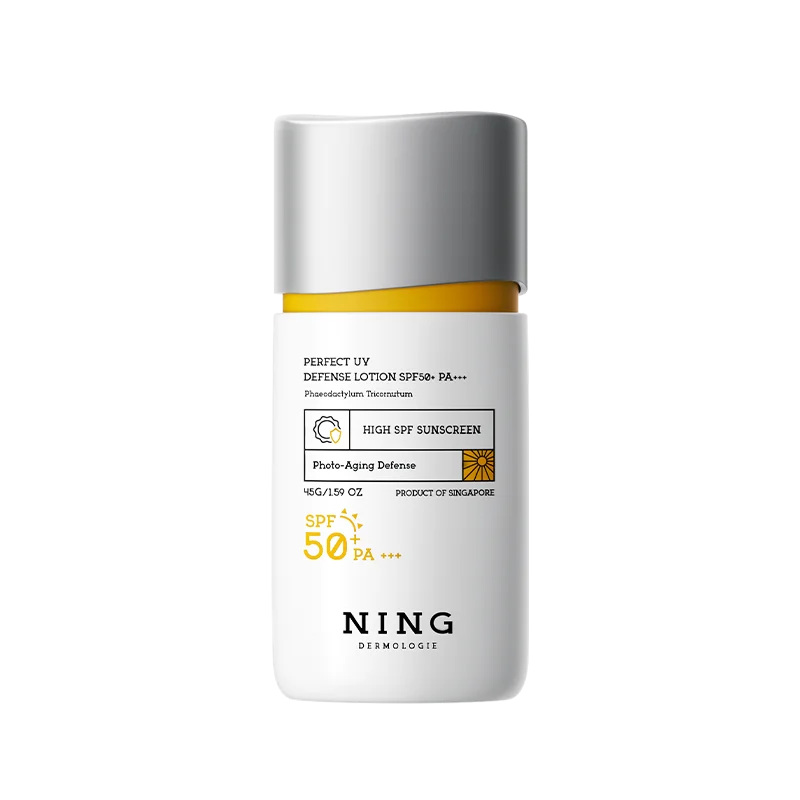
When we developed our own formula, we knew it had to tick every single box for pigment-prone skin without causing breakouts. The NING Dermologie SPF50+ Facial Sunscreen is specifically engineered for high-stakes sun protection.
- Why it works: It delivers a robust SPF 50+ barrier while remaining incredibly lightweight. We formulated it with hyaluronic acid, so it plumps and hydrates the skin barrier rather than drying it out. It’s perfect for sensitive skin and acts as a brilliant base for makeup. If you hate the chalky feel of traditional SPF, this non-comedogenic formula is going to be your new go-to.
- Check it out here: NING Dermologie SPF50+ Facial Sunscreen
The Cult Classic: EltaMD UV Clear Deep Tinted Broad Spectrum SPF 46
EltaMD is a staple in dermatologist offices for a reason. This specific version is fantastic because it caters to deeper skin tones, avoiding the dreaded white cast.
- Why it works: It uses a zinc oxide base but blends it beautifully. It also contains niacinamide, which acts as a secondary defense to calm inflammation and help slowly fade existing sun spots.
The French Pharmacy Favorite: La Roche-Posay Mela B3 UV Daily Moisturizer SPF 30
If you prefer a chemical or hybrid sunscreen feel but still want hardcore pigment targeting, this is an excellent choice for daily incidental sun exposure.
- Why it works: It pairs broad-spectrum protection with their proprietary Melasyl ingredient and niacinamide to actively intercept excess melanin before it leaves a mark on your skin.
The Heavy-Duty Protector: Bioderma Pigmentbio Daily Care SPF 50+
Bioderma knows how to handle reactive skin. This product acts as both a brightening day cream and a high-level sunblock.
- Why it works: It incorporates vitamins C and E to provide antioxidant protection against oxidative stress, alongside incredibly stable UV filters. It leaves a slightly luminous finish that makes dull, sun-damaged skin look instantly healthier.
The Blurring Primer: Sheer-Tint Mineral Sunscreen SPF 42 (Various Brands)
Many brands are now adopting Sheer-tint technology. These tinted mineral sunscreen options are designed to adapt to a wide range on the Fitzpatrick scale (the scientific classification of skin tones). They use a blend of zinc, titanium, and iron oxide to offer a universal, sheer coverage that replaces the need for a heavy foundation while providing serious defense.
Daily Routine Tips: Making Your Protection Work
Buying the right bottle is only 20% of the battle. The other 80% is how you use it alongside your daily lifestyle habits. Here is how to structure your routine to actually see those dark spots fade.
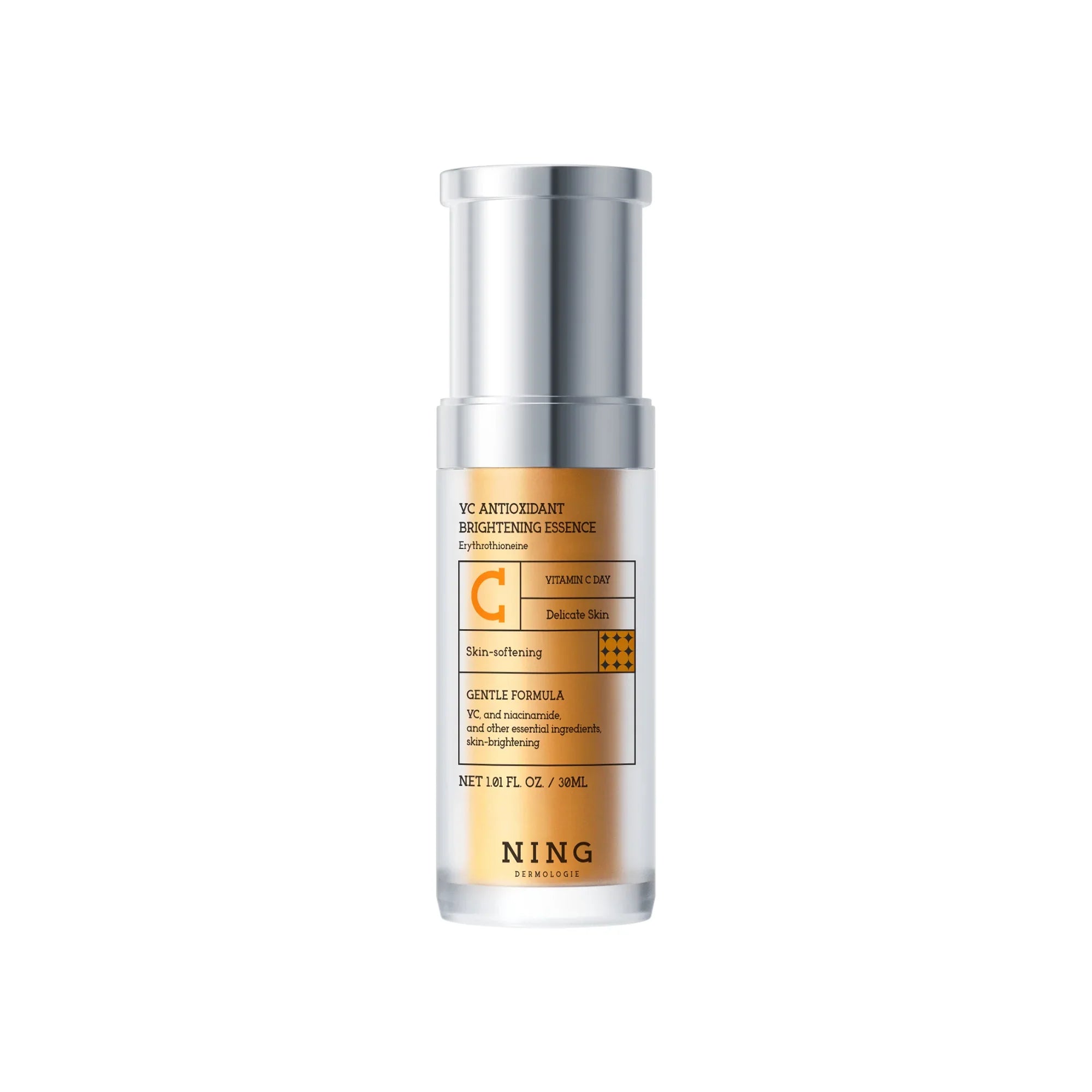
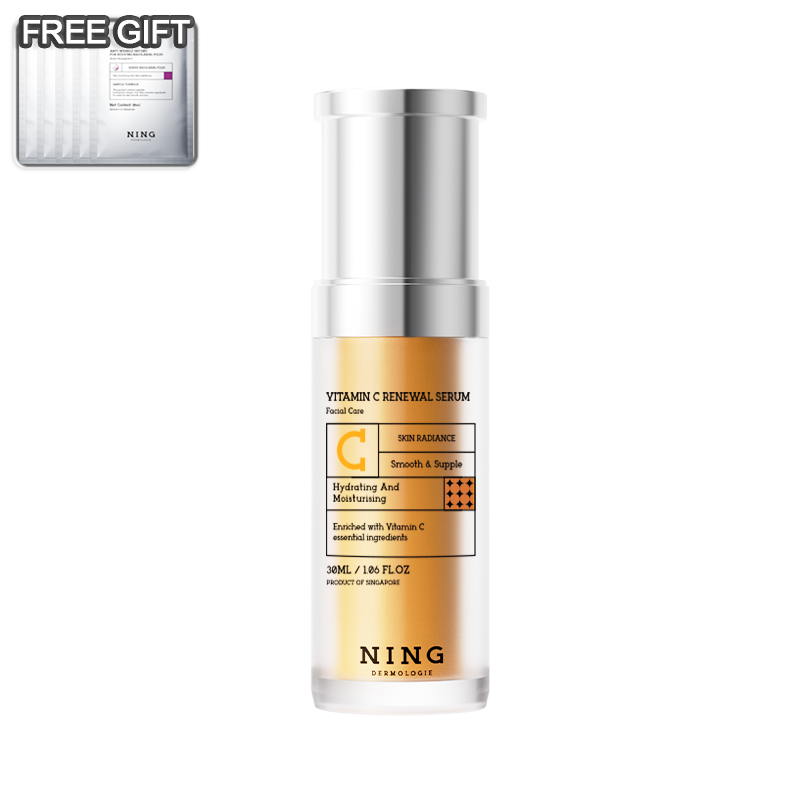
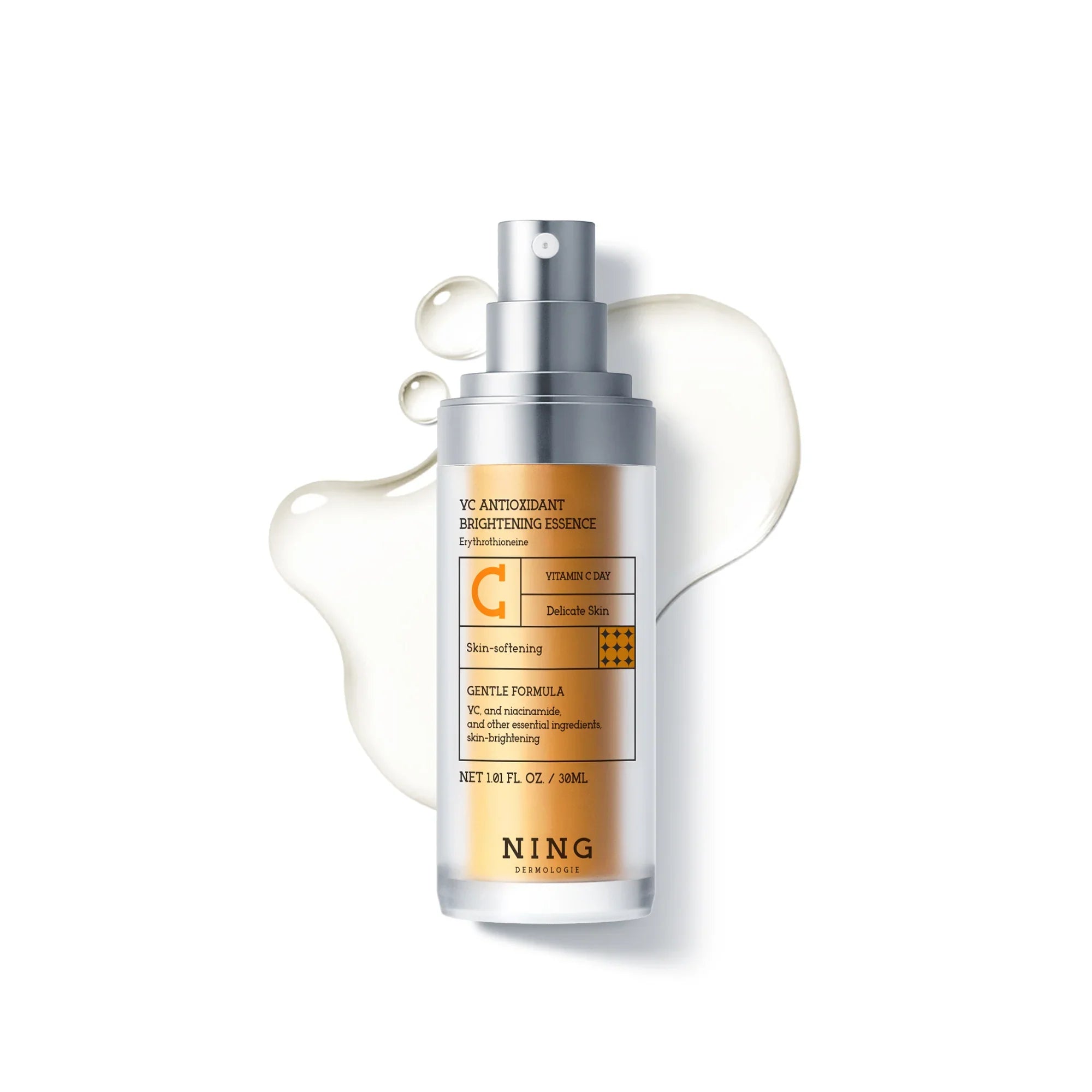
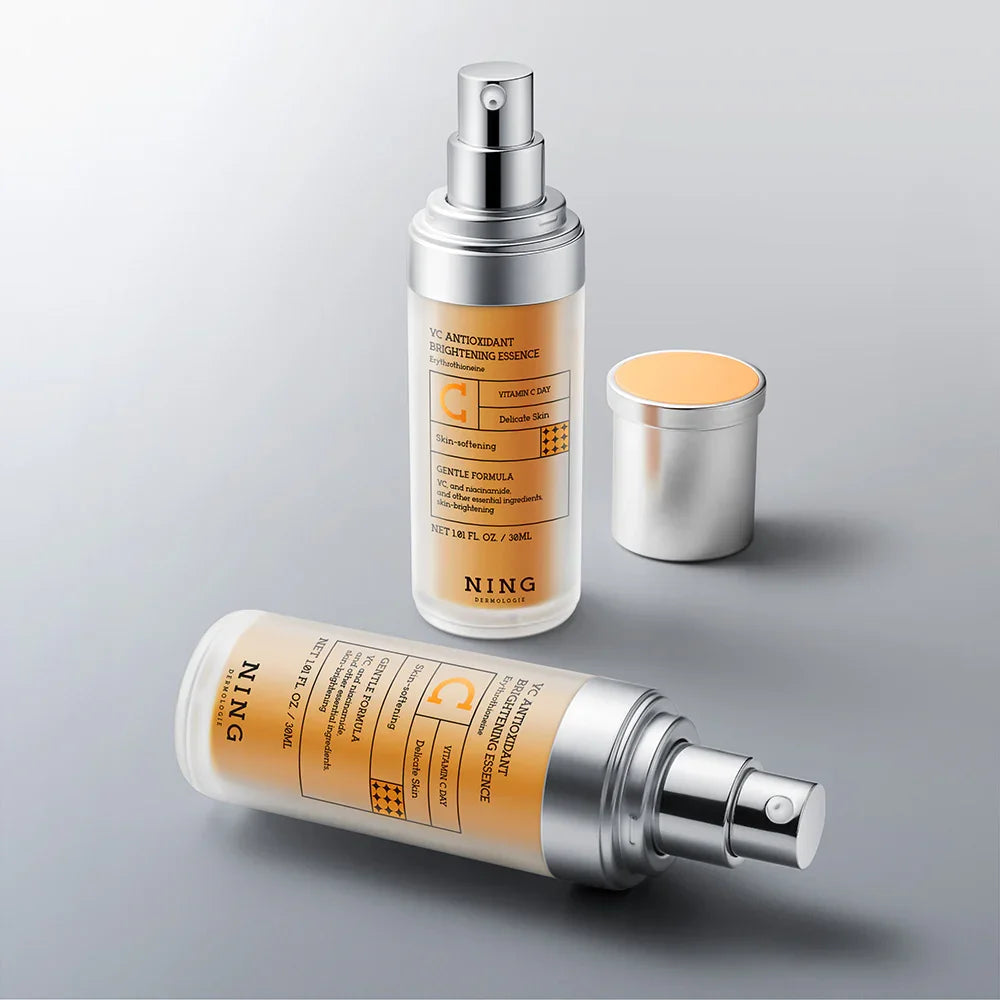
1. Layer With Vitamin C Think of antioxidant serums as your sunscreen’s backup generator. UV rays are sneaky; a few will always get through your SPF barrier. Applying a high-quality Vitamin C serum every morning before your SPF neutralizes the free radicals that cause sun damage and trigger pigment production.
2. The Two-Finger Rule is Mandatory Most people apply about half the amount of sunscreen they actually need, which drastically lowers the SPF rating. You need two full finger-lengths (index and middle finger) to cover your face and neck adequately. Yes, it feels like a lot. Let the first layer dry for 60 seconds before tapping in the second layer.
3. Yes, You Need Sunscreen Indoors Unless you work in a windowless basement, you need protection inside. UVA rays penetrate standard window glass effortlessly. Plus, if you are sitting in front of a monitor for eight hours, that blue light is quietly signaling your melasma to darken.
4. Protect Your Clinical Investments If you are spending money on heavy-hitting dermatology treatments—like pico lasers, a Cosmelan Peel, or deep glycolic acid peels—you are wasting your money if your sun habits are sloppy. These treatments remove layers of skin to lift pigment, leaving your fresh skin incredibly vulnerable. Post-treatment, a broad-spectrum sunscreen with physical blockers is absolute mandatory.
5. Physical Barriers Matter Topical creams can only do so much during peak UV hours. If you are going to the beach, hiking, or sitting at an outdoor cafe, you need physical shade. Invest in a wide-brimmed hat with a strict UPF50+ Rating. Combine that hat with your tinted SPF and maybe even look into internal antioxidants like glutathione supplementation (always consult your doctor first), and you’ll have a comprehensive defense system.
The Bottom Line
Melasma management is a marathon, not a sprint. It requires patience, consistency, and a total shift in how you view sun protection. Upgrade to a formula that targets visible light with iron oxides, don't skimp on the application, and remember that protecting your skin is the highest form of self-care. Stick to the routine, and slowly but surely, you will see that stubborn pigment start to fade.

Frequently Asked Questions (FAQ)
1. Do I really need to wear sunscreen indoors every day?
Absolutely. UVA rays easily pass through window glass, and the High-Energy Visible light from your laptop and phone triggers pigment cells. If you have melasma, skipping indoor protection is basically undoing all your hard work.
2. Can I just use a standard SPF 30 instead of 50?
SPF 30 blocks about 97% of UVB rays, which is fine for basic errands. But for stubborn melasma, a broad-spectrum SPF 50 gives you a crucial extra safety net. When treating severe pigment, more protection is always better.
3. Are chemical sunscreens actually bad for my melasma?
Not necessarily "bad," but they work by absorbing UV rays and converting them into heat. For some people, this localized facial heat triggers melasma flares. That's why dermatologists often prefer mineral formulas with zinc oxide, which reflect light and keep skin cooler.
4. Will tinted sunscreen look weird on my specific skin tone?
Not anymore. Modern tinted sunscreens utilize Sheer-tint technology that blends beautifully across the Fitzpatrick scale without leaving a grey or orange cast. It acts more like a blurring, lightweight primer than a heavy makeup foundation.
5. Does using a Vitamin C serum replace the need for sunscreen?
No. Vitamin C acts like a backup generator. It neutralizes the free radicals that UV rays manage to sneak past your SPF barrier. You absolutely need both working together for a solid, effective anti-pigmentation routine.





Share:
Facial Sunscreen for Sensitive Skin Around Eyes: No-Burn Tips + Gentle Picks
Best Facial Sunscreen Under Makeup: No Pilling, No Grease, Long-Lasting Finish