



Let’s cut right to the chase. If you are currently dealing with stubborn Melasma, you already know how incredibly frustrating it is. You buy an expensive serum, the patches fade slightly during the winter, and then one sunny afternoon in July completely ruins months of hard work.
This isn't just your standard post-inflammatory hyperpigmentation from an old breakout. It is a highly complex skin pigmentation disorder. It’s driven by a chaotic mix of hormonal changes (whether that’s from pregnancy, stress hormones, or starting birth control pills) and environmental triggers. Your melanocytes—the cells that produce pigment—are basically stuck in an "on" position.
To actually manage this, you have to stop looking for a quick fix. You need a dedicated, airtight treatment regimen that targets the pigment production cycle at multiple stages, paired with an obsessive approach to sun protection.
Here is exactly how to build a brightening and defense routine that actually works, without destroying your skin barrier in the process.

The Real Triggers: It’s Not Just the Sun
Any board-certified dermatologist will tell you that heat and light are your absolute worst enemies here. And we aren't just talking about laying out at the beach.
Incidental sun exposure is what usually ruins your progress. It’s the UV radiation hitting the left side of your face while you drive. It’s the UV rays coming through your office window. Even worse, recent studies show that the blue light emitting from your laptop and phone screens, along with heat from your stove while cooking, can trigger melanocytes to pump out pigment.
Ultraviolet light wakes up those pigment-producing cells instantly. If you've ever had a professional skin assessment using Wood Lamps, you've likely seen the terrifying amount of hidden pigment pooling just below the surface of your skin, waiting to emerge.
This is why you have to treat light as a physical threat to your skin tone. You need a two-part system: active brightening to break down the existing pigment, and an impenetrable shield to stop new pigment from forming.
Part 1: The Brightening System (Shutting Down the Factory)
You cannot just scrub melasma away. Aggressive physical exfoliation usually causes inflammation, which ironically triggers more pigment. You need smart chemistry.
Your skincare products need to hit the melanin production cycle at three different checkpoints:
1. Stop the Production (Tyrosinase Inhibitors)
Before pigment even forms, an enzyme called tyrosinase has to be activated. You need ingredients that block this enzyme. Kojic acid and azelaic acid are incredible for this. They tell the melanocytes to power down. Licorice extract is another fantastic, soothing option that calms the skin while inhibiting pigment.
2. Block the Transfer (PAR-2 Blockers)
Even if some pigment gets produced, you can stop it from traveling up to the visible layers of your skin. Niacinamide is the most famous PAR-2 blocker. It acts like a roadblock between the melanin factory and your surface skin cells.
3. Clear the Canvas (Cell Turnover & Antioxidants)
You have to gently shed the stained cells. A mild AHA like glycolic acid helps lift that top layer of dead, pigmented skin. If your skin is easily irritated, look into retinol alternatives or calming natural exfoliants like rice bran powder.
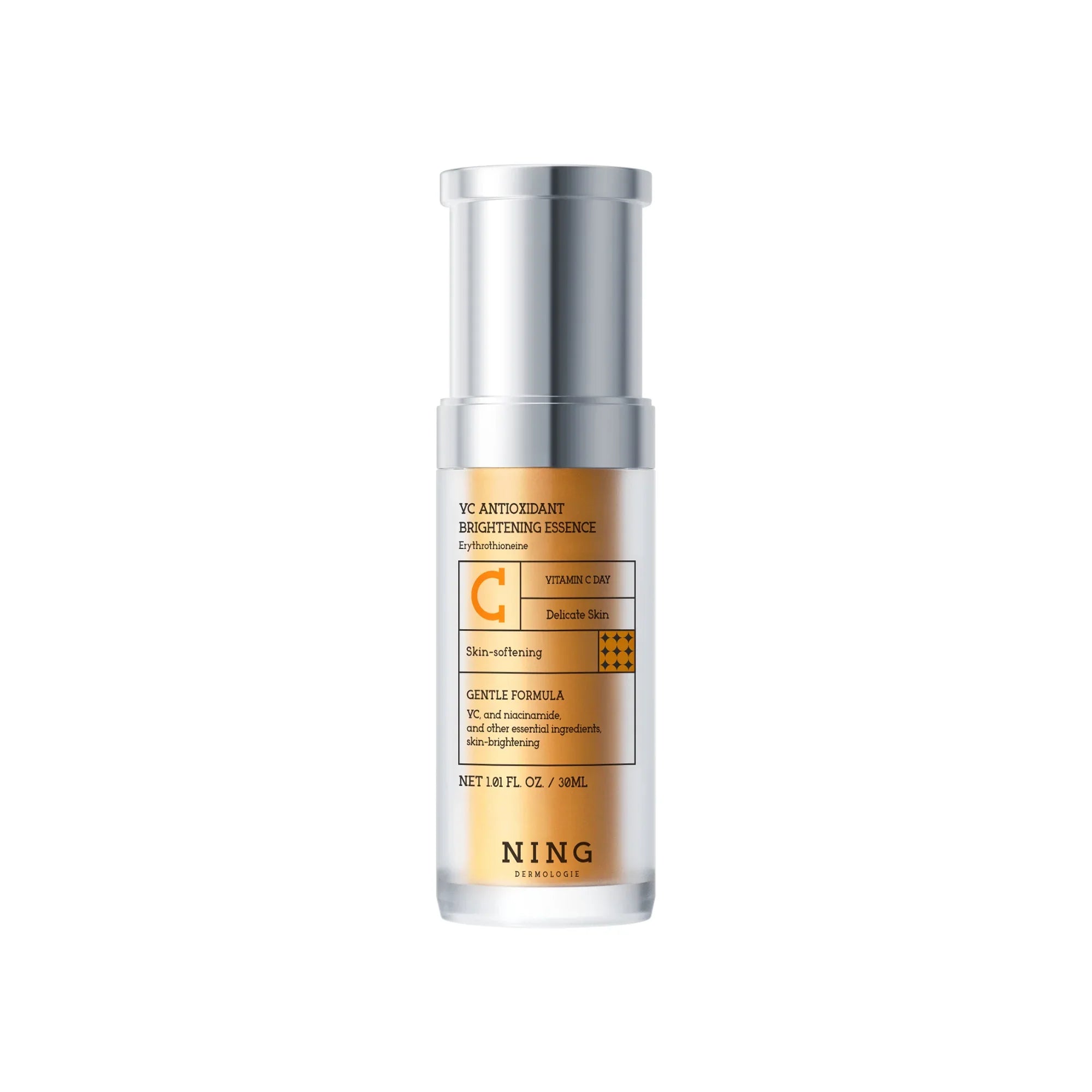
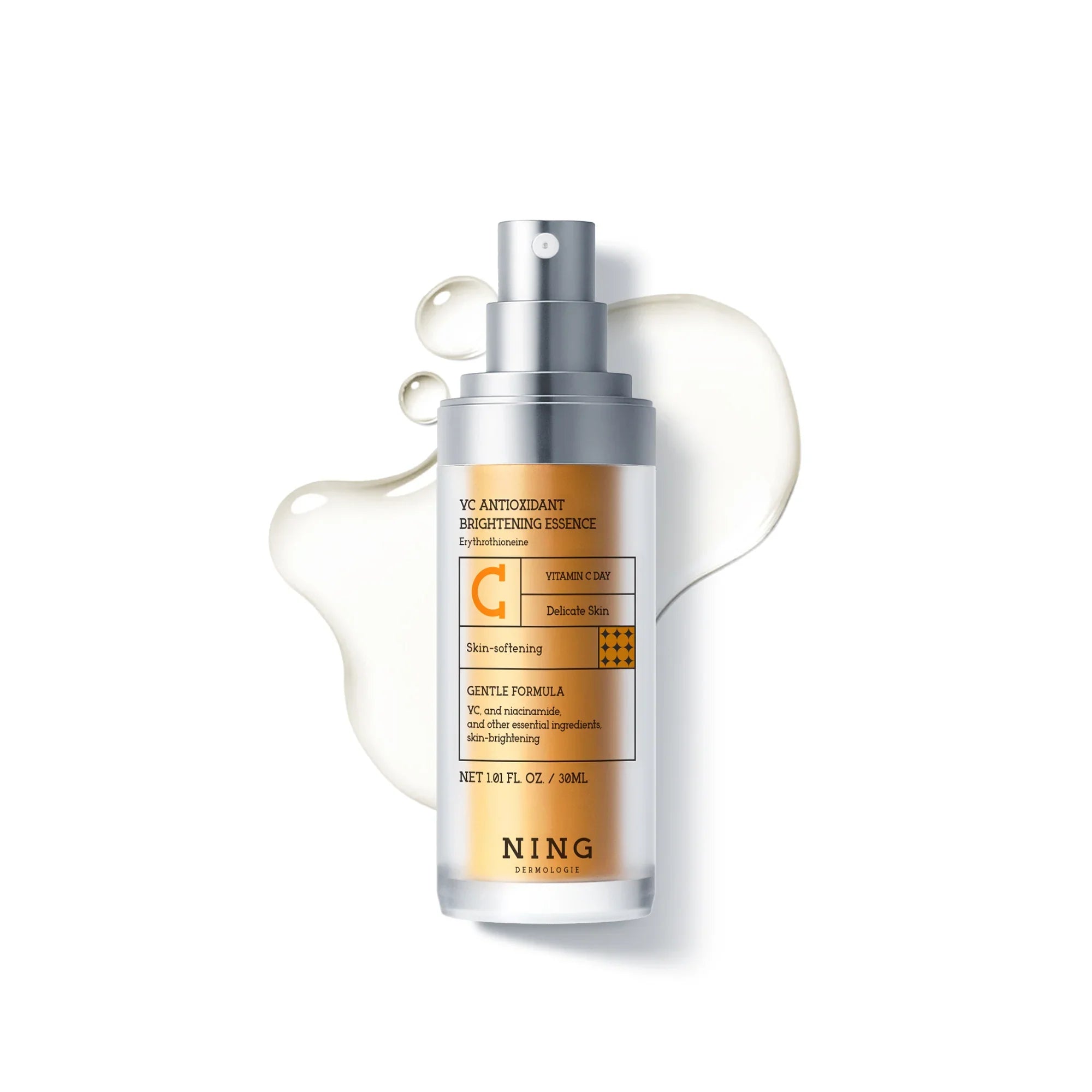
On top of this, layering antioxidants in the morning is non-negotiable. A high-quality Vitamin C paired with ferulic acid provides a safety net against the free radicals generated by daily UV exposure.
A quick warning: Skip the sketchy, overly aggressive skin-lightening creams you find in unregulated online shops. They might bleach the skin temporarily, but they often lead to severe rebound pigmentation that is twice as hard to treat.
Part 2: The Sunscreen System (Your Armor)
I’ll be blunt: all the expensive brightening serums in the world are completely useless if your defense is weak. Melasma requires extreme, paranoid levels of skin protection.
Standard chemical sunscreens are often not the best choice for melasma. They work by absorbing UV energy and converting it into heat. Remember what we said earlier? Heat triggers melasma.
You need physical sunscreens (also known as mineral sunscreens). Look for formulas loaded with high percentages of zinc oxide and titanium dioxide. These sit on top of the skin and literally bounce the rays away.
The Non-Negotiable Ingredient: Iron Oxide Here is the absolute game-changer. If your daily SPF doesn't contain Iron Oxide, it is not fully protecting you. Iron oxide is one of the only proven visible light blockers. This is the exact ingredient that gives tinted sunscreens their color.
Broad-spectrum tinted sunscreens are absolutely mandatory for melasma-prone skin. They block the visible light that standard sunscreens miss. Always check the label for true broad-spectrum sunscreen coverage, and if you are using Asian or European formulas, ensure you are buying sunscreens with PA +++ or higher for serious UVA defense.
The Complete Routine: NING Dermologie
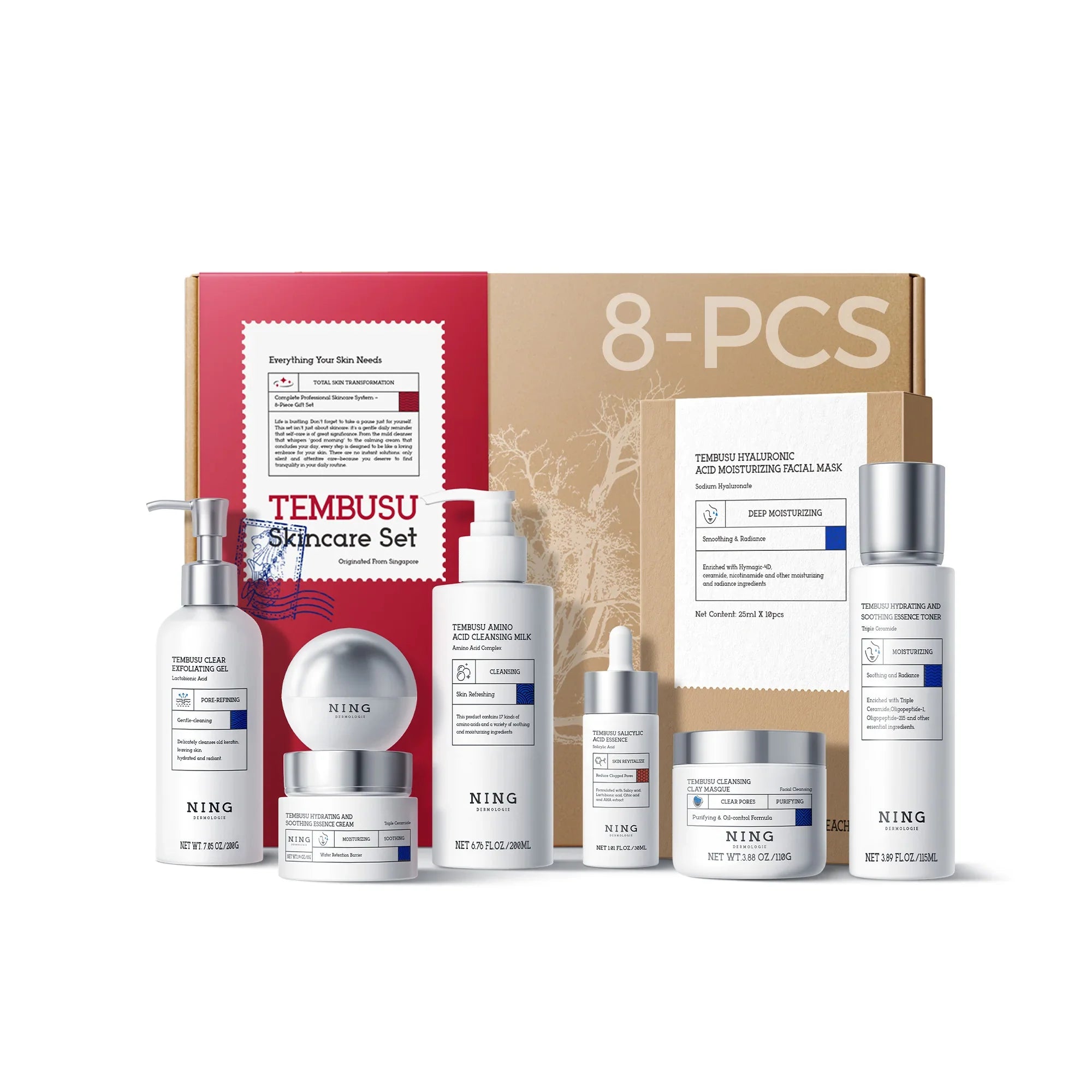
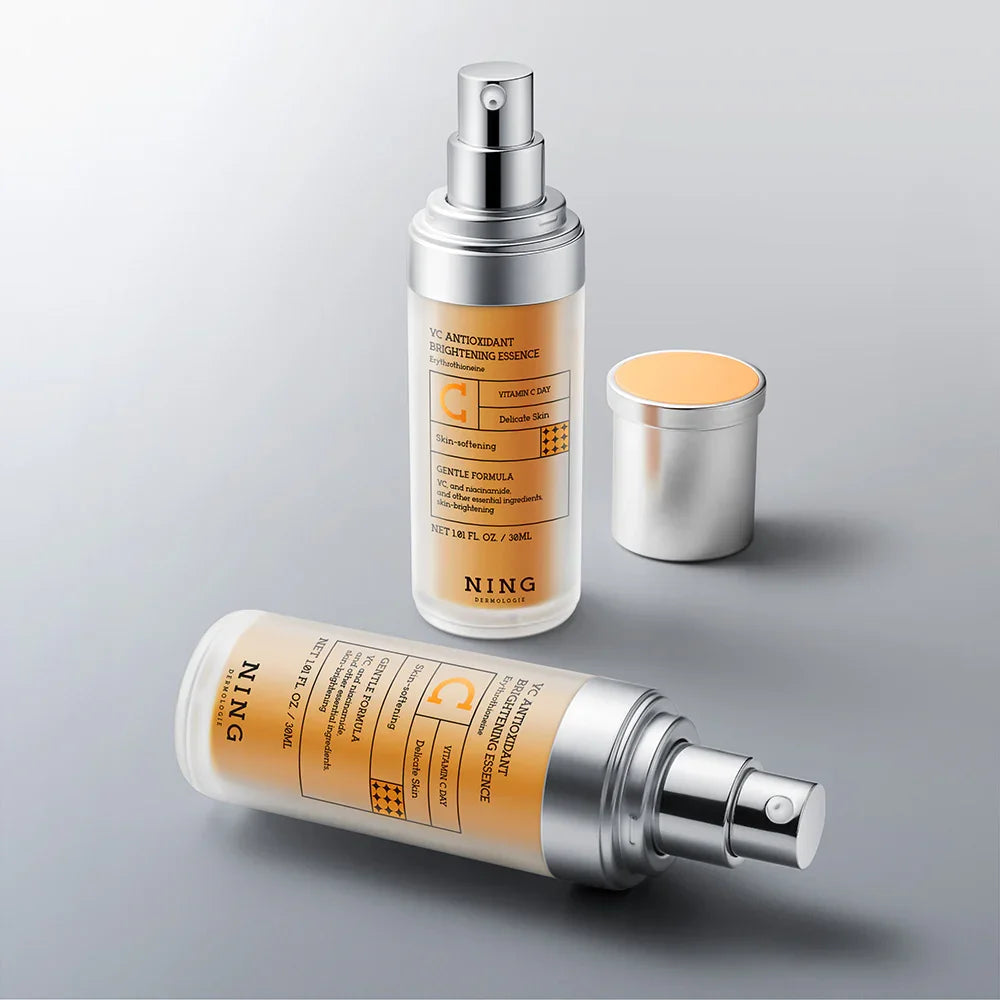
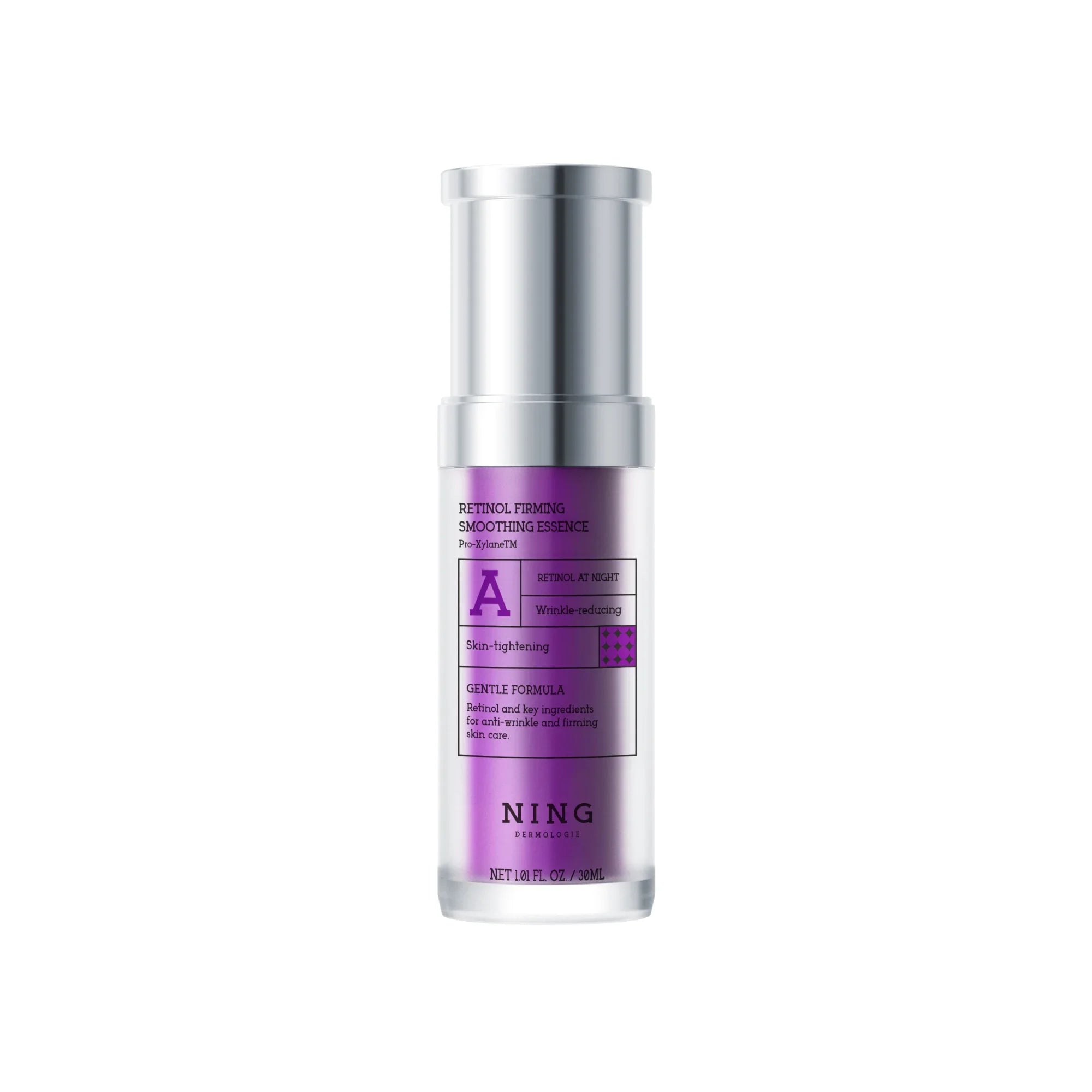
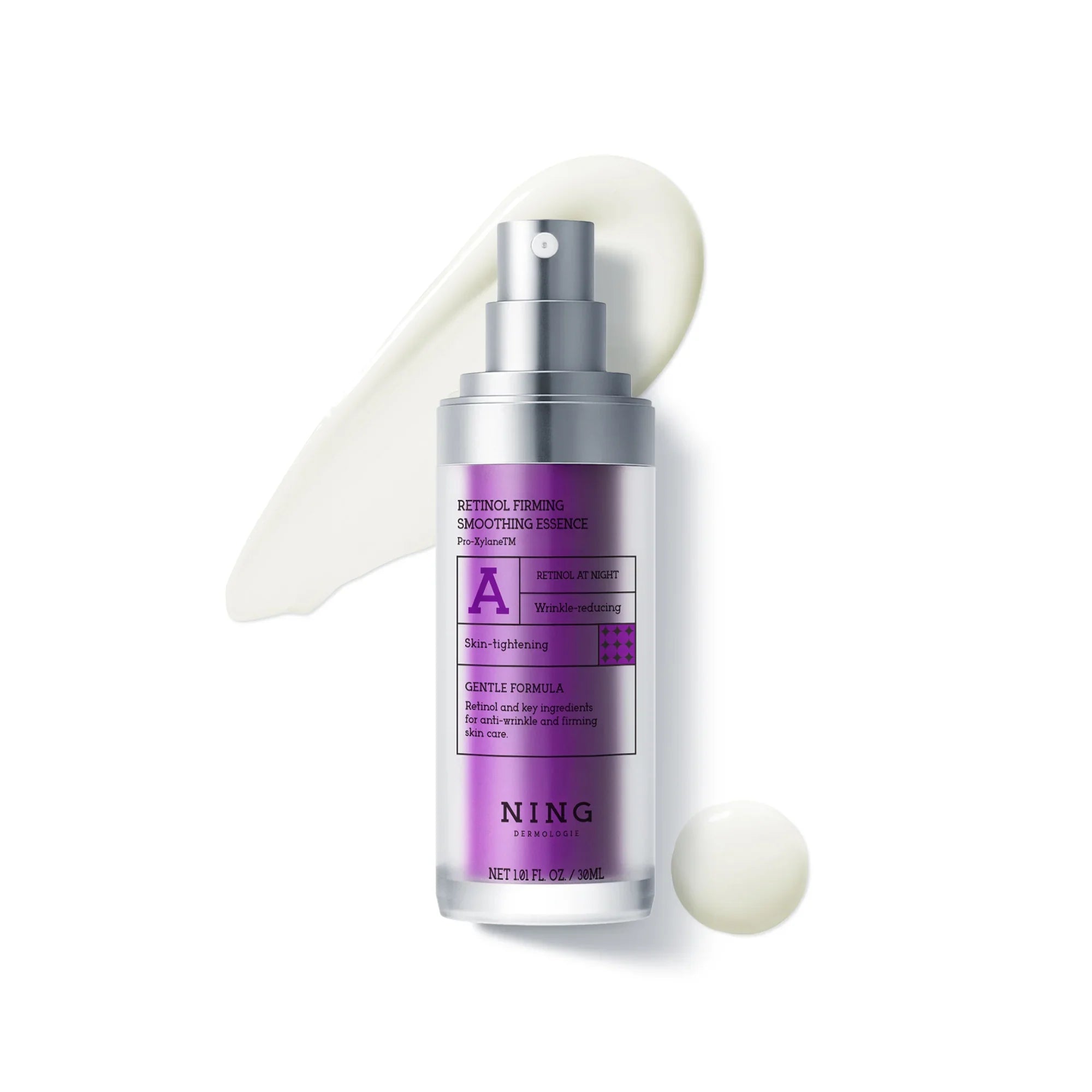
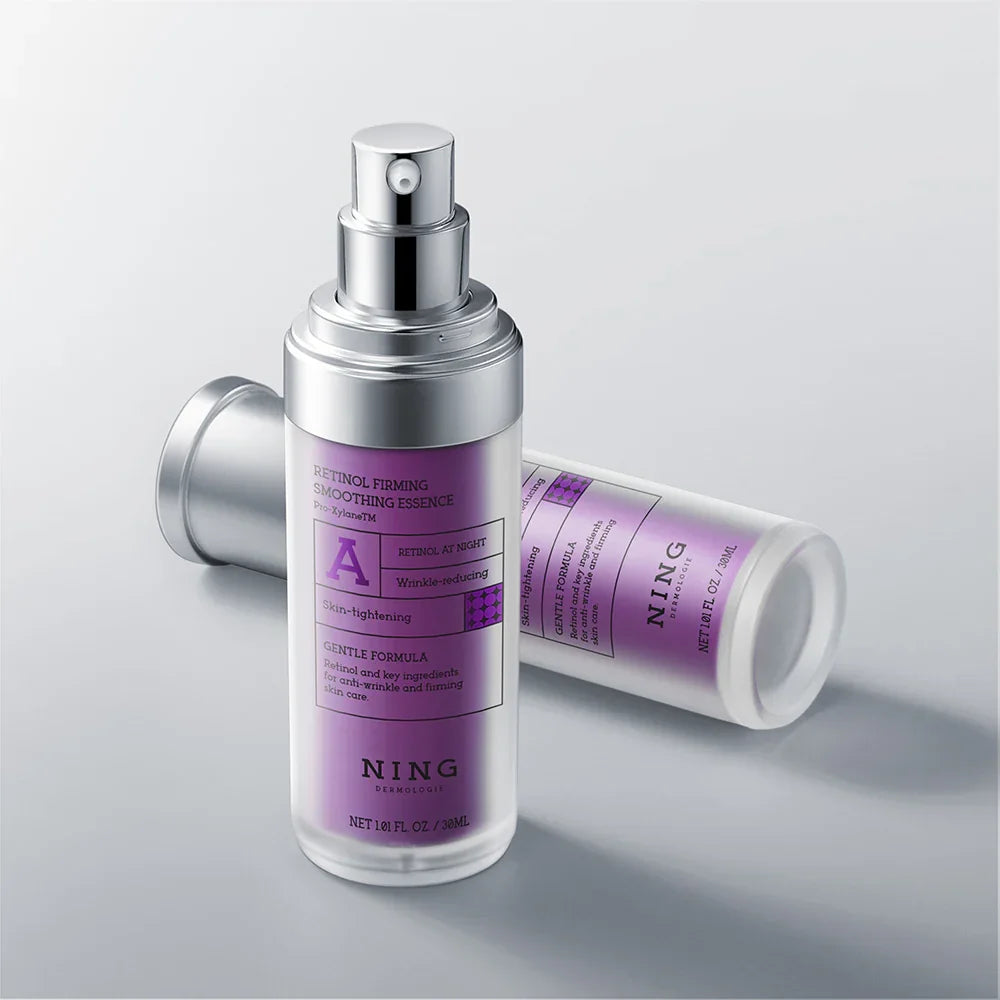
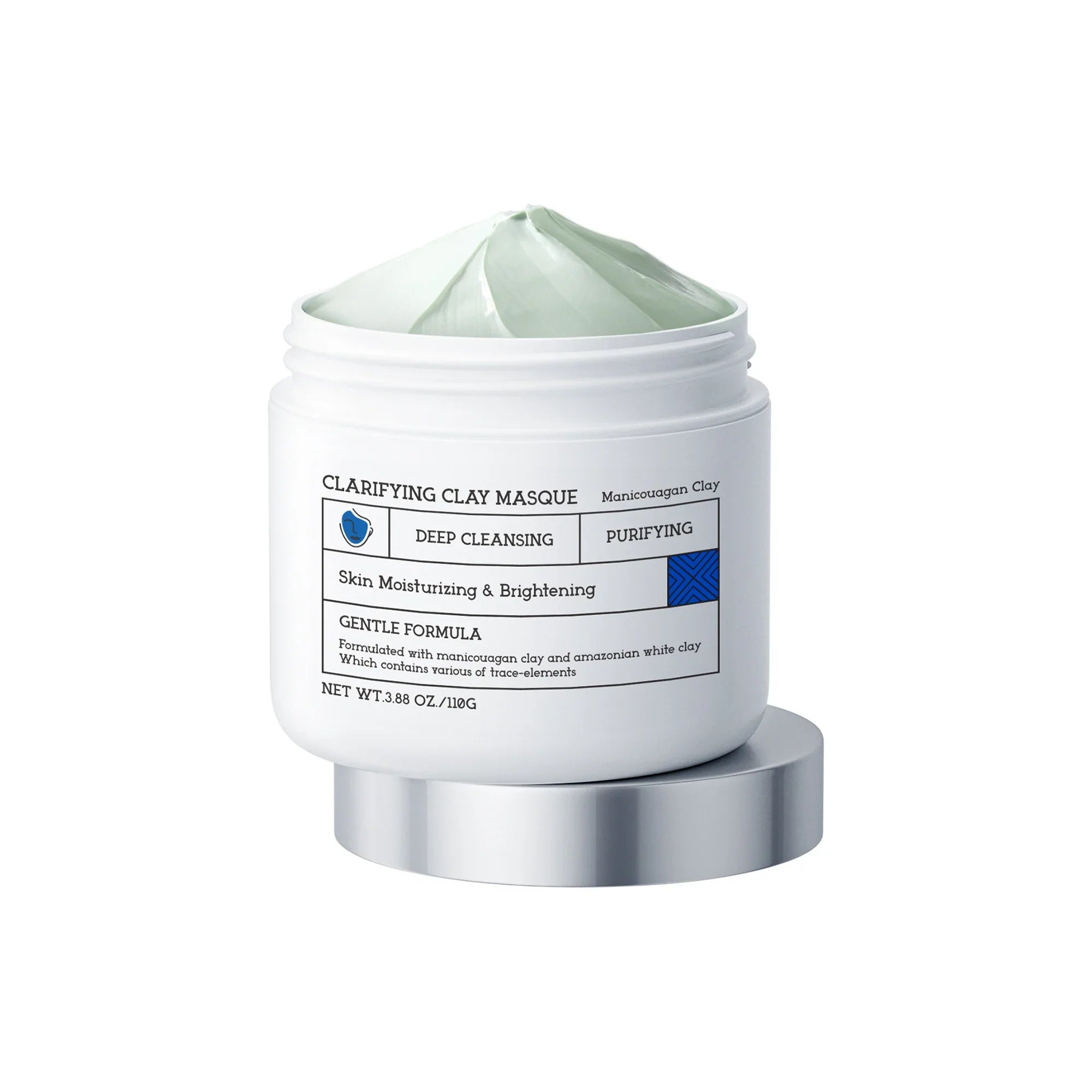
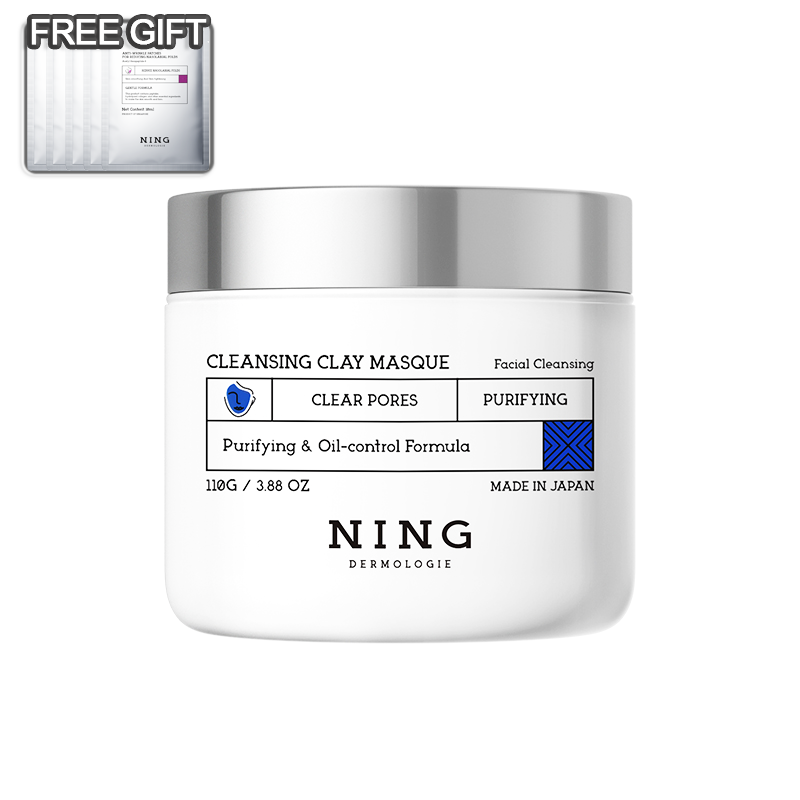
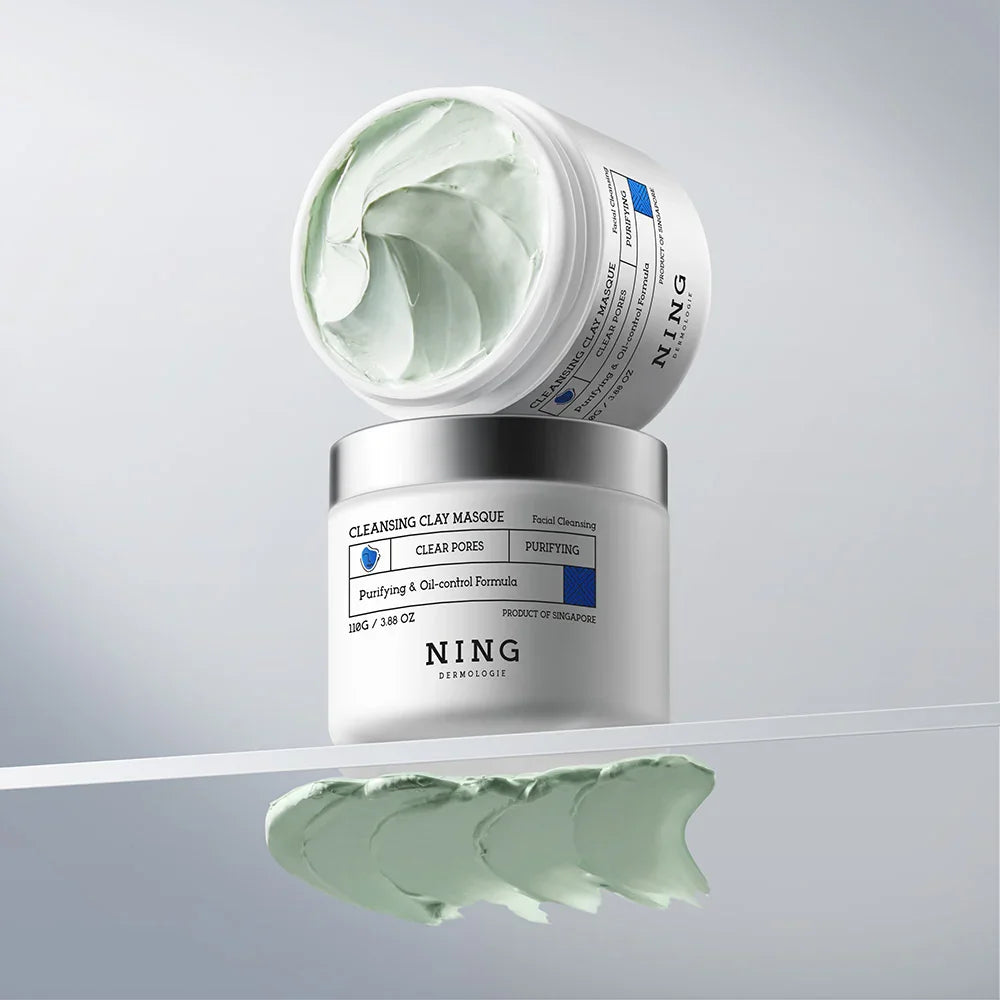
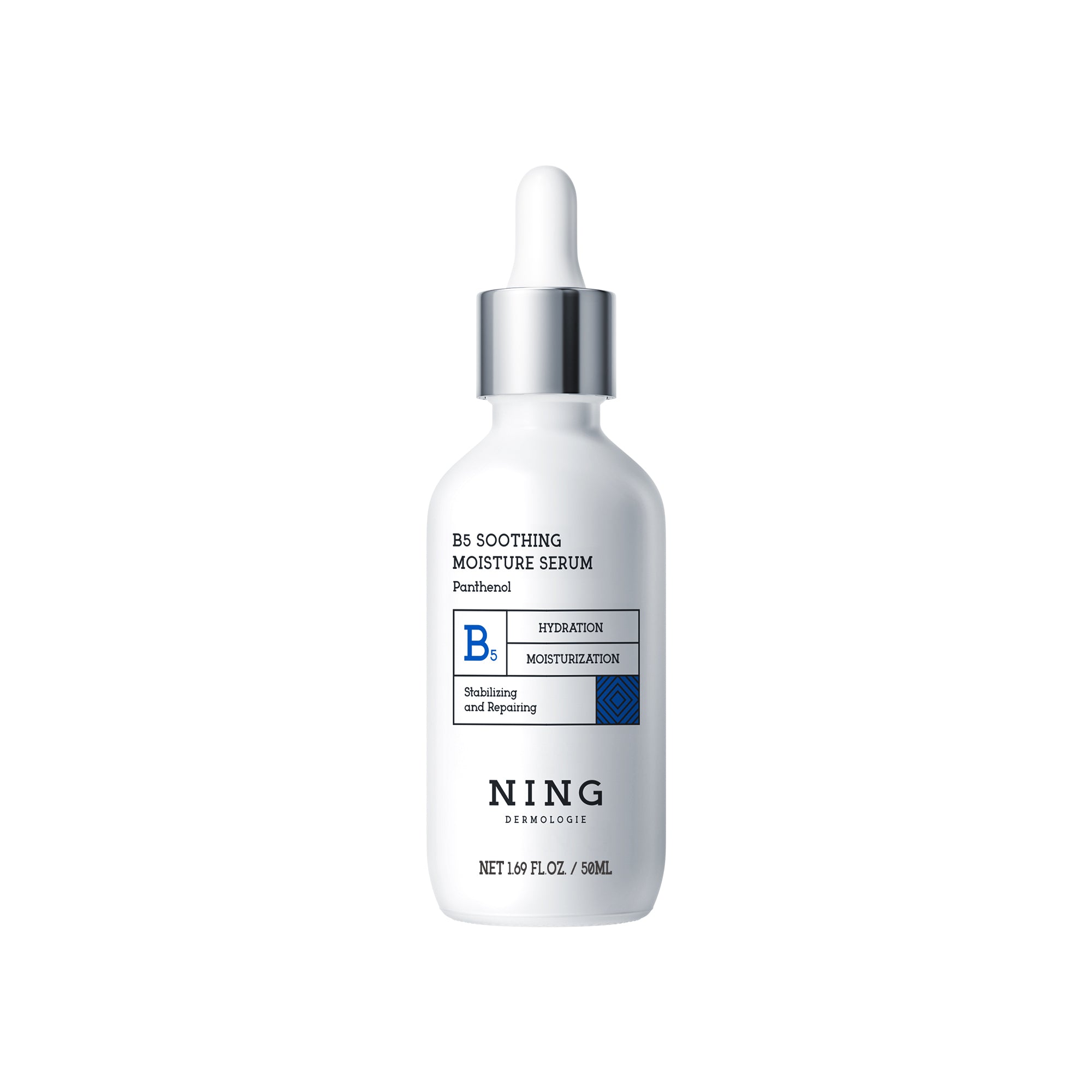
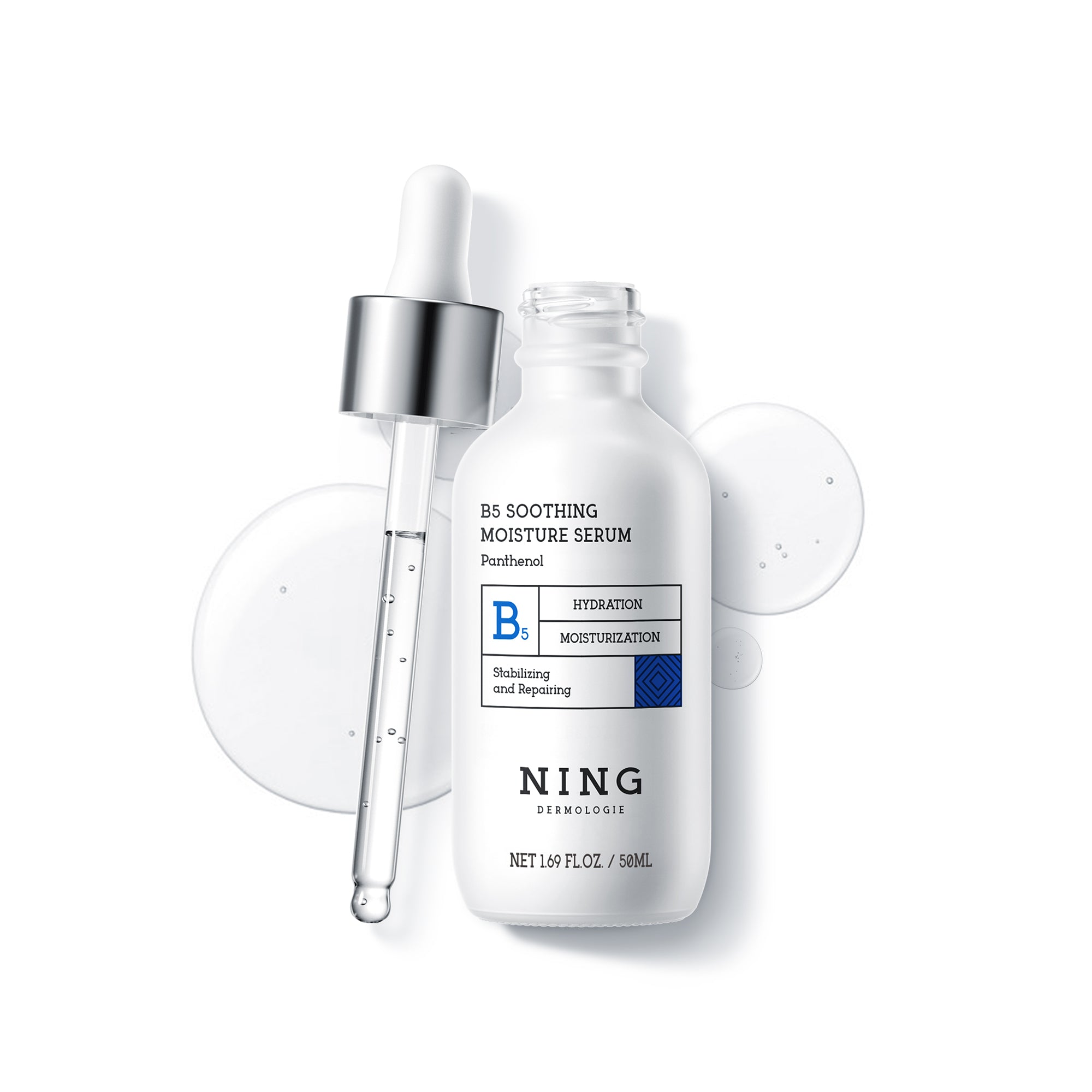
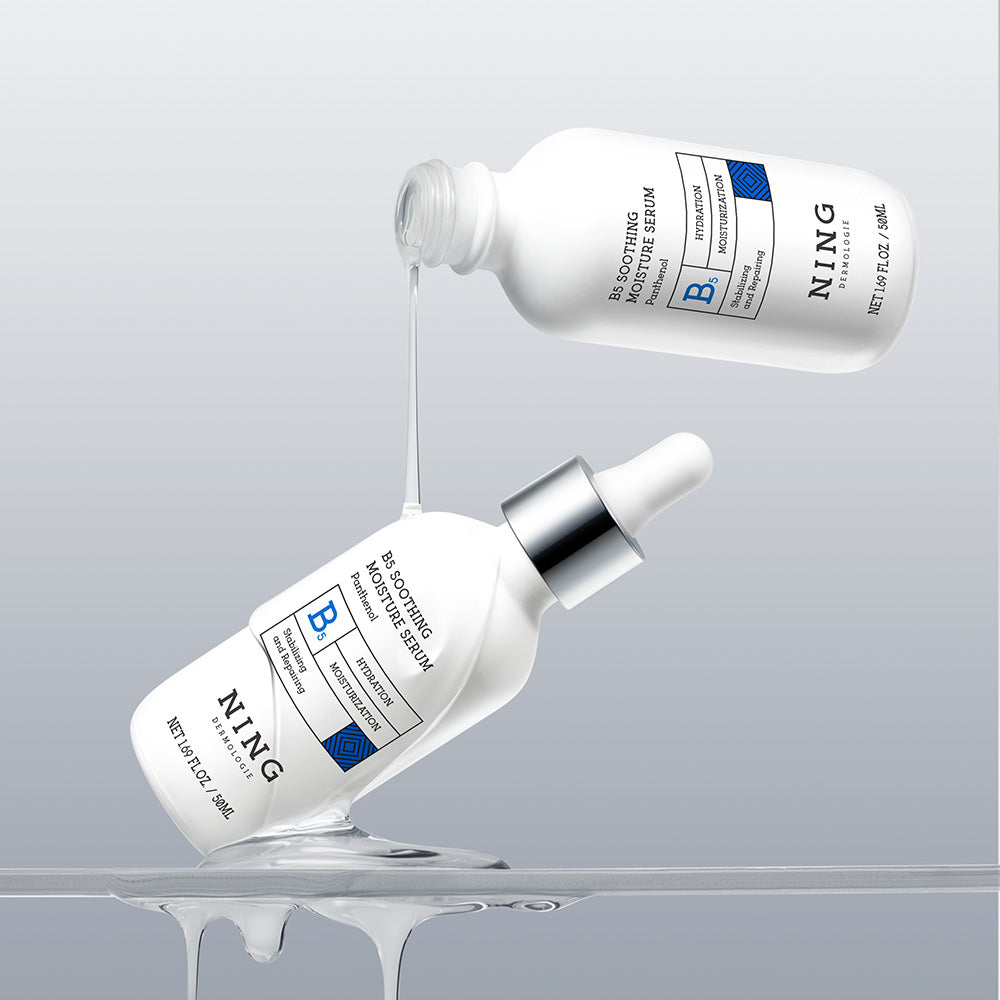
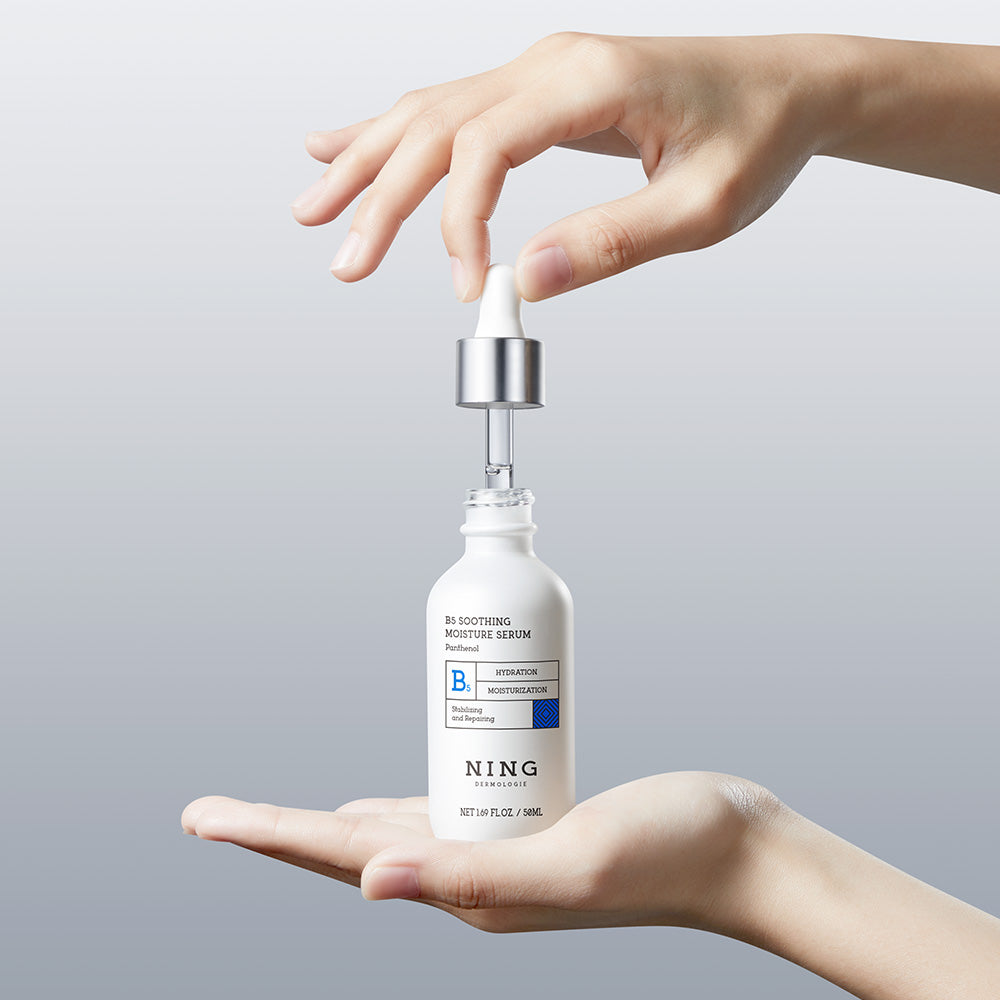
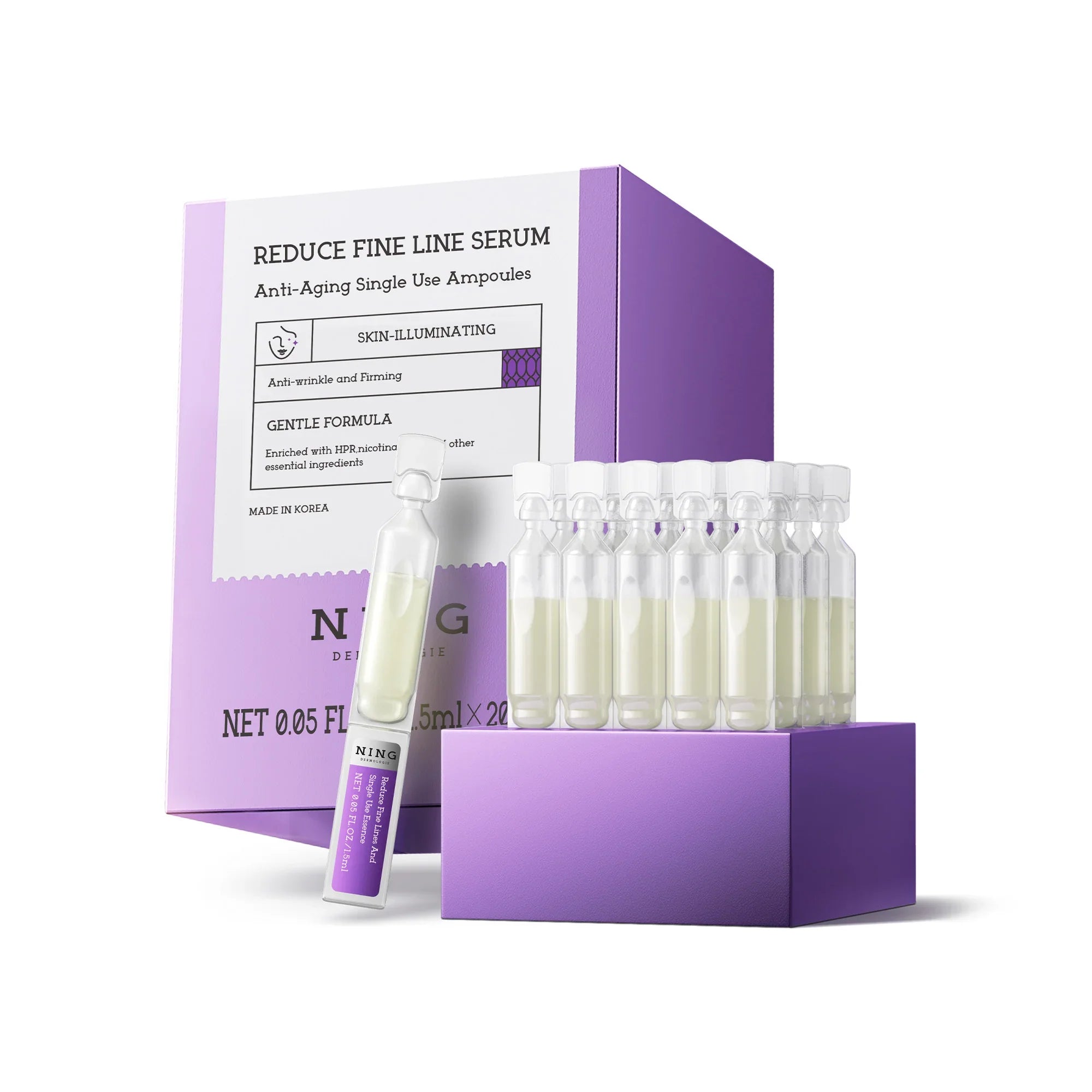
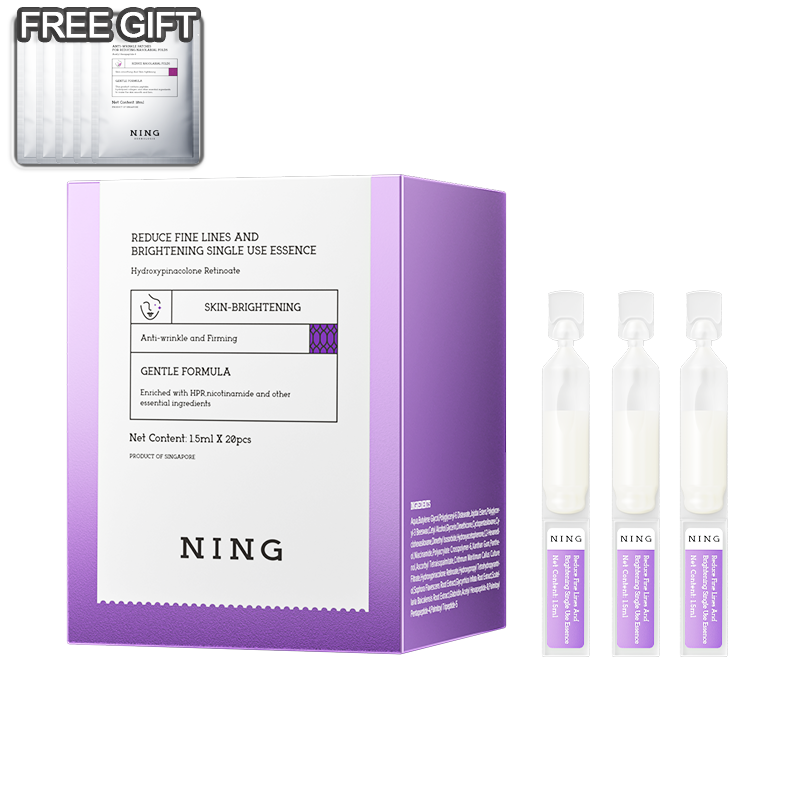
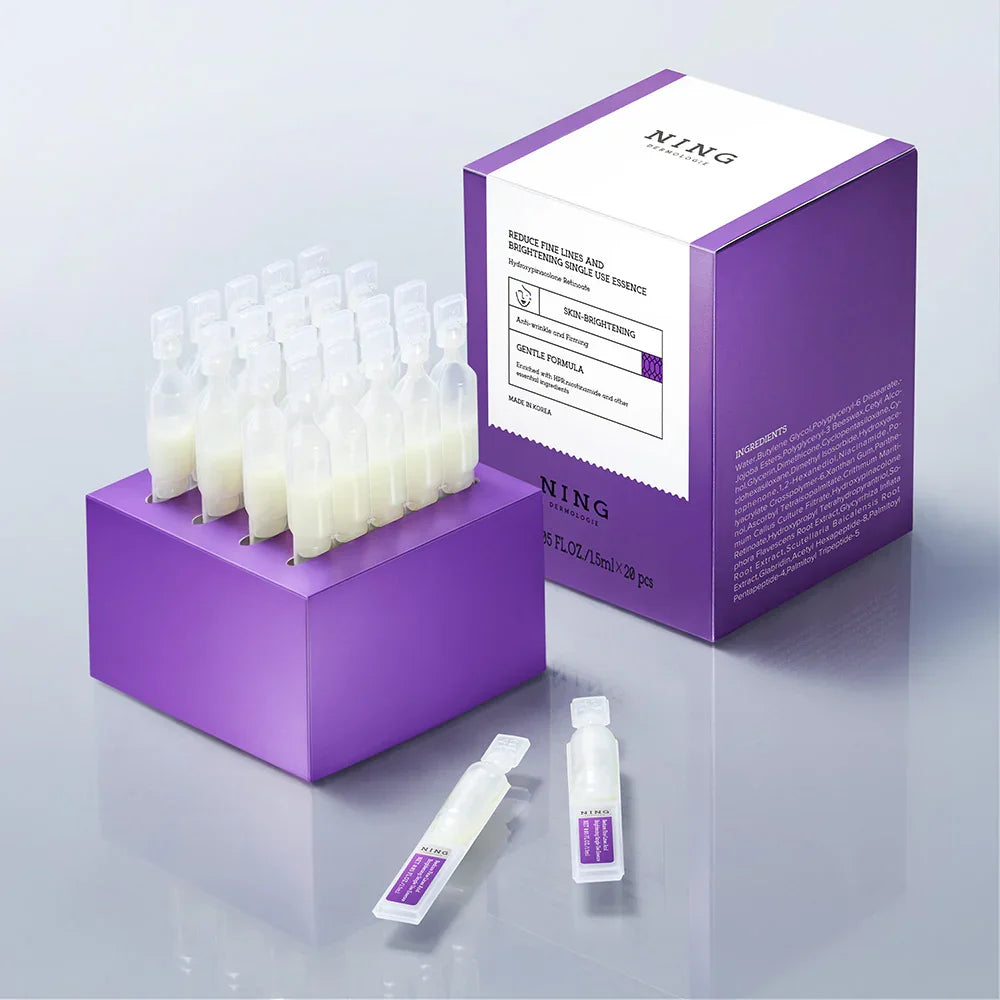
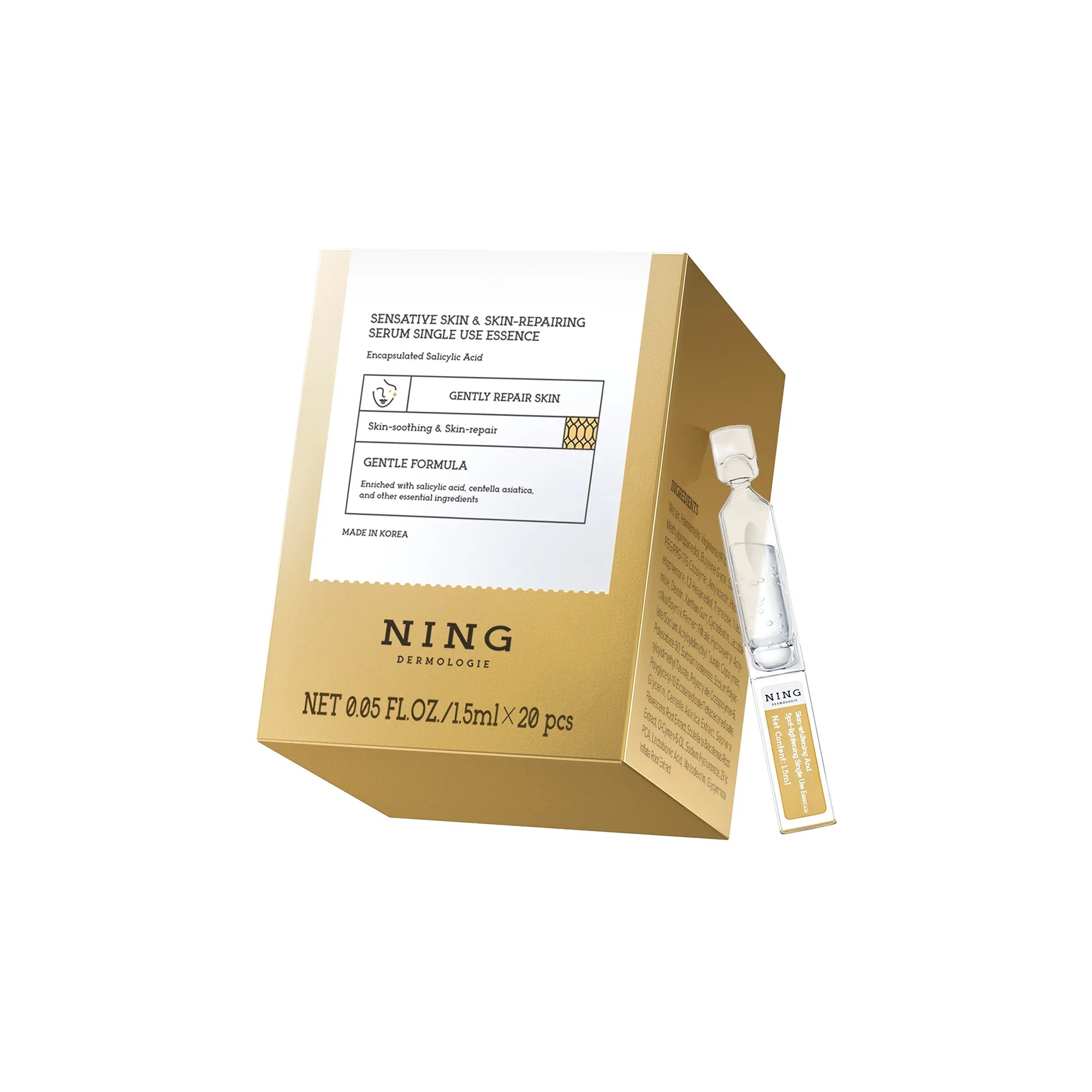
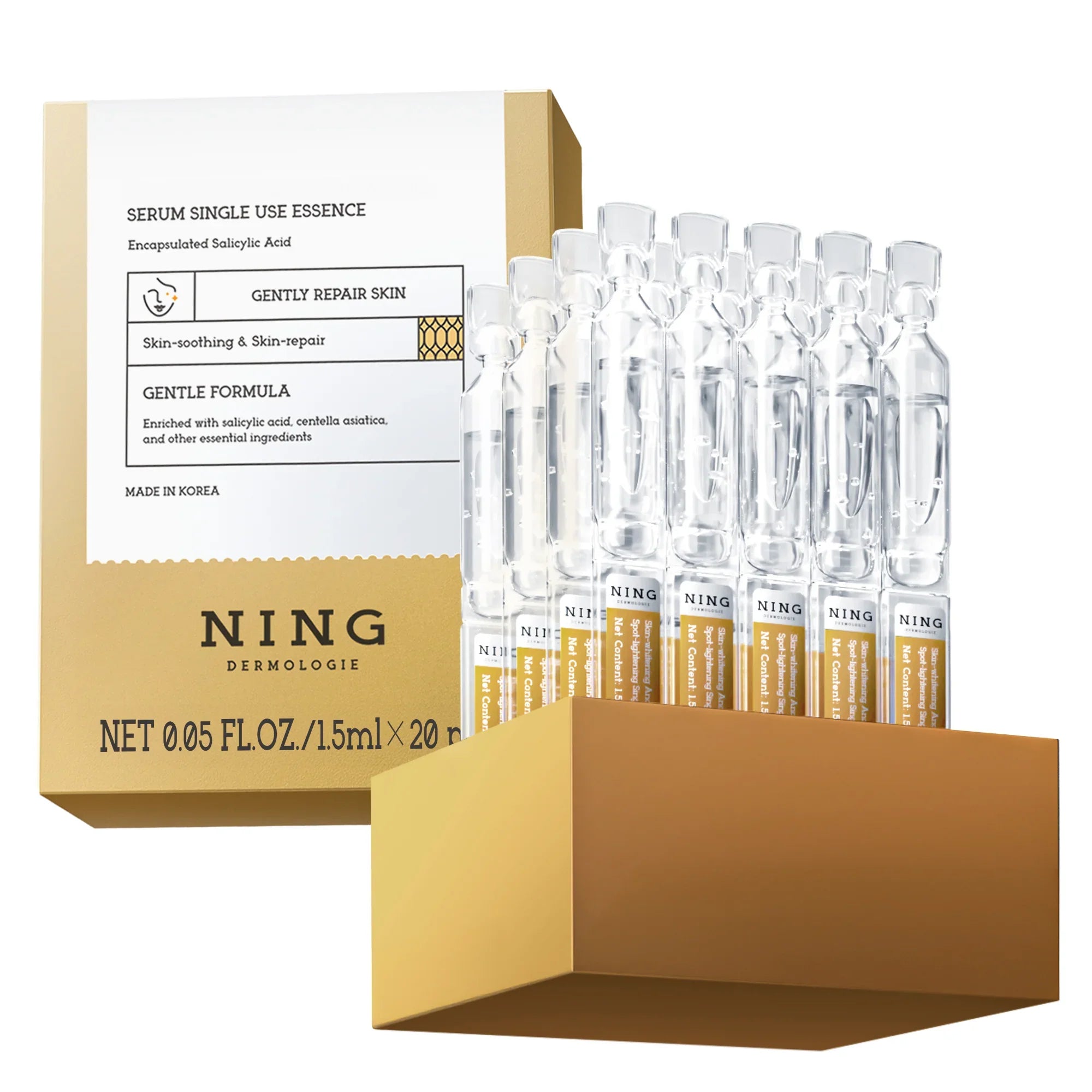
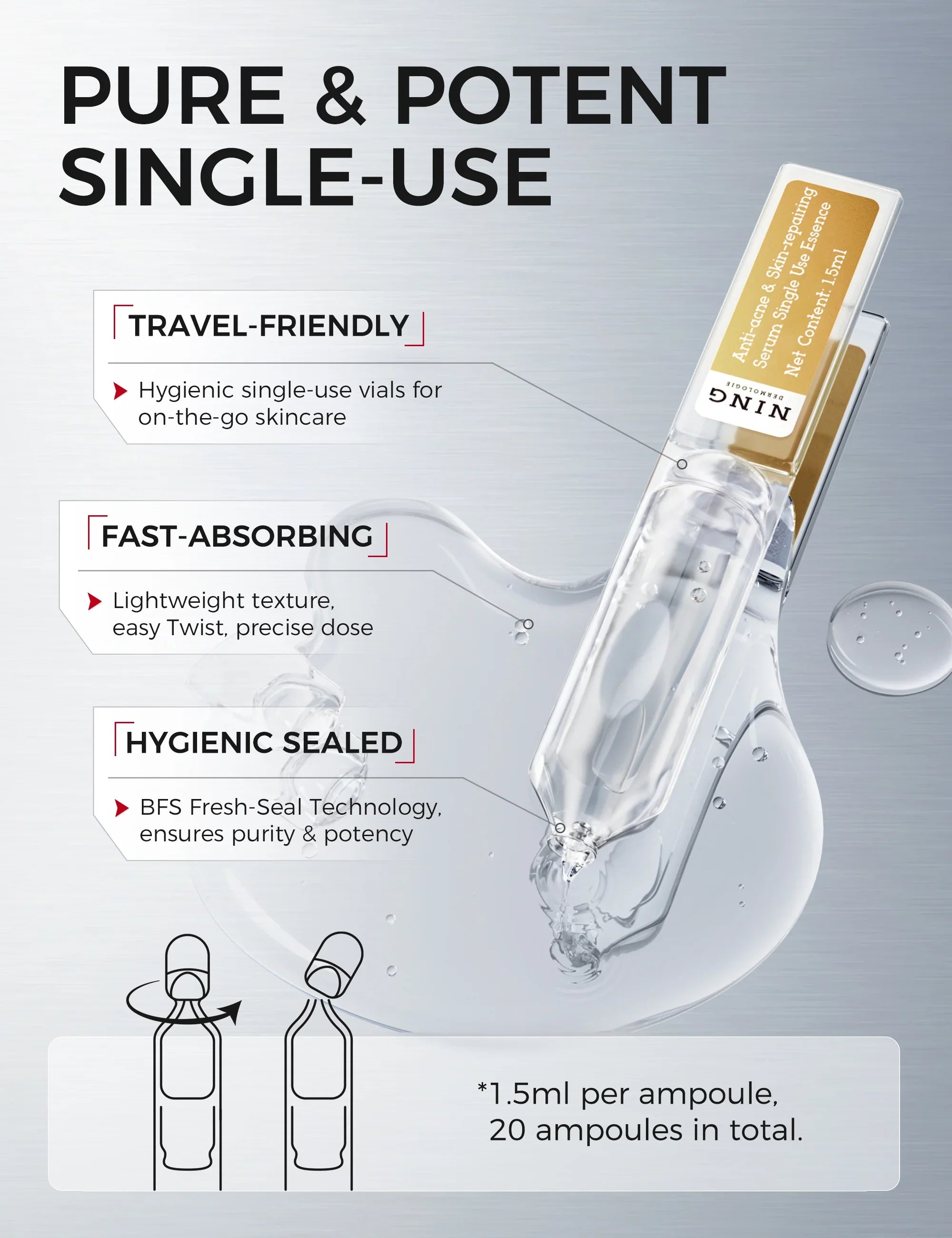
Piecing together a dozen different serums from different brands is exhausting, and you risk combining incompatible ingredients. That's exactly why we formulated a targeted solution: the NING Dermologie Melasma Defense & Brightening System.
We built this specific lineup to hit every single biological pathway we just talked about. It pairs potent, stable brighteners with the exact type of defensive shield your skin needs. The ingredients are Clinically proven, formulated to respect the skin barrier, and designed to work synergistically.
You can view the exact product details and ingredient breakdowns here: Melasma Defense & Brightening System
How to use it effectively: Treating pigmentation is a marathon. Diligent use over 8 to 12 weeks is required to see full results. You cannot skip days. I highly recommend taking a progression image on day one. You look at your face every day, so you won't notice the 10% fading in week three unless you have a photo to compare it to.
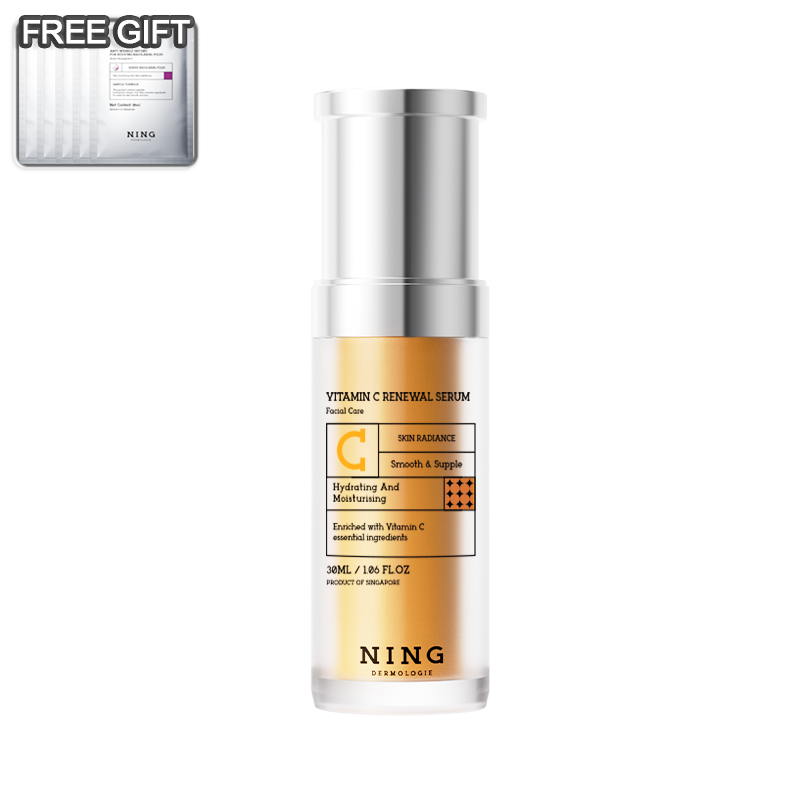
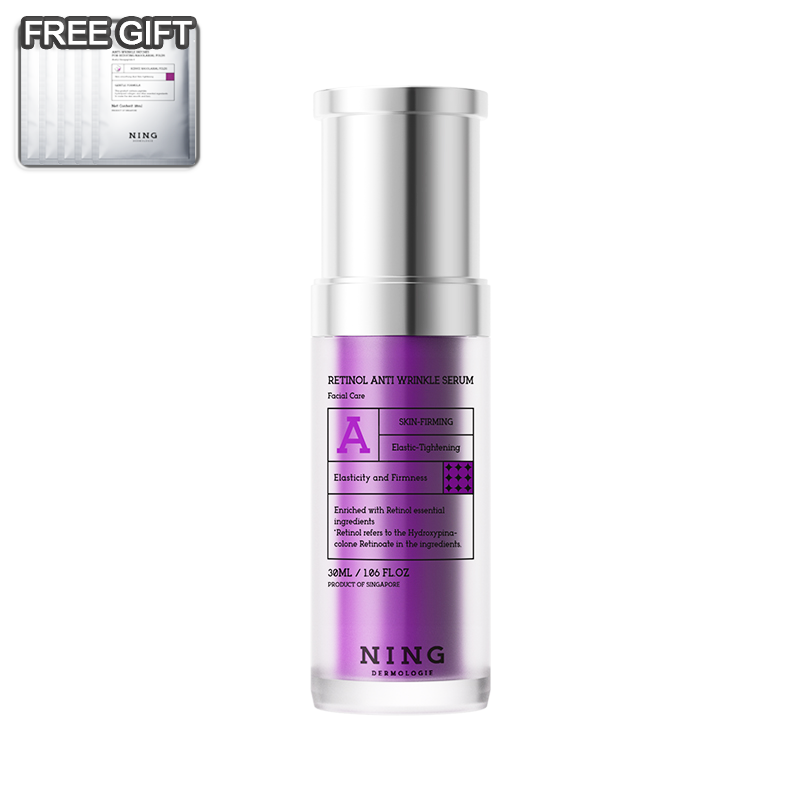
To make sure you never run out of your core routine—because stopping for a week will set you back—I recommend setting up subscription orders. You can manage this easily through the My Account portal on our site. (Hint: Keep an eye out, we occasionally slip a FREE gift into recurring boxes). Also, check the Net Volume on your bottles; most people don't apply enough product, especially when it comes to sunscreen!
When Topicals Aren't Enough: Clinical Interventions
Sometimes, melasma is rooted so deep in the dermis that at-home skincare products need an in-office boost.
Chemical peels specifically formulated for hyperpigmentation can do wonders. The VI Peel Precision Plus is a favorite among professionals because it lifts stubborn pigment safely. Some clinics will transition you onto the VI Derm Pigment Correcting System to maintain the results at home.
Be incredibly careful with laser therapies. The wrong laser, operated by an inexperienced technician, will dump massive amounts of heat into your skin and cause a massive melasma flare-up. Always work with a specialist who understands how to treat your specific Baumann Skin Type. Advanced clinics are now utilizing AI skin analysis technology to see beneath the surface and map the exact depth of your pigment, adapting protocols similar to the highly structured SkinMedica® Method.
In severe, treatment-resistant cases, a doctor might prescribe oral medications. The Triolite Forte Tablet, or low-dose oral tranexamic acid, are sometimes used for short-term control to shut down the vascular components feeding the melasma.
Stick to the plan. Protect your face from heat and light. Use your tyrosinase inhibitors daily. You can absolutely get this under control.
Frequently Asked Questions (FAQ)
Do I really need sunscreen indoors?
Yes. UVA rays punch right through window glass, and the blue light from your monitors triggers melanin. If there’s daylight in the room, you need SPF. Treat indoor lighting like the sun when dealing with melasma.
How long until my dark patches fade?
Honestly, expect 8 to 12 weeks of a strict daily routine. Melasma is deeply rooted. Taking a progression image weekly helps you notice the subtle fading you’d otherwise miss. Patience is absolutely mandatory here.
Are lasers a permanent fix for this?
No. Lasers clear pigment fast, but if you don't manage your triggers—like heat and hormones—it comes right back. Plus, heat-based lasers can actually make it darker. Stick to topicals and gentle peels first.
Why does my brightening cream irritate my face?
You might be using aggressive acids that are wrecking your skin barrier. Inflammation triggers more pigment! Drop the harsh stuff and switch to soothing tyrosinase inhibitors like azelaic acid to calm things down.
Can I skip the tinted SPF if I wear makeup?
Only if your foundation has a heavy dose of iron oxide to block visible light. Most standard foundations don't offer enough coverage. A dedicated tinted mineral sunscreen is your best defense. Don't risk it.





Share:
The Ultimate Vitamin C and Retinol Routine for Brighter, Firmer, Younger-Looking Skin
The Ultimate Vitamin C and Retinol Routine for Brighter, Firmer, Younger-Looking Skin