



Retinol is a bit of a skincare diva. It promises the world—glass skin, zero fine lines, and a glow that looks like you actually sleep eight hours a night—but it demands total respect. If you rush the process, it’ll bite back with the "Retinol Uglies": peeling, redness, and a skin barrier that feels like it’s on fire.
If you’ve been scrolling through the Instagram community looking for the secret to anti-aging skincare, you’ve probably seen the horror stories. But here’s the thing: you don’t have to suffer to see results. At NING Dermologie, we believe in the "slow and steady" approach.
Whether you’re dealing with dark spots, acne scars, or skin sagging, building tolerance is a science, not a race. Here is your definitive, no-nonsense guide to starting Vitamin A without the drama.

Why Everyone is Obsessed with Vitamin A
Before we dive into the "how," let’s talk about the "why." Retinol is a Vitamin A derivative that effectively talks to your retinoid receptors. It tells your skin to speed up cell turnover, which is basically your skin’s internal recycling system.
When we’re young, skin cell renewal happens fast. As we age, that cellular turnover slows down, leading to fine lines, uneven skin texture, and photo damage. Retinol steps in to jumpstart collagen production, thicken the deeper layers of the skin, and sweep away the dead cells that clog pores. It’s the ultimate multi-tasker for skin renewal.
Know Your Players: From Retinyl Palmitate to Retinoic Acid
Not all retinoids are created equal. If you grab a prescription-strength retinoic acid (Tretinoin) on day one, you’re asking for trouble. For beginners, the goal is controlled introduction.
- Retinyl Palmitate & Retinyl Linoleate: The gentlest "entry-level" options. Great for extremely sensitive skin.
- Encapsulated Retinol: This is a game-changer. The active ingredient is tucked into tiny shells that break down slowly, delivering the goods over several hours rather than all at once.
- Crystal Retinal (Retinaldehyde): One step away from prescription strength. It works up to 11 times faster than standard retinol but can be intense.
- Marine Bio-Retinol: A plant-based alternative for those who want a nourishing base without the traditional side effects.
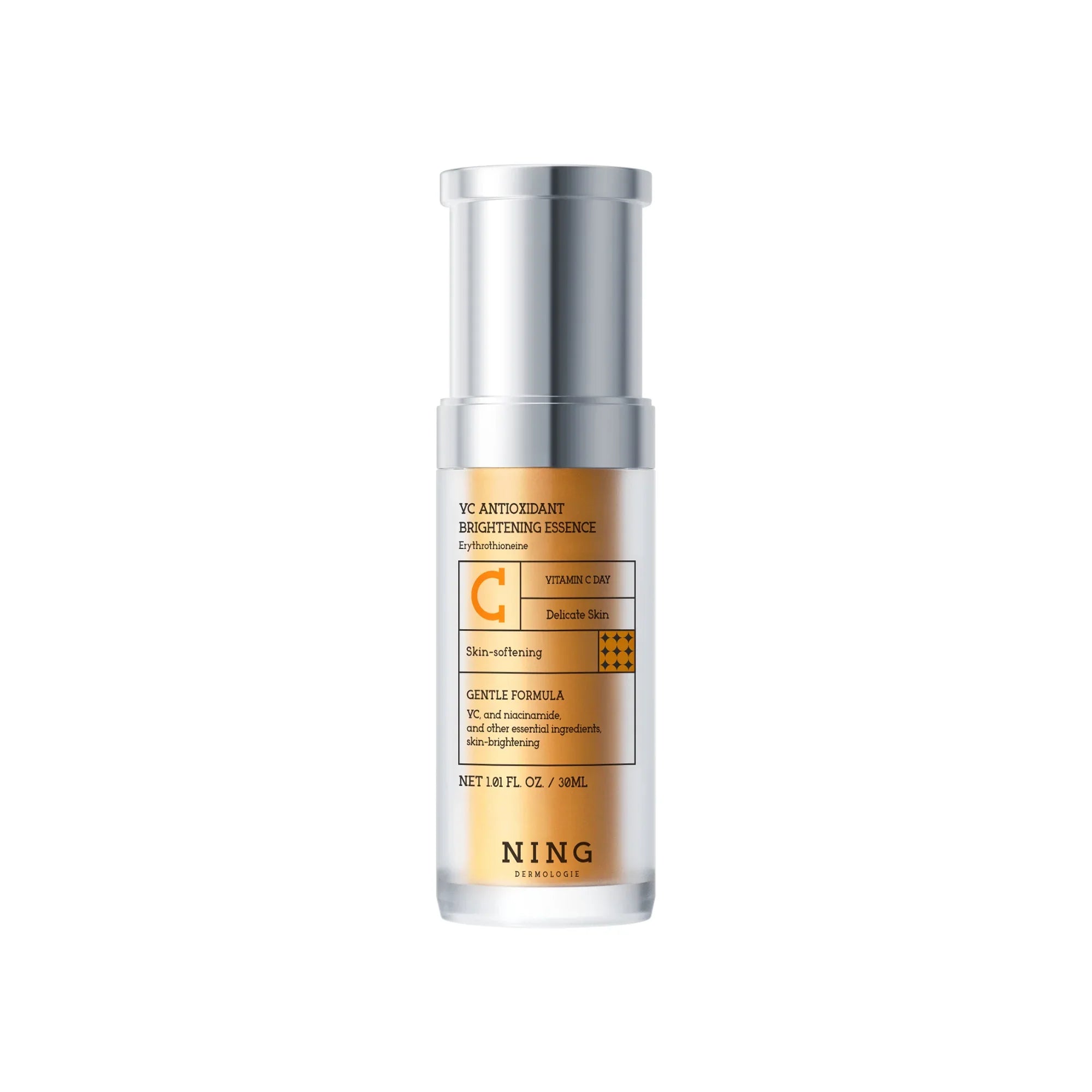
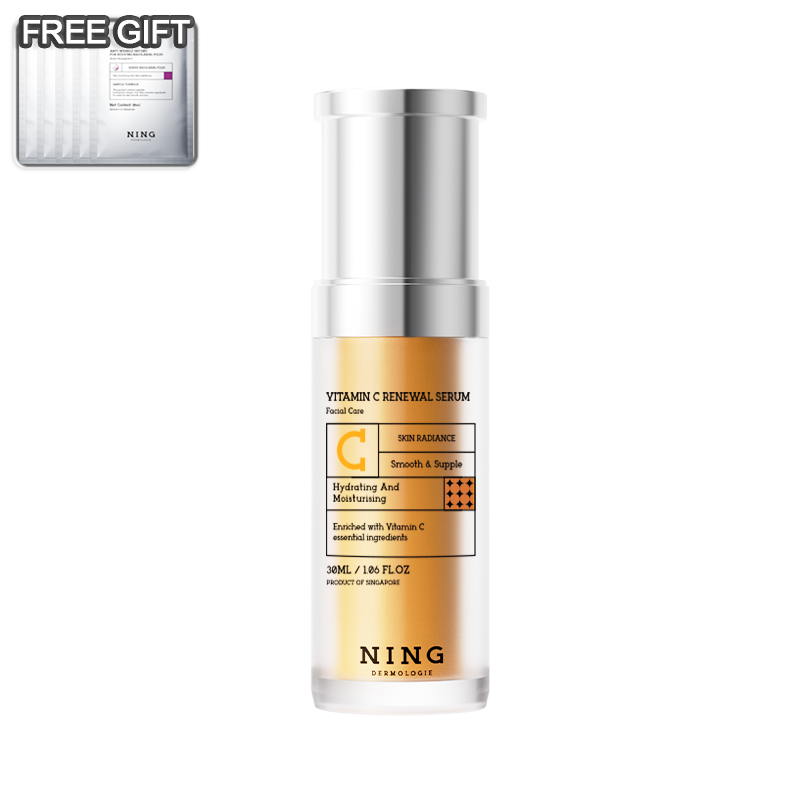
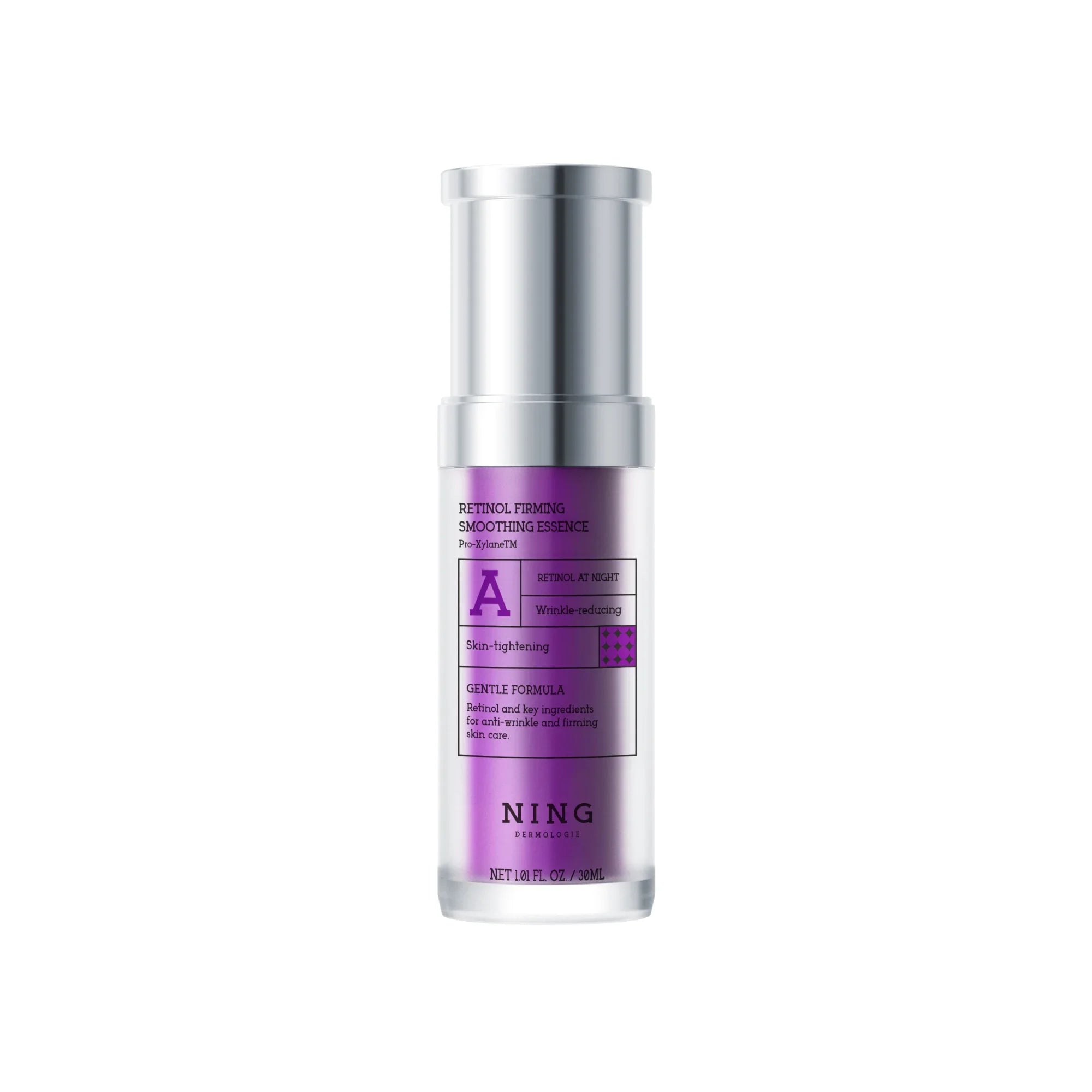
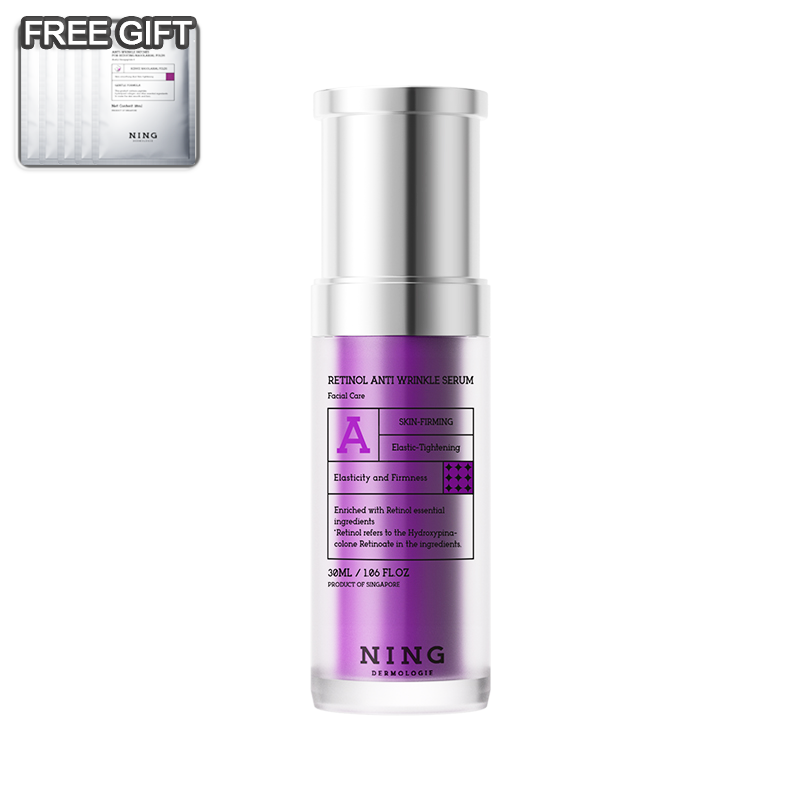
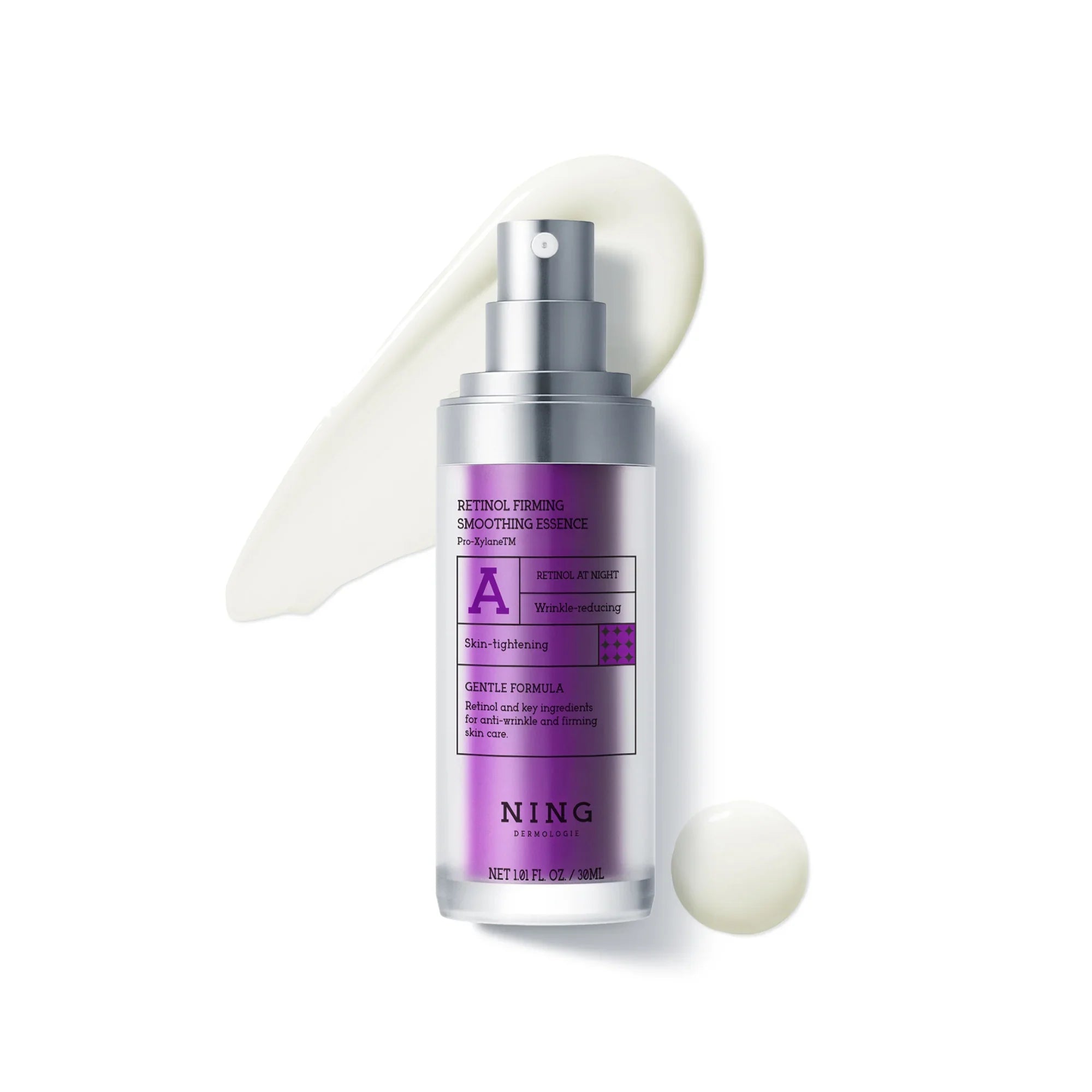
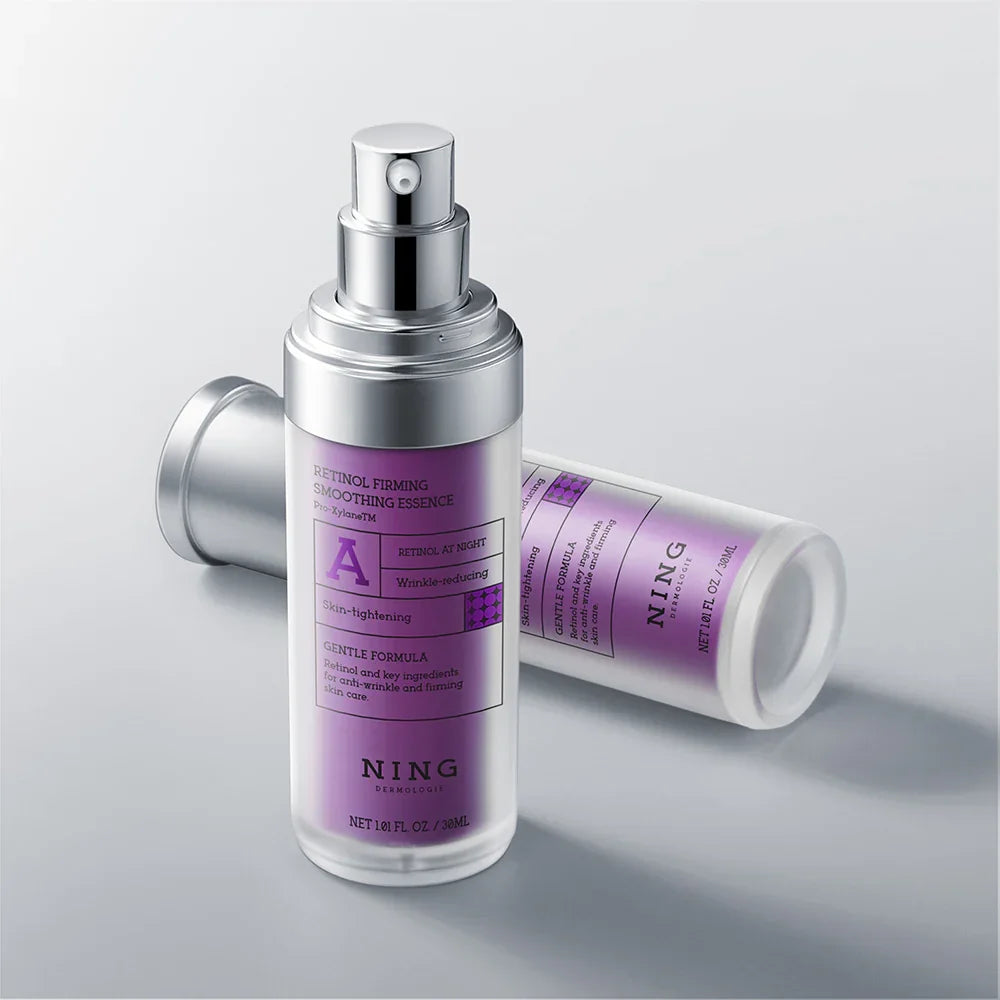
For a perfectly balanced start, we recommend the NING Dermologie Vitamin C + Retinol Serum Set. It pairs encapsulated retinol with peptides and Ethyl Ascorbic Acid to protect your skin while it transforms.
Step 1: The Golden Rule of Patch Testing
I know, you want that glow now. But patch testing is non-negotiable. Apply a tiny amount behind your ear or on your inner forearm for 48 hours. If you see no redness, you’re clear for take-off. This is the first step in the No-Redness Method championed by experts like Dr. Corey L. Hartman.
Step 2: The 1-2-3 Method (The Tolerance Roadmap)
Most people fail because they use too much, too soon. Instead, follow this schedule:
- Weeks 1-2: Use your retinol twice a week (e.g., Monday and Thursday). Use rest days to focus on moisturizing care.
- Weeks 3-4: Every other night. This is where skin observation is key. If you feel a sting when applying moisturizer, back off.
- Week 5+: If your skin type allows, move to nightly use.
Step 3: Master the "Sandwich Technique"
If you have sensitive skin, this is your best friend. It creates a buffer so the retinol doesn't hit your skin barrier like a freight train.
- Gentle Cleansing: Start with a sulfate-free cleanser.
- Moisturize (Layer 1): Apply a thin layer of a basic moisturizer or Hyaluronic Drops.
- Retinol: Apply a pea-sized amount. Seriously, only a pea.
- Moisturize (Layer 2): Seal it in with a richer cream like the Bio-Renew EGF Cream.
Common Mistakes: What to Avoid
While building tolerance, your skin is in a vulnerable state. Avoid these "active" overlaps:
- AHA/BHA Toners: Put away the salicylic acid, glycolic acid, and lactic acid for the first month. Combining hydroxy acids with retinol is a recipe for a chemical peel you didn't ask for.
- Over-cleansing: Your skin needs its natural oils right now.
- Skipping Sunscreen: Retinol makes your skin more sensitive to UV light. UV exposure without protection will lead to more dark spots, defeating the whole purpose of your skincare products.
The Morning After: Protection is Mandatory
You cannot use retinol without a serious commitment to UV protection. UV rays are the enemy of skin cell turnover. Whether you prefer a Solar Dew SPF 305 or a SPF 50 PA+++ Dewy Sunscreen, you need broad-spectrum SPF 30 or higher every single day—even if it’s cloudy.
As Dr. Marisa Garshick often notes, "The best anti-aging routine is a retinoid at night and a broad-spectrum SPF 30+ in the morning." At NING Dermologie, we suggest our SPF 40+ for those who spend time outdoors.
Troubleshooting: When to Panic (And When Not To)
It is normal to see a little "purging"—minor breakouts as the cellular turnover brings gunk to the surface. It is also normal to see very light flaking.
However, if your skin feels hot to the touch, looks "shiny" (a sign of a compromised barrier), or develops itchy patches, stop immediately. Switch to a Barrier Repair routine using Vinr Niacinamide Moisturizer and PolyPeptide Collagel+ until your skin heals. Once the redness subsides, you can try again using the sandwich technique with a lower frequency.
The NING Dermologie Difference: Vitamin C + Retinol
Why did we create the Vitamin C + Retinol Serum Set? Because they are the "Power Couple" of skincare.
- Morning: Use the Vitamin C (Ethyl Ascorbic Acid) to neutralize free radicals from UV exposure.
- Night: Use the Retinol to repair photo damage and boost collagen production.
This set is dermatologically tested and designed to take the guesswork out of your routine. It’s essentially radical Repair™ Retinol Reinvented for the modern, busy person.

Frequently Asked Questions (FAQ)
Can I use retinol if I have active acne?
Yes, but be careful. Retinol helps clear pores, but if you’re using salicylic acid or prescription acne meds, the combo might be too harsh. Try the "low and slow" approach. If your skin gets angry, stick to a gentle cleansing routine and consult a pro.
Should I apply retinol to wet or dry skin?
Always apply to bone-dry skin. Applying any Vitamin A derivative to damp skin makes it absorb deeper and faster, which sounds good but actually spikes the risk of irritation and redness. Wait about 10 minutes after washing your face before you go in with the serum.
Does retinol expire or lose its punch?
Retinol is notoriously unstable. It hates UV light and air. Look for opaque, airless packaging (like ours!) to keep the formula potent. If your cream turns a dark, funky yellow or smells weird, it’s likely oxidized and won't give you those cell renewal benefits anymore.
Can I use retinol around my eyes?
The skin there is paper-thin, so proceed with caution. Unless it’s a specific formula like RoC Retinol Correxion Line Smoothing Cream, stick to the orbital bone. For a DIY gentle version, use the sandwich technique specifically in that area to prevent the dreaded "retinol burn."
How long until I actually see a difference?
Patience is a virtue here. While some see a "glow" in weeks, real changes to fine lines and skin texture usually take 12 to 16 weeks. Your skin needs time to go through several cycles of skin cell renewal. Stick with it—the results are worth the wait!





Share:
The Tembusu Secret: Why This Rare Botanical is a Skincare Game-Changer
The Tembusu Secret: Why This Rare Botanical is a Skincare Game-Changer