

If you walk into any drugstore or Sephora right now, you can’t throw a stone without hitting a bottle of Hyaluronic Acid (HA). It is everywhere. And for good reason—it’s a hydration magnet. But here is the problem: plain old Hyaluronic Acid is just... fine. It’s vanilla. It’s basic hydration.
If you are serious about your skincare routine, you shouldn't be settling for a hydrating serum that only hydrates. You want a multitasker. You want a serum that pulls moisture in while simultaneously fighting fine lines, boosting skin elasticity, and shielding you from pollution.
You need the power trio: Hyaluronic Acid + Peptides + Antioxidants.
Finding them in one bottle, however, is like trying to find a decent apartment in New York City. They exist, but you need to know exactly where to look and what to look for. This guide is going to break down exactly where to find these supercharged serums, from the budget aisles to the niche online boutiques, and how to make sure you aren't getting ripped off.

Why You Need to Upgrade Your HA
Before we get into the "where," let's briefly touch on the "why" without getting too science-heavy.
Think of Hyaluronic Acid as a glass of water for your face. It’s great, but water doesn't build muscle or stop aging. That’s where peptides and antioxidants come in.
- Peptides (The Builders): These are chains of amino acids that tell your skin to calm down or build more collagen. If you see skin-firming peptides on a label, that is your ticket to bouncy skin.
- Antioxidants (The Bodyguards): Ingredients like Vitamin C+ or Green Tea protect your skin from rusting (oxidizing) throughout the day.
When you combine these with HA, you aren't just wetting your face; you are actively treating it.
Channel 1: The "Masstige" and Cult Favorites (The Ordinary & DECIEM)
If you are on a budget but want high concentrations of active ingredients, your first stop is likely going to be the Deciem ecosystem. Everyone knows The Ordinary. They democratized skincare.
However, shopping there requires a bit of strategy.
If you are lucky enough to live near standalone DECIEM/The Ordinary stores, go in person. Why? Because their staff actually knows what they are talking about. You can ask them specifically for "The Buffet" (now Multi-Peptide + HA) or their Copper Peptides serum.
The Insider Tip: Keep an eye out for their sales events like "Slowvember." They often have a Bottle Promotion or specific deals where a Qualifying Purchase gets you a discount or a Daily Hydration Bottle set. During a Promotion Period, stock up.
What to look for here:
- Copper Tripeptide: This is the gold standard for skin repair. It turns the serum blue, and it’s incredible for overall skin health.
- Matrixyl: A classic peptide blend usually found in their hydration formulas.
Warning: Their website can get slammed during sales. If you are stuck at checkout and the screen says "processing," just hold the button (figuratively speaking, don't refresh!). You don't want to lose your cart.
Channel 2: The "Natural & Niche" Route (Bee Naturals & Indie Brands)
Maybe you hate the clinical, lab-sample vibe. You want something that feels like it came from a garden but works like it came from a lab.
This is where you look at brands like Bee Naturals or other indie formulators. You will often find these on specialized eco-beauty marketplaces or their own direct-to-consumer sites.
Why shop here? Indie brands are often more willing to formulate with soothing botanicals alongside the heavy hitters. You might find a serum that uses hydrating aloe as a base instead of plain water, combined with HA and peptides.
The Shopping Experience: Many of these sites will ask you to take a Skincare Quiz before you buy. Do it. It’s not just data collection; it actually helps filter out the noise. If the quiz results point you toward an Ectoin Advanced Repair Serum or a specific GF Advanced Lifting Serum (Growth Factor), pay attention. These are usually their powerhouse anti-aging blends that mimic the effects of peptides.
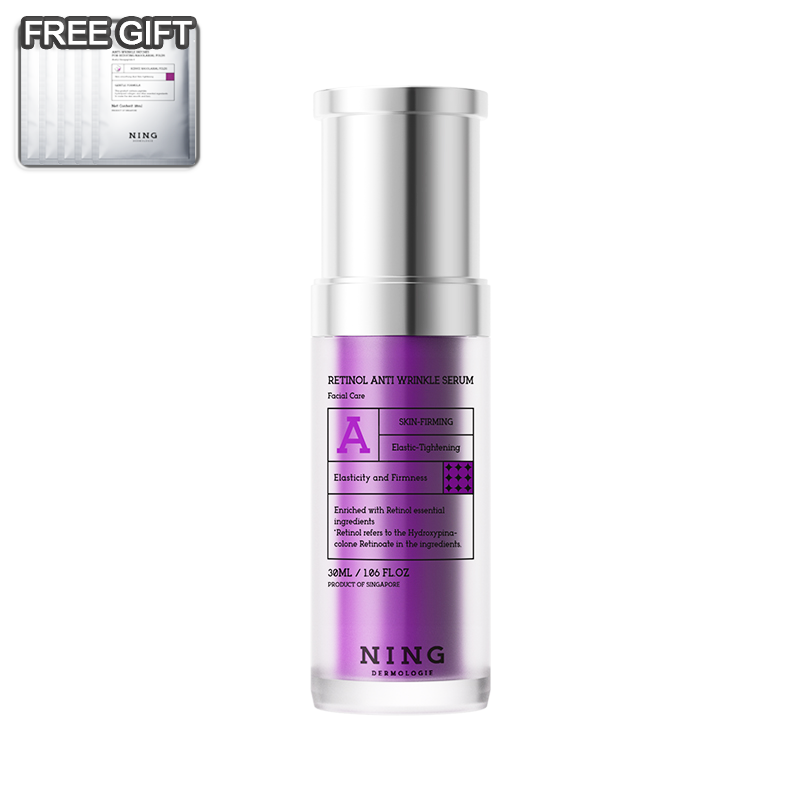
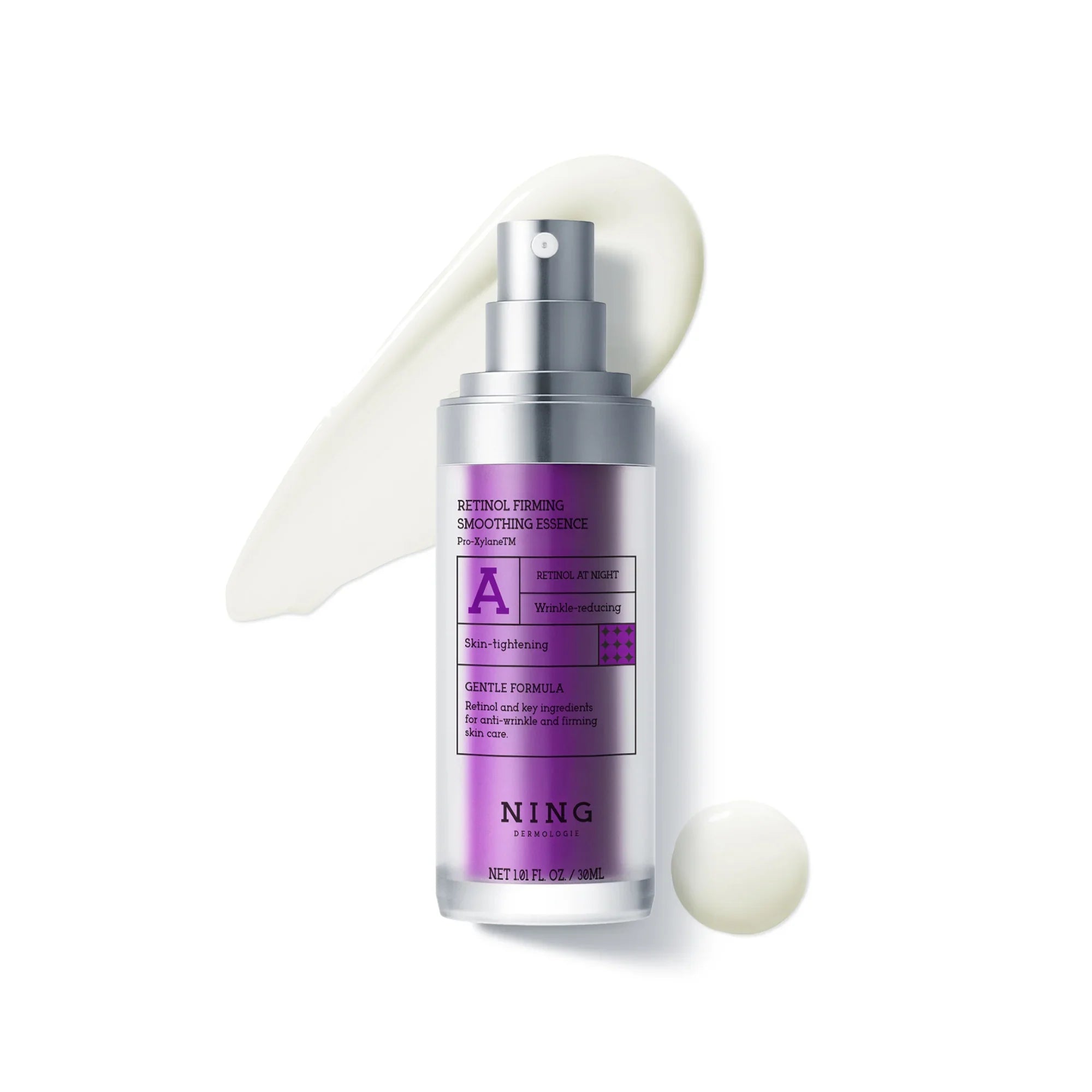
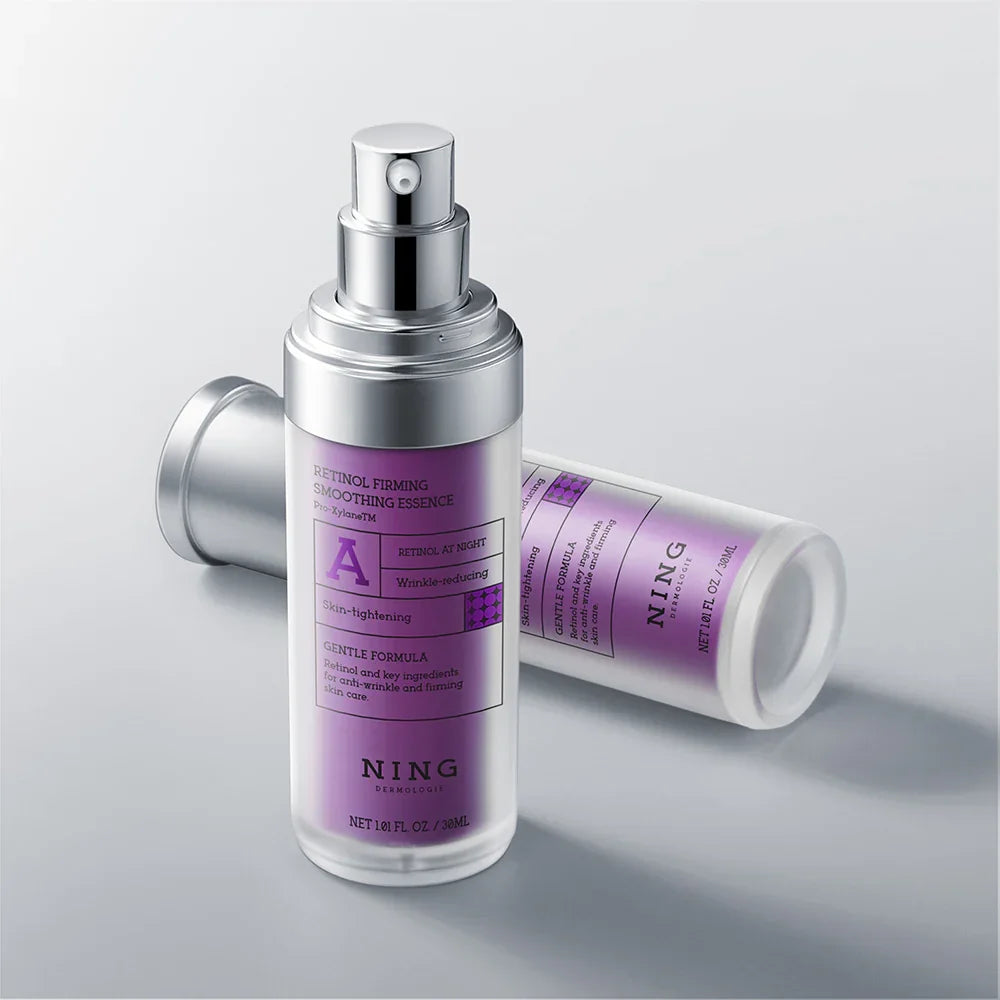
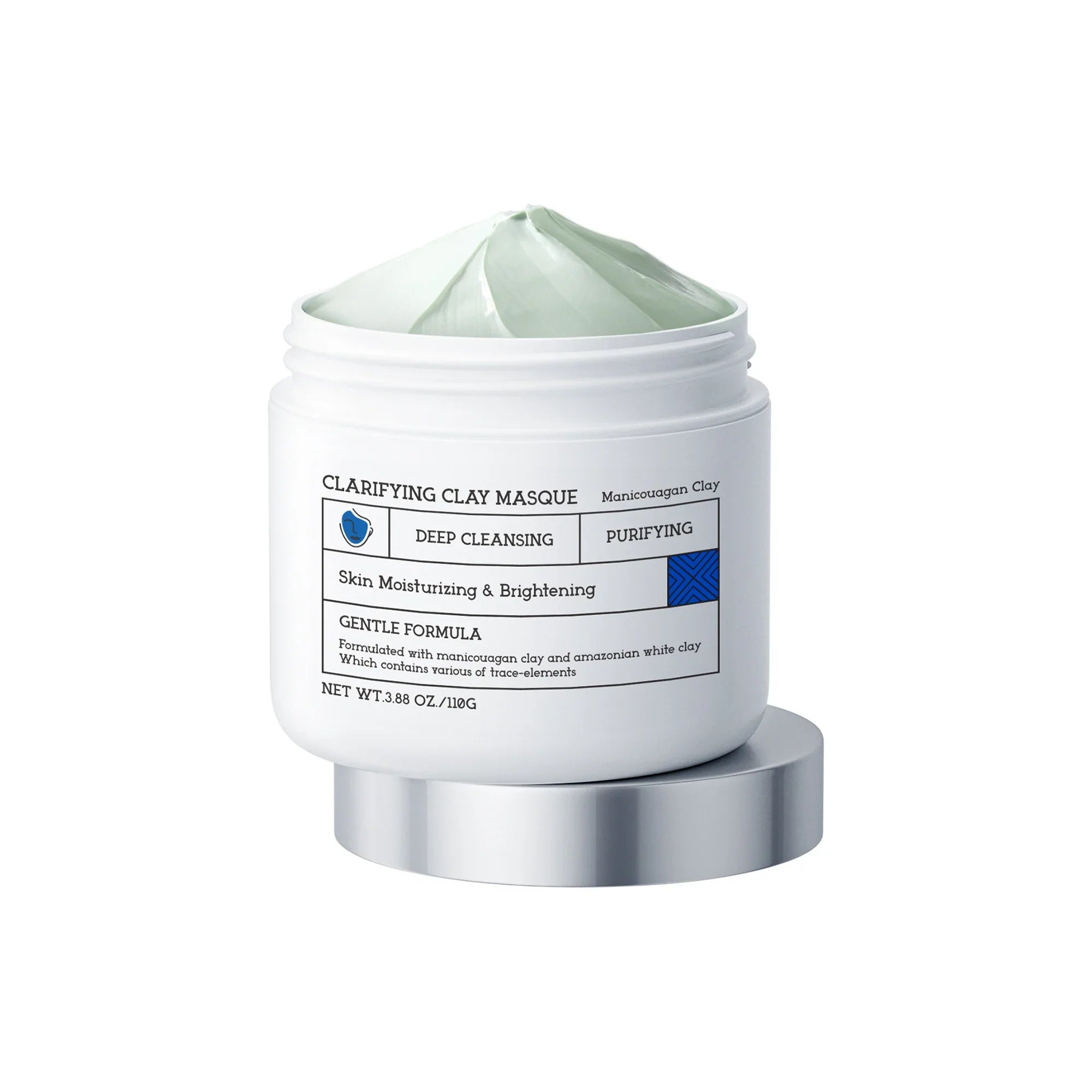
Channel 3: The "Hidden Gems" and Barrier Builders (NING Dermologie)
So, you have found a serum with HA and peptides. Great. But here is the step 90% of people miss, and it’s why their skin still feels dry two hours later.
You have to seal it in.
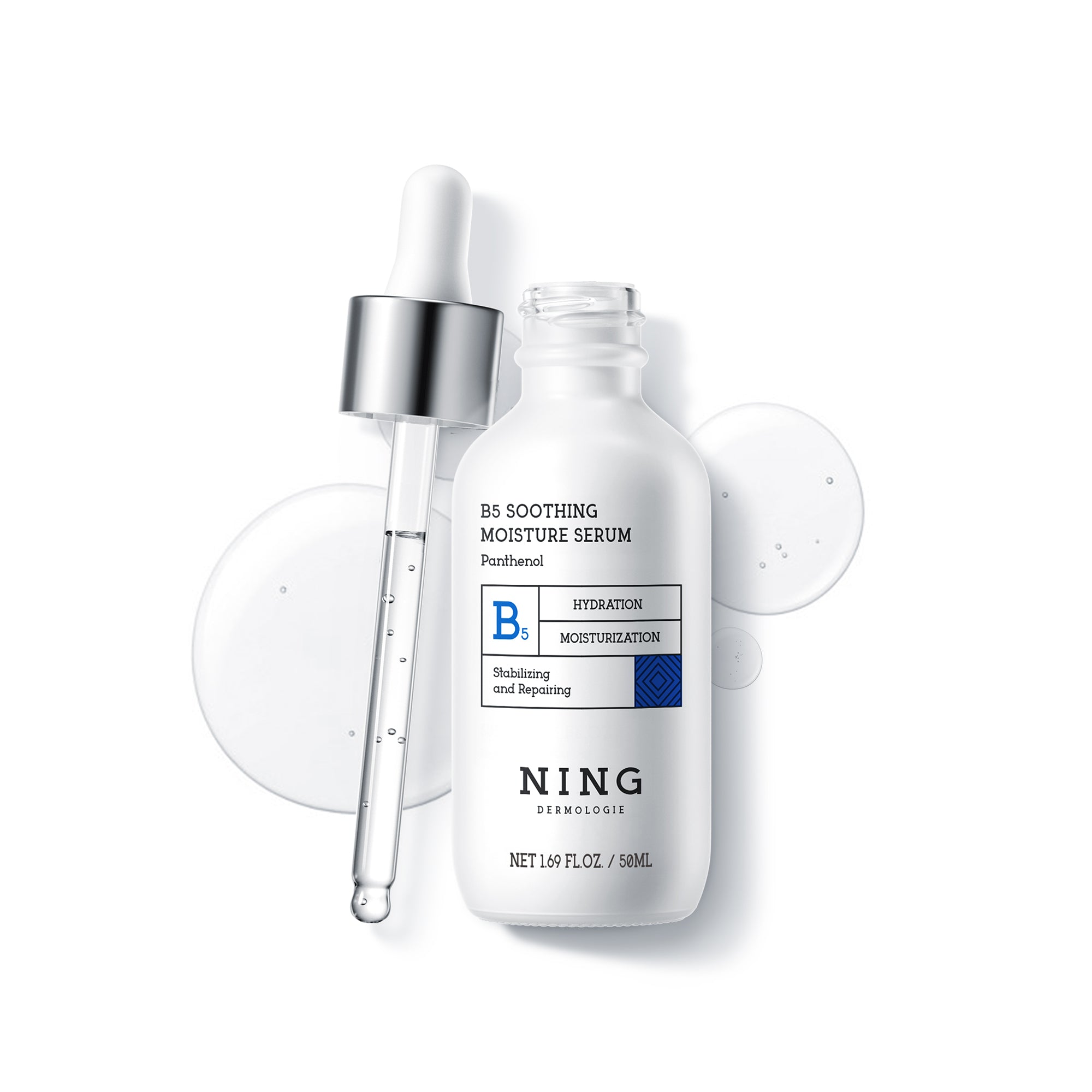
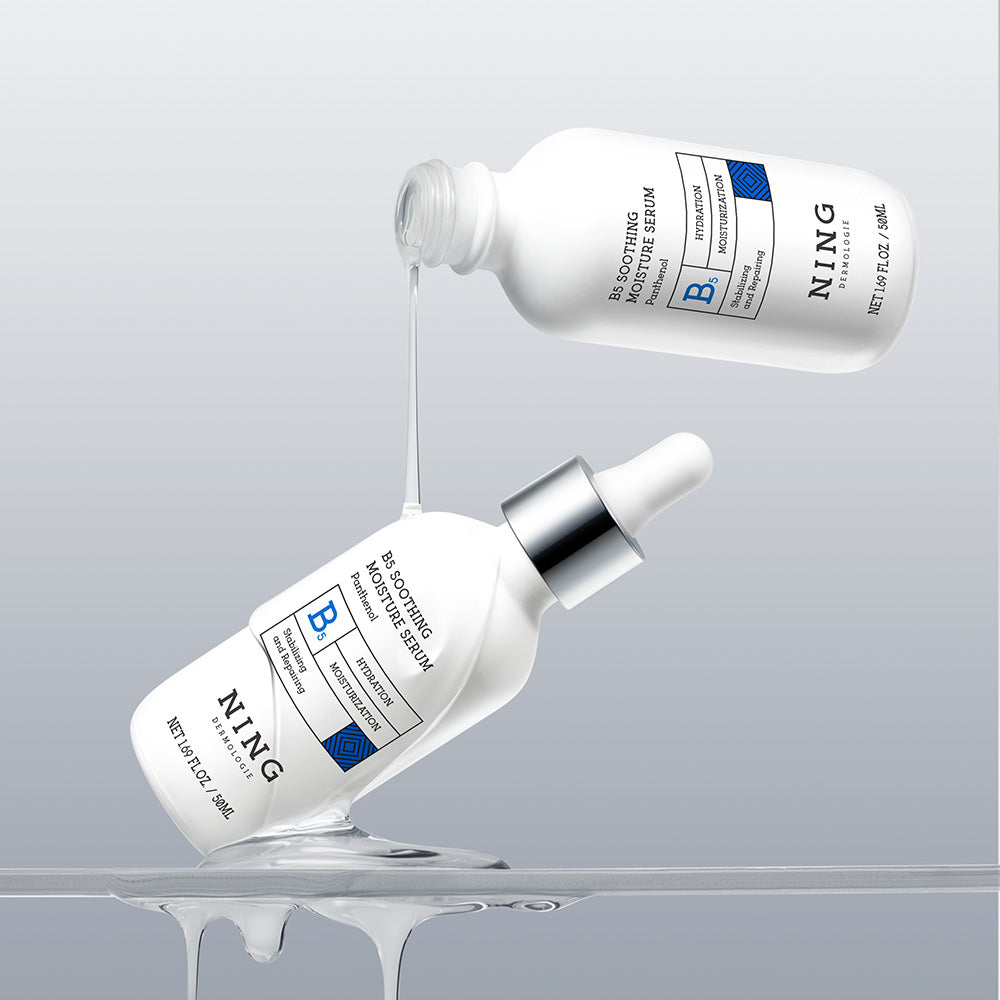
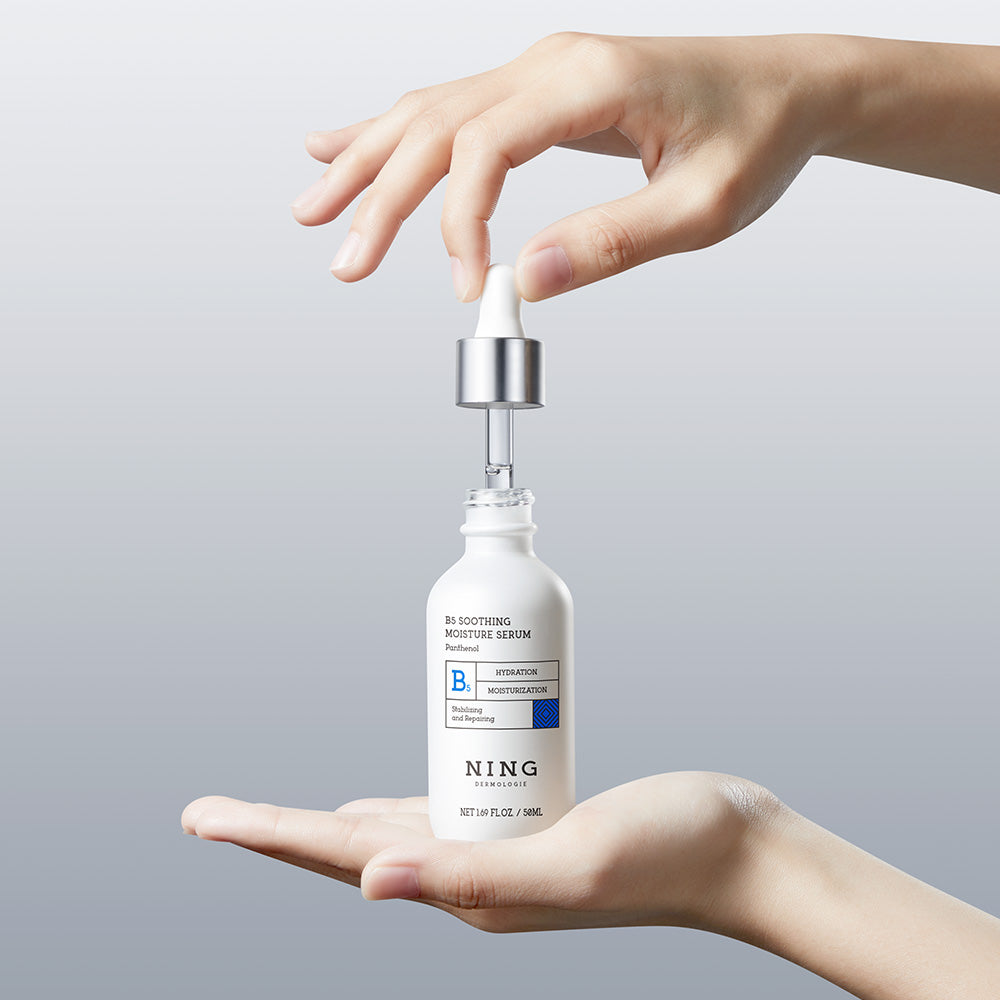
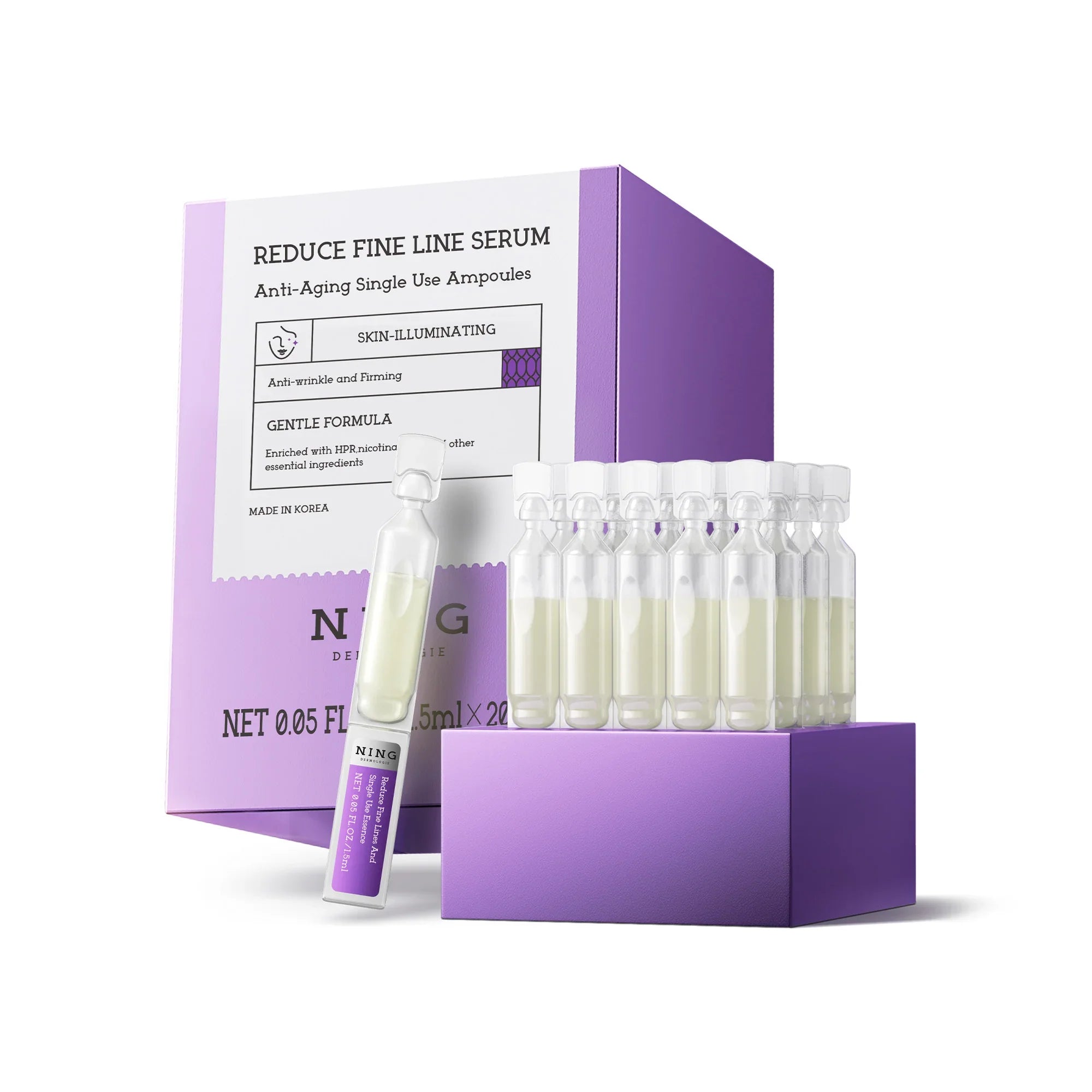
Peptides and HA are water-loving ingredients. If your skin barrier is compromised, they can actually evaporate, pulling water out of your skin. This is where a brand like NING Dermologie comes into play.
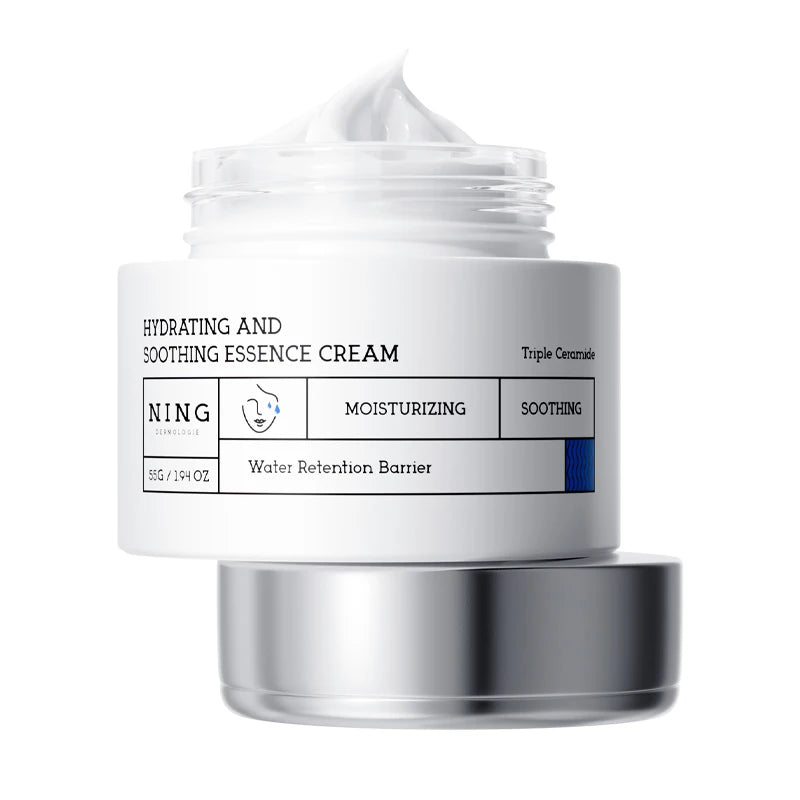
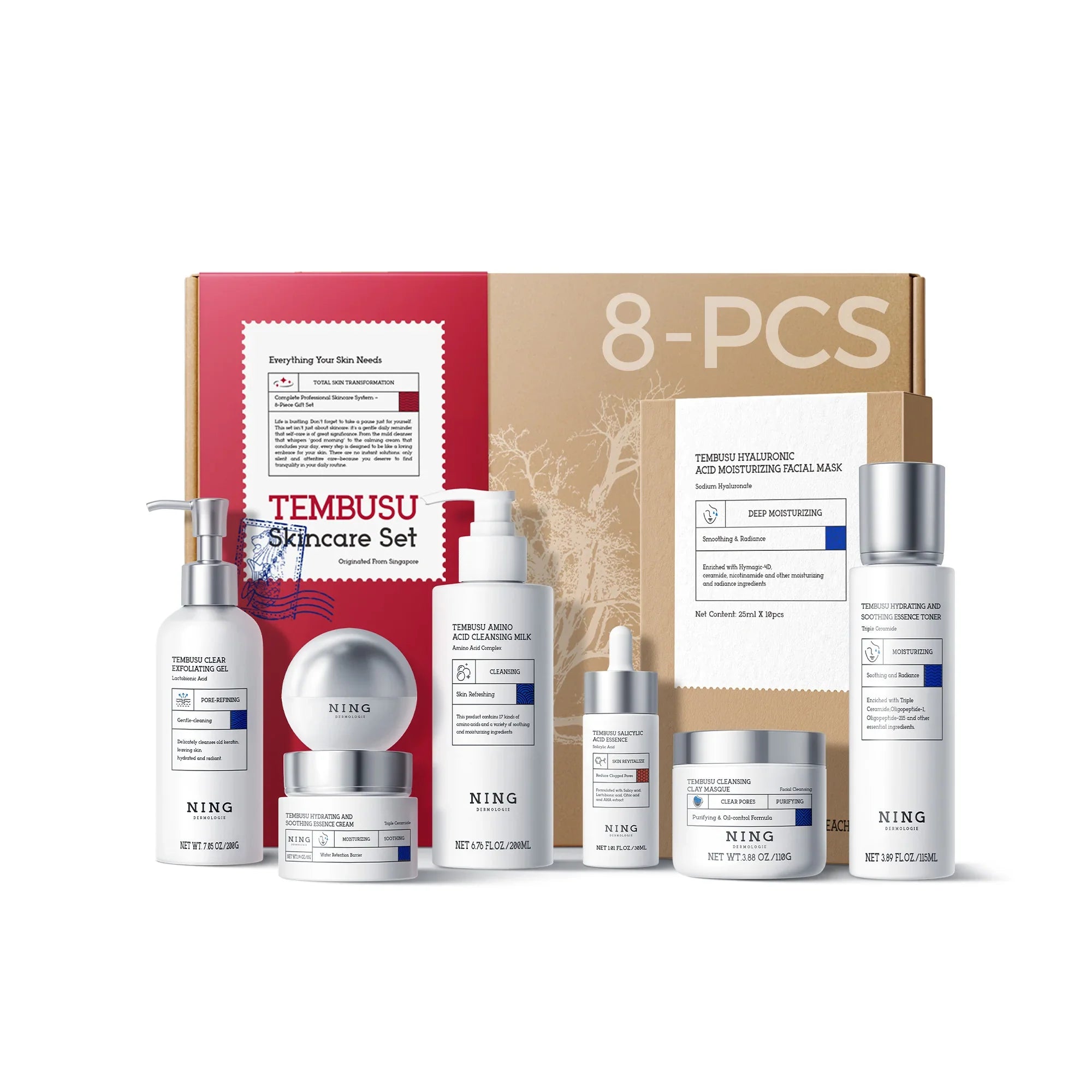
While we are discussing serums, I have to mention that the best partner for a peptide-rich HA serum is a barrier-repairing cream. NING Dermologie has mastered this with their Hydrating & Soothing Essence Cream.
It’s designed to sit on top of your active serums. Think of it as the "lock" to your serum's "key." It reinforces the lipid layer so that the Copper Tripeptide and antioxidants in your serum can actually do their job without escaping.
If you are using a high-powered serum, following up with this cream ensures you tackle fine lines from both angles: deep penetration from the serum, and surface protection from the cream.
Check it out here: Hydrating & Soothing Essence Cream
Channel 4: The Pharmacy & Clinical Brands
If you want something that has been tested to death, head to the "Dermo-Cosmetic" aisle (think French Pharmacy or high-end dermatologist brands).
Here, you are looking for terms like "Restorative," "Lift," or "Defense."
- Vitamin C+ HA formulations are common here.
- Look for ingredients like Ectoin. An Ectoin Advanced Repair Serum is often marketed for sensitive skin but is essentially a super-antioxidant and hydration booster.
How to Read the Label Like a Pro
Regardless of where you shop—whether it's an online boutique where you have to hold the button to confirm you aren't a robot, or a physical store—flip the box over.
Do not just read the front. Here is your checklist:
- Water/Aloe: Should be first.
- Glycerin/Hyaluronic Acid: Should be in the top 5.
- Peptides: Look for words ending in "peptide" (e.g., Palmitoyl Tripeptide-1, Copper Tripeptide-1). If they are listed after the preservative (like Phenoxyethanol), there isn't enough in there to do much.
- Antioxidants: Vitamin C (Ascorbic acid or derivatives), Vitamin E (Tocopherol), Ferulic Acid, or Green Tea extract.
Integrating This Into Your Routine
Okay, you bought the goods. You secured the bag. Thank You for investing in your face. Now, how do you use it?
- Cleanse: Wash your face.
- Dampen: Leave your skin slightly wet. HA needs water to work.
- Serum: Apply your HA + Peptide + Antioxidant serum. This is your "treatment" step.
- Seal (Crucial): Immediately apply a barrier cream like the NING Dermologie Hydrating & Soothing Essence Cream. This locks in the hydration and protects the peptides from breaking down.
A Note on "Qualifying Purchases" and Online Deals
A quick tip for the bargain hunters: When you see a Bottle Promotion online, read the fine print. Often, the Promotion Period is short, and the Qualifying Purchase amount is high.
Don't buy 10 bottles of serum just to get a free tote bag. Serums expire. Peptides are fragile. Buy what you will use in 3-6 months.
If you are browsing a site and see a Daily Hydration Bottle bundle, check the manufacturing dates if possible. Freshness matters, especially with antioxidants.

Summary
Finding a serum that combines Hyaluronic Acid with peptides and antioxidants isn't hard if you know where to look.
- The Ordinary for budget-friendly, single-molecule focus (look for Buffet or Copper).
- Bee Naturals for a botanical twist.
- NING Dermologie for the essential barrier-sealing step that makes the serum actually work.
Your skin is an investment. Don't just water it; feed it.
Frequently Asked Questions (FAQ)
Q1: Can I use copper peptides and Vitamin C together in the same routine?
Generally, no. Copper peptides can oxidize pure Vitamin C (L-Ascorbic Acid), making both less effective. It’s better to use Vitamin C in the morning for protection and your copper peptides at night for repair. If using a stable Vitamin C derivative, you might get away with it, but separating them is safer.
Q2: Is Hyaluronic Acid actually necessary if I drink enough water?
Drinking water helps, but it doesn't target your skin specifically. Topically applied HA acts like a sponge on the surface of your skin, holding moisture there to plump up fine lines instantly. Internal hydration is for your organs; topical hydration is for your glow. You really need both.
Q3: Why is my HA serum making my skin feel drier?
You are probably applying it to dry skin or living in a dry climate without sealing it in. HA pulls moisture from wherever it can find it. If the air is dry, it pulls it out of your skin. Always apply to damp skin and follow with a heavy cream immediately.
Q4: Are expensive peptide serums worth the money over cheap ones?
Sometimes. The cost usually comes down to the delivery system (how deep it gets) and the concentration. Cheap serums might have a "dusting" of peptides just for the label. However, brands like The Ordinary have proven you don't need to spend $100 to get a decent concentration. Check the ingredient list order!
Q5: At what age should I start using peptides?
There is no hard rule, but mid-20s is a sweet spot. This is when collagen production starts to slow down naturally. introducing peptides early acts as "pre-juvenation," helping to maintain skin elasticity before deep wrinkles actually set in. It’s easier to prevent than to correct.





Share:
Are there online platforms providing custom-blended hyaluronic acid serums tailored to individual skin concerns?
Can I order hyaluronic acid serums with organic certification from US-based suppliers?