



Is there anything worse than applying an expensive eye cream, feeling virtuous about your skincare routine, and then five minutes later, tearing up so bad you ruin your concealer?
If you have sensitive eyes, you know the drill. It starts with a subtle heat, turns into a sting, and ends with you splashing water on your face, cursing the "dermatologist-tested" label on the bottle. I’ve been there. As someone who wears contact lenses and stares at a screen for 10 hours a day, my eyes are high-maintenance.
We are constantly bombarded with beauty products promising to erase dark circles and banish fine lines overnight. But for those of us with a reactive skin barrier or eyelid eczema, the priority isn't just results—it's safety. It's about finding gentle formulas that won’t sting.
This isn't just a list of products; it's a guide to navigating the minefield of eye care without hurting yourself. We’re going to talk about ingredients, application techniques that actually matter, and yes, the products that have earned a permanent spot on my vanity, including a massive favorite from NING Dermologie.

The Science of the Sting: Why Do My Eyes Burn?
Before we get to the fun stuff, we need to understand the anatomy. The skin under your eyes is the thinnest on your entire body. It has fewer oil glands and is incredibly permeable. This means active ingredients penetrate faster and deeper here than on your cheeks.
Furthermore, products migrate. It’s a phenomenon driven by body heat. You might apply a cream to your orbital bone, but as your skin warms up, that product travels upward toward the lash line. If the formula contains high levels of fragrance, certain alcohols, or aggressive acids, it seeps into the eye itself.
This leads to what some experts are calling Modern Eye Syndrome—a combination of digital strain, environmental pollution, and product overload leading to chronic dry eyes and irritation.
The Ingredient Checklist: What to Look For (and Avoid)
When scanning an ingredient label (INCI), you want boring. You want soothing.
The Heroes:
- Hyaluronic Acid: The gold standard for hydration. It pulls moisture in without heaviness.
- Biopeptides Serum: Great for stimulating collagen production without the irritation of retinoids.
- Botanical Extracts: Specifically Aloe Vera, Horse Chestnut (great for puffiness), and Green Tea.
- Zinc Oxide: Often found in mineral SPFs, this is surprisingly soothing for the eye area.
The "Be Carefuls":
- Retinol Eye Creams: Retinyl palmitate (a vitamin A derivative) is gentler than pure retinol, but you still need to patch test.
- Vitamin C: Amazing for brightening dark undereye circles, but high concentrations of L-Ascorbic acid can sting. Look for stable derivatives.
- Essential Oils: While natural, things like peppermint or heavy citrus oils are a nightmare for sensitive mucous membranes.
Texture Matters: Gel, Cream, or Balm?
The vehicle delivers the active. For sensitive eyes, I almost always recommend a liquid or gel serum over a heavy cream.
Why? Heavy creams and oils (like Coconut Oil or thick Coconut Eye Balm) can be occlusive. While they trap moisture, they can also trap heat and trigger milia (tiny white bumps) or migrate into the eye faster. A lightweight hydrating formula absorbs quickly, staying where you put it.
The Morning Routine: Prepping for the Day
Your morning routine is about protection and depuffing.
- Cleanse: Skip the harsh scrubs. If you have leftover makeup, use a micellar technology cleanser. Bioderma Sensibio H2O is a classic for a reason—it respects the skin's pH.
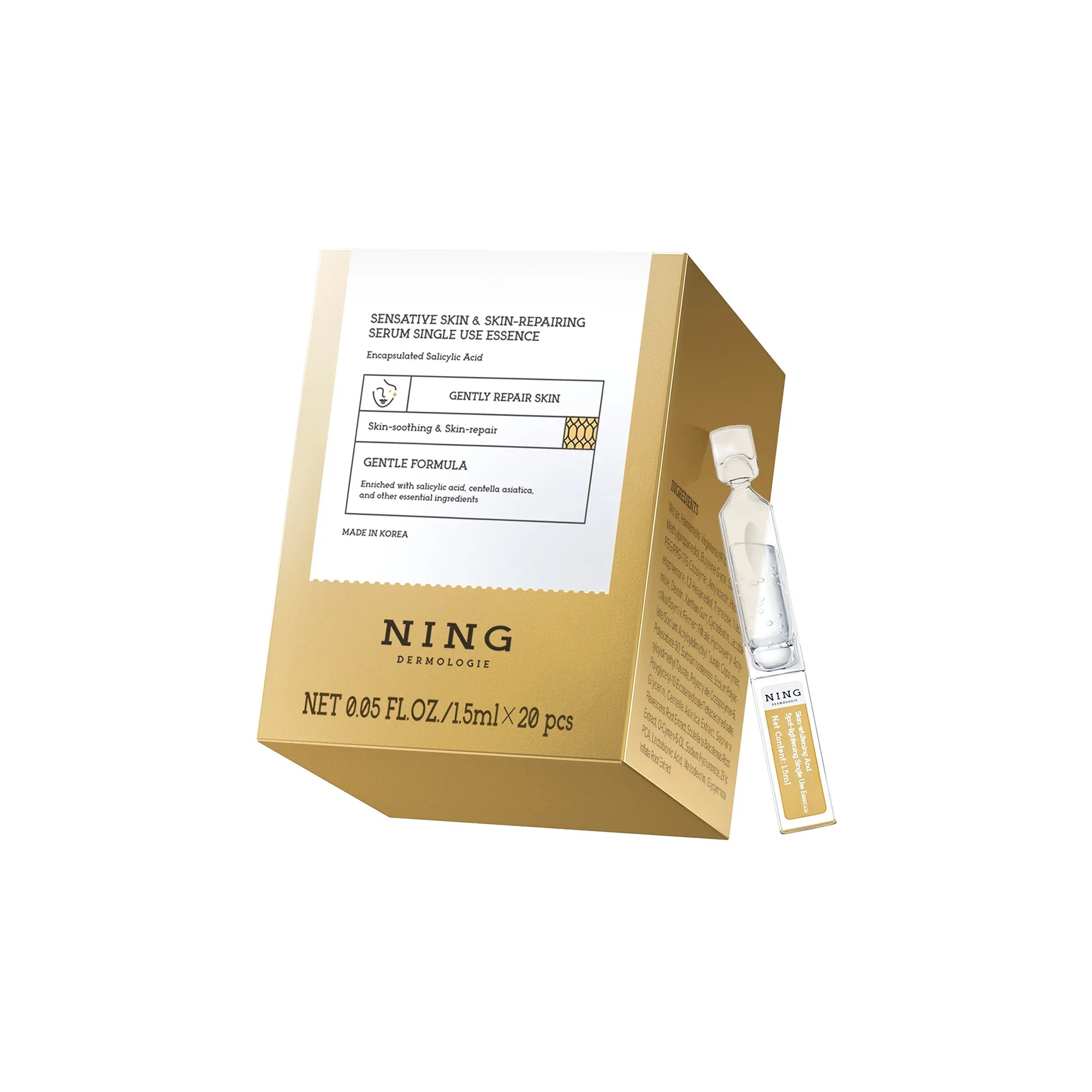
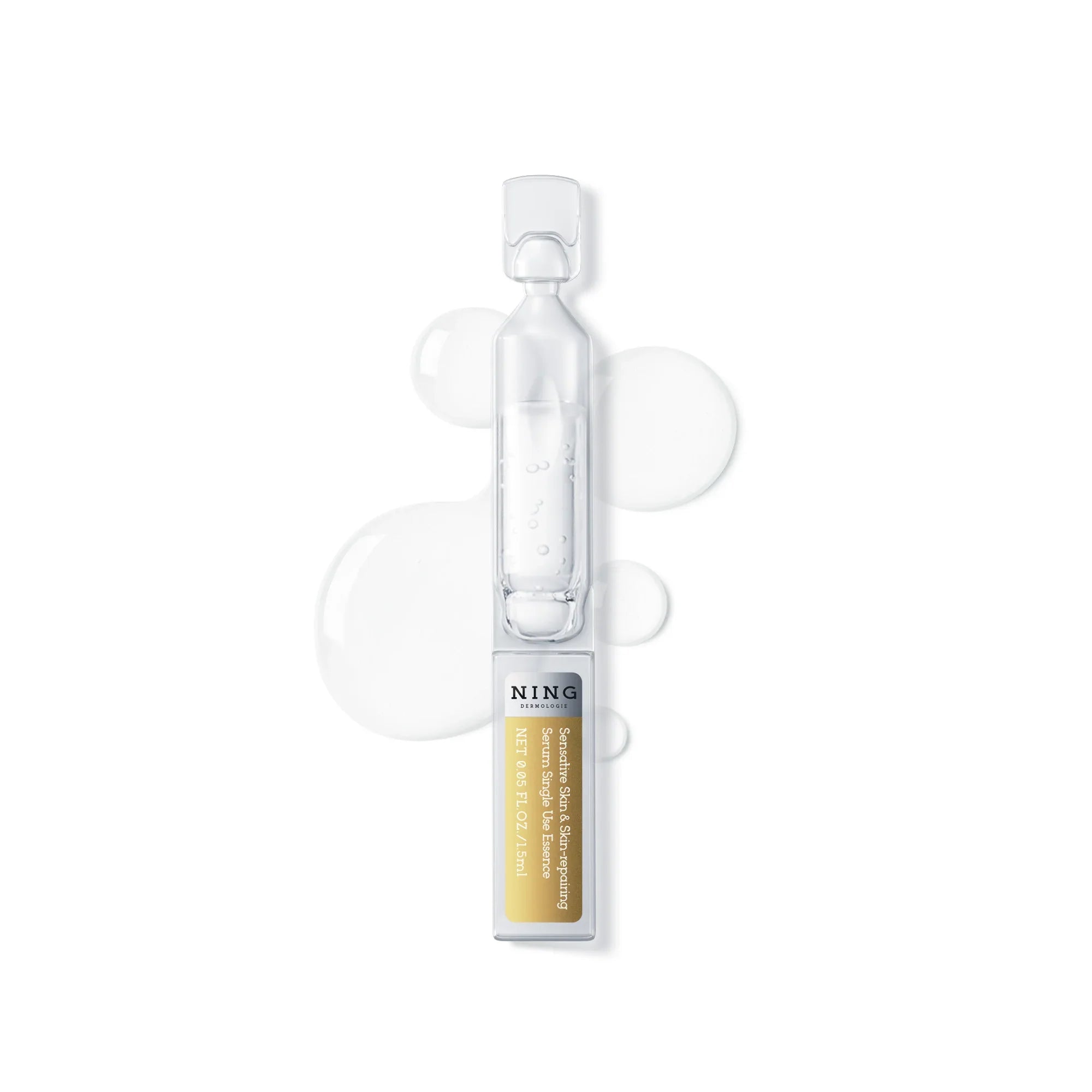
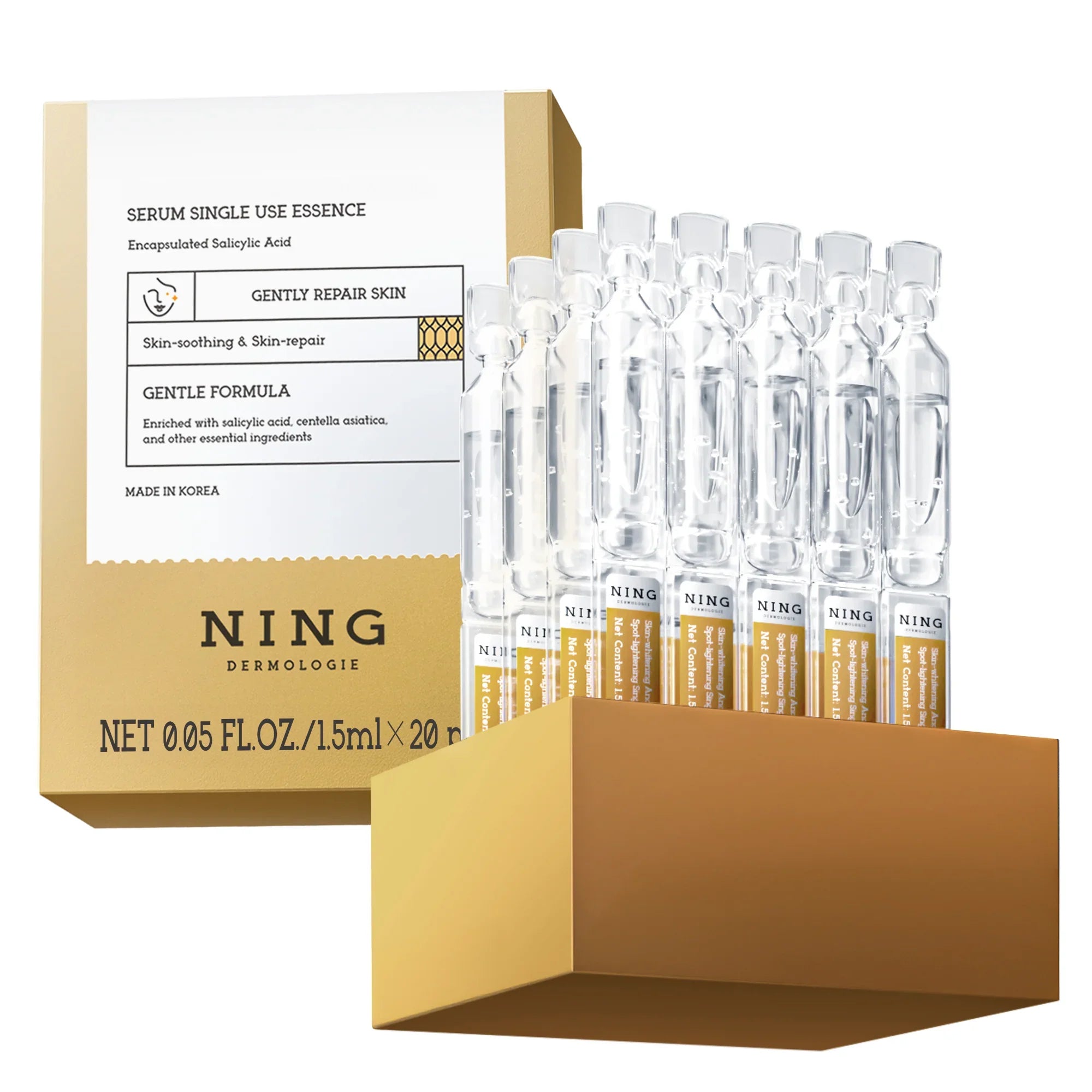
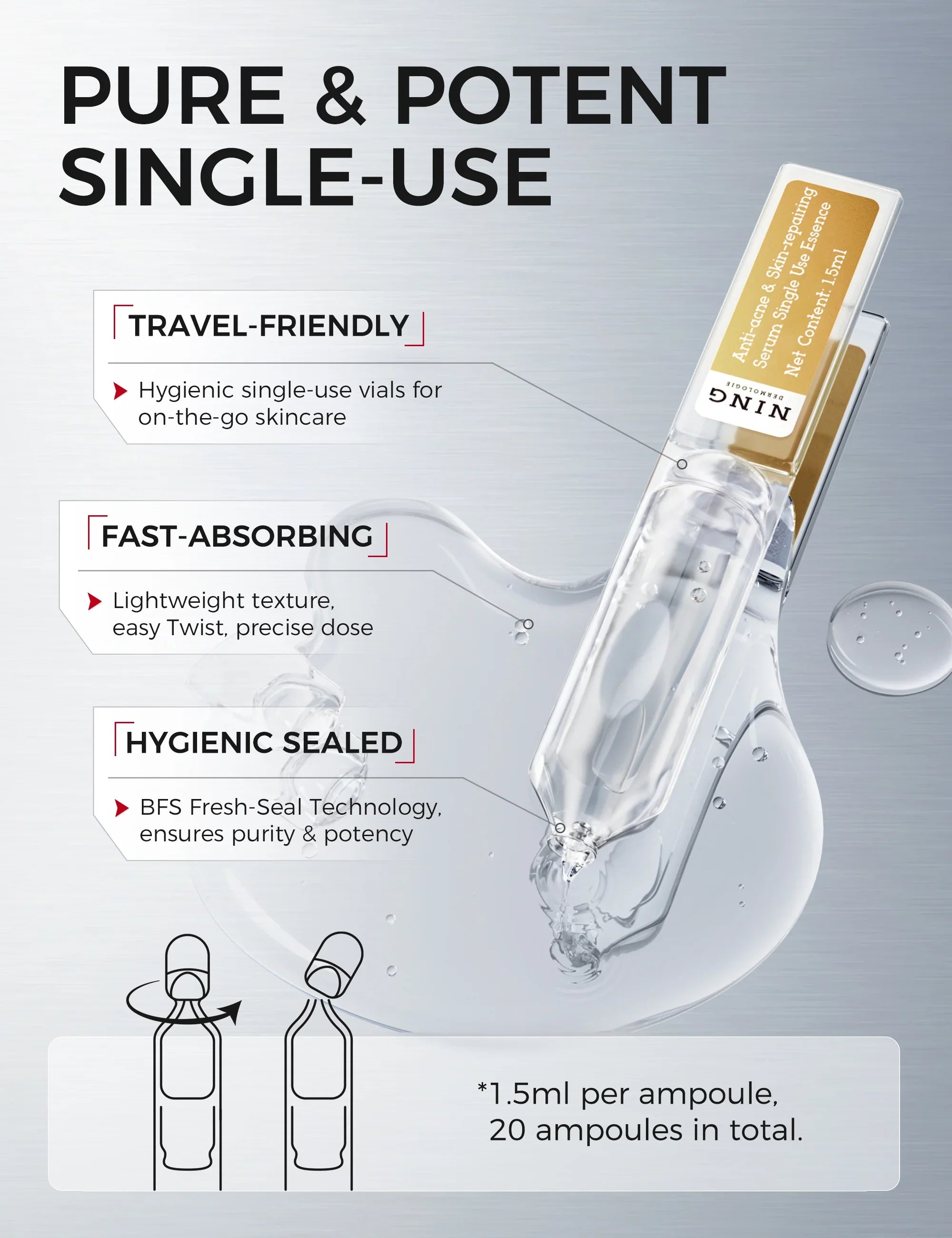
- The Serum Step: This is where NING Dermologie comes into play. I’ve been testing their Lifting & Tightening Eye Essence lately, and it is a breath of fresh air for reactive skin.
-
- Why it works: It uses a blend of Wheat germ extract and Soybean sprout extract. These aren't just filler; they are gentle powerhouses that help firm the skin without the "burn" associated with synthetic tightening agents.
- It’s a liquid or gel serum texture, meaning it sinks in instantly. No greasy residue interfering with your concealer.
- Get it here: Lifting & Tightening Eye Essence
- SPF is Non-Negotiable: Use a mineral-based SPF. SPF 40 or higher is ideal. If chemical filters sting, stick to zinc oxide.
The "Everything Else" That Affects Your Eyes
We tend to isolate eye cream as the only factor in eye sensitivity, but it's a holistic issue.
1. The Mascara Variable
You can use the gentlest serum in the world, but if your mascara flakes, you’re going to suffer. I’ve ditched standard formulas for tubing mascaras or high-end options that stay put. Clinique Lash Power Mascara, Hourglass Caution, and Le Volume de Chanel are fantastic. They don’t crumble into the eye. For a budget pick, MCoBeauty Xtend Lash is surprisingly good.
2. Makeup Removal
Stop rubbing your eyes! Friction breaks capillaries and causes dark circles. Soak a cotton pad in Micellar Waters or a dedicated eye makeup remover and hold it over the eye for 10 seconds. Let the chemistry do the work.
3. Lash Serums
Many of us use a lash serum like Lashes2Love FullGrowth Serum or Grandelash. Be warned: Prostaglandin analogs in some lash serums are notorious for causing redness and orbital fat loss. If your eyes are sensitive, stick to peptide-based lash conditioners.
4. Lifestyle & "Modern Wellbeing"
It sounds trendy, but modern wellbeing impacts your eyes. Women's fitness trends now emphasize high-intensity workouts. If you are sweating with heavy eye cream on, that sweat carries the product right into your eyes.
- Tip: If you have an intense exercise plan, wash your face before the workout, or at least wipe the eye area.
- Lymphatic Drainage: If you wake up puffy, use a rollerball applicator or a cool spoon. It works better than caffeine for physical fluid retention.
Top Picks: The Best Serums & Creams (Tried & Tested)
Aside from our top pick from NING Dermologie, here is how the rest of the market stacks up for the sensitive-eyed crew.
1. The Heavy Hitter for Dryness: La Roche-Posay The La Roche-Posay Toleriane Dermallergo Eyes (formerly Ultra) is the safety blanket of eye creams. It’s sterile, airtight, and incredibly basic—in a good way. If you have eyelid eczema, this is your reset button. Their La Roche-Posay Toleriane Eye Cream is similar but slightly lighter.
2. The Brightener: Sunday Riley vs. The World Sunday Riley Auto Correct Eye Cream gets a lot of hype. It has caffeine and horse chestnut to depuff. Does it work? Yes. Does it sting? Occasionally, if your barrier is compromised. For a gentler brightening alternative, look for products using organic ingredients like rosehip oil or lower doses of Vitamin C.
3. The Primer Hybrid: Bobbi Brown The Bobbi Brown Vitamin Enriched Eye Base is iconic because it doubles as a concealer grip. It’s rich, so use sparingly.
4. The Clinical Route: iS Clinical iS Clinical Youth Eye Complex is pricey, but Dr. Shereene Idriss and Dr. Catherine Chang often mention the brand for its efficacy. It uses growth factors. It’s effective for skin rejuvenation, but the price point is painful.
5. The Budget Hero: e.l.f. Skin The e.l.f. Skin Holy Hydration Eye Cream is decent for the price. It has colloidal oatmeal, which is soothing, though it lacks the advanced anti-aging punch of Biopeptides Serum.
Why NING Dermologie Stands Out in a Crowded Market
I want to circle back to the Lifting & Tightening Eye Essence. In a market obsessed with "more is more"—more acids, more retinol, more peel—NING Dermologie has taken a different approach.
Their business model seems to focus on barrier health first. By utilizing Wheat germ extract and Soybean sprout extract, they are feeding the skin nutrients rather than forcing it to turnover aggressively. This makes it safe for daily use even on sensitive skin.
When you apply it, don't drag. Tap it along the orbital bone using your ring finger. The hydrating ingredients will migrate just enough to treat the under-eye without flooding the lash line. It provides eye hydration that lasts, preventing that crêpey look that happens around 3 PM.
Plus, it layers beautifully under SPF 40 and makeup. I've worn it under waterproof eye makeup and it didn't cause any separation or sliding.
The Verdict
Finding the "Best" eye serum is subjective, but for sensitive eyes, safety comes first.
- Avoid high fragrance and volatile alcohols.
- Prioritize barrier-repairing ingredients like hyaluronic acid and botanicals.
- Check your mascara and makeup remover; they are often the hidden culprits.
- Try the NING Dermologie Lifting & Tightening Eye Essence if you want firming benefits without the tears.
Your eyes do a lot for you. Stop burning them in the name of beauty.

Frequently Asked Questions (FAQ)
Q1: Can I use facial moisturizer under my eyes instead of a specific eye serum?
A: You can, but it’s risky for sensitive eyes. Facial moisturizers often contain stronger concentrations of acids or fragrances that can irritate thinner eyelid skin. Dedicated eye serums like NING Dermologie’s are pH-balanced specifically for the ocular area to prevent stinging and puffiness.
Q2: Why does my concealer pill (roll up) over my eye cream?
A: This usually happens if you’re using a silicone-heavy primer over an oil-based cream. To fix this, switch to a lightweight liquid serum (like a hydrating formula) and wait at least 60 seconds for it to fully absorb before applying makeup. Less is more.
Q3: Is retinol safe for sensitive eyes?
A: Proceed with extreme caution. Pure retinol often causes "retinol burn" on eyelids. Look for retinyl palmitate or bio-alternatives like peptides. If you must use retinol, apply a buffer layer of plain moisturizer first, and only use it 2-3 times a week at night.
Q4: How do I apply eye serum without stretching the skin?
A: Use your ring finger—it’s the weakest finger, so it naturally applies less pressure. Dot the product along the orbital bone (the hard bone under your eye), not the lash line. Tapping promotes better absorption and mild lymphatic drainage.
Q5: My eyes are puffy every morning. Will a serum fix this?
A: A serum helps, but cold temperature is better. Store your eye serum in the fridge or use a metal rollerball applicator. The cold constricts blood vessels. Also, check your salt intake and try sleeping with your head slightly elevated to prevent fluid pooling.





Share:
Best Eye Serum for Fine Lines: What Works, What’s Overhyped, and How to Layer
Matte Facial Sunscreen Cream for Oily Skin: Control Shine Without Feeling Heavy