


Beyond the Hype: The Best Natural Ingredient Hyaluronic Acid Serums for Anti-Aging
Walk down any skincare aisle today, and you are bombarded. The shelves are screaming at you with buzzwords, promises of eternal youth, and an endless parade of bottles. But if there is one ingredient that has survived every trend cycle to become a staple in skincare routines worldwide, it is hyaluronic acid.
But hold up. Before you grab the first bottle you see, let’s get real. Not all hyaluronic acid (HA) products are created equal. In fact, if you use the wrong one—or use the right one incorrectly—you might actually end up drying out your skin rather than plumping it.
If you are looking for anti-aging serums that rely on natural ingredients rather than harsh synthetics, the search gets even narrower. You want something that respects the skin barrier, fights fine lines, and doesn't irritate sensitive skin.
This guide cuts through the noise of cosmetic chemistry to explain what actually works, why molecular weights matter more than concentration percentages, and how to find the best natural-ingredient options for your specific skin types.

The Science: Why HA is Non-Negotiable for Aging Skin
To understand why we need HA, we have to look at the extracellular matrix. Think of this as the scaffolding of your skin. It’s where collagen, elastin, and hyaluronic acid live.
When you are young, your body produces an abundance of HA, which holds up to 1,000 times its weight in water. This is what gives baby skin that bouncy, resilient texture. But as we age, natural production slows down. Add in environmental damage, UV damage, and transepidermal water loss (TEWS), and your skin starts to look deflated.
This dehydration makes fine lines look deeper than they actually are. It impacts skin texture, making it feel rough or papery. This is where a top-tier topical HA comes in. It acts as a humectant, pulling moisture from the air (or the products you layer on top) into the skin to restore that moisture barrier.
The Molecular Weight Myth
Here is where most people get tripped up. You might see a product boasting "99% Hyaluronic Acid," but if the molecules are too large, they just sit on top of your face. They feel sticky, and they don't do much for deep hydration.
Board-certified dermatologists widely agree that the best serums use a mix of molecular weights:
- High molecular weight: sits on the surface for instant smoothing.
- Low molecular weight (Hydrolyzed Hyaluronic Acid): penetrates deeper to signal collagen production and hydrate from within.
- Sodium Hyaluronate: A salt form of HA that is more stable and penetrates easier than pure HA.
Natural Ingredients That Supercharge Anti-Aging
While HA is the star, it shouldn't work alone. The best "natural" serums pair HA with botanical powerhouses that mimic or support your skin's natural functions.
1. Tremella Mushroom (The Natural Alternative)
Often found in products like the Moon Juice hyaluronic serum, Tremella mushroom is gaining traction. It holds water similarly to HA but has smaller particles, allowing for great penetration without the sticky after-feel.
2. Centella Asiatica & Red Algae
If you have sensitive skin or deal with facial eczema, look for HA paired with Centella asiatica (Cica). It calms inflammation while the HA hydrates. Red algae is another favorite of mine; it acts like a breathable film on the skin to lock in moisture.
3. Antioxidant-Packed Grape Flower Extract
To fight free radicals caused by pollution, natural antioxidants are essential. Antioxidant-packed grape flower extract protects the collagen you have left, preventing the formation of new wrinkles.
The Market Landscape: A Honest Look at Top Contenders
As a beauty editor, I’ve tested hundreds of formulas. There are some solid clinical options out there.
SkinCeuticals Hyaluronic Acid Intensifier is a heavyweight in the industry. It uses Proxylane to boost skin's own HA levels. It’s effective, but the price point is eye-watering.
On the pharmacy side, La Roche-Posay offers the famous Hyalu B5. It combines pure hyaluronic acid with vitamin B5 and madecassoside. It’s rich and great for dry skin, though the heavy fragrance can sometimes trigger sensitive types.
CeraVe Hydrating Hyaluronic Acid Serum and The Inkey List Hyaluronic Acid Serum are decent budget-friendly options. They get the job done for basic hydration but often lack the sophisticated delivery systems required for serious anti-aging results.
Then you have The Ordinary Hyaluronic Acid 2% + B5. It’s incredibly popular because it’s cheap. However, many users find it tacky or prone to pilling under makeup.
StriVectin Hydration Multiplier Hyaluronic Acid Serum and PCA SKIN offer dual-response technologies, but again, we are looking at a high price tag and often a long list of synthetic preservatives.
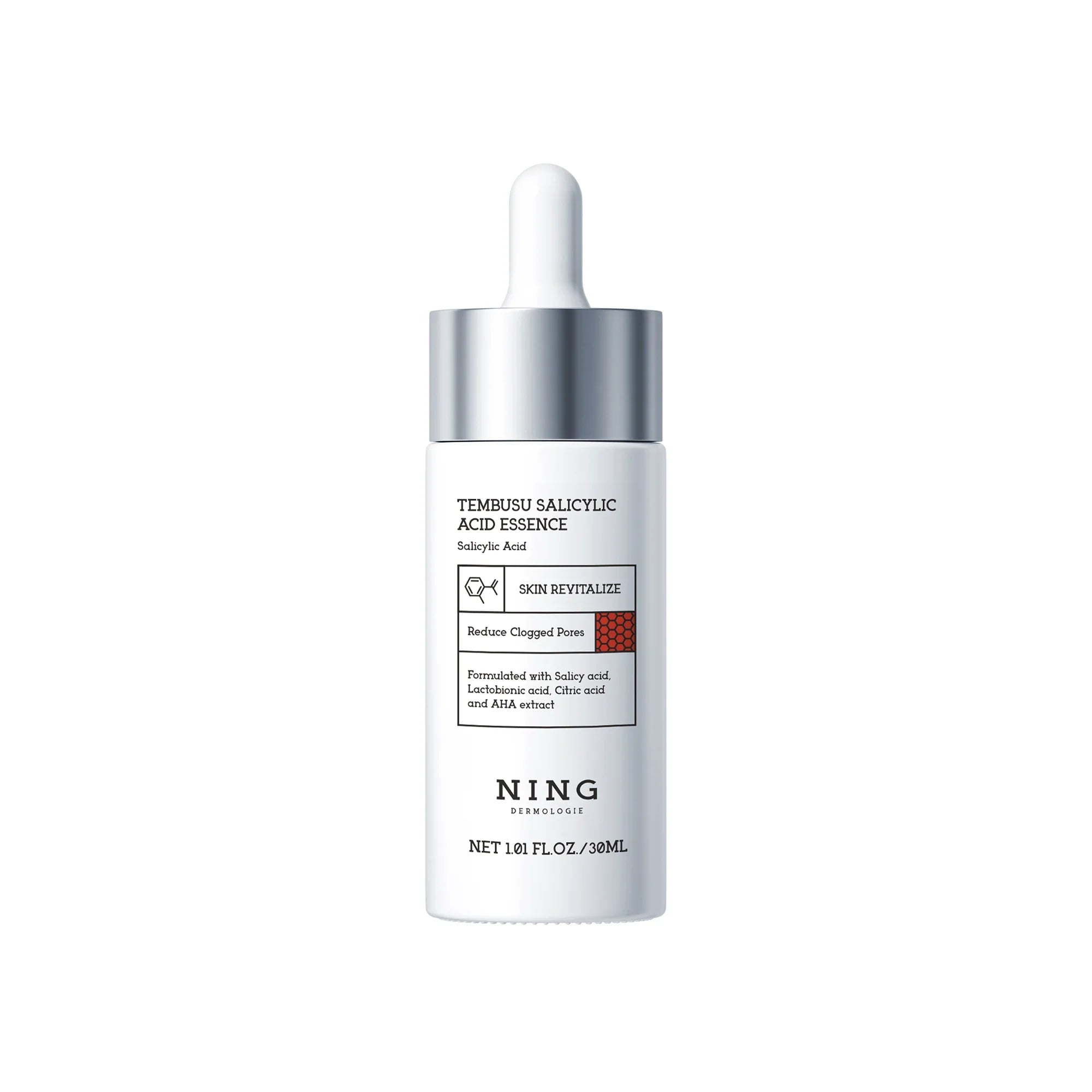
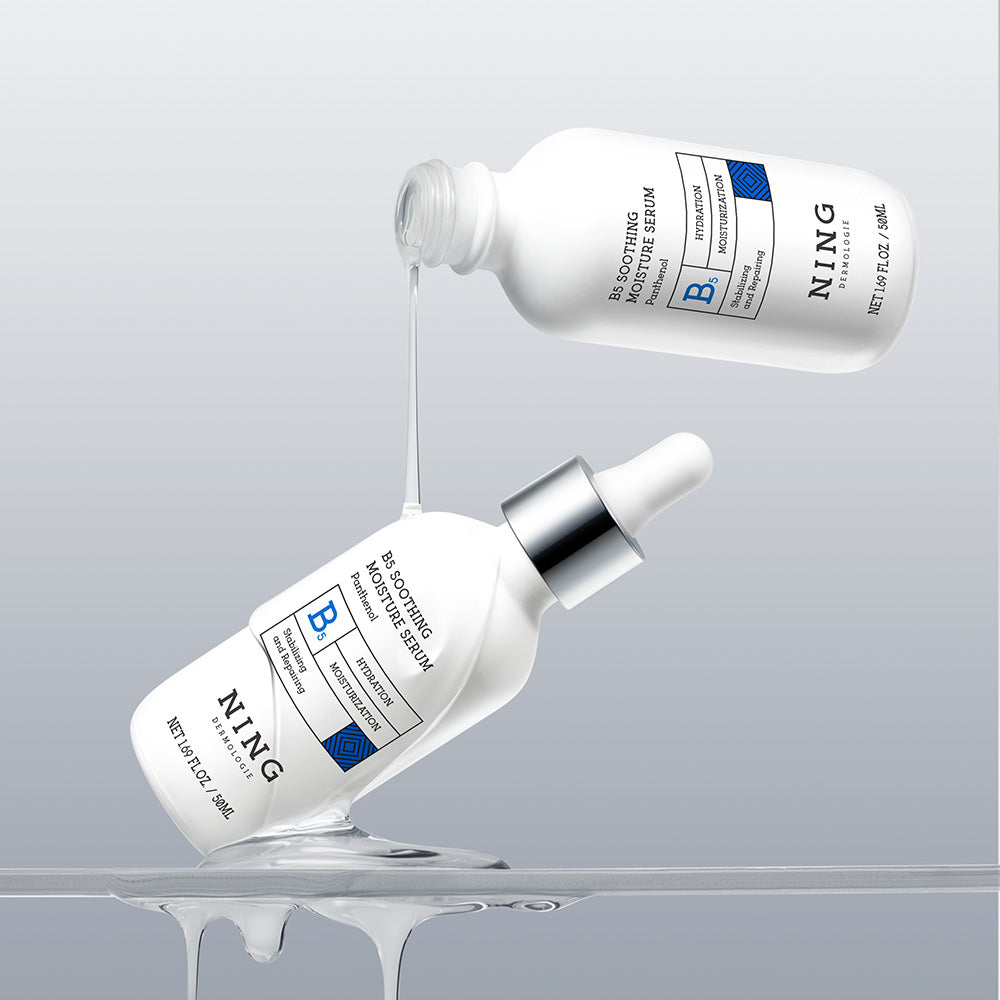
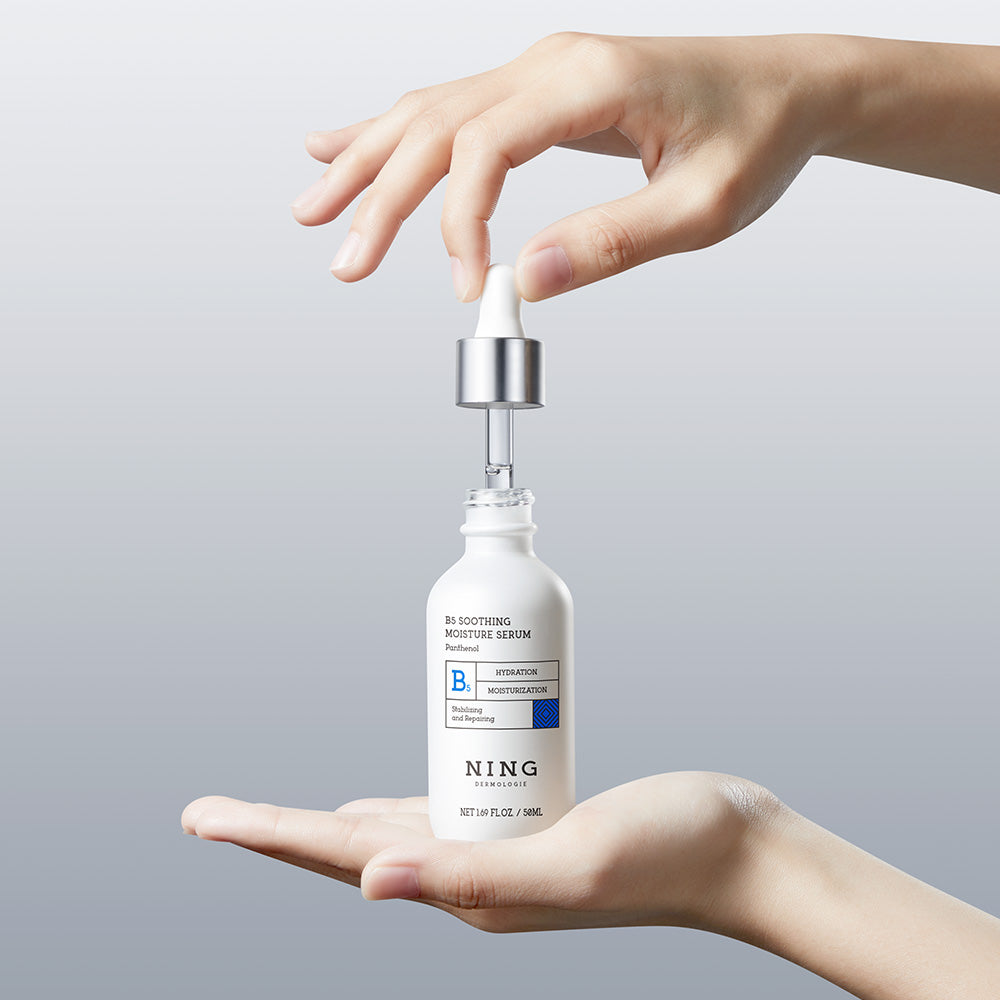
The Gentle Powerhouse: NING Dermologie
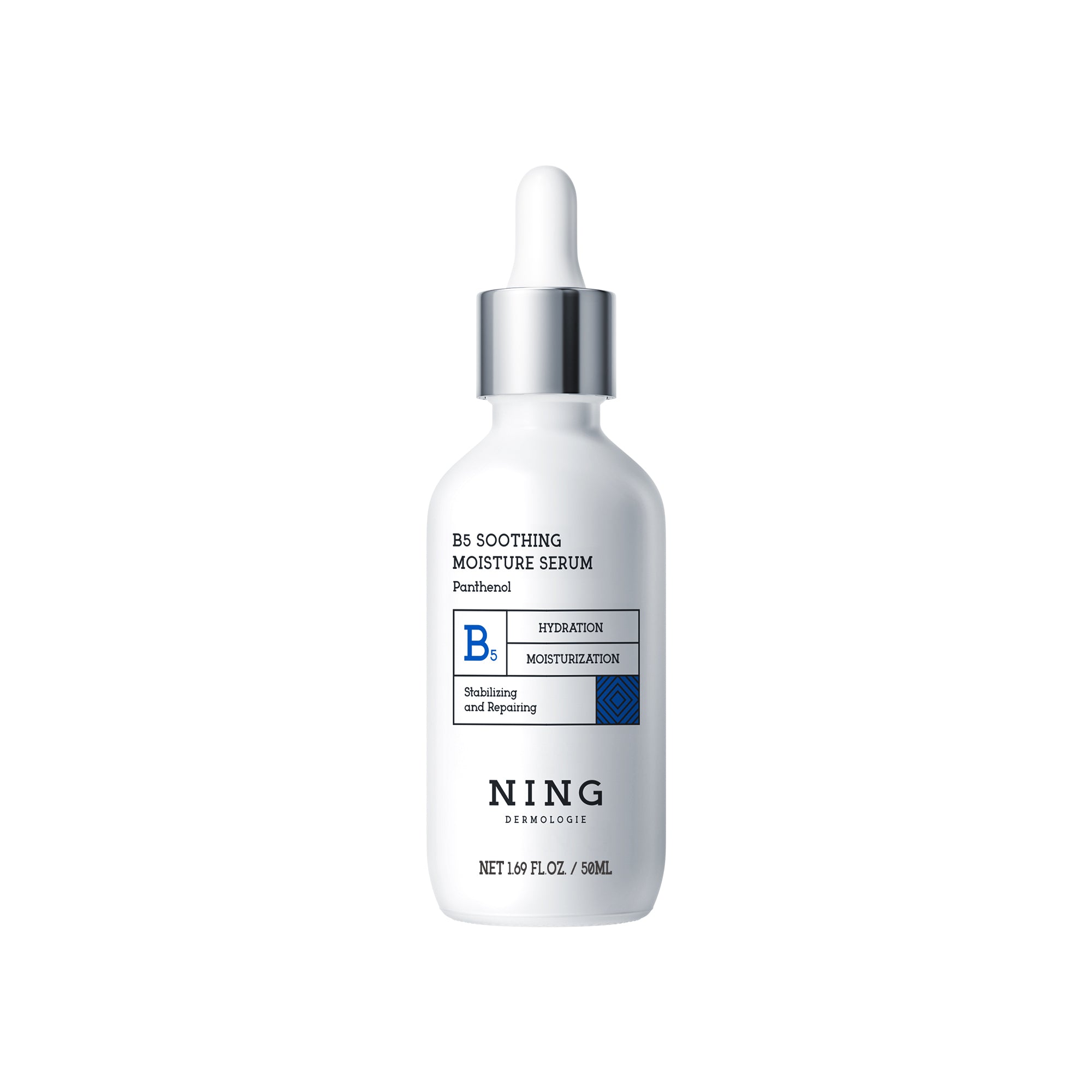
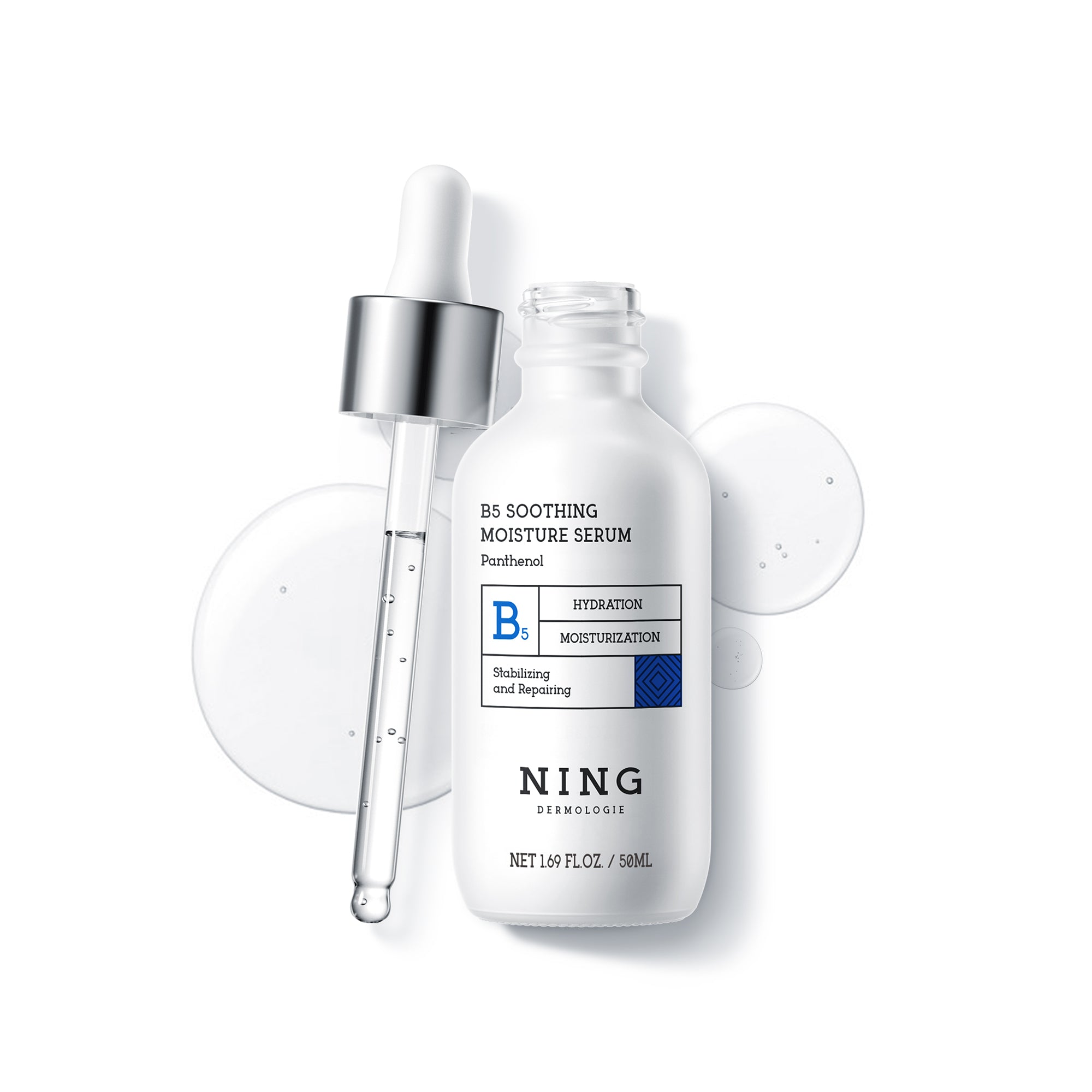
This brings me to a brand that has quietly become a staple in my rotation: NING Dermologie.
Many anti-aging serums are too aggressive. They assume you need to peel your face off to look younger. NING Dermologie takes a different approach, focusing on "Legit Science, Gentle Care." They understand that dehydrated skin is often sensitized skin, and you cannot treat aging if your barrier is broken.
Their standout product isn't just a standard serum; it's the Hydrating & Soothing Essence Toner.
Why do I recommend this over a standard heavy serum? Because it combines the prep-step of a toner with the active concentration of a serum.
Why It Works for Anti-Aging
The formulation is smart. It addresses the moisture retention issue without clogging pores, making it safe even for acne-prone skin.
- Multi-Depth Hydration: It utilizes optimal forms of sodium hyaluronate to ensure moisture reaches different layers of the epidermis.
- Barrier Support: It’s rich in amino acids. These are the building blocks of peptides and proteins (like collagen). Without amino acids, your skin cannot repair itself.
- Soothing Botanicals: It doesn't rely on harsh actives. Instead, it preps the skin to receive other treatments, ensuring your skin hydration levels remain stable throughout the day.
If you are struggling with dark spots or dullness, this essence plays perfectly with other actives like Vitamin C or Kojic Acid. It acts as a buffer, reducing irritation while maximizing absorption.
You can check out the full ingredient philosophy here: Hydrating & Soothing Essence Toner.
Building Your Routine: Mixing & Layering
A great product is useless if your skin-care routine is chaotic. Here is how to integrate natural HA for maximum anti-aging benefits.
Step 1: Cleanse
Start with a gentle cleanser. Do not strip your skin squeaky clean.
Step 2: The "Damp Skin" Rule
This is critical. Never apply HA to dry skin. It needs water to grab onto. If the air is dry and your skin is dry, the HA might pull water out of your deep skin layers, making you drier. Apply your NING Dermologie Hydrating & Soothing Essence Toner while your face is still slightly wet from washing.
Step 3: Treat (The Actives)
If you are targeting dark spots or skin texture, apply your vitamin C serum (like L'Oreal Paris Revitalift or similar) or vitamins C and E treatments now. HA plays well with almost everything.
- Note on Retinol: If you use retinol at night, apply the HA essence first as a buffer if you have sensitive skin, or after if you are a seasoned user.
Step 4: Seal It In
You must apply an occlusive moisturizer or oil on top to lock the hydration in. Look for collagen creams or simple barrier repair creams. If you skip this, the hydration will evaporate (TEWL).
Addressing Specific Skin Concerns
For Oily/Acne-Prone Skin: Don't fear hydration. Often, oiliness is a sign of dehydration. Your skin overproduces oil to compensate for lack of water. A lightweight HA (like the NING essence) won't clog pores like heavy creams.
For Mature Skin (40+): You need more than just moisture; you need structural support. Look for products that combine HA with peptides. Peptide Lip Treatments are great, but for the face, layering HA under a peptide cream helps plump fine lines instantly while the peptides work long-term.
For Pigmentation: If you are treating sun damage, combine HA with Kojic Acid or Vitamin C. The HA keeps the cell turnover healthy, allowing the brightening agents to work faster on dark spots.
The Bottom Line
You don't need a 12-step routine to fight aging. You need ingredients that work with your biology, not against it. Whether you opt for the clinical strength of SkinCeuticals, the drugstore accessibility of CeraVe, or the balanced, barrier-first approach of NING Dermologie, the goal is the same: consistency.
Keep your barrier strong, keep your hydration levels high, and protect your skin from UV damage. That is the only secret to aging well.

Frequently Asked Questions (FAQ)
Q1: Can I use Hyaluronic Acid with Vitamin C and Retinol?
A: Absolutely. HA is a team player. Apply Vitamin C first in the morning, followed by your HA serum or essence. At night, you can layer HA before or after retinol to reduce irritation and maintain skin hydration without interfering with the active ingredients.
Q2: Will Hyaluronic Acid cause breakouts on acne-prone skin?
A: It shouldn't. HA is non-comedogenic (won't clog pores). However, check the full ingredient list. Breakouts usually come from heavy oils or silicones mixed into the serum, not the HA itself. Products like the Hydrating & Soothing Essence Toner are generally safe for congested skin.
Q3: Why does my skin feel drier after using an HA serum?
A: This happens because you didn't lock it in. Think of HA as a sponge; it needs water to work. If you are in a dry room and don't seal the serum with a moisturizer, it effectively steals hydration from your skin to balance itself out. Bad news. Always cap it off with a cream.
Q4: Is natural Hyaluronic Acid better than synthetic?
A: It’s not really about "better," it’s about the extras. Standard lab-made HA (Sodium Hyaluronate) works fine. But natural alternatives, like Tremella mushroom or botanical blends (hello, Centella asiatica), usually bring bonus perks to the table—like antioxidants—that plain synthetic versions just don't have.
Q5: What is the difference between HA and Sodium Hyaluronate?
A: Size and stability. Sodium Hyaluronate is the salt form of HA. It has a smaller molecular size, meaning it penetrates the skin barrier more easily and is less likely to oxidize. Most effective anti-aging serums actually use this form for better results.





Share:
Compare price and effectiveness of popular hyaluronic acid serums
The Balancing Act: How to Choose the Right Hyaluronic Acid Serum for Combination Skin