


If you have rosacea, the skincare aisle is a minefield. One wrong move—a scrub that’s too gritty or an acid that’s too strong—and you’re paying for it with a week-long flare-up.
For years, the standard advice for rosacea sufferers has been simple: avoid everything. Avoid exfoliation, avoid acids, and stick to the blandest cleanser you can find. But here is the frustration: many of us with rosacea also deal with bumps, breakouts, and congestion. We have papulopustular rosacea, which looks and feels suspiciously like acne.
This leads to the burning question: Can salicylic acid face wash help with rosacea?
The short answer is yes, but it comes with a massive asterisk. It’s not about if you use it, but how you use it, and more importantly, the specific formulation you choose.

Understanding the "Rosacea Paradox"
Rosacea isn't just one thing. If you are dealing with Type 1 (Erythematotelangiectatic), which is mostly flushing and visible blood vessels, acids might be too risky. However, if you are battling Type 2 (Papulopustular), you are dealing with inflammation, pustules, and often an overgrowth of Demodex mites.
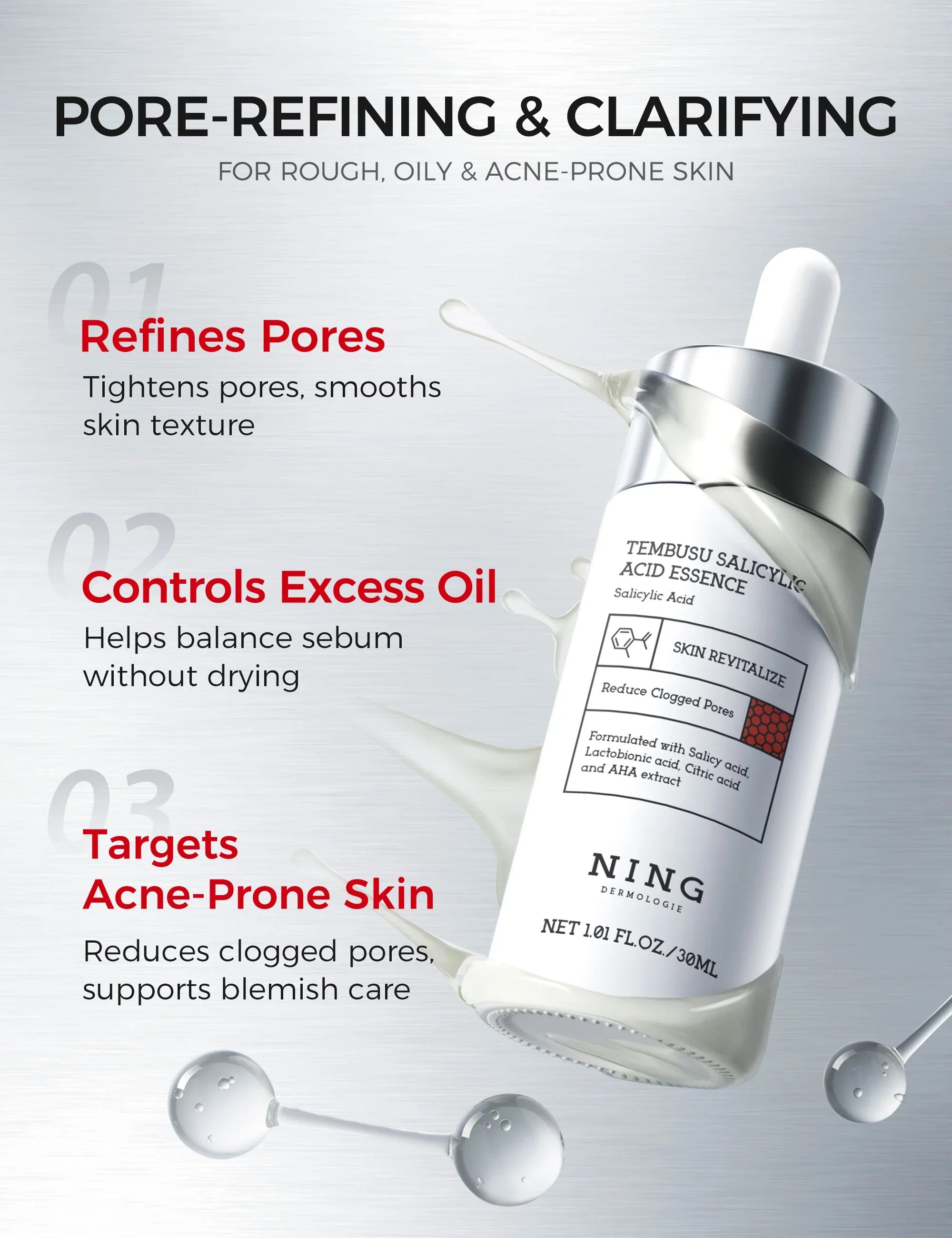
This is where Beta Hydroxy Acid (Salicylic Acid) enters the chat. Unlike physical scrubs that tear at the skin, salicylic acid is oil-soluble. It dives inside the sebaceous glands to dissolve the glue holding dead skin cells together. It has natural anti-inflammatory and exfoliant properties.
But here is the catch: Rosacea skin has a compromised skin barrier. If you strip away too much oil or lower the skin’s pH too aggressively, you increase trans-epidermal water loss (TEWL). The moisture evaporates, and the redness gets worse.
So, how do we harness the power of salicylic acid without angering the rosacea gods?
The Science: Not All Salicylic Acid Is Created Equal
You might have heard of a study from the First Hospital of China Medical University. Researchers, including Gao Xinghua, Zhang Li, Ziping Yang, Yutong Wu, and Xian Su, conducted a pivotal study on supramolecular salicylic acid (SSA).
Supported by the National Key R&D Program of China, this research utilized high-tech imaging like the VISIA skin analysis system to track progress. They looked at VISIA red area scores and Lesion reduction rate to see if this newer form of salicylic acid could handle rosacea.
The results, which received Ethical approval and rigorous testing, showed that supramolecular salicylic acid could effectively reduce papules and pustules without the stinging associated with traditional alcohol-based acids. It’s a slow-release technology. It delivers the medicine without the shock.
This aligns with what we believe at NING Dermologie. We don’t think you should have to choose between clearing your pores and keeping your skin calm.
The Solution: The "Short Contact" Cleansing Method
If you are terrified of leave-on toners, a face wash is your safety net. This is often called "Short Contact Therapy." The active ingredient does its work for 60 seconds, and then you rinse it away before it can cause irritation.
However, the base of the cleanser matters more than the acid itself.
Many generic skincare products use harsh sulfates that strip stratum corneum hydration. When looking for a salicylic acid face wash for rosacea, you need to look for a pH-balanced skin cleanser.
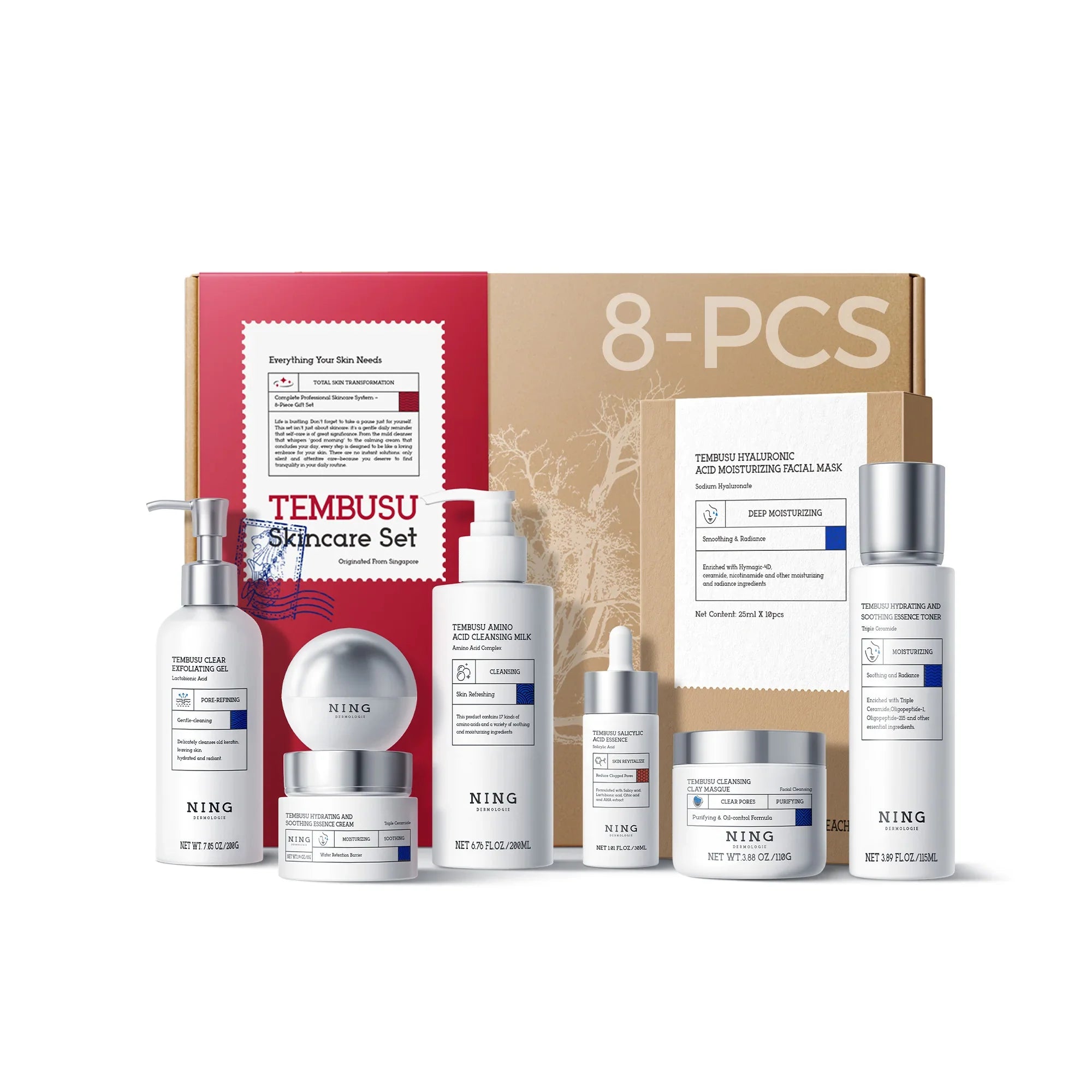
This is why we developed the Amino Acid Facial Cleanser with Salicylic Acid.
By using an amino acid base (the building blocks of proteins), we ensure the cleanser mimics the skin’s natural structure. It removes excess sebum content and dirt without disrupting the pH values of your acid mantle. It’s the difference between gently washing a silk shirt and scrubbing it with steel wool.
How to Build a Rosacea-Safe Routine
Practicality is key. You can't just slap acid on your face and hope for the best. Here is a routine that respects your barrier while fighting the bumps.
Step 1: The Cleanse
Start with our Amino Acid Facial Cleanser with Salicylic Acid. Use lukewarm water—never hot. Hot water dilates blood vessels and triggers flushing immediately. Massage it in for about 30 to 60 seconds. This allows the salicylic acid to penetrate the enlarged pores and tackle the Microbial Dysbiosis often present in rosacea.
Tip for Men: If you are shaving, this cleanser can double as a prep step before your shaving cream to prevent ingrown hairs, which often mimic rosacea bumps.
Step 2: The Soothe (The Sandwich Method)
Immediately after patting dry (don't rub!), apply a hydrating toner or serum containing hyaluronic acid. This pulls moisture back in. Look for soothing ingredients like green tea extract, which is fantastic for calming redness, or jojoba oil, which mimics human sebum.
Step 3: The Treatment
If you have particularly stubborn spots, you might introduce azelaic acid. The National Rosacea Society often cites azelaic acid as a gold standard for rosacea because it kills bacteria and reduces swelling. It pairs surprisingly well with a gentle salicylic cleanser, provided you introduce them slowly.
Step 4: The Protection
The sun is the number one trigger for rosacea. You need a broad-spectrum sunscreen every single day. Mineral options containing Zinc oxide are usually better tolerated than chemical filters because Zinc naturally soothes heat in the skin.
When Skincare Isn't Enough: Professional Help
Sometimes, topicals alone can't fix the damage, especially if you have significant post-inflammatory increased pigmentation or visible veins.
A dermatology provider might suggest procedures. Westlake Dermatology and experts like Fatemeh Nozzari Varkani often utilize light-based therapies. Intense pulsed light (IPL) and V Beam vascular lasers are excellent for zapping those spider veins that a face wash can't reach.
For texture issues, professionals might suggest a chemical peeling. While a medium or deep chemical peel is likely too aggressive for rosacea, a very superficial salicylic acid peel or glycolic acid peels (done by a pro) can reboot the skin.
Warning: Always consult a professional before trying a peel. Your Investigator Severity Assessment scores (a scale docs use to grade rosacea) will determine if your skin can handle it.
Lifestyle Factors: The Invisible Triggers
You can use the best NING Dermologie products in the world, but if your lifestyle is inflammatory, your skin will show it.
- Stress Management: High cortisol spikes redness.
- Weather Changes: Wind and extreme cold strip skin hydration.
- Diet: Coffee extract in skincare is great (vasoconstrictor), but hot coffee in your mug might trigger a flush.
Knowing Your Skin Type
Are you actually dealing with rosacea, or is it just sensitive skin? Taking a skin type quiz, such as the one based on the Baumann Skin Type®, can be clarifying. You might find you are "OSPW" (Oily, Sensitive, Pigmented, Wrinkled). Knowing this helps you avoid wasting money on activated charcoal masks that dry you out or heavy argan oil creams that clog you up.
Using the VISIA skin analysis system at a clinic can also show you damage you can't see with the naked eye, like UV spots and deep vascular issues.
The Final Verdict
Can salicylic acid help? Yes. It acts as an anti-inflammatory agent that cleans out the follicles where Demodex mites and bacteria thrive.
But you must respect the barrier.
By choosing a formula like the Amino Acid Facial Cleanser with Salicylic Acid, you are opting for a "safety-first" approach. It combines the deep-cleaning power of salicylic acid with the gentle, hydrating nature of amino acids. It’s designed to improve your skin complexion, smooth out fine wrinkles caused by dehydration, and keep your sebum levels in check—without the burn.

Contact Us
If you have questions about which NING Dermologie product is right for you, or if you need help with your order, our team is here.
Customer Service Main Menu > Support Address: Ravenswood Ave., Ste. 103 (Distribution Center)
Frequently Asked Questions (FAQ)
Q: Can I use salicylic acid face wash every day for rosacea?
A: Start slow. Use the Amino Acid Facial Cleanser with Salicylic Acid 2-3 times a week at night. If your skin barrier feels healthy (no stinging or tightness), you can gradually increase to daily use. Listen to your skin—if it flushes, scale back.
Q: Will salicylic acid make my redness worse?
A: It shouldn't, if the percentage is low (0.5% to 2%) and the base is gentle. Actually, because Salicylic Acid is chemically related to aspirin, it has anti-inflammatory properties that can reduce red bumps. However, avoid it during a massive active flare-up.
Q: Can I use salicylic acid with azelaic acid?
A: Yes, they are a power couple for papulopustular rosacea. Use the salicylic cleanser to prep the skin, rinse it off, and then apply your azelaic acid serum. Since the wash is rinsed away, the risk of irritation is much lower than layering two leave-on acids.
Q: Is this safe for dry, sensitive skin that doesn't have acne?
A: If you have dry rosacea without bumps (Type 1), be very careful. Salicylic acid dries out oil. You might prefer a cleanser focused purely on hydration with ingredients like Zerafite Creamy Cleanser or our gentle amino acid base without the actives. Focus on SPF products and moisture.
Q: Does this help with Demodex mites?
A: Indirectly, yes. Demodex mites feed on dead skin and sebum. By using beta hydroxy acid to reduce sebum content and exfoliate the skin surface, you create an environment that is less hospitable for the mites, potentially reducing the inflammation they cause.





Share:
The Real Cost of Clear Skin: A No-Nonsense Price Comparison of Salicylic Acid Cleansers
The Real Price of Clear Skin: A Deep Dive into Salicylic Acid Face Wash Prices (2026 Retailer Comparison)