

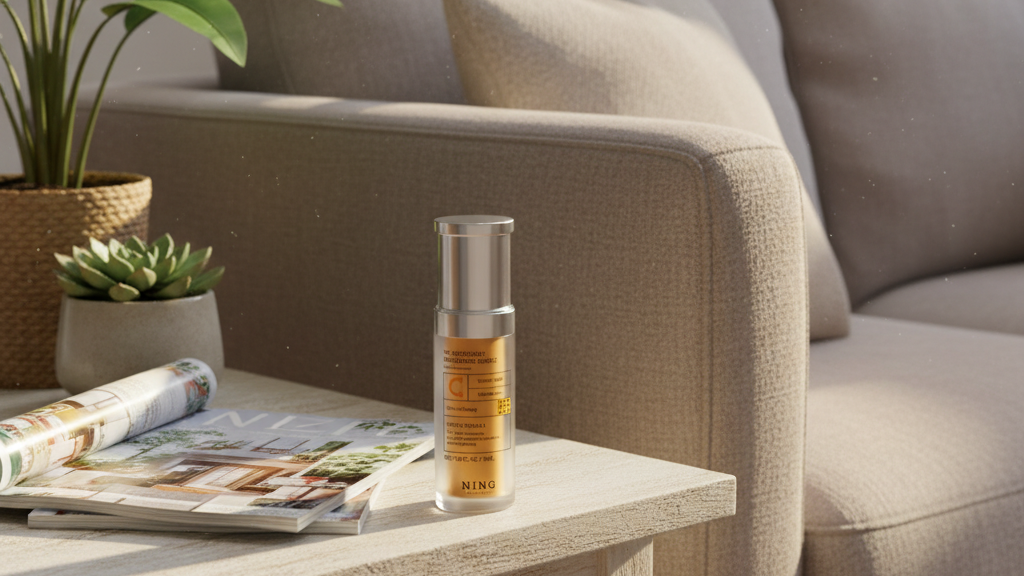

The "Truce" with Vitamin C: How to Brighten Sensitive Skin Without the Burn
You see the "before and after" photos of someone with glass skin, glowing with that ethereal radiance, and the secret is always vitamin C serum. But for those of us with sensitive skin, that little bottle feels less like a miracle and more like a gamble. You apply it, wait ten minutes, and—boom—your face is hot, itchy, and resembling a ripe tomato.
It’s frustrating because vitamin C is one of those non-negotiable gold standards in skincare. It fights free radicals, boosts collagen, and can brighten even the most stubborn dull skin. But if your skin reacts to everything from a change in weather to a new laundry detergent, you might feel like you’re banned from the glow club.
Here’s the good news: you don't have to give up on glowing skin. You just need a different strategy. At NING Dermologie, we believe skin health shouldn't be a trade-off for results. Whether you are new to vitamin C or have been burned (literally) before, this is your definitive guide on how to incorporate vitamin C into your skincare routine without the drama.

Why Does Vitamin C Irritate Sensitive Skin?
Before we dive into the "how," let's talk about the "why." Most traditional vitamin c formulations use L-ascorbic acid. This is the active form of vitamin C, and while it’s powerful, it’s also incredibly finicky.
To penetrate the skin, L-ascorbic acid requires a very low (acidic) pH level, usually around 2.5 to 3.5. For sensitive skin types, that’s like pouring lemon juice on a paper cut. It disrupts the skin barrier, leading to skin irritation, redness, and peeling. Furthermore, pure vitamin C is notoriously unstable; it oxidizes the moment it hits air and light, turning into a compound that can actually irritate your skin further.
If you have reactive skin, your skin needs a gentler approach—a stable form of vitamin C that works without the acid shock.
Choosing the Right Vitamin C Serum for Sensitive Skin
The first step to vitamin c without the burn is choosing the right vitamin c product. If you’ve been using a 20% L-ascorbic acid serum, stop. Your skin type simply isn't built for it yet.
1. Look for Vitamin C Derivatives
Instead of pure acid, look for a vitamin c derivative. These are stable forms of vitamin C that are less acidic and only convert to active vitamin C once they are absorbed into the skin.
- Sodium Ascorbyl Phosphate: Great for acne-prone sensitive types.
- 3-O-Ethyl Ascorbic Acid: This is a superstar. It’s highly stable, offers deep penetration, and is much kinder to the skin barrier.
2. The Power of Niacinamide
There’s a common myth that you can't use vitamin C with Niacinamide. In modern skincare, that’s outdated. In fact, for sensitive or reactive skin, they are a dream team. Niacinamide (Vitamin B3) strengthens the barrier, while Vitamin C handles the glow.
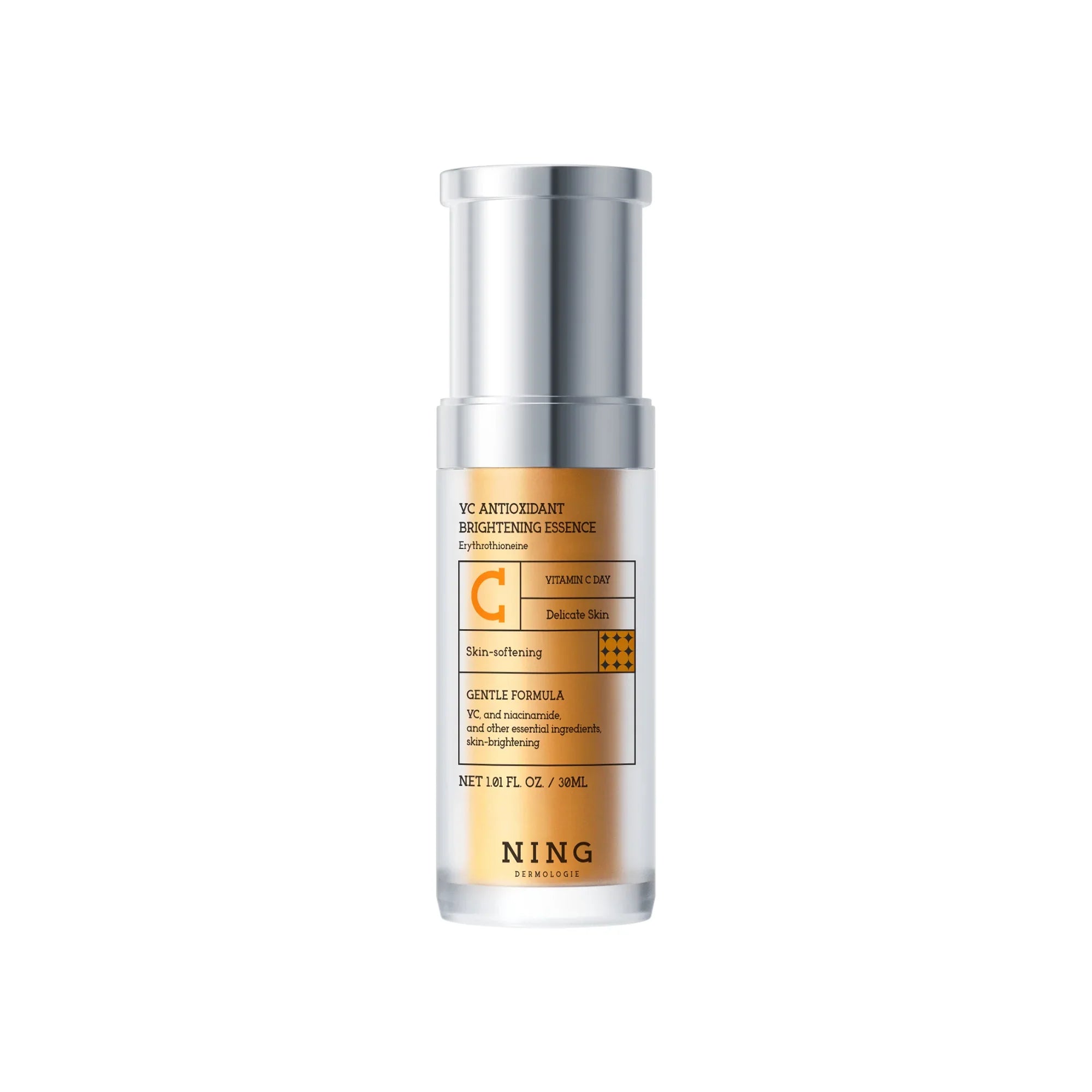
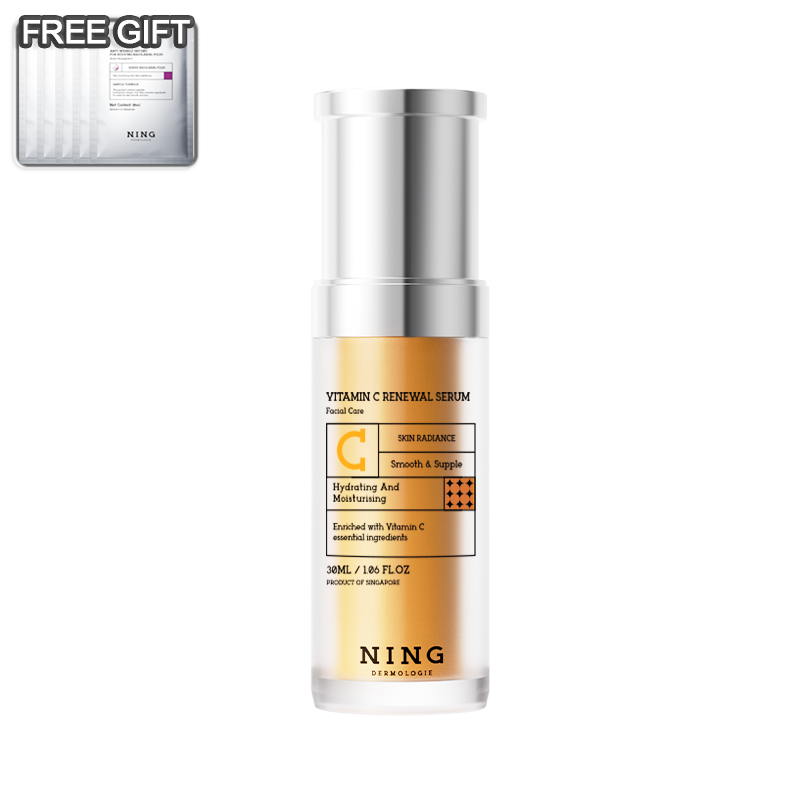
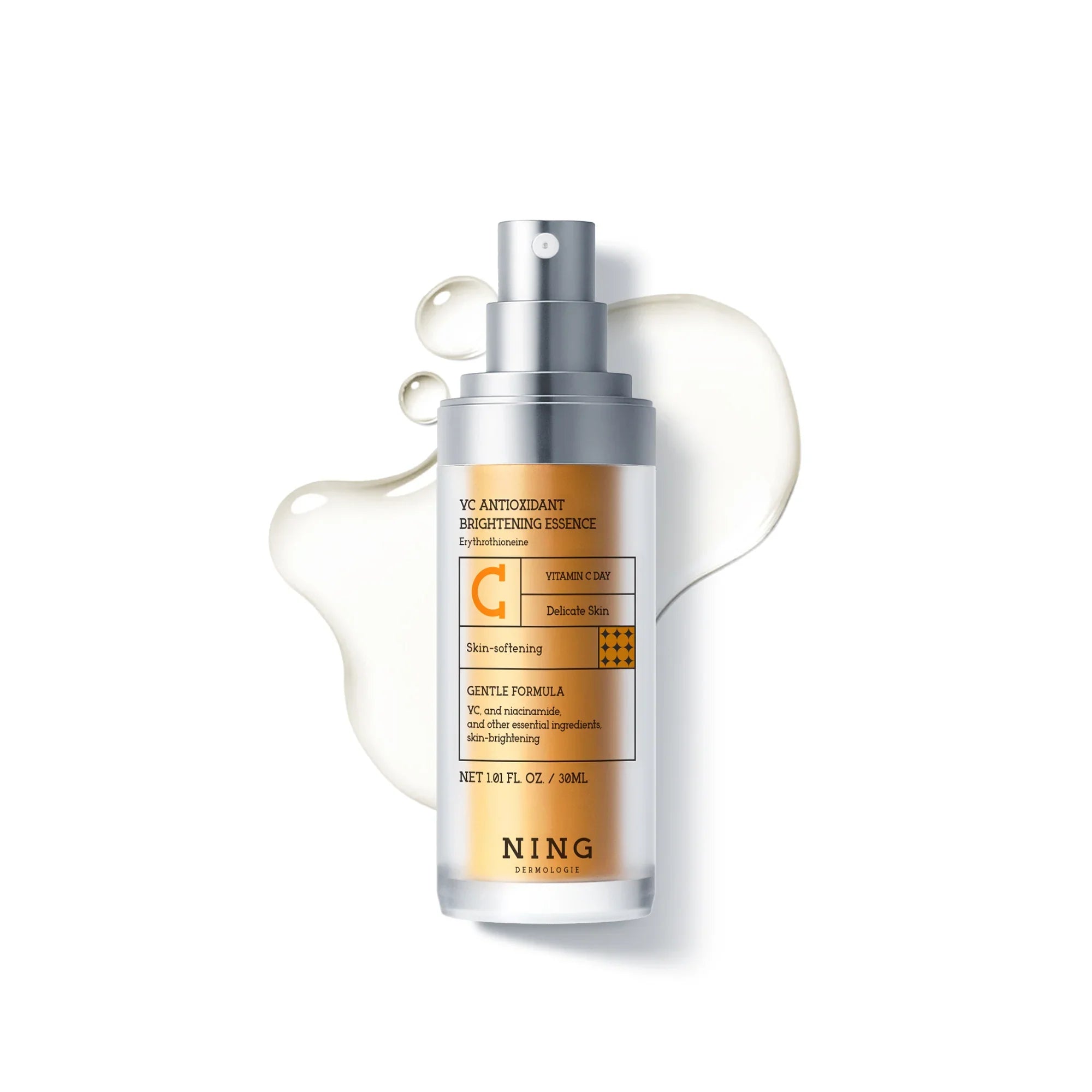
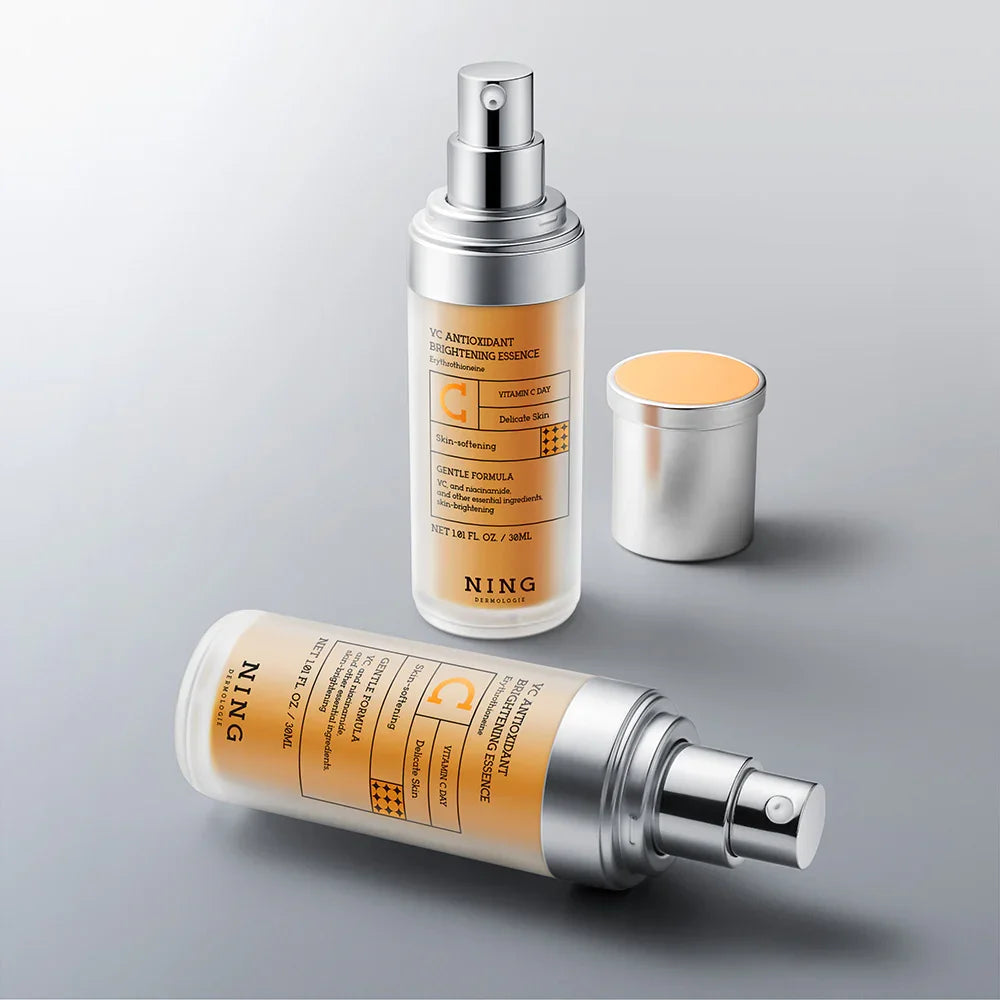
This is exactly why we formulated the NING Dermologie Vitamin C Serum with Niacinamide. By using Ethyl Ascorbic Acid, we’ve ensured the serum provides all the skin benefits without the typical irritation associated with lower pH formulas.
The "Slow and Steady" Method: How to Apply Vitamin C Serum
If you have sensitive skin, how you apply vitamin c is just as important as what you apply. Here is a step-by-step skincare routine to help your skin build tolerance.
Step 1: The Patch Test (Non-Negotiable)
I know, it’s boring. But before you slather a new vitamin c serum all over your face, test it on your jawline or the inside of your arm. Wait 24 hours to see how your skin reacts. If there's no redness, you're good to go.
Step 2: Start with Clean, Damp-ish Skin
While some pros suggest applying topical vitamin c to bone-dry skin for maximum penetration, sensitive skin requires a bit of a buffer. Cleanse with a sulfate-free, gentle cleanser to ensure your skin feels soft but not stripped.
Step 3: The "Buffer" Technique (The Pro Trick)
If your skin is more vulnerable, try the "Sandwich Method."
-
Apply a thin layer of a basic, fragrance-free moisturizer.
-
Apply your vitamin c serum.
-
Apply another layer of moisturizer. This slows down the absorption rate, making it much less likely to irritate your active vitamin c-sensitive areas.
Step 4: Frequency is Key
Don’t jump into daily use. When you first incorporate vitamin c, use it every other morning or even just twice a week. Give your skin cell turnover time to adjust. As your skin builds tolerance, you can increase the frequency.
Essential Rules for Vitamin C Application
To keep your skin healthy and avoid irritated skin, follow these golden rules:
- Never Skip Sunscreen: Vitamin C protects the skin from environmental damage, but it can also make your skin more vulnerable to the sun if the barrier is compromised. Always finish with SPF 30+.
- Check for Oxidation: If your vitamin c product has turned dark orange or brown, throw it away. Oxidized vitamin c works against you, causing inflammation.
- Watch Your Actives: On the days you use vitamin c serum, skip the heavy exfoliating acids (AHA/BHA) or Retinoids in the same morning routine. Using too many actives at once is the fastest way to irritate a sensitive skin type.
Why NING Dermologie is Different
We designed our Vitamin C Serum specifically for the "sensitive but ambitious" user. By combining 3-O-Ethyl Ascorbic Acid with Niacinamide and Vitamin E, we’ve created a formula that addresses uneven skin tone and dull skin while keeping the skin hydrated.
The addition of Vitamin E is crucial; it works synergistically with Vitamin C to double the skin protection against UV damage. It’s not just about a temporary glow; it’s about long-term skin health.

Final Thoughts: Listen to Your Skin
At the end of the day, you know vitamin c is working when your skin looks rested and bright—not when it feels like it’s tingling. If you notice changes in your skin like persistent redness or stinging that lasts more than a minute, back off. Sensitive skin is a marathon, not a sprint.
Ready to start your journey to glowing skin without the fear of irritation? It’s okay to use vitamin c, as long as you use it wisely.
Frequently Asked Questions (FAQ)
1. Is it really okay to use vitamin C serum every day on sensitive skin?
Yes, but only after a transition period. Start by using it two to three times a week. If your skin remains calm after two weeks, you can move to daily use. Always monitor for signs of a compromised barrier, such as increased dryness or stinging when applying other basic products.
2. Should I apply vitamin C in the morning or at night?
While you can use it at night, morning is generally best. Vitamin C protects your skin from environmental stressors like pollution and UV rays that you encounter during the day. When paired with sunscreen, it provides a double layer of defense against premature aging and oxidative stress.
3. Can I use vitamin C if I have rosacea or eczema?
You should proceed with extreme caution. During an active flare-up, avoid all active treatments, including vitamin C. Once your skin is in a "quiet" phase, choose a highly stable, oil-based derivative and always use the buffering method (applying over moisturizer) to minimize the risk of a reaction.
4. How long does it take to see results on sensitive skin?
Because sensitive skin usually requires lower concentrations or gentler derivatives, it may take slightly longer to see results. Typically, you will notice an improvement in skin tone and radiance within 4 to 8 weeks of consistent use. Patience is key to avoiding a setback caused by over-irritation.
5. What should I do if my vitamin C serum starts to sting?
Wash it off immediately with cool water. This is a sign that the formula is either too acidic for your current barrier state or that you have micro-tears in your skin. Give your skin a break for a few days, focus on hydration, and try the "buffer" method next time.





Share:
Vitamin C serum vs other treatments for skin pigmentation
Affordable vitamin C serums for pigmentation correction