

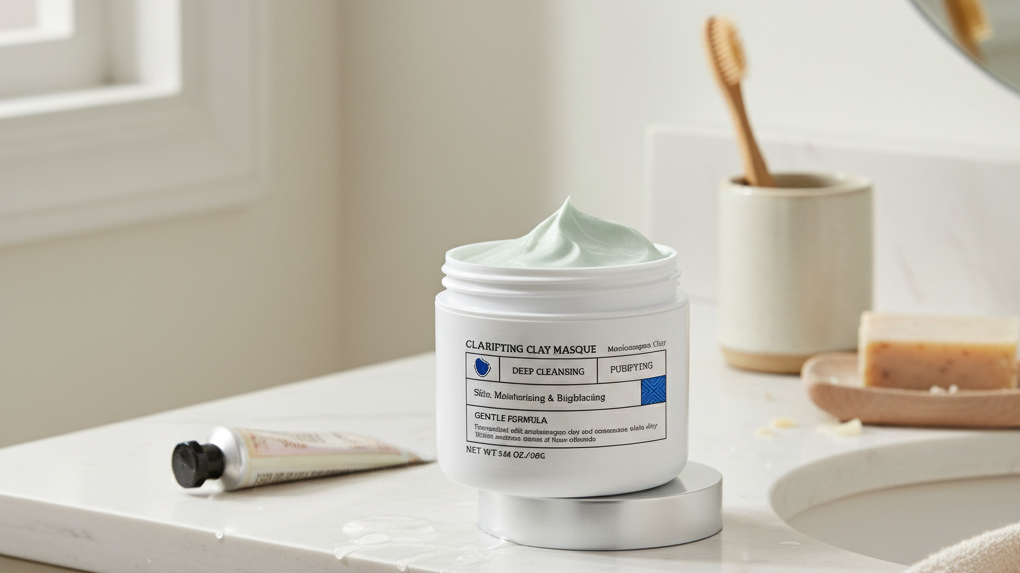

The Ultimate Guide to the Best Clay Masks for Pores: Clear Skin Without the Crisis
Ever looked in a 10x magnifying mirror and felt like your pores were staring back at you? We’ve all been there. Whether it’s that stubborn blackhead on your nose that refuses to budge or a general "congested" feeling after a long week of makeup and pollution, the struggle is real. Enter the clay mask. This isn’t just some ancient beauty ritual; it’s a functional, heavy-lifting skin care tool. But here’s the catch: not all mud is created equal. Using the wrong type of clay can leave your face feeling like a cracked desert floor, while the right one can clear pores and make you look like you actually slept eight hours.
In this deep dive, we’re going beyond the marketing fluff. We’re looking at how a clarifying clay mask actually interacts with your biology, which 8 best clay masks deserve a spot on your vanity, and why NING Dermologie is changing the game for those of us with "complicated" complexions.

Why Your Pores Are Throwing a Tantrum
Before we talk about the best clay mask, we need to understand the enemy: clogged pores. Your skin is a living organ, constantly pumping out sebum (oil) to keep itself waterproof and protected. But when that oil meets dead skin cells and environmental grime, it creates a "plug." If that plug stays under the skin, it’s a whitehead. If it hits the air and oxidizes, it becomes a blackhead.
Clay acts as a literal magnet for this gunk. Because of its mineral structure, it has a negative electrical charge, while many of the toxins and oils in your pores have a positive charge. When you apply clay masks, they "pull" the impurities out. This is why your pores look smaller afterward—they aren't actually shrinking (pores don't have muscles!), but they are finally empty.
The Big Debate: Kaolin vs. Bentonite
If you look at the back of any face mask bottle, you’ll likely see these two names.
-
Bentonite Clay: This is the powerhouse. Formulated from volcanic ash, it’s incredibly absorbent. It’s the best clay for oily skin because it can hold many times its weight in water and oil.
-
Kaolin Clay: Also known as white clay, this is the gentler cousin. It doesn't strip the skin as aggressively, making it clay is a gentle option for dry or sensitive skin.
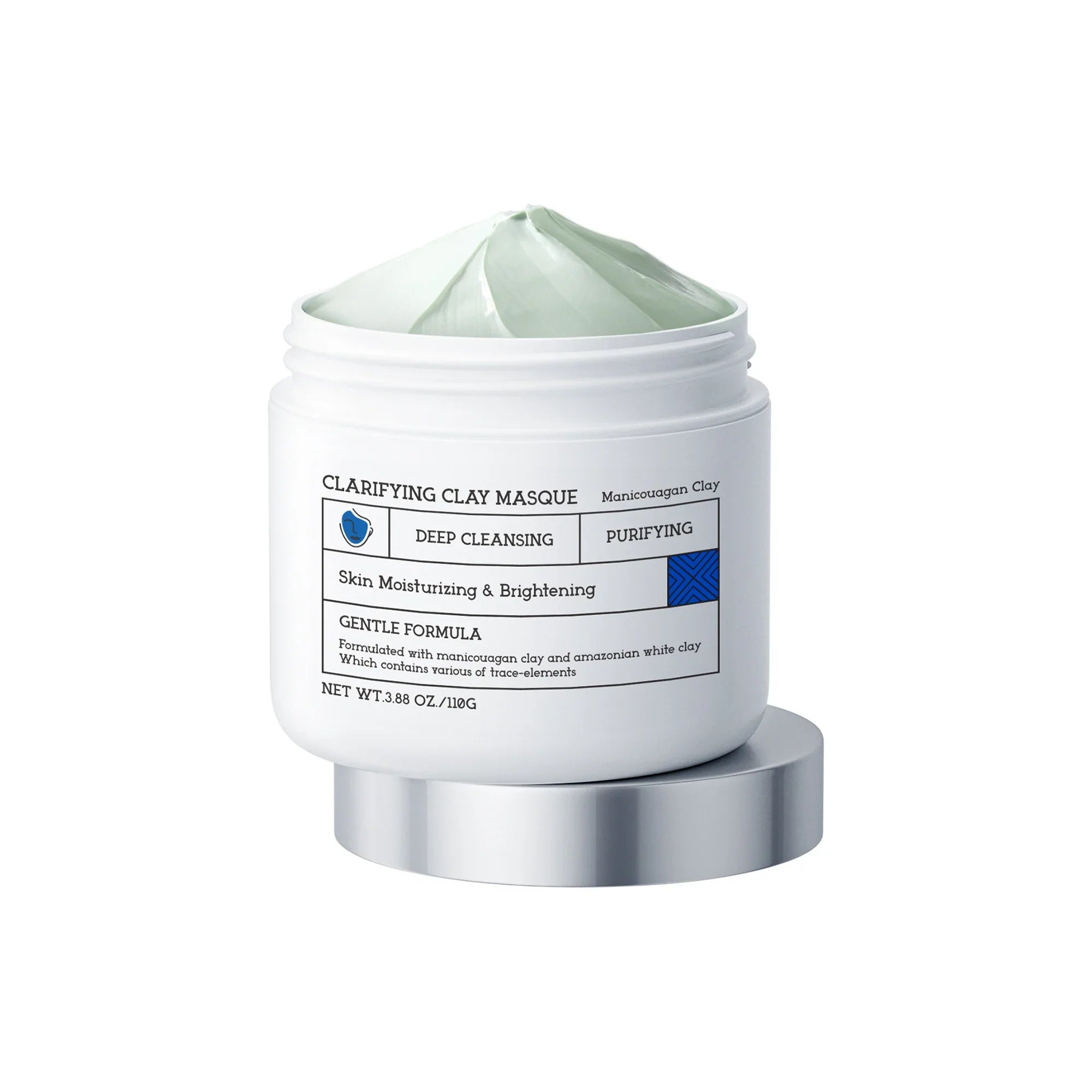
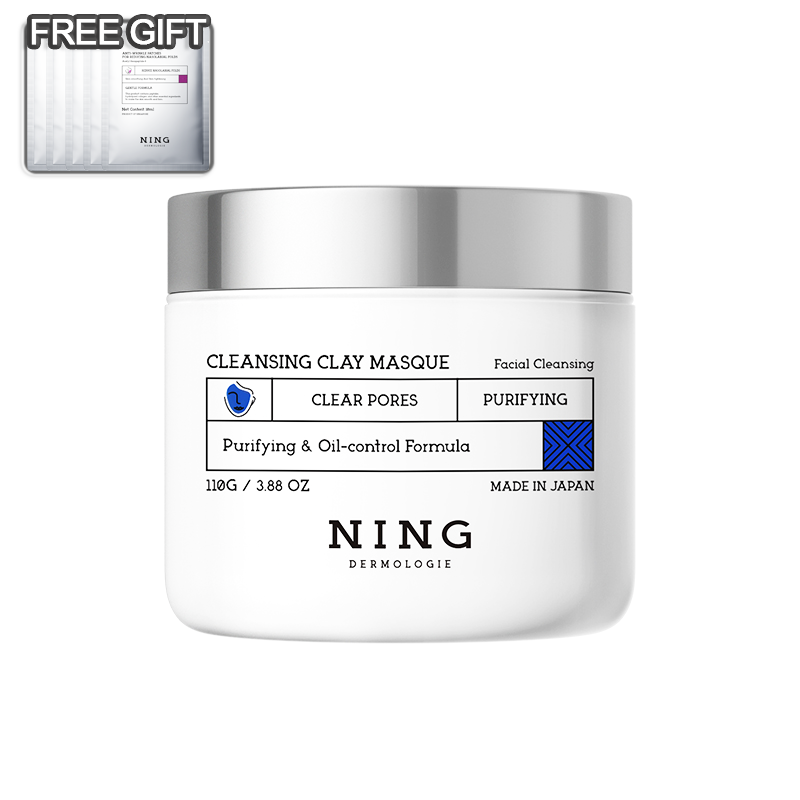
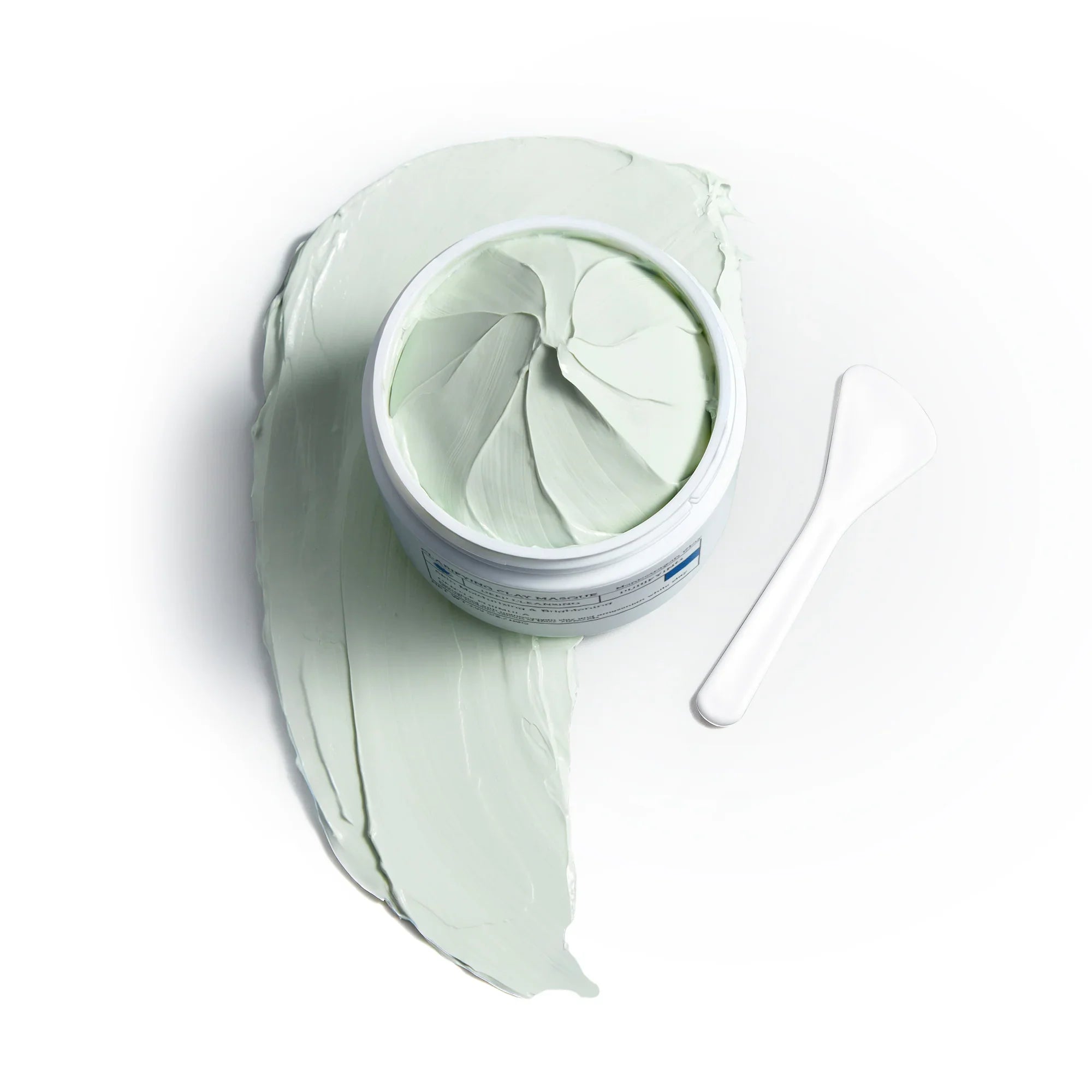
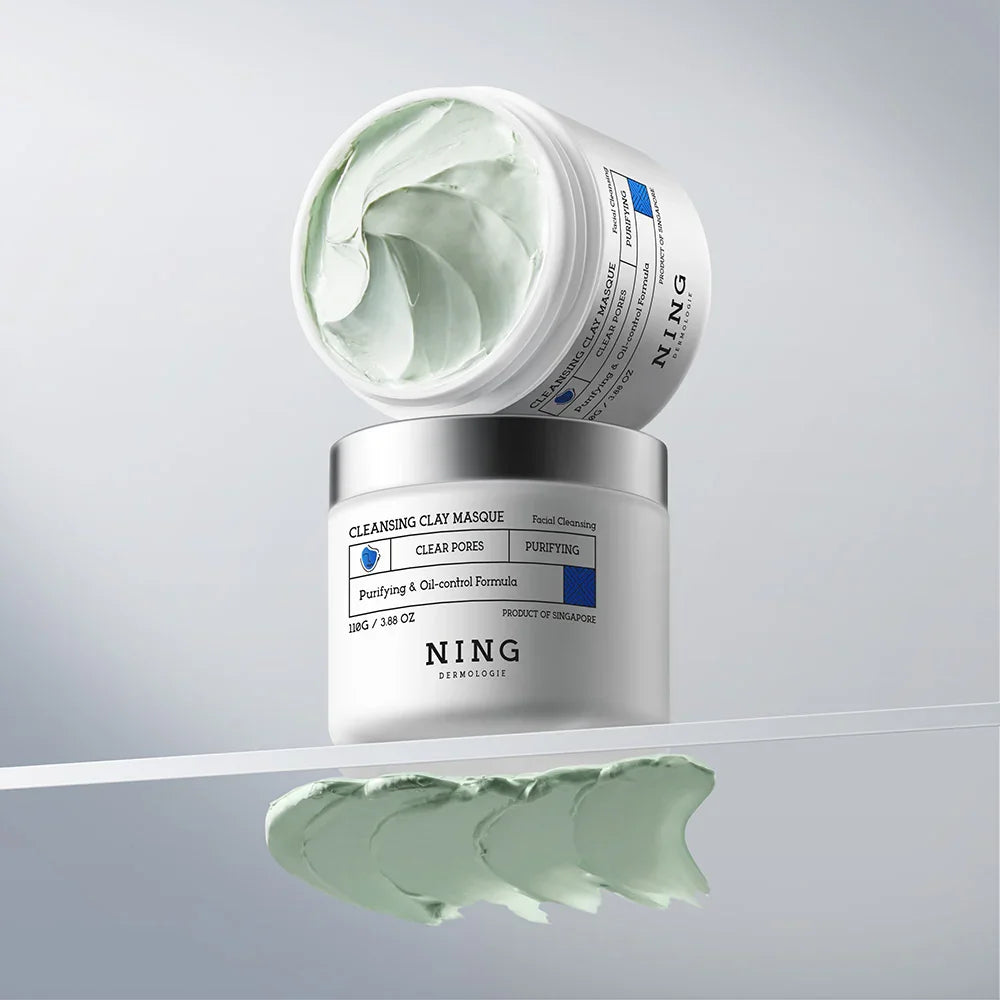
At NING Dermologie, we realized that most people are actually a mix. You might have an oily T-zone but sensitive skin on your cheeks. That’s why our Clay Mask for Face Sensitive Skin focuses on a balanced approach—using a clarifying clay mask formula that respects the skin barrier while still doing the dirty work of a detox mask.
8 Best Clay Masks for Every Skin Type
Selecting the best clay masks for every concern can feel overwhelming. Here is a curated list of the top clay masks currently dominating the skin care routine of enthusiasts and dermatologists alike.
1. Best Overall: NING Dermologie Clay Mask for Face Sensitive Skin
Most masks for clogged pores are too harsh. They leave your face red and pulsating. NING Dermologie fixed this. Their formula is the best overall because it targets uneven skin texture without the "burn." It’s designed to soothe the skin while the clay mask works to draw out oil. If you want clearer skin without the irritation, this is your holy grail.
2. Best for Oily Skin: Aztec Secret Indian Healing Clay
This is the traditional clay powerhouse. It’s 100% Calcium Bentonite. You mix it with apple cider vinegar, and it literally pulses on your face. It's the best for acne when you have a serious breakout, but be careful—it’s strong.
3. Best for Brightening: Tatcha The Clarifying Clay Mask
This Tatcha the clarifying clay mask is a sensory dream. It uses Japanese volcanic ash and has a unique warming sensation. It helps brighten skin tone and is great for a mid-week pick-me-up.
4. Best for Texture: Volcanic AHA Pore Clearing Clay
If you have uneven skin texture, you need chemical exfoliation plus clay. This aha pore clearing clay mask uses AHAs to exfoliate dead skin cells while the volcanic clusters keep pores clear.
5. Best for Luxury: Skinceuticals Clarifying Clay Mask
The Skinceuticals clarifying clay mask is often recommended by a board-certified dermatologist. It combines high-quality clays with botanicals to purify the skin without over-stripping.
6. Best for Dry Skin: Amazonian White Clay (Kiehl’s Rare Earth)
Using Amazonian white clay ensures that dry skin types can still enjoy a pore-refining mask. It’s creamy and helps brighten skin without that tight, "I can't move my face" feeling.
7. Best for Rapid Detox: Outset Purifying Blue Clay Mask
The outset purifying blue clay mask is a K-beauty clay inspired formula that’s great for a quick 10-minute fix. It makes skin feels refreshed and is very easy to remove the mask compared to thicker formulas.
8. Best Gentle Option: French Pink Clay
Pink clay is a mix of red and white clays. It’s perfect for sensitive skin types who want to soothe the skin while dealing with occasional clogged pores.
How to Actually Use a Clay Mask (Stop Doing it Wrong!)
Most people wait until the clay face mask is cracking and flaking off before they remove the clay. This is a huge mistake. A clay mask has three phases:
-
The Damp Phase: This is when the clay is known to be most active, infusing your skin with minerals.
-
The Cooling/Contracting Phase: This is when the mask starts to work on your capillary flow and starts "pulling" the blackhead out.
-
The Dry Phase: This is the danger zone. Once the mask dries, it starts drawing moisture out of your skin, leading to dry skin and irritation.
The Pro Tip: You should remove the mask while it’s still a bit tacky to the touch. Your skin feels clean but still skin hydrated. If you have dry or sensitive skin, you might only want to mask once a week or even every ten days.
Tailoring Your Mask to Your Skin Type
Every skin type has different demands. Matter your skin type, the goal is the same—balance.
- Oily and Acne-Prone Skin: You can likely use clay masks twice a week. Look for bentonite clay or a charcoal detox mask to manage excess oil.
- Combination Skin: Multi-masking is your friend. Apply a heavy purifying mask to your forehead and nose, and use the NING Dermologie Clay Mask for Face Sensitive Skin on your cheeks.
- Dry Skin: Look for clay mask formulas that include oils (like jojoba or squalane). You want to keep pores clear without compromising the skin barrier.
- Sensitive Skin: You need a facial mask that avoids synthetic fragrances. NING Dermologie focuses on keeping the skin hydrated while using kaolin to lift away the blackhead and grime.
The Science of "Detox": What Really Happens?
We hear the word "detox mask" thrown around a lot. Your liver and kidneys handle internal detox, but your skin—being the outermost barrier—gets hit with heavy metals, smoke, and smog. A clarifying clay mask helps by "adsorption" (yes, with a 'd'). This means the clay attracts particles to its surface.
When you rinse the mask, you are physically washing away those trapped particles. This is why skin looks so much more vibrant immediately after. You’ve removed the "gray" layer of pollution and dead skin cells that was sitting on the surface of the skin.
Buying Guide: How to Chose the Best Clay Masks
When buying clay masks, don't just look at the brand. Look at the ingredient list.
- Texture Matters: A creamy clay is usually better for every skin type than a powdery one you have to mix yourself. It ensures the pH is balanced.
- Check for Soothers: Does the mask is formulated with Aloe, Calendula, or Centella Asiatica? These are crucial for preventing the "red face" syndrome.
- Avoid "Squeaky Clean": If a facial mask leaves you feeling squeaky, it has likely stripped your natural lipids. You want your skin after one use to feel soft, not plastic-like.

Why NING Dermologie Belongs in Your Cabinet
We didn't just want to make another clay mask. We wanted to make the mask for the person who has given up on them. Many of our customers think this mask is a game-changer because it addresses the appearance of pores without the usual trauma associated with clogged pores treatments.
Whether you’re dealing with acne or just want to brighten skin, our focus is on skin feels clean without the drama. We invite you to explore our formula and see how it fits into your skin care journey.
Conclusion: The Road to Clearer Skin
At the end of the day, a clay mask is a tool for maintenance. It’s like a deep clean for your house—you don't do it every day, but when you do, everything feels better. By understanding the type of clay that works for you, avoiding the "over-dry" mistake, and choosing a brand like NING Dermologie that respects your skin's delicacy, you can achieve that radiant skin we all crave.
Take a look at your current skin care routine. If you aren't using a mask once a week to clear pores, you're missing out on a smoother, more refined version of yourself. Whether your skin is oily, dry, or somewhere in between, there is a clay face mask out there with your name on it.
Frequently Asked Questions (FAQ)
1. How often should I actually use a clay mask?
It really depends on your oils. If you're a grease-machine (oily skin), twice a week is your sweet spot to clear pores. If you lean toward the drier side, stick to once every ten days. Over-masking is a real thing and it will only make your skin produce more oil to compensate for the dryness. Listen to your face, not the clock.
2. Can I use a clay mask if I have active, inflamed acne?
Yes, but don't scrub it off! A clarifying clay mask can help draw out the "gunk" from a pimple, but if you're too aggressive during the rinse, you'll just irritate the area further. Use lukewarm water and a soft cloth. For cystic spots, a clay mask for acne can even be used as a targeted spot treatment overnight.
3. Why does my skin feel itchy or tingly when the mask is on?
A little tingle is normal—it's the clay contracting and the capillaries reacting to the change in temperature. However, if it feels like your face is on fire, wash it off immediately. You might have a sensitivity to a fragrance or an acid in the formula. NING Dermologie minimizes these irritants to keep the experience comfortable.
4. Should I moisturize after using a clay mask?
Always. No exceptions. Even if you have oily skin, you’ve just performed a "deep vacuuming" of your pores. You need to "seal" the skin back up with a lightweight, non-comedogenic moisturizer. This keeps the skin hydrated and prevents the "rebound oil" effect. Think of the mask as the clean and the moisturizer as the protection.
5. Can clay masks actually "shrink" my pores?
Let's debunk the myth: pores aren't like doors; they don't open and shut. However, when they are filled with blackhead debris and oil, they stretch out and look much larger. By using a clay mask to keep them empty, they appear much tighter and more refined. Consistent use is the secret to keeping that "smooth" look long-term.





Share:
Volcanic Clay Magic: Unmask the Secrets to Clearer Skin
Enhancing Your Beauty Routine with Clay Masks: Tips and Tricks