

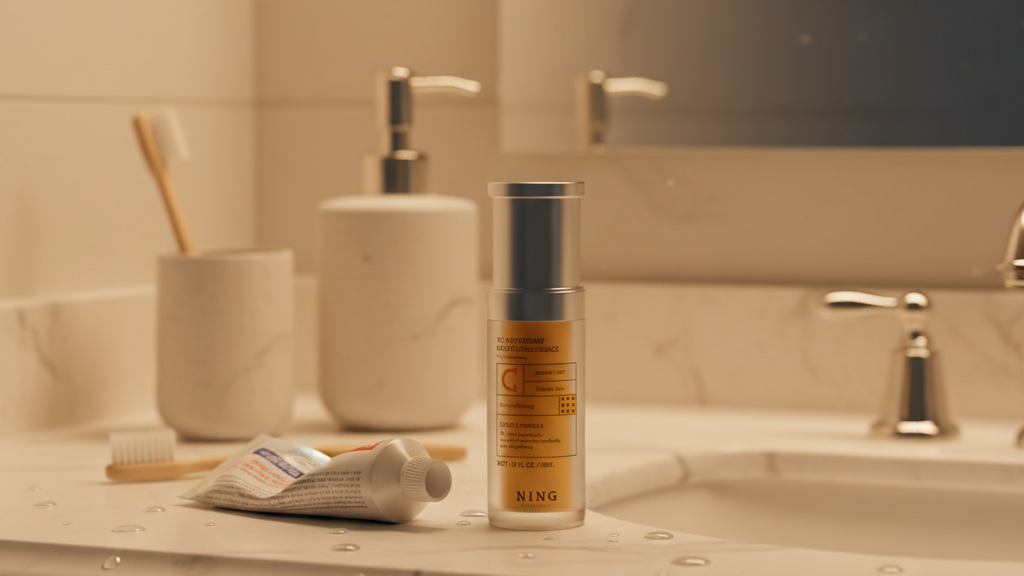

The Hunt for the Real Glow: Where to Find the Best Natural and Organic Vitamin C Serums
If you’ve spent any time scrolling through skincare forums, you’ve likely seen the same advice repeated like a mantra: "You need a Vitamin C serum." But for those of us who prioritize natural and organic ingredients, the search isn't that simple. Most mainstream serums are packed with synthetic stabilizers and harsh alcohols that can leave sensitive skin feeling stripped rather than supported.
I’ve spent years analyzing labels, and I’ve realized that finding a truly organic vitamin c serum—one that actually stays stable and delivers results—is a bit like hunting for a rare botanical. You want something that can brighten the complexion and tackle fine lines and wrinkles without the chemical fallout.

Why "Natural" Vitamin C is a Different Game
When we talk about a botanical c facial serum, we aren't just talking about a lab-made molecule. We’re looking for a plant-powered c complex of rosehip, acerola cherry, or sea buckthorn. These natural and organic sources often come with built-in co-factors like vitamin e and organic aloe vera that help the skin tone look more uniform and vibrant.
Unlike the classic skinceuticals c e ferulic (the industry benchmark that many find too aggressive), the new wave of natural and organic vitamin c products focuses on collagen production through gentle, stable forms of vitamin c.
Where to Shop: The Best Platforms for Clean Beauty
If you’re wondering exactly where to find these elusive facial serums, you have to look beyond the bargain bins of big-box retailers.
-
Specialty Clean Beauty Hubs (The Gold Standard) Platforms like The Detox Market or Credo Beauty are my first stop. They don’t just sell serum brands; they vet them against "Dirty Lists." If a vitamin c facial serum contains synthetic fragrances or questionable preservatives, it won't make the cut. You’ll often find high-end gems like one love organics or the cocokind vitamin c glow serum here.
-
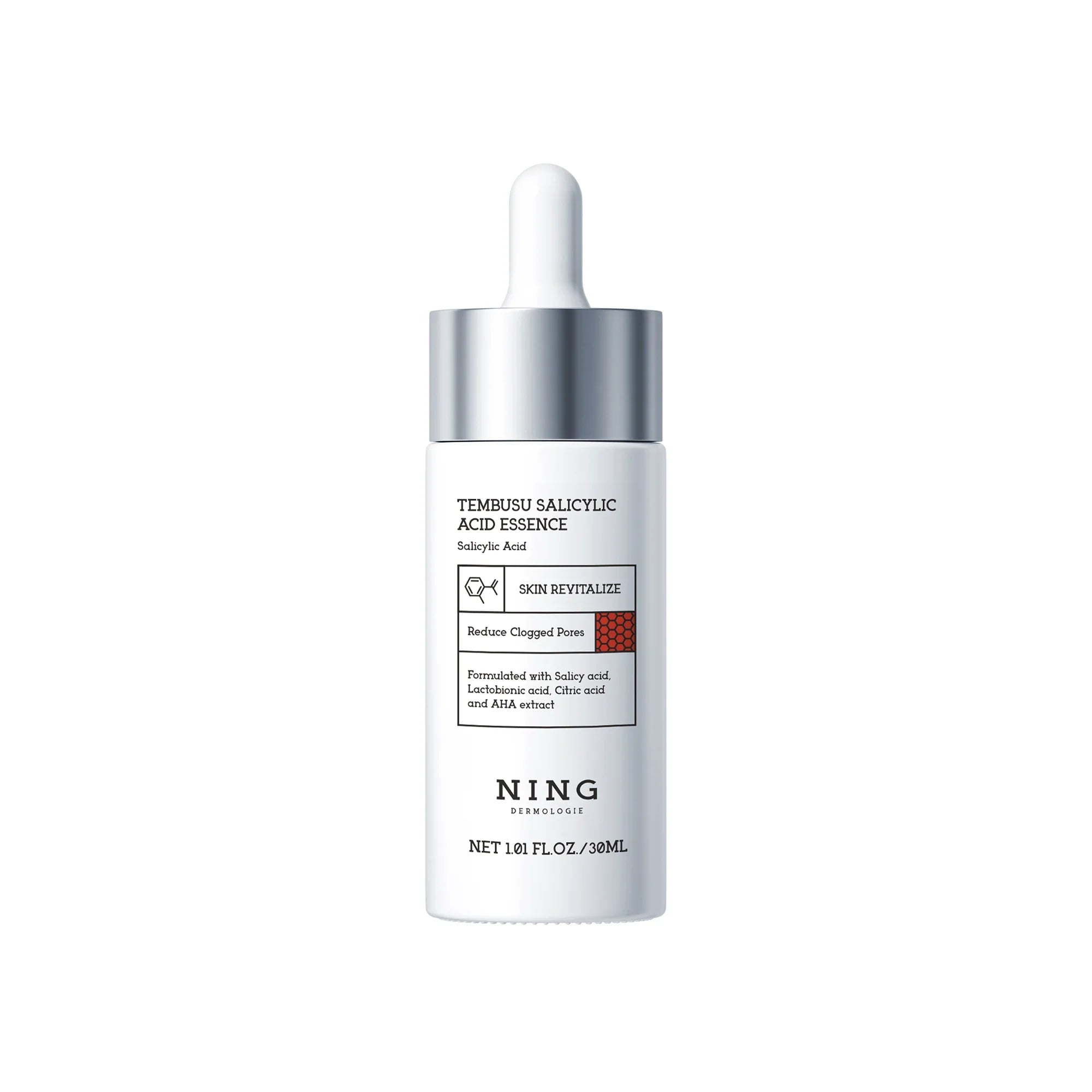
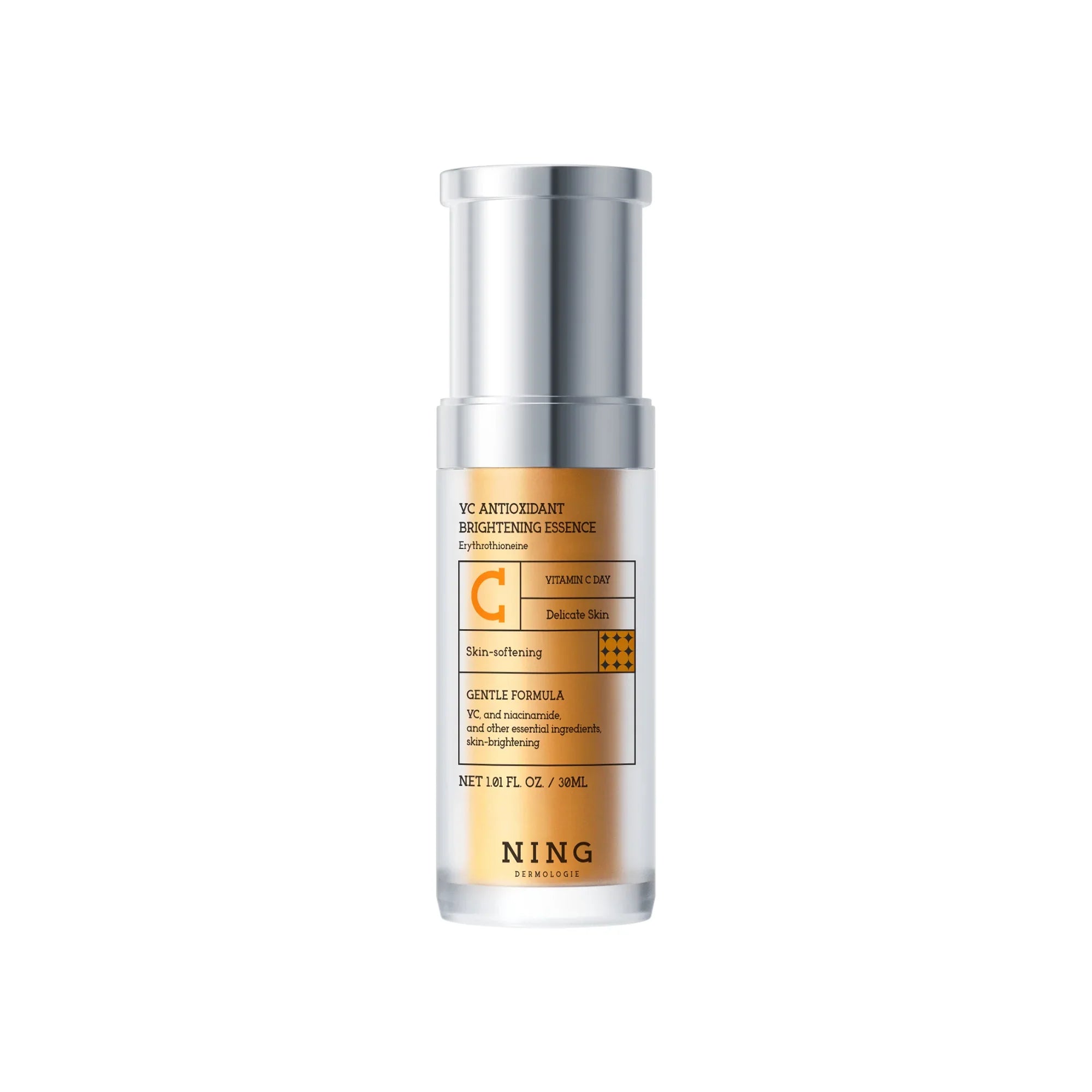
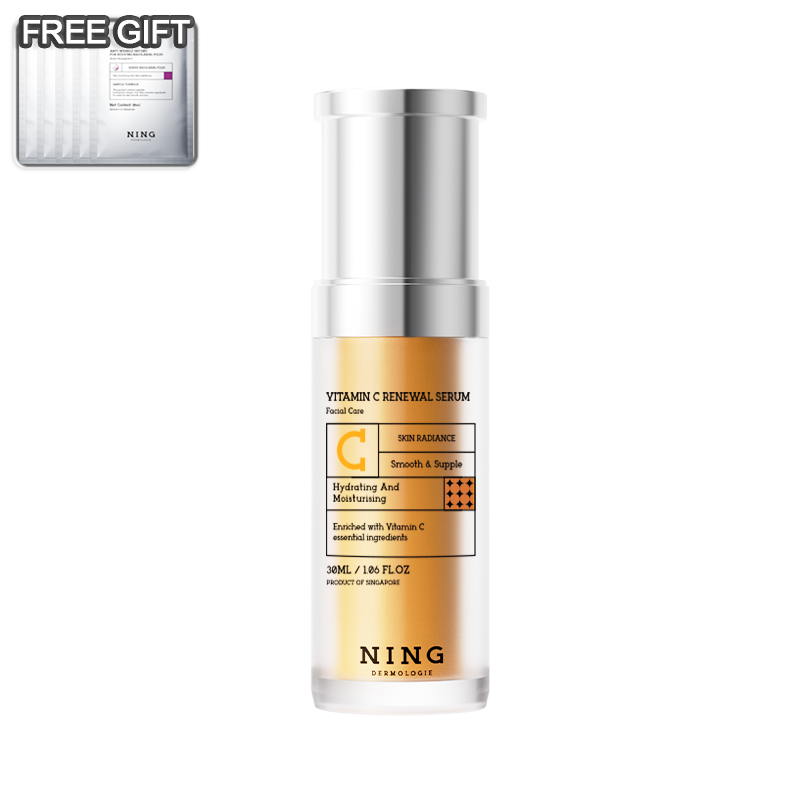
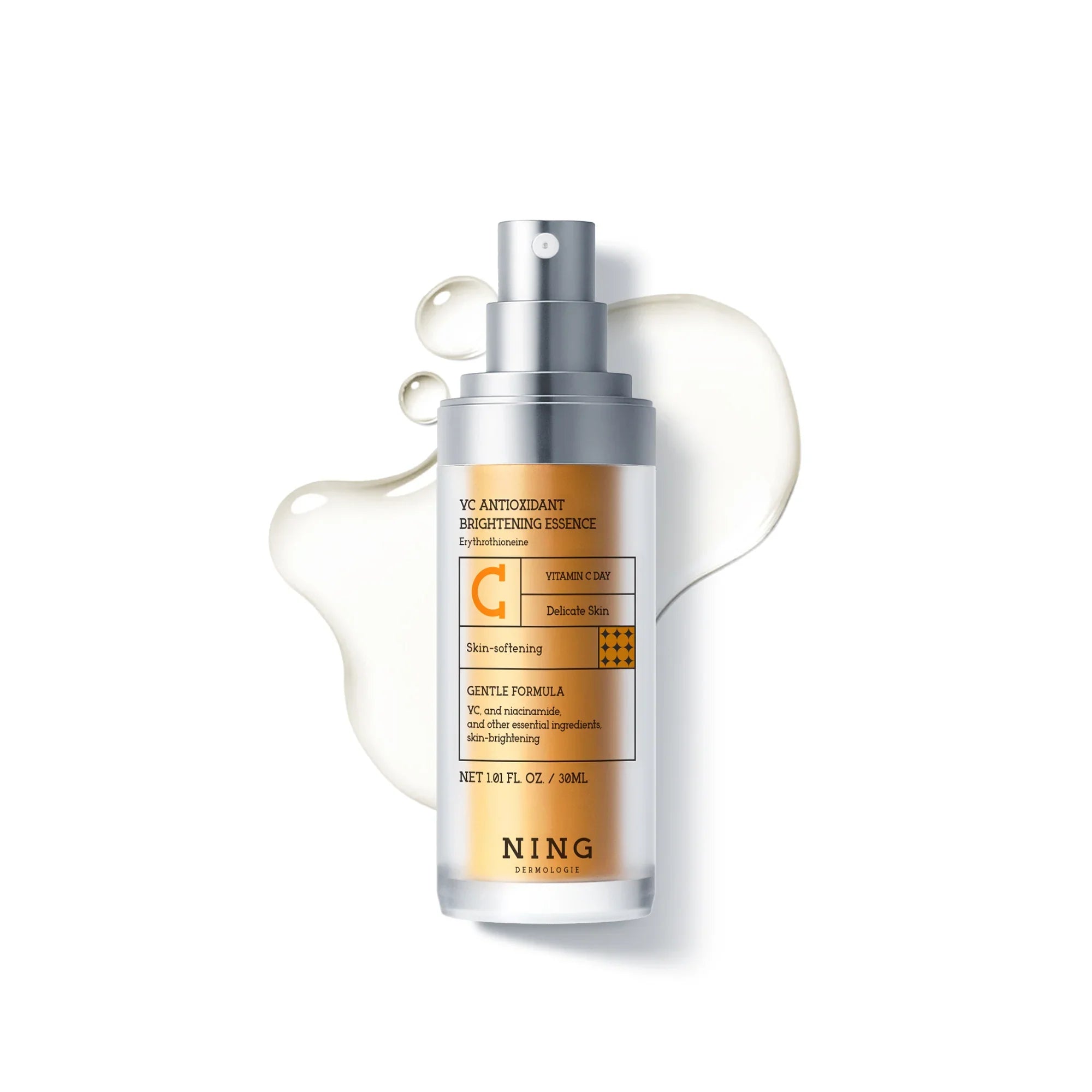
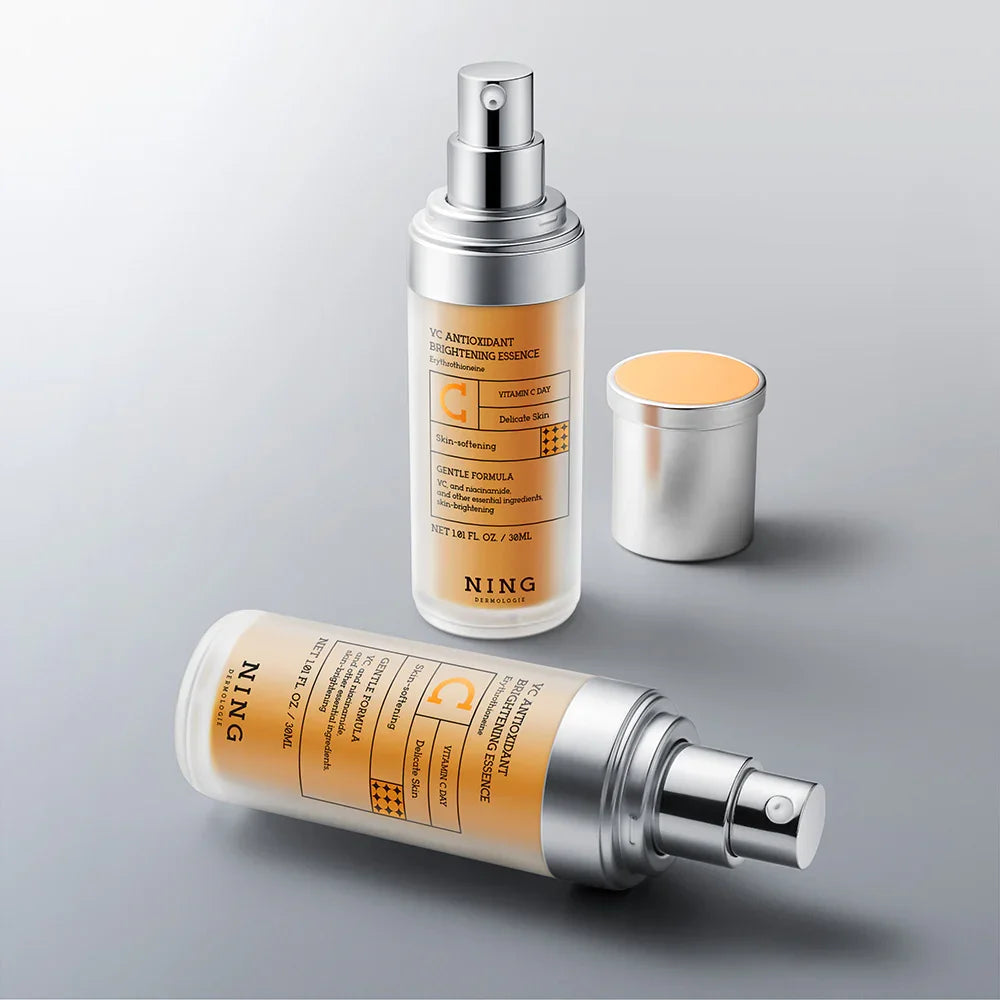
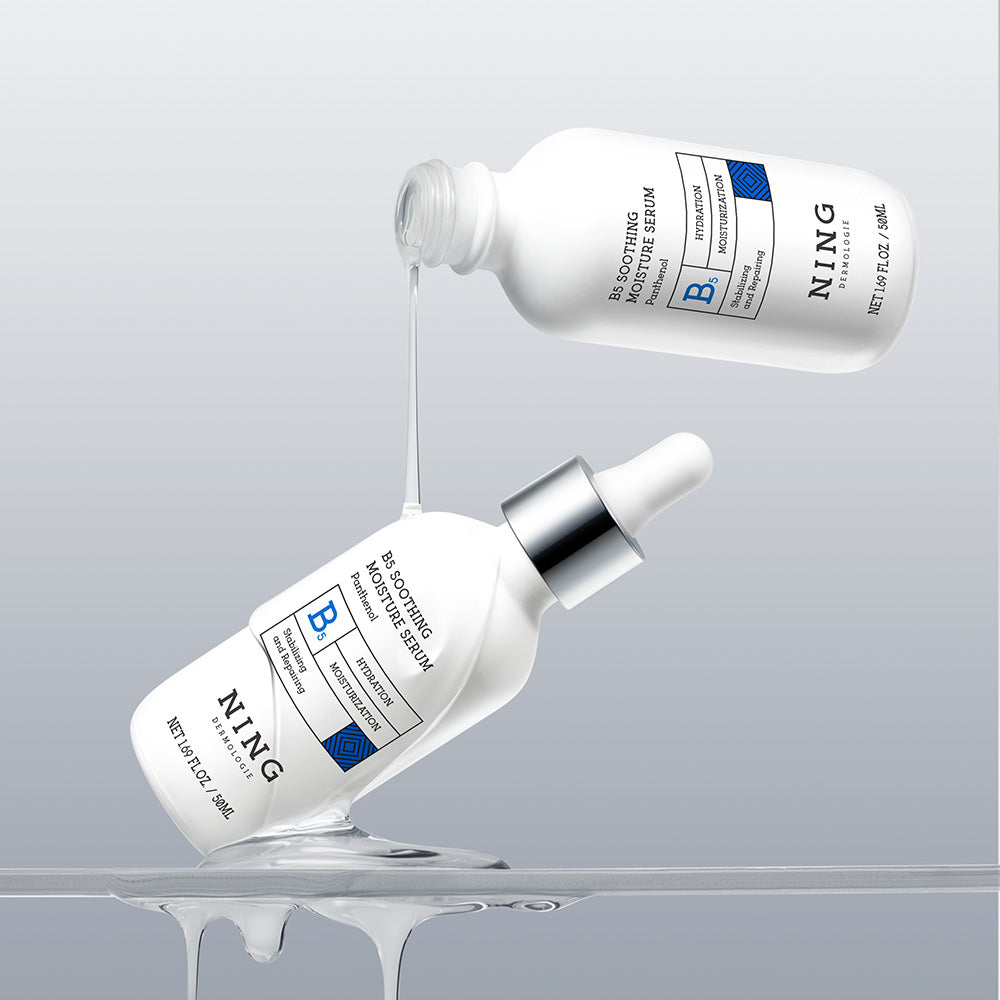
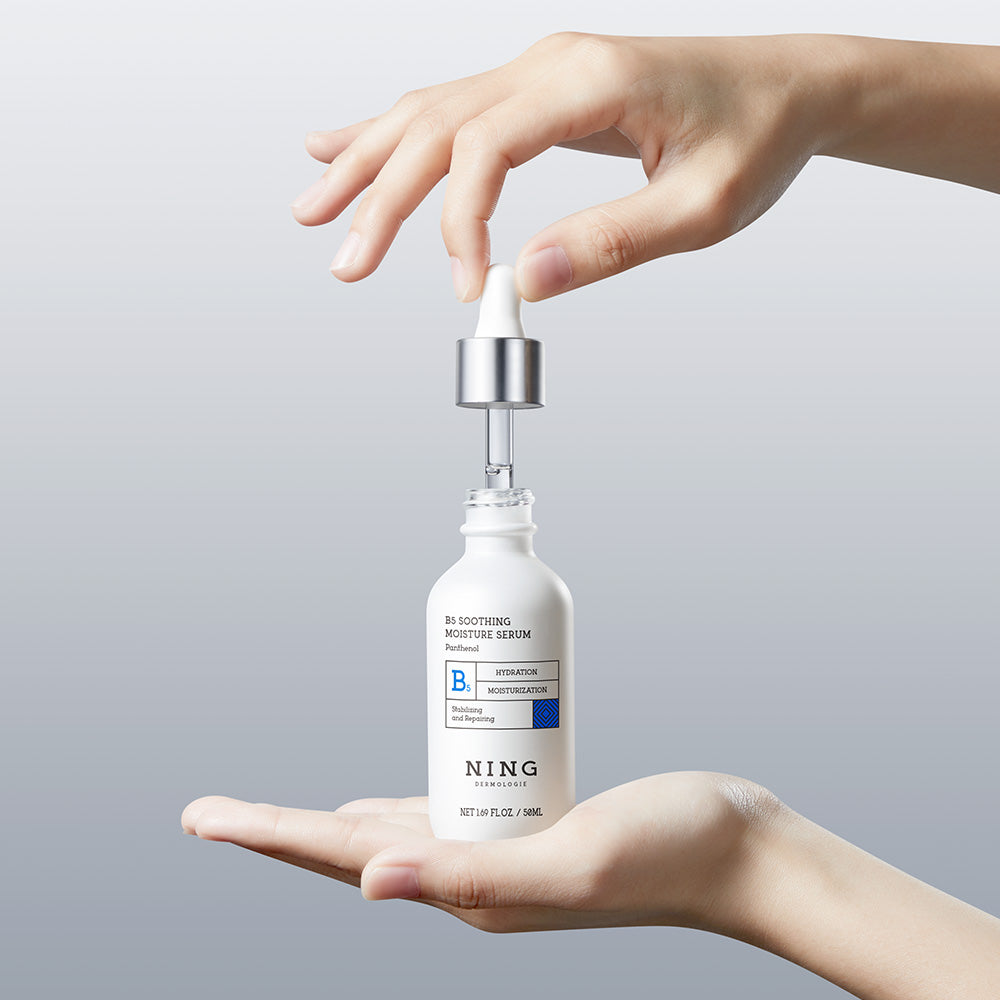
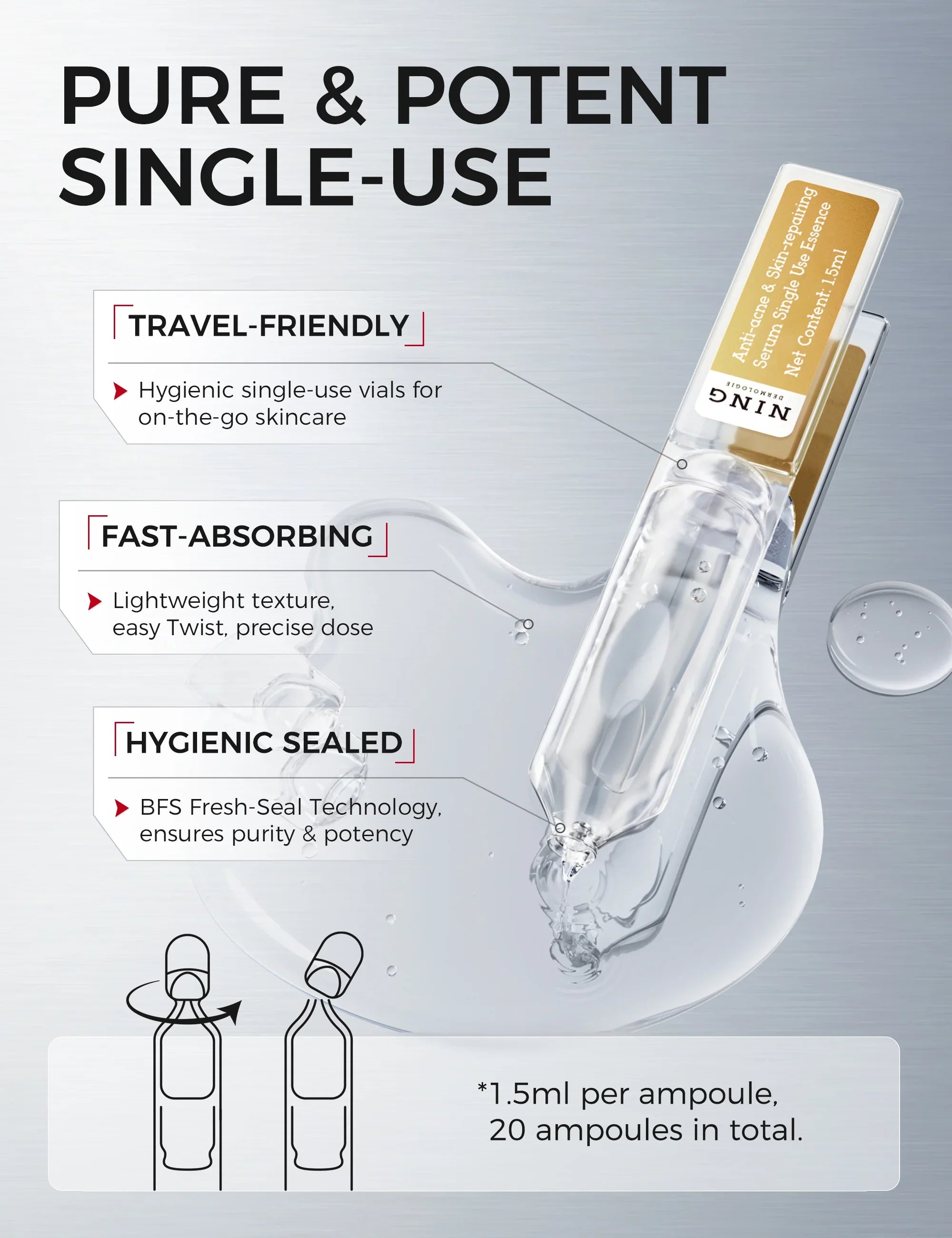
Ingredient-First Direct Brands Lately, I’ve been leaning toward brands that formulate in smaller batches to ensure the pure vitamin c serum you receive hasn't been sitting in a hot warehouse for six months. This is where NING Dermologie stands out. Their approach to a Vitamin C Serum isn't about marketing fluff; it’s about a stable form of vitamin c (specifically ethyl ascorbic acid) paired with niacinamide. You can find their Vitamin C Serum with Niacinamide directly on their site, which ensures the active ingredient remains potent.
-
The Curated Wellness Aisle If you prefer shopping in person, Whole Foods or local apothecary shops are excellent. You can often find reliable staples like mad hippie vitamin c serum or truskin vitamin c. These are great entry-level organic vitamin c options that use a sodium ascorbyl phosphate—a vitamin c derivative that is much kinder to dry skin.
Decoding the Label: What Makes an "Organic" Serum Work?
To find the best organic and natural vitamin for your face, you need to look past the "Organic" label on the front and check the organic ingredients on the back. A high-quality face serum should feel like a concentrated moisturizer and antioxidant powerhouse combined.
- The Antioxidant Synergy: A great antioxidant serum rarely works alone. Look for a combination of vitamin c with ferulic acid and hyaluronic acid. This trio works to brighten and protect against the signs of aging simultaneously.
- Stability is Everything: Many people struggle with pure vitamin c because it oxidizes (turns brown) quickly. I suggest looking for a vitamin c complex or a naturium vitamin c complex serum style of formulation that utilizes a stable vitamin c source.
- Plant Peptides: Some of the 6 best vitamin c serums on the market now include natural peptides. These help speed up signs of aging repair, making the anti aging serum much more effective at firming the skin.
My Personal Pick: The NING Dermologie Experience
After trying dozens of brightening vitamin c serum options—from the allure best of beauty award winner types to the professional-c serum lines—I’ve settled on a good serum until this one from NING Dermologie.
What makes the NING Dermologie Vitamin C Serum different isn't just that it's made with clean ingredients; it’s the texture. It doesn't have that sticky, "hot dog water" smell common in serum 20 or high-concentration acid serum products. Instead, it uses organic aloe vera as a base, providing a radiance serum effect that feels cooling. It’s a super serum for those who wanting to add vitamin c to my facial routine but have been burned (literally) by other serum takes in the past.
How to Use Vitamin C to Boost Your Results
If you’ve finally settled on a good serum, the application matters just as much as the organic ingredients.
-
Morning is Best: Use your vitamin c face serum in the AM. It acts as a shield against pollution.
-
Damp Skin: Apply to slightly damp skin to help the hyaluronic acid pull moisture in.
-
Layer Wisely: Follow with a moisturizer and SPF. Vitamin C makes your sunscreen more effective!

The Verdict on Finding the Best Natural Serum
Whether you choose the vanicream vitamin c serum for its simplicity, the brighten up vitamin c serum for its glow, or the NING Dermologie version for its balanced ethyl ascorbic acid and niacinamide blend, the goal remains the same: supporting collagen and skin tone without irritation.
The best natural products aren't always the most expensive; they are the ones where the serum combines high-quality organic vitamin c with skin-soothing botanicals. Your skin type will tell you when you’ve found the right one—the dark spot areas will fade, and that natural vitamin c glow will finally stay.
Frequently Asked Questions (FAQ)
1. What is the most stable form of Vitamin C for natural serums?
While pure vitamin c (L-ascorbic acid) is potent, it oxidizes rapidly. For natural formulations, look for Sodium Ascorbyl Phosphate or Ethyl Ascorbic Acid. These derivatives, used in serums like NING Dermologie, are far more stable, meaning they won't lose their potency or irritate sensitive skin as quickly, while still effectively boosting collagen production and brightening the skin tone.
2. Can I use a Vitamin C serum if I have very dry skin?
Absolutely. The key is to find a vitamin c facial serum that is formulated with a moisturizer base or hyaluronic acid. Look for organic ingredients like organic aloe vera and vitamin e, which nourish dry skin while the antioxidant properties of the Vitamin C work on fine lines. Always follow up with a rich cream to lock in the serum.
3. How do I know if my organic vitamin c serum has gone bad?
Nature is beautiful, but it's also delicate. A natural vitamin c serum should typically be clear, light champagne, or slightly cloudy depending on the botanical c facial serum extracts used. If your radiance serum turns a dark amber or brown, it has oxidized. Using oxidized vitamin c product won't necessarily hurt you, but it loses its antioxidant benefits and can cause irritation.
4. Is "Natural" always better than "Synthetic" Vitamin C?
Not necessarily "better," but "different." Synthetic serums often focus on a high percentage of pure vitamin c, which can be harsh. Natural and organic vitamin c often utilizes a plant-powered c complex, which provides a broader range of nutrients like natural peptides and bioflavonoids. For those seeking a holistic approach to signs of aging, natural options offer a gentler, more sustainable glow.
5. Can I mix Vitamin C with other active ingredients?
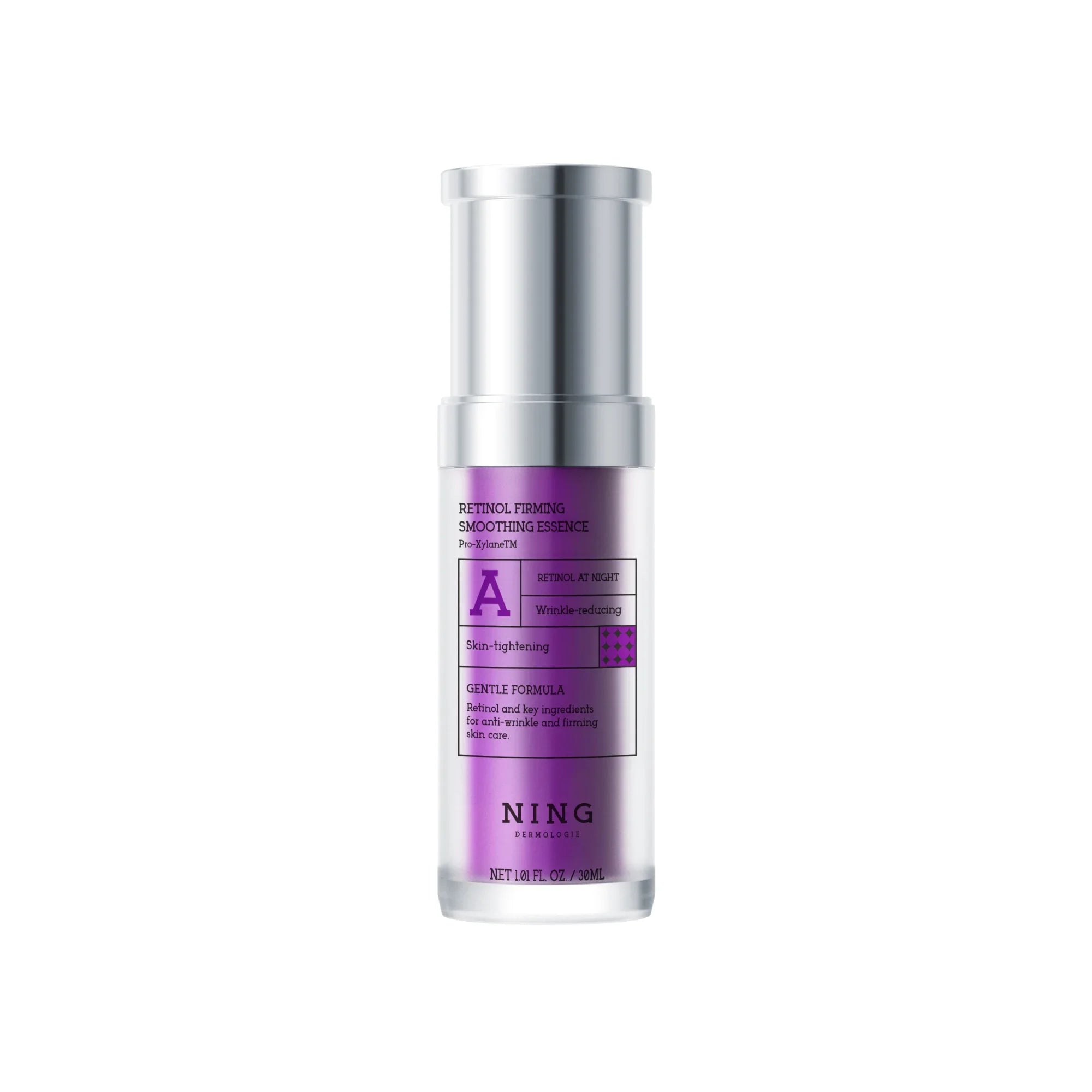
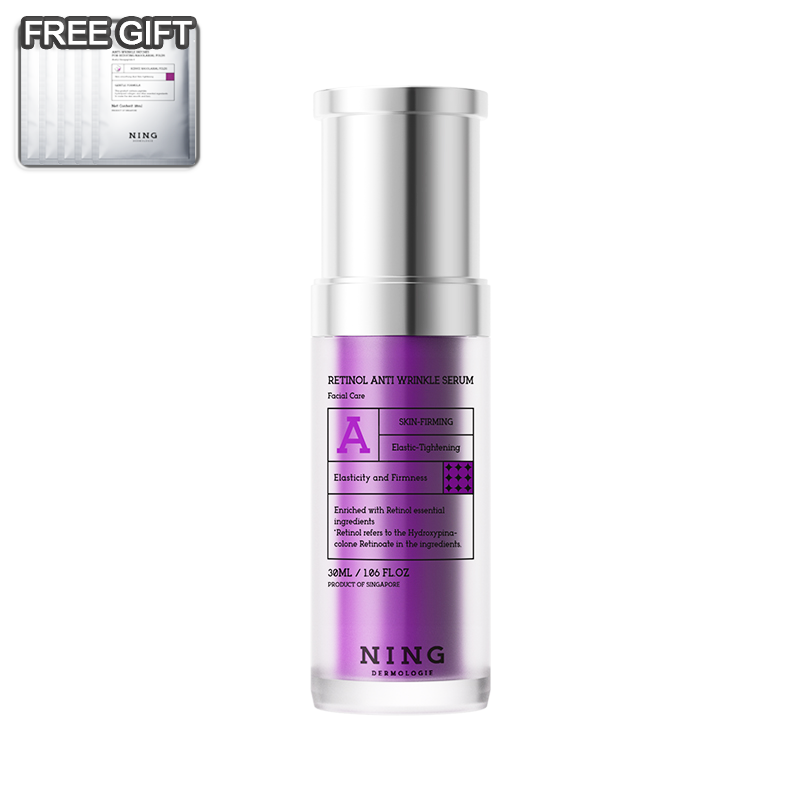
Vitamin C plays well with vitamin e and ferulic acid, which is why you see this combination of vitamin c so often. However, be cautious when mixing a strong acid serum or Vitamin C with Retinol or AHAs in the same routine. To avoid irritation, use your NING Dermologie Vitamin C Serum in the morning and save your other "actives" for your nighttime routine.





Share:
Where can I find dermatologist-recommended vitamin C serums for sensitive skin?
Can you compare popular vitamin C serums based on user ratings and price?