



The Insider’s Guide to Sourcing High-Quality Hyaluronic Acid Serums: From Retail Giants to Hidden Gems
Let’s be honest: buying a Hyaluronic Acid serum online feels a bit like the Wild West these days. One minute you’re looking for basic skin hydration, and the next you’re drowning in a sea of identical-looking dropper bottles on a massive beauty marketplace, wondering if that $9 bottle is a miracle bargain or just fancy tap water.
The truth is, not all online platforms are created equal. While e-commerce platforms like Amazon dominate convenience, they often fail when it comes to molecular weight verification and ingredient purity—two factors that actually determine if a serum will plump your skin or just sit on top of it.
Whether you are a skincare enthusiast looking for the best hydrating serum, or an entrepreneur scouting Wholesale Private Label options, knowing where to look is just as important as knowing what to look for. This guide cuts through the noise to highlight the platforms that specialize in quality, safety, and results.

1. The "Derm-Approved" Titans: Where Safety is Standard
If your primary concern is avoiding counterfeits and ensuring clinical efficacy, you need platforms that mimic a dermatology practice. These sites have rigorous product requirements and usually won’t stock a brand unless it meets strict cosmetic standards.
Dermstore & Skinstore (US)
These are the gold standards for access to professional-grade brands like EltaMD Skincare, La Roche-Posay, and CLn Skin Care.
- Why they win: They specialize in post-procedure care. If you’ve just had dermatological procedures or cosmetic procedures, you can’t risk using a product with questionable preservatives. These platforms employ quality assurance teams that check batch codes and expiration dates before shipping.
- What to buy: Look for high-performance pairings. Don't just buy HA; look for serums that combine HA with Copper Peptide GHK-Cu for healing, or a Tranexamic Acid Serum for pigmentation.
- The Catch: You pay a premium for the safety. You rarely find "indie" bargains here.
Cult Beauty (UK/Global)
Cult Beauty has built a reputation on transparency. They were one of the first to highlight active ingredients clearly and have pushed for a circular model in beauty retail.
- Why they win: Their "Cult Conscious" edit is brilliant for conscious shoppers who care about sustainable packaging and carbon footprint. They verify that brands aren't just greenwashing.
- What to buy: This is the place to find trend-setting formulations, like a Pink Peptide Pdrn Serum or a niche Hyaluronic Acid Face Oil Serum that hasn't hit the mass market yet.
2. The Direct-to-Consumer (DTC) Revolution: NING Dermologie
Sometimes, the best platform isn't a marketplace at all—it's the brand's own digital storefront. This is where you find the freshest batches (critical for stability) and the best value.
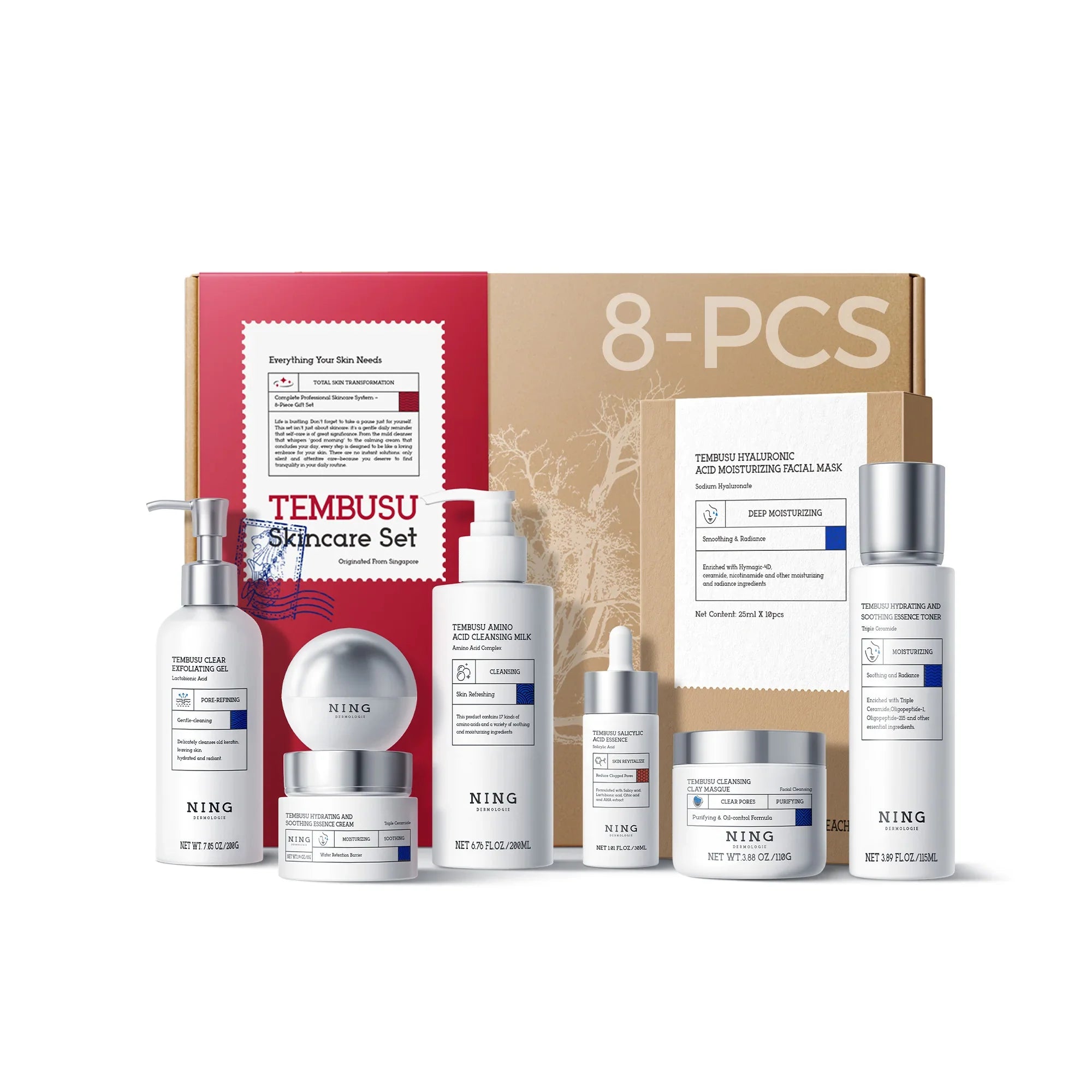
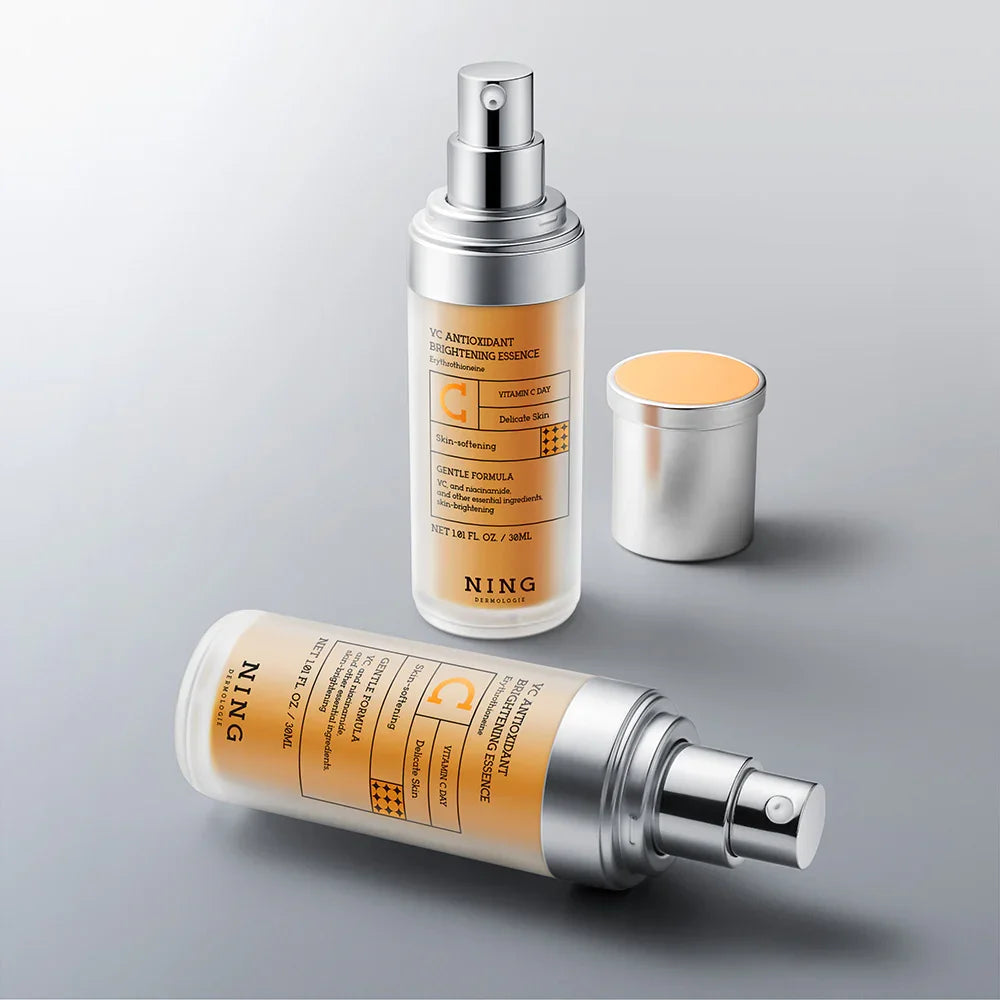
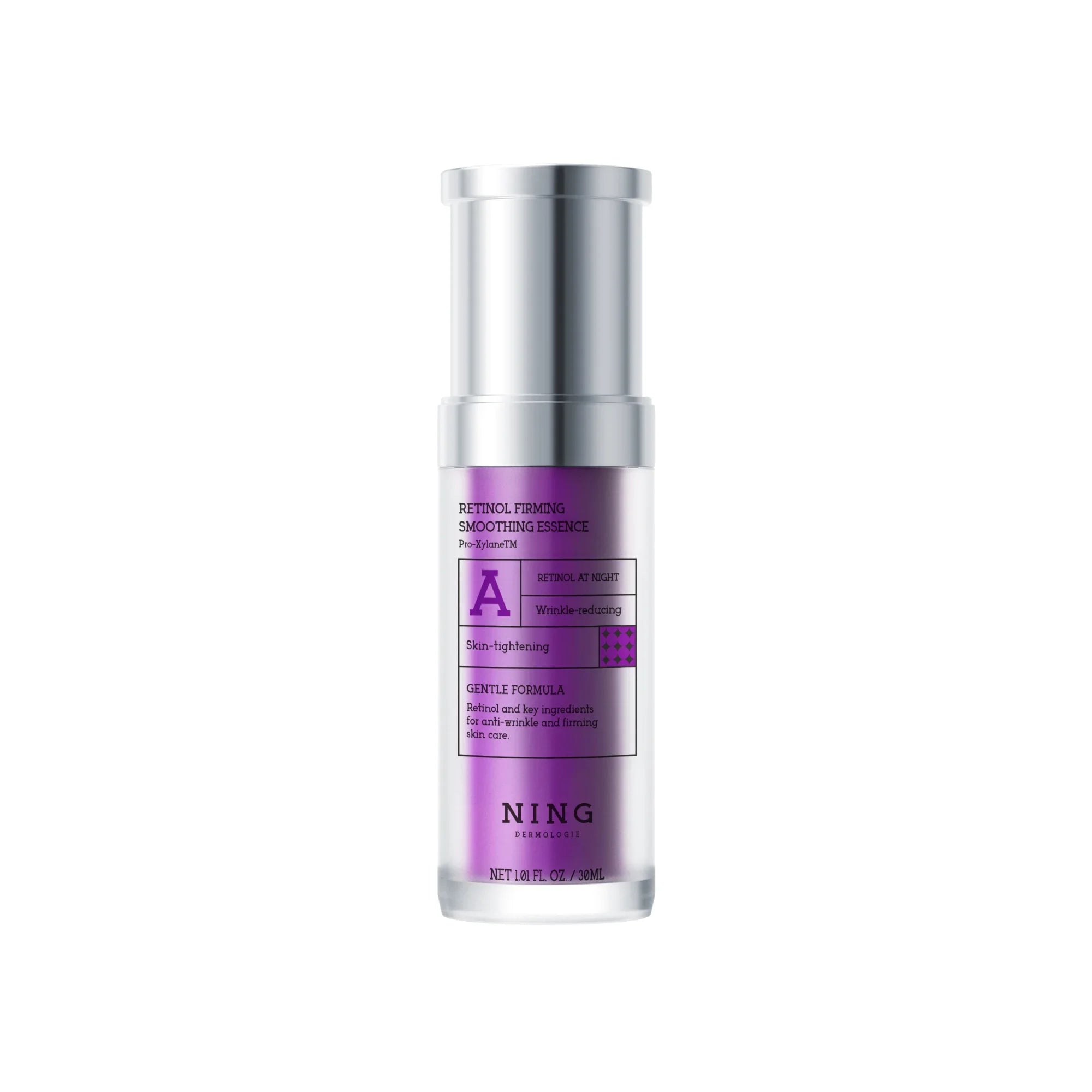
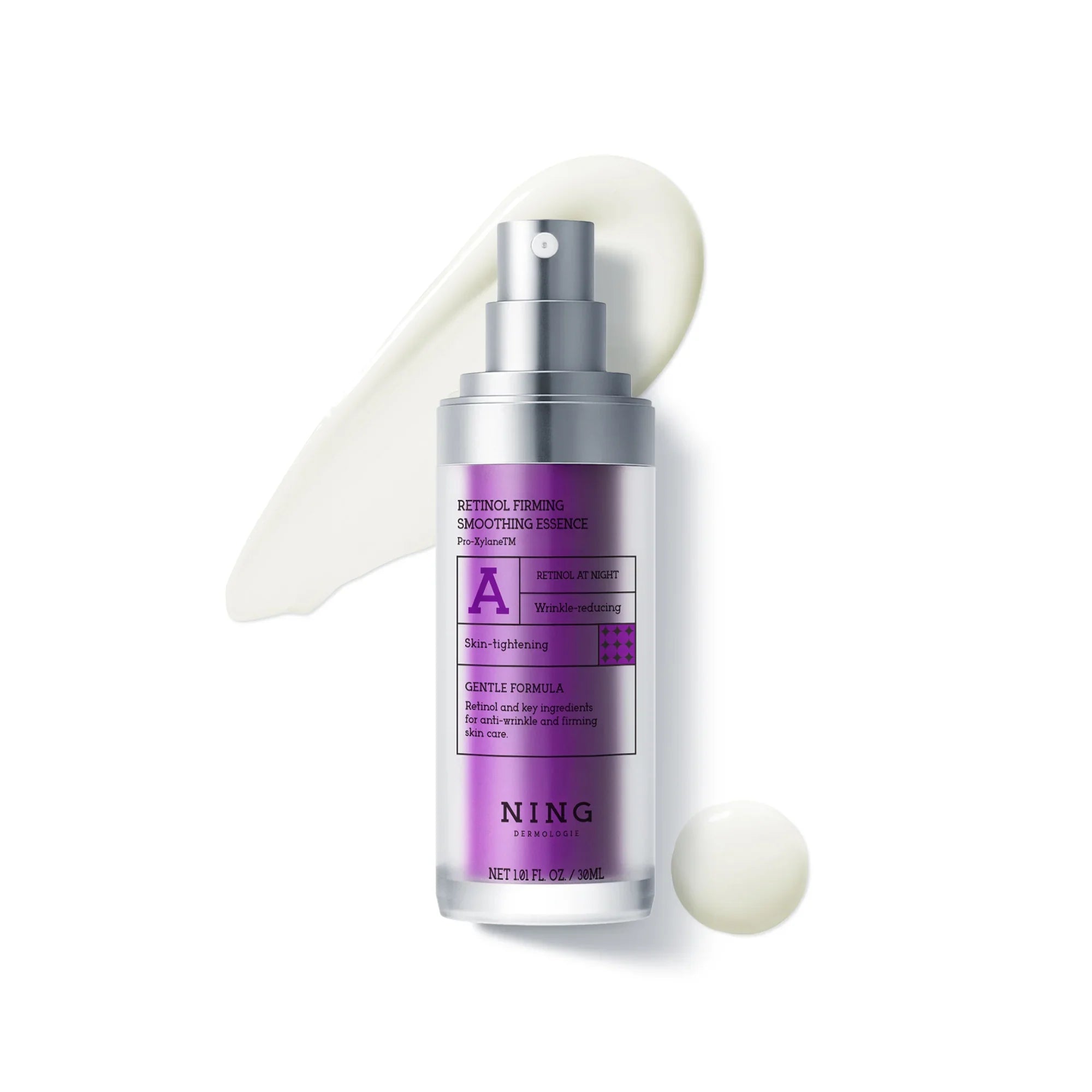
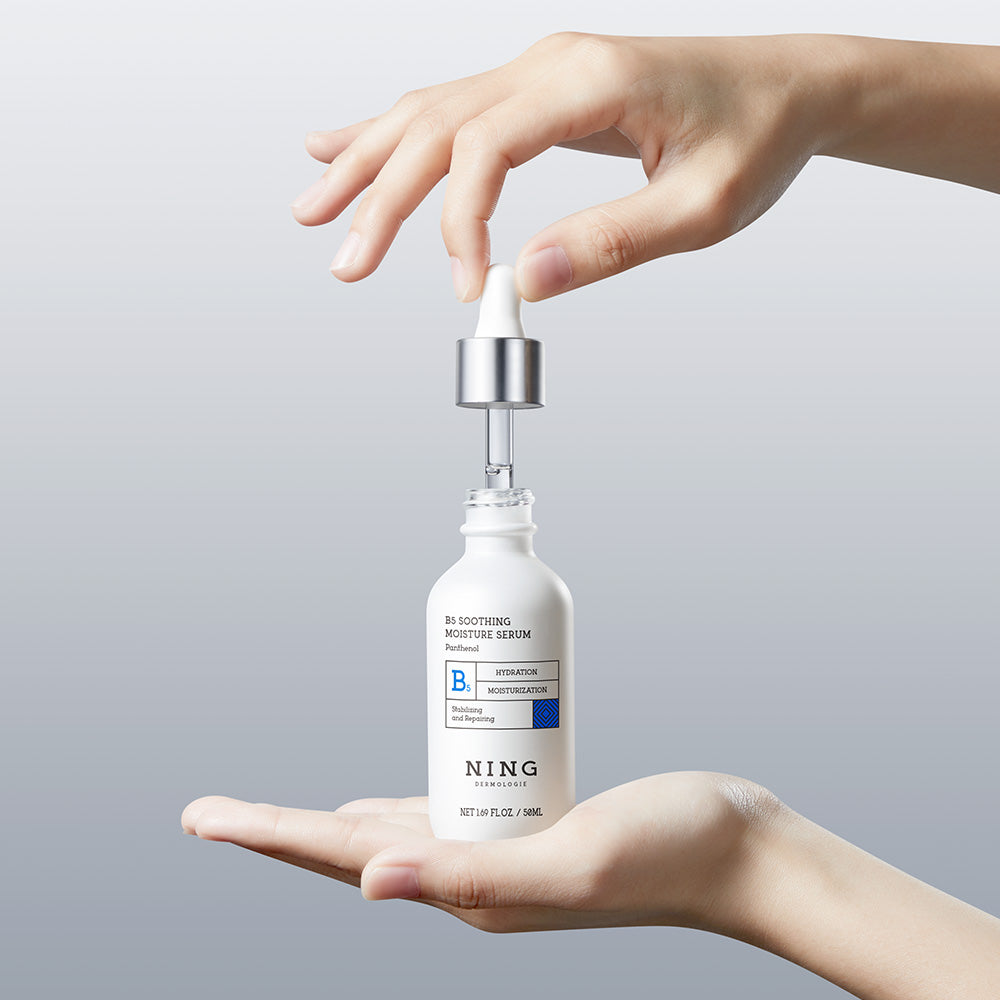
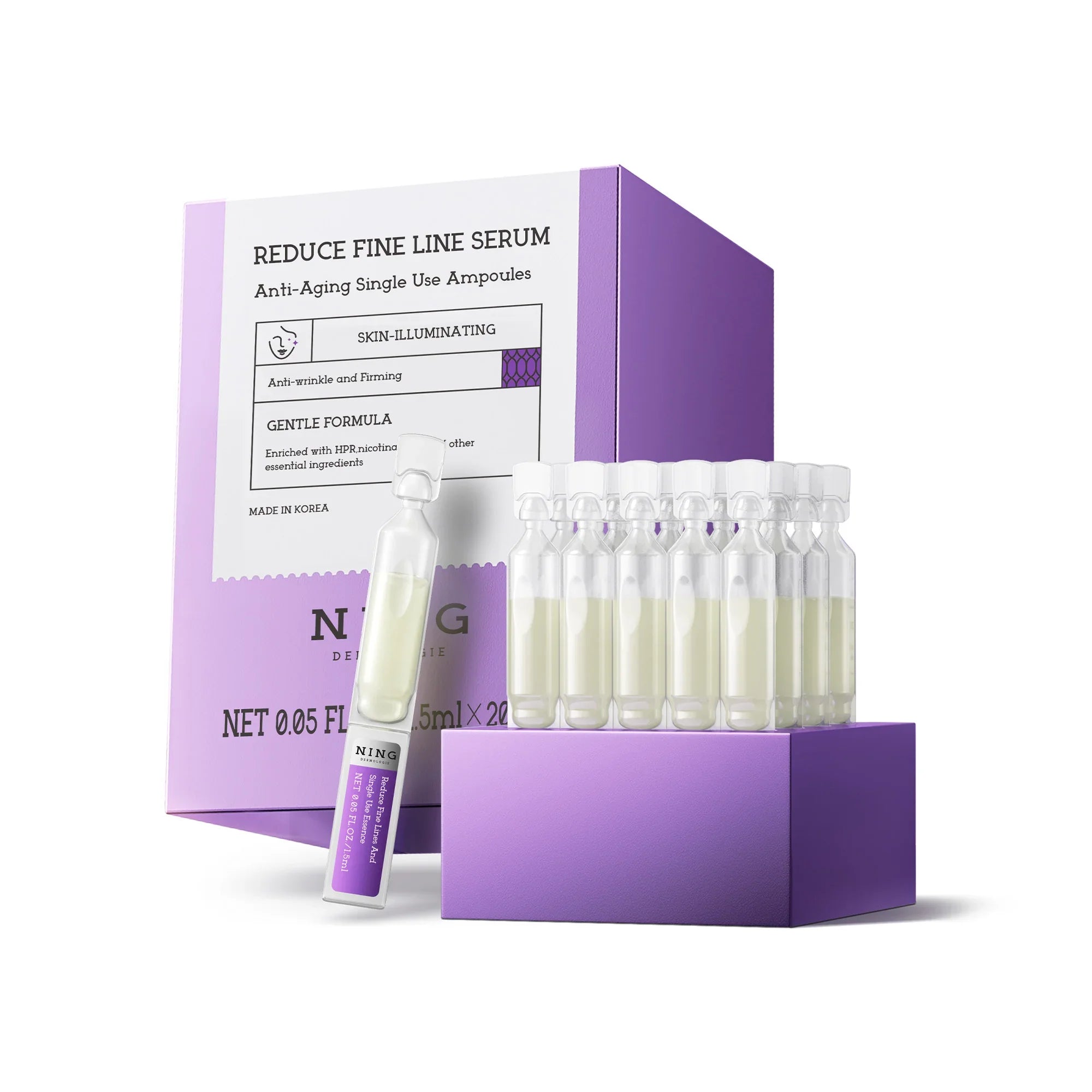
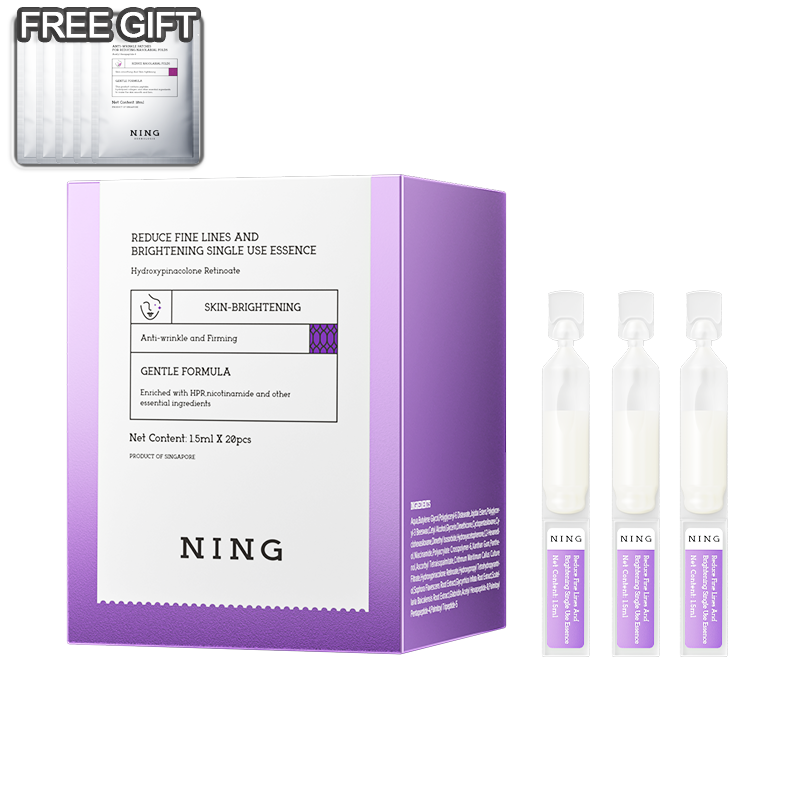
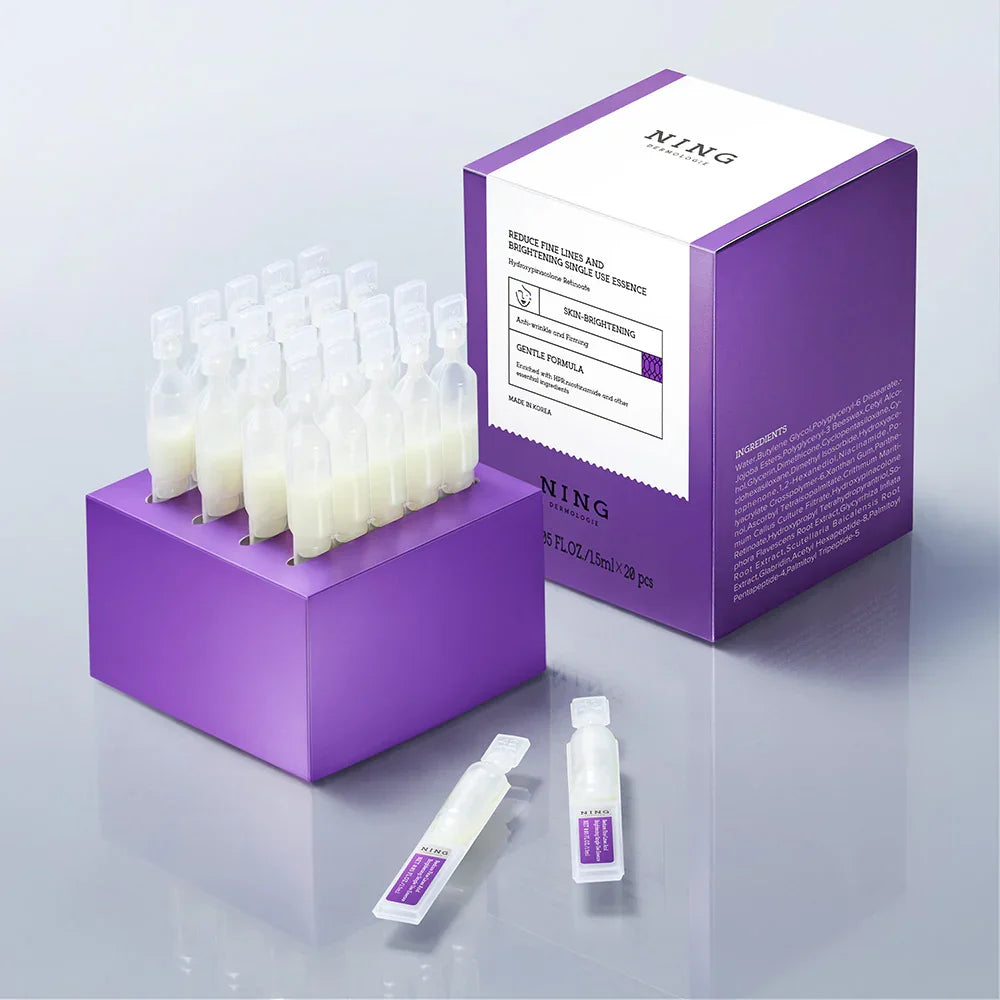
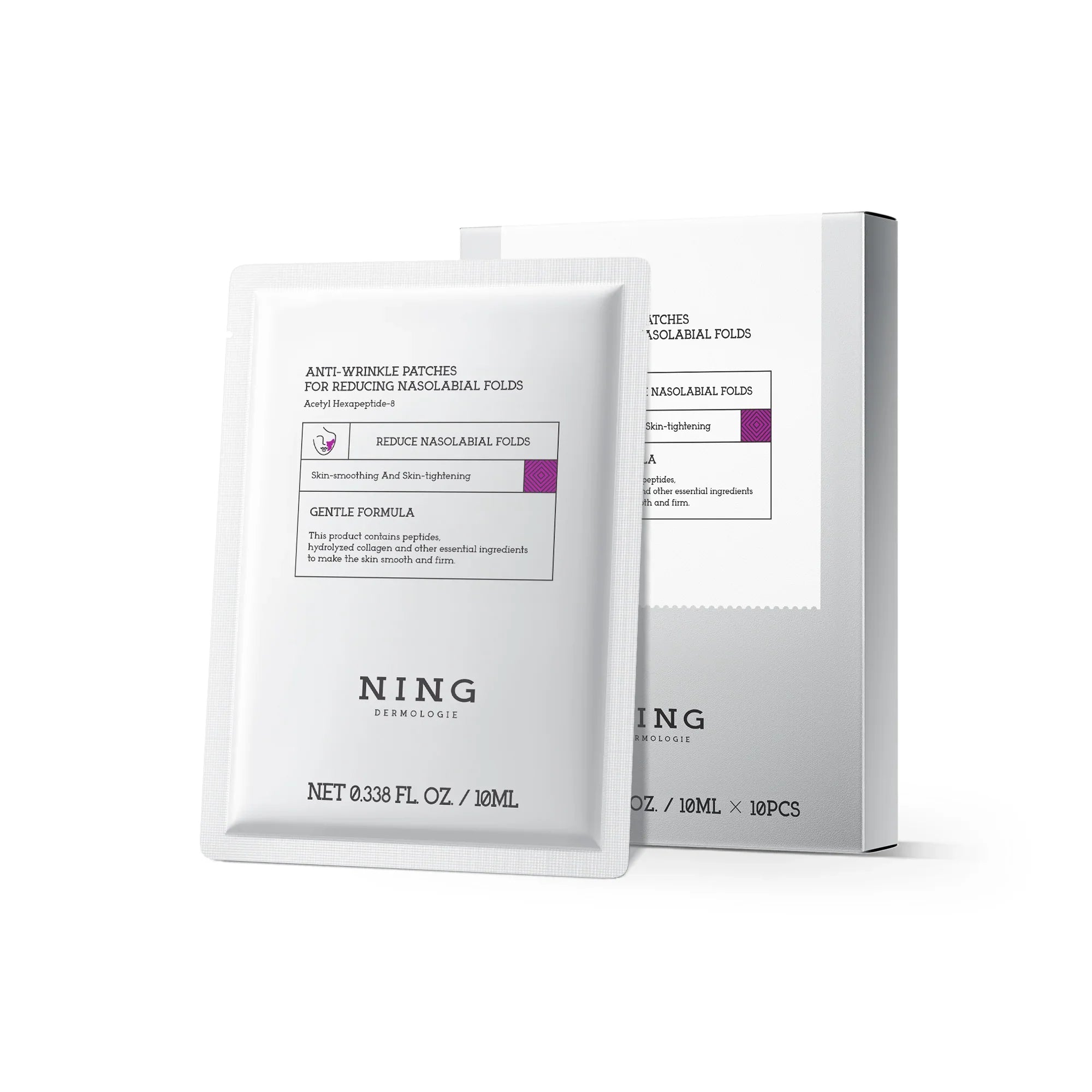
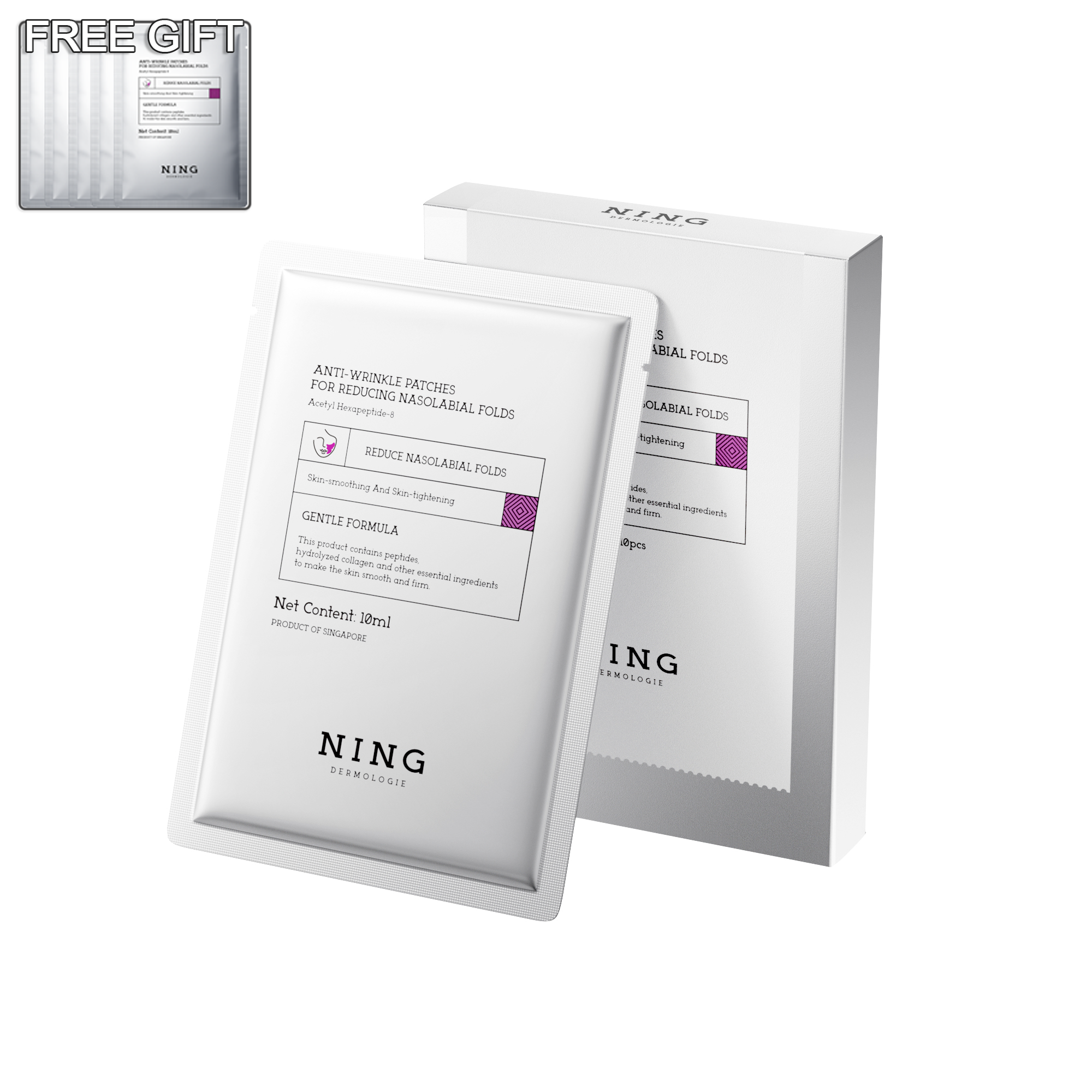
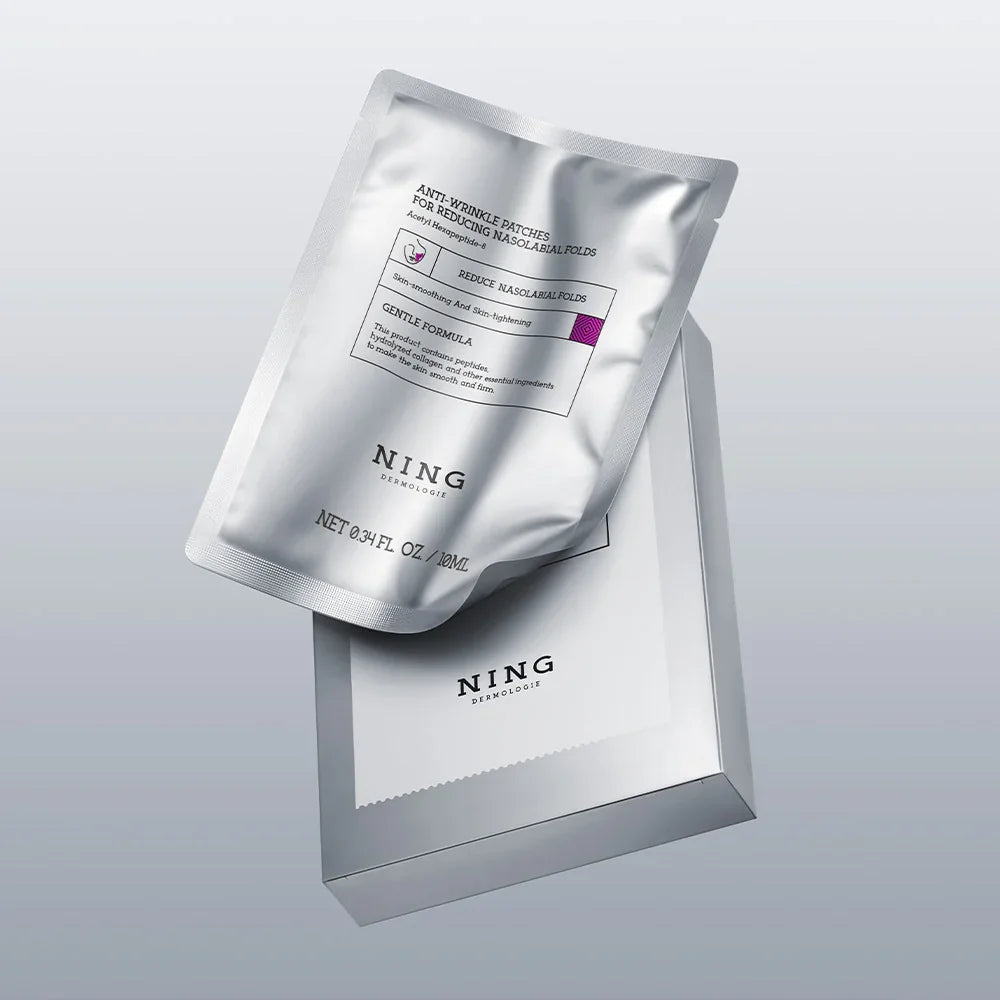
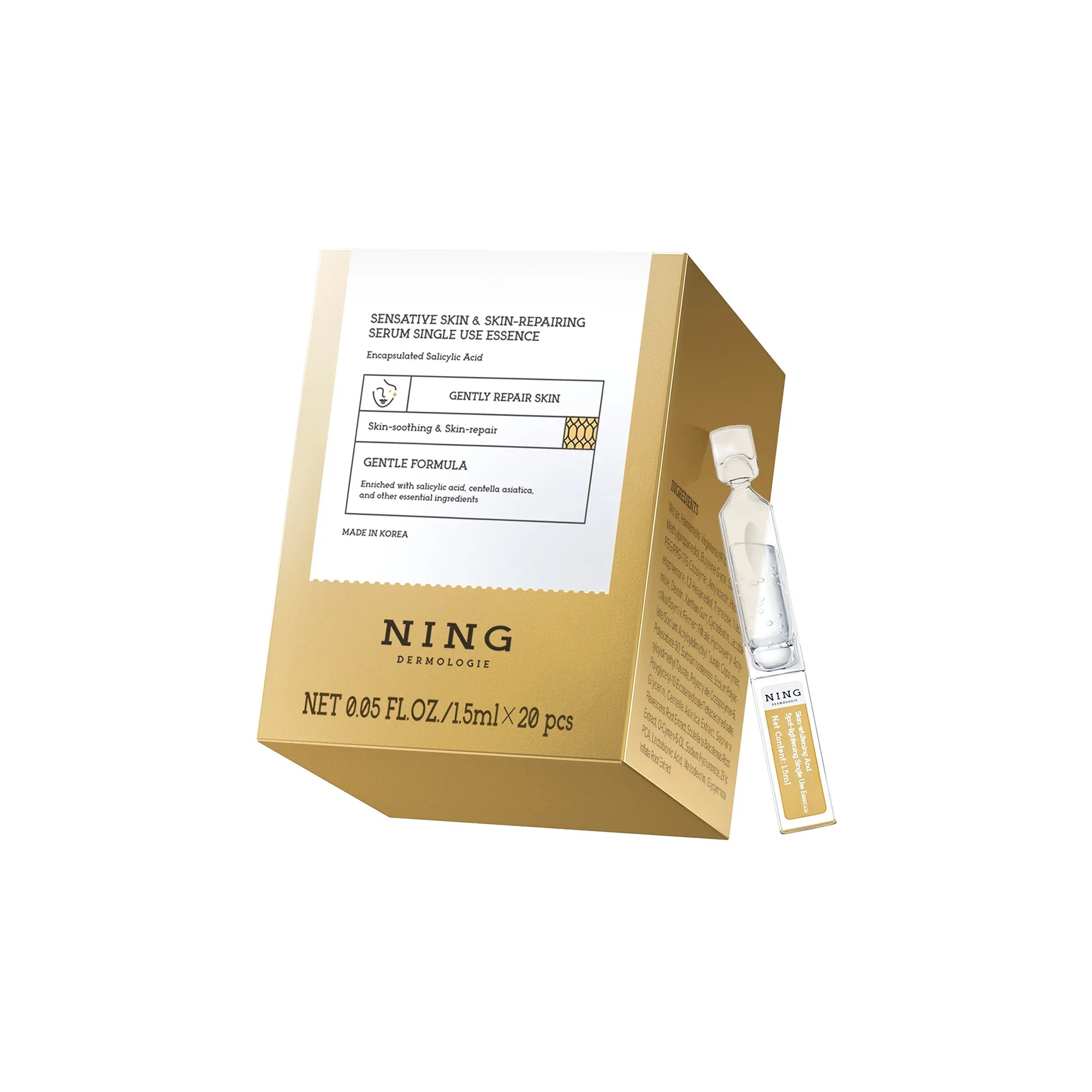
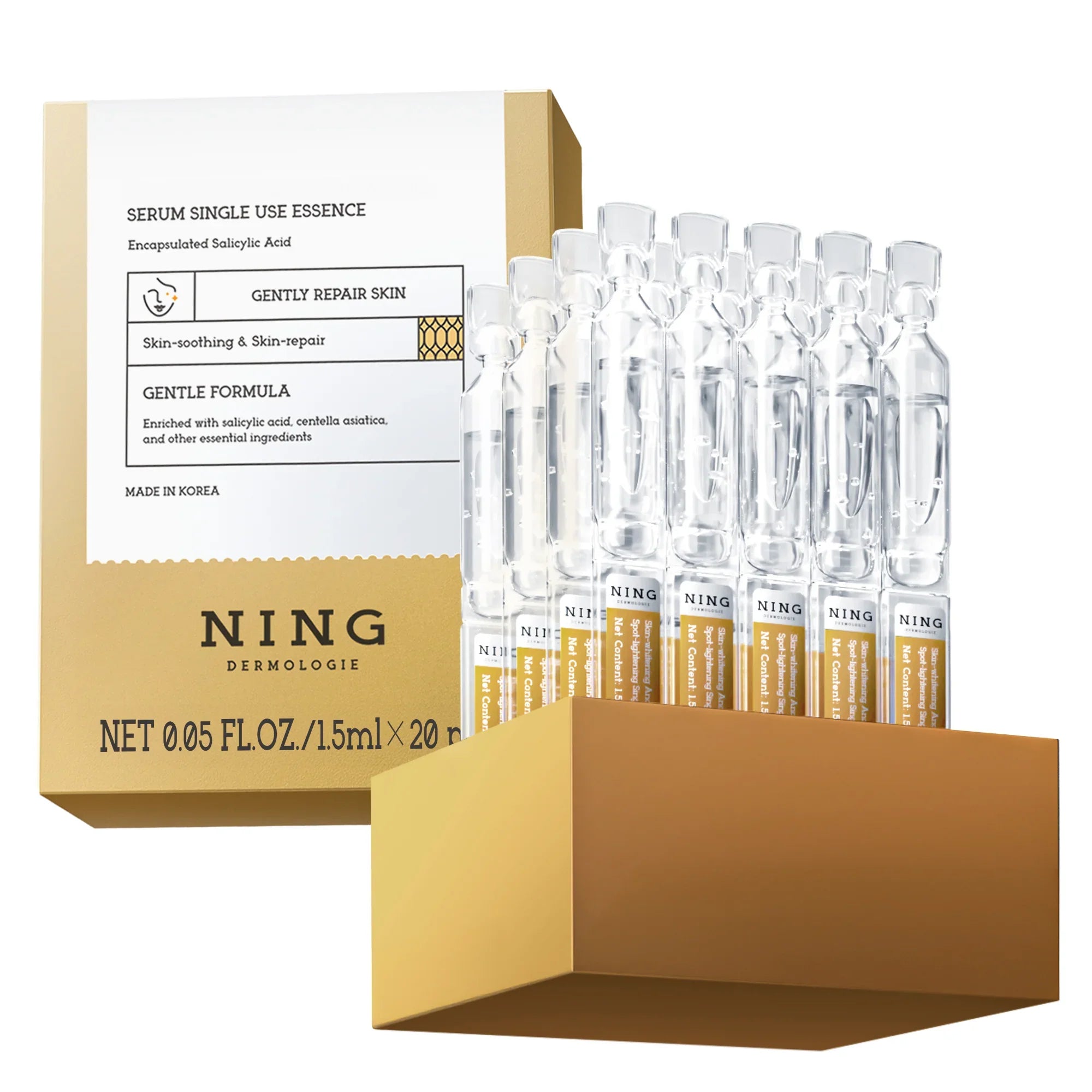
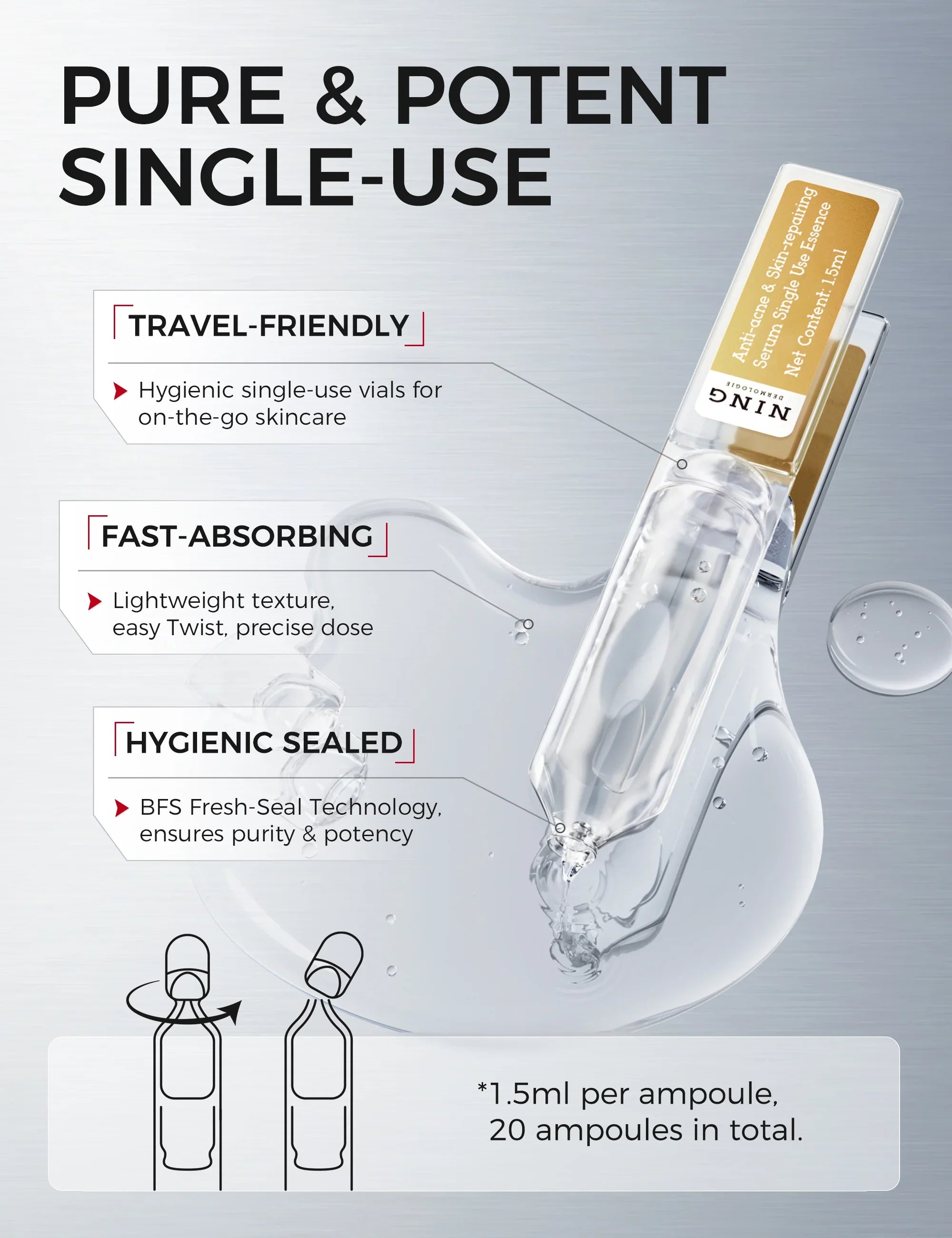
A prime example of this is NING Dermologie. Unlike massive aggregators where products might sit in a hot warehouse for months, buying direct ensures fill levels are accurate and the formulation is stable.
The Star Product: Hydrating & Soothing Essence Lotion
If you are tired of sticky, heavy serums, NING’s approach to skin hydration is refreshing. Their Hydrating & Soothing Essence Lotion is engineered to balance skin elasticity without the heaviness.
- Why it works: It’s not just water; it’s a delivery system. Many generic serums use high molecular weight HA that sits on the surface. NING focuses on penetration and soothing, making it a perfect precursor to a Rejuvenative Moisturizer or Neck Correct Cream.
- The Vibe: It bridges the gap between a clinical treatment and a Natural Organic Face Serum.
3. The "Ingredient Hunter" Sites: YesStyle & iHerb
For those who treat skincare like chemistry class, Asian beauty (K-Beauty/J-Beauty) platforms are superior. They focus heavily on Green Tea Ingredients, fermentation, and advanced hydration.
- Verified Sellers: Sites like YesStyle act as authorized retailers for Asian brands, which is a massive security solution against the fake products flooding eBay.
- Lip Essentials & More: These are often the best places to find specialized localized treatments, from lip essentials (masks and oils) to targeted ampoules.
4. For the Business Owner: Private Label & Wholesale Platforms
If you are reading this not just to buy, but to build a brand, the landscape changes. You aren't looking for a single bottle; you are looking for Private label face serums and formulation quality.
Navigating Wholesale Private Label requires a different set of eyes. You need platforms that offer transparency on production certifications (like GMP or ISO) and regulatory standards.
What to ask a B2B Partner:
- Molecular Weight Verification: Can they prove their HA isn't just cheap thickener?
- Customization: Can they tweak a standard hydrating serum to include trending actives like Copper Peptide GHK-Cu?
- Safety: Do they have a quality check process for raw materials?
Many skincare businesses fail because they source from cheap, unverified marketplaces. A brand like NING Dermologie understands this ecosystem, maintaining high standards that rival the best private labeling outputs in the industry. Whether you are looking for a security service to protect your payment or a quality check on your ingredients, the partner you choose defines your brand's reputation.
5. The Red Flags: Where NOT to Buy
To maximize utility, we have to talk about where not to spend your money.
- Unverified Third-Party Sellers: On general mega-retailers, check the "Sold By" line. If it’s a random name like "BeautyDiscount247," run. They often scrape obscure warehouses where expiration dates are ignored.
- Social Media Platforms (Direct Ads): Be wary of "miracle" ads on TikTok or Instagram unless they link directly to a verified brand site or a major retailer like Cult Beauty. Digital marketing is powerful, but it often masks poor formulation quality.
6. How to Curate Your Routine (The "De-fluenced" Advice)
You don't need a 10-step routine. You need the right vehicles for delivery.
- Cleanse: Use a gentle cleanser (check EltaMD Skincare for great options).
- Treat: Apply your Hydrating & Soothing Essence Lotion from NING Dermologie. This is your hydration layer.
- Correct: Layer a specific active, like a Tranexamic Acid Serum for dark spots or a Pink Peptide Pdrn Serum for anti-aging.
- Seal: Finish with a Rejuvenative Moisturizer or a Neck Correct Cream to lock it all in.
7. The Role of Reviews and Community
Finally, use customer reviews intelligently. Don't just look at the star rating. Look for reviews that mention:
- Texture: Is it sticky? (Bad HA is often sticky).
- Reaction: Did it cause breakouts?
- Packaging: Did the pump break?
Genuine customer reviews are the best quality check available to the public. They are the final security solution before you hand over your credit card.

Frequently Asked Questions (FAQ)
Q1: How do I know if a Hyaluronic Acid serum is actually "high quality"?
A: Honestly? Ignore the big percentage on the label. Flip the bottle. If it feels like glue or pills up under makeup, it's cheap filler. A solid serum should sink in fast without that tacky finish. You want clean ingredients, not just thick texture that tricks you into thinking it's working.
Q2: Can I use Hyaluronic Acid with active ingredients like Vitamin C or Retinol?
A: Totally. HA is the peacemaker in your routine; it gets along with everyone. I actually layer it under retinol to buffer the harshness. Just make sure your Vitamin C goes on dry skin first—let it sit a minute—then slap on your HA to lock everything down.
Q3: Why are some HA serums $10 and others $100?
A: You're mostly paying for the "delivery system." Cheap $10 stuff often uses large molecules that just sit on your face (and wash right off). The pricey bottles usually have smaller molecules that actually penetrate deep. But don't go crazy—you can find great middle-ground options without spending a fortune.
Q4: Is buying from Amazon safe for skincare products?
A: It’s risky. Unless you see "Sold by [Brand Name]" explicitly, don't do it. Warehouses often mix inventory, so a fake bottle from a shady seller gets thrown in the same bin as the real deal. I’ve seen way too many expired or heat-damaged products to trust it blindly.
Q5: What is the difference between an Essence Lotion and a Serum?
A: Think of Essence (like the NING one) as a sponge-wetter. It’s thinner and preps your skin so it's not "thirsty" when you apply the heavy stuff. Serums are more concentrated treatments. Using an essence first actually makes your serum work harder because damp skin absorbs better than dry skin.





Share:
The Truth About Hunting for Hyaluronic Acid in Skincare Subscription Boxes
The Empty Bottle Blues: Is There a Subscription Service for Monthly Delivery of Hyaluronic Acid Serum?