



The Truth About Vitamin C for Sensitive Skin: Why Most Serums Burn and What Actually Works
You buy the "best vitamin C serum" after seeing a dozen glowing reviews, apply it with high hopes for that "glass skin" radiance, and within five minutes, your face feels like it’s been slapped with a spicy jalapeño. For those of us with sensitive skin, the search for a functional vitamin C product often feels like a gamble where the stakes are redness, flaking, and a compromised skin barrier.
But here’s the reality: Vitamin C is non-negotiable if you want to fight free radical damage, stimulate collagen production, and actually brighten those stubborn dark spots. You don't have to skip it; you just have to stop using the wrong form of vitamin C.
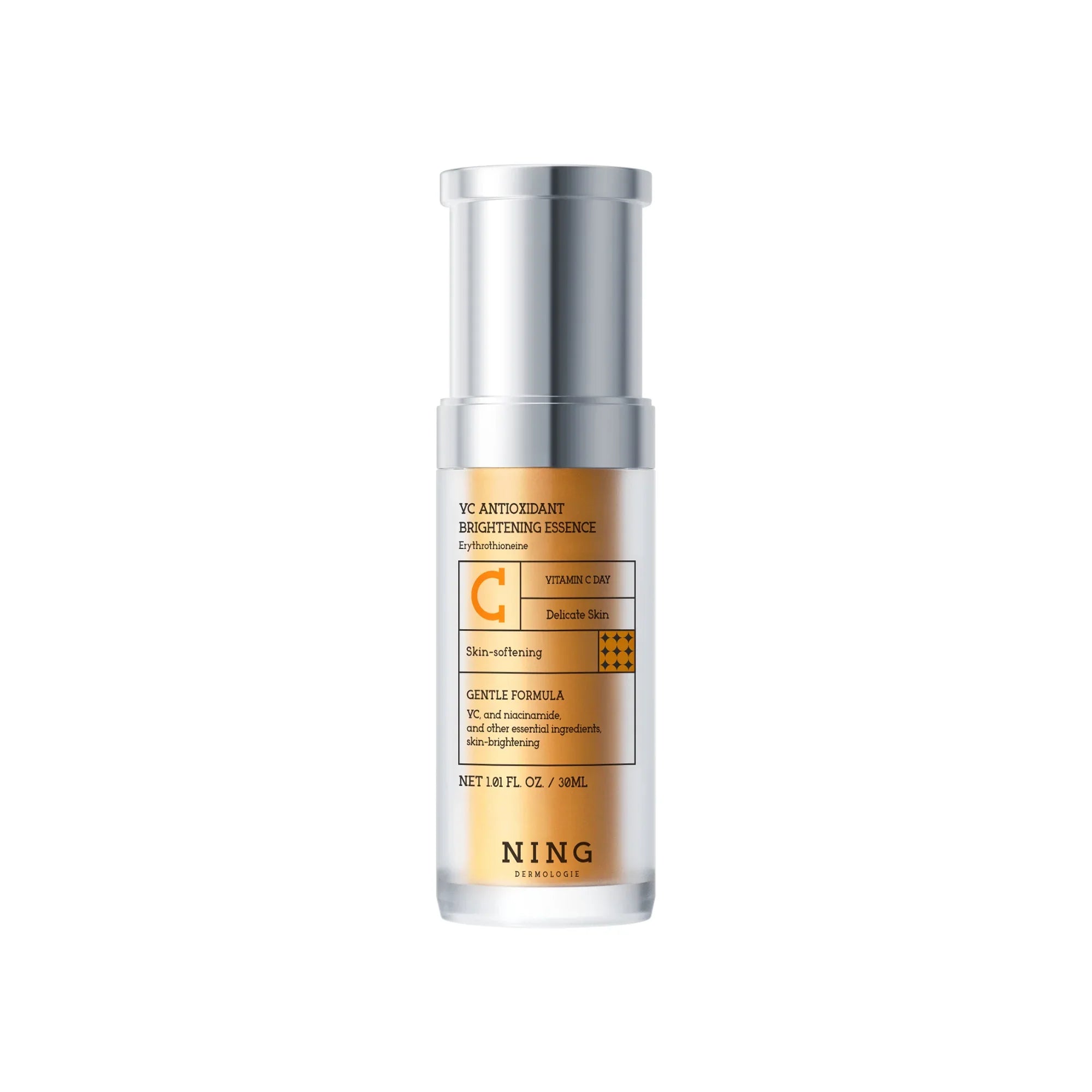
In this guide, we’re going to cut through the marketing fluff. We’ll look at the chemistry of ascorbic acid, why the "gold standard" isn't always gold for everyone, and which brightening vitamin C serum options—including our own NING Dermologie formulation—actually respect your skin’s peace.

Why Does Vitamin C Irritate Sensitive Skin?
To understand why your vit c hurts, we have to talk about pH levels. Pure vitamin C (known as L-ascorbic acid) is notorious for being unstable. To get it to penetrate your skin, chemists have to drop the pH of the acid serum to a very low level—usually between 2.5 and 3.5.
For a "normal" skin type, that’s fine. But for sensitive skin, that acidity is an assault. It disrupts your skin barrier, leading to "stinging" and inflammation. Furthermore, l-ascorbic acid oxidizes the moment it hits light or air. If your serum has turned orange, you’re basically rubbing pro-oxidants on your face, which does more harm than good for skin health.
The Derivative Solution
This is where vitamin c derivatives come in. Ingredients like sodium ascorbyl phosphate, magnesium ascorbyl phosphate, and the powerhouse 3-O-Ethyl Ascorbic Acid (which we use in our NING Dermologie Vitamin C Serum) are much more stable. They don't require that "burn-your-face-off" pH level to work. They stay effective longer and brightens skin without the drama.
Breaking Down the "Best" Vitamin C Serums (The Honest Review)
When you ask a dermatologist for the best vitamin c serum, they usually point to one of three names. Let's look at how they actually perform on reactive skin.
1. SkinCeuticals C E Ferulic
This is the "Super Serum" everyone talks about. Skinceuticals C E Ferulic is backed by decades of research. It combines vitamin c (15% L-ascorbic acid) with vitamin e and ferulic acid to create a massive antioxidant shield.
- The Pros: Incredible for mature skin and collagen synthesis.
- The Cons: It’s expensive, smells a bit like "hot dog water," and because of the high concentration of pure vitamin c, it can be a nightmare for sensitive skin may react to.
2. Timeless Skin Care Vitamin C Serum
A favorite vitamin c choice for those on a budget, Timeless Skin Care offers a similar ferulic serum profile to SkinCeuticals but at a fraction of the cost.
- The Pros: It’s fresh and lightweight. Great for oily skin because it isn't greasy.
- The Cons: Again, it uses L-ascorbic acid. If your skin type is prone to redness, this might still be too aggressive.
3. Naturium Vitamin C Complex
The Naturium Vitamin C Complex uses a "complex" (a blend of encapsulated L-ascorbic acid and derivatives).
- The Pros: It has a nice skin feel and includes hyaluronic acid for hydration.
- The Cons: It’s a solid vitamin c product, but some users with acne-prone skin find the texture a bit heavy.
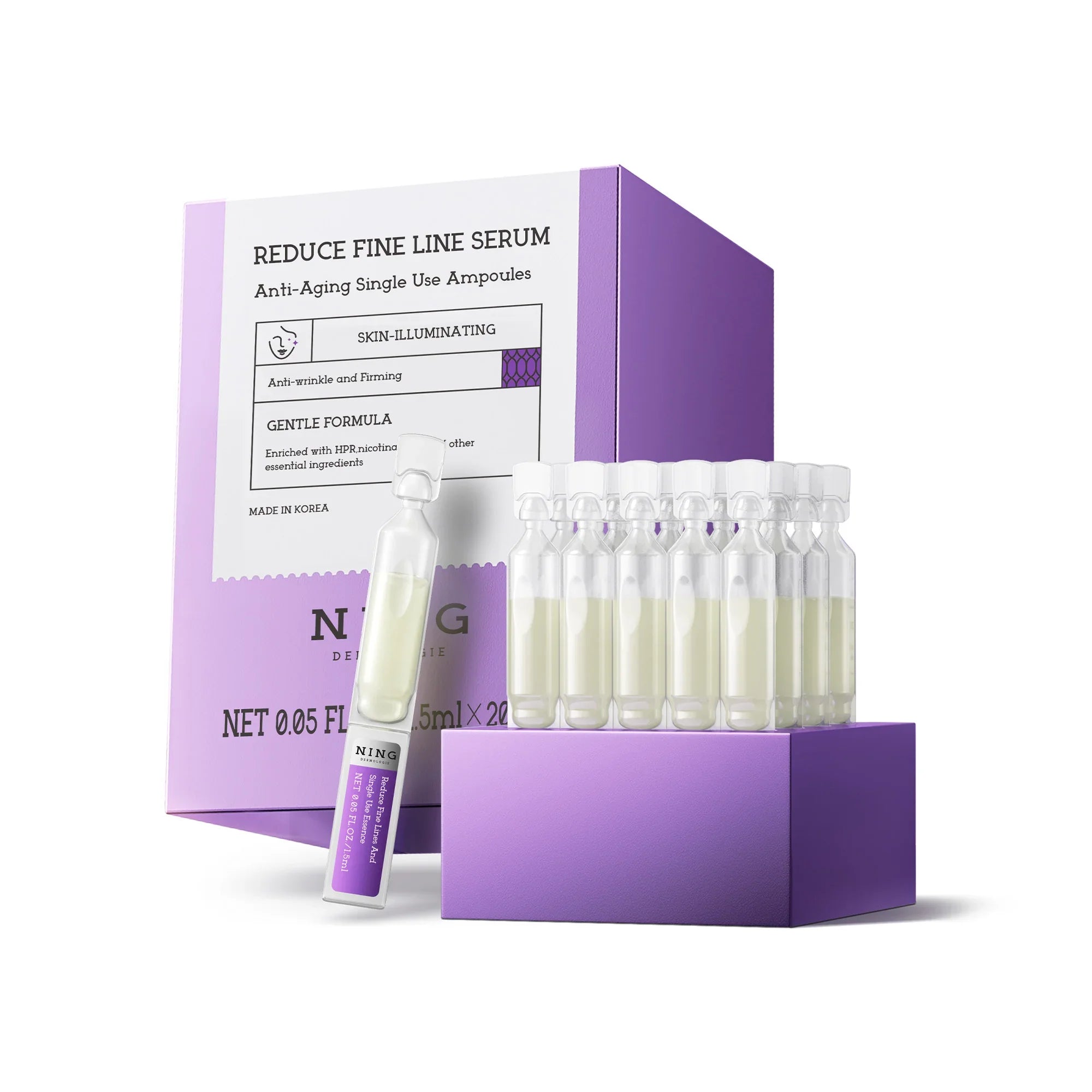
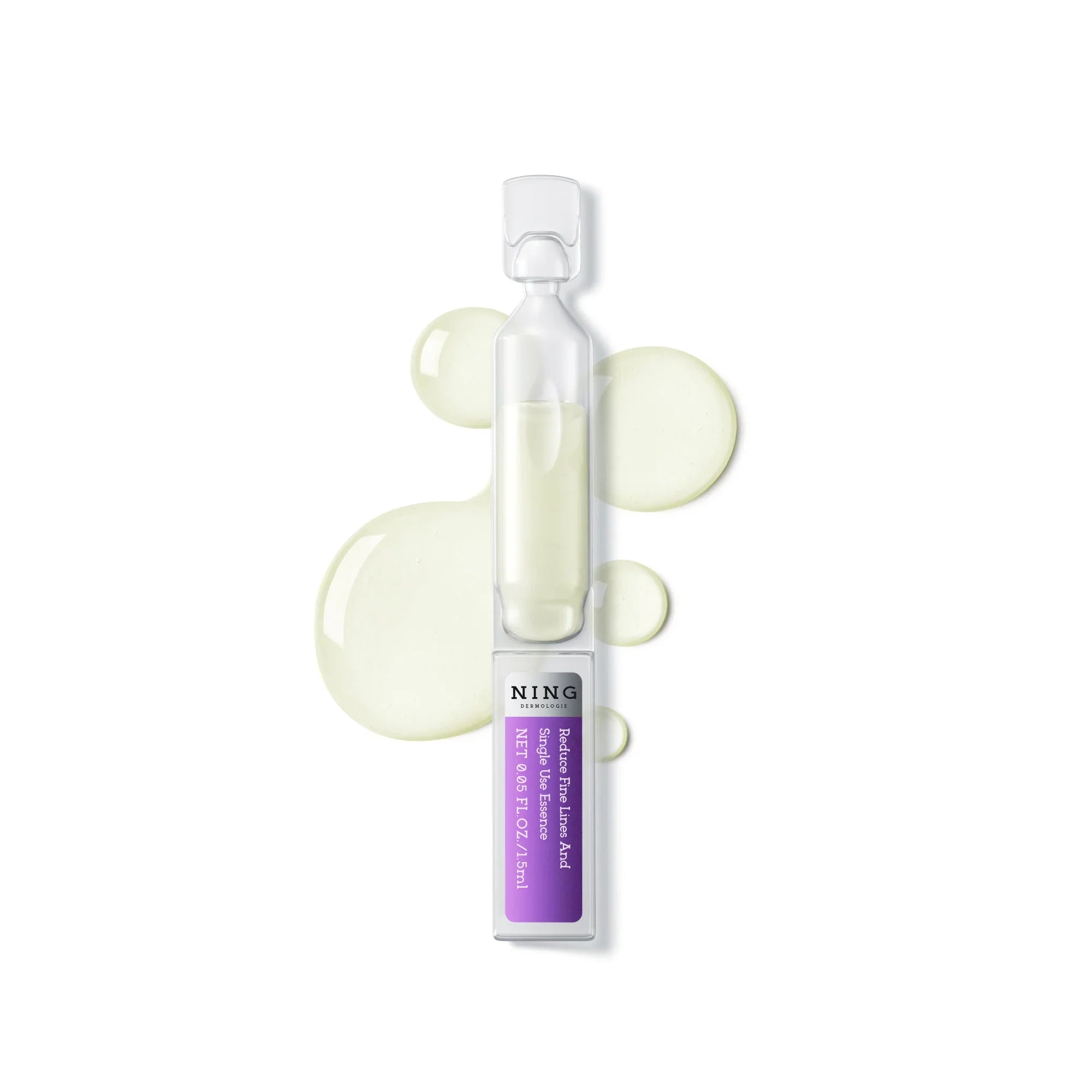
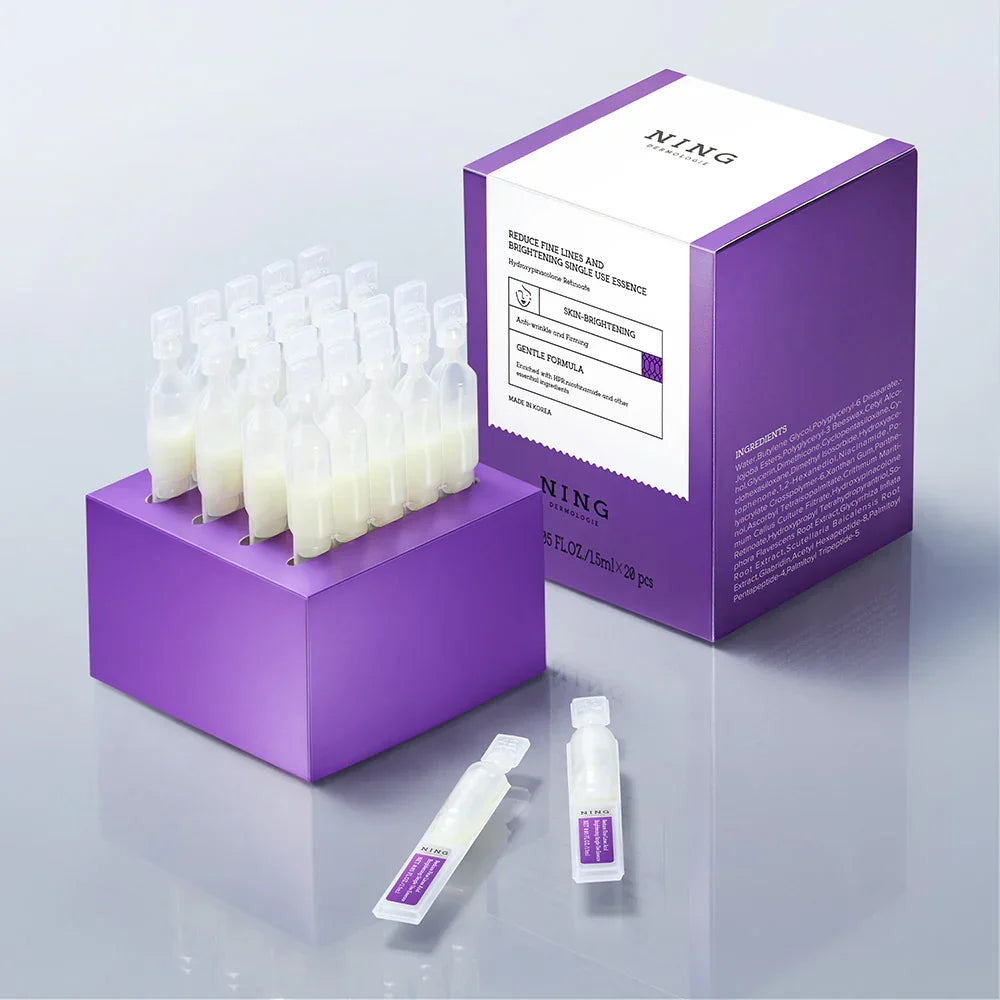
4. The "New School" Choice: NING Dermologie Vitamin C Serum
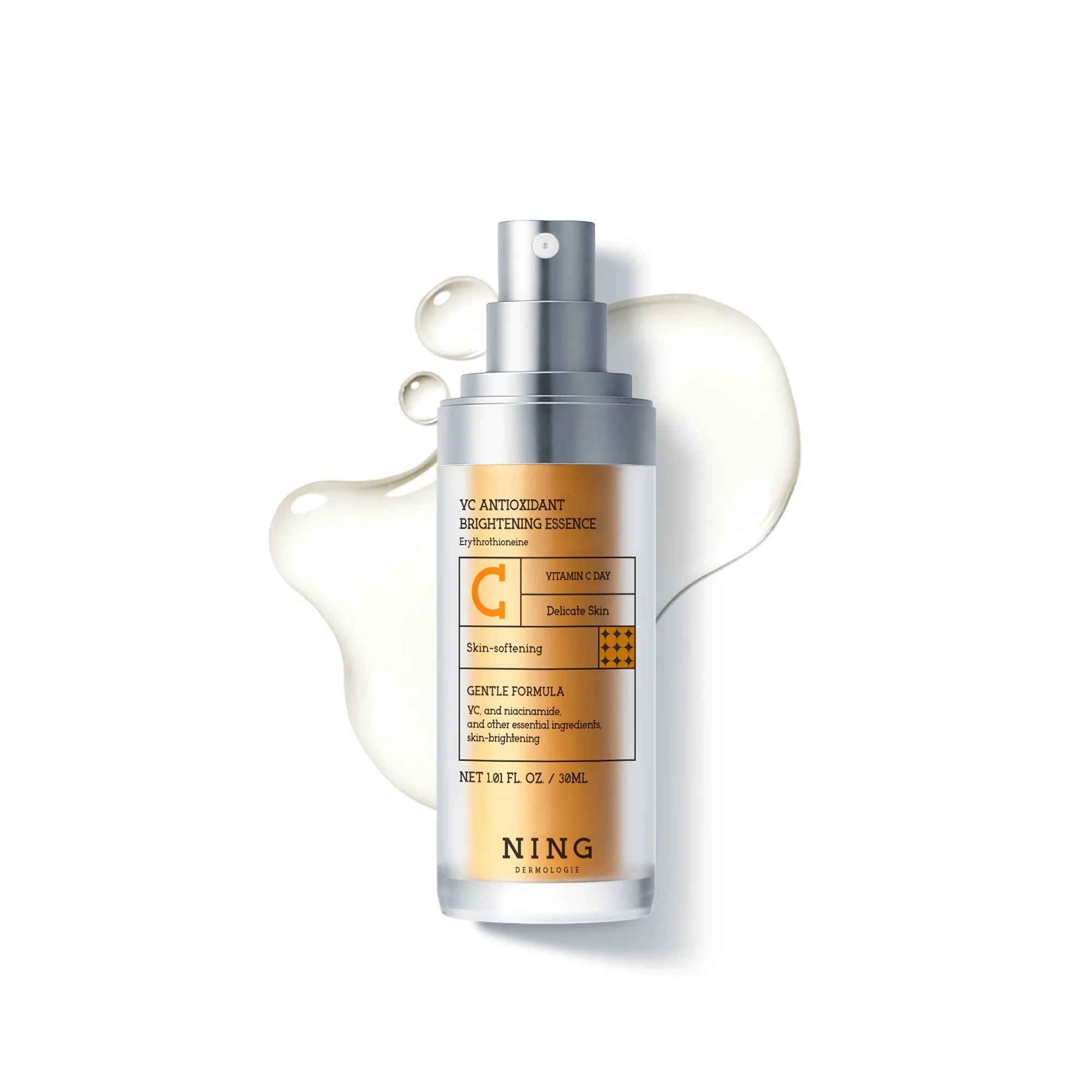
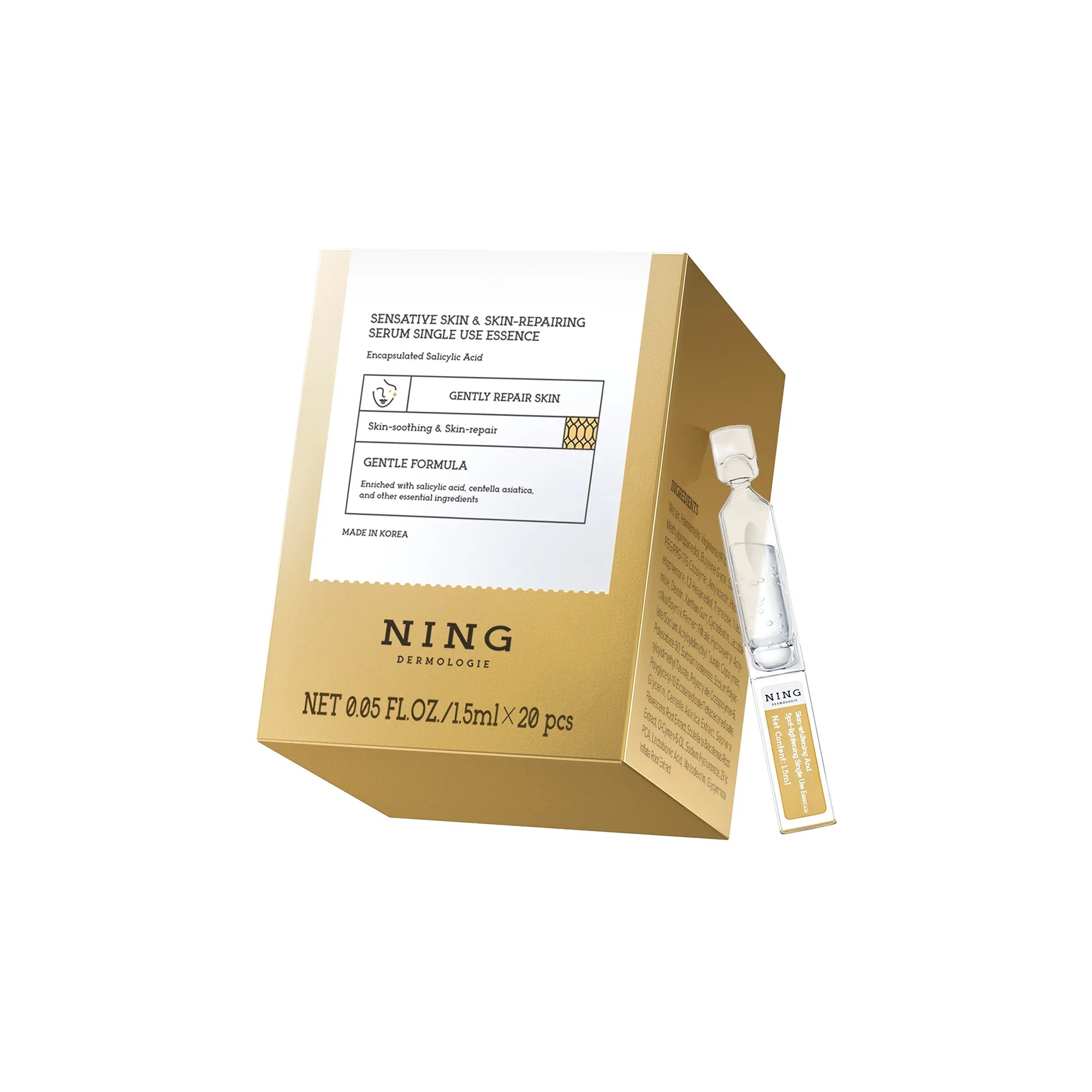
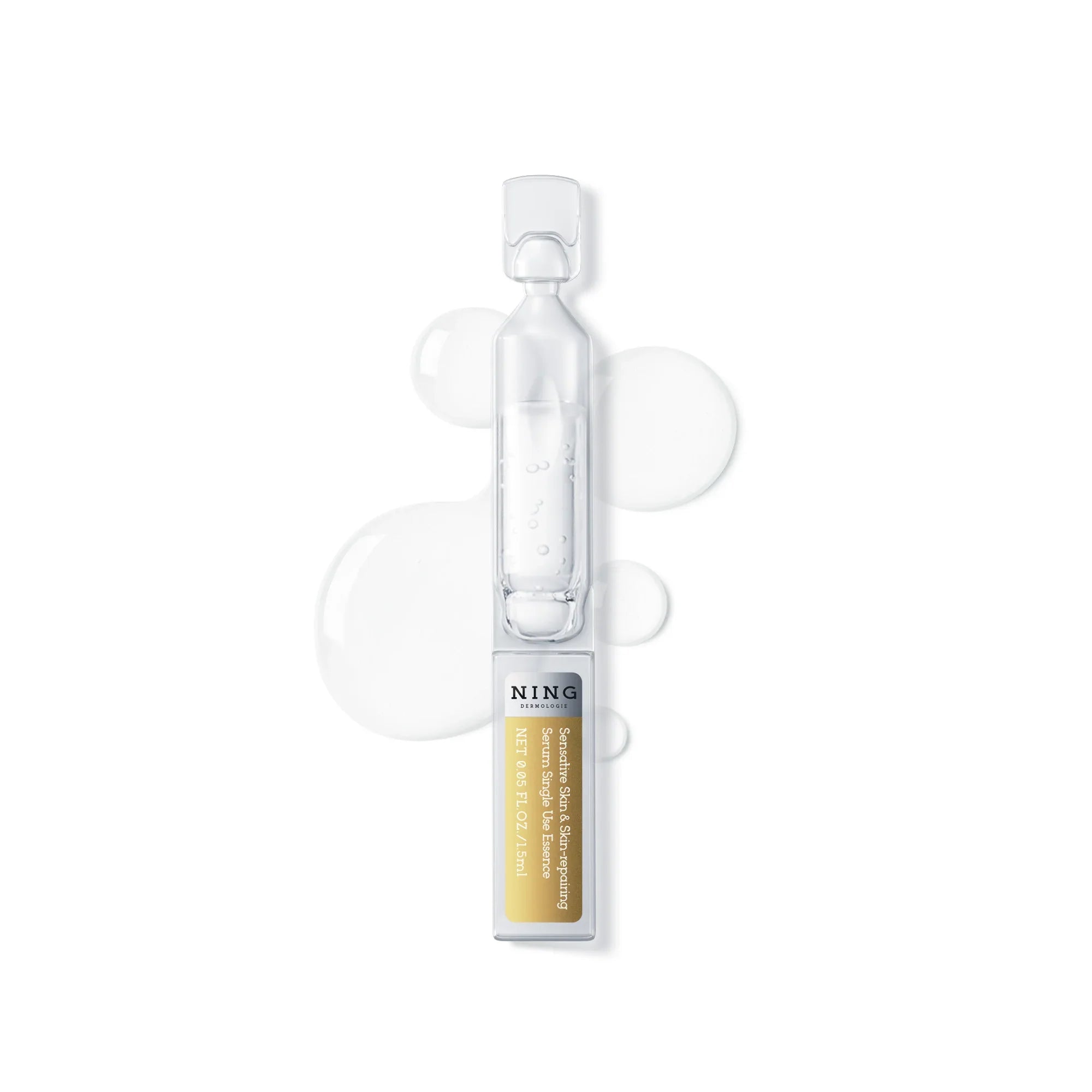
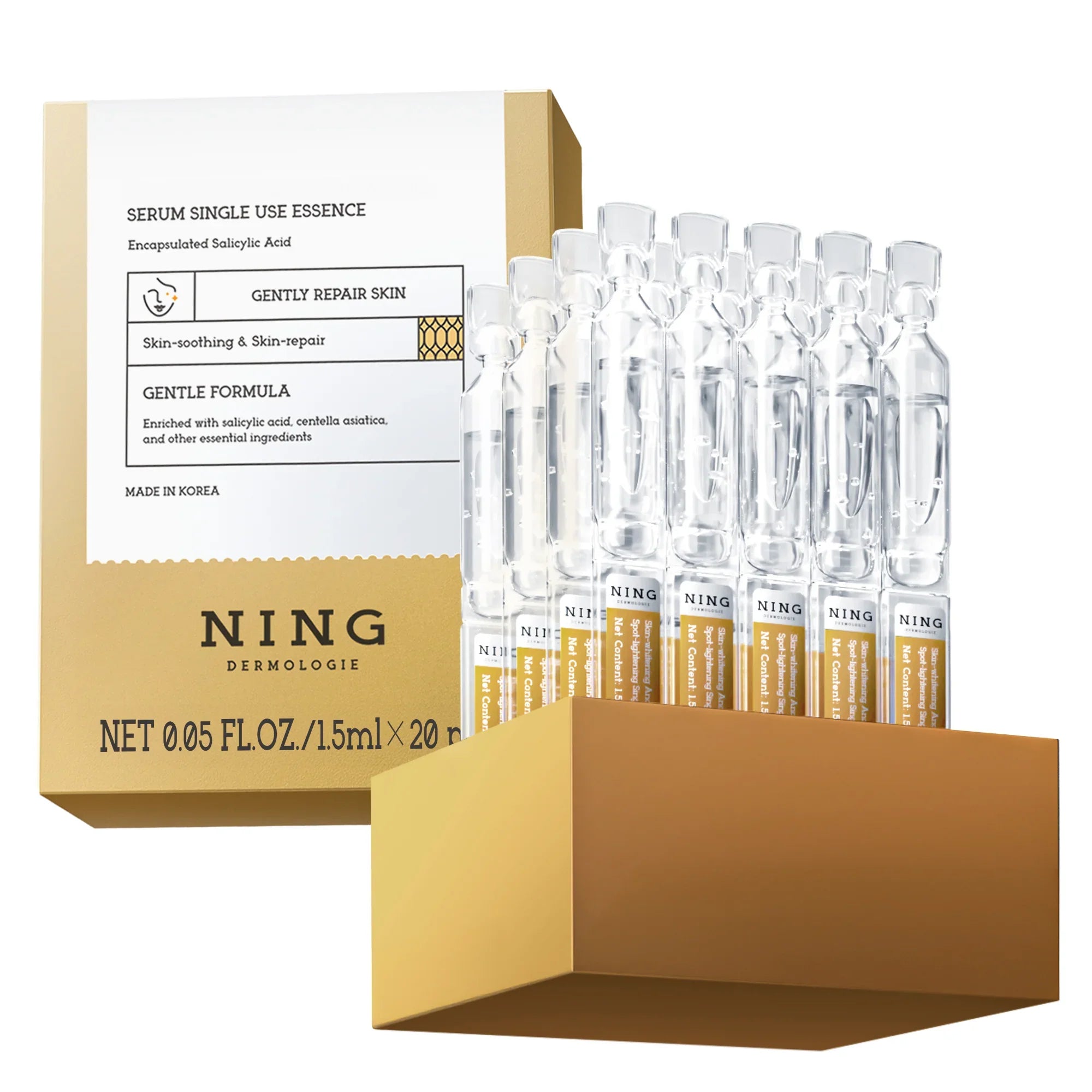
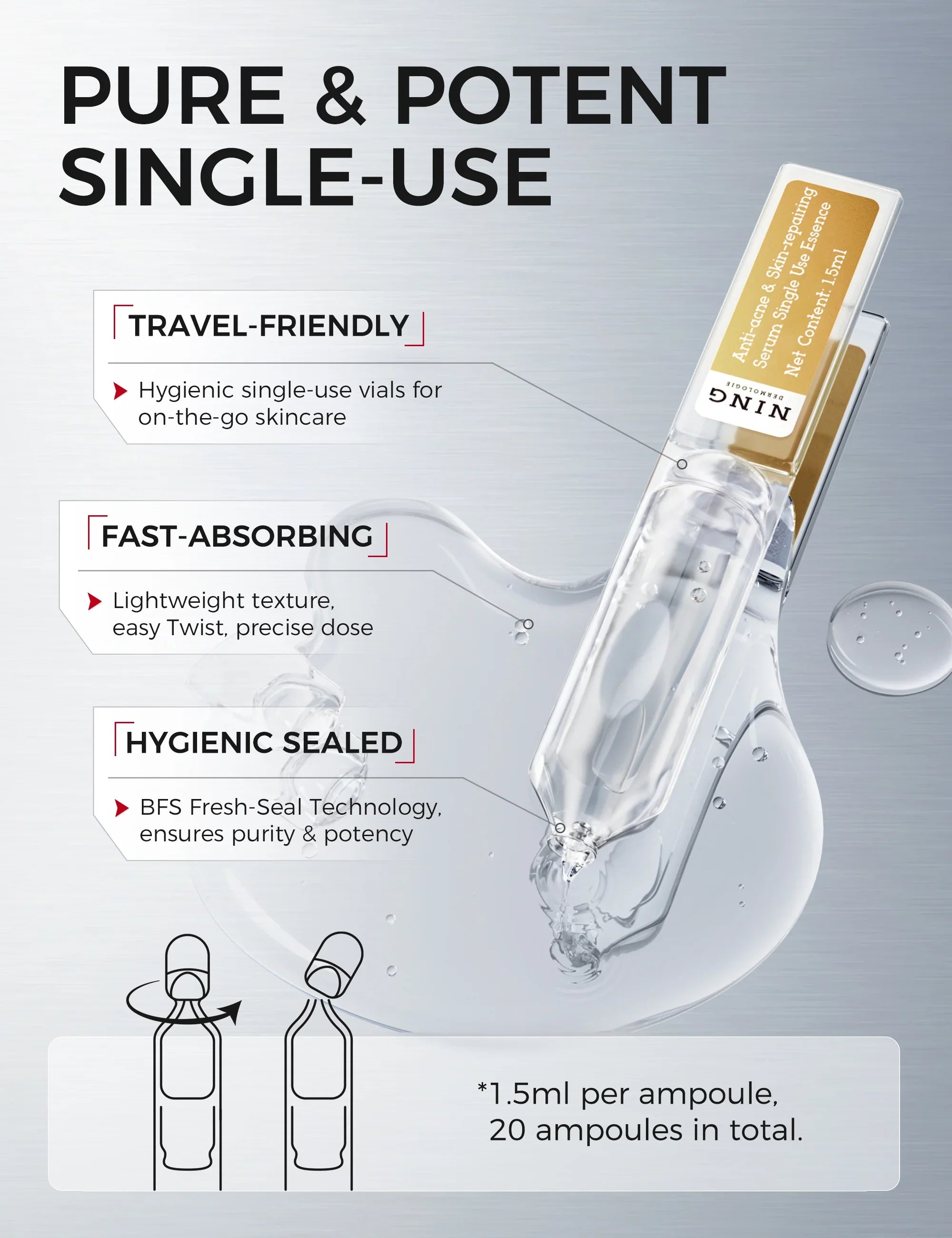
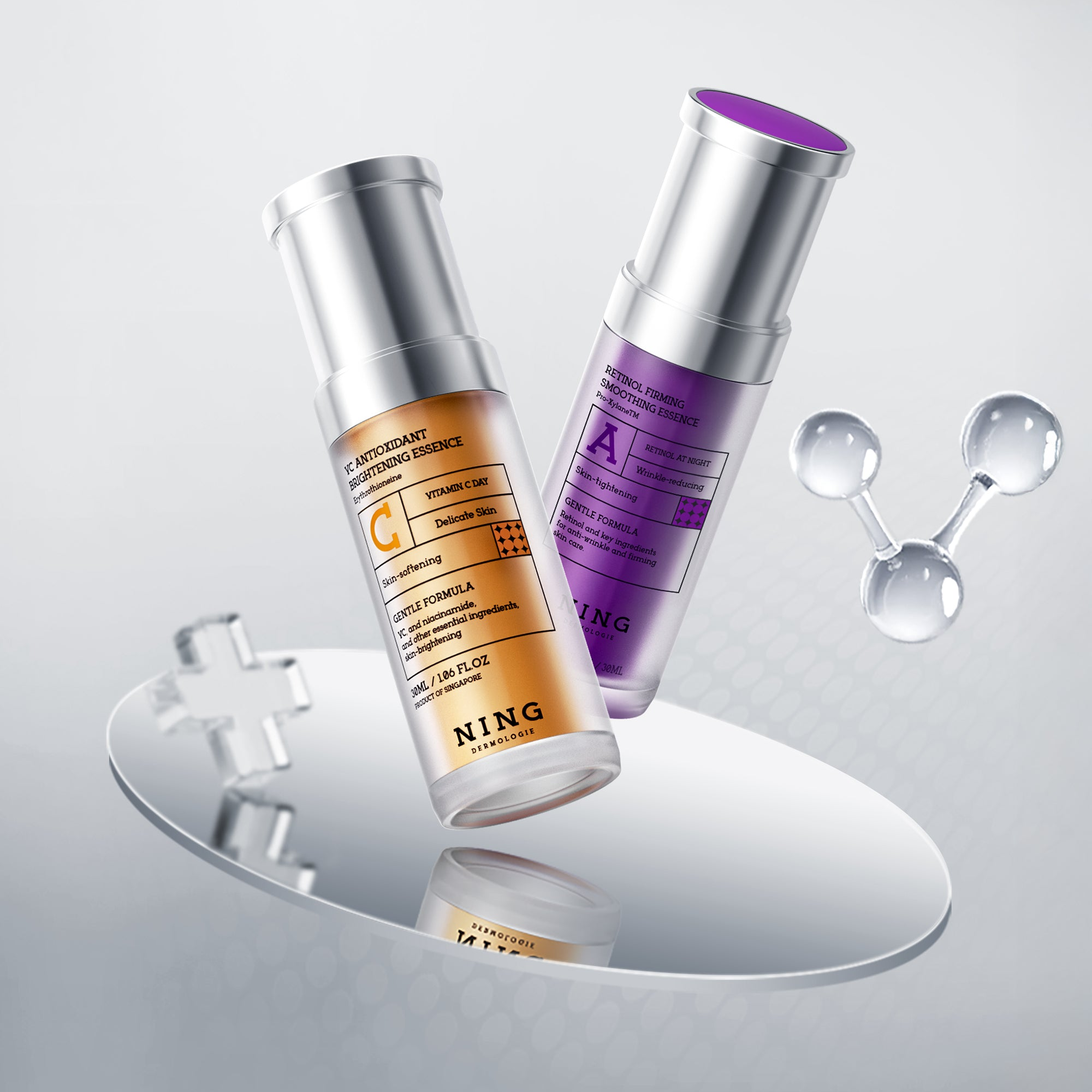
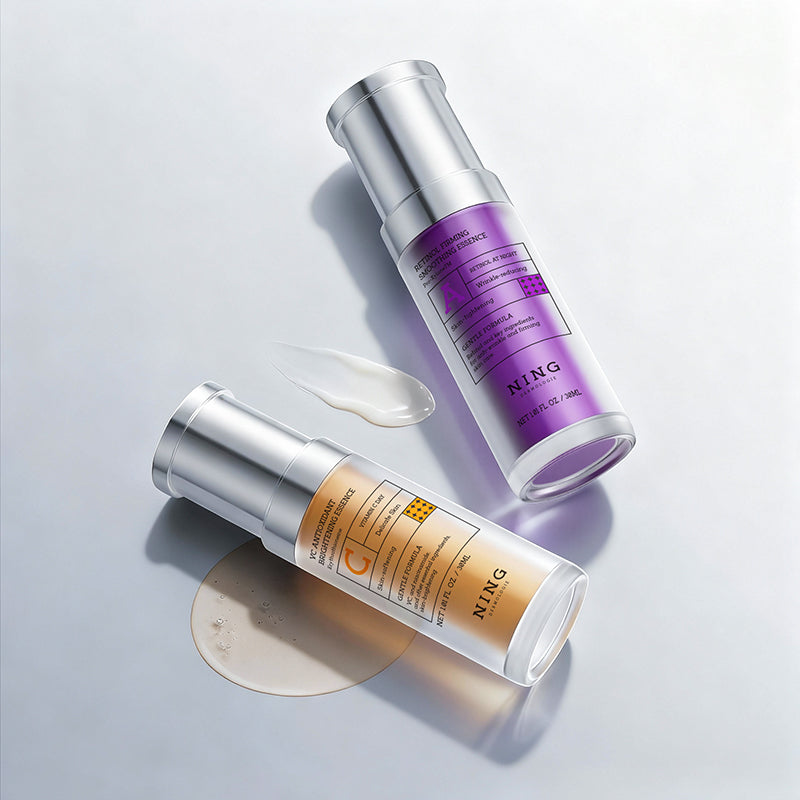
We formulate our Vitamin C Serum specifically for the "sensitive but ambitious" user. Instead of using unstable acids, we utilize Ethyl Ascorbic Acid. It is a gentle vitamin c that doesn't need a low pH to work its magic.
What makes it the best for sensitive skin is the addition of Niacinamide. While some old-school myths say you can't mix the two, modern skin care science shows they are a power couple. The niacinamide strengthens skin and calms redness while the Vit C works on dark spots and skin texture. It’s the perfect vitamin c for those who want results without the recovery time.
Key Ingredients: What to Look For (and Avoid)
When reading an acid vitamin label, the ingredient list is your roadmap. Here’s what matters for overall skin improvement:
The Antioxidant Trio: Vit C + Vit E + Ferulic
You’ll often see vitamin e and ferulic acid paired with Vit C. This isn't just marketing. Ferulic acid doubles the photoprotection of the serum. When these three work together, they neutralize free radical damage from uv exposure far better than any single ingredient could.
Hyaluronic Acid & Peptides
For mature skin or combination skin, you want more than just brightening. Hyaluronic acid acts like a sponge, pulling moisture into the skin barrier, while a peptide helps with skin texture and "bounce." A vitamin c with hyaluronic acid ensures your skin stays plump while the actives are working.
The Niacinamide Factor
If you have acne or oily skin, niacinamide is your best friend. It regulates oil and evens skin tone. In our NING Dermologie formulation, we made sure the levels of vitamin c were potent enough to brighten but balanced by soothing agents so your skin needs are met without irritation.
How to Use Vitamin C Serum in Your Routine
Timing is everything. Most people apply vitamin c in the wrong order, wasting their money and their skin health.
-
Cleanse: Use a gentle cleanser (like Vanicream vitamin c serum users often do to keep things simple).
-
Tone: (Optional) If you use a toner, make sure it isn't an exfoliating acid (like AHA/BHA), as this can increase sensitivity.
-
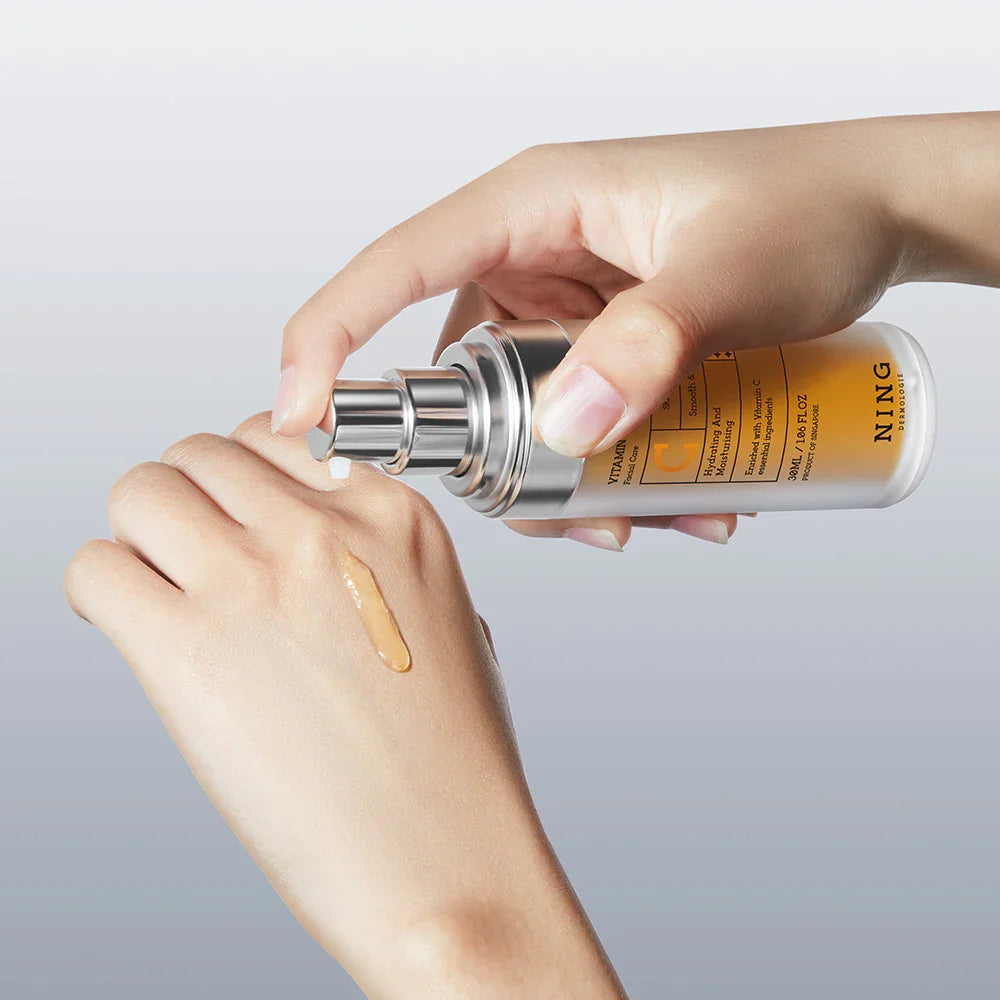
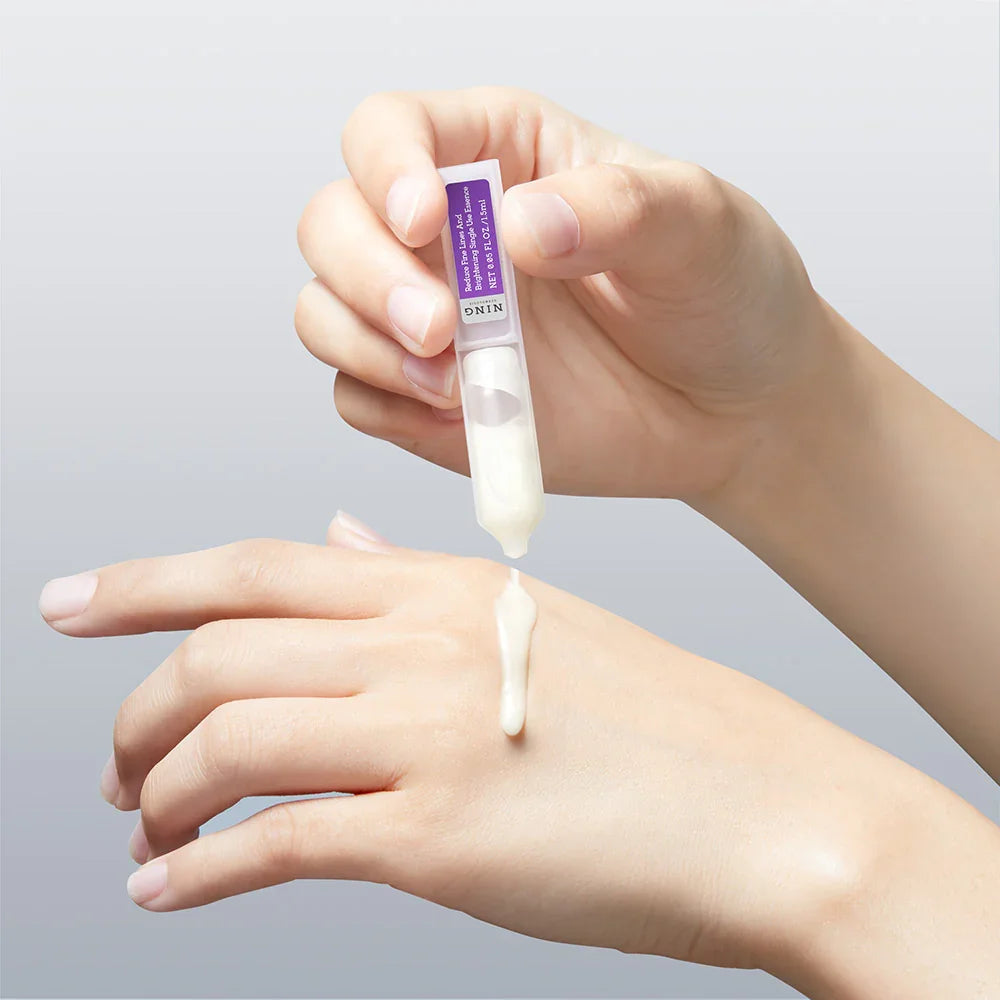
The Serum: Apply your vitamin c facial serum to slightly damp skin. If you’re using NING Dermologie, two to three drops are enough for the whole face and neck.
-
Moisturize: This "locks in" the antioxidant like vitamin c and protects the skin barrier.
-
SPF: This is non-negotiable. Vitamin C is best when paired with sunscreen. It actually makes your sunscreen more effective at preventing uv exposure damage.
Pro-Tip for Sensitive Skin
If you are terrified of a reaction, try the "sandwich method." Apply a thin layer of moisturizer, then your vitamin c serum for sensitive skin, then another layer of moisturizer. This slows down the penetration slightly, making it much easier for sensitive skin may handle.
Addressing Common Myths
"You can't use Vitamin C with Retinol"
You actually can, but not at the same time. Use vitamin c in the morning to fight pollution and UV, and use your retinol at night to handle collagen and cell turnover. Using them together at once is a recipe for a "burnt" skin texture.
"Higher percentage is always better"
False. Once you go past 20%, you aren't getting more benefits of vitamin c—you're just getting more irritation. For sensitive skin, a stable 10-12% derivative (like ethyl ascorbic acid) is often more effective than a 20% pure vitamin c that your skin can't actually absorb.

Best Vitamin C Picks by Skin Category
- For Dry Skin: Look for a serum for dry skin that contains oils or vitamin e. La Roche-Posay Vitamin C10 is a popular choice here because of its creamier feel.
- For Oily/Acne-Prone Skin: Mad Hippie Vitamin C Serum uses sodium ascorbyl phosphate, which is actually known to help with acne. Or, try our NING Dermologie for its pore-refining niacinamide content.
- For Redness-Prone Skin: Vanicream Vitamin C Serum is extremely basic (in a good way) and avoids almost all common irritants.
Why NING Dermologie is Different
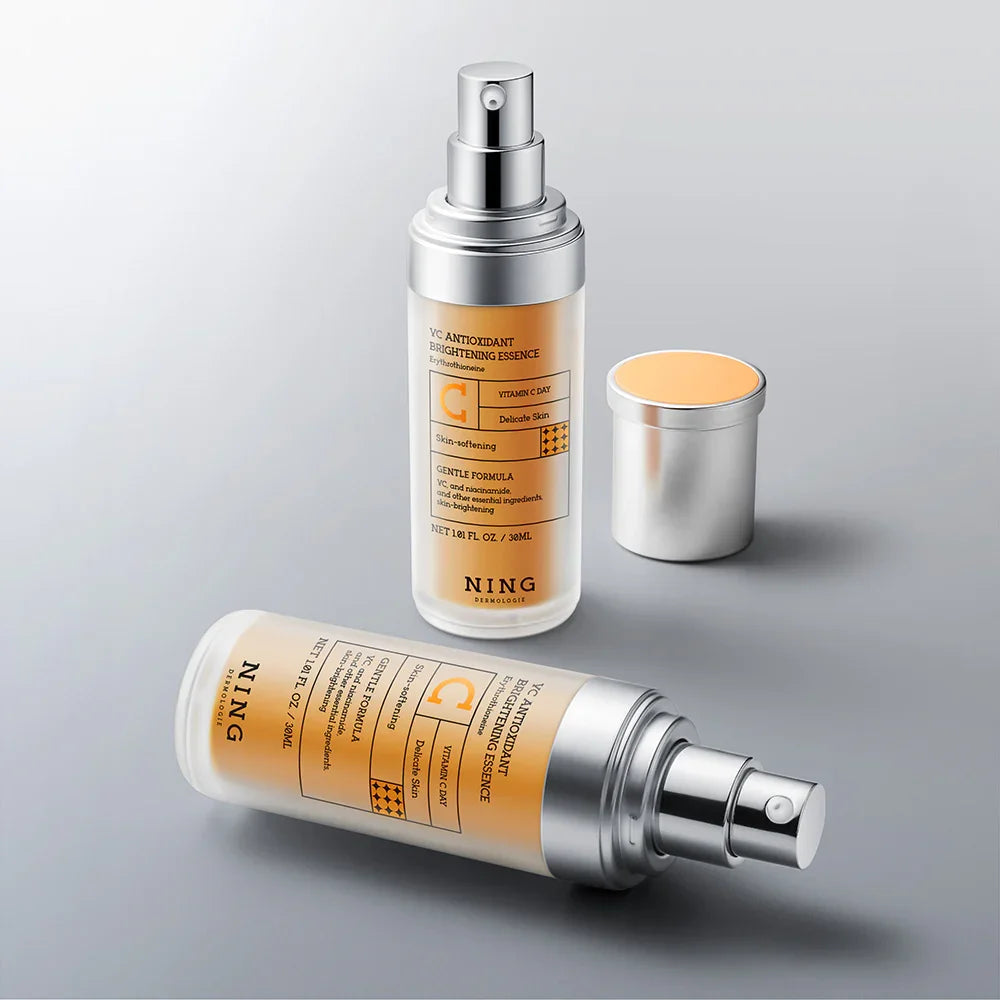
At NING Dermologie, we didn't want to make just another brightening serum. We wanted to solve the "irritation gap." By using 3-O-Ethyl Ascorbic Acid, we've created a vitamin c face product that stays clear in the bottle (no oxidation!) and stays calm on your face.
Whether you're dealing with dark spots from sun damage or just want that vit c glow, our formulation is designed to strengthens skin over time. It’s a vitamin c is best used daily, and we've made sure you actually can use it daily without reaching for the ice pack.
Frequently Asked Questions (FAQ)
1. Can I use Vitamin C serum every day if I have sensitive skin?
Yes, but you should "low and slow" your way into it. Start by applying your vitamin c product every other morning. Once your skin barrier proves it’s happy, move to daily use. Choosing a gentle vitamin c derivative, like the one in NING Dermologie, makes this transition much smoother than using a high-concentration ascorbic acid. Always monitor for redness or unusual skin texture changes.
2. Why does my Vitamin C serum turn orange or brown?
That’s oxidation. When pure vitamin c (L-ascorbic acid) is exposed to air and light, it breaks down and loses its antioxidant powers. Using oxidized vit c can actually cause free radical damage—the very thing you’re trying to prevent! To avoid this, look for vitamin c formulations using stable derivatives like ethyl ascorbic acid, or ensure your ascorbic acid comes in an opaque, airtight pump.
3. Should I apply Vitamin C in the morning or at night?
Vitamin c in the morning is the gold standard. While it works 24/7 to brightens skin, its primary job is to neutralize the environmental stressors you encounter during the day, like uv exposure and pollution. When you apply vitamin c under your sunscreen, you’re creating a double-layered defense system that significantly boosts skin health and prevents future dark spots or signs of aging.
4. Can I use Niacinamide and Vitamin C together?
Absolutely. The old belief that they cancel each other out is based on outdated science using unstable versions of the ingredients. Modern brightening vitamin c serum formulas often combines vitamin c with niacinamide because they target different pathways of pigmentation. Together, they evens skin tone and strengthens skin much faster than either could alone. Our NING Dermologie Vitamin C Serum is built on this synergy.
5. What should I do if my skin starts peeling?
Peeling usually means the acid serum is too strong or the pH is too low for your skin type. Stop use for 48 hours and focus on hyaluronic acid and ceramides to repair your skin barrier. When you restart, try a choice for sensitive skin that uses a non-acidic form of vitamin c. Remember, vitamin c helps your skin best when it isn't causing constant inflammation.


Share:
Where to buy vitamin C serum safe for sensitive skin near me
Best vitamin C serums for pigmentation issues