

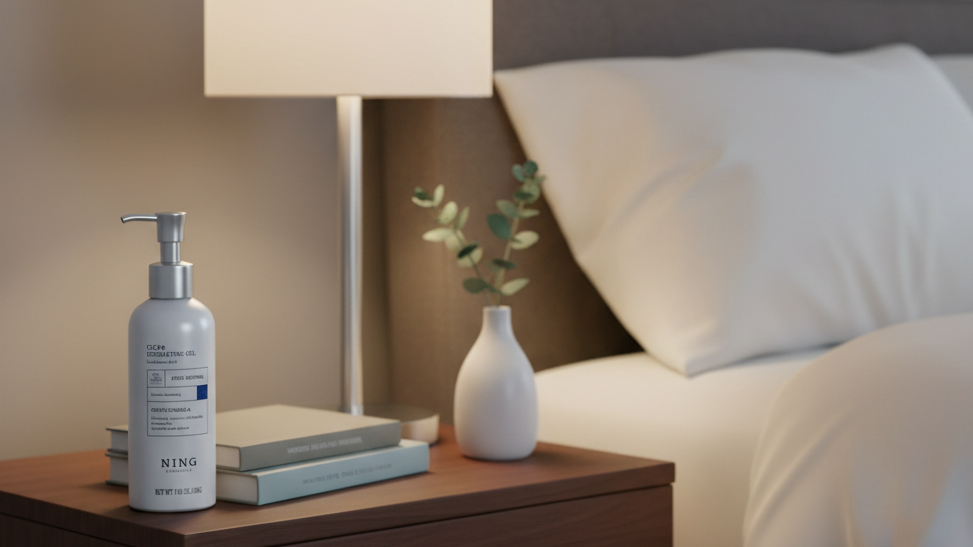

The Salicylic Acid Face Wash Showdown: Why Most People Are Doing It Wrong
If you’ve ever scoured the aisles of a drugstore or scrolled through high-end skincare forums, you’ve seen the term Salicylic Acid (SA) plastered everywhere. It’s the darling of the skincare routine for anyone dealing with oily skin or persistent breakouts. But here is the reality check: most people treat their facial cleanser like a 10-second chore rather than a strategic treatment.
When you’re looking for an Exfoliating Face Wash, you aren’t just buying soap. You’re buying a keratolytic agent. You are looking for something that can dive into the pores, dissolve the "glue" holding dead skin cells together, and stop sebum production from turning your face into an oil slick.

The Chemistry of the "Clean": Why BHA?
In the world of chemical exfoliants, we usually talk about hydroxy acids. You have your AHAs (like Glycolic Acid, Lactic Acid, and Mandelic Acid) and your BHA (Salicylic Acid).
The difference is simple but vital. AHAs are water-soluble; they sit on the surface to brighten skin tone and fix skin texture. Salicylic Acid—a Beta Hydroxy Acid—is oil-soluble. This means it doesn't just sit on the surface; it penetrates the follicle. It’s the only way to effectively target excess oil and the bacteria known as Cutibacterium acnes (formerly propionibacterium acnes or P. acnes).
If you have oily skin, SA is your best friend. If you have sensitive skin, it’s a frenemy you need to manage carefully to avoid nuking your skin barrier.
The Contenders: Comparing the Big Players
When we compare acne face washes, we usually look at concentration and "supporting actors" (the other ingredients).
1. The "Old Guard": Neutrogena Oil-Free Acne Wash
We’ve all seen it. It’s the orange bottle that’s been around forever. It uses a standard 2% concentration of topical salicylic acid.
- The Good: It’s cheap and effective at clearing dead skin.
- The Bad: It’s often formulated with harsh surfactants that can leave the skin feeling tight and "squeaky." That squeak? That’s the sound of your skin barrier crying. It lacks the sophisticated buffers needed for long-term health.
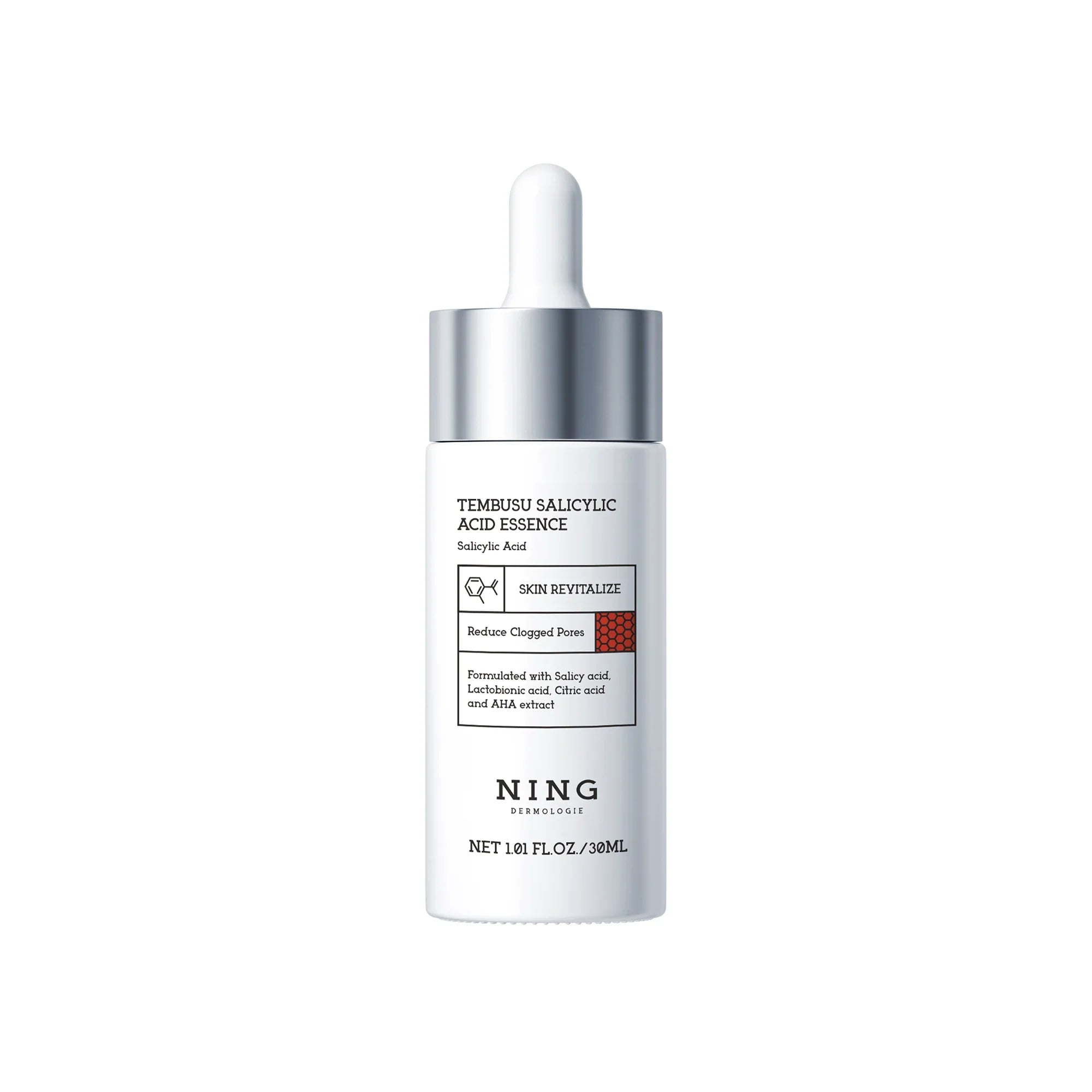
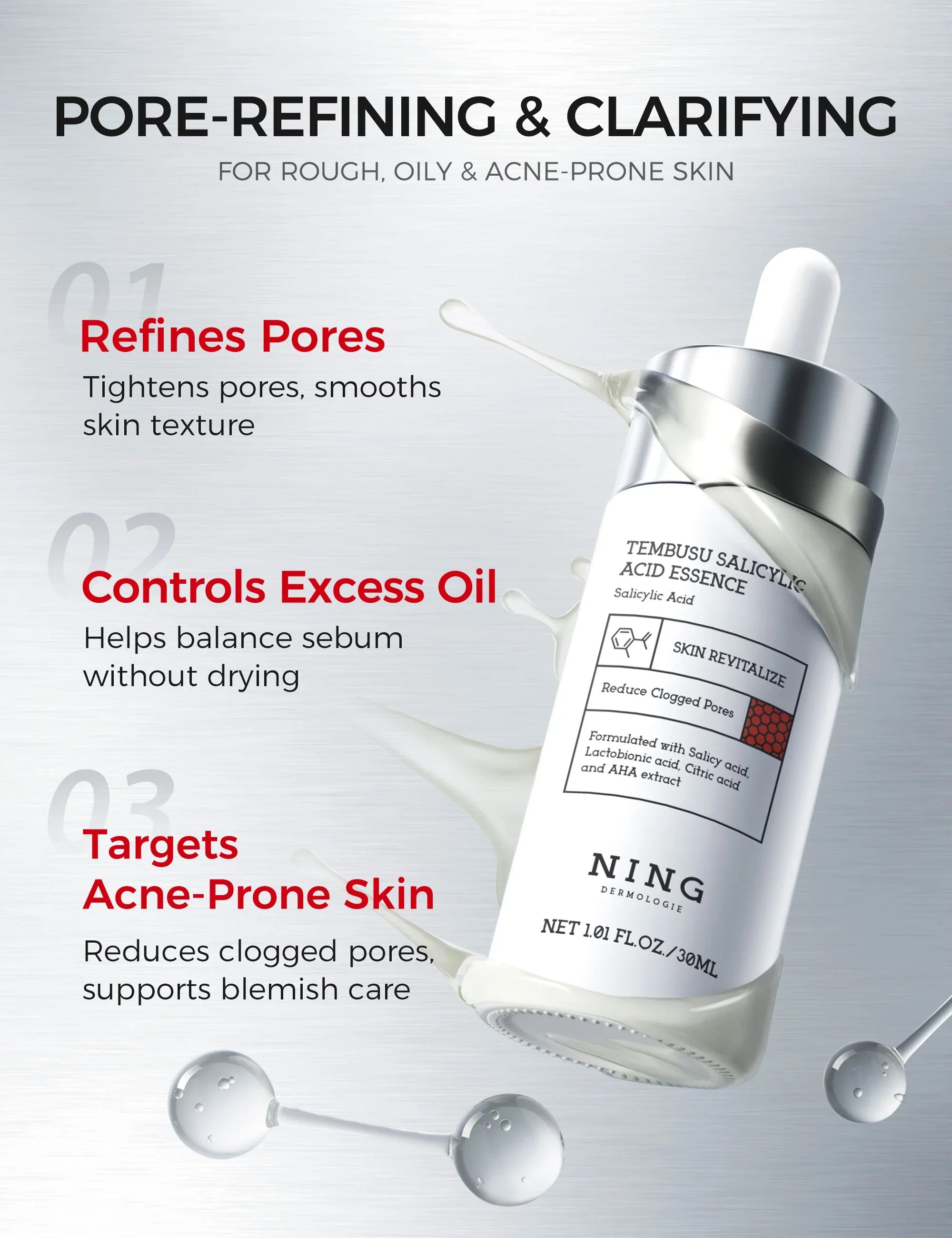
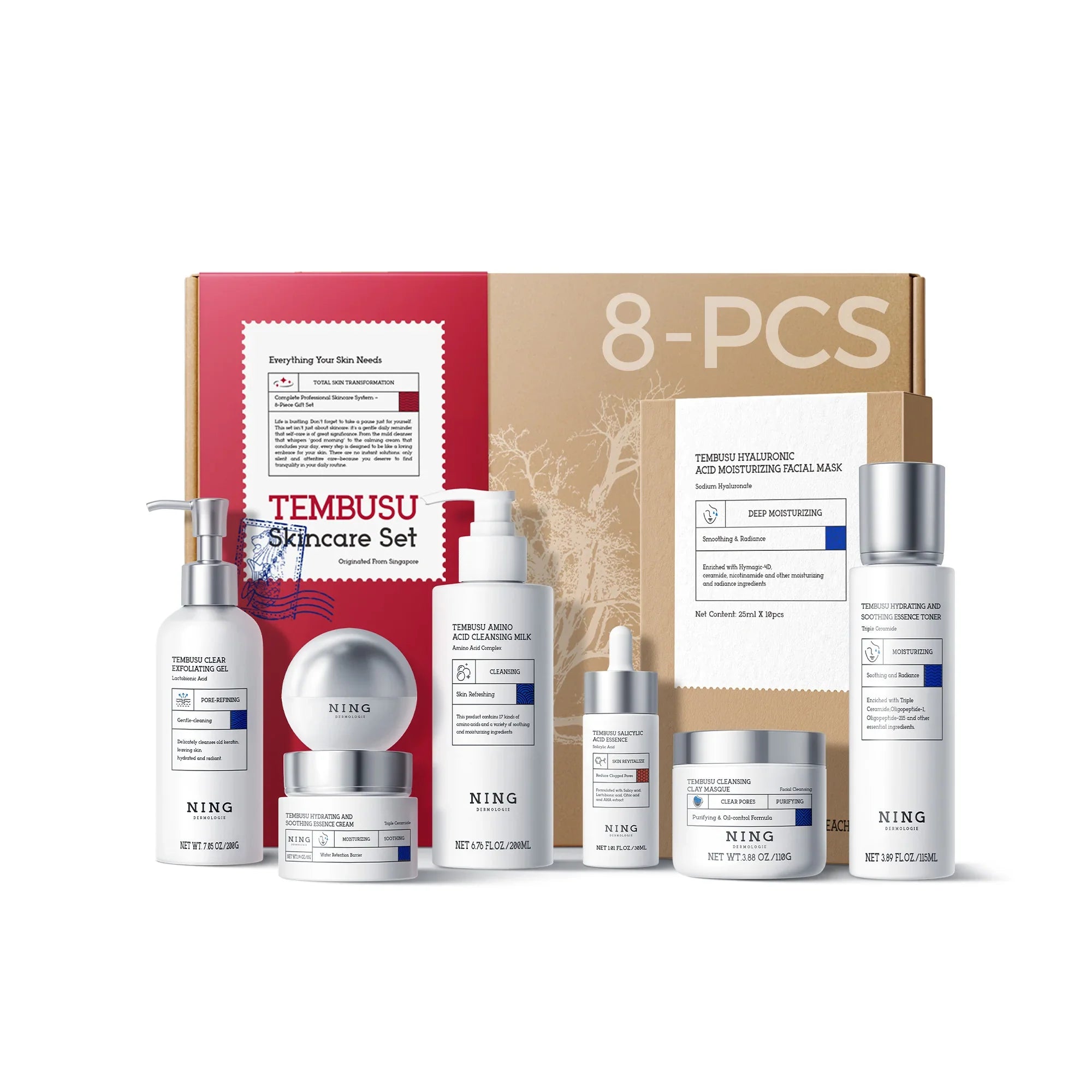
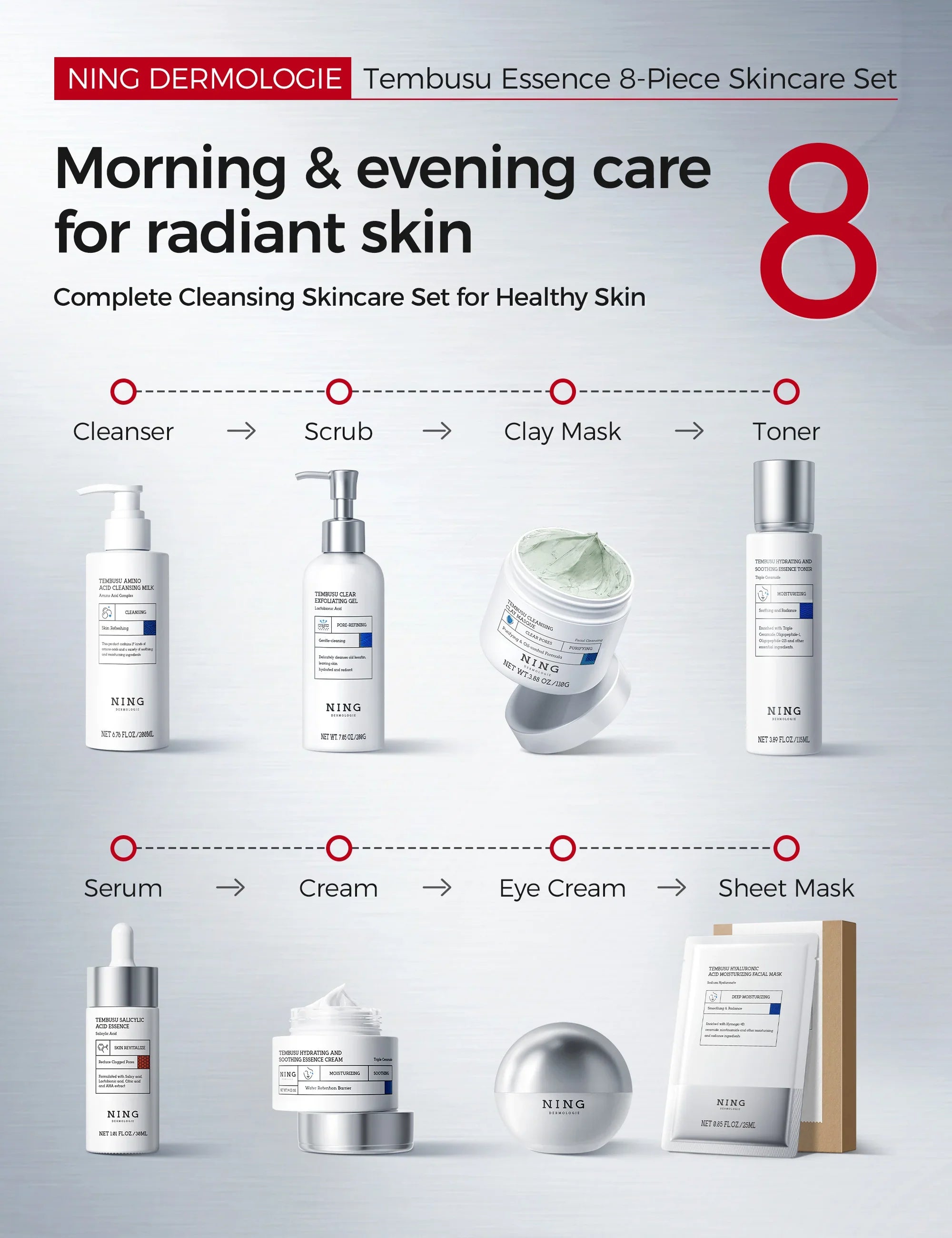
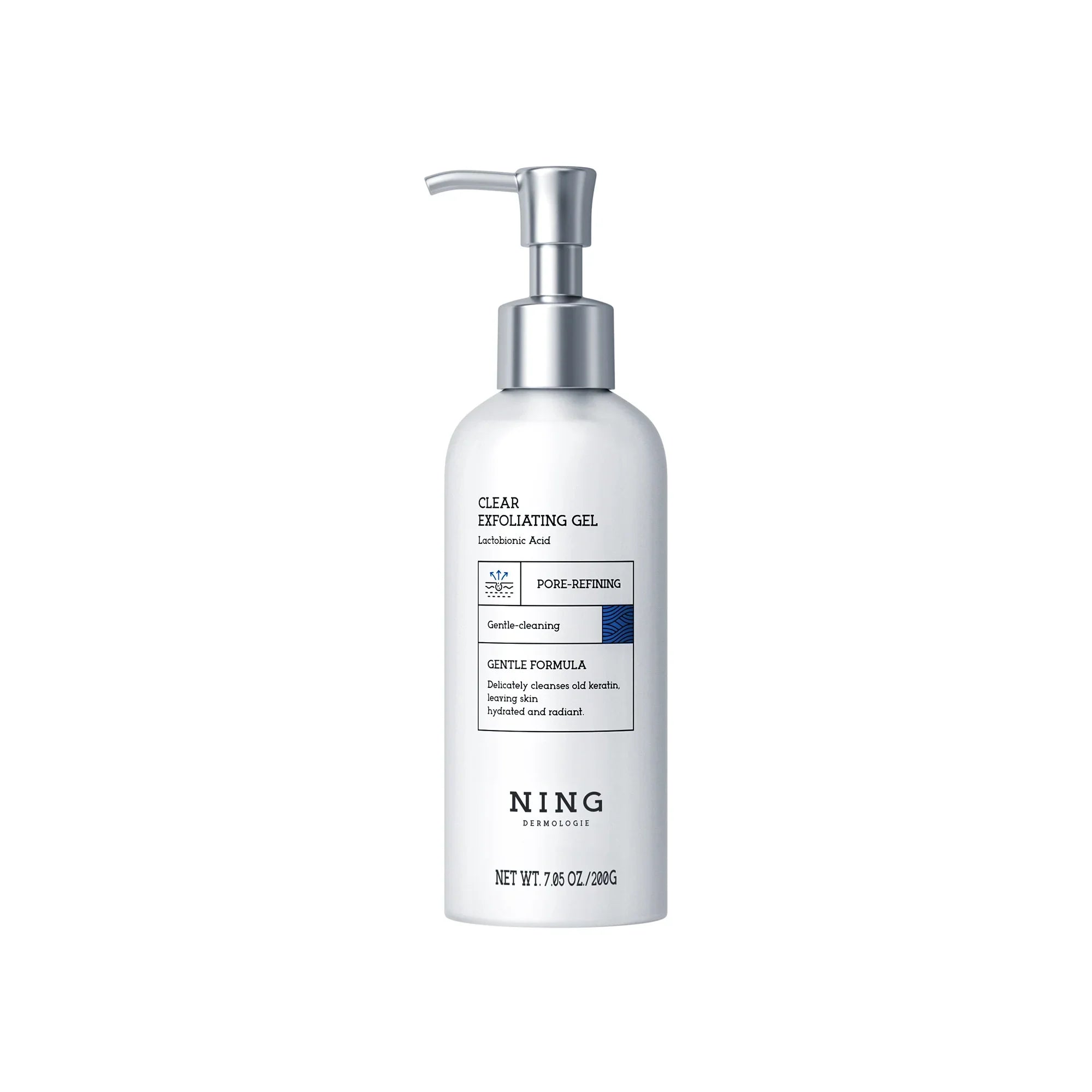
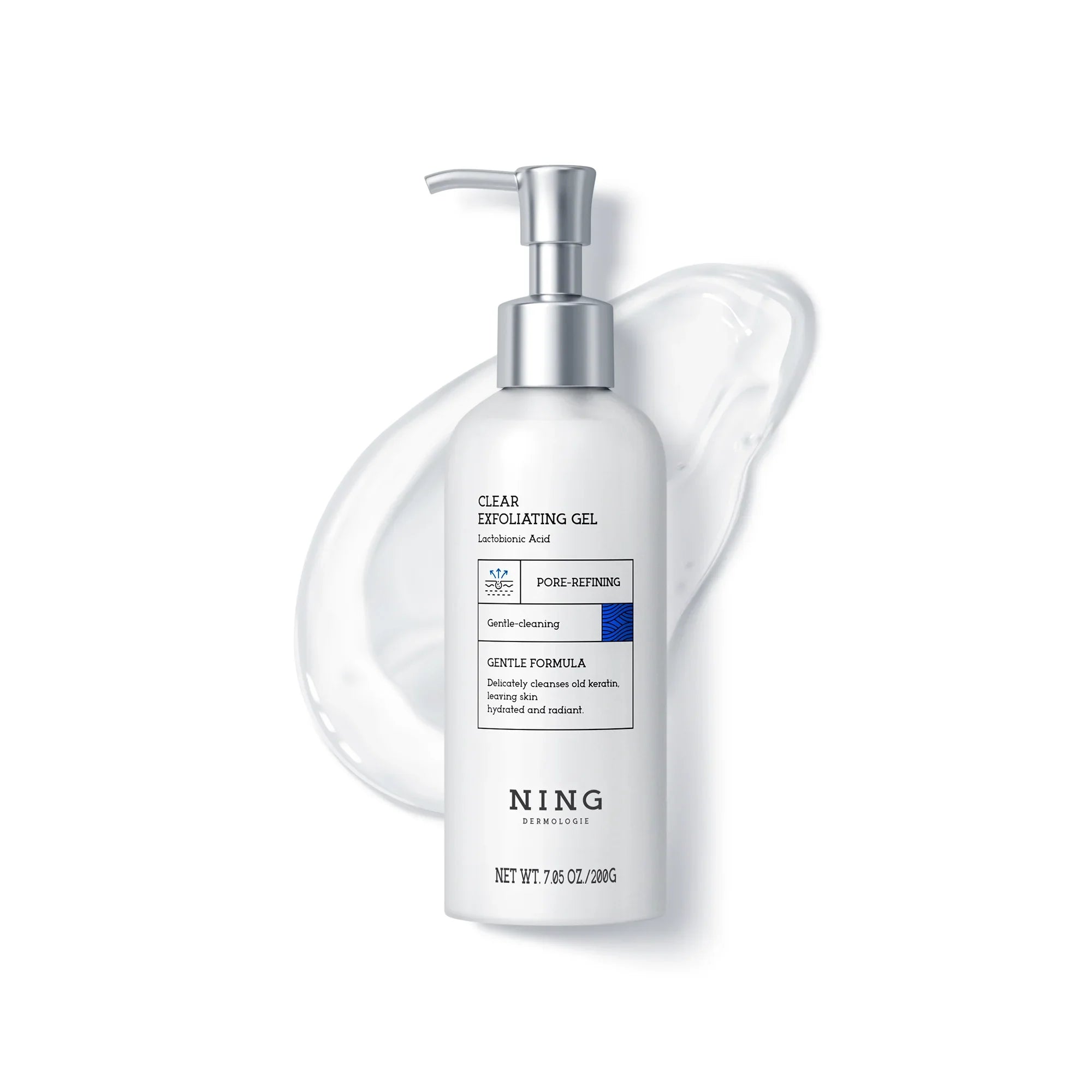
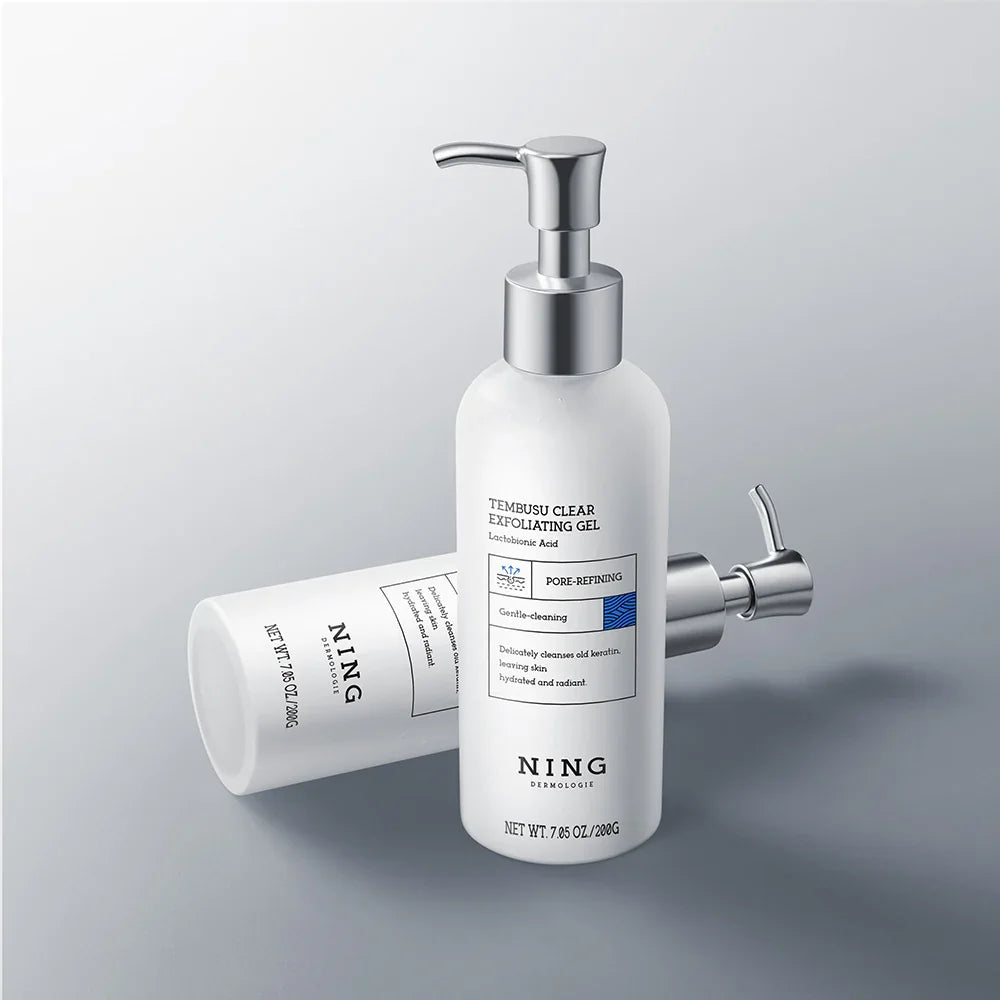
2. The Balanced Approach: NING Dermologie Exfoliating Face Wash
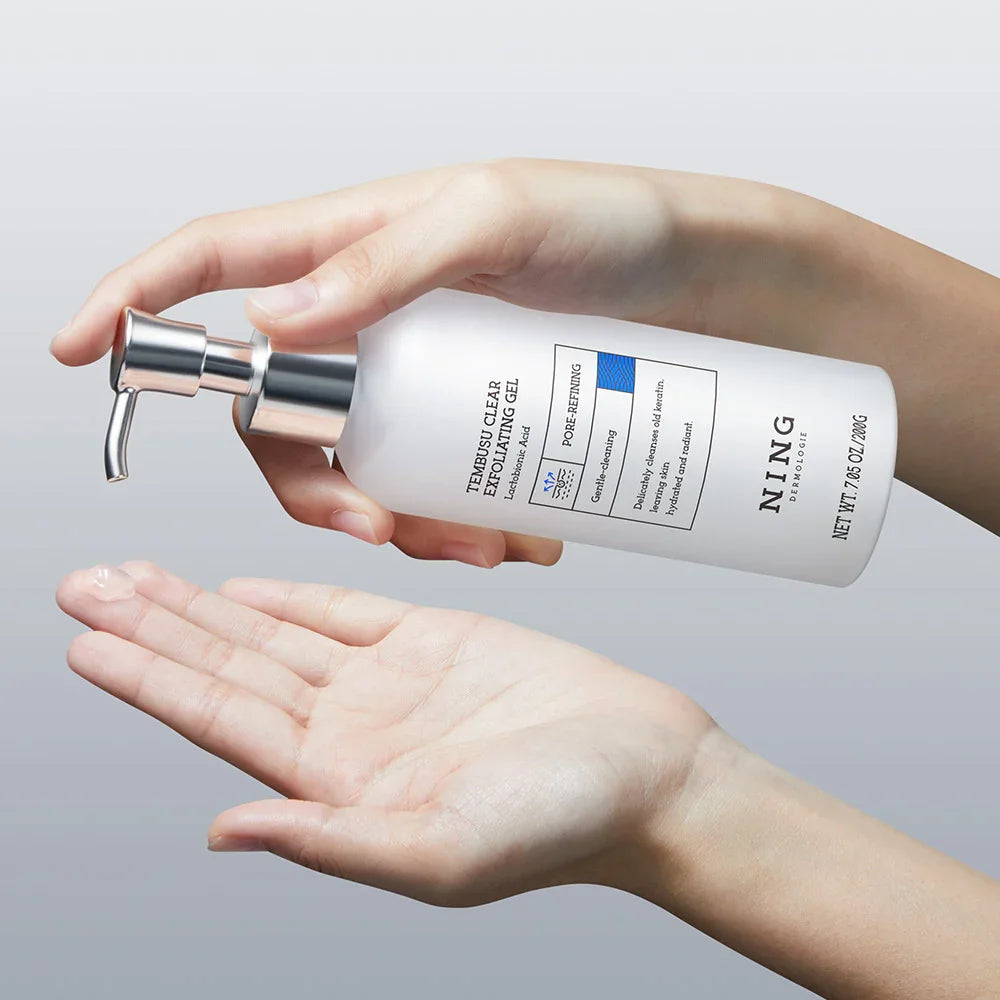
This is where the industry is moving—away from "stripping" and toward "refining." The NING Dermologie Exfoliating Face Wash (often utilized as a sophisticated peeling gel) takes a different route.
Instead of just relying on a high-percentage acid that might irritate sensitive skin, it balances exfoliating properties with hydration. This is a pH-balanced cleanser that recognizes that if you dry out the skin too much, your sebaceous glands will actually overcompensate and produce more oil. By incorporating elements that soothe, like aloe vera or green tea, it prevents the inflammatory spike often associated with exfoliating acids.
What sets this apart from a basic face exfoliator is the texture. It’s designed to improve cell turnover without the micro-tears associated with harsh physical exfoliants (looking at you, walnut scrubs). While it uses gentle Jojoba Beads or bamboo powder for a mechanical nudge, the chemical heavy lifting is done with precision.
3. The Professional Choice: SKIN Functional & Specialized Formulas
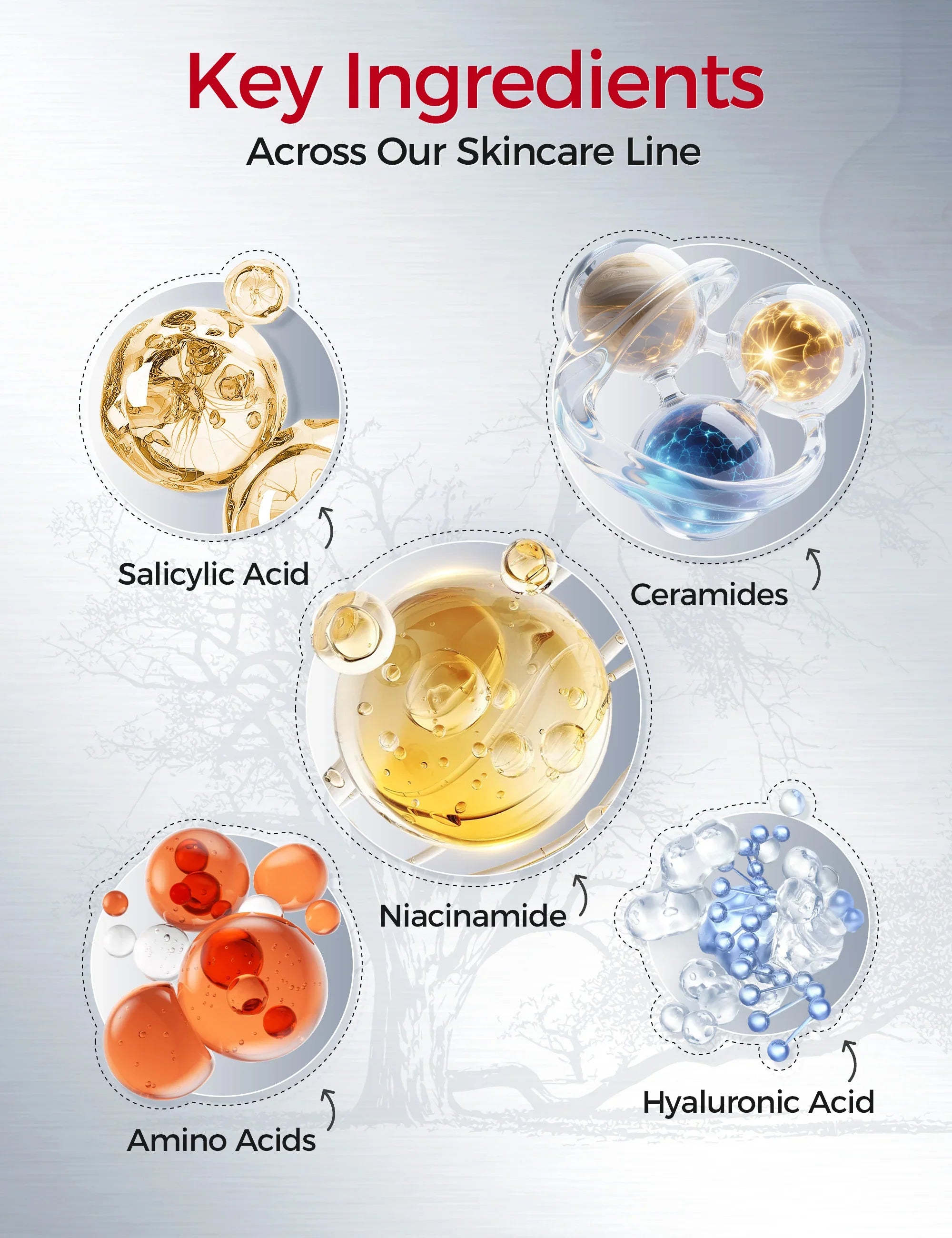
Brands like SKIN Functional or those recommended by the American Academy of Dermatology often focus on "synergy." You’ll see SA paired with Niacinamide Serum (to control oil) or Hyaluronic Acid (to keep the skin plump).
Breaking Down the "Supporting" Ingredients
If you are reading a label, look for these. They change a "basic wash" into a "treatment":
- Hyaluronic Acid: Essential for preventing the "desert-skin" effect. It pulls moisture into the skin while the SA clears the pores.
- Willow Bark: A natural source of salicin (a precursor to SA). It’s gentler and has massive anti-inflammatory properties.
- Colloidal Oatmeal & Hectorite Clay: If you have seborrheic dermatitis or highly reactive skin, these help calm the redness. Hectorite clay is particularly good at drawing out impurities without the "crackling" feel of traditional mud masks.
- Vitamin C (Tetrahexyldecyl Ascorbate Oil Serum): While you usually find this in serums, some high-end cleansers use stable forms like Tetrahexyldecyl Ascorbate to protect the skin from oxidative stress during the wash.
How to Integrate an Exfoliating Wash Into Your Skincare Routine
You don't just swap your regular soap for an SA wash and call it a day. You have to be tactical.
- The Frequency: If you have oily skin, you might handle daily use. For sensitive skin, start with 2-3 times a week.
- The "Contact Time" Trick: Most people rinse off their facial cleanser too fast. A board-certified dermatologist will often tell you to let the lather sit on your oily skin for 60 seconds. Give the Beta Hydroxy Acid time to actually work.
- The Aftercare: After washing, your skin is a blank canvas. This is the time for a Niacinamide Serum or a Peptides + Cu Complex Serum to help with skin texture. If you’re heading out, a Hydra Splash Primer can provide a moisture barrier before makeup.
- The No-Go Zones: Do not use an SA wash in the same session as a high-strength Retinol Serum or Benzoyl Peroxide unless your skin is made of steel. You risk a chemical burn or a severely compromised skin barrier.
Beyond the Face: Body Wash and Keratosis Pilaris
Salicylic acid isn't just for your face. As a Body Wash, it is the gold standard for treating Keratosis Pilaris (those "chicken skin" bumps on the back of the arms). Because SA increases skin cell turnover, it prevents the keratin plugs from forming in the first place. For this, you can usually handle a higher concentration than you would on your face.
Physical vs. Chemical: Why Not Both?
The old debate of physical exfoliants vs. chemical exfoliants is a bit of a false dichotomy. The best results often come from a hybrid. The NING Dermologie approach uses a "Peeling Gel" mechanic. The gel clumps up as you rub it, gently picking up the dead skin that the acids have already loosened. It’s satisfying, visible, and significantly less abrasive than traditional scrubs.
The Verdict on Skin Types
- Dry Skin: Stay away from 2% SA washes. Look for a Lactic Acid or Mandelic Acid wash instead, or use a very low-concentration SA wash followed immediately by a heavy-duty moisturizer.
- Oily/Acne-Prone: 2% SA is your baseline. Pair it with hydrocolloid patches for spot treatment on active zits.
- Combination Skin: Use the "Zone" method. Use your NING Dermologie Exfoliating Face Wash on your T-zone (forehead, nose, chin) and a gentle, milky cleanser on your cheeks.
- Sensitive Skin: Look for "buffered" SA or formulas with Aloe Vera and dioic acid to keep inflammation at bay.

The Financial Reality: "Pay Just Now" vs. Investment
Skincare has become an investment. While you can grab a bottle for $5, your skin often pays the price in inflammation later. Using services like Pay Just Now has made high-performance "clean beauty" and clinical brands like NING Dermologie more accessible. It’s better to buy one bottle of a well-formulated pH-balanced cleanser than five bottles of cheap stuff that leaves you needing a board-certified dermatologist to fix the damage.
Final Thoughts
Choosing an Exfoliating Face Wash with Salicylic Acid is about understanding the balance between keratolytic agents and barrier protection. Whether you are fighting P. acnes, trying to smooth out skin texture, or just trying to manage excess oil, the goal is the same: clarity without compromise.
Stop thinking of it as "washing your face" and start thinking of it as "managing your biology." Your skin barrier will thank you.
Frequently Asked Questions (FAQ)
Can I use Salicylic Acid wash with my Retinol Serum?
Technically, yes, but not at the same time. Use your Exfoliating Face Wash in the morning to clear dead skin, and save the Retinol Serum for your night routine. Using both at once is a recipe for redness, peeling, and a compromised skin barrier.
Why is my skin "purging" after using a new SA cleanser?
Salicylic acid speeds up cell turnover, bringing existing "under-the-skin" clogs to the surface faster. It looks like a breakout, but it’s actually the clearing process. If it lasts longer than four weeks or happens in areas where you don't usually break out, stop using it.
Is Salicylic Acid safe for people with sensitive skin?
Yes, but don’t go for the 2% maximum strength immediately. Look for a pH-balanced cleanser that includes soothing agents like aloe vera or colloidal oatmeal. Start by using it only twice a week to test your tolerance before making it a daily skincare routine staple.
Does an exfoliating wash help with Keratosis Pilaris (KP)?
Absolutely. Salicylic acid is a top-tier keratolytic agent, meaning it breaks down the keratin plugs that cause those tiny bumps on your arms and legs. For the body, you can often leave the lather on for 2-3 minutes before rinsing to maximize the exfoliating properties.
What should I apply after using an exfoliating face wash?
Your skin is primed for absorption, so use it wisely. A Niacinamide Serum helps with oil control, while a Hyaluronic Acid serum prevents dehydration. Most importantly, always apply SPF during the day, as chemical exfoliants can make your skin more susceptible to sun damage.


Share:
Where can I find exfoliating face wash with added vitamins like C or E?
Which exfoliating face washes are best for removing dead skin without overdrying?