


How Long Does Vitamin C Take to Work? The Blunt Truth About Fading Dark Spots
You bought the bottle. You’ve seen the TikToks. You’ve read the glowing reviews about "glass skin." Now, you’re three days into using your vitamin c serum and you’re leaning into the bathroom mirror, wondering why that dark spot from a 2022 breakout hasn't budged.
Let’s be honest: the skincare industry has a habit of making vitamin c sound like an overnight Instagram filter. It isn’t. If you’re looking for an instant eraser, you’re going to be disappointed. But if you understand the biological "lag time" of your skin, using a vitamin c serum will be the most transformative thing you ever do for your complexion.
So, how long does vitamin c actually take to show you a different face in the mirror? Let's stop the guessing game and delve into how vitamin c works, why your skin type matters, and how the NING Dermologie formula is designed to speed up the clock without nuking your skin barrier.

Why You Can’t Rush the Fade: The 28-Day Rule
To understand how long it takes for dark spots to fade, you first have to understand your skin’s "shipping and handling" time. Your skin is constantly regenerating, but it’s not a fast process.
New skin cells are born at the deepest layer of the epidermis. They slowly travel to the surface, harden, and eventually flake off. This cycle takes, on average, 28 to 40 days. When you apply vitamin c, you are essentially "training" the new cells being born today to produce less melanin. You won't see the results from vitamin c until those "trained" cells actually reach the surface.
This is why anyone promising a reduction in dark spots in 48 hours is selling you a fantasy. You aren't just cleaning a stain off a counter; you're changing the way your skin behaves at a cellular level.
The Realistic Timeline: What to Expect and When
When you start incorporating vitamin c into your skincare routine, your skin goes through phases. Here is a realistic breakdown of the skin changes you’ll witness if you’re consistent.
Weeks 1-2: The "Glow" Phase
In the first fortnight, you probably won't see a reduction in dark spots. However, you will notice an improvement in radiant skin. Vitamin c plays a massive role in instant hydration and surface-level brightening. This is often the "honeymoon phase" where your skin overall looks more "awake" even if the hyperpigmentation is still there.
Weeks 4-8: The Turning Point
This is where the magic happens. By week 6, a full cycle of skin cells has turned over. You should begin to see results in skin texture and a slight even out skin tone. Those stubborn skin patches—like age spots or acne scars—will start to lose their sharp edges. They might turn from a deep brown to a light tan.
Months 3-6: The "Transformation" Phase
For significant results with vitamin c, specifically for deep-seated hyperpigmentation, you need to stick with it for 3 to 6 months. This is the point where vitamin c encourages enough collagen production that you start seeing skin firmness and elasticity improvements alongside the fading of spots.
Why NING Dermologie is Different: The Ethyl Ascorbic Acid Advantage
Most people quit using a vitamin c serum because of two things: irritation or oxidation. Pure Vitamin C (L-Ascorbic Acid) is notoriously unstable. It turns orange in the bottle (oxidizes) and can sting like crazy, especially for those with sensitive skin.
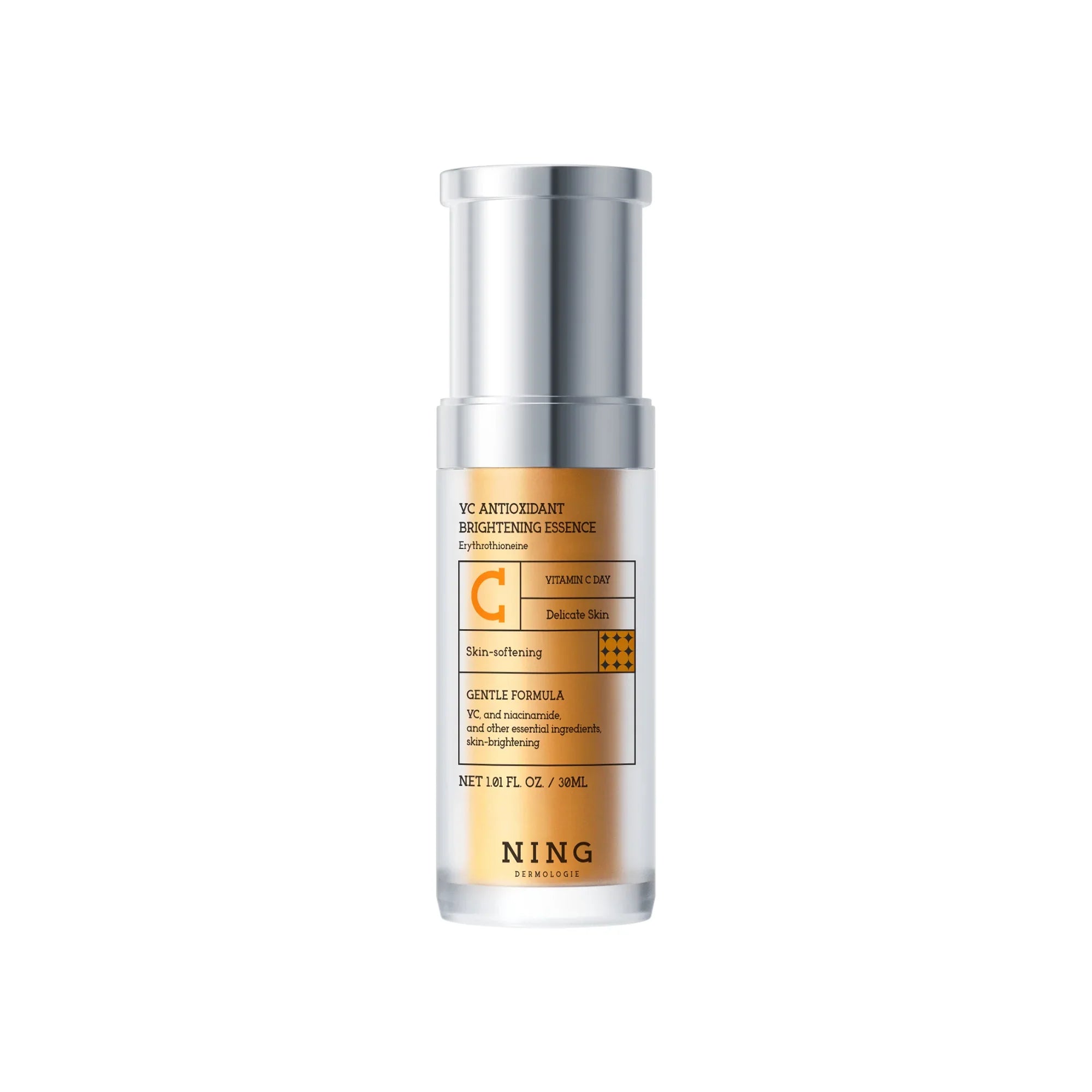
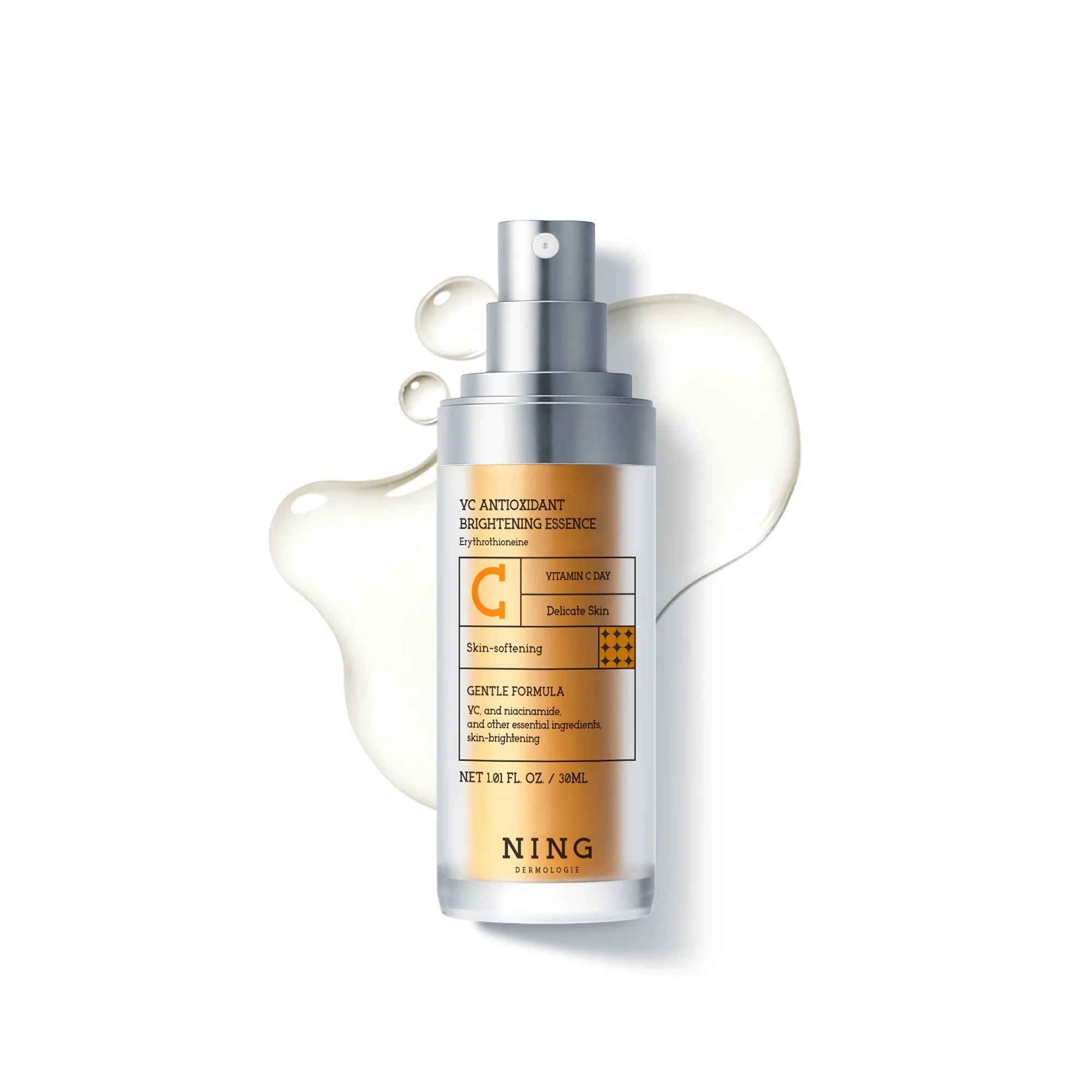
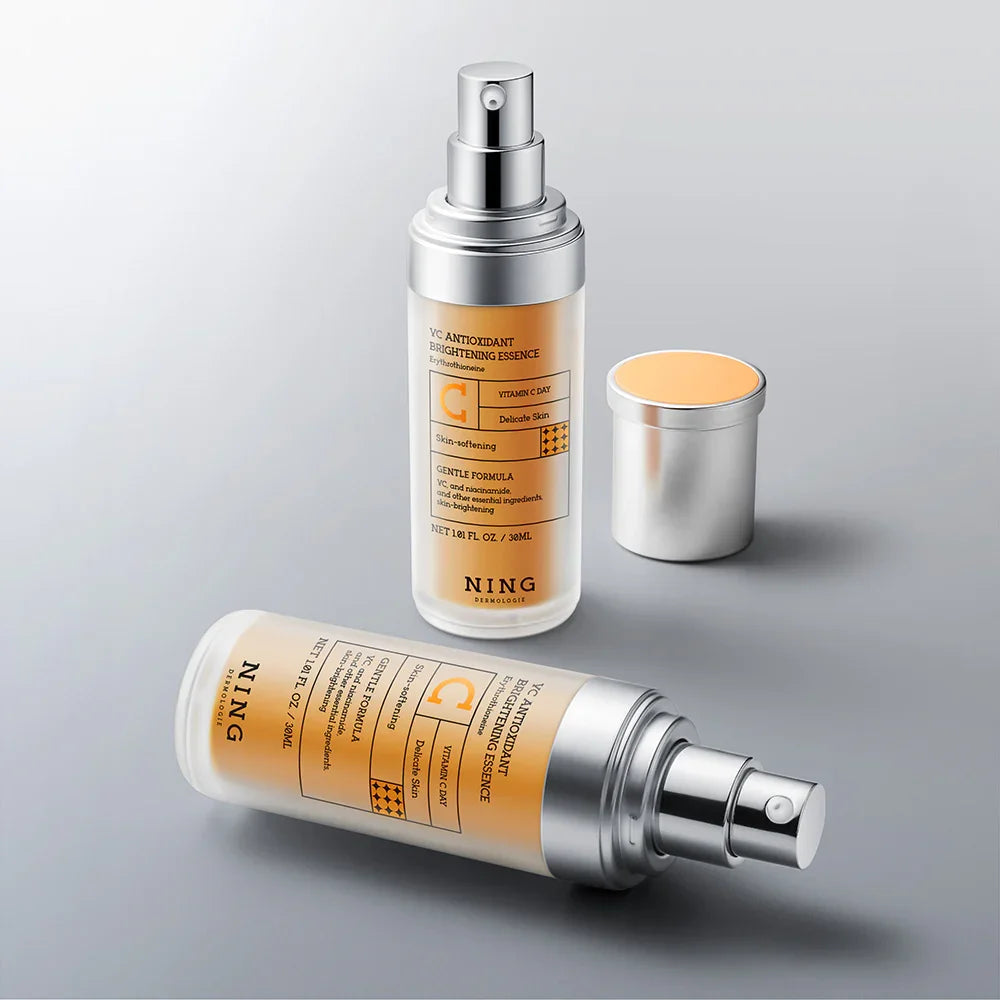
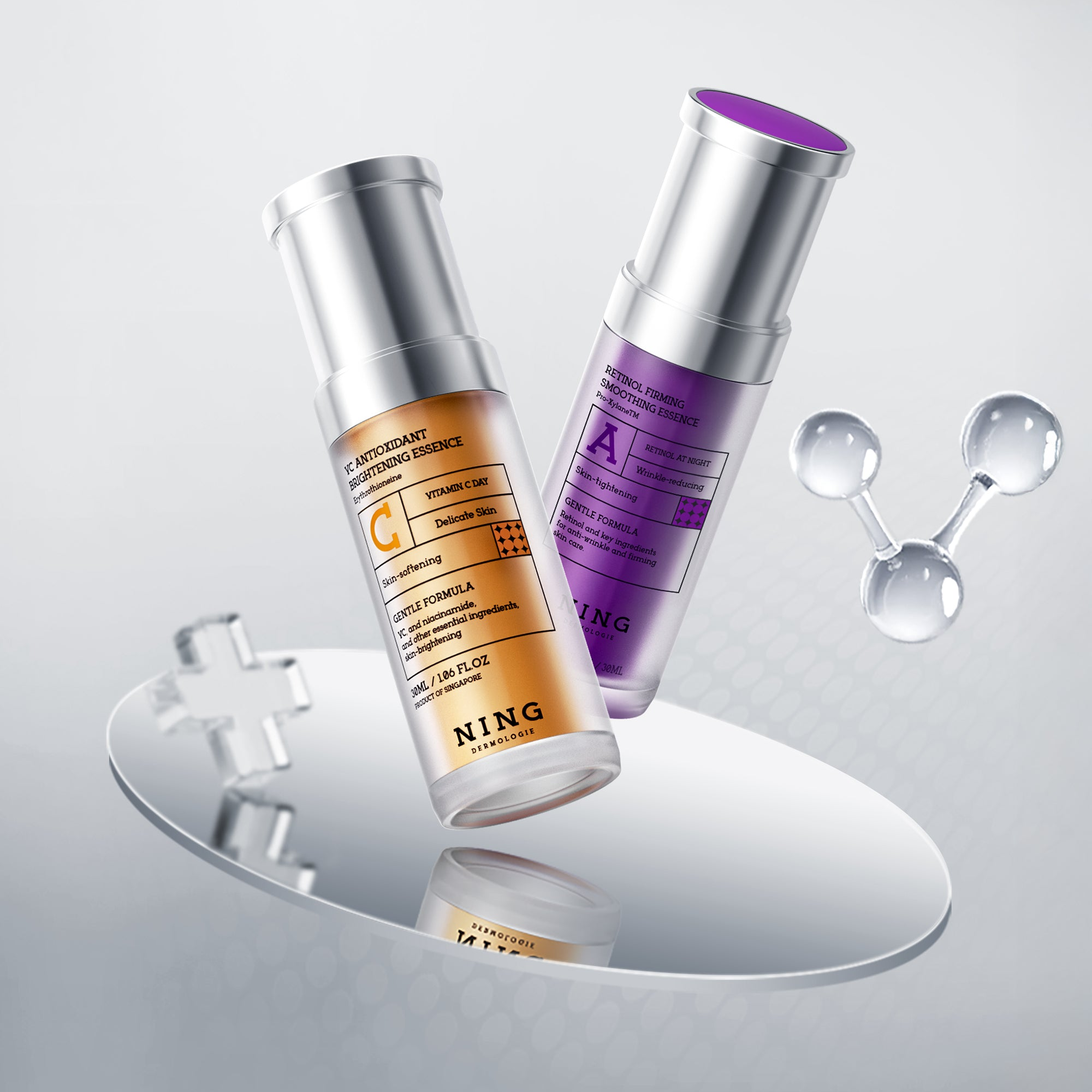
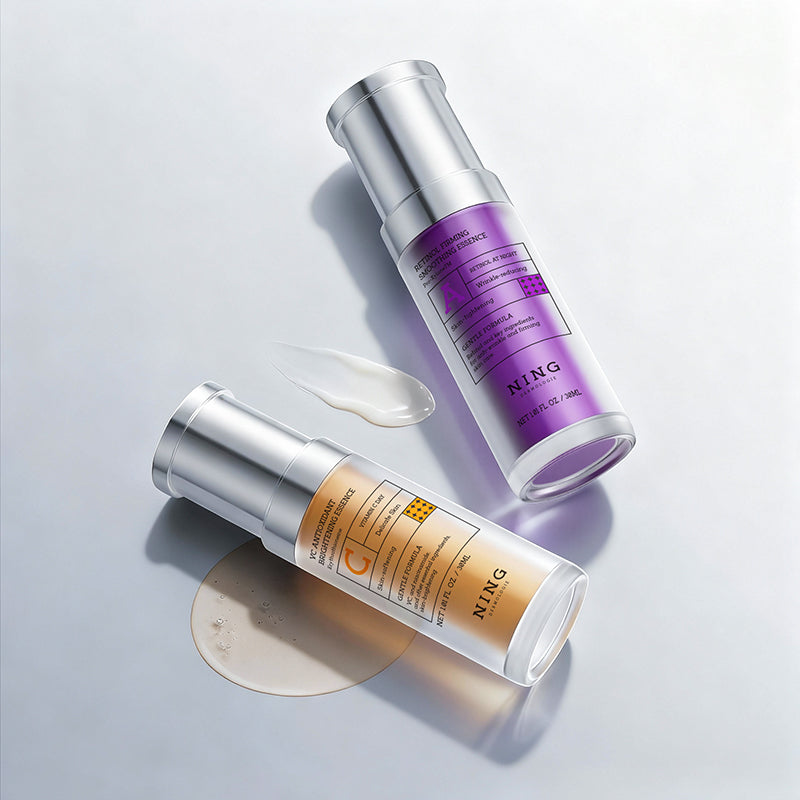
At NING Dermologie, we took a different route. Our Vitamin C Serum with Niacinamide & Ethyl Ascorbic Acid uses Ethyl Ascorbic Acid. This is a highly stable, next-generation form of vitamin c.
Why does this matter for your timeline?
-
Stability: It doesn't lose its potency three weeks after you open the bottle.
-
Penetration: It’s both water and oil-soluble, meaning it actually gets to the layers where dark spots form.
-
Synergy: We’ve paired it with Niacinamide. While vitamin c helps inhibit the production of pigment, niacinamide prevents that pigment from being transferred to the skin cells. It’s a two-pronged attack on hyperpigmentation.
Maximizing Your Vitamin C Serum Results
If you want to make vitamin c work faster, you can’t just slap it on and hope for the best. Maximizing your vitamin c serum requires a bit of strategy.
1. The Sunscreen Contract
If you aren't using SPF, you are wasting your money on vitamin c. Period. Vitamin c protects the skin from free radicals and UV damage, but if the sun is constantly triggering new melanin production, your serum is just running on a treadmill. To protect your skin and ensure dark spots fade, a broad-spectrum SPF 30+ is non-negotiable.
2. The Vitamin E Connection
Vitamin c is a powerful antioxidant, but it’s even better when it has a partner. Vitamin e works in tandem with vitamin c to stabilize it and double the photoprotection. Look for skin care products that mention both, or layer them.
3. Application Timing
Should you apply vitamin c in the morning or at night? While you can do both, the morning is generally better. Why? Because vitamin c works as a shield. It neutralizes the free radicals from pollution and UV rays you encounter throughout the day. By giving your skin this protection early, you prevent new dark spots caused by environmental stress.
Common Roadblocks: Why Isn't My Vitamin C Working?
If you’ve been using vitamin c serum for three months and see zero noticeable results, something is wrong. Usually, it’s one of these three culprits:
- The Formulation is Dead: If your serum is dark orange or brown, the effects of vitamin c are gone. It has oxidized and might actually be causing more skin injuries via inflammation.
- The Concentration is Wrong: If it’s too low, it won't brighten anything. If it’s too high, your sensitive skin is in a constant state of micro-inflammation, which can actually trigger more hyperpigmentation.
- Inconsistency: Skipping days is the fastest way to reset your progress. To transform your skin, you need a consistent daily dose.
Integrating Vitamin C into Your Skincare Routine
For those new to vitamin c, here is a foolproof way to incorporate vitamin c without causing a breakout:
-
Cleanse: Use a gentle cleanser to remove oil. Vitamin c absorbs best on clean, slightly damp (but not wet) skin.
-
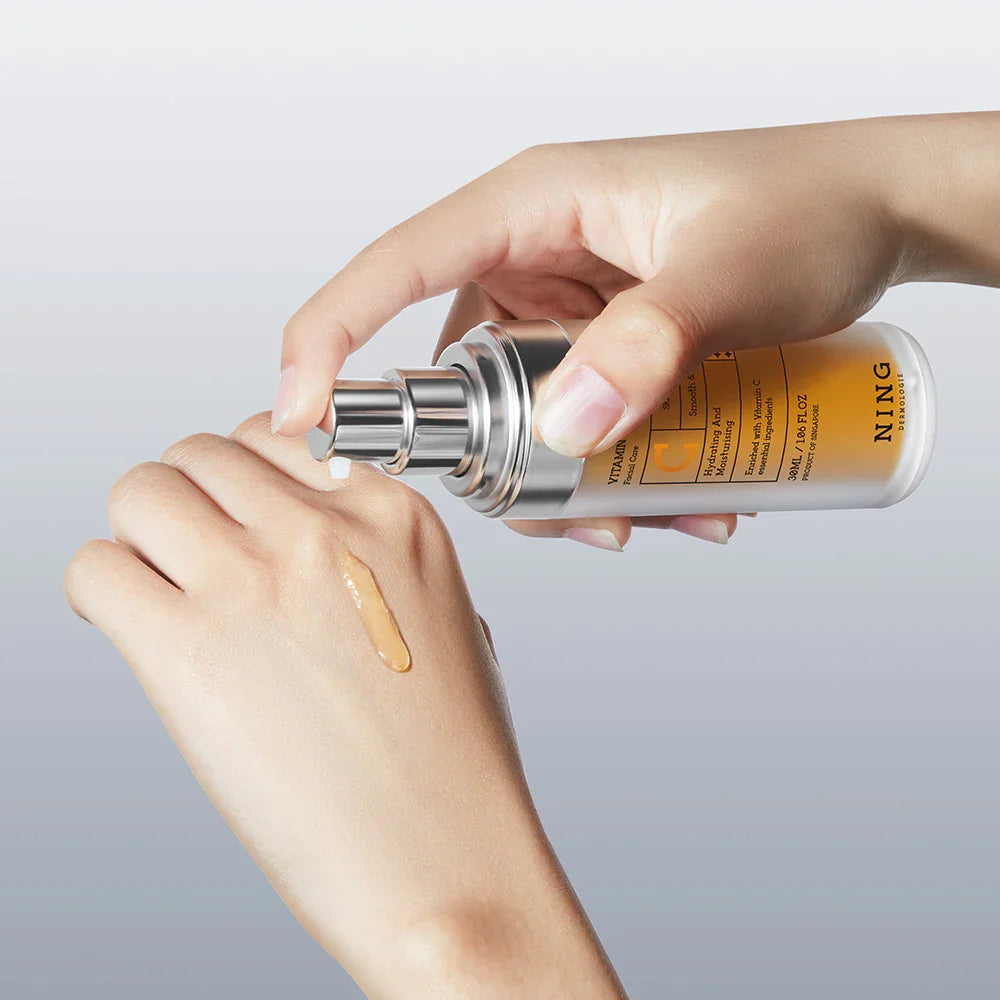
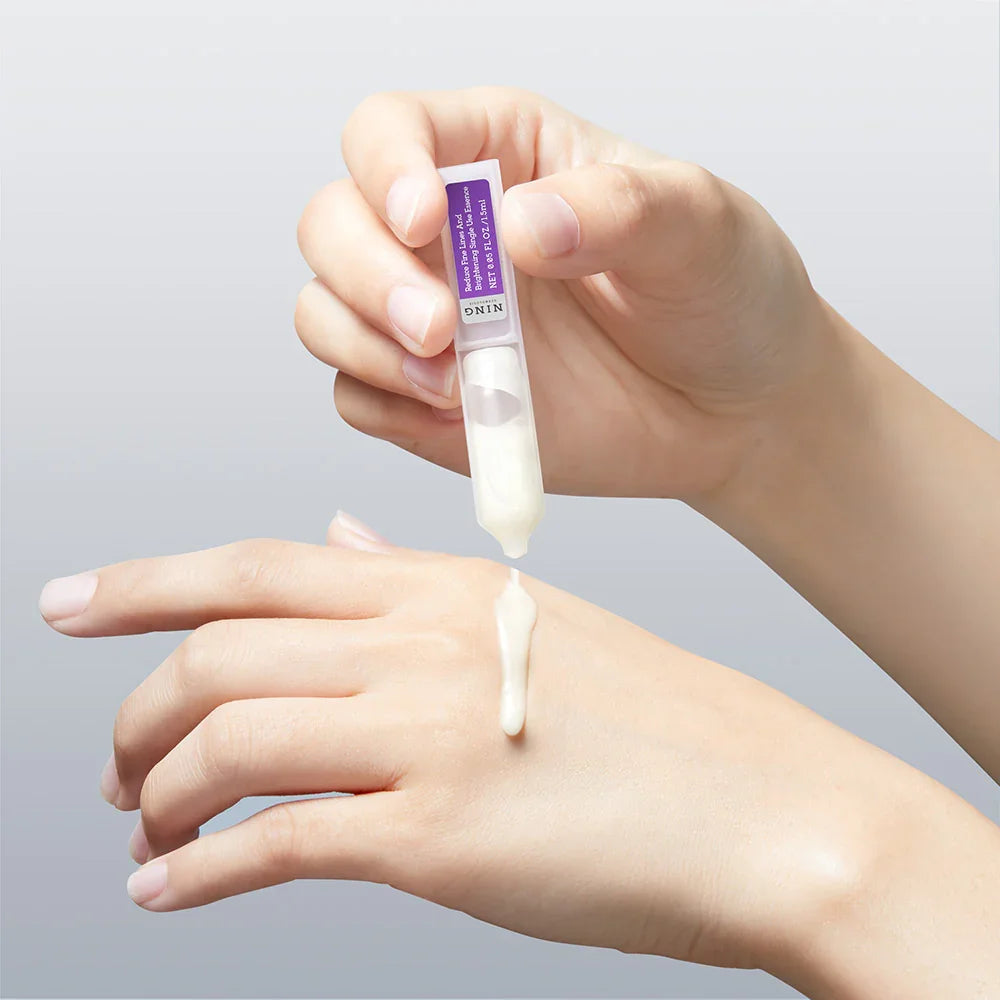
Apply NING Dermologie Serum: Use 3-5 drops. Apply vitamin c to the forehead, cheeks, and chin, then pat—don't rub.
-
Wait: Give it 60 seconds to sink in. You want the acid serum to settle before you mess with the pH by adding other products.
-
Moisturize: Lock it in.
-
SPF: Your final and most important step.

The Role of Niacinamide and Other Actives
You’ll notice that NING Dermologie isn't just a vitamin c bottle. We believe in integrating vitamin c with ingredients that support overall skin health.
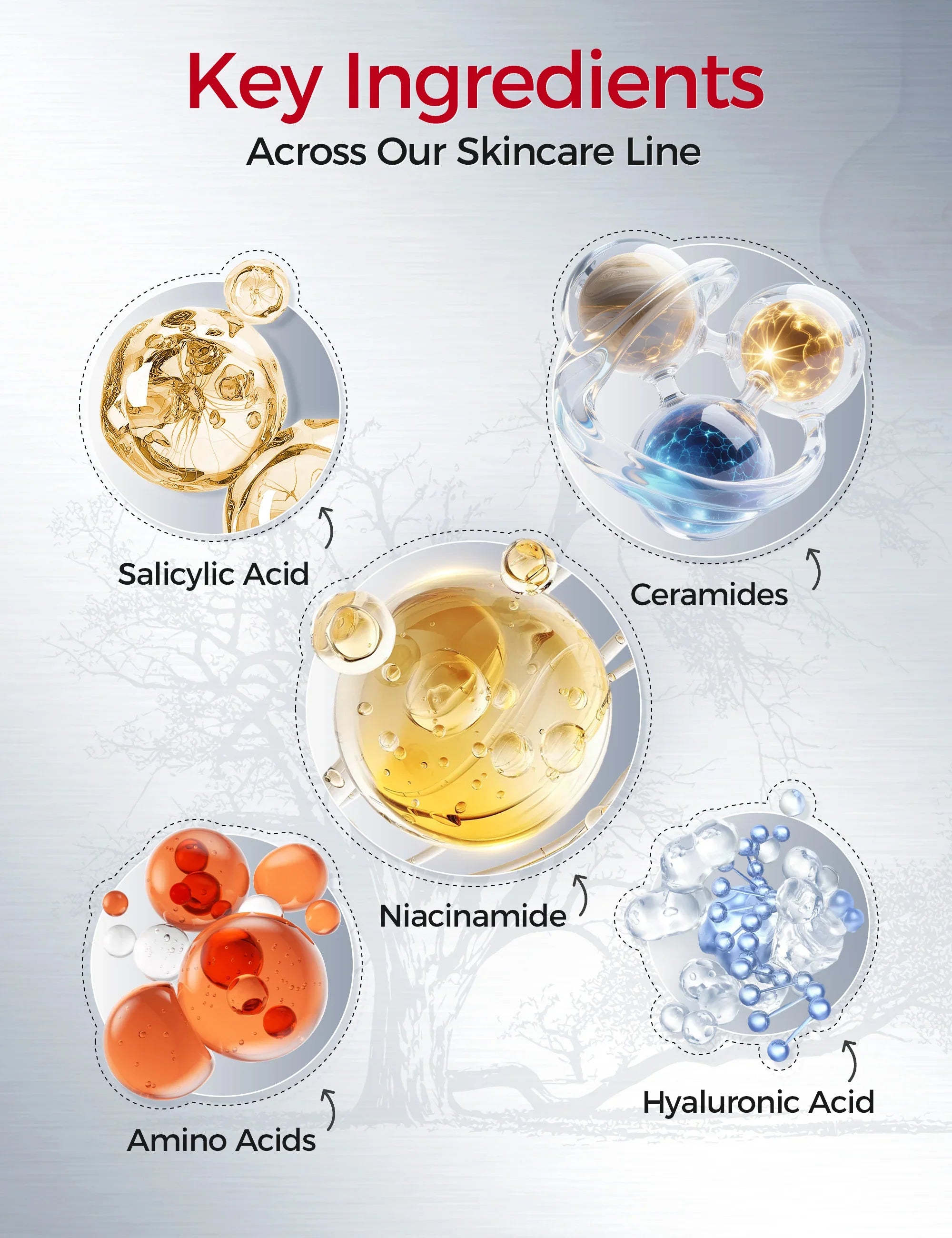
- Niacinamide: As mentioned, it's the perfect partner for even out skin tone. It also helps with skin firmness by strengthening the moisture barrier.
- Hyaluronic Acid: Often found in high-quality skin care, it ensures that while the vitamin c to work effectively, your skin stays plump and hydrated.
When you use vitamin c alongside these supporting actors, the appearance of dark spots diminishes faster because the skin barrier is healthy enough to handle the active treatment.
Final Thoughts: Patience is a Skincare Virtue
We live in a world of 24-hour delivery and instant gratification, but your biology hasn't caught up to the 21st century. Long it takes for vitamin c serum to work is ultimately based on your unique skin chemistry and the severity of your skin concern.
Don't get discouraged if you don't see firmer skin or a reduction in dark spots by day ten. Skincare is a marathon, not a sprint. If you stick with a high-quality, stable formula like NING Dermologie, you are giving your skin the tools it needs to heal itself.
Months to see the full skin benefits might sound like a long time, but three months from now, you’ll wish you had started today. Vitamin c is generally the safest, most effective way to reach that radiant skin goal—just give it the time it deserves to work its magic.
Frequently Asked Questions (FAQ)
1. How long does vitamin c take to work on acne scars?
For red or brown post-acne marks, you will usually see a reduction in dark spots within 4 to 8 weeks of using a vitamin c serum daily. However, deep "pitted" scars involve skin texture issues that vitamin c alone cannot fix. For those, vitamin c helps by boosting skin firmness and elasticity over 6 months, but you may also need professional treatments like microneedling.
2. Can I use vitamin c with my sensitive skin?
Yes, but you have to be picky. Most sensitive skin types react poorly to pure L-ascorbic acid because of its high acidity. The NING Dermologie formula uses Ethyl Ascorbic Acid, which is much gentler. When incorporating vitamin c for the first time, start every other day and always follow with a good moisturizer to protect your skin from potential dryness.
3. Does vitamin c serum expire or go bad?
Absolutely. Traditional vitamin c is very sensitive to light and air. If your serum turns a dark amber color, it has oxidized. Using oxidized skin care products can actually cause more free radicals to form on your skin. Our Vitamin C Serum is formulated for high stability, but you should still store it in a cool, dark place.
4. Why are my dark spots looking darker after using vitamin c?
This is usually an illusion. As vitamin c exfoliates the surface and starts to brighten the surrounding skin tone, the dark spot may temporarily appear more prominent because of the contrast. Stick with your skincare routine; as the vitamin c to work effectively continues, the pigment within those spots will eventually break down and see the full fading effect.
5. Can I use vitamin c serum in the morning and night?
You can use vitamin c twice a day, but for most, once in the morning is sufficient. Using it in the AM allows the antioxidant to protect the skin from free radicals and environmental stress throughout the day. If you have stubborn skin issues, using it at night can provide an extra boost for collagen production while your body repairs itself during sleep.
Ready to start your journey to clearer skin? Check out the NING Dermologie Vitamin C Serum here and give your skin the stable, effective treatment it's been waiting for.


Share:
Vitamin C serums free of irritants for sensitive skin
Top-rated vitamin C serums for evening skin tone