

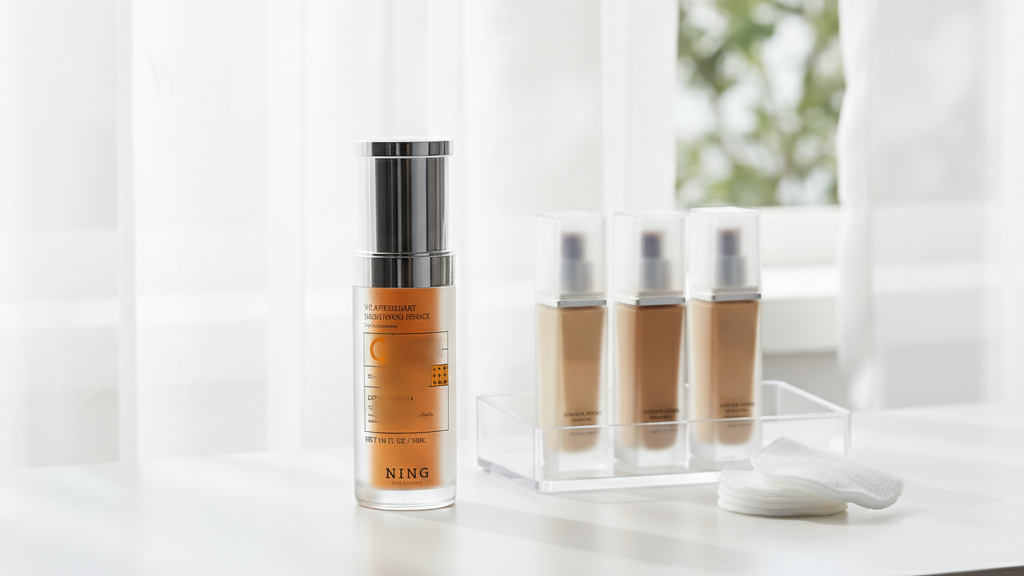

Finding the Best Vitamin C Serum for Sensitive Skin
If you have reactive, redness-prone, or easily irritated skin, you know the "Vitamin C Burn." You buy the most expensive, "gold standard" serum, apply it, and instead of a radiant glow, you get a face that feels like it’s been splashed with hot sauce.
Finding the best vitamin c serum when you have sensitive skin is a delicate balancing act. You want the benefits of vitamin c—the collagen boost, the fading of that stubborn dark spot, and that "lit-from-within" brightness—but you don't want the inflammatory fallout. As we look at the vitamin c serums of 2026, the industry has finally moved away from "higher concentration equals better" and toward smarter, more stable vitamin c formulations.

Why Most Vitamin C Serums Fail Sensitive Skin
The problem usually isn't the Vitamin C itself; it’s the form of vitamin c and the pH level required to make it work. Pure vitamin c (L-Ascorbic Acid) is notoriously unstable. To penetrate your skin barrier, it typically requires a very low (acidic) pH, often around 2.5 to 3.5. For a skin type that is already compromised—think dry skin or those dealing with rosacea—that acidity is a one-way ticket to irritation.
Furthermore, many vitamin c facial serum options on the market use high concentrations (20% or more) to compensate for how quickly the formula oxidizes. This is where a vitamin c derivative becomes a favorite vitamin c alternative for the sensitive crowd.
The 2026 Shift: Why NING Dermologie is Different
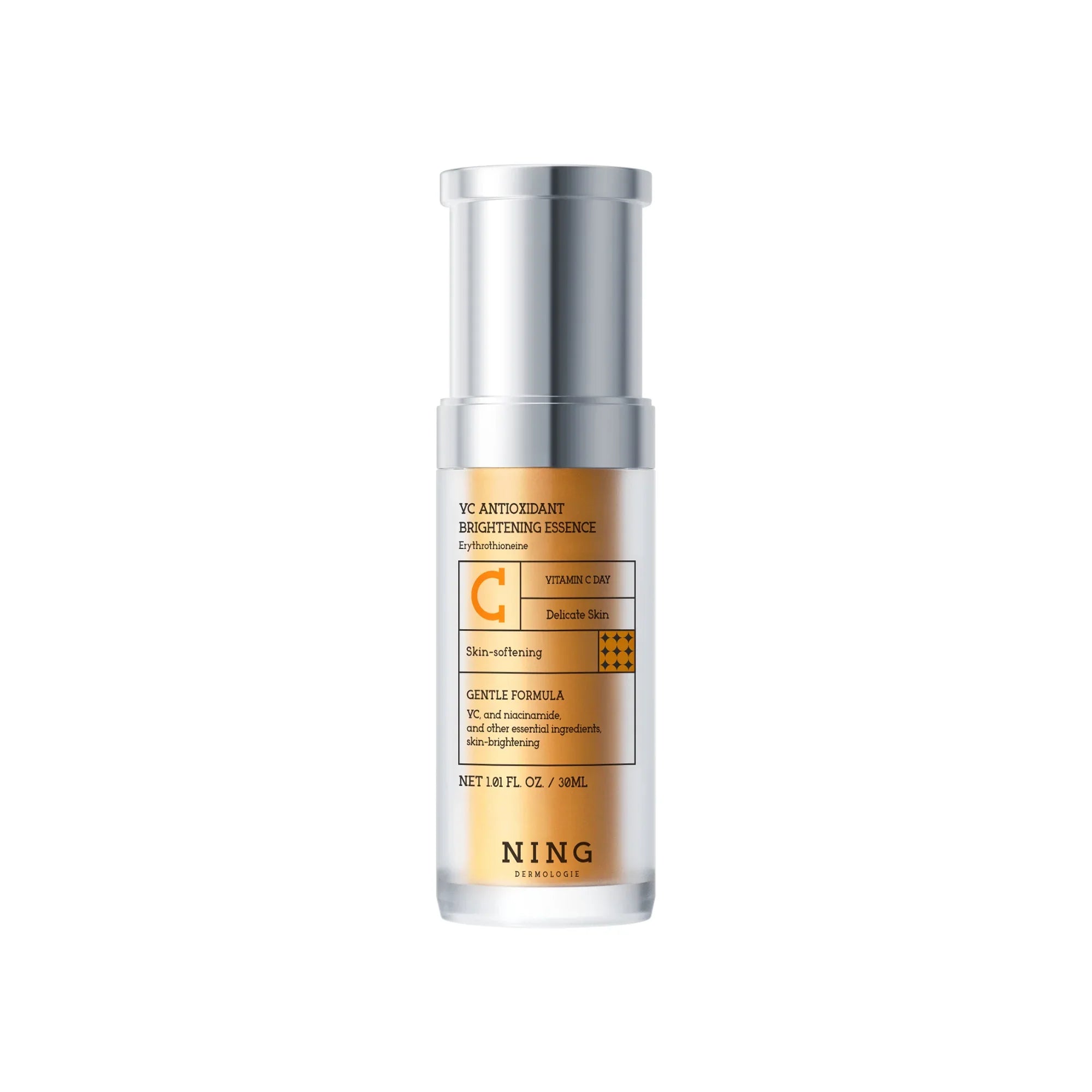
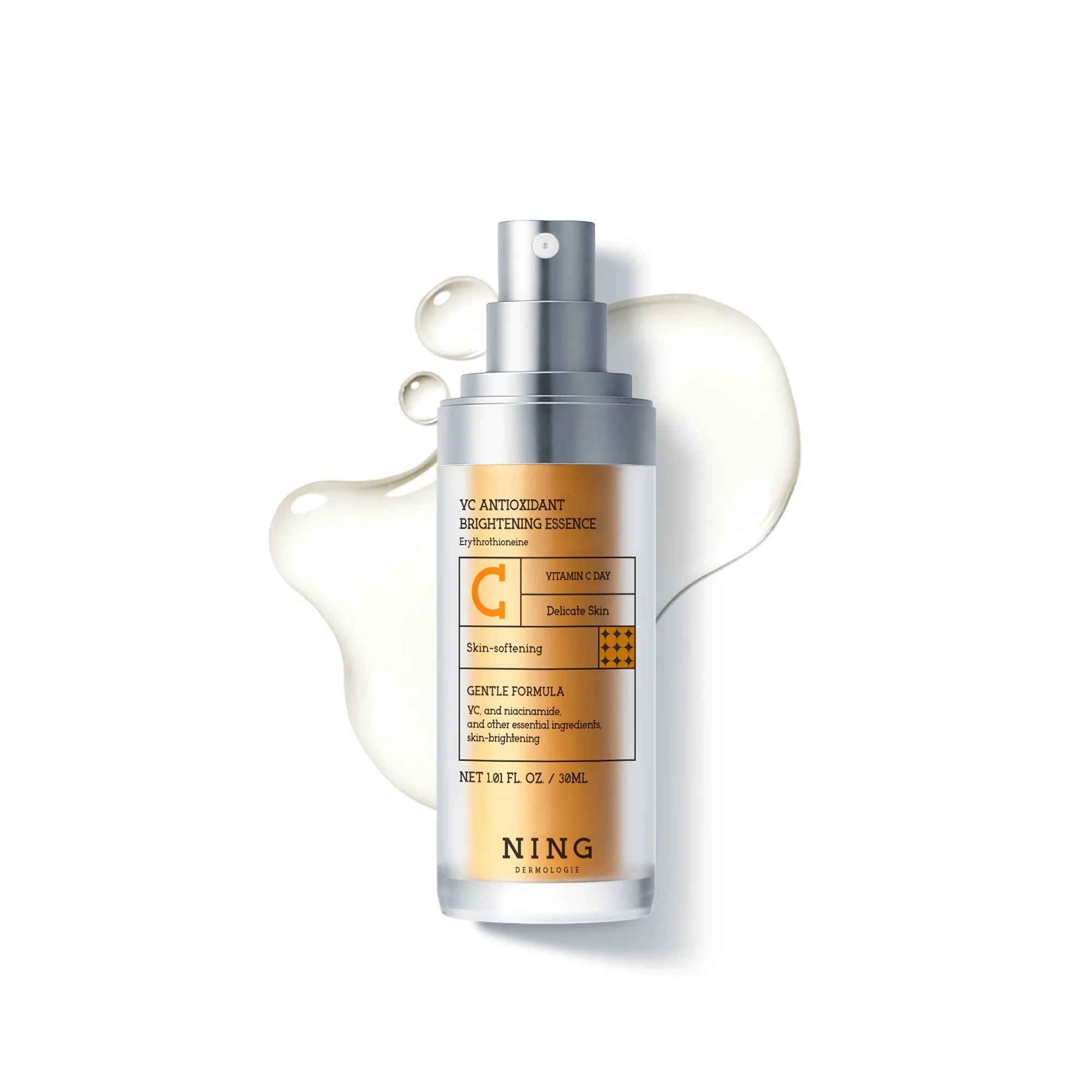
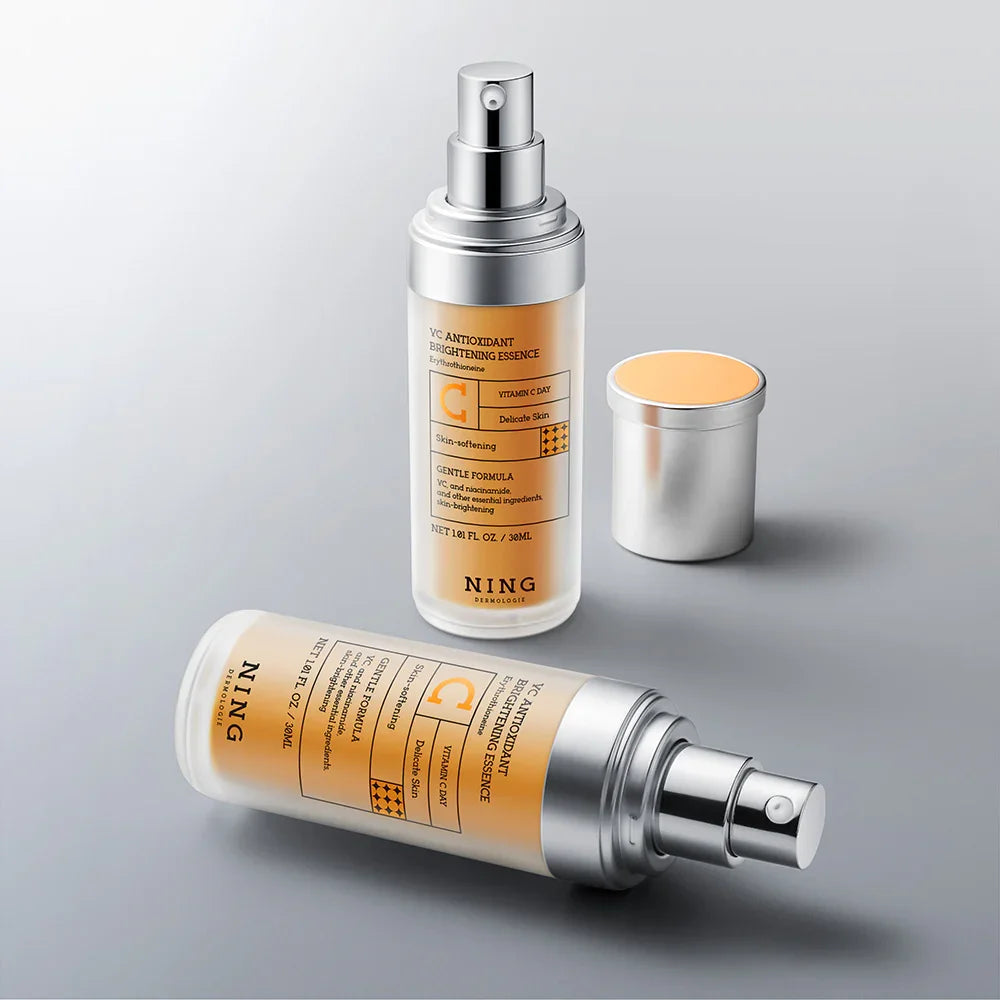
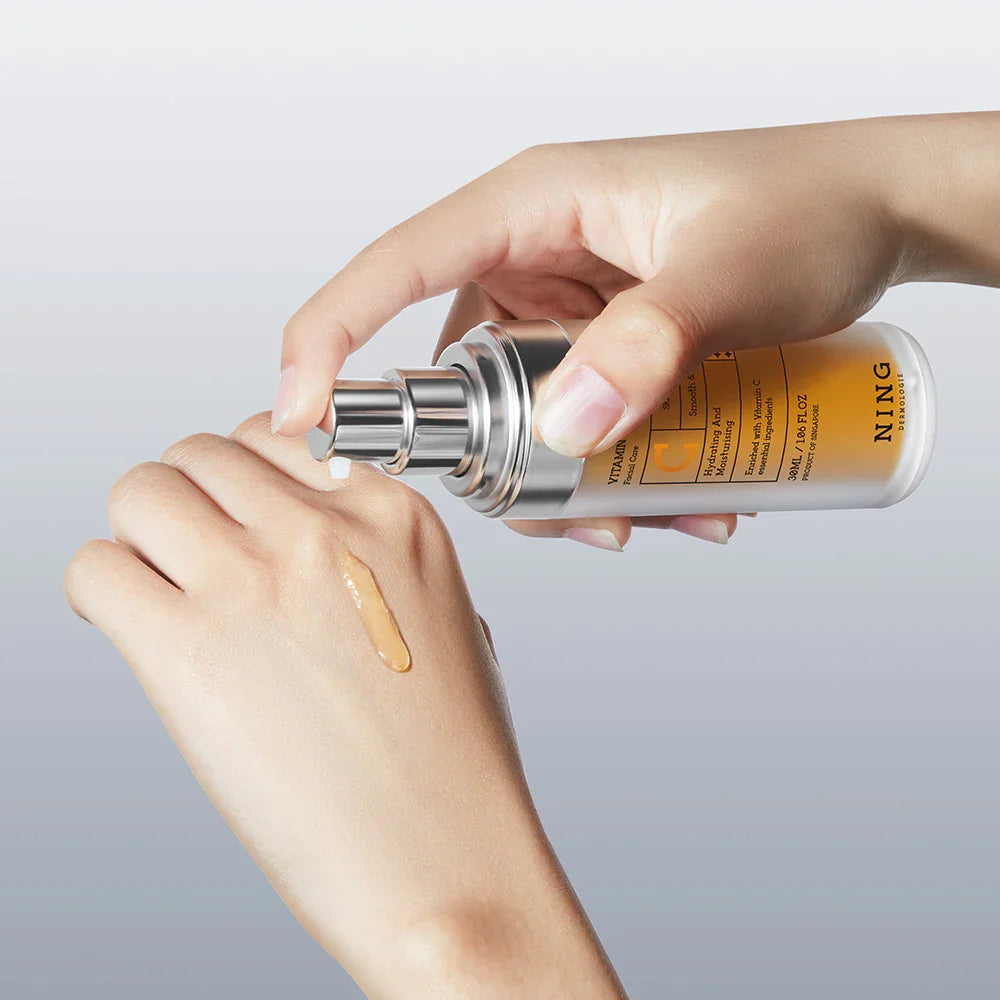
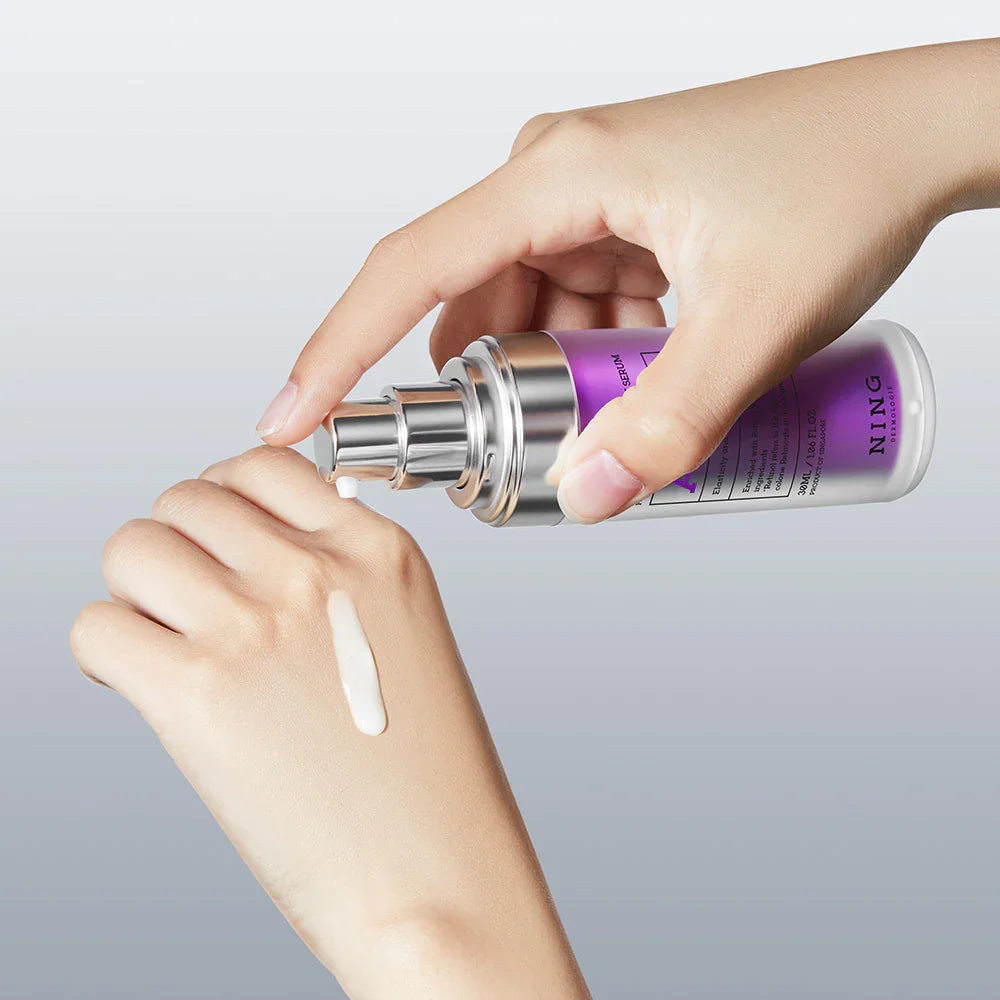
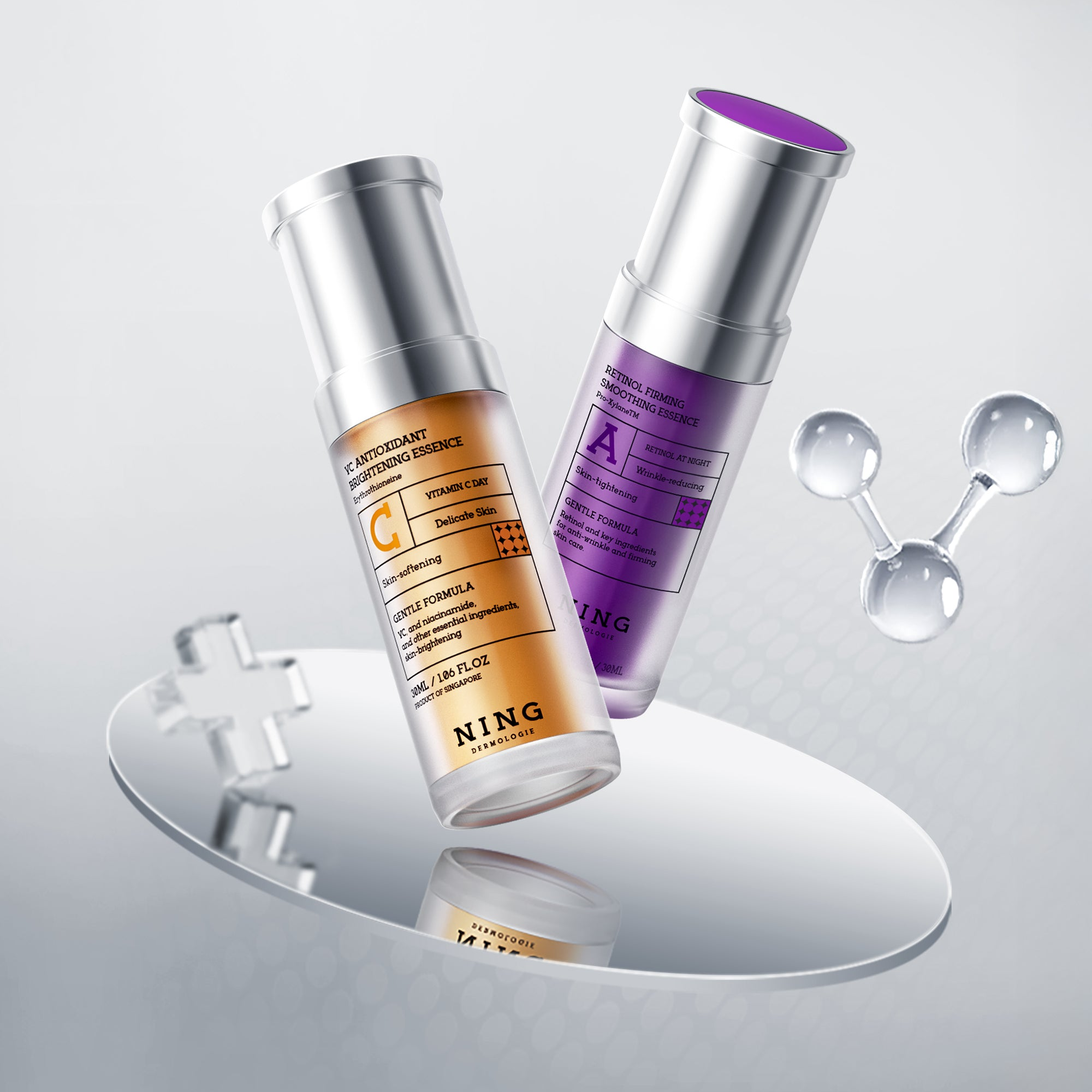
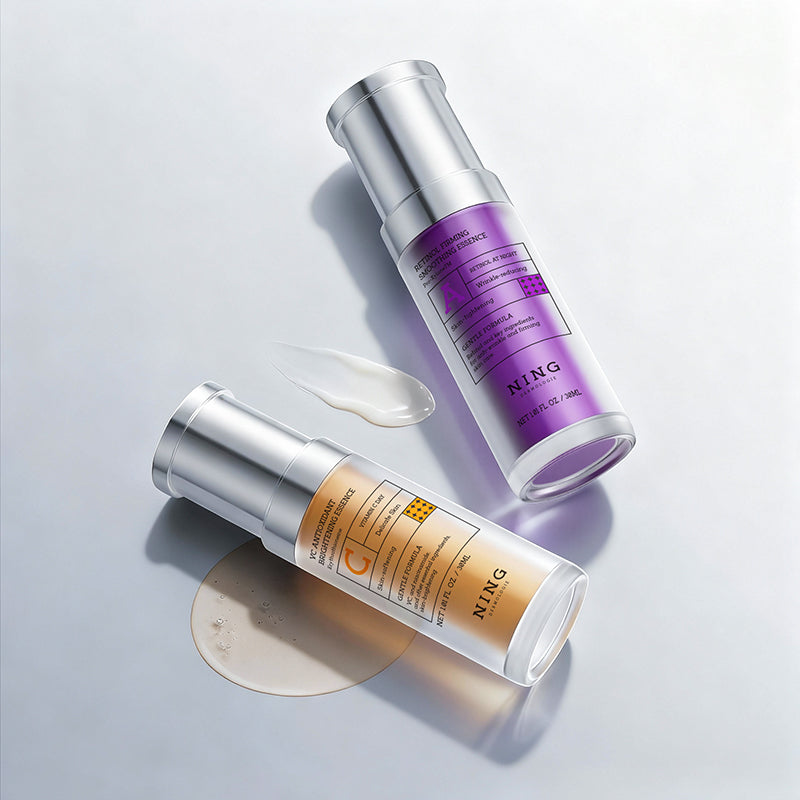
In the current landscape of skin care 2026, we are seeing a pivot toward 3-O-Ethyl Ascorbic Acid. This is exactly what we’ve focused on with the NING Dermologie Vitamin C Serum. Unlike pure vitamin c, this derivative is etherified, making it soluble in both water and oil.
What does that mean for you? It means the serum stays stable without needing a skin-stripping pH. We paired it with Niacinamide to further bolster the skin barrier, creating a vitamin c brightening serum that helps even skin tone without the characteristic stinging associated with older vitamin c formulations. It’s designed to brighten skin while respecting the delicate nature of combination skin and acne-prone skin.
Comparing the Heavy Hitters: Best for Sensitive Skin
To find the right vitamin c serum, we have to look at how the classics stack up against the newcomers.
1. Skinceuticals C E Ferulic
Often called the gold standard in vitamin c, Skinceuticals C E Ferulic is a powerhouse. It combines 15% pure vitamin c with vitamin e and ferulic acid. The benefits of vitamin c are maximized here, but—and it’s a big "but"—the low pH and high potency can be too much for sensitive skin. If your skin is "tough" but dry, it's great. If you flush easily? Proceed with caution.
2. Timeless Skin Care Vitamin C Serum
A popular "dupe" for the higher-priced options, the Timeless Skin Care serum is effective but highly acidic. Many users with dull skin see a difference in my skin within weeks, but the short shelf life and potential for irritation make it a risky choice for sensitive skin.
3. Mad Hippie Vitamin C Serum
This has been a favorite vitamin c for years because it uses Sodium Ascorbyl Phosphate (SAP). SAP is much gentler and is actually great for acne-prone skin because it has antimicrobial properties. It’s a solid vitamin c booster for those who find L-AA too harsh.
4. Vanicream Vitamin C Serum
Specifically best for sensitive skin in the drugstore category, Vanicream vitamin c serum avoids all common irritants (fragrance, dyes, parabens). It uses a derivative that is mild, though some find the skin feel a bit heavy compared to a high-end vitamin c facial serum.
Understanding Your Skin Type and Vitamin C
Not every skin type reacts to antioxidants the same way.
- Dry Skin: Look for a serum for dry skin that incorporates vitamin c with hyaluronic acid. You need to protect the skin while hydrating it.
- Oily Skin: A lightweight vitamin c face serum can help regulate sebum and improve skin texture without clogging pores.
- Combination Skin: You need a formula that brightens and evens skin tone on the cheeks without making the T-zone greasy.
- Sensitive Skin: You may prefer a vitamin c derivative like the one in NING Dermologie, which provides the antioxidant like vitamin c benefits without the inflammatory response.
The Role of Vitamin E and Ferulic Acid
You’ll often see vitamin e and ferulic acid listed alongside Vitamin C. This isn't just marketing. These ingredients stabilize the Vitamin C and double its photoprotective power. When you apply vitamin c in the morning, these antioxidants work together to protect your skin from environmental damage, such as UV rays and pollution. This synergy helps improve skin health over time, making skin looked and felt more resilient.
Addressing Uneven Skin Tone and Texture
The primary reason people search for the best vitamin c is to fix uneven skin or dull skin. Whether it's post-acne marks or sun damage, vitamin c helps inhibit tyrosinase—the enzyme responsible for melanin production.
When using a brightening vitamin c serum, consistency is more important than intensity. A 10% concentration used daily for eight weeks will do more to improve skin tone than a 20% serum used twice a week because it was too painful to use daily. Most users report receiving compliments on my skin after about a month of steady use, noting that their skin tone and texture appear more refined.
How to Integrate a Vitamin C Serum Without Irritation
If you’ve been burned before (literally), follow this dermatologist-approved method for introducing a topical vitamin c:
- The Patch Test: Apply a small amount of the c facial serum to your jawline. Wait 24 hours. If there’s no redness, you’re good to go.
- The "Buffer" Method: If your skin is extremely reactive, apply your moisturizer first, then the vitamin c product. This slows down the penetration slightly but significantly reduces the "tingle."
- Morning Application: Always use it in the AM. Its main job is protecting your skin from the day's stressors.
- Seal it with SPF: Never use a vitamin c face serum without sunscreen. The two together are the ultimate defense against an uneven skin tone.
Technical Spotlight: 3-O-Ethyl Ascorbic Acid
At NING Dermologie, we chose 3-O-Ethyl Ascorbic Acid because it is the most stable form of vitamin c available in skin care 2026. Unlike pure vitamin c, which can turn orange (oxidize) in the bottle within weeks, our vitamin c serum remains clear and potent. It allows for a smooth skin finish and targets dark spot issues effectively while being gentle enough for vitamin c for sensitive skin routines.
Many of our customers have noted a difference in my skin regarding skin texture and tone within just a few weeks of using this serum. By avoiding the "acid trap," we’ve created a perfect vitamin c for those who thought they couldn't use Vitamin C at all.
Common Myths About Vitamin C for Sensitive Skin
Myth 1: "It has to sting to work." Absolutely false. Stinging is a sign of barrier disruption, not "efficacy." A well-formulated vitamin c serum for sensitive skin should feel like nothing more than a hydrating layer.
Myth 2: "You can't use Vitamin C with Niacinamide." This is outdated science. Modern, stable forms of Vitamin C (like those in NING Dermologie) work beautifully with Niacinamide to brighten the skin and improve skin texture simultaneously.
Myth 3: "All Vitamin C serums of 2026 must be kept in the fridge." While heat isn't great for any skin care, a truly stable vitamin c derivative doesn't require refrigeration. If your serum is turning brown, it has oxidized and is no longer an antioxidant like vitamin c; it’s just a bottle of irritation.

The Bottom Line on Brightening
Your journey to smooth skin and a radiant skin tone shouldn't be painful. Whether you choose a classic like la roche-posay vitamin or a modern formulation like NING Dermologie, the goal is the same: protect the skin and even out skin tone.
If you're tired of the "Vitamin C Burn" and want a vitamin c serum that actually respects your sensitive skin, it’s time to stop chasing high percentages and start chasing high stability. NING Dermologie offers that balance—giving you the skin health you want without the redness you hate.
Frequently Asked Questions (FAQ)
1. Can I use Vitamin C if I have active acne?
Yes, but the type of Vitamin C matters. For acne-prone skin, avoid oily vitamin c formulations that might clog pores. A vitamin c derivative like Sodium Ascorbyl Phosphate or the Ethyl Ascorbic Acid found in NING Dermologie is actually beneficial, as it helps reduce the inflammation and redness associated with breakouts while preventing post-inflammatory hyperpigmentation (acne scars).
2. How long does it take to see results on dark spots?
Skin cells take about 28 to 40 days to turnover. While you might notice an immediate "glow" due to the hydrating properties of the serum, significant changes in dark spot intensity and uneven skin tone typically take 6 to 8 weeks of daily use. Consistency is the "secret ingredient" that most people miss when trying to improve skin tone.
3. Why does my Vitamin C serum smell like metallic hot dog water?
That distinct scent is usually associated with pure vitamin c (L-Ascorbic Acid) combined with ferulic acid. While it’s normal for some brands like Skinceuticals C E Ferulic, it can be off-putting. Modern vitamin c serums of 2026, like NING Dermologie, utilize derivatives that are virtually odorless, providing a much more pleasant skin feel during your morning skin care routine.
4. Is it okay to use Vitamin C and Retinol together?
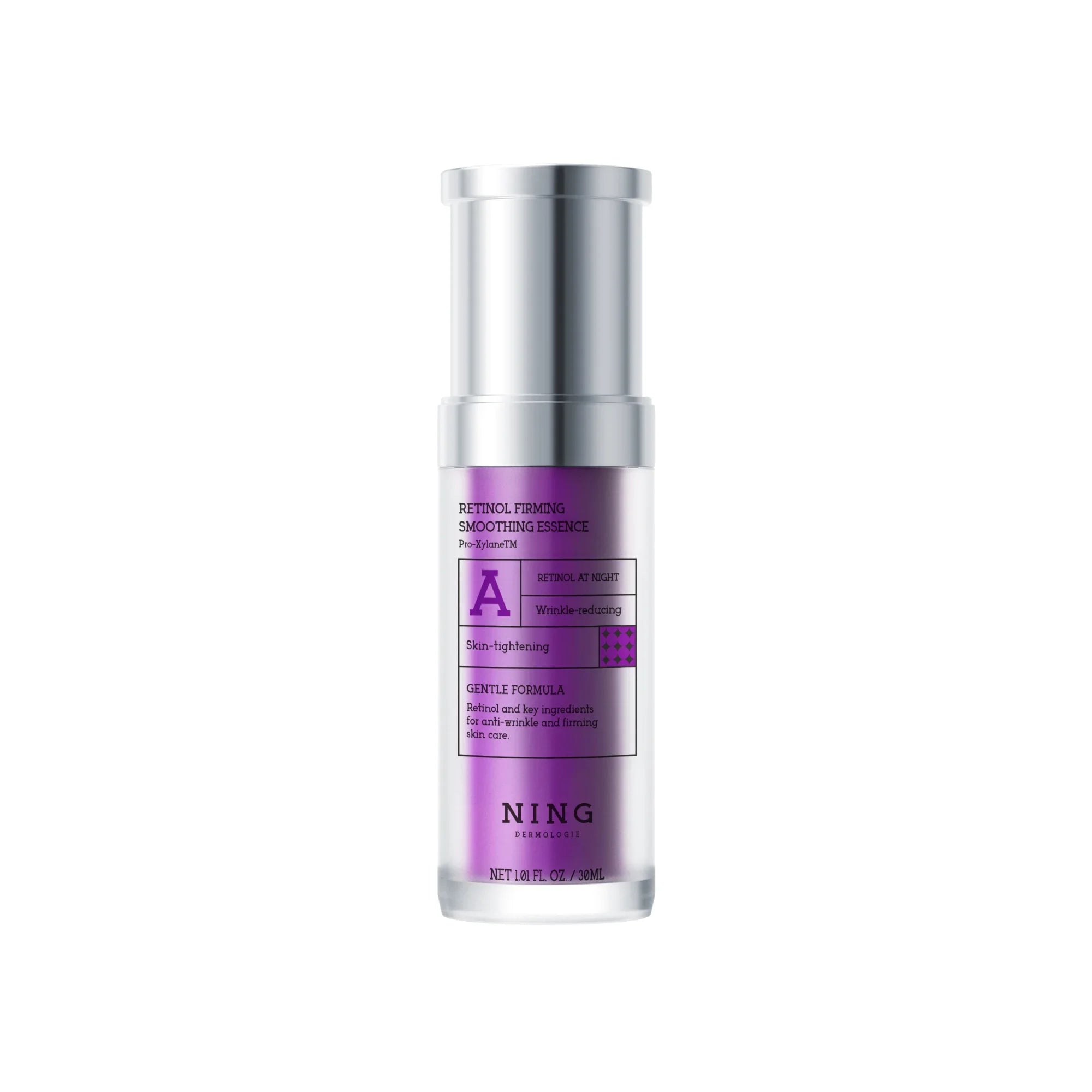
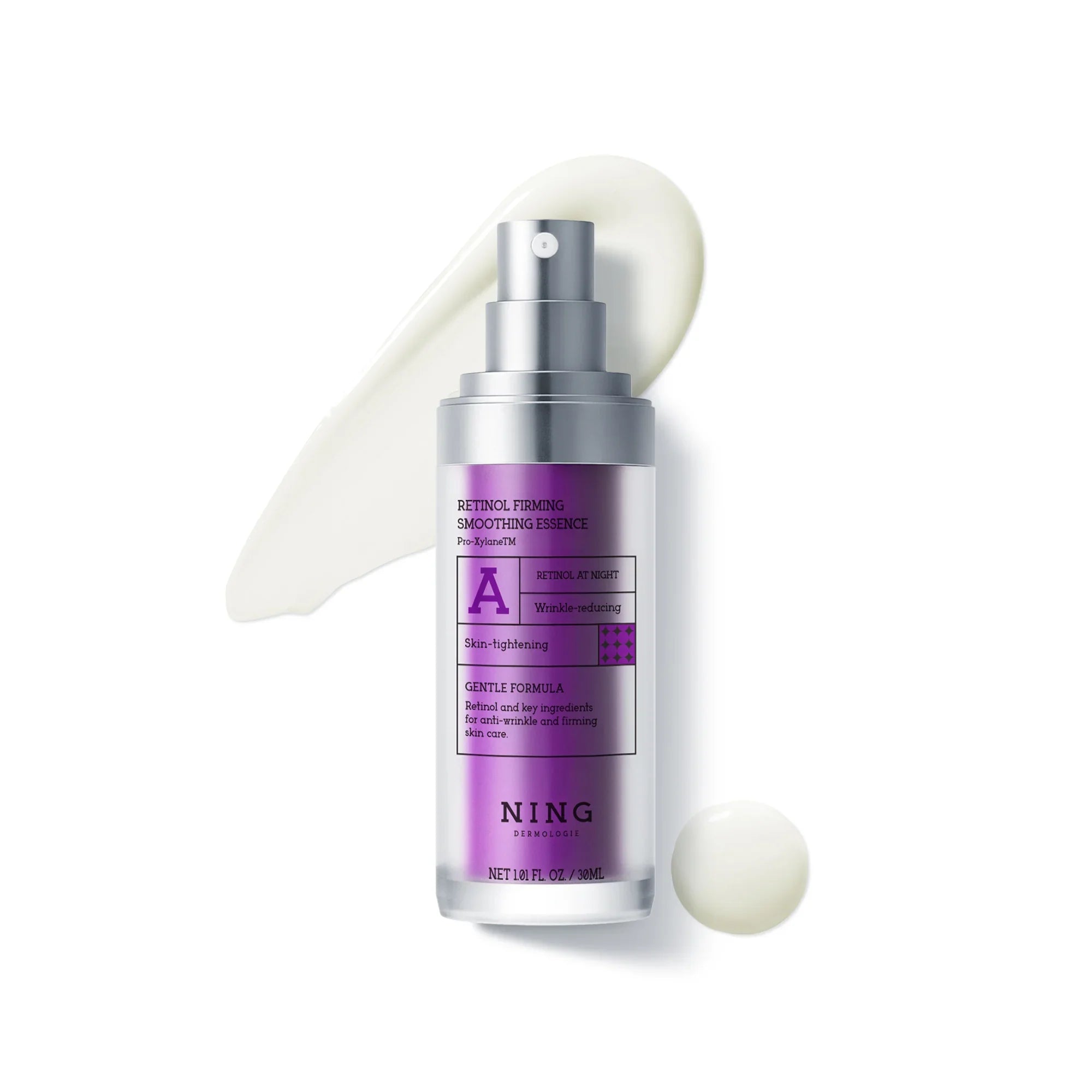
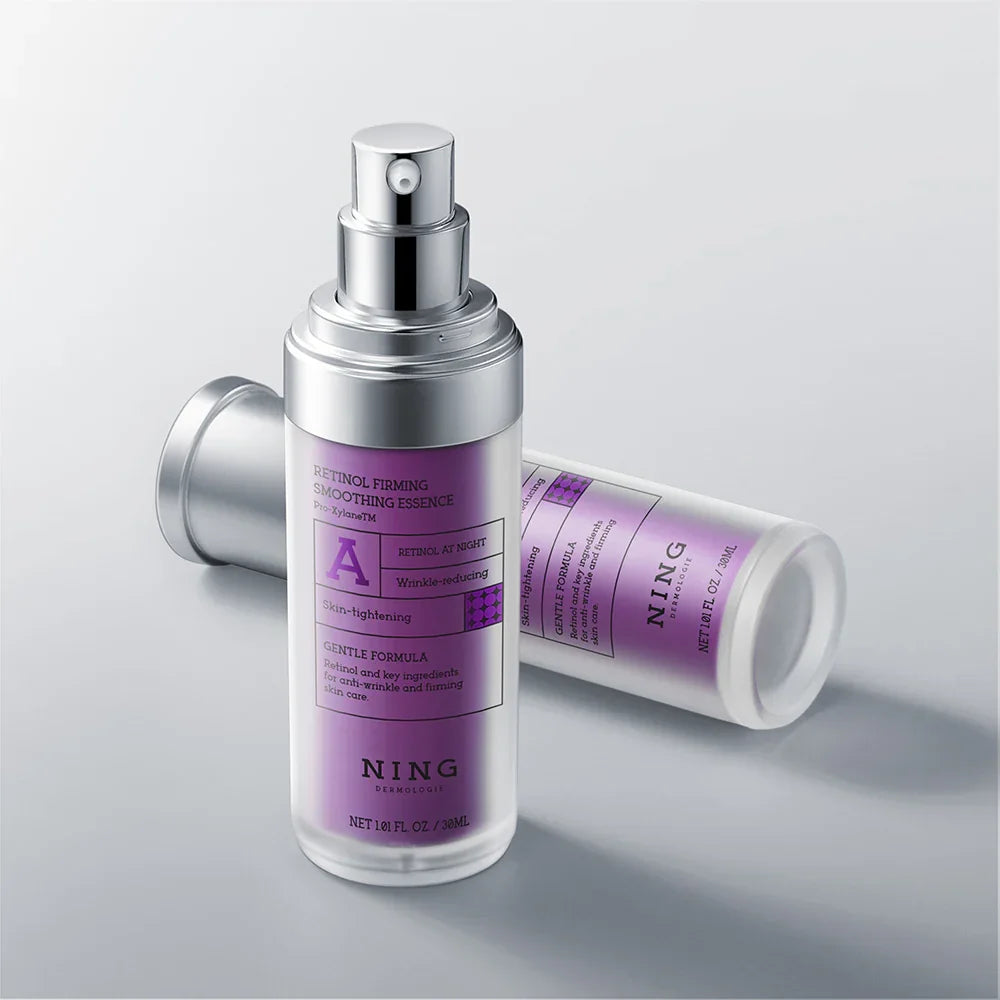
It is better to split them up. Use your vitamin c brightening serum in the morning to protect your skin from environmental damage. Use your Retinol at night to focus on repair. Using them at the same time can shift the pH balance of both products, making them less effective and significantly increasing the risk of irritation for those with sensitive skin.
5. How do I know if my Vitamin C serum has oxidized?
Check the color. A fresh vitamin c facial serum should be clear or very light champagne. If it has turned dark orange or brown, it has oxidized. Oxidized vitamin c products are not only ineffective at brightening the skin, but they can actually generate free radicals, causing the very skin concerns you are trying to fix. Always store your bottle in a cool, dark place.


Share:
Where can I buy highly recommended vitamin C serums for the face in the US?
Where to buy vitamin C serum safe for sensitive skin near me