

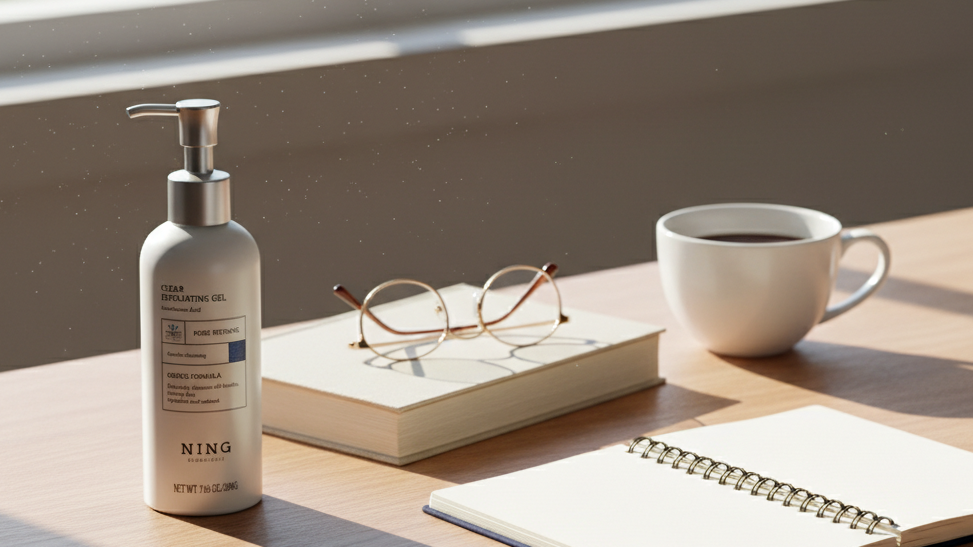

Finding a decent exfoliating face wash when you have allergy-prone skin is, frankly, a nightmare. Most of us have been there: you want to get rid of some dullness or dead skin cells, you pick up a "natural" scrub at the drugstore, and twenty minutes later your face feels like it’s on fire. If you’re dealing with atopic dermatitis, reactive skin, or fungal acne, that "fresh scrubbed" feeling often turns into a week-long flare-up.
The short answer is: Yes, Fragrance Free exfoliating options exist. But you have to be incredibly picky. You aren't just looking for "unscented" (which can actually contain masking scents); you’re looking for a Fragrance-Free Formula that respects your skin barrier while doing the heavy lifting of skin renewal.

The "Squeaky Clean" Trap
Most people with a sensitive skin condition make the mistake of using a shower loofah or harsh physical scrubs on their face. If you have sensitive skin, please, put the loofah down. Those tiny tears in your skin are an open invitation for synthetic chemicals to cause havoc.
When your skin barrier is compromised—which is common for those of us vetted by the National Eczema Association or the Psoriasis Foundation—you need Gentle cleansing that doesn't strip your natural oils. The goal isn't to sand your face down; it's to use active ingredients that dissolve the "glue" holding dead cells together without triggering a histaminic response.
Why "Fragrance-Free" is Non-Negotiable
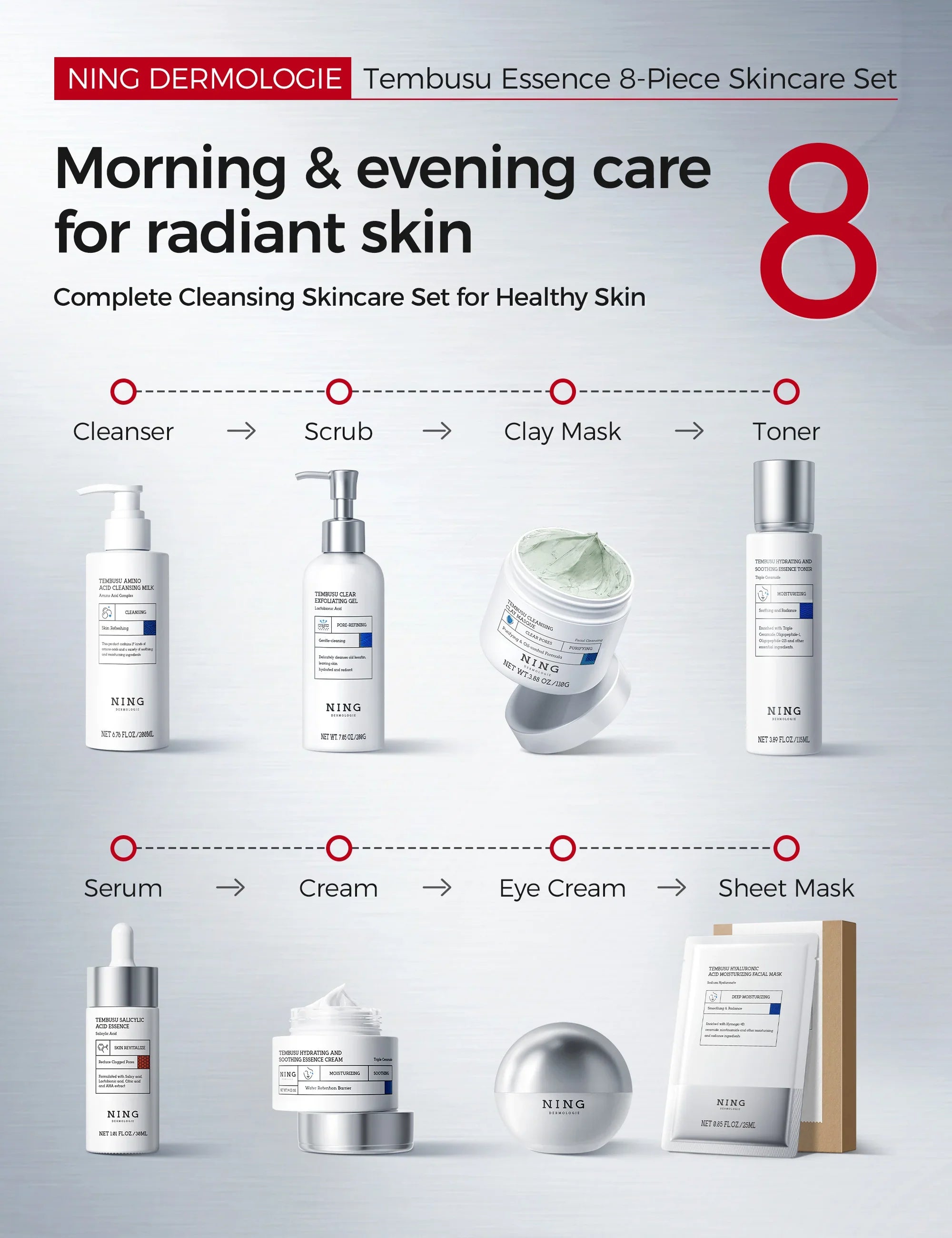
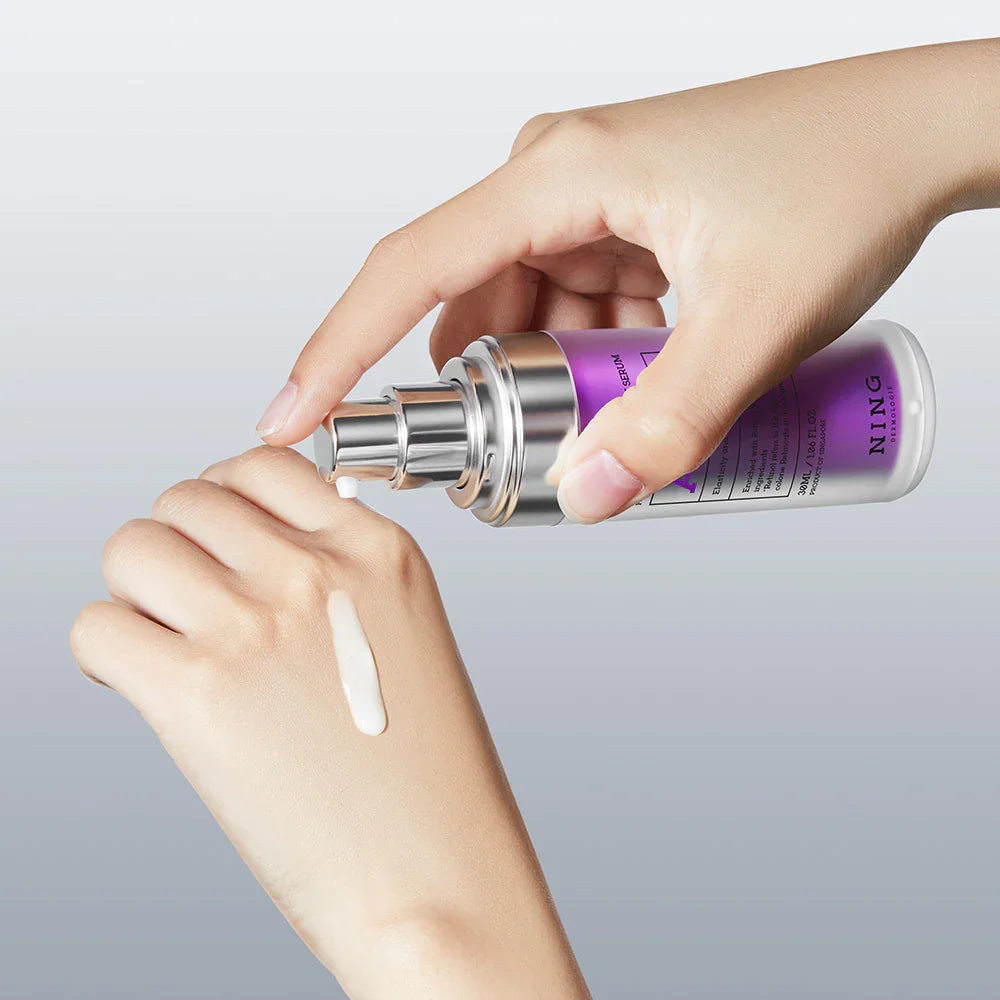
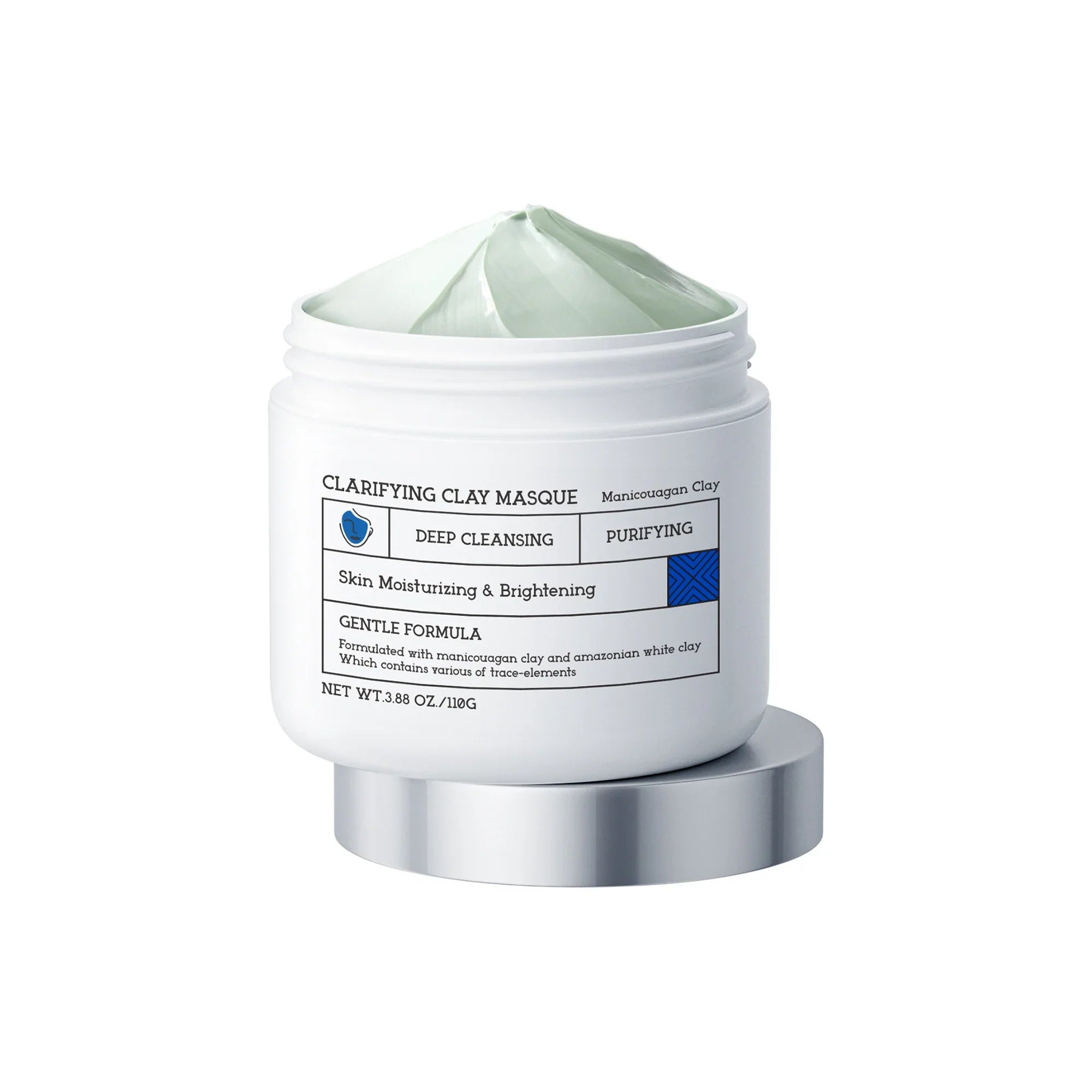
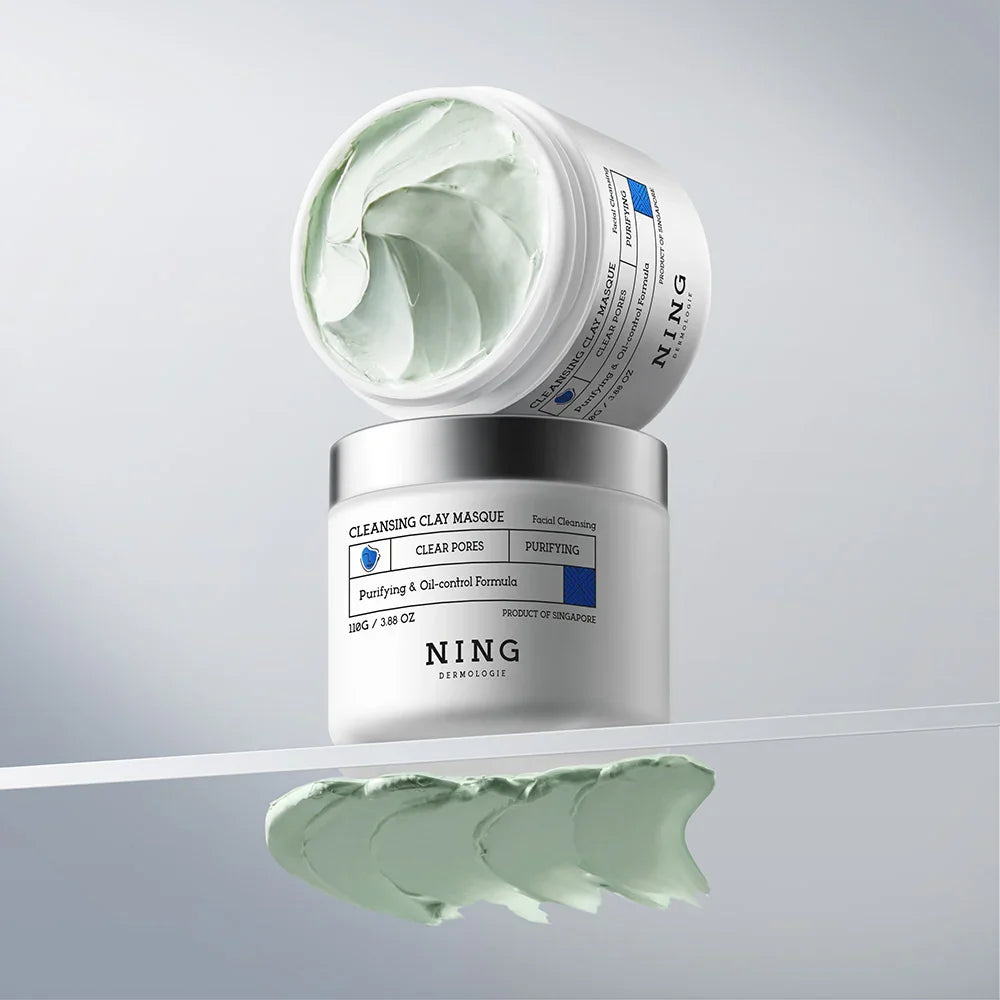
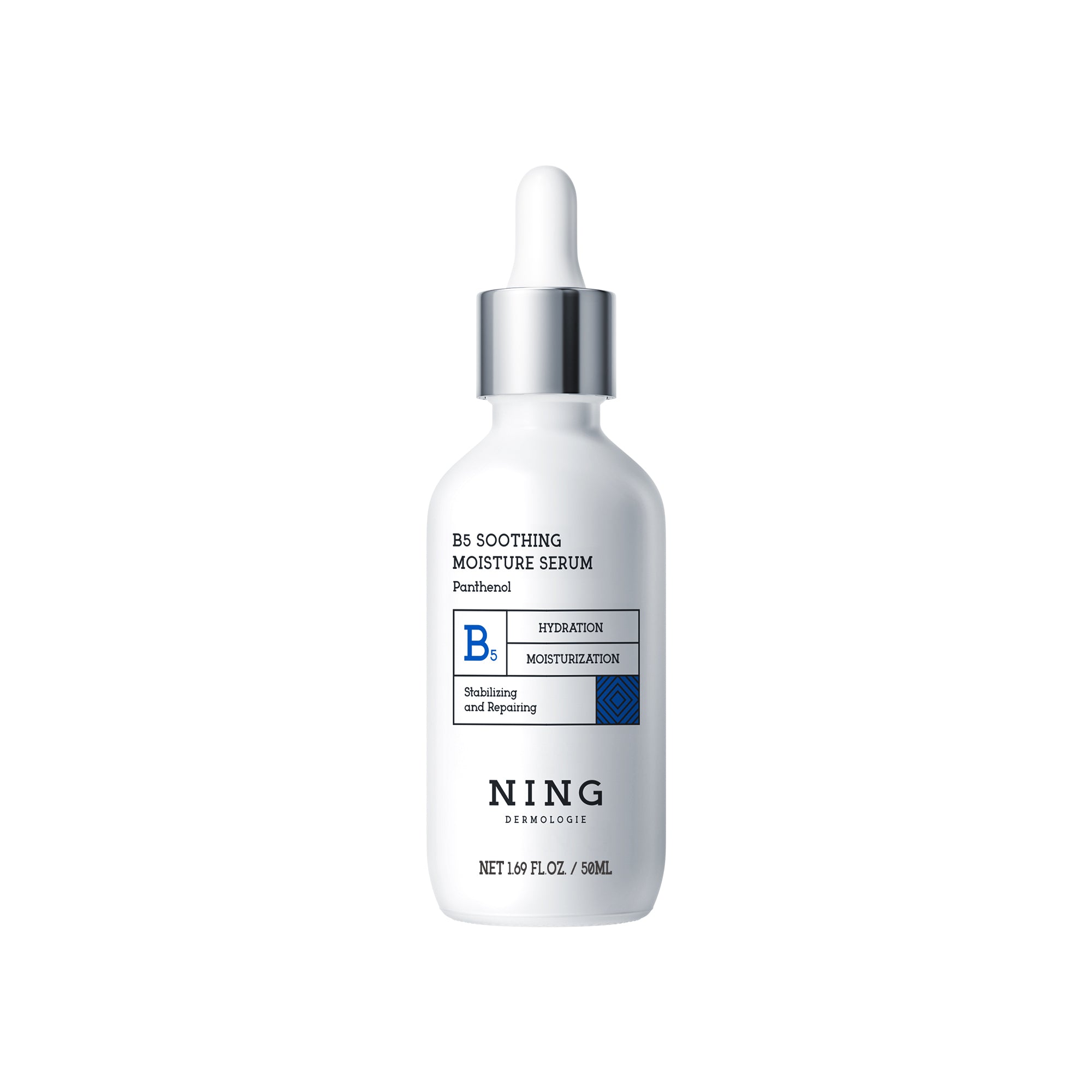
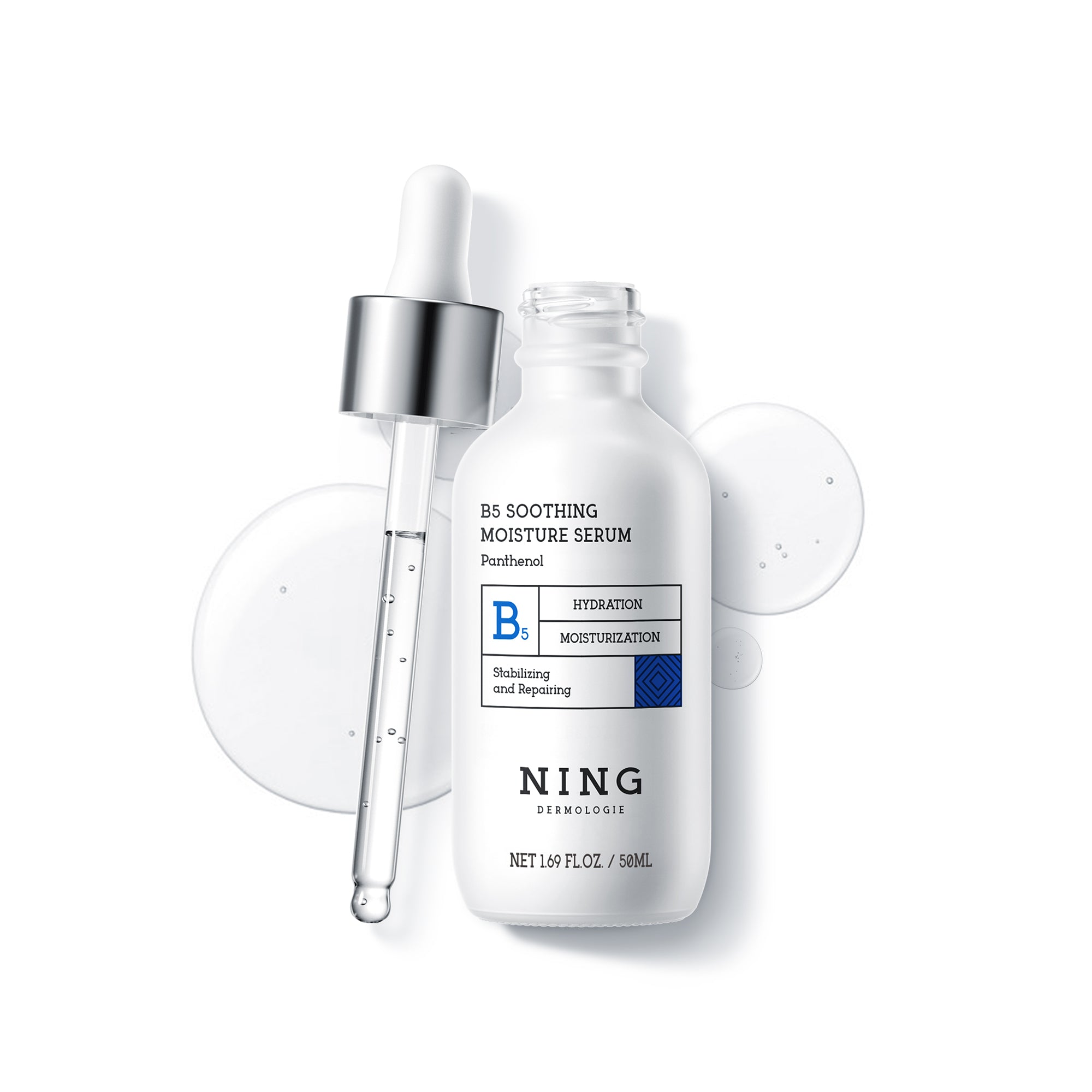
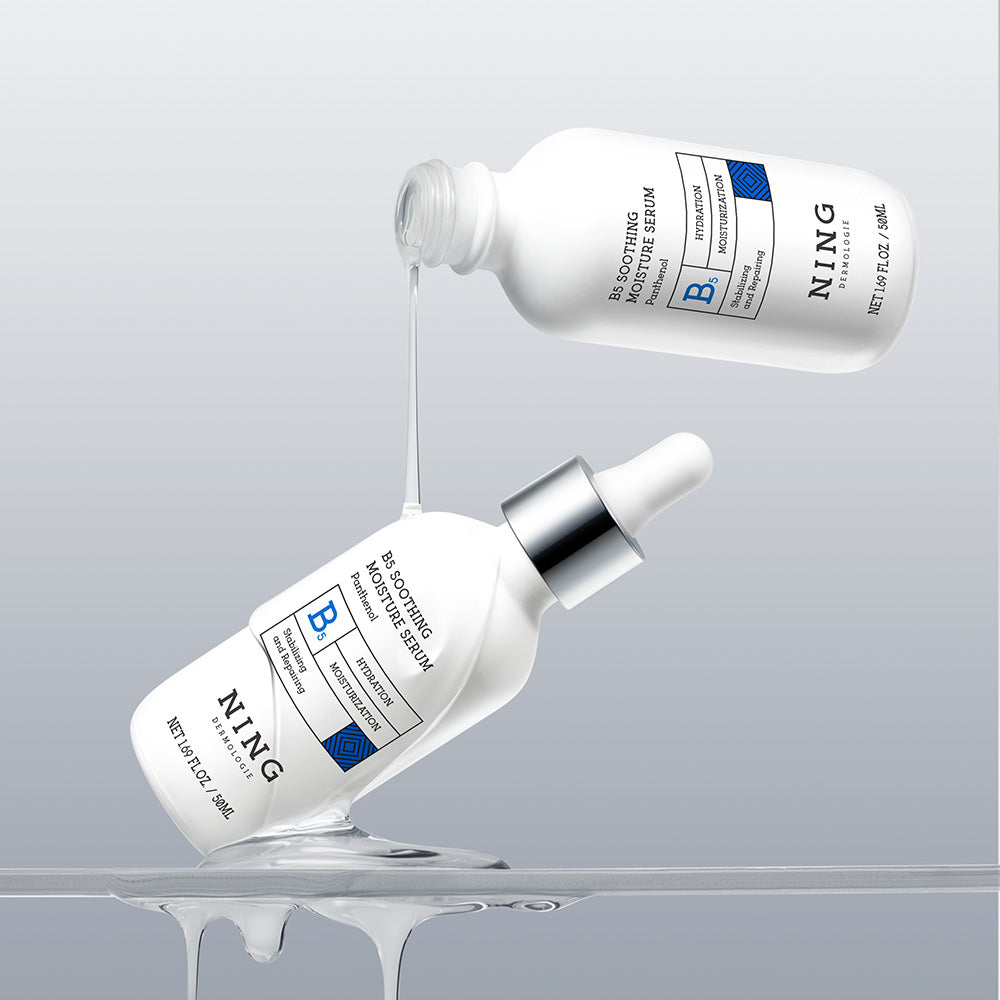
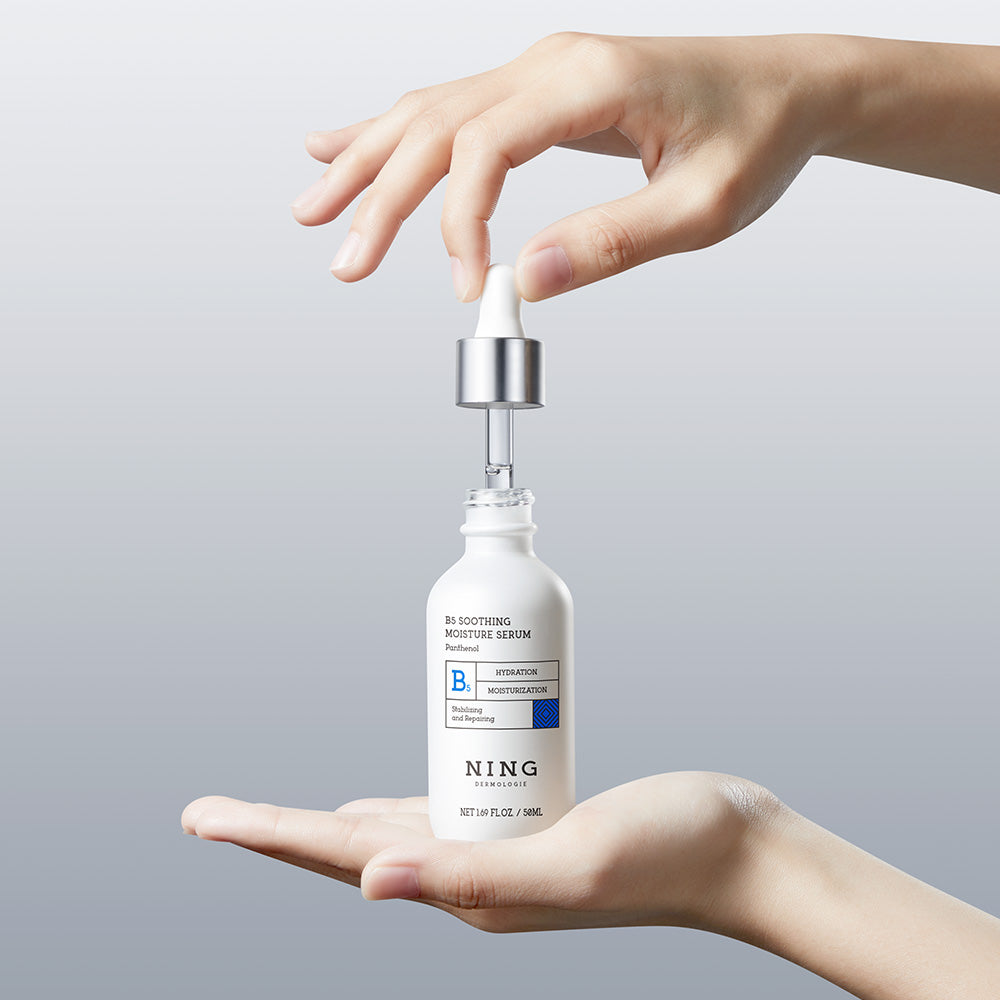
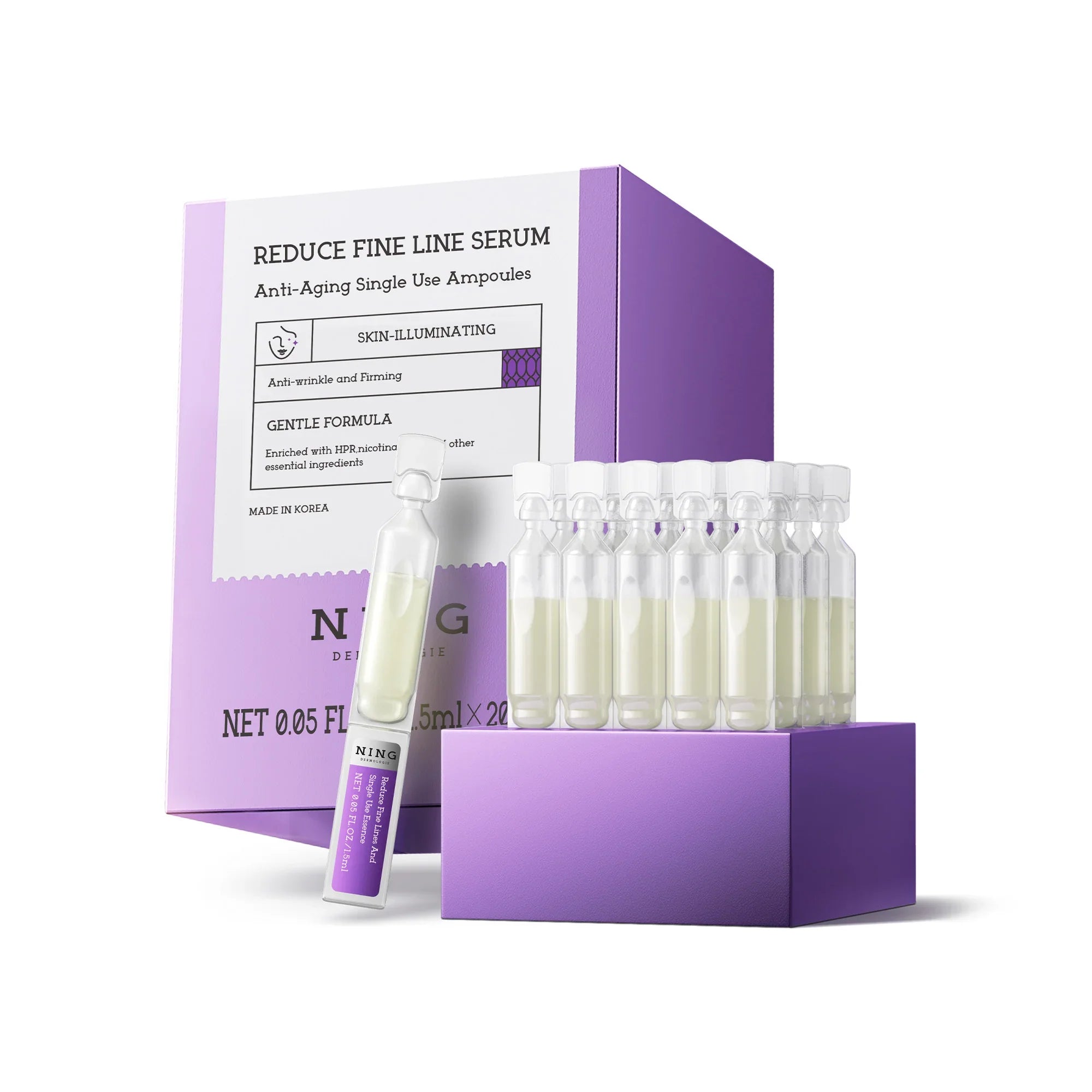
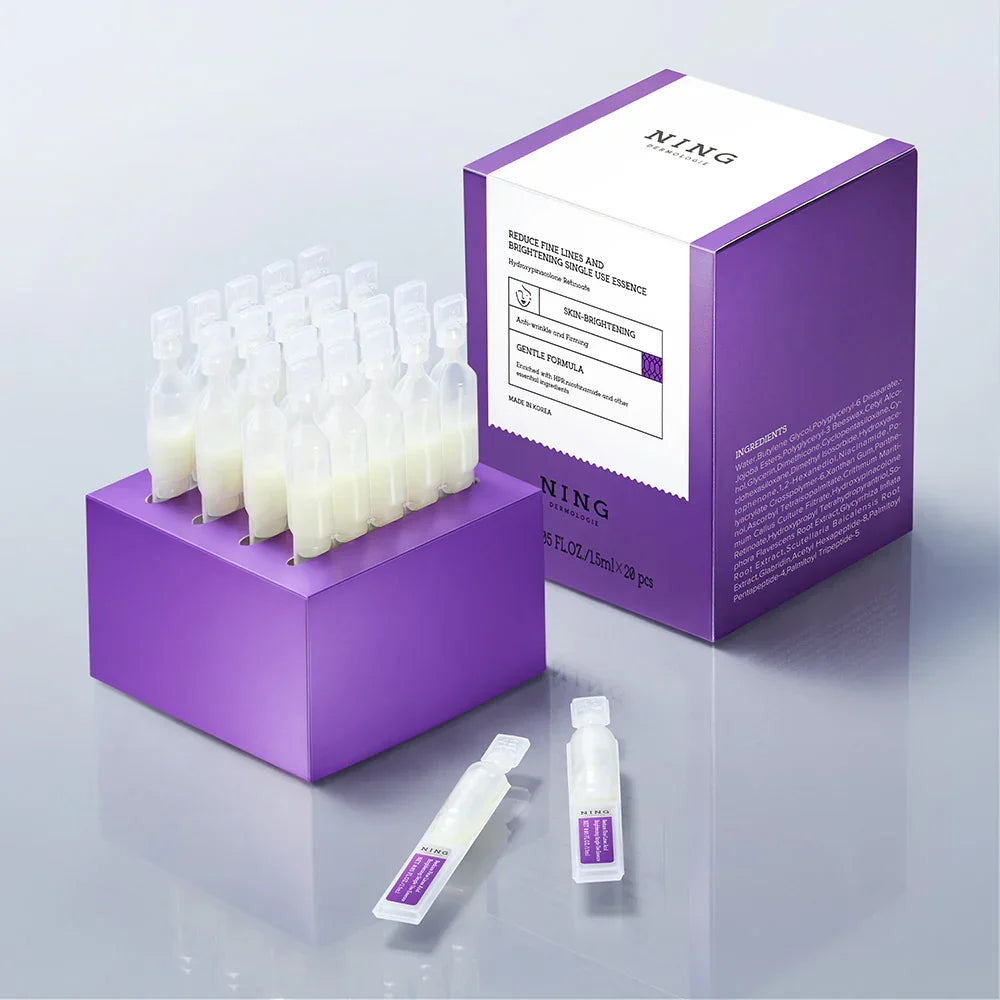
For someone with allergy-prone skin, fragrance is the ultimate villain. It doesn't matter if it's "essential oils" or synthetic chemicals; if your skin is reactive, it sees those scent molecules as invaders. This is why brands like NING Dermologie focus on a clinical, Allergy-Friendly Skincare Products approach.
I’ve seen people use CeraVe Hydrating Cleanser or Vanicream Gentle Facial Cleanser as their base—which are fantastic, safe bets—but they don't provide exfoliation. When you need to clear out pigment spots or prep your skin for Anti-Ageing Support, you need something more targeted but equally safe.
Chemical vs. Enzymatic: The Safer Way to Exfoliate
If you have reactive skin or Rosacea, stay away from high-percentage glycolic acid or benzoyl peroxide initially. They are too aggressive. Instead, look for:
- Protease enzymes & Enzymatic polishes: These mimic your skin's natural shedding process. They "eat" the dead protein without disturbing the living tissue.
- Salicylic Acid (BHA): Great for fungal acne (Malassezia furfur) because it gets into the pores.
- Willow Bark: A natural, gentler source of salicin.
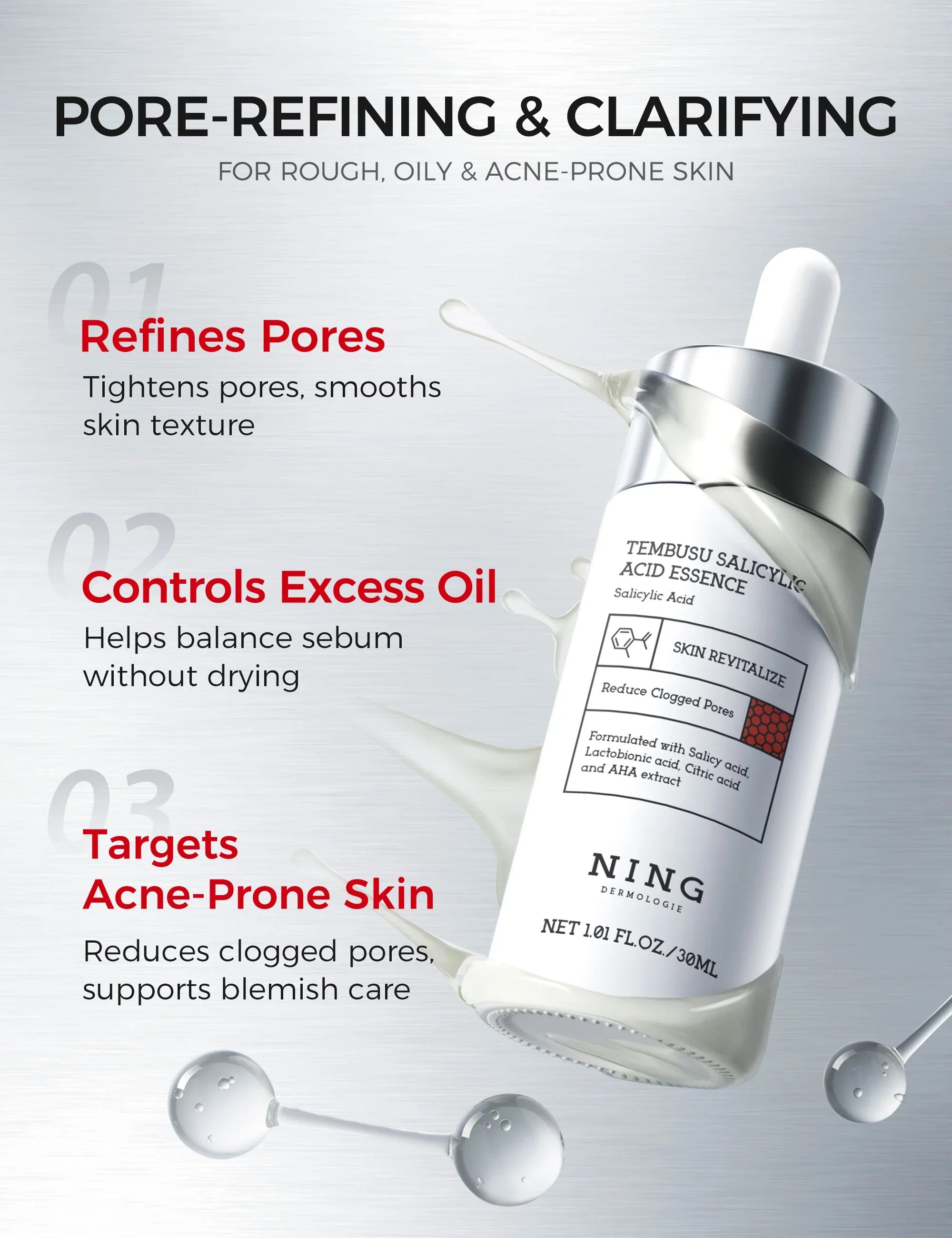
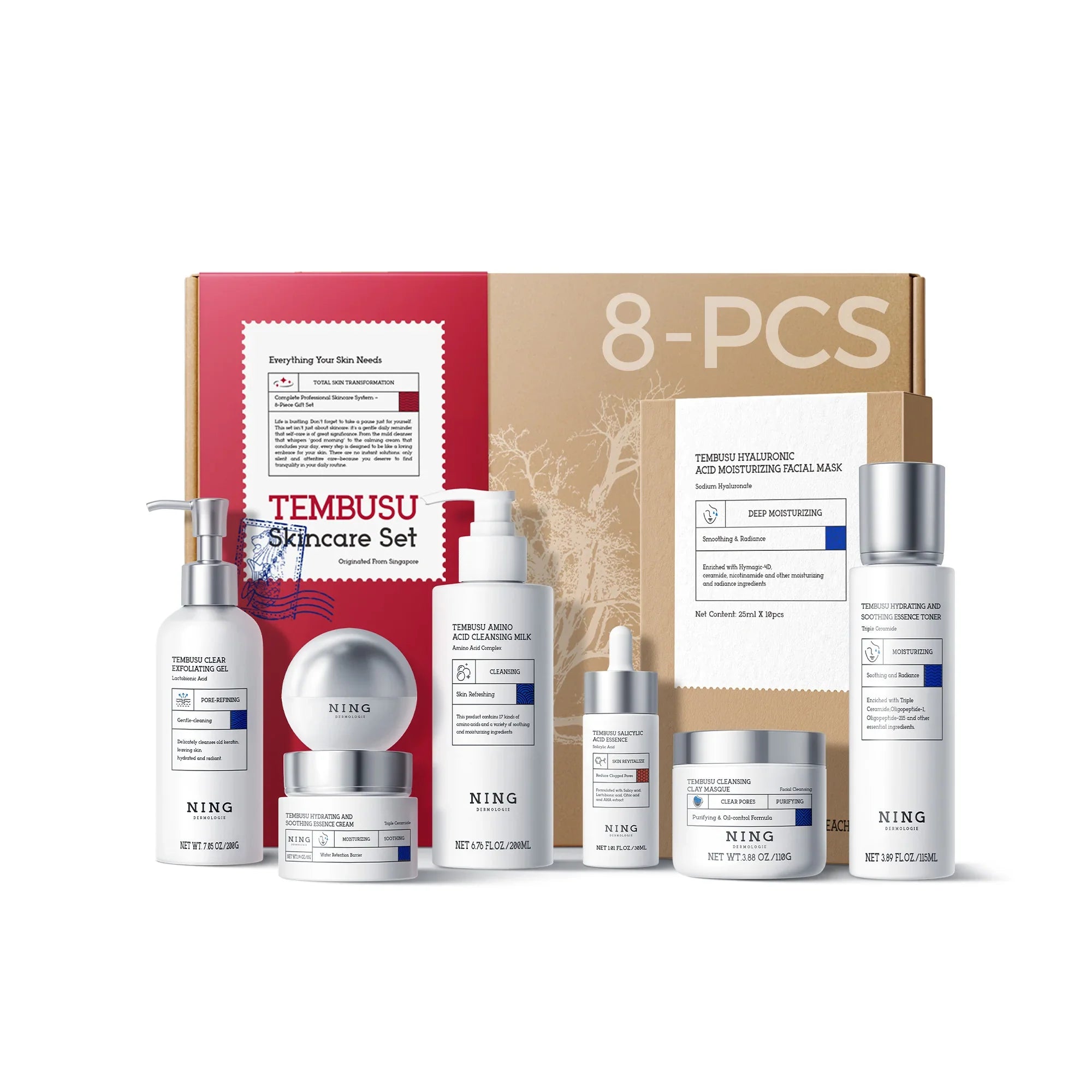
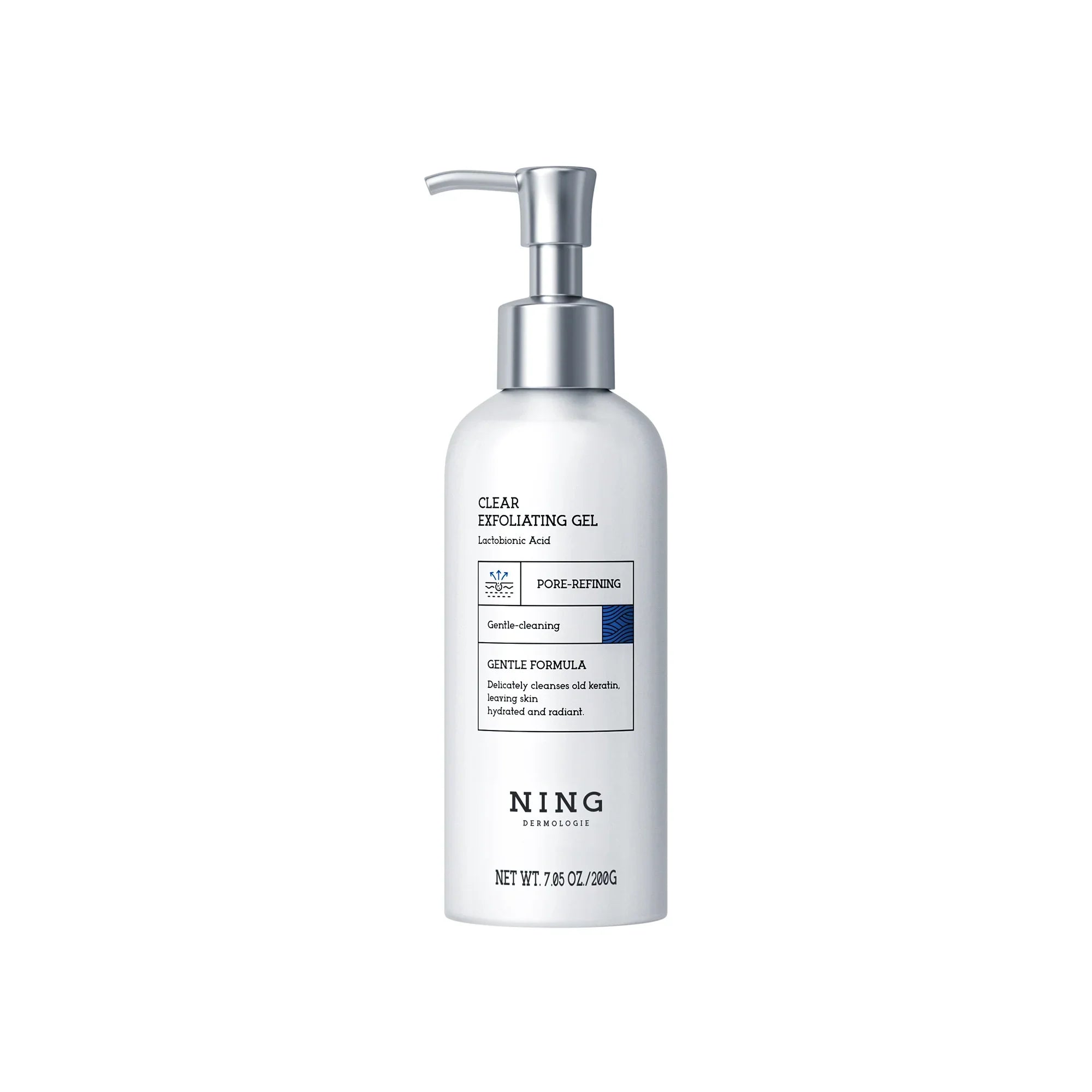
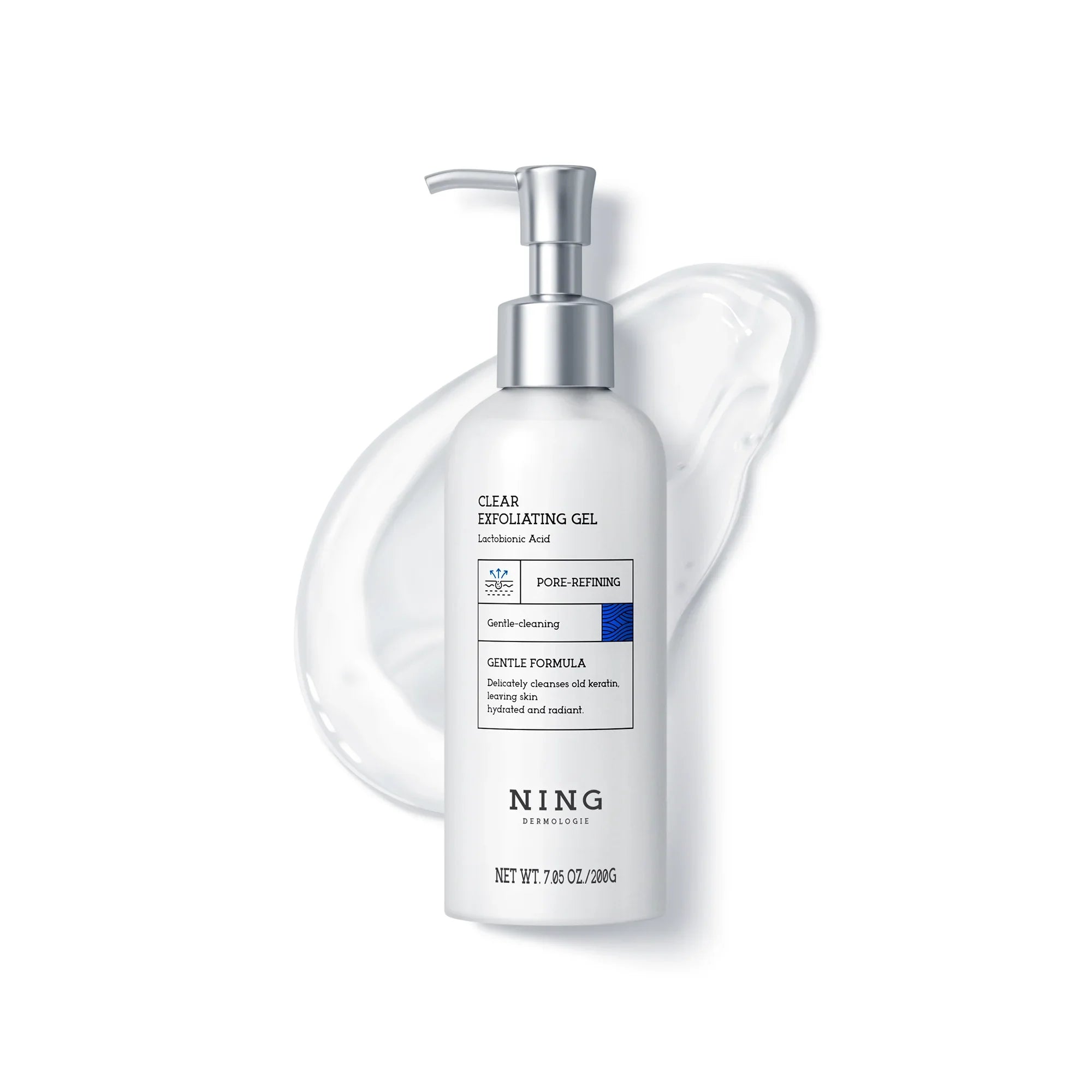
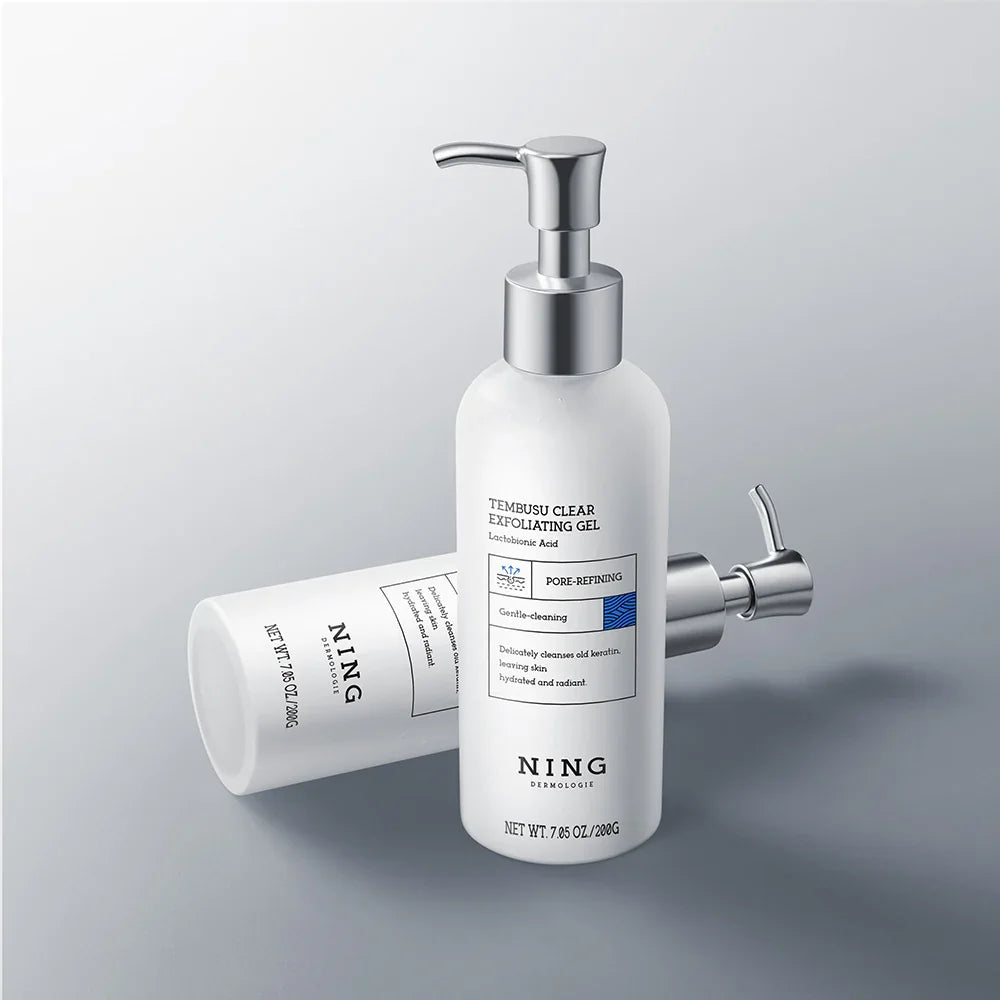
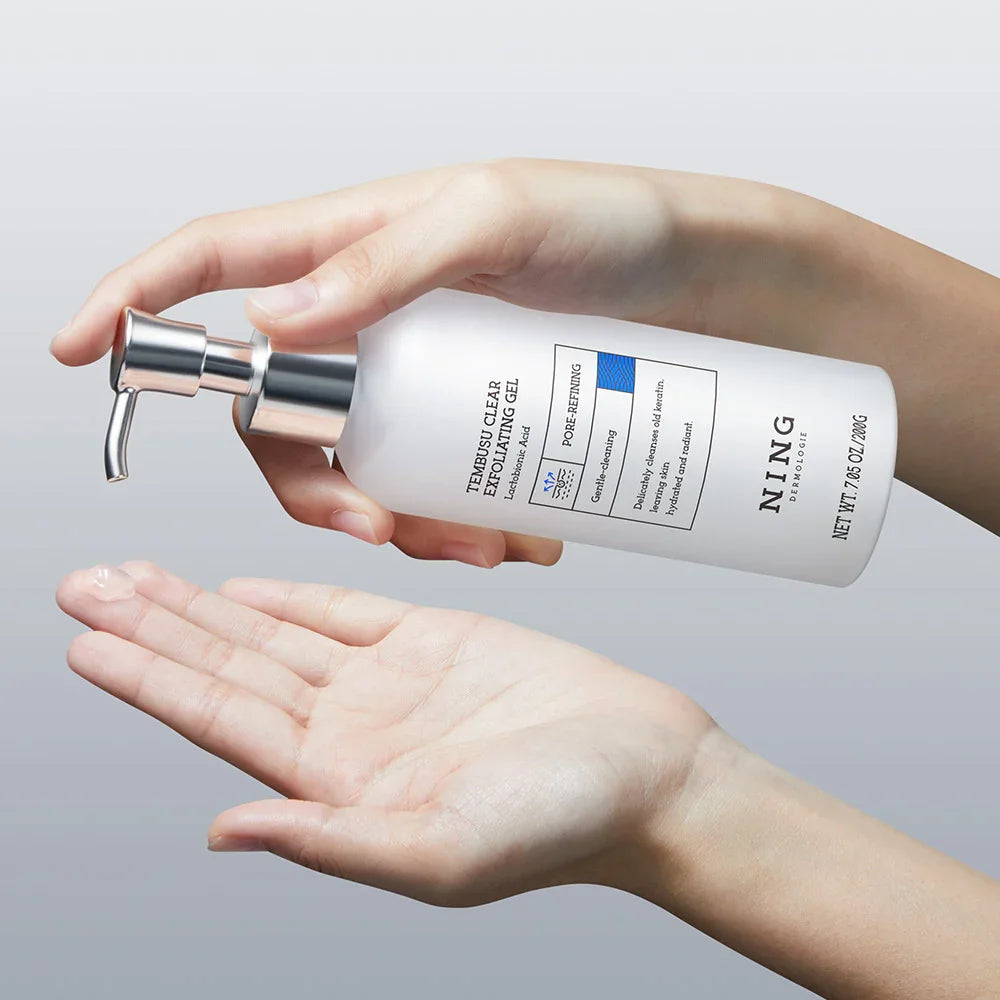
A standout for this specific balance is theNING Dermologie Peeling Gel for Face. Unlike a traditional Exfoliating Face Wash that might use jagged shells, this uses a Micellar Surfactant Blend and Jojoba Esters to roll away debris. It’s a Korean import style of peeling gel that feels more like a hydrating massage than a chemical peel.
Breaking Down the Ingredient Label
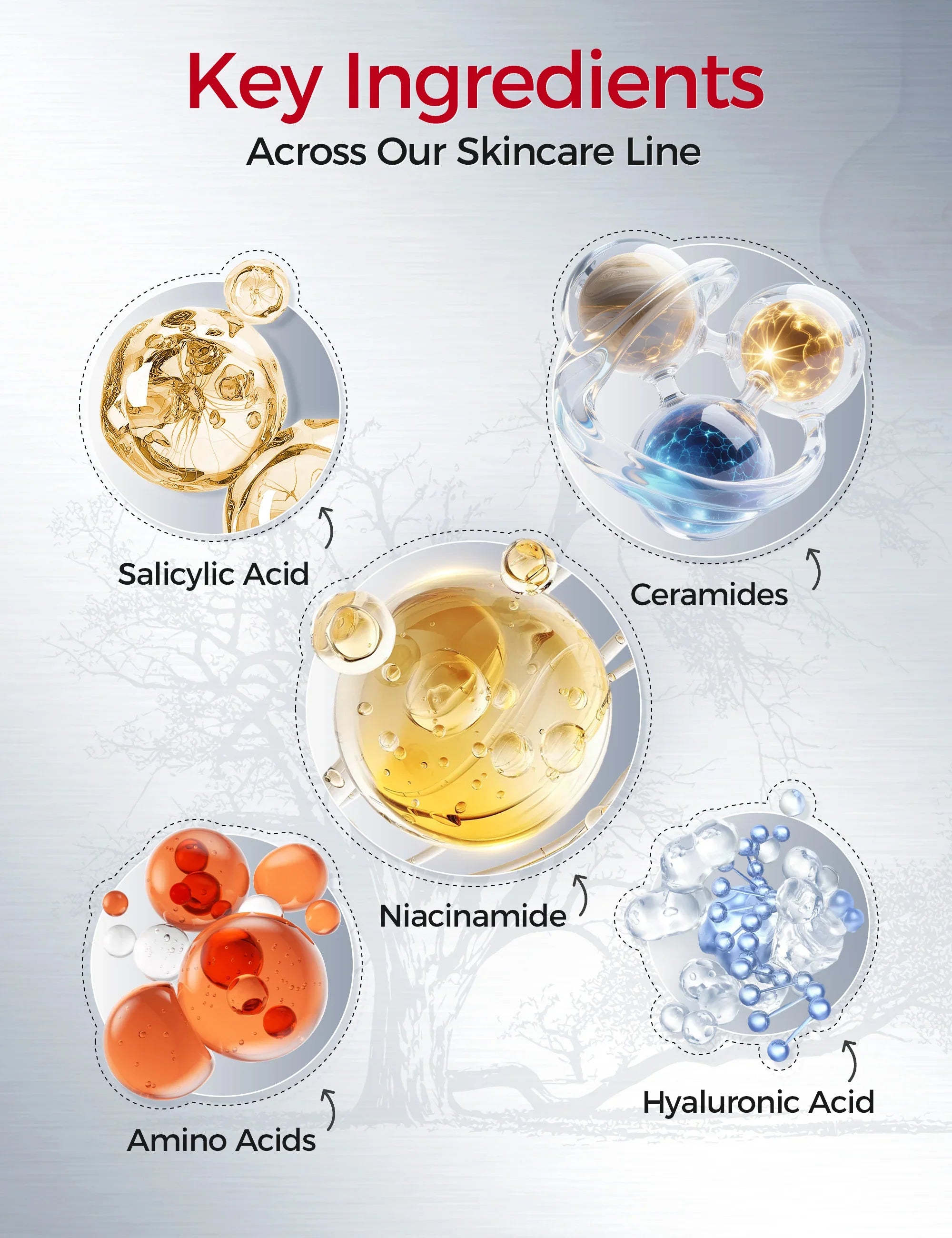
When you’re scanning the back of a bottle, look for repairing compounds and Natural Elements that soothe while the exfoliation happens:
- Hyaluronic Acid & Sodium Hyaluronate: For that essential Hydration Boost.
- Colloidal oatmeal & Aloe vera: The gold standards for calming atopic dermatitis.
- Centella asiatica (Cica): Incredible for skin renewal and redness.
- Amino Acids & Keratin protein: These act as cell building proteins to strengthen your defense.
- Licorice root extract: Naturally brightens pigment spots without the sting of Vitamin C.
Avoid anything that isn't Mineral Oil Free, Paraben Free, and Silicone Free. If you see "Parfum" or "Fragrance," put it back on the shelf.
A Safe Daily Skincare Routine for the Allergy-Prone
If you’re starting from scratch, here is how you integrate exfoliation without causing a crisis:
Step 1: The Pre-Cleanse If you wear heavy, long-wear foundation or mineral sunscreen, a regular facial cleanser won't cut it. Start with micellar water or a Skinfix Barrier+ Foaming Oil Cleanser. This breaks down the grime without scrubbing.
Step 2: The Targeted Wash Use your Exfoliating Face Wash (like the NING Dermologie Purifying one). Use lukewarm water—Thermal Spring Water if you’re fancy, but tap is fine as long as it’s not hot. Hot water is a trigger for Rosacea. Look for Sodium Cocoyl Glycinate or Coconut-based Glucosides on the label; these are much gentler than sulfates.
Step 3: Hydrate and Lock While your skin is damp, apply a serum like La Roche-Posay Hyalu B5 Pure Hyaluronic Acid Serum or The Ordinary Niacinamide 10% + Zinc 1%. Follow up with a heavy-duty moisturizer. Neutrogena Hydro Boost Gel-Cream is great for oilier types, while Eucerin Advanced Repair Lotion or Aveeno Skin Relief works for those with a broken moisture barrier.
Step 4: Protect Exfoliation makes your skin more sun-sensitive. Use a physical blocker like Blue Lizard Australian Sunscreen Sensitive SPF 30+ or EltaMD UV Clear Broad-Spectrum SPF 46.
Beyond the Face: Body Care
Don't forget the rest of you. If you have "chicken skin" (KP) on your arms, you can use the same Exfoliating Face Wash there, or opt for CeraVe Body Wash for rough and bumpy skin. For extreme dryness, Cetaphil Restoraderm Eczema Soothing Moisturizer is a lifesaver after a shower.
The Verdict
You don't have to choose between "clogged pores" and "allergic reaction." By sticking to Allergy Tested products and focusing on Ultra-Gentle Cleansing, you can achieve that glow. Brands like NING Dermologie have proven that you can have active ingredients like Copper Peptide Complex and Vitamin E in a formula that is still Fragrance Free and safe for the most reactive skin.
Check for the eBay Money Back Guarantee or use PayPal Credit if you’re trying new high-end skincare products online—it gives you a bit of safety if a product just doesn't vibe with your specific allergies.

Frequently Asked Questions (FAQ)
1. Is "Unscented" the same as "Fragrance-Free"?
No, and this is a common trap. "Unscented" products may contain masking fragrances to hide the chemical smell of ingredients. For allergy-prone skin, always look for the specific Fragrance-Free label. This ensures no aromatic compounds—synthetic or natural—were added, reducing the risk of triggering atopic dermatitis or contact sensitivity during your skincare routine.
2. Can I use an exfoliating face wash if I have Rosacea?
Yes, but you must avoid physical scrubs. Look for an Exfoliating Face Wash that uses protease enzymes or Salicylic Acid at low concentrations. NING Dermologie products often incorporate Camellia Leaf Extract and Thermal Spring Water to soothe redness while gently removing dead skin cells, which is much safer for reactive skin than harsh manual exfoliation.
3. How often should I exfoliate my sensitive skin?
Start slow. Even with a Gentle cleansing formula, over-exfoliating can damage your moisture barrier. Start once or twice a week at night. If your skin doesn't become red or itchy, you can gradually increase frequency. Always follow up with Sodium Hyaluronate or Vitamin E to replenish the skin immediately after washing.
4. Will exfoliating help with my fungal acne?
Yes. Fungal acne (Malassezia) thrives on excess oil and dead skin. A Fragrance-Free wash with Salicylic Acid or Willow Bark can help clear the follicles. Ensure the product is Mineral Oil Free and Silicone Free, as some oils can actually feed the fungi. Using a clean facial cleanser helps maintain a clear skin condition.
5. What ingredients help repair the skin barrier after washing?
Look for Essential Fatty Acids, Amino Acids, and colloidal oatmeal. These repairing compounds help rebuild the keratin protein structure of your skin. Including Centella asiatica and hyaluronic acid ensures a Hydration Boost that prevents the "tight" feeling often associated with skincare products designed for deep cleaning. Always seal these in with a dedicated moisturizer.


Share:
What are the most popular exfoliating face washes among skincare influencers?
Locate exfoliating face wash products that also offer pore-minimizing benefits.