



Dermatologists' Favorite Clay Masks for Healthy, Vibrant Skin: The No-Nonsense Guide to Pore Recovery
Stop letting your clay mask dry until it cracks like a desert floor. If you have been told that a face mask needs to pull your skin tight enough to stop you from smiling, you have been lied to. As a team that obsesses over formulation at NING Dermologie, we see this mistake daily.
Achieving radiant skin isn’t about stripping your face of every ounce of moisture. It is about the surgical removal of what shouldn't be there—dead skin cells, excess oxidized sebum, and environmental pollutants—while respecting the delicate skin barrier. Whether you are dealing with oily skin, dry skin, or the nightmare of acne-prone skin, the right type of clay can be your greatest ally or your worst irritant.
In this guide, we are moving past the marketing fluff. We are looking at the best clay masks recommended by the pros, the specific chemistry of purifying clay, and how to improve skin texture without causing a flare-up.

Understanding Your Skin Type (Before You Buy Anything)
Most people chose the best clay masks based on a pretty jar or a TikTok trend. That is a recipe for a breakout. Before you apply a single smear of facial mask, you need to perform a "midday audit." Around 2 PM, look in the mirror. Is your T-zone reflecting light like a mirror? You have oily and acne-prone skin. Is your skin flaking around the nose? You are dealing with dry skin types.
The Impact of Skin Type on Mask Selection
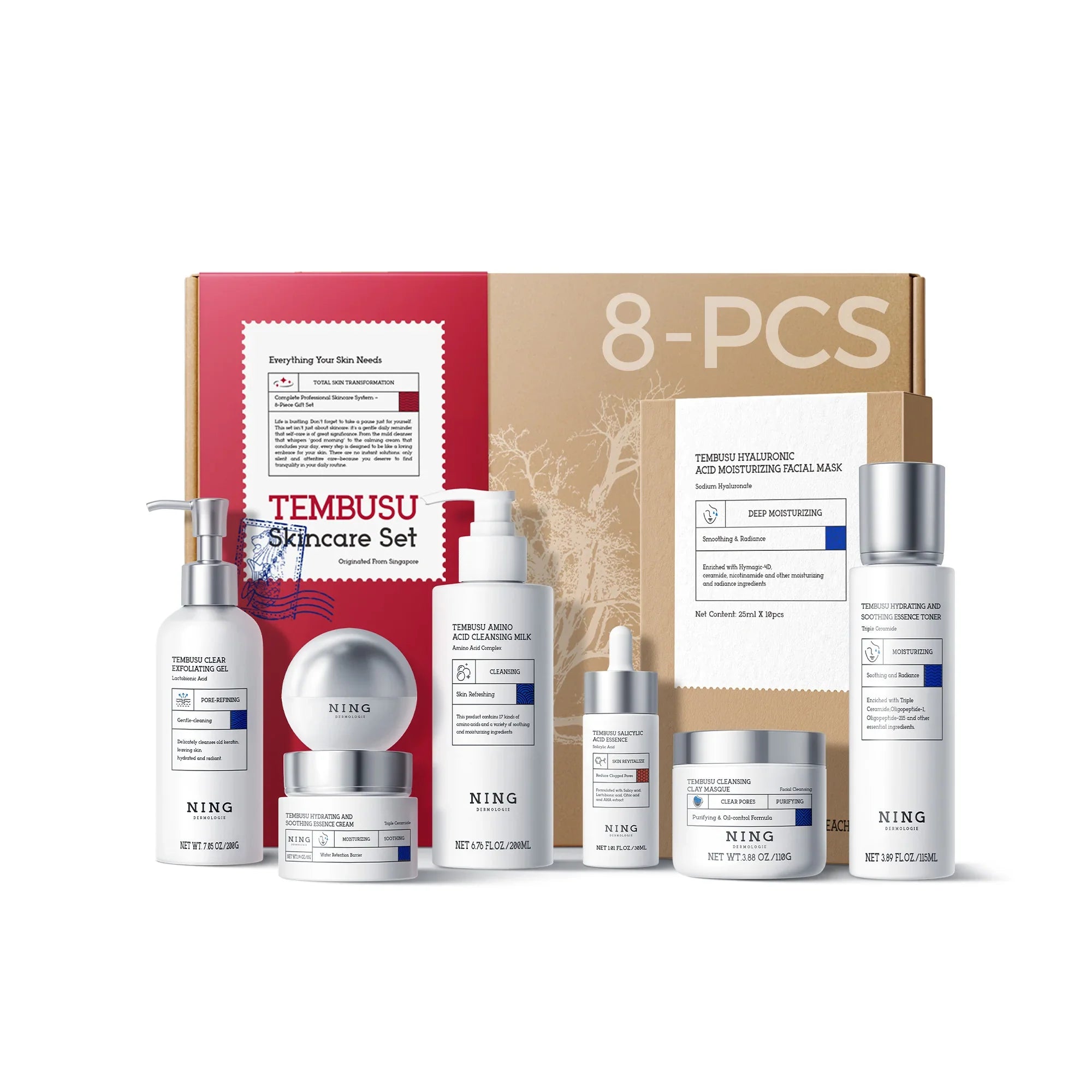
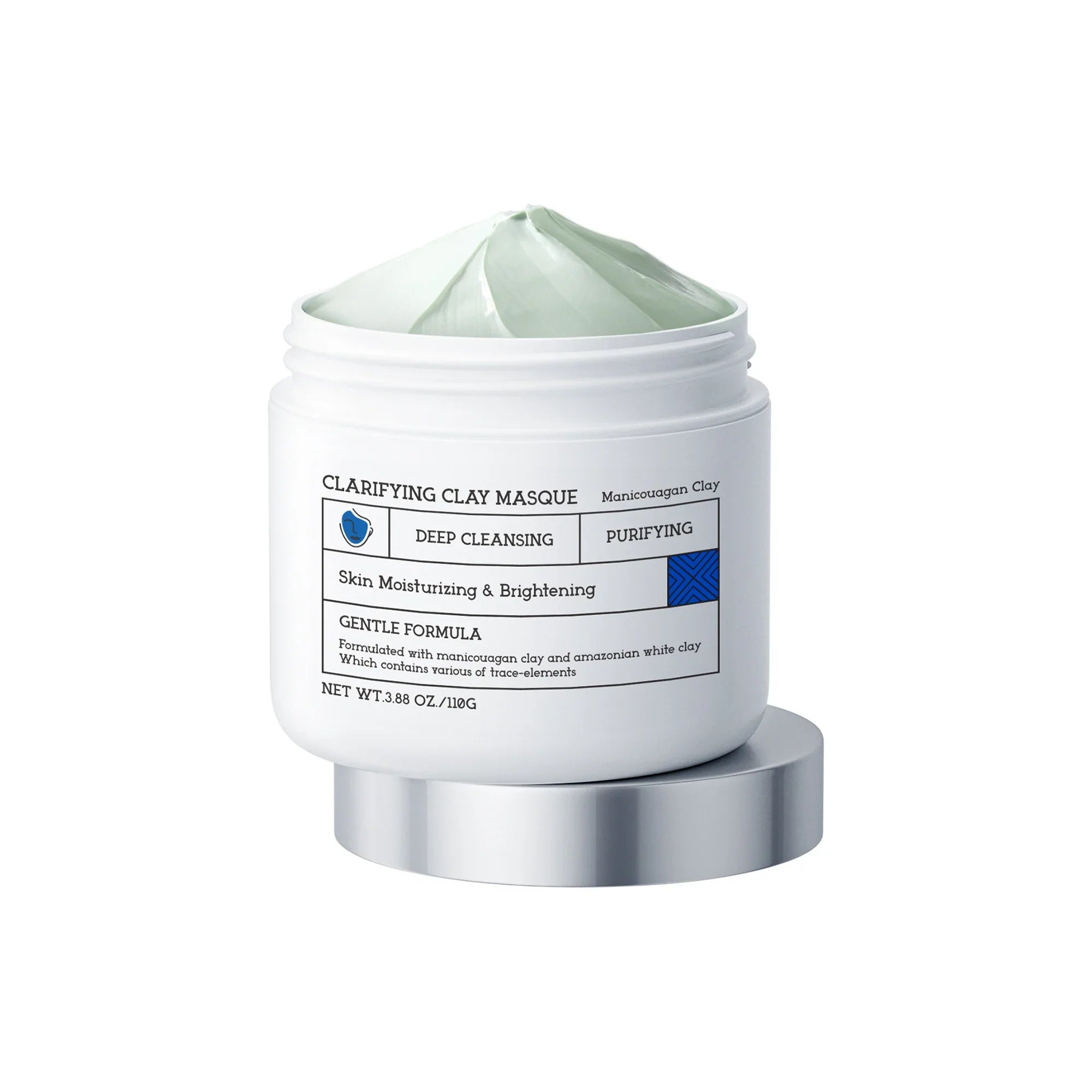
A clarifying clay mask designed for a teenager with cystic acne will absolutely wreck someone with sensitive skin. We developed our Clay Mask for Face Sensitive Skin specifically because the market was flooded with "industrial strength" masks that ignored the skin barrier.
- Oily Skin: You need "the vacuum." Look for bentonite clay.
- Dry Skin: You need "the polisher." Look for kaolin clay or pink clay.
- Sensitive Skin: You need "the pacifier." White clay or Amazonian white clay is your best bet.
- Combination Skin: You are a candidate for multi-masking. Clay masks for every skin type can be used simultaneously on different zones of your face.
The Periodic Table of Mud: Types of Clay and Their Benefits
Not all mud is created equal. If you look at the 8 best clay masks currently on the market, you’ll notice they use very different "dirt."
1. Bentonite Clay (The Heavy Lifter)
Derived from volcanic ash, bentonite clay is the most absorbent type of clay used in skincare. It carries a strong negative electrical charge, which helps it "magnetize" positively charged toxins and clogged pores. It is the gold standard for oily and acne-prone skin types, but it can be too aggressive for others.
2. Kaolin Clay (The Gentle Giant)
Often called white clay, this is the mildest of them all. It doesn’t pull moisture from deep within the skin; instead, it gently exfoliates dead skin cells on the surface. If you are using a clay mask for the first time, start here.
3. Umbrian Clay & Kucha Clay
Umbrian clay is a mineral-rich earth found only in Nocera Umbra, Italy. It’s famous for neutralizing acidity in the skin. On the other side of the world, Kucha clay (a Japanese sea silt) is so fine that it penetrates clogged pores that standard clays miss. At NING Dermologie, we keep a close eye on these specialized ingredients for their unique skin texture benefits.
4. French Green Clay
The color comes from decomposed plant matter and iron oxides. It’s fantastic for circulation. If your skin look is dull or "gray," green clay acts as a stimulant to bring blood flow back to the surface, creating that coveted glowing skin.
Best Clay Masks for Every Skin Type: A Curated List
A board-certified dermatologist will tell you that the "best" mask is the one you actually use correctly. Here is how the top contenders stack up.
The Best for Oily and Acne-Prone Skin
For those fighting the war against blackhead clusters and clogged pores, the Volcanic AHA Pore Clearing Clay is a heavyweight. It combines the physical draw of volcanic clay with the chemical exfoliation of Alpha Hydroxy Acids. It doesn’t just sit there; it eats away at the "glue" holding dead skin cells together.
The Best for Sensitive Skin: NING Dermologie
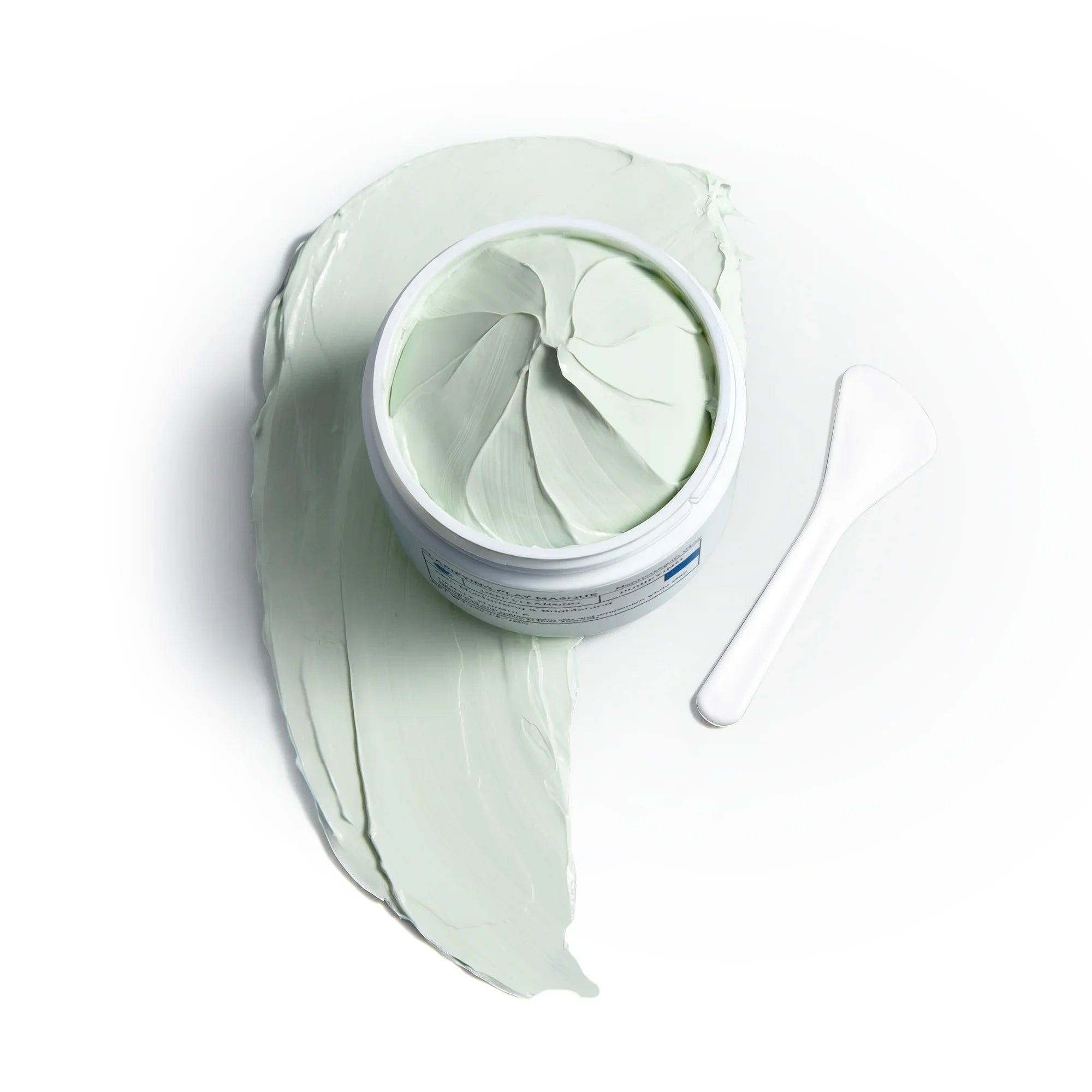
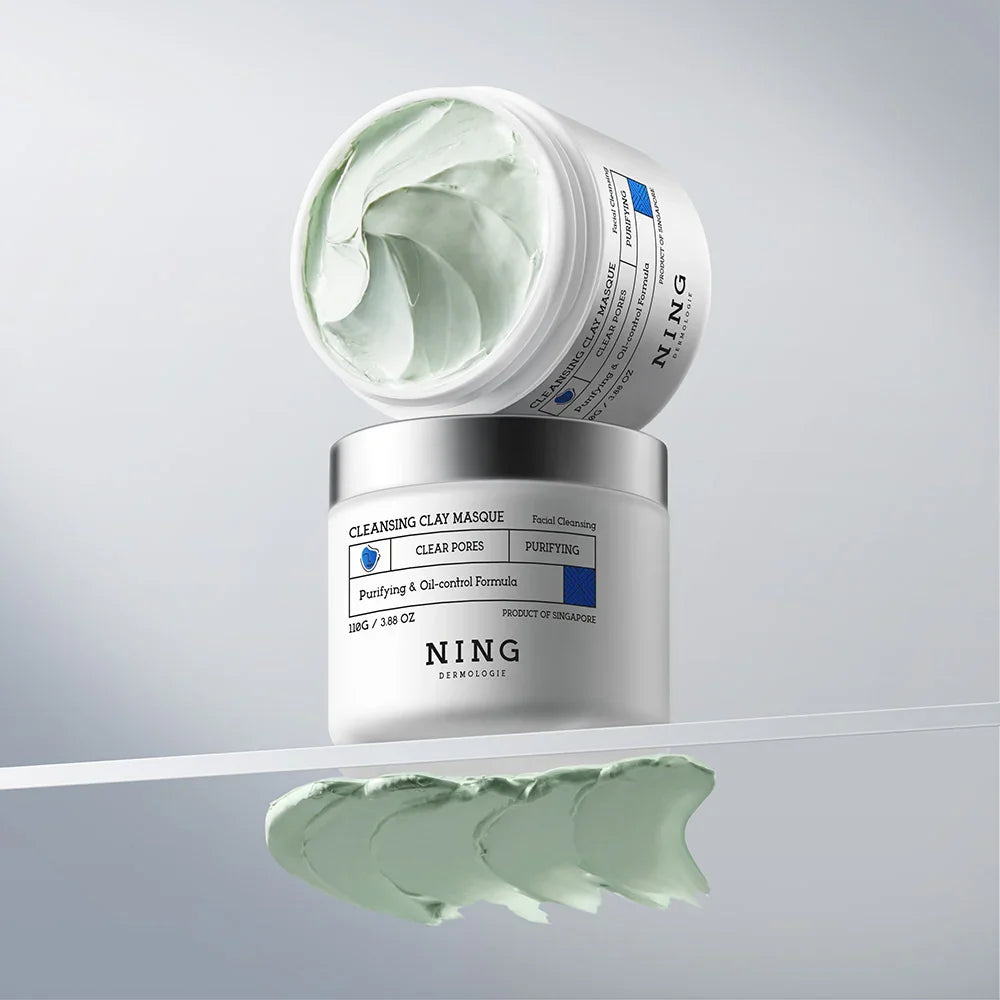
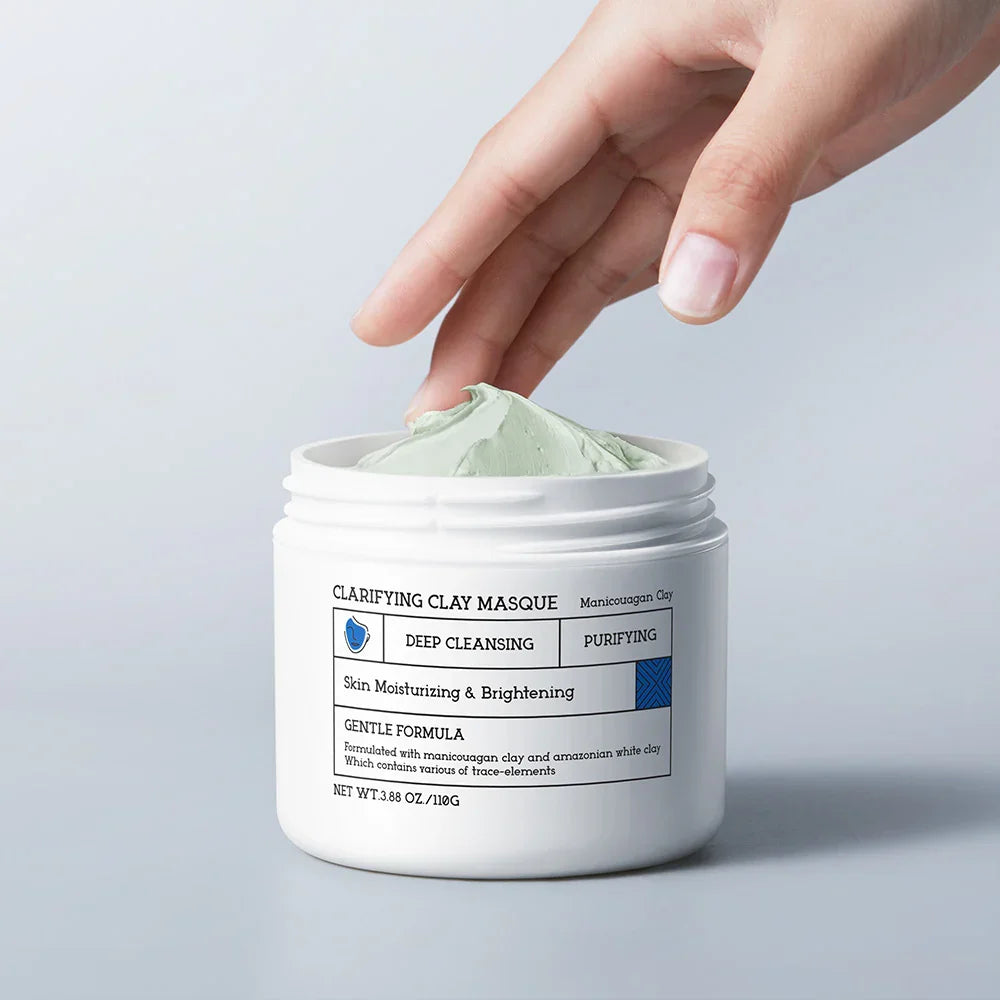
This is where we put our flag in the sand. Our Clay Mask for Face Sensitive Skin uses a high-purity kaolin clay base. Most clay masks help absorb excess oil, but they also destroy the lipid layer. We added soothing botanicals to ensure that while the mask works to clear pores, it keeps the skin hydrated. If you have sensitive skin types, this is the clay mask is the best option for preventing the "red face" syndrome.
The Best for Dry Skin
Yes, you can use clay masks if you have dry skin. You just need a purifying clay mask that is blended with oils. Look for pink clay or hydrating masks that list squalane or glycerin in the top five ingredients. The goal is to even out skin tone without causing micro-cracks in your epidermis.
The Best for Uneven Skin Tone
If your concern is skin tone rather than oil, Amazonian white clay is excellent. It’s often used in the best for uneven skin formulations because it’s rich in minerals that help brighten the complexion. Tatcha the Clarifying Clay Mask is a popular choice here, using Okinawa Kucha clay and warming ginger to stimulate the skin.
How to Use Clay Masks Effectively (The Pro Method)
Most people fail at applying a clay mask. They put it on, watch a 30-minute Netflix show, and then scrub it off with a towel. Stop that.
-
The Wet Phase: This is when your skin drinks in the minerals.
-
The Cooling/Beginning to Dry Phase: This is when the clay mask once a week starts to clear pores and stimulate blood flow.
-
The Dry Phase (DO NOT REACH THIS): If the mask is crumbling, it is now sucking moisture out of your skin through osmosis. Wash it off when it still feels slightly tacky to the touch.
Frequency of Use
- Oily Skin: Using a clay mask twice a week is usually the sweet spot.
- Dry/Sensitive Skin: Once every 10 days is plenty. Adding a clay mask too often will trigger "rebound oiliness," where your skin overproduces sebum to compensate for the dryness.
Comparing the Giants: Is Price a Factor?
When you chose the best clay masks, you aren't just paying for the clay. You are paying for the "buffer" ingredients. A cheap clay face mask might just be bentonite and water—it will be harsh. A premium facial mask like NING Dermologie or Tatcha includes anti-inflammatory agents to ensure the skin feel is soft, not stripped, after rinsing.
If you are on a budget, look for masks for oily skin that contain primarily kaolin or bentonite. But if you want to improve skin health long-term, investing in a formula with a balanced skin barrier focus is best overall.

Beyond the Jar: Tips for Avoiding Clogged Pores
No clay mask can fix a bad routine. To maintain radiant skin, you must:
- Double Cleanse: Especially if you wear SPF or makeup.
- Moisturize Immediately: After using a clay mask, your pores are open and vulnerable. Seal them with a lightweight, non-comedogenic moisturizer.
- Watch the Water Temp: Hot water inflames acne-prone skin. Use lukewarm water to rinse.
Using a clay mask is an essential ritual for anyone serious about their skin concerns. It is the "reset button" for your face. Whether you are looking for the 8 best clay masks or a specialized mask for your skin type, the key is listening to your skin feel.
Frequently Asked Questions (FAQ)
1. Can I use a clay mask if I have active cystic acne?
Yes, but don't scrub. A clay mask for oily and acne-prone skin can help reduce inflammation and "draw out" the infection. However, avoid masks with harsh physical exfoliants (like crushed walnut shells). Let the purifying clay do the work chemically and physically through adsorption. Applying a clay mask once a week can significantly reduce the lifespan of a breakout without irritating the surrounding tissue.
2. Why does my skin feel itchy while the mask is drying?
This is often the "tightening" effect of bentonite clay. As the water evaporates, the clay contracts, pulling on the skin. However, if it’s a stinging sensation, you likely have the wrong mask for your skin. Switch to a clay mask for face sensitive skin like our NING Dermologie formula, which avoids the aggressive "pull" that leads to micro-tears and itching.
3. Should I steam my face before using a clay mask?
Steam doesn't actually "open" pores (they aren't like windows), but it does soften the sebum (oil) trapped inside them. This makes it much easier for the best clay masks to pull out the debris. A warm towel for 30 seconds is sufficient. Always ensure your skin is slightly damp before applying a clay mask to allow for a more even and effective spread.
4. Can I leave a clay mask on overnight for better results?
Absolutely not. Unlike an overnight mask which is usually moisture-based, a clay face mask is designed to absorb. Leaving it on for hours will lead to extreme dehydration and may damage your skin barrier. Most dermatologist-approved instructions recommend 10-15 minutes. If you want glowing skin, follow the timing. Leaving it on longer only risks redness and sensitivity.
5. How do I know if my clay mask has gone bad?
Natural clay masks can dry out in the jar if not sealed properly. If the texture has changed from a creamy paste to a hard rock, you can sometimes revive it with a splash of rose water. However, if you notice a strange smell or mold (which can happen in "preservative-free" masks), toss it. For the best results, store your NING Dermologie masks in a cool, dark place.
Next Step: Are you ready to see what your skin looks like when it can finally breathe? Explore our Clay Mask for Face Sensitive Skin and start your journey toward a clearer, more radiant skin today.


Share:
What is the average price range for a high-quality exfoliating face wash?
Can you recommend exfoliating face washes suitable for acne-prone skin?