



This guide isn’t your typical "wash, rinse, repeat" manual. If you’ve ever felt that post-scrub "squeaky clean" feeling only to wake up with redness the next morning, this is for you. At NING Dermologie, we believe exfoliation should be a strategic upgrade, not a daily battle with your skin barrier.
Let’s break down how to actually master the Exfoliating Face Wash without the guesswork.

The Art of the Scrub: Why Your Current Routine Might Be Stuck
Most people treat exfoliation like deep-cleaning a rug—the harder you scrub, the better it works, right? Wrong. Your skin is a living organ, not a carpet. When we talk about removing dead skin cells, we are looking to support cell turnover, not sand down your face.
Traditional physical exfoliants (think crushed walnut shells) often rely on abrasive particles that create micro-tears. On the flip side, heavy-duty chemical peels can leave your face feeling like it’s been through a wind tunnel.
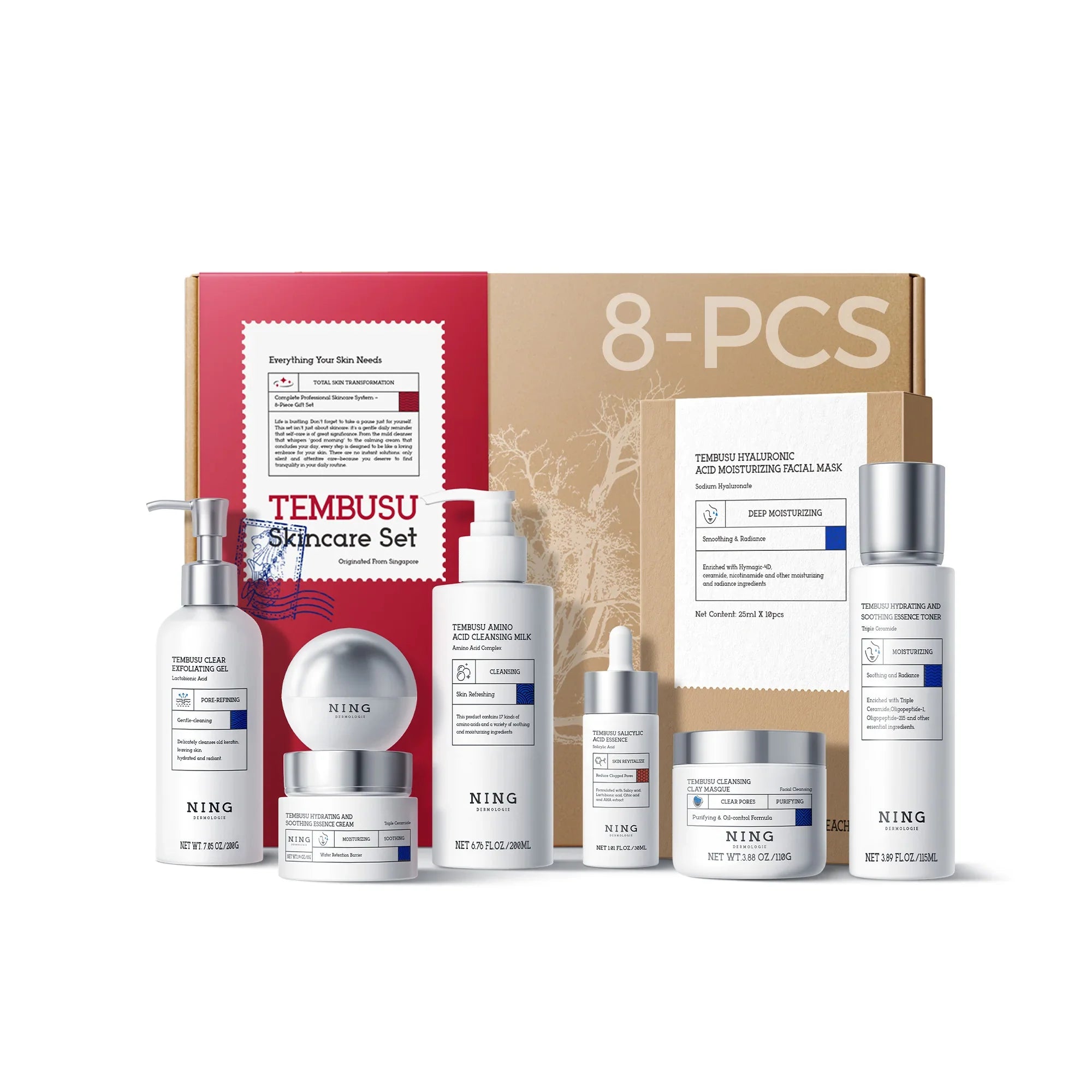
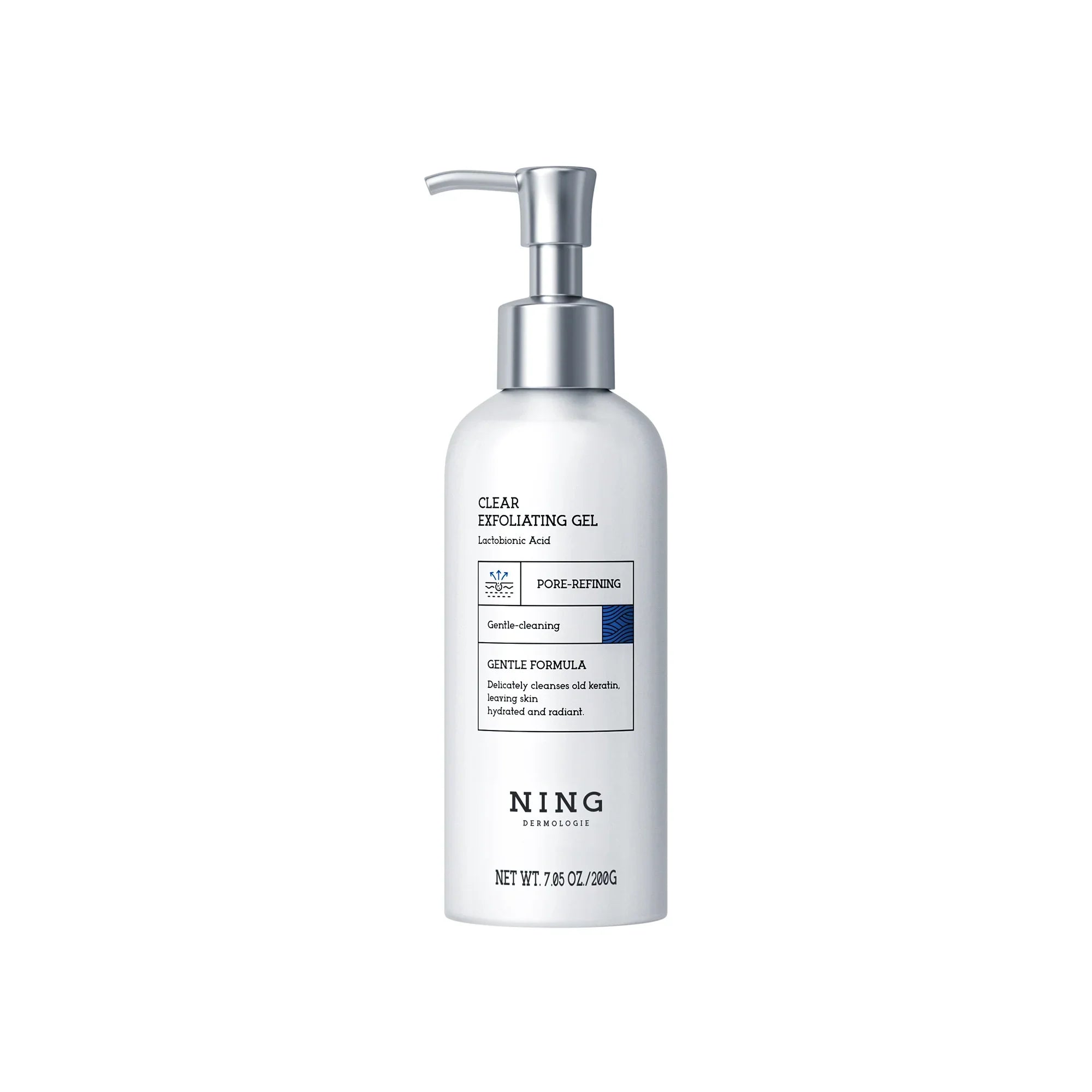
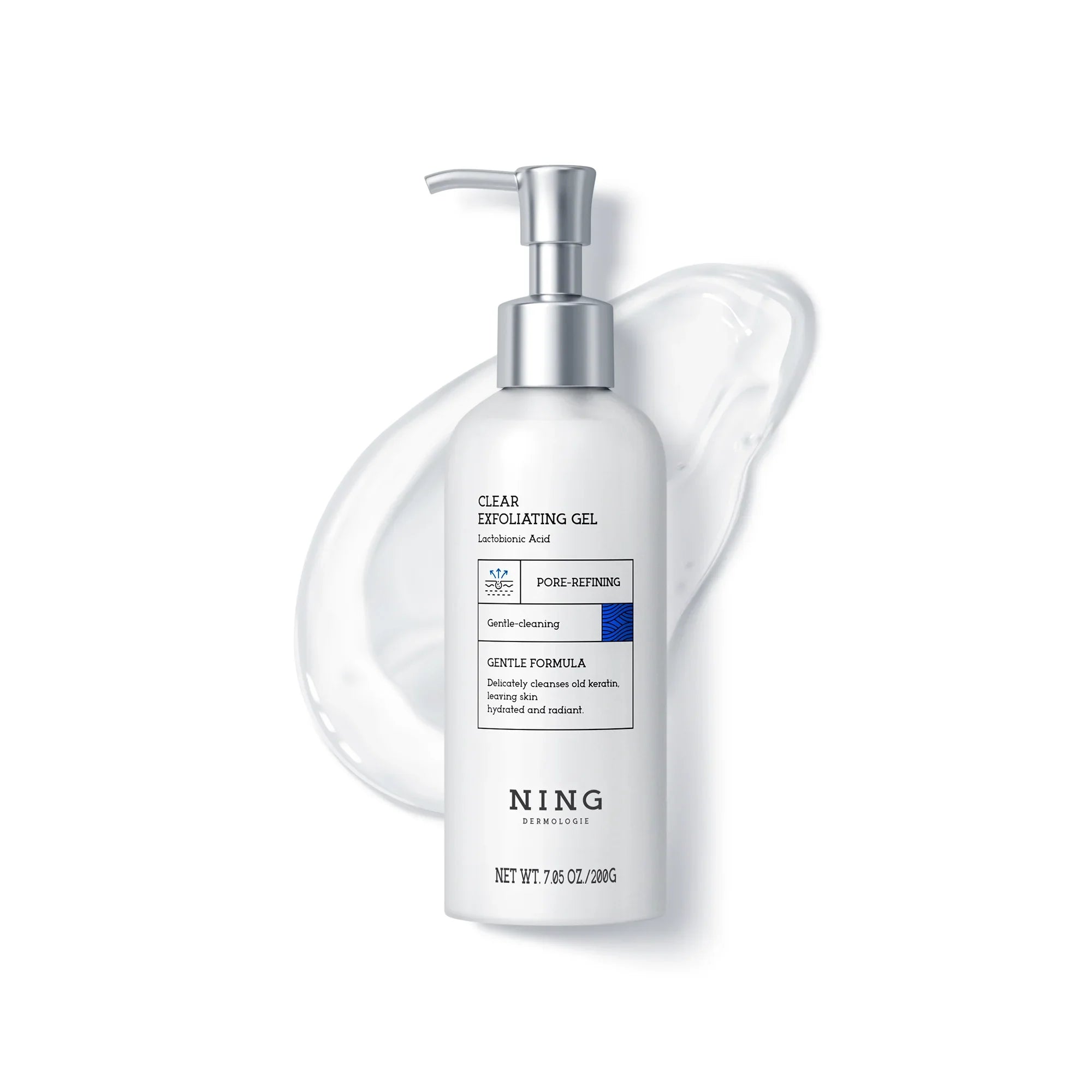
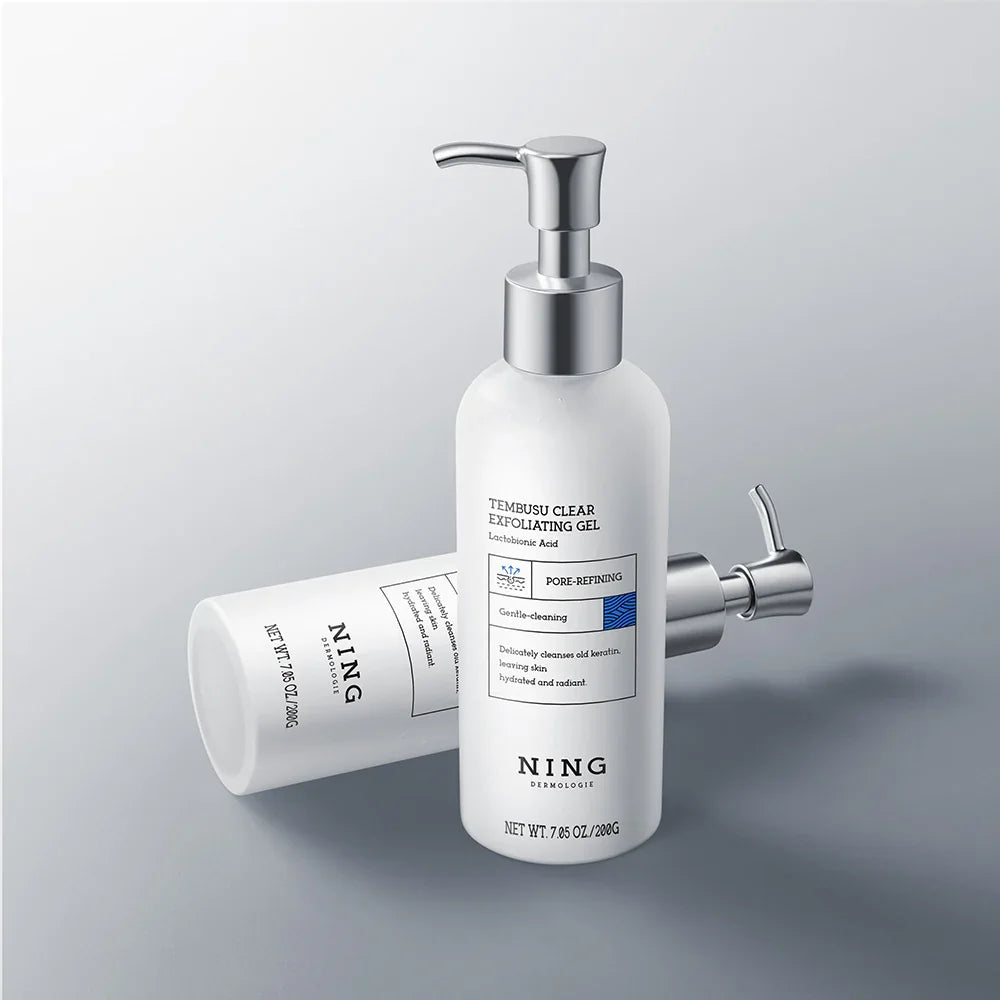
The sweet spot? A dual-action cleanser like theNING Dermologie Exfoliating Face Wash. It balances chemical exfoliants with soothing agents, ensuring you clear out dead cells without triggering skin irritation.
Chemical vs. Physical: Choosing Your Fighter
Before you lather up, you need to understand what’s inside your bottle. Not all exfoliating agents are created equal.
1. The Chemists: AHAs and BHAs
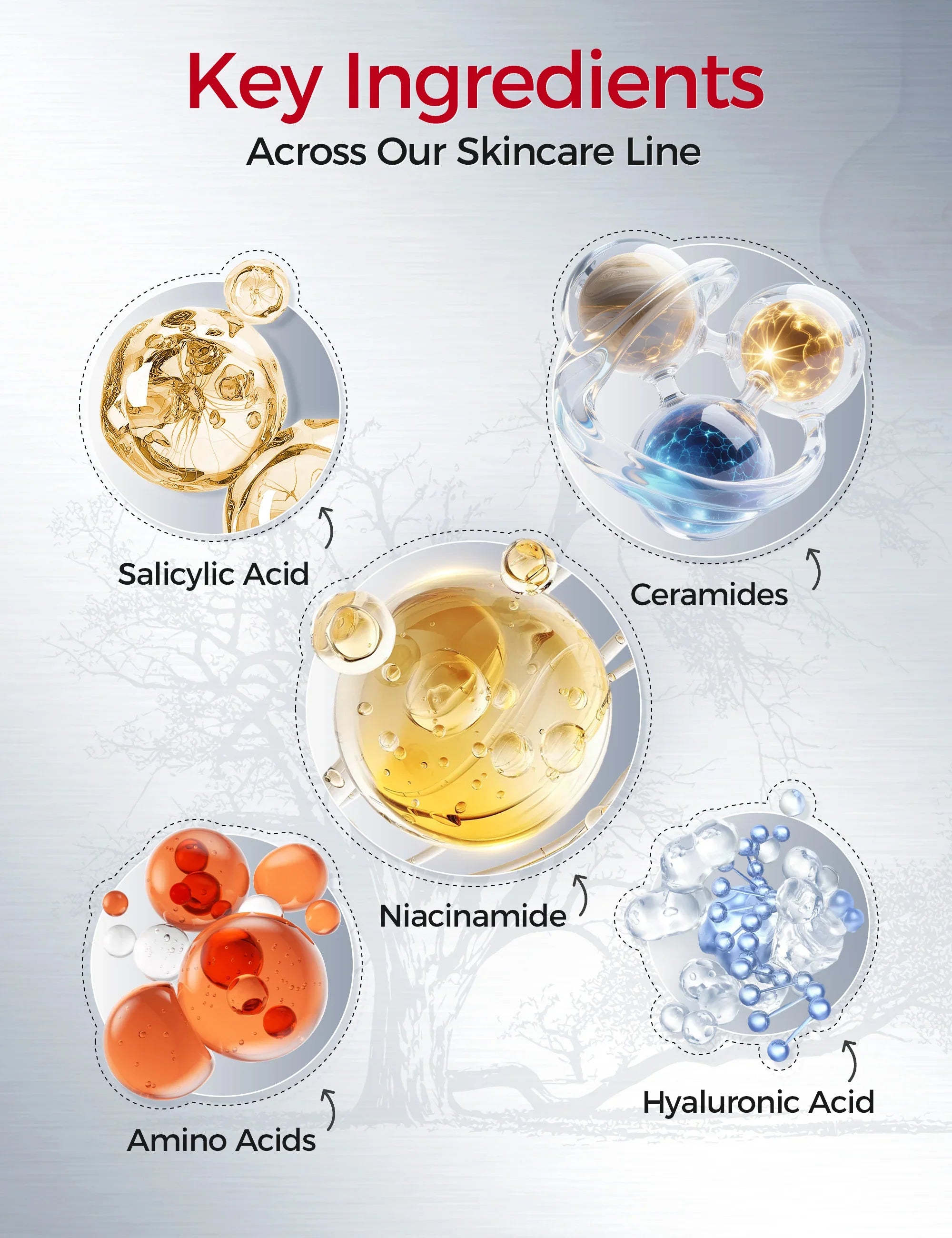
- Alpha Hydroxy Acids (AHAs): Ingredients like glycolic acid and lactic acid are water-soluble. They dissolve the "glue" holding dead skin cells together, revealing a brighter skin tone and smoother skin texture.
- Beta Hydroxy Acid (BHA): Salicylic acid is the gold standard for acne-prone skin. It’s oil-soluble, meaning it dives deep into pores to dissolve excess oil and gunk.
2. The Physicals: Buffing the Surface
Modern physical exfoliators have evolved. We’ve moved past jagged shells to jojoba beads and fruit enzymes. Some people still prefer exfoliating tools or exfoliating cloths, but for most skin types, a liquid-to-gel face wash provides a more controlled experience.
The NING Dermologie Blueprint: Step-by-Step Integration
Adding an exfoliating cleanser to your skincare routine requires a "low and slow" approach. Here is how to do it without compromising your skin barrier.
Step 1: The Night Shift (The PM Routine)
We always recommend using your Exfoliating Face Wash in the evening. Why? Because exfoliation makes your skin more sensitive to UV exposure. Plus, it clears the path for your night creams to work during your beauty sleep.
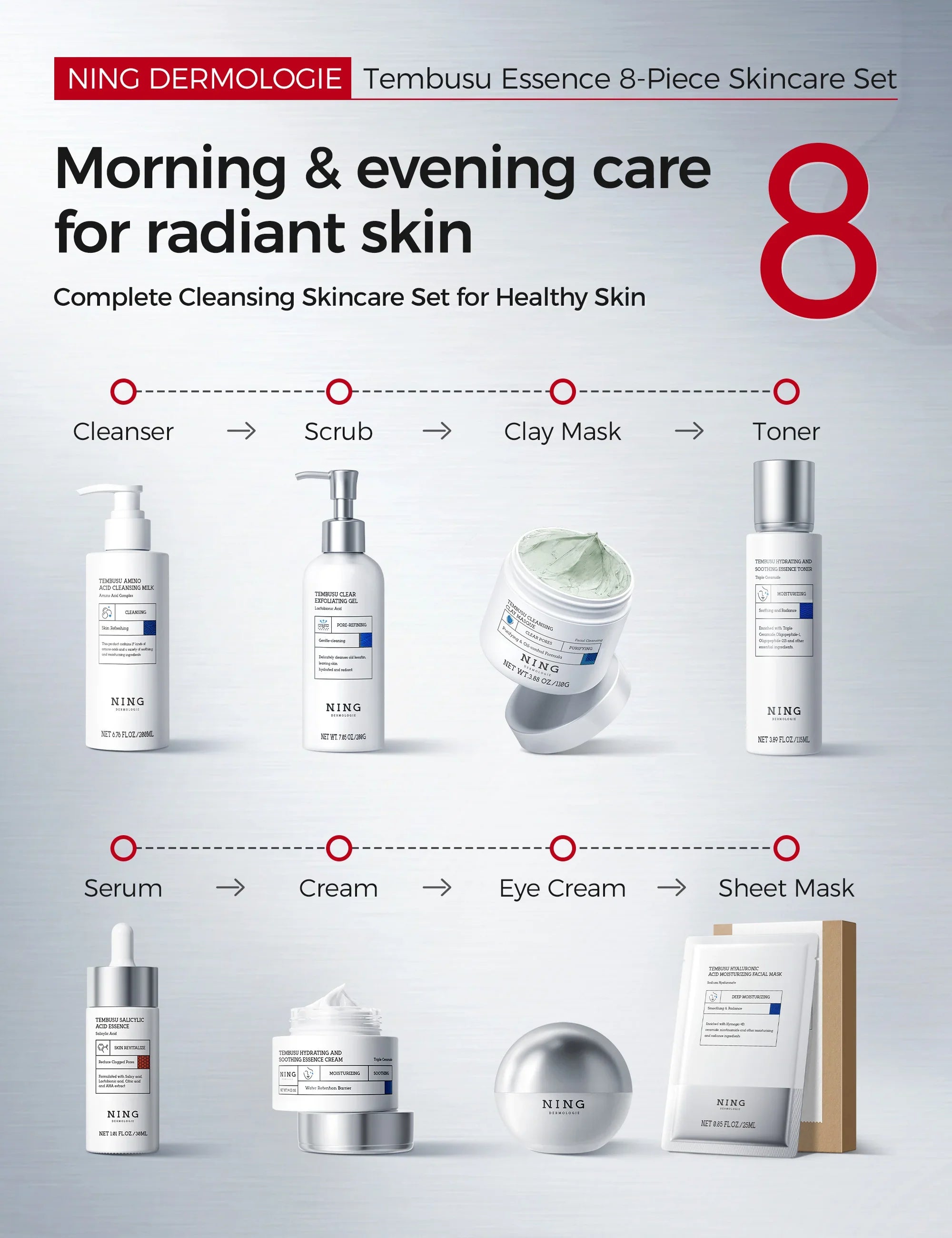
- Double Cleanse: Start with an oil cleanse or a facial oil to melt away makeup and broad-spectrum sunscreen.
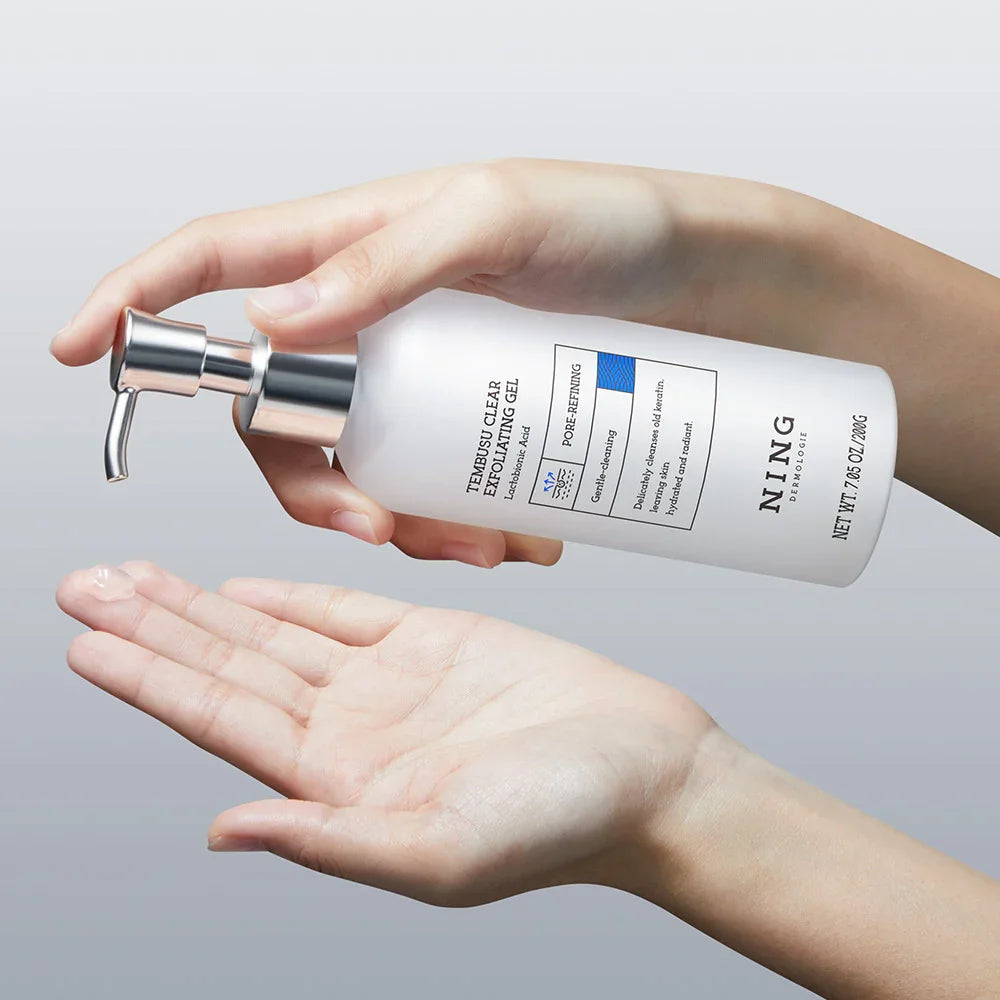
- The Exfoliant: Apply a dime-sized amount of NING Dermologie Exfoliating Face Wash. Focus on the T-zone where excess oil and pore unclogging are most needed.
- The 60-Second Rule: Use your指肚 (fingertips) to massage in circular motions. Avoid the delicate skin around the eyes where crow's feet form; save that area for a dedicated eye cream.
Step 2: Hydration is Non-Negotiable
Exfoliation temporarily lowers your hydration levels. Follow up immediately with hyaluronic acid to plump the skin. If you are dealing with conditions like seborrheic dermatitis, consult a specialist (like those at the Center Medspa or Memorial Sloan Kettering Cancer Center) before mixing high-strength exfoliating acid cleansers with medical topicals.
Step 3: The Morning Shield
If you exfoliated last night, your new skin cells are vulnerable. You must apply a broad-spectrum SPF 30 or higher. Whether you prefer chemical sunscreen filters or physical blockers, skipping SPF 30 sunscreen renders your entire skincare routine useless. Remember, true beauty is protected beauty.
Advanced Mixing: What to Avoid
In the world of conscious beauty, more is not always better. If your routine already includes CeraVe formulas with high concentrations of actives or prescription chemical exfoliators, be careful.
- Don't Mix Acids: If your facial cleanser has glycolic acid, don’t follow it with a salicylic acid toner. You'll strip your natural oils.
- Vitamin D & Sun: While we need sunlight for vitamin D, the increased sensitivity from Alpha Hydroxy Acids means you need to be militant about your broad-spectrum SPF 30.
The "Hybrid" Advantage
At NING Dermologie, we specialize in hybrid skincare products. Our formula doesn't just strip; it replenishes. By combining Beta-Hydroxy Acids for the pores and soothing botanicals for the surface, we ensure that even those with sensitive skin types can enjoy the benefits of regular exfoliation.

Frequently Asked Questions (FAQ)
1. Can I use an exfoliating face wash every day?
Honestly, probably not. While it's tempting to chase that smooth feeling, hitting your face with acids daily usually backfires, leading to a compromised skin barrier. Start with twice a week. If your skin handles it well, you can increase the frequency, but "less is more" is the golden rule here. If you notice any stinging or weird dry patches, back off immediately and focus on hydration.
2. Is it better to use physical or chemical exfoliants for acne?
If you’re dealing with breakouts, put down the grainy scrubs. Physical particles can actually snag on active pimples, spreading bacteria and making inflammation worse. A chemical exfoliant like salicylic acid is a much smarter play for acne-prone skin. It dives straight into the pores to melt away excess oil and gunk without the need for aggressive scrubbing that just leaves your face angry and red.
3. Should I exfoliate in the morning or at night?
Nighttime is the clear winner. When you clear away dead cells, you're exposing fresh "baby" skin that’s super vulnerable to the sun. By using your Exfoliating Face Wash in the evening, you let your skin recover during your beauty sleep. Plus, it creates a clean canvas for your serums to soak in. Just remember: if you exfoliate at night, broad-spectrum SPF 30 the next morning is non-negotiable.
4. Can I use this wash if I have dry skin and "crow's feet"?
You definitely can, and you probably should! Dry skin often suffers from a buildup of dead skin cells that makes fine lines like crow's feet look deeper than they actually are. Gentle exfoliation clears that "dust" away so your hyaluronic acid and oils can actually sink in rather than just sitting on top. Just keep the product away from the immediate eye socket where the skin is tissue-paper thin.
5. Will exfoliating help with uneven skin tone?
It’s one of the fastest ways to see a difference. An uneven skin tone is often just a result of old cells hanging on too long and scattering light poorly. By boosting cell turnover with an exfoliating cleanser, you're constantly bringing brighter, more even-toned skin to the surface. It’s not an overnight fix for deep pigment, but for general dullness, it’s a total game-changer for your complexion.
Ready to see the NING difference?Explore the NING Dermologie Exfoliating Face Wash hereand start your journey toward clearer, more conscious beauty today.


Share:
Which exfoliating face washes cater specifically to aging skin concerns?
Where can I buy highly recommended vitamin C serums for the face in the US?