



Finding the right exfoliating face wash feels like a high-stakes guessing game when you have sensitive skin. You want that "freshly polished" glow, but you definitely don’t want the redness, stinging, or the dreaded "tight face" feeling that comes from harsh chemicals.
In 2026, the beauty world has thankfully moved away from those jagged walnut scrubs of the past. Today, the focus is on vegan and hypoallergenic formulas that respect your skin barrier while quietly dissolving dead skin. If you're tired of guessing which beauty brands actually care about your reactive skin, this guide is for you. We’ve sifted through the noise to find the best facial cleansers that actually deliver.

Why "Vegan and Hypoallergenic" Actually Matters
When we talk about skincare routine essentials, "vegan" isn't just a lifestyle choice—it often means the formula avoids animal-derived fats and waxes that can sometimes be heavy or pore-clogging. "Hypoallergenic" is even more critical; it means the brand has gone the extra mile to exclude common irritants (or tox ingredients) like synthetic fragrances and harsh preservatives.
For those with sensitive skin, maintaining the pH balance is the difference between a healthy glow and a breakout. Most foam cleansers can be too alkaline, stripping the skin of its natural oils. That’s why many are switching to gel cleansers or cream cleansers that use natural ingredients to do the heavy lifting.
The Top Vegan & Hypoallergenic Exfoliating Face Washes
1. The Game Changer: NING Dermologie Peeling Gel
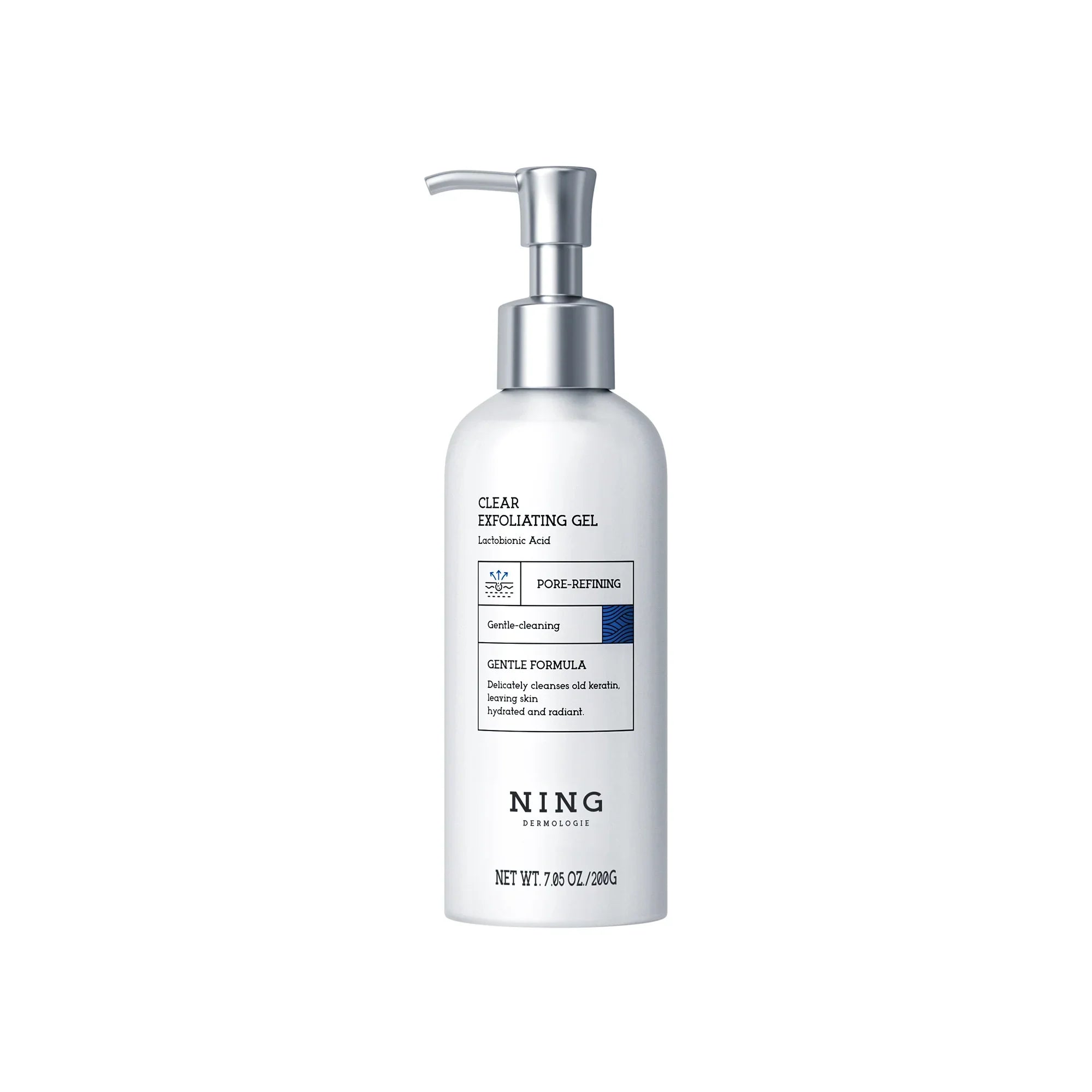
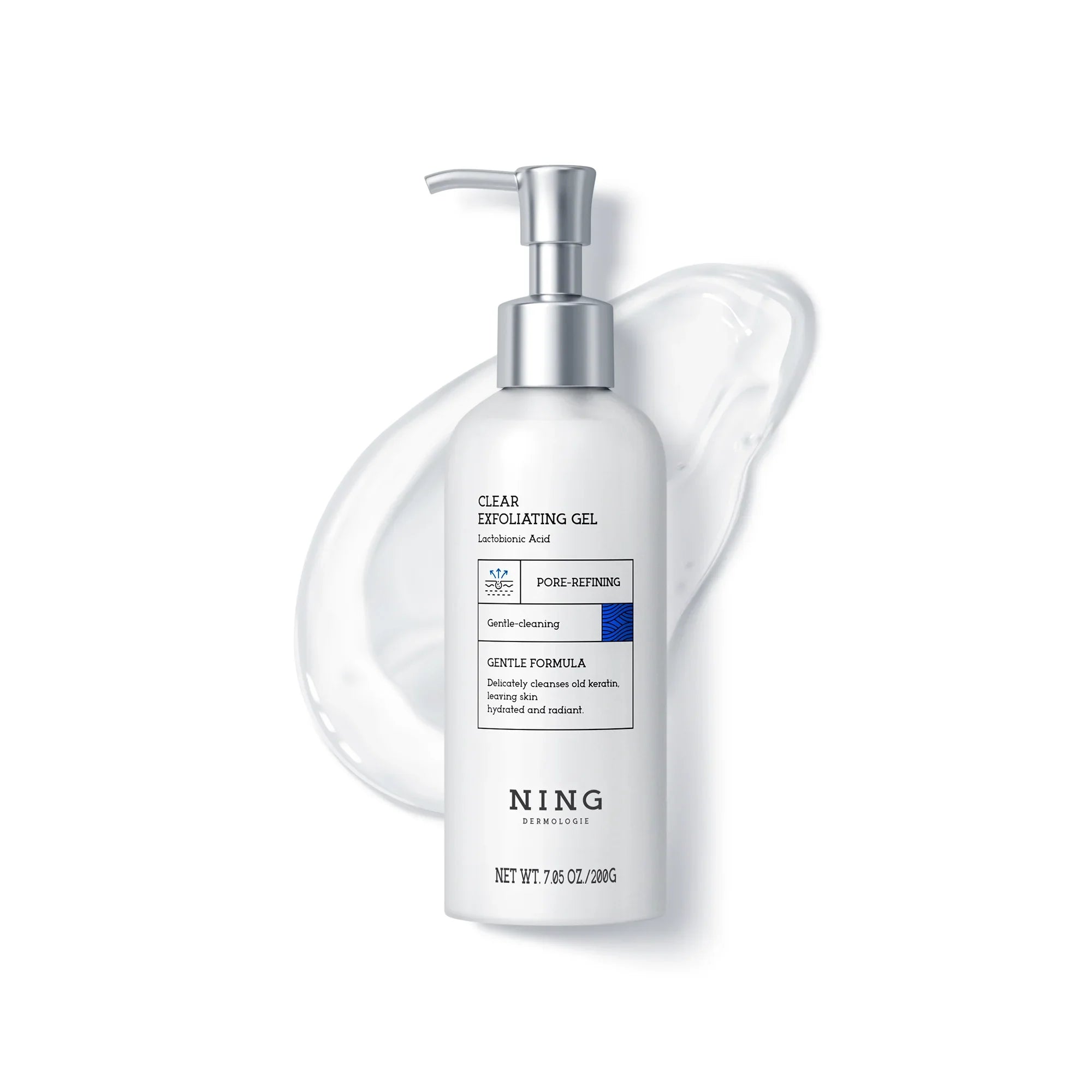
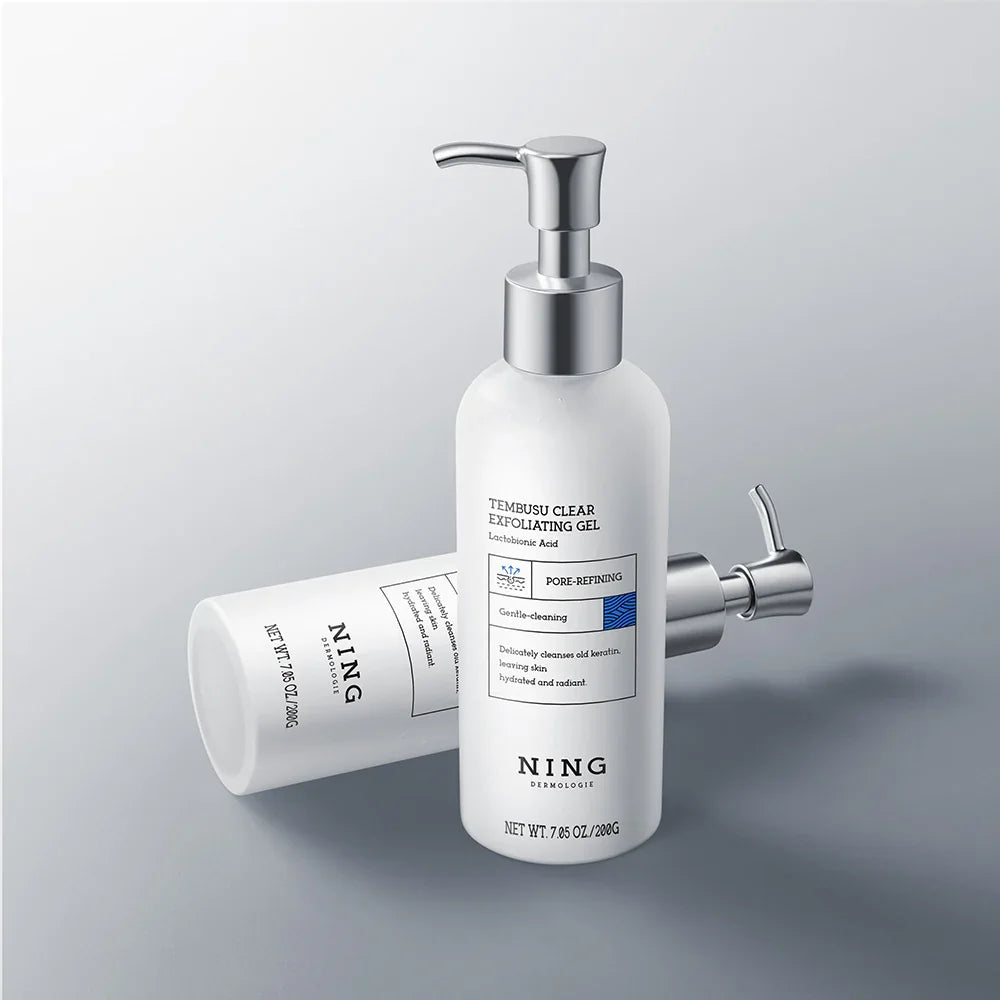
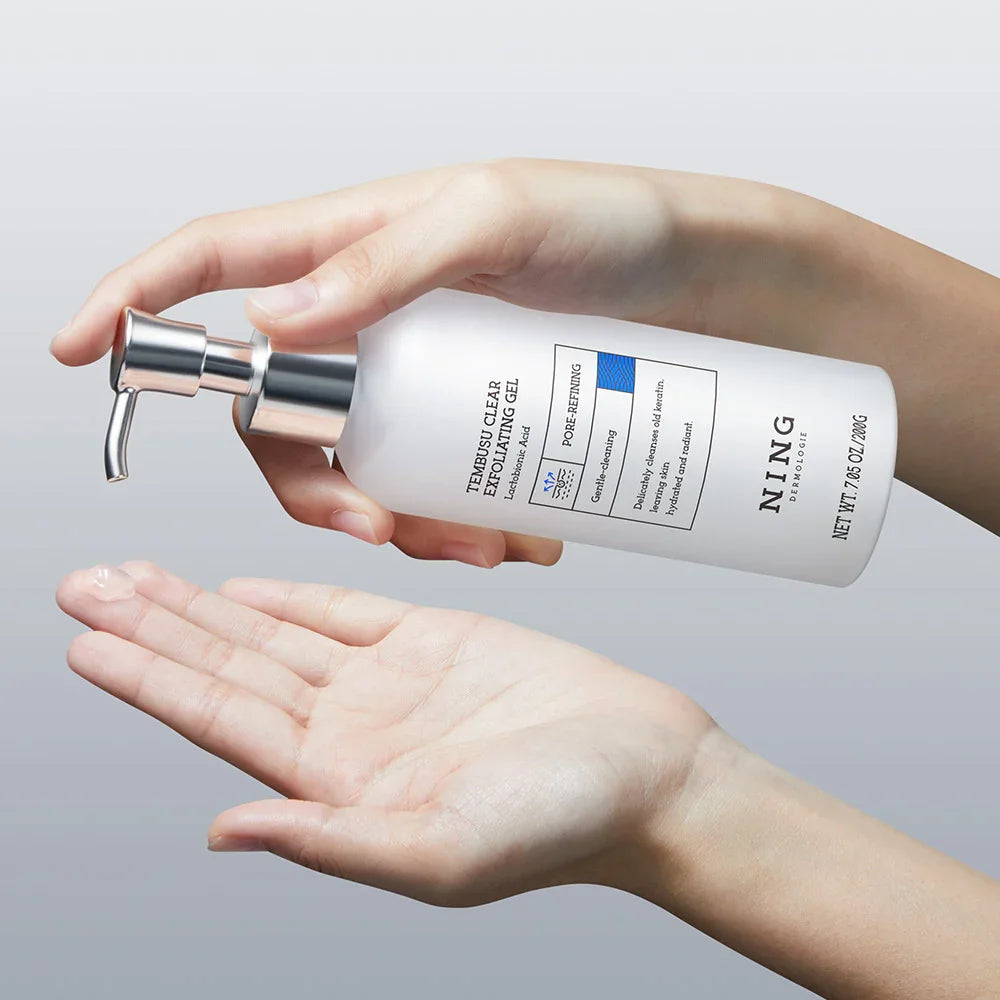
If you’ve struggled with traditional scrubs, theNING Dermologie Peeling Gel for Faceis a revelation. Unlike a standard face wash, this is a purifying exfoliating face wash that uses a "balling" effect. As you massage the water-based gel onto dry skin, it binds with dead skin cells and impurities to create tiny visible particles.
It’s packed with white tea extract, Aloe Vera, and green tea, ensuring your skin feels hydrated rather than stripped. Because it uses a gentle AHA exfoliation method combined with PHA, it’s effective on sebaceous filaments without the "sandpaper" feel of Organic Facial Scrubs. Plus, it’s formulated without mineral oil or parabens—just pure, effective skin care.
2. Youth To The People Superfood Cleanser
This is basically a green juice for your face. The antioxidant-rich formula features kale, spinach, and white tea leaf extract. While it’s technically a daily wash, the natural enzymes provide a very light, non-stripping exfoliation. It’s a staple for all skin types, especially those looking for a boost in their self-care routine.
3. Tatcha The Rice Wash Skin-Softening Cleanser
This cream cleanser uses micro-fine granules of rice powder. It’s a physical exfoliant, but it’s so soft it feels more like a massage. It’s wonderful for treating sun damage and dullness without disrupting the skin barrier.
4. Glow Recipe Blueberry Bounce Gentle Cleanser
If you prefer AHA exfoliation, this gel uses glycolic acid and lactic acid to unglue dead cells. It’s a "bouncy" texture that smells like fresh berries (thanks to natural ingredients, not synthetic perfumes).
Understanding the Ingredients: What’s Inside?
When reading a label, it’s easy to get lost in the chemistry. Here’s a quick cheat sheet for what to look for—and what to avoid:
The "Good" List
- Salicylic Acid: A BHA that goes deep into pores to clear out oil.
- Glycolic Acid: An AHA that brightens the surface and helps with Anti-Aging.
- Witch Hazel Water: Great for toning, though it should be used in moderation for very dry skin.
- Cucumber Fruit Extract: Highly soothing; you’ll often find this in micellar waters and gentle gels.
- Jojoba Beads: The only "scrub" particles you should trust—they are perfectly round and won't create micro-tears.
The "Avoid" List (Tox Ingredients)
- Orange Peel Oil: While natural, it can be a major sensitizer for some.
- Acrylates/C10-30 Alkyl Acrylate: Often used as a thickener; while generally safe, some ultra-sensitive types prefer to avoid complex acrylates.
- Potassium Sorbate & Benzoic Acid: Common preservatives; they are fine for most, but if you have a known allergy, keep an eye out.
How to Layer Your Exfoliating Face Wash
Exfoliation is just one part of the puzzle. To see real results, you need a balanced skincare routine.
- Cleanse: Start with your Exfoliating Face Wash (like the NING Dermologie gel) 2–3 times a week.
- Tone: Use an Organic Luxe Toner or a "Fat Water" style hybrid to prep the skin.
- Treat: This is where you apply your discoloration correcting serum or a Concentrated Antioxidant Glow Power Serum. If you're focusing on longevity, look for an Anti-Aging-Youth Activating Serum.
- Moisturize: Never skip this. Even if you have oily skin, exfoliation requires a follow-up to seal the skin barrier.
Comparing the Giants: Who Wins?
While Paula's Choice and La Roche-Posay are the "safe bets" in the dermatology world, boutique beauty brands are often where you find the most innovative vegan formulas.
- Fenty Skin and Good Molecules offer great entry-level products for younger skin.
- Tata Harper and Eminence Organic are the go-to for luxury, plant-based seekers.
- NING Dermologie bridges the gap, offering high-tech AHA/PHA blends at a Regular price that doesn't feel like a "luxury tax."
|
Product |
Best For |
Key Ingredient |
|
Instant smoothness |
White Tea & PHA |
|
|
Pacifica Sea Foam |
Removing makeup |
Coconut water |
|
Ethique Bliss Bar |
Zero-waste lovers |
Creamed coconut |
|
Pai Middlemist Seven |
Redness-prone skin |
Camellia oil |
A Note on "Self-Care"
Skincare isn't just about the Regular price or the Sale price; it’s about how you feel when you're standing in front of the mirror at 11 PM. Using a product like a cleansing balm or a gentle Peeling Gel should feel like a treat, not a chore.
Thank You for taking the time to understand your skin. Whether you're shopping for 4 fl oz or 118 mL bottles, remember that your skin is unique. What works for a One Green Planet editor might not work for you—and that’s okay.

Frequently Asked Questions (FAQ)
1. How often should I use an exfoliating face wash?
For most skin types, 2 to 3 times a week is the "sweet spot." If you have extremely sensitive skin, start once a week. Over-exfoliating can damage your skin barrier, leading to more breakouts and redness. Listen to your skin—if it feels "tight" or looks shiny (but not oily), take a break and focus on hydration.
2. Can I use a peeling gel if I have active acne?
Yes, but be gentle. A gel cleanser like the one from NING Dermologie is actually better than a physical scrub because it doesn't involve "tearing" at the skin. The salicylic acid or AHAs will help unclog the dead skin without spreading bacteria. Just avoid heavy scrubbing; let the chemical reaction do the work for you.
Here are the optimized responses for the 3rd, 4th, and 5th FAQs, rewritten to sound more natural and human-led while maintaining the rest of your article exactly as it was.
3. Is "hypoallergenic" a guaranteed safety label?
Honestly? It’s more of a helpful guideline than a total guarantee. While it means the brand ditched common irritants, "hypoallergenic" isn't a regulated legal term. Your skin might still react to something totally natural, like Citric Acid or a specific preservative like Potassium Sorbate. I always tell people: don't skip the patch test. Rub a little on your neck first—it’s way better than waking up with a DIY chemical burn just because the bottle said "gentle."
4. What is the difference between AHA and BHA?
Think of AHAs (like glycolic acid) as a surface polisher—they unglue dead skin so you look instantly brighter. BHAs, specifically salicylic acid, are "oil-lovers." They actually dive into your pores to break up the gunk and sebaceous filaments that cause blackheads. If your skin is dry and dull, go AHA. If you’re fighting oil and breakouts, BHA is your best friend. Most modern skincare routines actually benefit from a mix of both to keep things balanced.
5. Why should I choose vegan skincare?
Beyond the ethics, it’s often about what isn’t in the bottle. Cheap animal by-products like lanolin can be super pore-clogging for a lot of people. When a brand like NING Dermologie or Youth To The People commits to being vegan, they usually lean harder into natural ingredients and cleaner science. It’s less about being "perfect" and more about avoiding those heavy, greasy animal fats that tend to mess with sensitive skin or cause unexpected flare-ups.


Share:
What exfoliating face washes come with money-back guarantees?
Where can I order exfoliating face wash with fast shipping?