

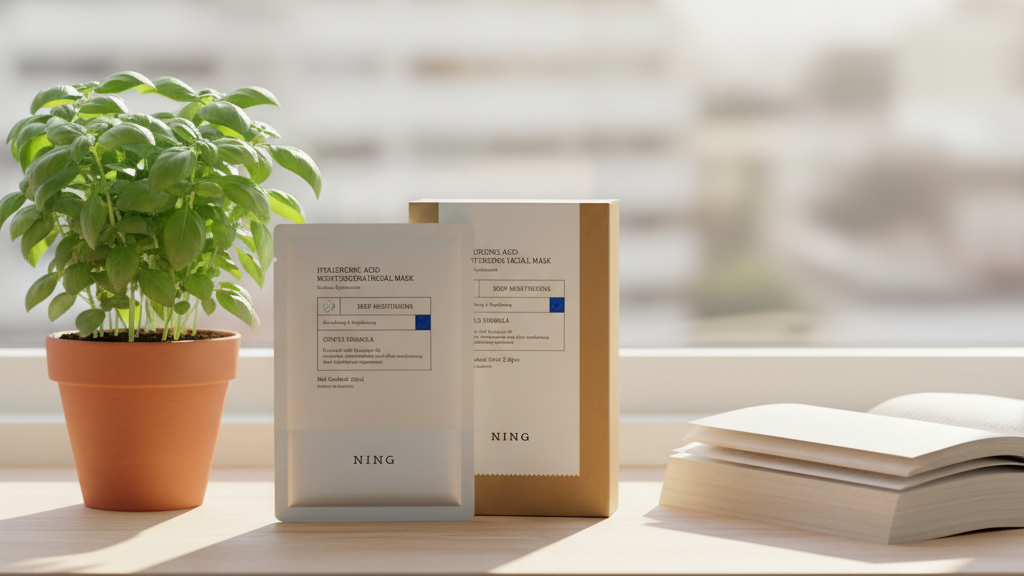

Standing in the skincare aisle of a drugstore is overwhelming. You’ve got CeraVe Acne Control on the left, La Roche-Posay on the right, and about fifty other bottles screaming that they can fix your acne-prone skin for twelve bucks.
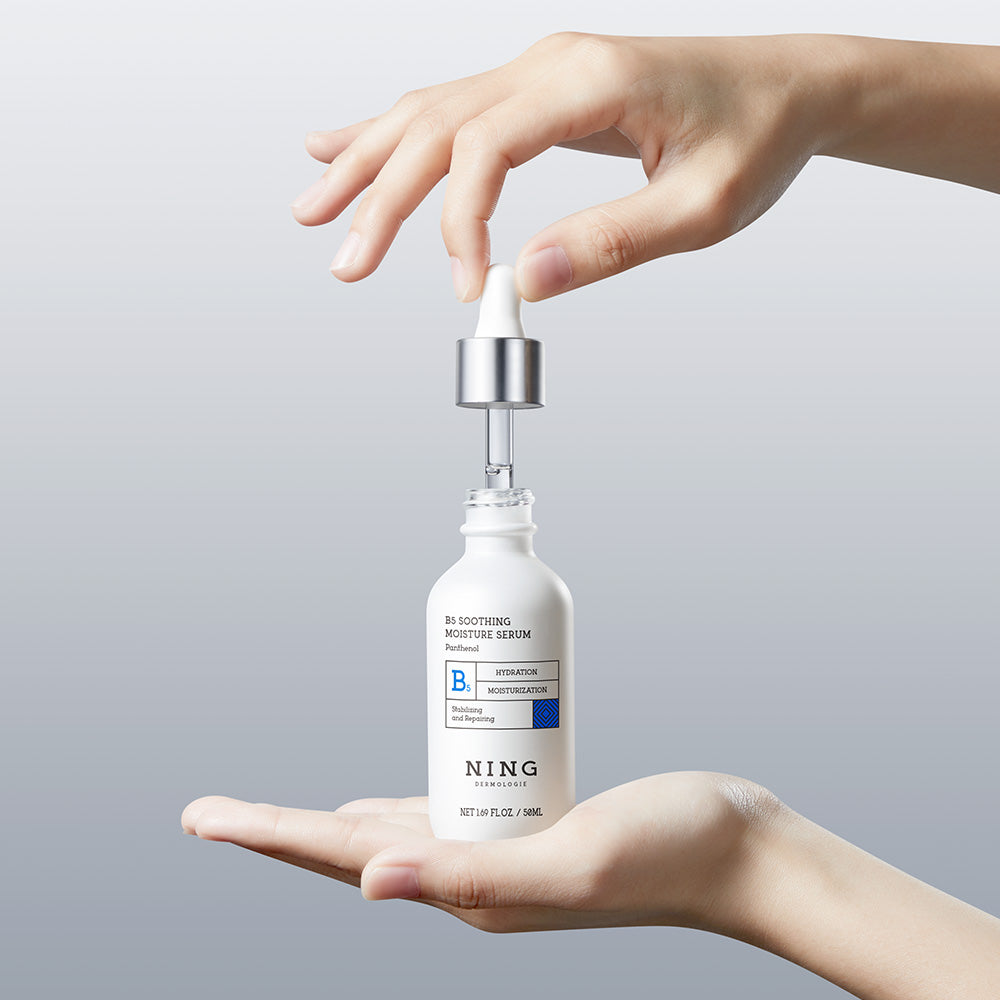
Then you look at a clinical brand like NING Dermologie. The price point is different. The packaging looks serious. And you have to ask yourself: Are you paying for the fancy bottle, or is there actually something different inside the goo?
As someone who reads ingredient labels for fun (and holds a grudge against ineffective formulas), I’m going to break this down. We aren't just talking about brand names; we are talking about molecular weight, delivery systems, and why a vitamin C serum from the drugstore might be doing absolutely nothing for your face.
Here is the deep dive on the Drugstore vs. Clinical debate.

The Vitamin C War: Stability is Everything
Let’s start with the biggest offender: Vitamin C. This is where the gap between drugstore and professional lines like NING Dermologie is the widest.
If you buy a generic serum containing L-ascorbic acid (the purest, strongest form of Vit C) from a brightly lit shelf, you are often buying expensive orange water. Why? Because L-ascorbic acid is notoriously unstable. It hates light, it hates air, and it oxidizes faster than an avocado.
In Spanish dermatology, we call this the reacción de oxidación. When that serum turns brown/orange, it’s oxidized. It’s useless. actually, it can be pro-inflammatory.
Drugstore Reality: To keep costs low, many mass-market brands use weak derivatives like Sodium Ascorbyl Phosphate. While stable, they require conversion by the skin to work, meaning you’re getting a fraction of the potency. Or, brands like Mad Hippie might use decent ingredients, but lack the penetration enhancers to get them deep enough to affect collagen synthesis.
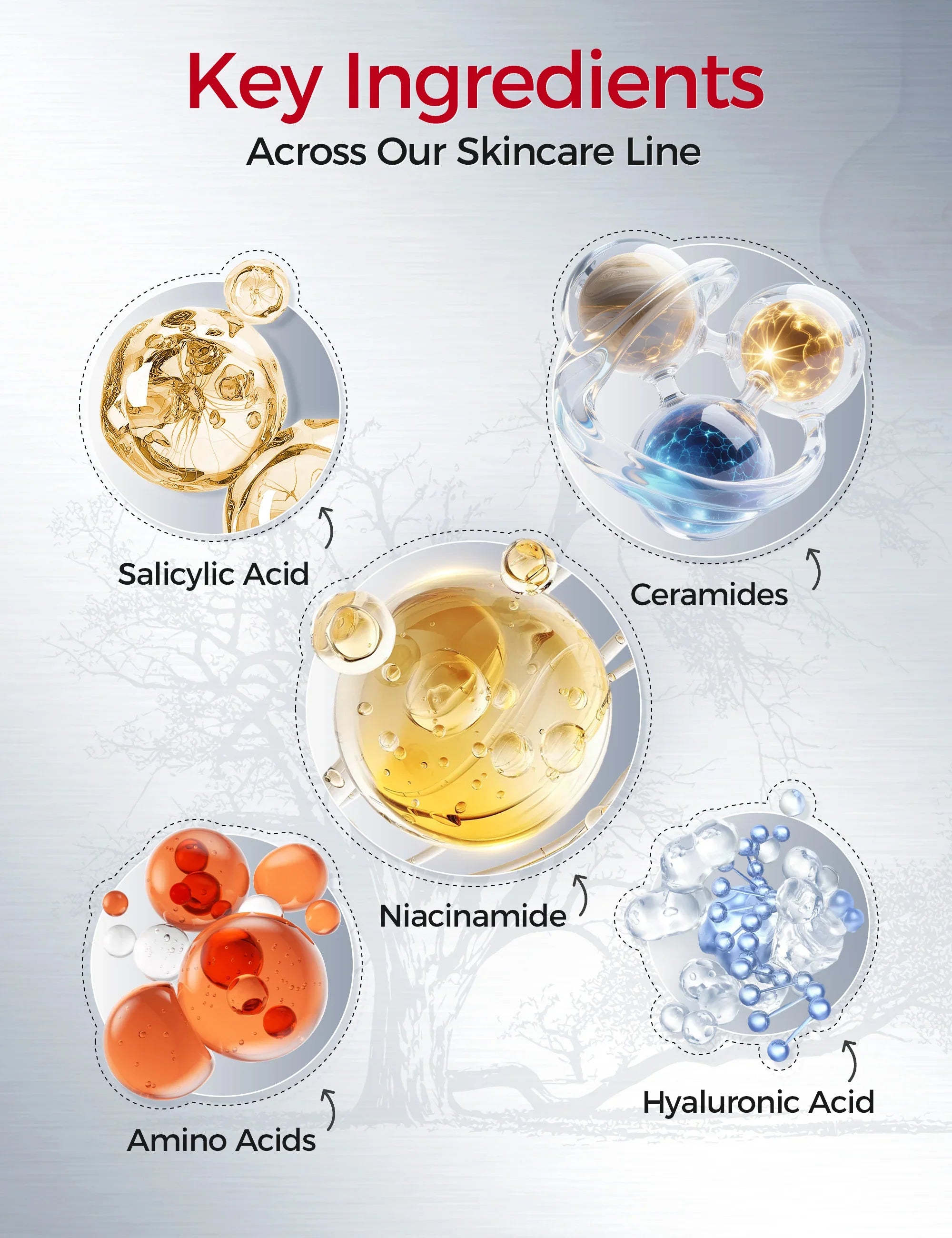
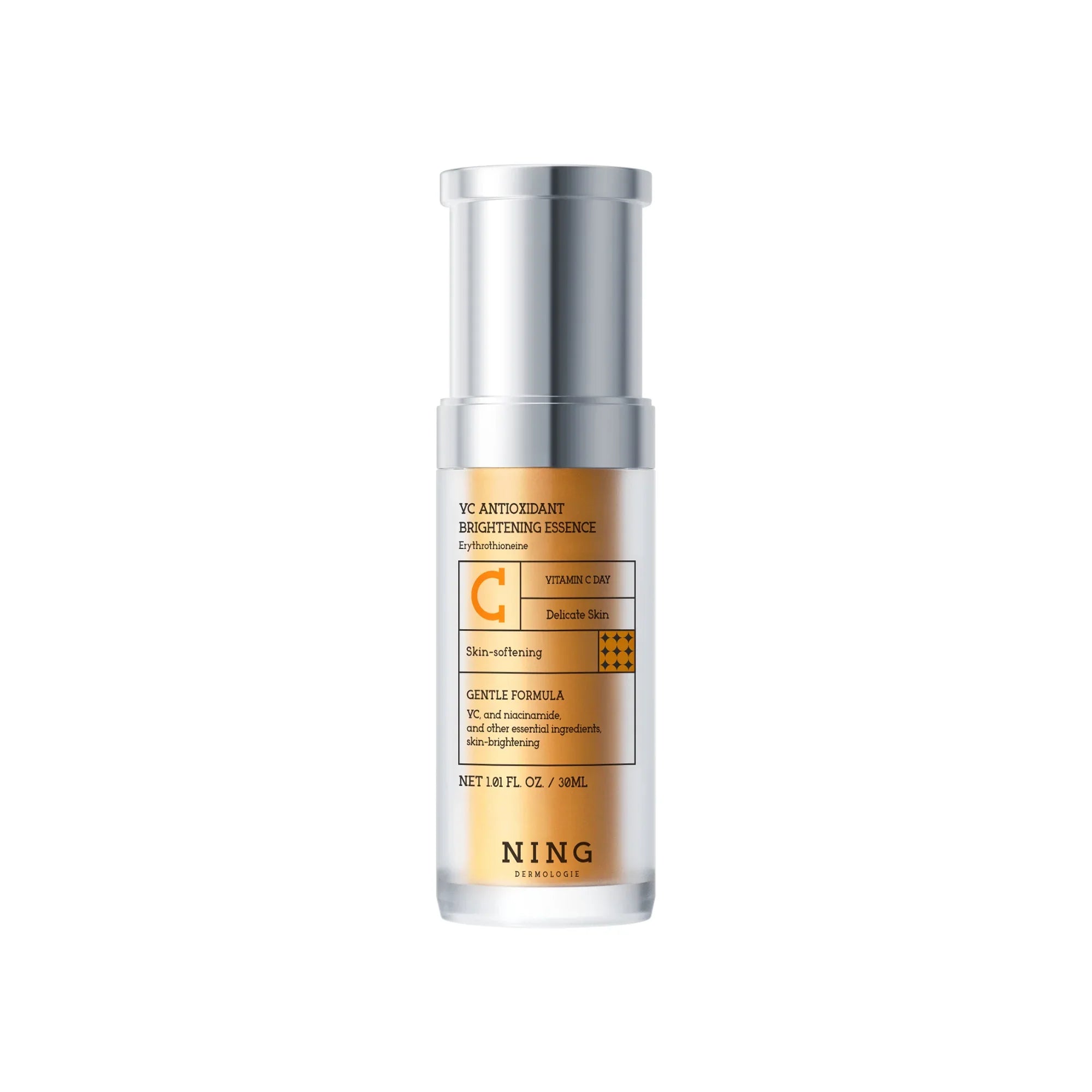
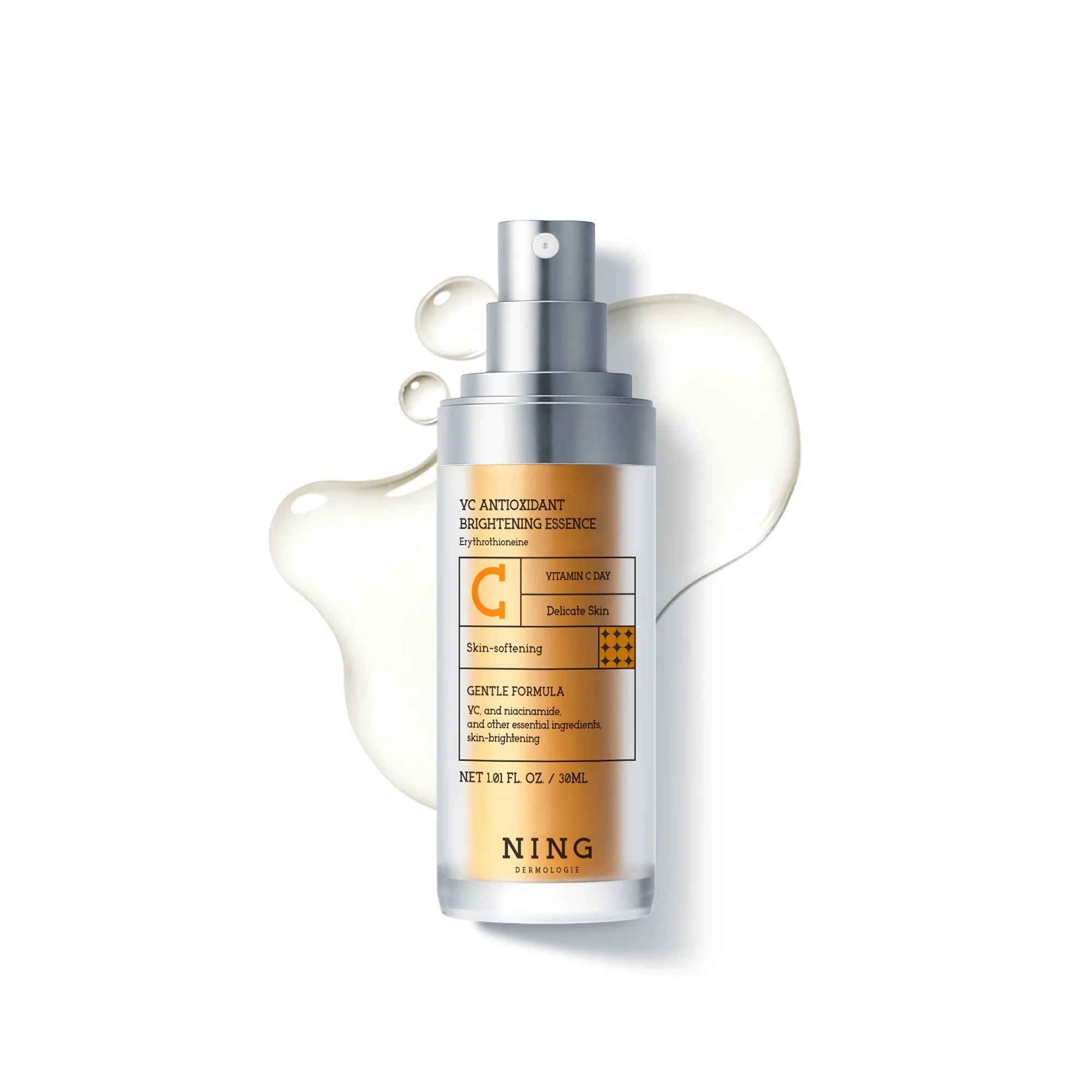
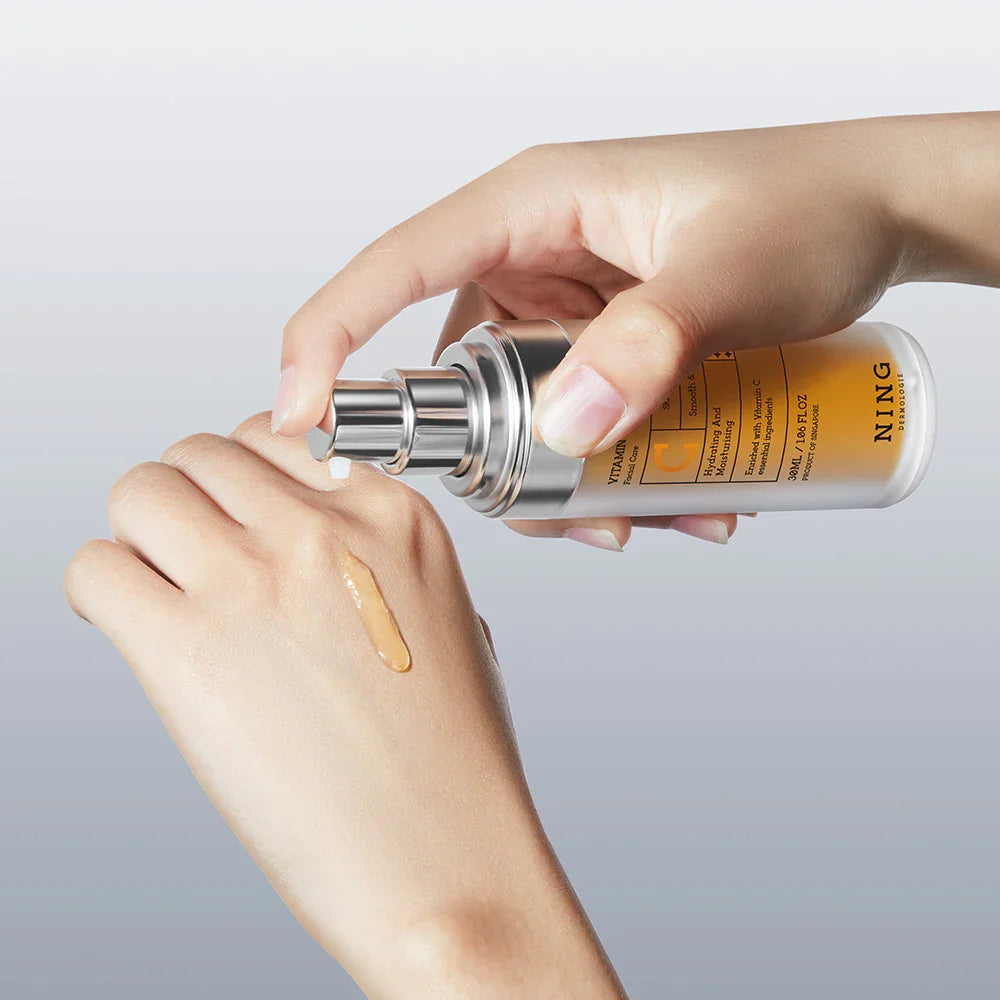
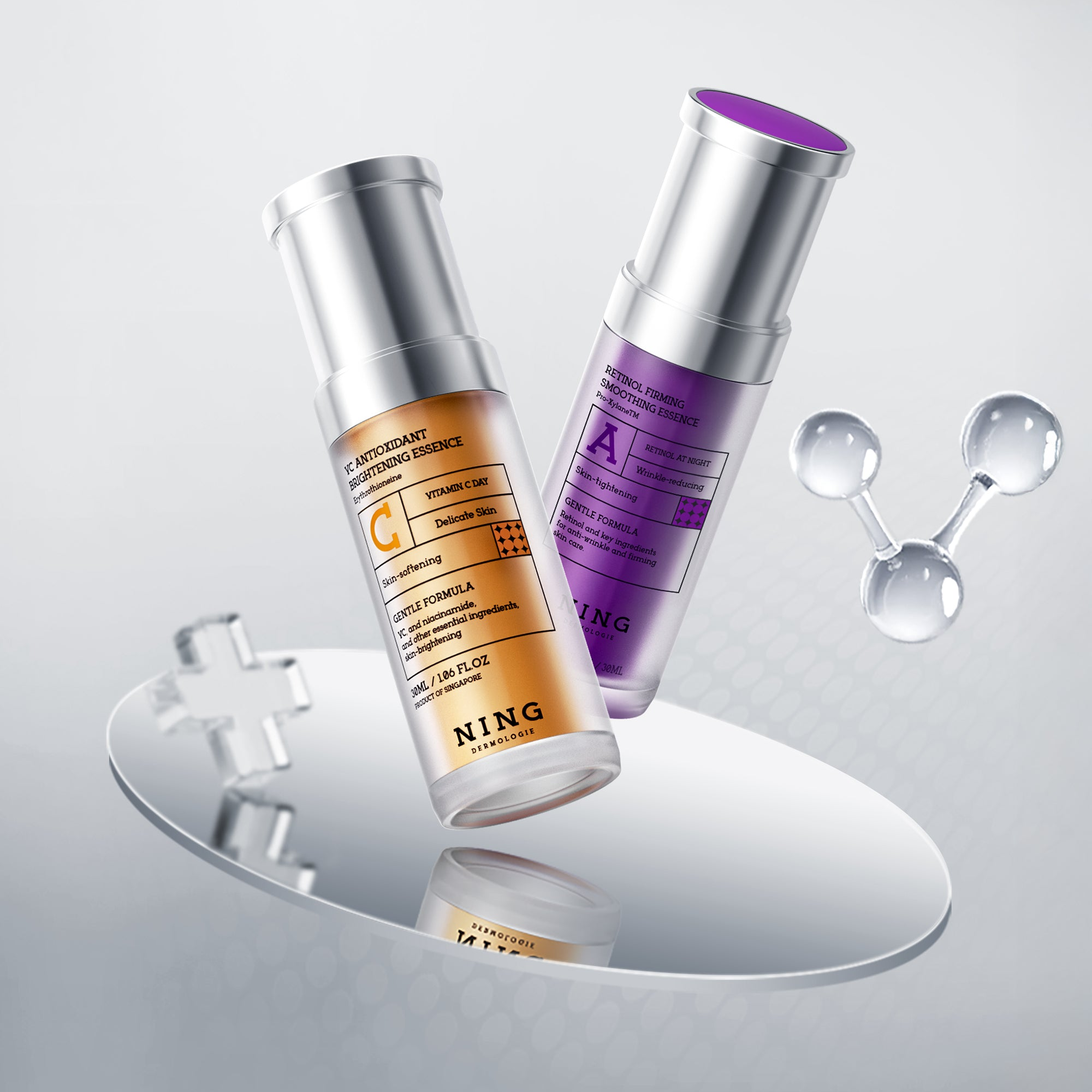
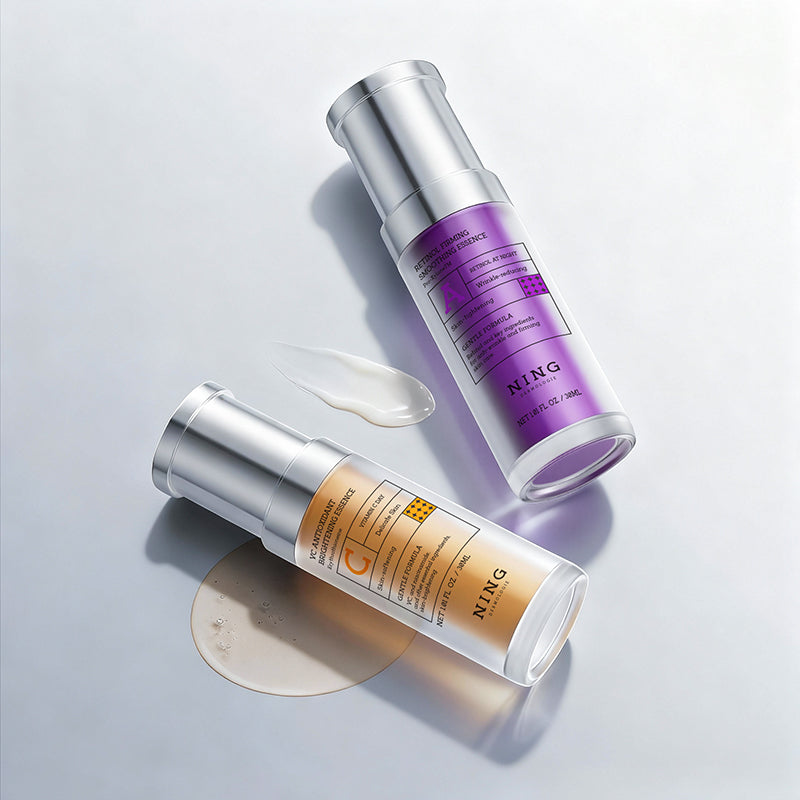
The Clinical Difference: Brands like Skinceuticals C E Ferulic set the gold standard by stabilizing L-ascorbic acid with ferulic acid and Vitamin E at a specific pH. NING Dermologie operates in this same tier. When we formulate a vitamin C serum, we aren’t just dumping powder in water. We are engineering a vehicle.
We use stabilizers (like Stay-C® 50 technology or synergistic antioxidant blends) to ensure that when you apply it, the active ingredient actually reaches the dermis to fight dark spots and UV damage. You are paying for the guarantee that the product works on day 30 as well as it did on day 1.
The Acid Trip: Exfoliation and The Barrier
If you are dealing with bumpy textured skin, pimples bumps, or the nightmare that is cystic acne, your first instinct is to burn it off with acid.
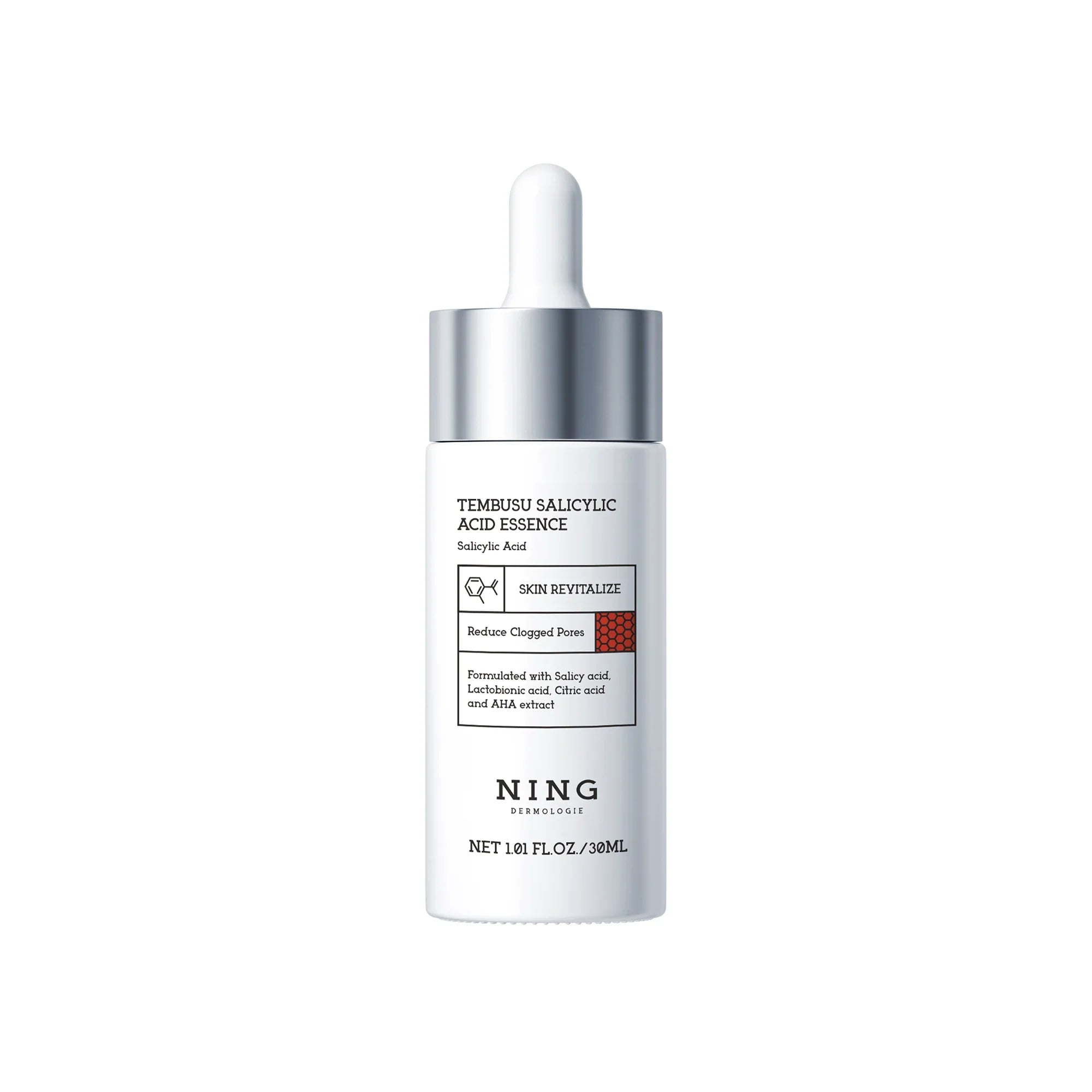
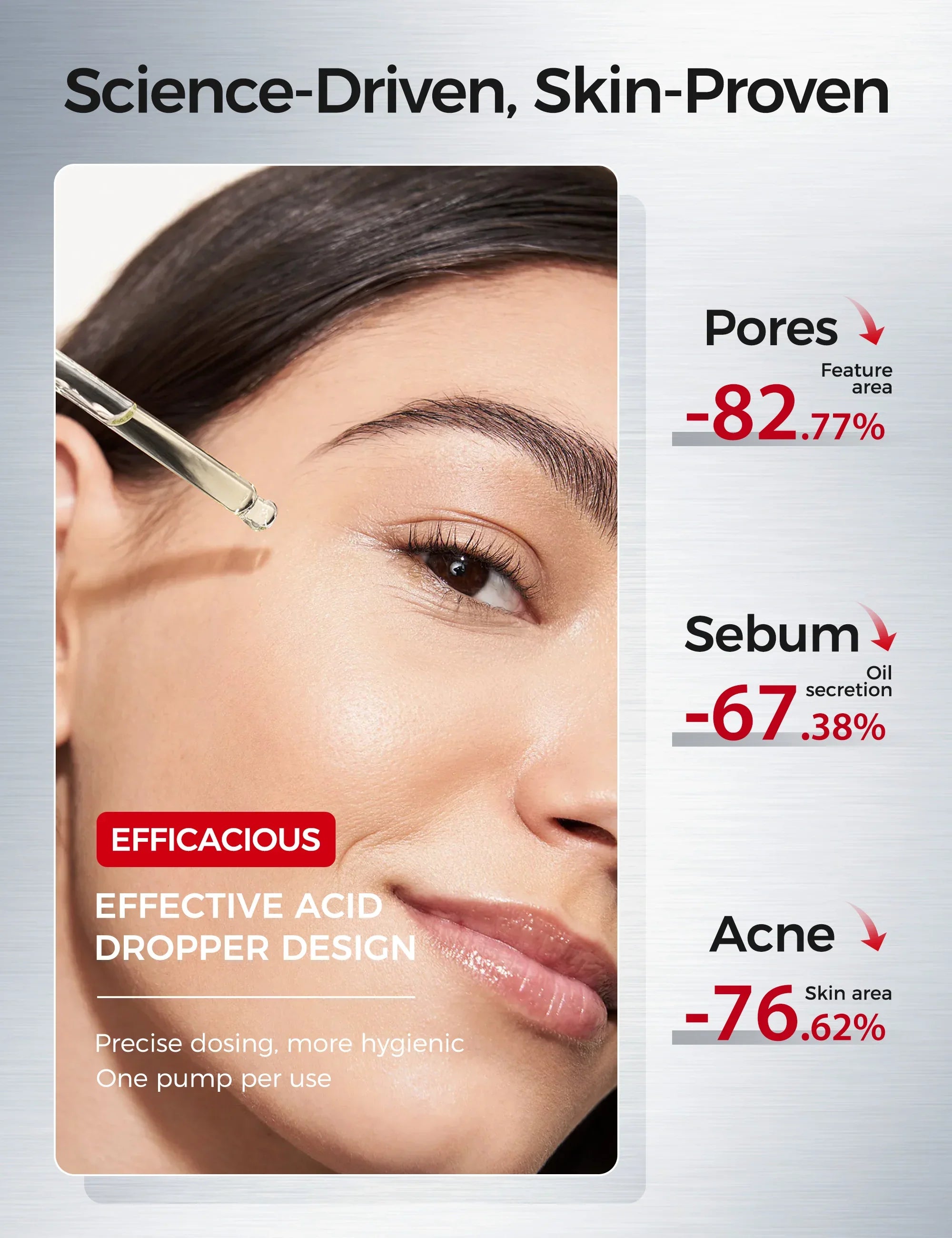
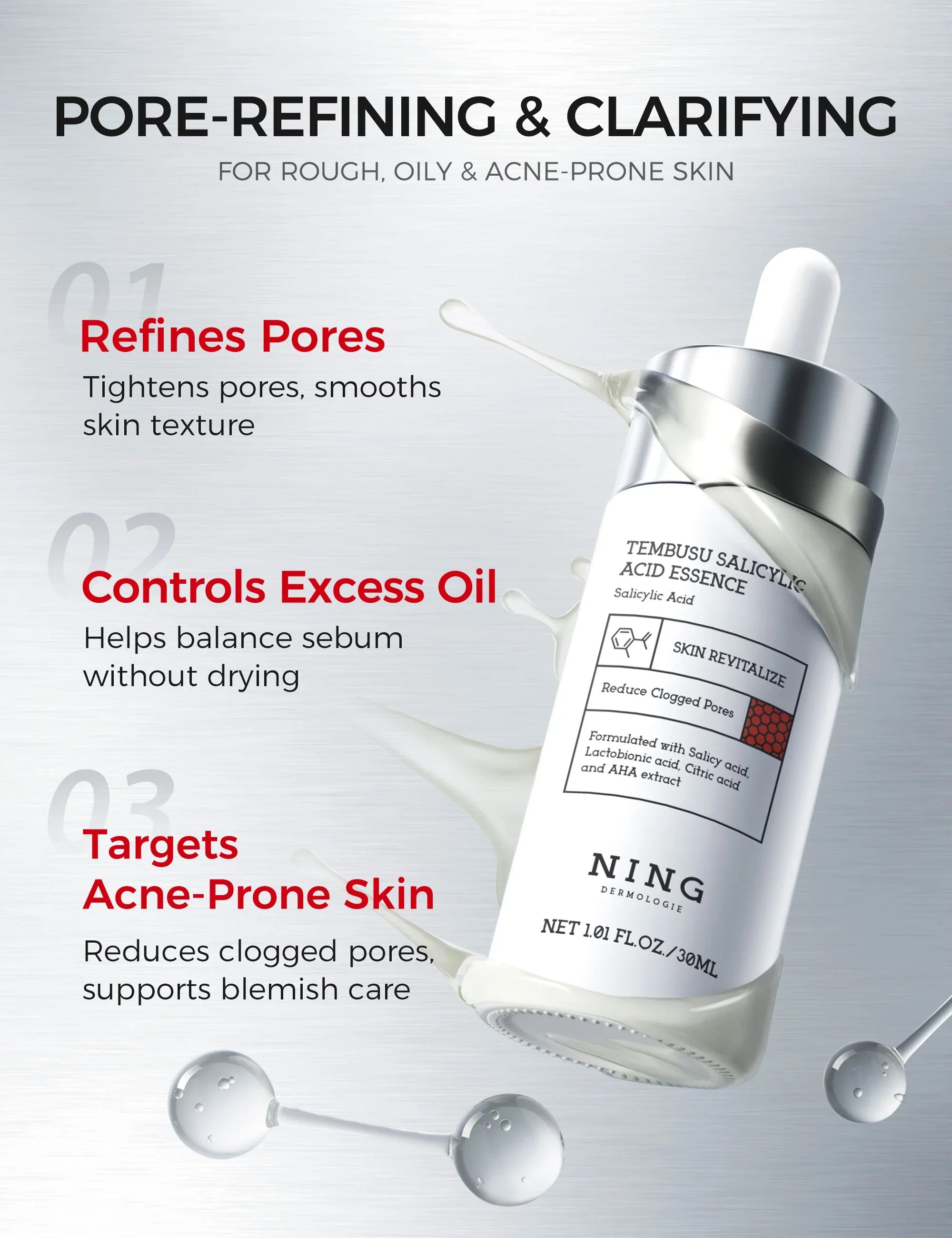
Drugstore staples like La Roche-Posay Effaclar are excellent entry-level products. They usually contain salicylic acid (a beta hydroxy acid or BHA) which dives into the pore to dissolve oil. For a teenager with mild grit, this is fine.
But here is the problem: Drugstore formulations are designed for the masses. They are "one size fits all." To ensure they work for everyone, they often use high concentrations of harsh surfactants in their gel cleansers, or they buffer their acids so much they lose efficacy.
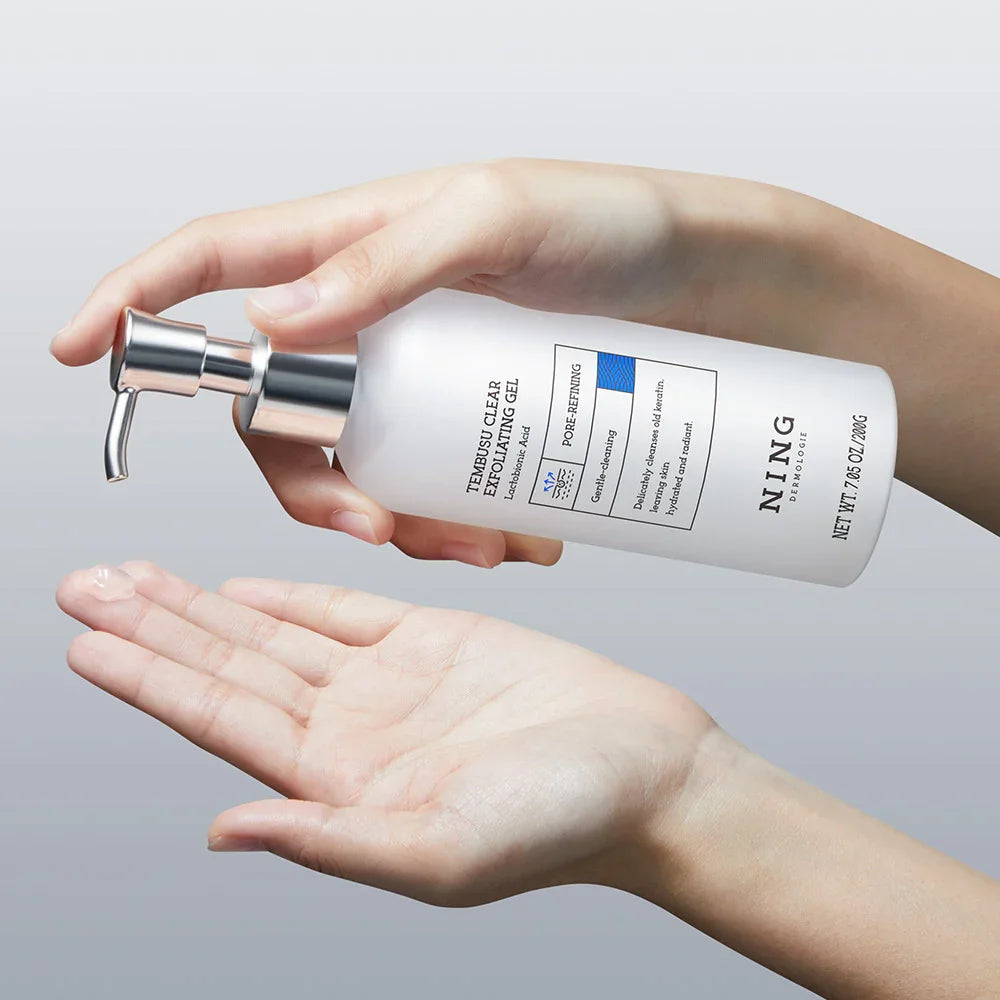
The NING Dermologie Approach: We look at the skin barrier first. If you have hormonal acne, nuking your face with drying alcohol and cheap salicylic acid destroys your lipid layer. This leads to more inflammation and more acne. It’s a vicious cycle.
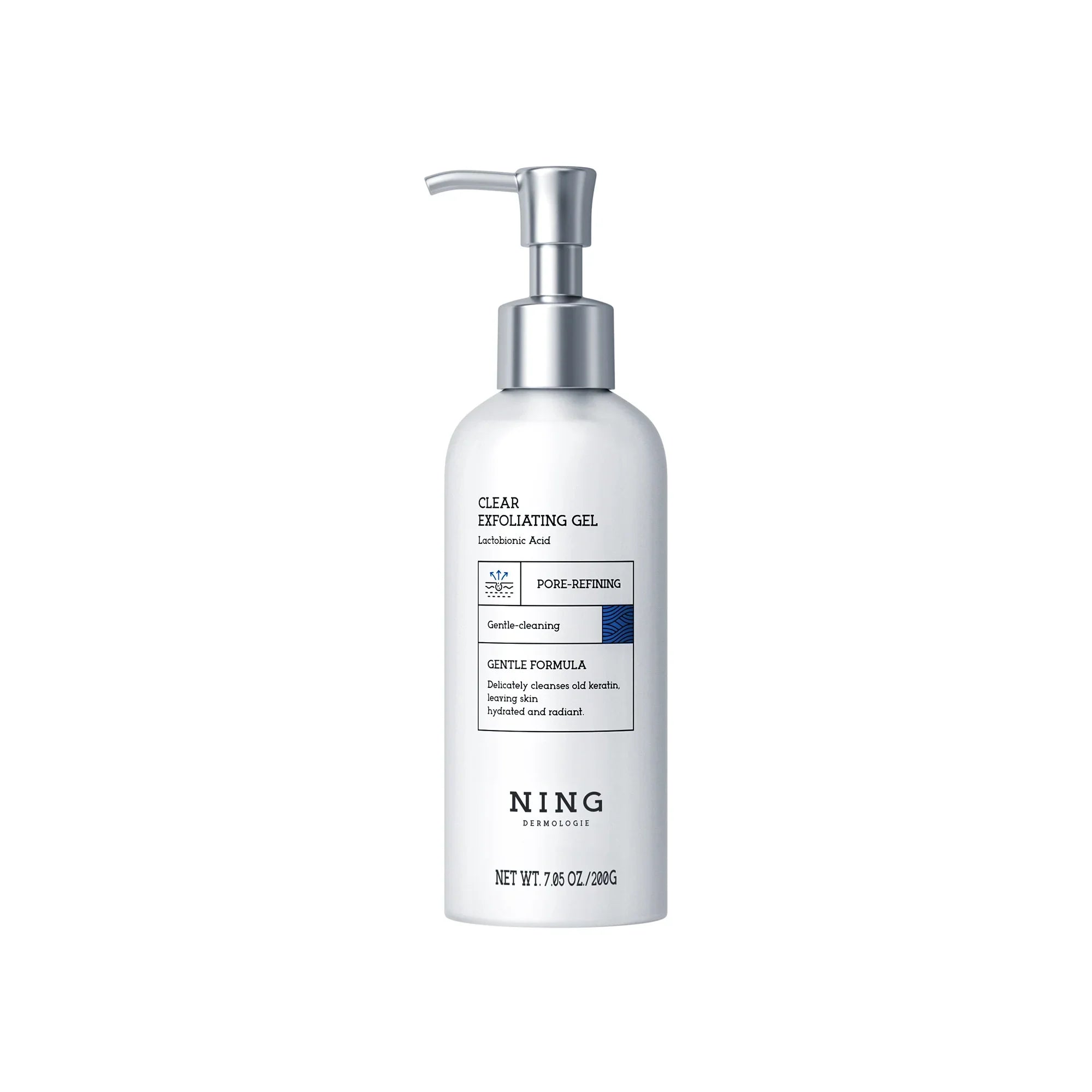
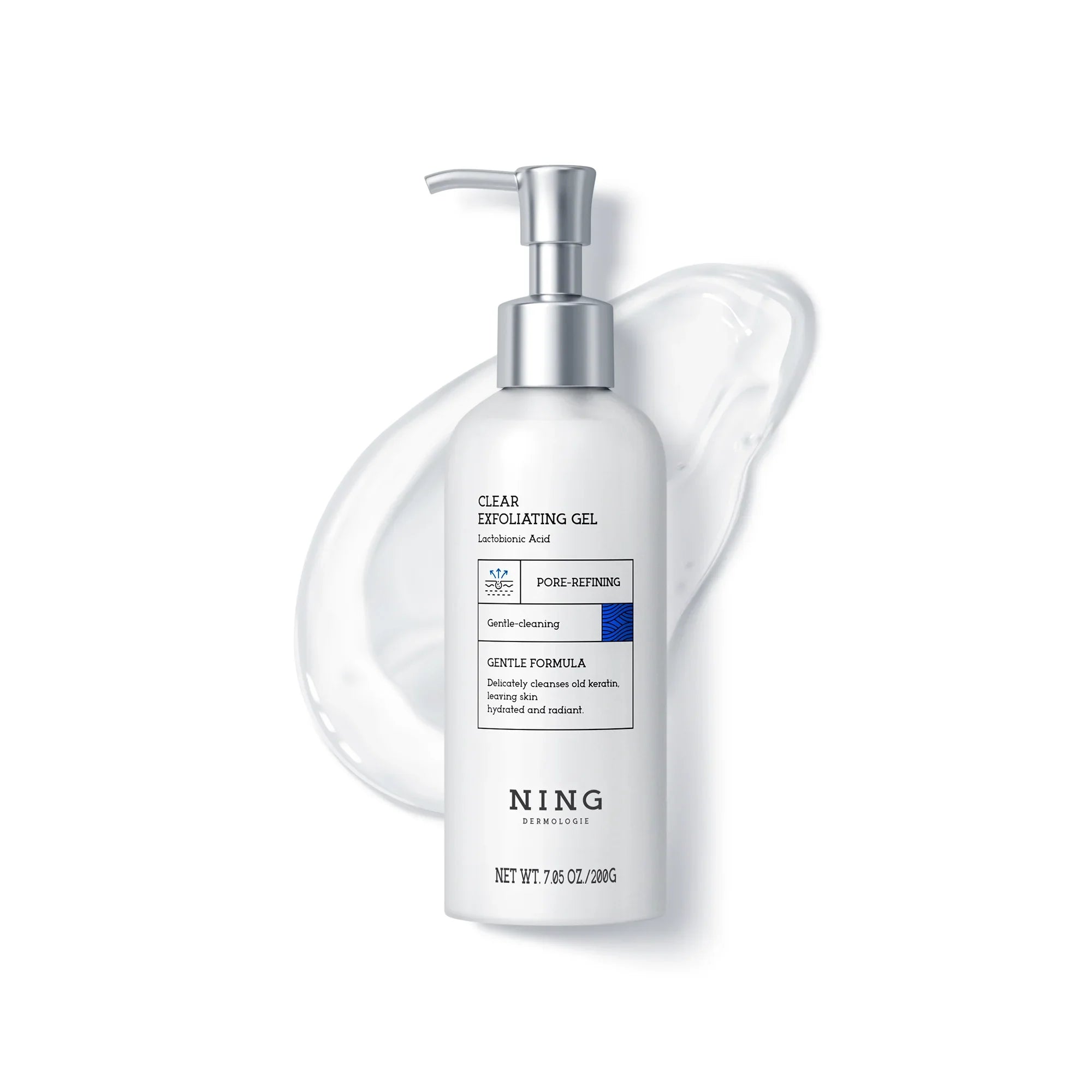
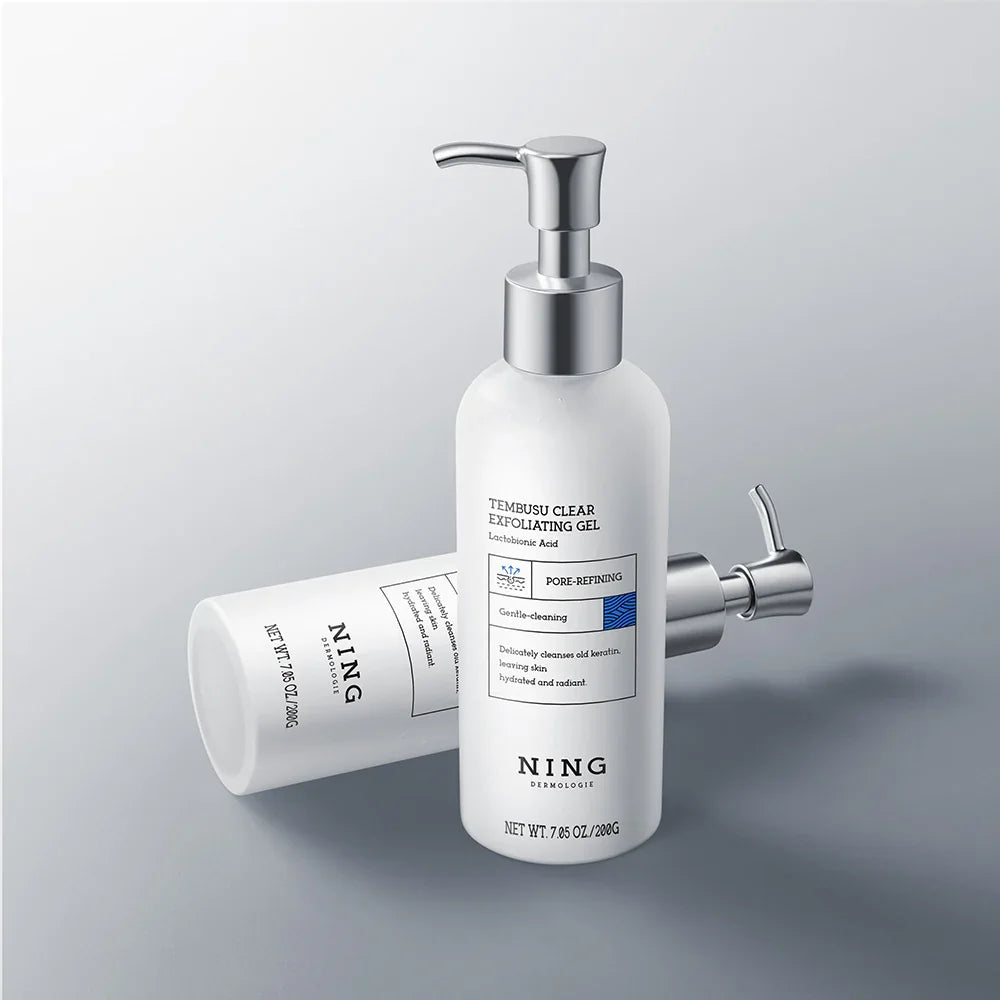
Professional formulations use a sophisticated blend of hydroxy acid types—combining glycolic acid (small molecule, deep penetration) and lactic acid (larger molecule, hydrating) with soothing agents.
We also focus on how these acids interact with keratinové buňky (keratin cells). The goal isn't just to strip the skin; it's to normalize the shedding process so pores don't clog in the first place. This is critical for treating acne scars and doing actual scar lightening. A drugstore scrub scratches the surface; a clinical acid blend remodels the skin texture.
Hydration: The Molecular Weight Myth
You see hyaluronic acid everywhere. It’s in $5 creams and $300 serums. Is there a difference?
Yes. Huge.
Most cheap Hyaluronic Acid (HA) has a high molecular weight. It sits on top of your face, feels sticky, and washes off. It’s a temporary fix. It does not hydrate; it just lubricates.
True Clinical Hydration: For a product to actually plump the skin and reduce fine lines, you need multi-molecular weight HA. You need tiny molecules to penetrate deep and larger ones to seal the surface.
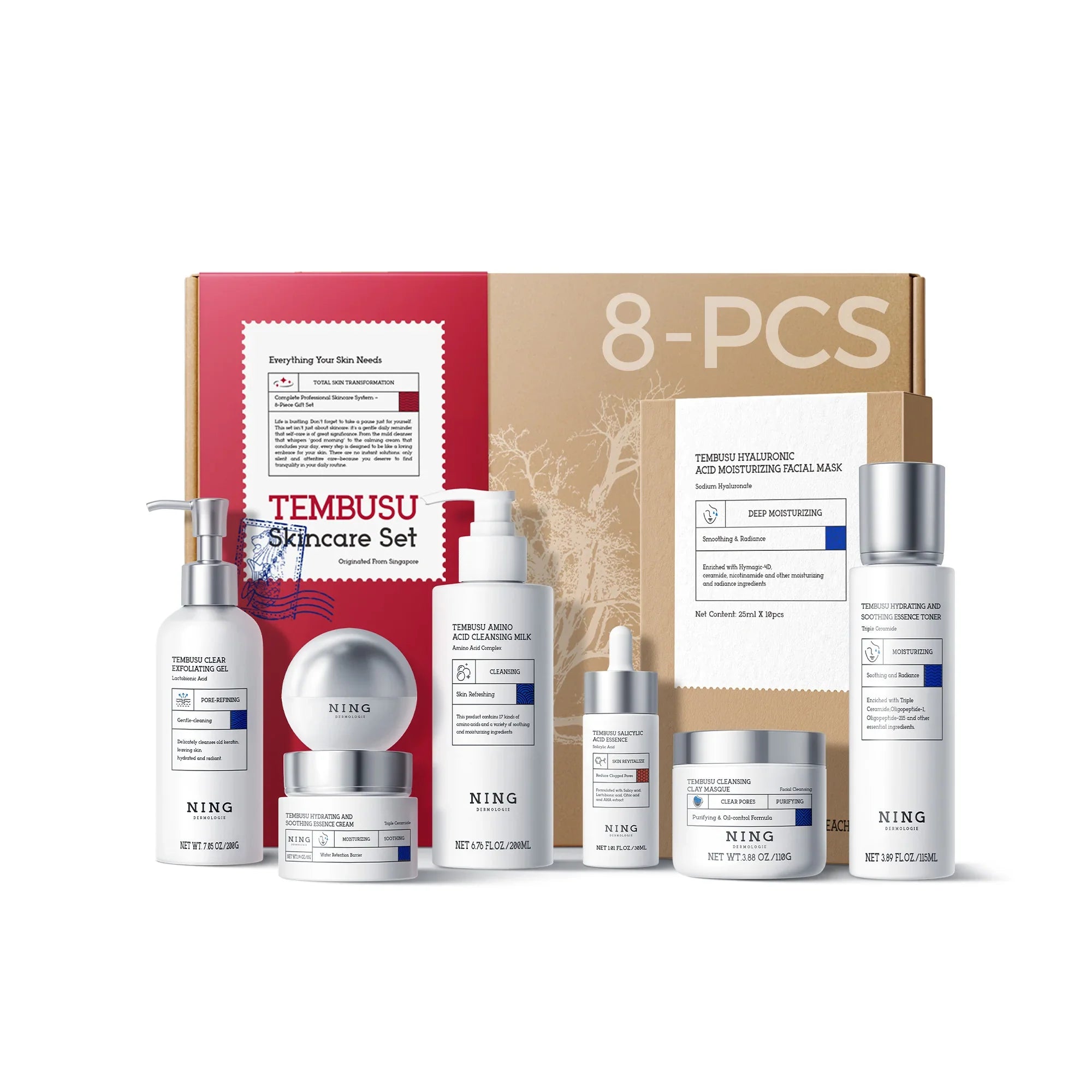
This is the technology behind the Hyaluronic Acid 4D Facial Mask.
We call it "4D" because it targets different layers of the skin simultaneously. Unlike a cheap sheet mask that feels like wet tissue paper, this mask is a delivery system. It pushes hyaluronová kyselina (HA) past the stratum corneum. It’s designed to rescue sensitive skin or skin that has been compromised by overuse of actives.
If you’ve wrecked your barrier with too much retinol or azelaic acid, this mask isn't just a treat; it’s a repair tool. It mimics the natural proteínas de la piel (skin proteins) to speed up recovery.
The Packaging: Why "Envases Opacos" Matter
This is a boring topic that is actually the most important.
Walk down the drugstore aisle. How many serums are in clear glass bottles? Too many. Light destroys antioxidants.
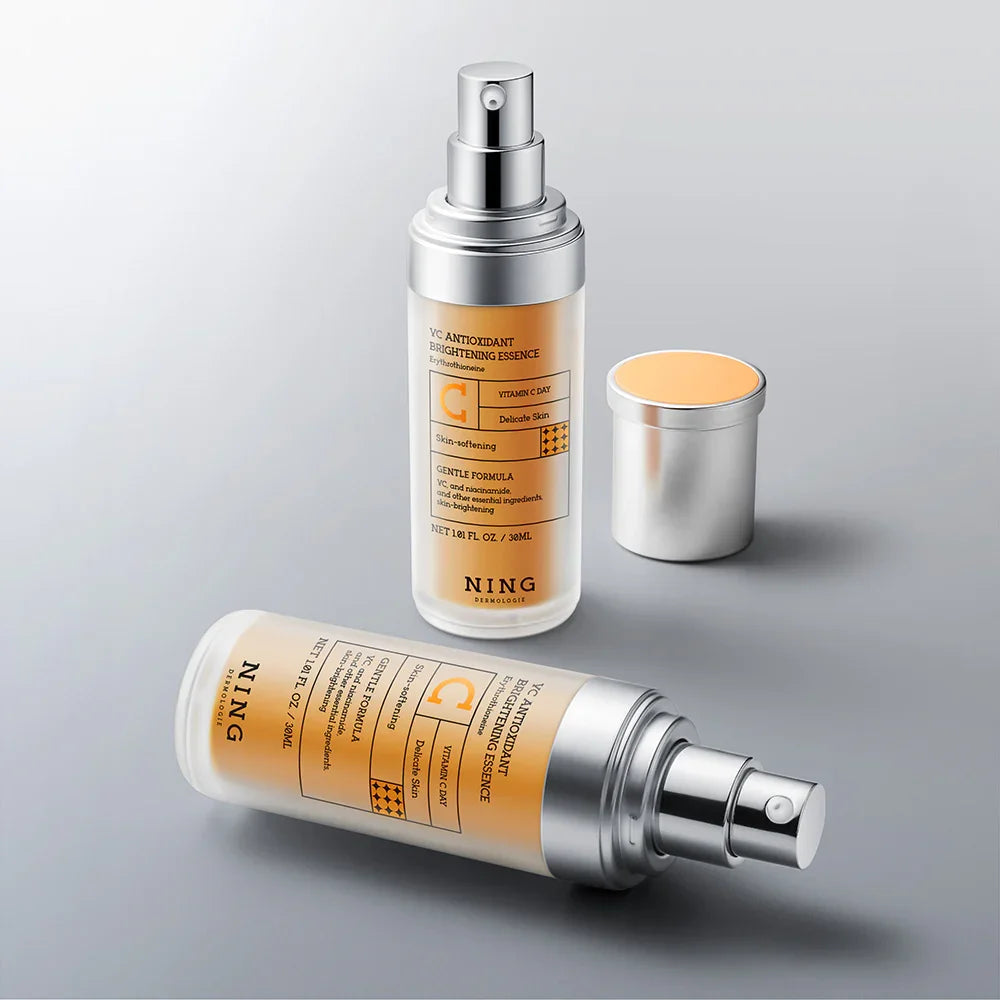
Professional skincare (Clinical/Dermatological) prioritizes efficacy over shelf appeal. We use envases opacos (opaque packaging) or airless pumps. We don't want you to see the color of the liquid if seeing it means the light is degrading the serum de vitamina c.
When you buy NING Dermologie, a significant portion of that cost goes into the bottle technology to ensure the derivados de vitamina c inside stay active until the very last pump.
So, Can You Mix High and Low?
Absolutely. I am not saying you need to burn your wallet.
Where to Save (Drugstore is Fine):
- Cleansers: If you have sturdy skin, a basic wash is fine. It’s on your face for 30 seconds.
- Basic Moisturizers: If you just need grease to seal it in, brands like La Roche-Posay (specifically the Toleriane Dermallergo Fluide) are fantastic for cuidado de la piel sensible (sensitive skin care).
- Sunscreen: The best sunscreen is the one you wear. Drugstore SPF has come a long way.
Where to Splurge (Go NING Dermologie):
- Actives: Anything meant to change your skin structure. Vitamin C, Retinol, Peptides.
- Acne Treatment: For cystic acne, generic benzoyl peroxide is rough. You need targeted formulas.
- Barrier Repair: If your face hurts, don't gamble. Use the Hyaluronic Acid 4D Facial Mask.
The Verdict
The difference between drugstore and NING Dermologie isn't just marketing. It’s the difference between "maintenance" and "correction."
Drugstore skincare products are like keeping your car clean. Clinical skincare is like tuning the engine. If you have perfect skin and just want to maintain it, grab the basics. But if you are fighting specific battles—pigmentation, aging, or persistent acne—you need the precision tools that only a professional line provides.
Don't buy based on the label. Buy based on the delivery system. Your face (and your long-term collagen production) will thank you.

Frequently Asked Questions (FAQ)
1. Can I use NING Dermologie Vitamin C with drugstore salicylic acid?
Yes, but be careful. Vitamin C in the morning (for protection) and Salicylic Acid at night (for clearing pórová linie / pores). Layering them together can cause immediate irritation and redness. Spacing them out allows each ingredient to work at its optimal pH without fighting each other.
2. Why is my drugstore Vitamin C turning orange?
That’s oxidation. It means the ácido L-ascórbico has reacted with air and lost its potency. It’s essentially "spoiled." Stop using it—it can actually cause blackheads and inflammation. Clinical brands use stabilizers and air-tight pumps to prevent this specific chemical reaction.
3. Is the Hyaluronic Acid 4D Mask safe for acne-prone skin?
Absolutely. Hydration is critical for acne. When skin is dry, it overproduces oil to compensate, leading to more breakouts. The Hyaluronic Acid 4D Facial Mask uses water-based hydration, not heavy oils, so it repairs the barrier without clogging pores or triggering fungal acne.
4. How long does it take to see results from NING Dermologie?
For hydration products like the mask? Immediately. For actives like Vitamin C or acids tackling acne scars, you need to follow the skin cycle—about 28 to 40 days. Don’t trust any product that promises permanent results overnight; that’s biological nonsense. Consistency beats intensity every time.
5. Do I really need specific "cuidado dermatológico" products?
If you have a specific skin pathology like eczema, rosacea, or severe acne, yes. Generic products contain fragrances and preservatives that trigger sensitive skin. Dermatological lines are formulated with fewer allergens and higher quality, verified ingredients to minimize the risk of reaction while maximizing efficacy.


Share:
The Honest Guide to Ning Dermologie Returns (And How to Avoid Needing One)
Can Ning Dermologie Be Used Daily? The Honest Usage Guide