

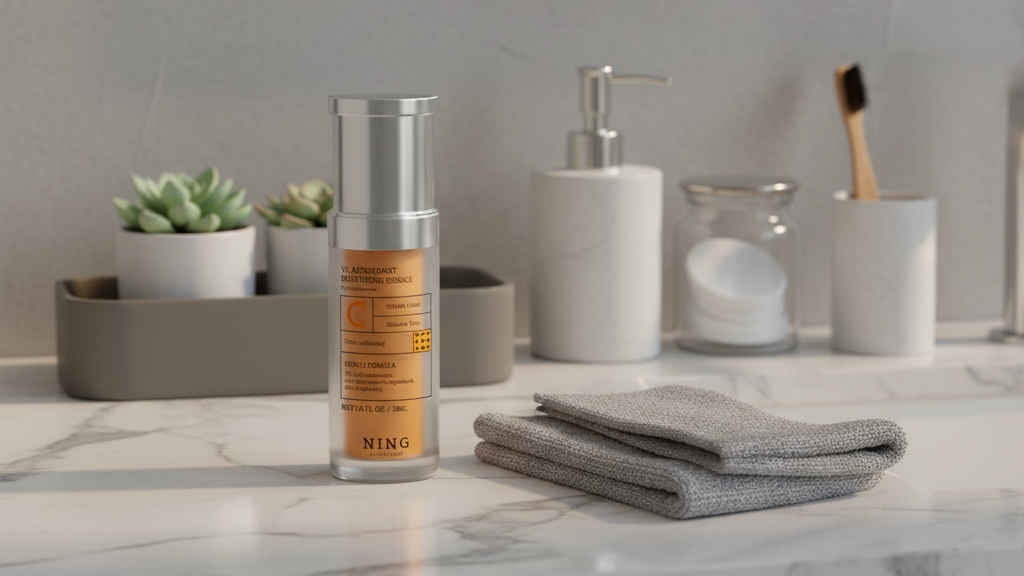

Forget the Filters: The Real Talk on Vitamin C Serum vs. Other Pigmentation Fixes
If you’re reading this, you’ve probably spent more time staring at dark spots in a 10x magnifying mirror than you’d care to admit. Whether it’s that stubborn post-inflammatory hyperpigmentation (PIH) left behind by a breakout or the melasma that crept up after a beach holiday, pigmentation is a relentless roommate.
The internet will tell you that a vitamin c serum is the holy grail. But then you see someone else swearing by niacinamide, and another person claiming only a $500 laser can fade pigmentation. It’s exhausting.
At NING Dermologie, we’re tired of the "miracle in a bottle" marketing. You deserve to know what actually moves the needle. Let’s break down how vitamin c stacks up against the rest, why your current skincare routine might be failing you, and how to actually get that radiant skin tone without ruining your skin barrier.

Why Is My Skin Doing This? (The Melanin Talk)
Before you buy another brightening face serum, you need to know the enemy. Hyperpigmentation isn't just one thing. It’s the result of your melanin production going into overdrive.
Think of melanin as your skin’s bodyguard. When there’s sun exposure, an injury to the skin (like acne), or hormonal shifts, your melanocytes start pumping out pigment to protect your skin cells. When that protection stays concentrated in one area, you get dark patches and uneven skin tone.
The best treatment depends entirely on your type of hyperpigmentation. Are you dealing with surface-level sun exposure damage, or deeper pigmentation like melasma?
The Heavyweight Champion: Vitamin C Serum
If dermatology had a "Most Valuable Player," it would be vitamin c. But here is the catch: not all serums are created equal.
How Vitamin C Plays the Game
Vitamin c plays a dual role. It’s a potent antioxidant that neutralizes free radicals from the sun, and it’s a tyrosinase inhibitor—meaning it literally tells your skin to stop the over-production of melanin.
Most people hunt for L-ascorbic acid, which is the purest form of vitamin c. However, it’s notoriously unstable. It turns orange, smells like hot dog water, and can cause hyperpigmentation if it oxidizes on your skin or causes irritation.
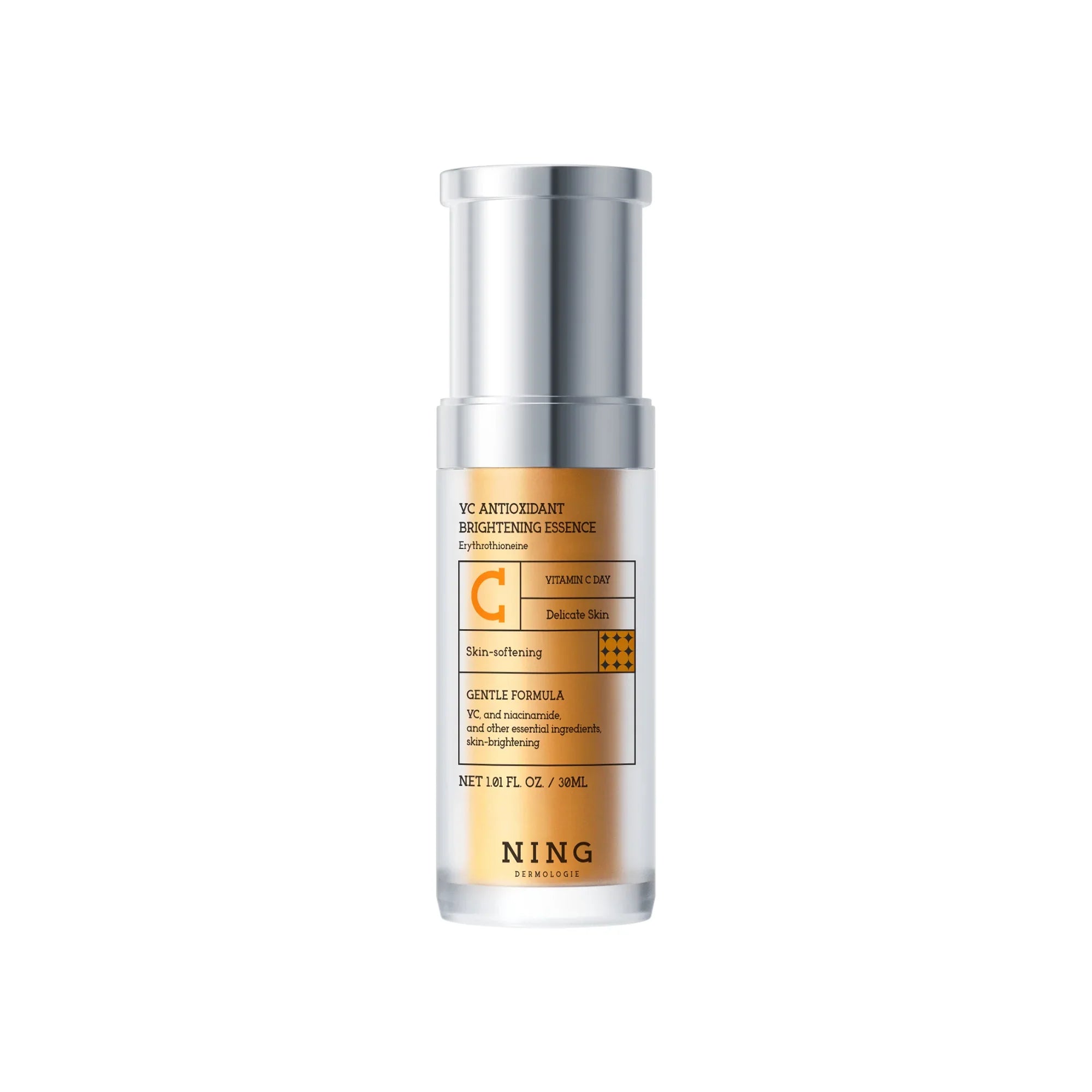
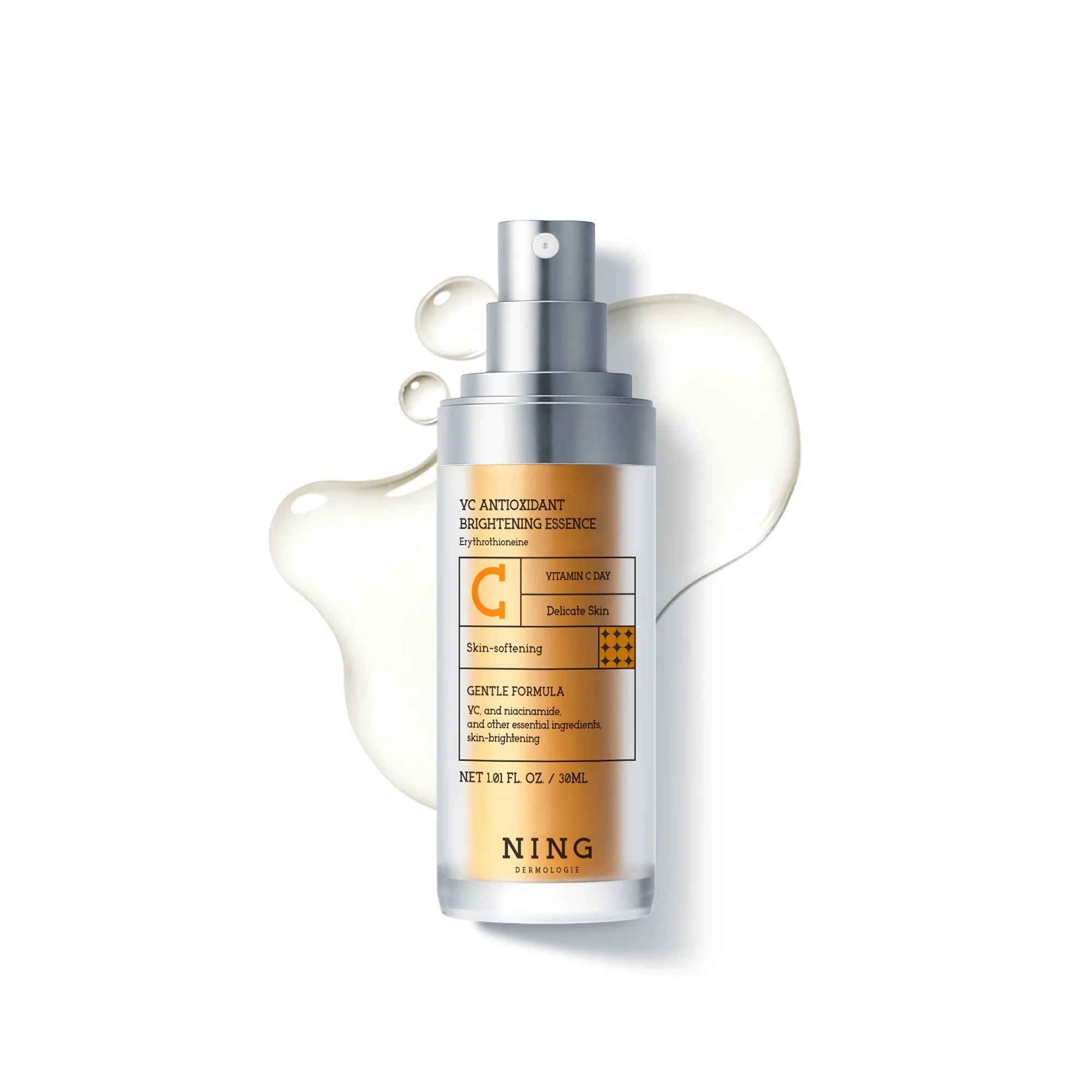
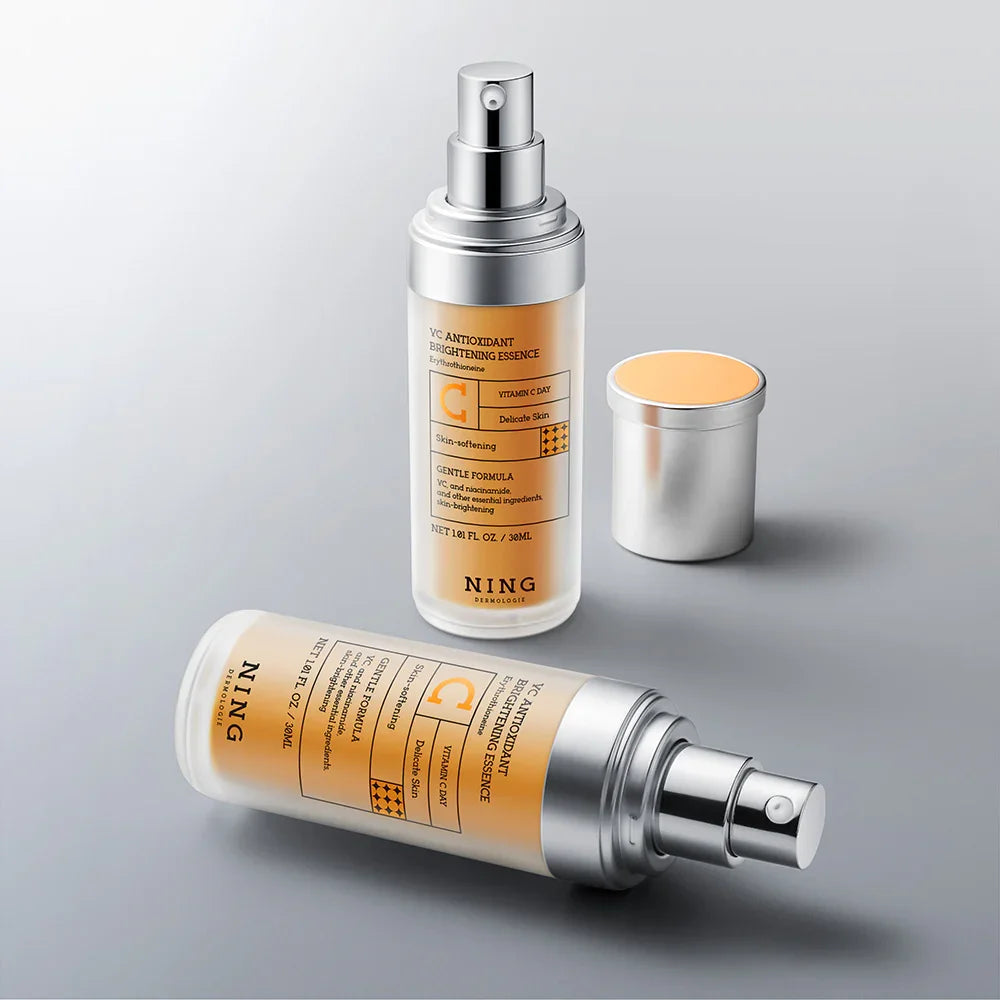
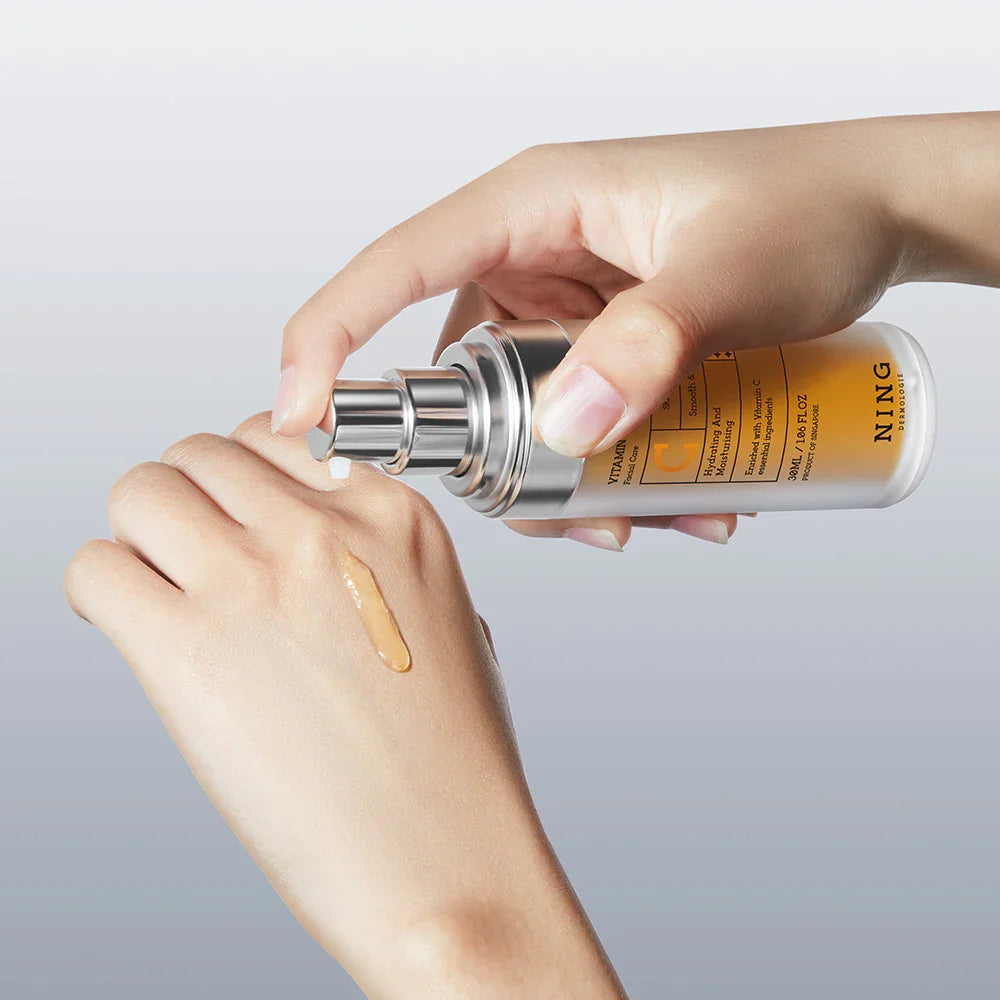
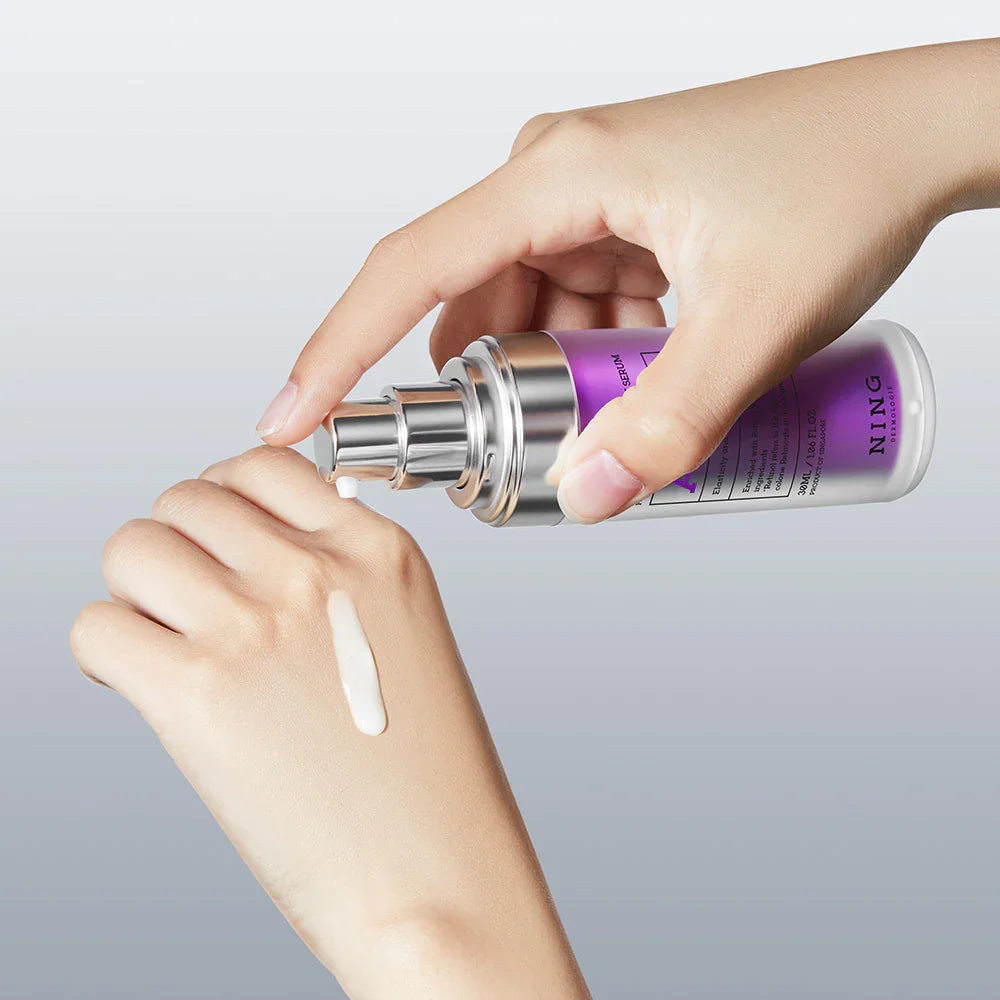
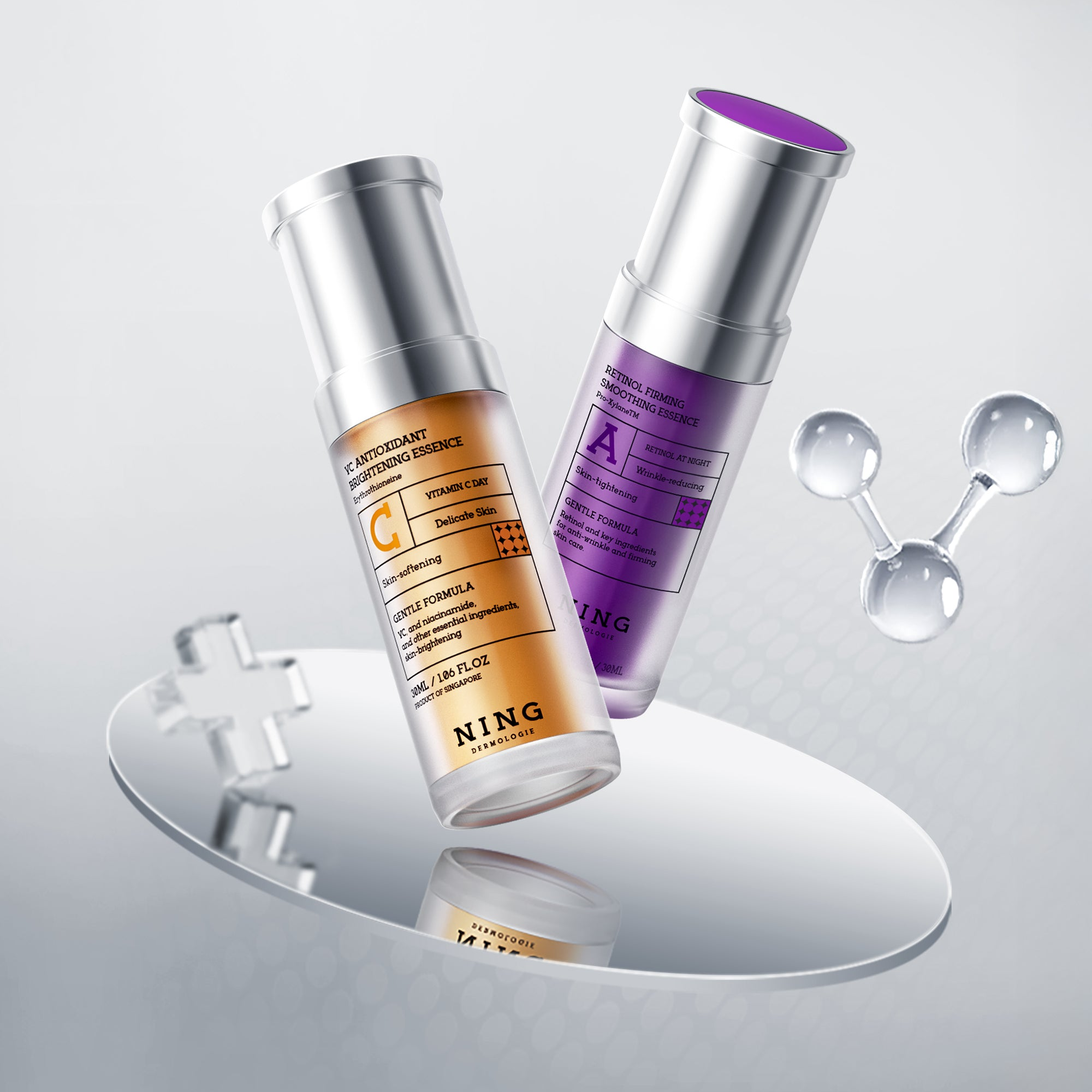
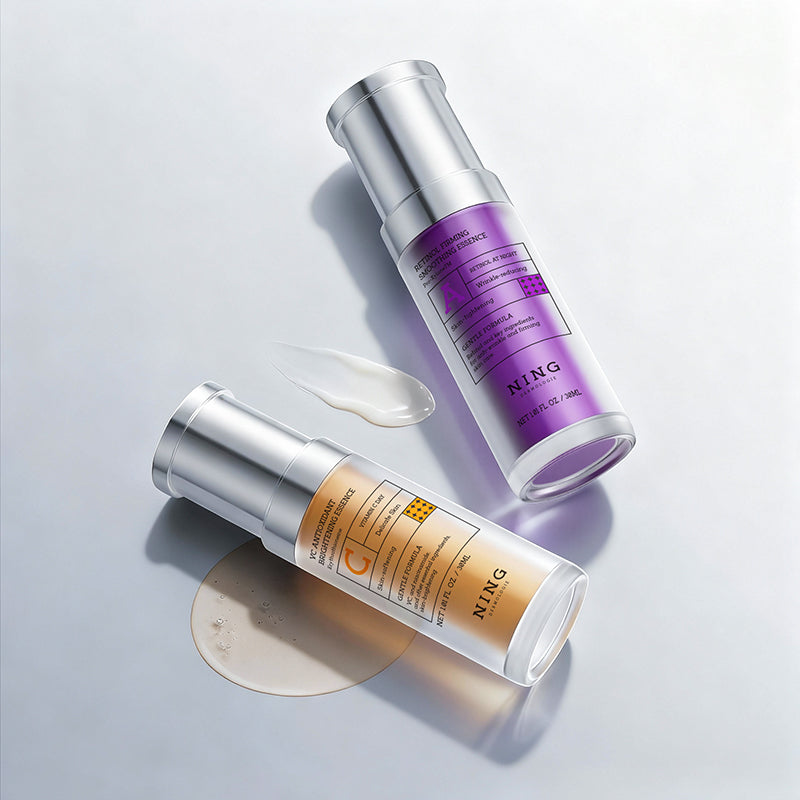
This is why we formulated the NING Dermologie Vitamin C Serum with Niacinamide & Ethyl Ascorbic Acid. By using Ethyl Ascorbic Acid, we’ve tapped into a version that is highly stable and doesn't irritate sensitive skin, while still reducing melanin effectively.
Benefits of Vitamin C:
- Brighten dullness almost immediately through hydration.
- Prevent hyperpigmentation before it even starts by blocking UV damage.
- Anti-aging perks by boosting collagen alongside pigmentation reduction.
Vitamin C vs. Niacinamide: Do You Have to Choose?
You’ll often see debates about vitamin c or niacinamide—which is better for your skin?
Niacinamide (also known as vitamin b3) is a powerhouse for the skin barrier. While vitamin c stops the creation of pigment, niacinamide stops the transfer of that pigment to your skin cells.
Use vitamin c and niacinamide together and you’re essentially attacking the dark spots from two different angles. In the past, old-school skin care myths said you couldn't mix them. Modern dermatology has debunked this. A serum containing vitamin c and niacinamide serum (or a combined serum with niacinamide like ours) is the "power couple" for healthy skin.
Vitamin C vs. Other Treatments: The Reality Check
Sometimes a vitamin c serum isn't enough on its own. Let’s see how it compares to the "big guns."
1. Vitamin C vs. Chemical Peels & Retinoids
Treatments like chemical peels or high-strength retinoids work through skin renewal. They shed the top layer of dark spots and uneven skin to reveal fresh skin texture.
- The Pro: They work faster on existing pigmentation.
- The Con: They can be harsh. If you have a darker skin color, aggressive peels can actually lead to hyperpigmentation (rebound hyperpigmentation) if not managed by a dermatologist.
2. Vitamin C vs. Hydroquinone
Hydroquinone is the "bleaching" gold standard, but it’s controversial. It’s often used for melasma, but long-term use can be risky. Vitamin c is a much safer, over-the-counter treatment for long-term maintenance of an even skin tone.
3. Vitamin C vs. Laser Therapy
For deeper pigmentation, lasers are the fastest route. However, they are expensive. A daily effective vitamin c serum acts as your "insurance policy" to ensure the spots don't return after your expensive laser session.
How to Build a Routine That Actually Fades Pigmentation
Stop buying random skincare products and hoping for the best. A logical skincare routine looks like this:
Morning: Protect & Prevent
-
Cleanse: Use a gentle cleanser to keep the skin barrier intact.
-
Apply Vitamin C: Applying NING Dermologie Vitamin C Serum on clean skin allows the antioxidant to fight off daytime pollutants.
-
Moisturize: Look for something with vitamin e to stabilize the VC.
-
Sunscreen (Non-Negotiable): If you don't use SPF, you are wasting your money on pigmentation treatments. Period.
Evening: Repair & Renew
-
Double Cleanse: Get the grime and SPF off.
-
Treat: This is where you might use a niacinamide serum or a mild retinoid to speed up skin renewal.
-
Recover: A thick cream to soothe any redness.
Common Pitfalls: Why Your Pigmentation Isn't Fading
If you’ve been using a serum for hyperpigmentation for a month and see no change, don't throw it in the trash just yet.
- Patience is Key: Skin cells take about 28–40 days to turn over. You need at least two full cycles to see faded pigmentation.
- The "Orange" Trap: If your vitamin c is highly oxidized (it looks like dark tea), it’s no longer working. Switch to a stable derivative like Ethyl Ascorbic Acid.
- Inflammation: If you’re over-exfoliating, you’re causing redness and injury to the skin, which triggers more melanin. Sometimes, less is more.

The NING Dermologie Difference
We didn't just want to make another brightening face serum. We wanted a serum that addresses the skin issues real people face. By combining vitamin c, niacinamide, and soothing agents, our formula targets dark spots and uneven skin tone without the "sting" associated with traditional l-ascorbic acid.
Whether it's hyperpigmentation on the body or stubborn facial melasma, your skin care routine should be your strongest ally. Vitamin c can help you achieve that radiant skin tone, but consistency is the secret ingredient.
Frequently Asked Questions (FAQ)
1. Can Vitamin C serum actually cause hyperpigmentation?
Honestly, it’s rare but possible. If you’re using a super-unstable l-ascorbic acid that’s already oxidized (turned orange), or if the pH is way too low for your sensitive skin, you might end up with irritation. That inflammation is a red flag that can actually trigger melanin production, leading to post-inflammatory hyperpigmentation. That’s why at NING Dermologie, we use a stable derivative that gives you the benefits of vitamin c without trashing your skin barrier.
2. Is it better to use Vitamin C or Niacinamide for dark spots? Why choose?
They’re basically the ultimate duo. Vitamin c stops the "factory" from over-producing melanin, while niacinamide (Vitamin B3) acts like a gatekeeper, blocking that pigment from reaching your surface skin cells. When you use vitamin c and niacinamide together, you’re attacking hyperpigmentation from two different angles. It’s hands-down the best treatment shortcut for a skincare routine that actually delivers results.
3. How long does it take for Vitamin C to fade pigmentation?
Don't expect an overnight miracle. You’ve got to play the long game. Because your skin renewal cycle takes roughly 30 days, you’ll need about 8 to 12 weeks of daily use to see those dark patches or melasma start to lift. You’ll probably notice a "glow" or a slight brighten effect much sooner, but for deep pigmentation reduction, consistency is everything. If you skip days, you're just resetting the clock.
4. Can I use Vitamin C serum if I have acne?
Definitely. In fact, it's a lifesaver for the "ghost of pimples past." When acne leaves those annoying dark spots (PIH), vitamin c helps heal the injury to the skin and calms things down. Just make sure you’re using a brightening face serum that isn't loaded with heavy oils. It’ll help prevent hyperpigmentation from setting in permanently, making it much easier to keep an even skin tone after a breakout clears up.
5. Does Vitamin C work for deeper pigmentation like Melasma?
Melasma is stubborn because it’s often hormonal and lives deeper in the skin. While an effective vitamin c serum is great for surface-level brightening and preventing sun exposure from making things worse, it usually needs a teammate for the heavy lifting. Vitamin c plays a vital role in any skin care plan, but for deeper pigmentation, you might eventually pair it with treatments like chemical peels to really see a transformation.
Ready to simplify your path to radiant skin? Discover the NING Dermologie Vitamin C Serum here and start your journey toward a visibly even skin tone today.


Share:
How to apply vitamin C serum on sensitive skin without irritation
Affordable vitamin C serums for pigmentation correction