

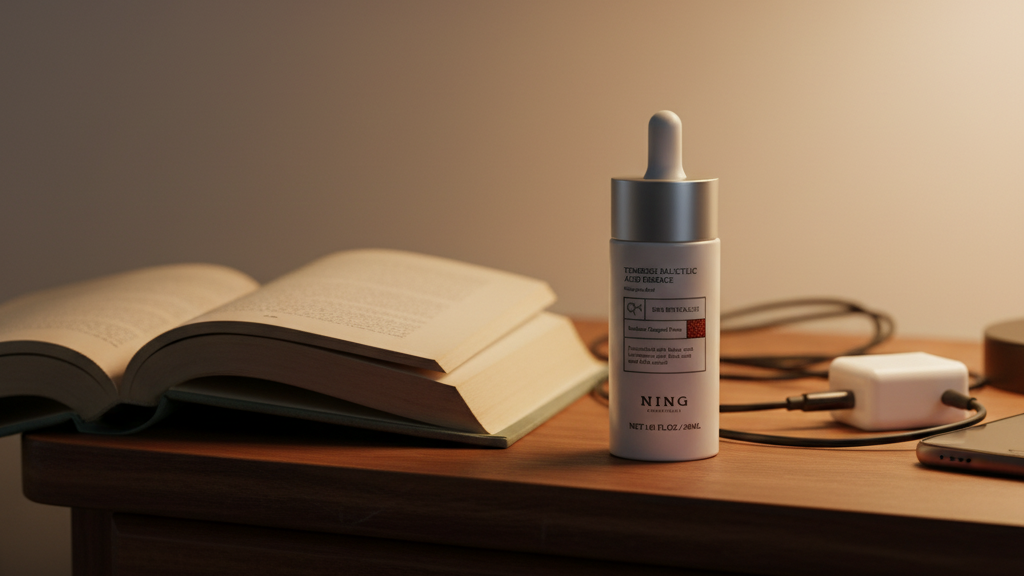

Beyond Acne: The Multifaceted Benefits of Salicylic Acid in Skincare
You look in the mirror, and despite a ten-step routine that costs more than your monthly car payment, your skin just looks… dull. Maybe it’s a cluster of stubborn blackheads that won't budge, or perhaps it’s that uneven, rough texture that makes your foundation look patchy by noon. Usually, when we talk about salicylic acid, the conversation immediately pivots to teenagers and hormonal breakouts. But if you’re only using this acid to zap a zit, you’re missing out on about 80% of what this powerhouse molecule can actually do for your overall skin.
At NING Dermologie, we’ve spent years analyzing why certain formulations fail while others transform. The secret isn't just about "killing bacteria"; it’s about deep-level structural maintenance. Whether you’re dealing with the first signs of aging or chronic congestion, understanding the benefits of salicylic acid is the first step toward a skincare routine that actually delivers on its promises.

What Actually Makes Salicylic Acid Different?
To understand how salicylic acid works, you have to look at its chemistry, but don't worry—we’ll keep it simple. Most people are familiar with alpha-hydroxy acid (AHA), like glycolic acid. AHAs are water-soluble; they sit on the surface and "unglue" dead skin cells. They’re great for a surface glow, but they can't get past your skin’s natural oils.
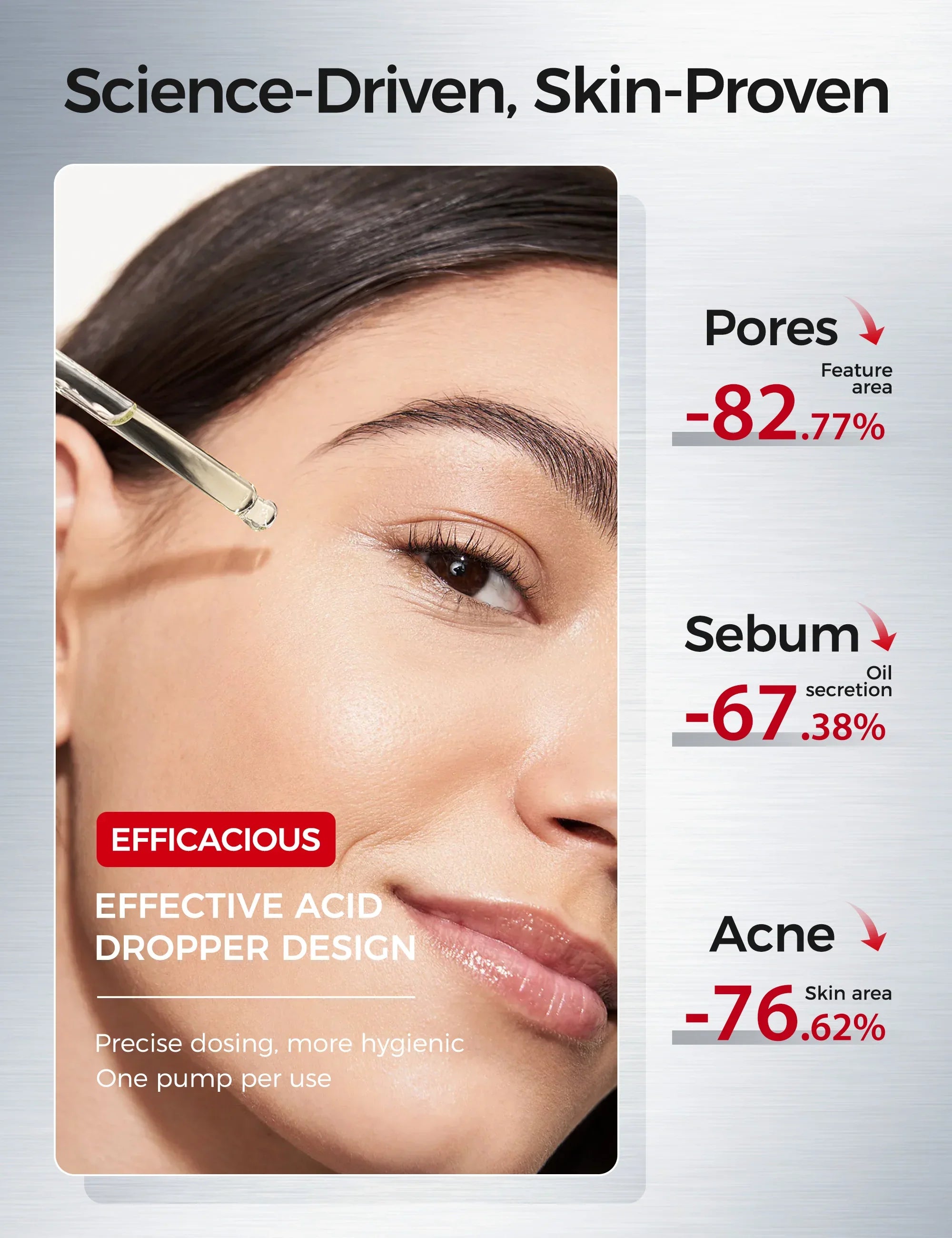
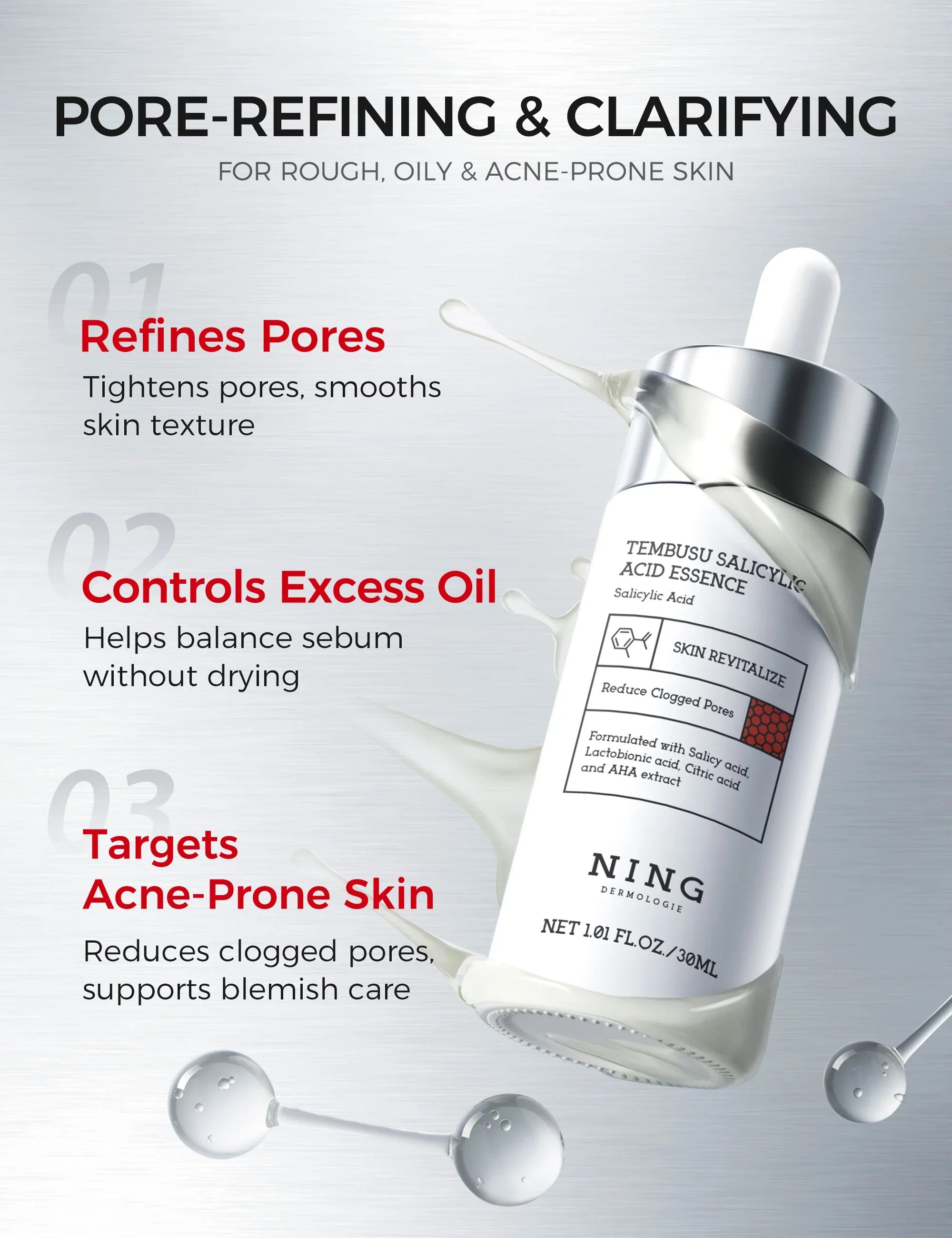
Salicylic acid is a beta-hydroxy acid (BHA), and its superpower is that it is oil-soluble. Think of your pores like narrow pipes. If those pipes are clogged with grease (sebum), a water-based cleaner is just going to slide right over the top. Because salicylic acid is a beta hydroxy compound, it can actually dive into the sebum and dead skin cells inside the pore. It dissolves the bonds between dead skin cells and the excess oil and dead skin that trap debris. This is what makes salicylic acid the gold standard for anyone with oily skin or acne-prone skin.
Beyond Acne: The Secret Weapon for Texture and Tone
While treating acne is its claim to fame, the use of salicylic acid offers a profound impact on skin health that has nothing to do with pimples. As we age, our natural exfoliation process—cell turnover—slows down. Dead skin cells linger on the surface longer, leading to a sallow, "gray" complexion and making fine lines look deeper than they really are.
When you incorporate salicylic acid into your regimen, you aren't just cleaning pores; you’re forcing the skin to renew itself. By gently removing dead skin cells from the top layer of the skin, salicylic acid helps reveal the healthier skin underneath. This process helps improve skin texture and tone, making the skin looking more vibrant and youthful.
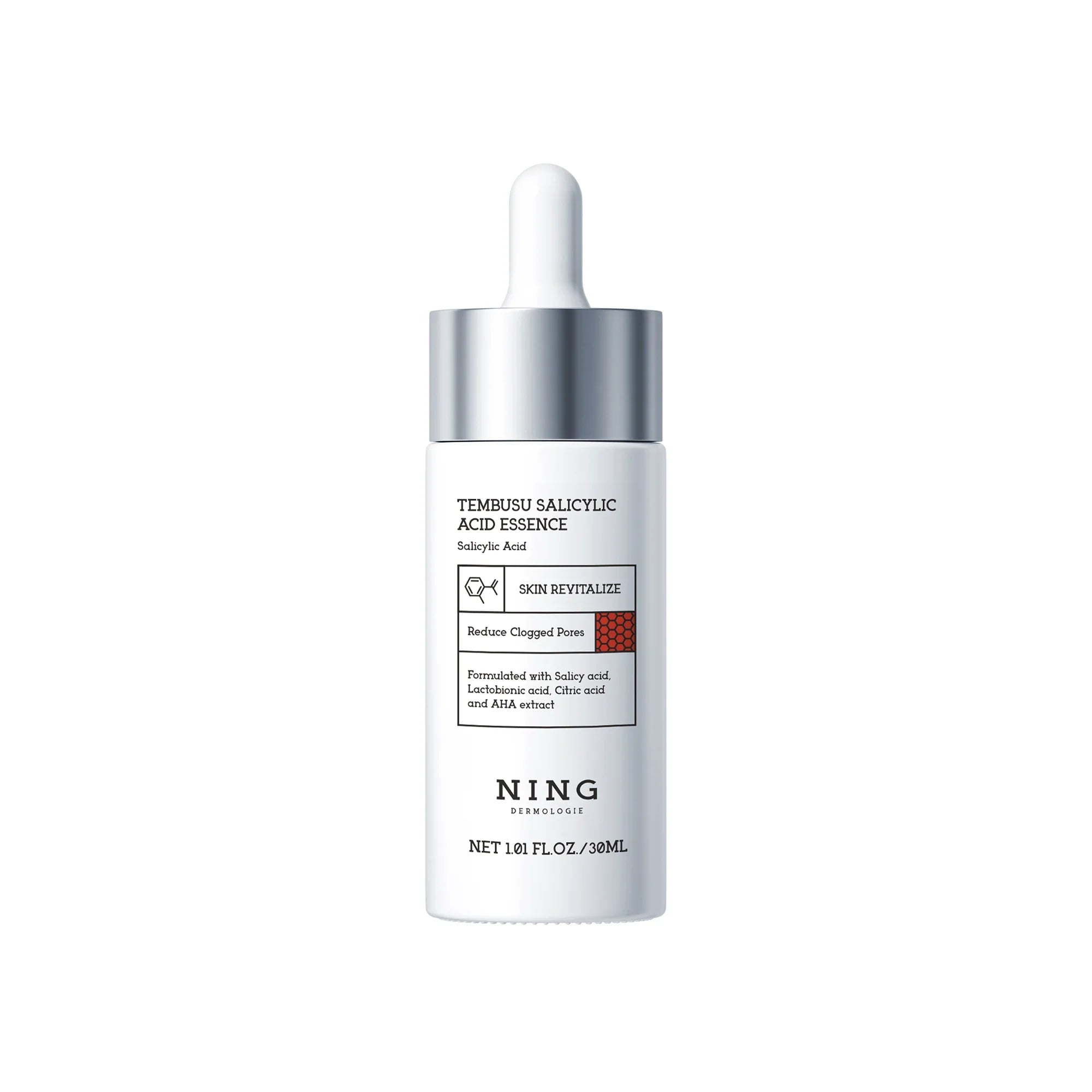
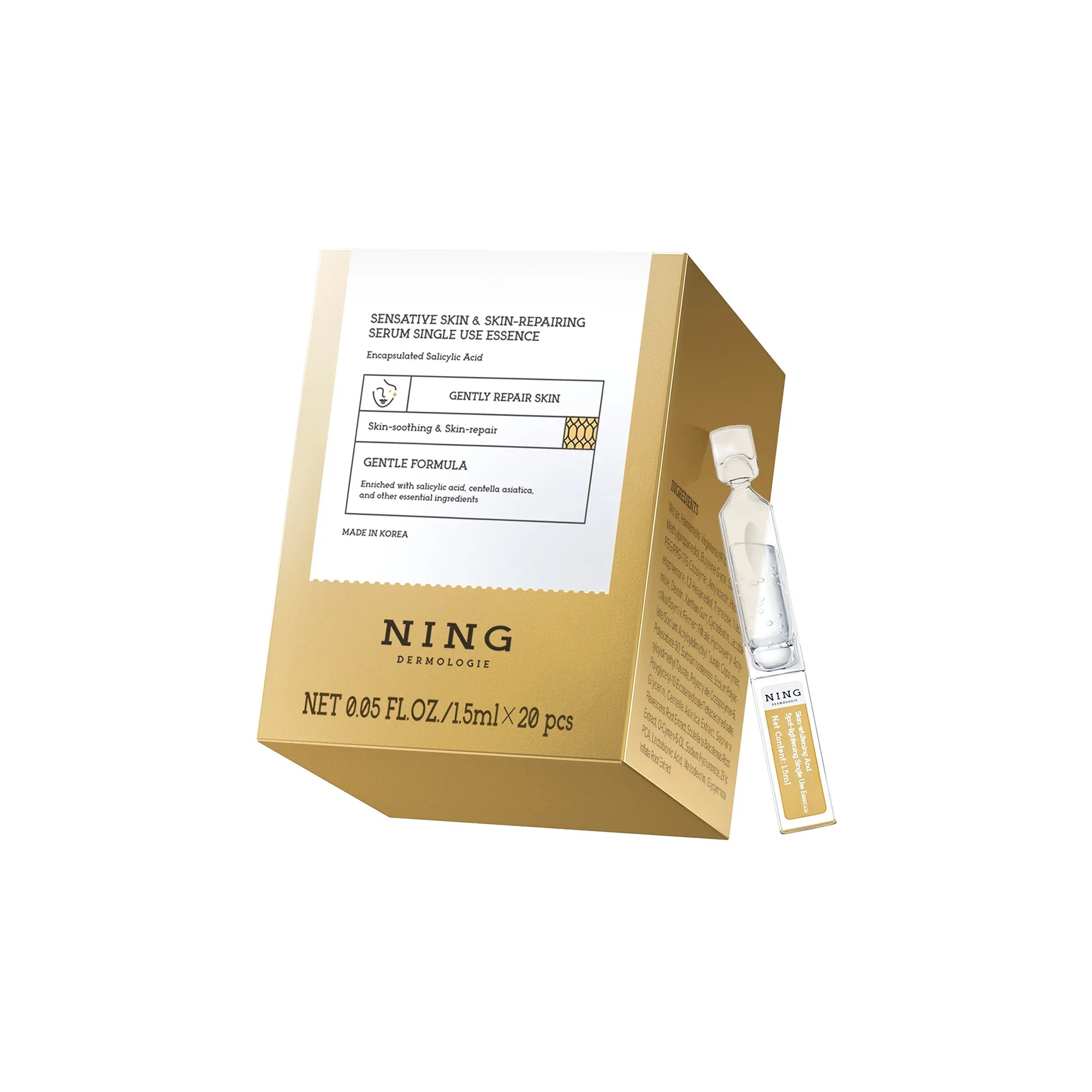
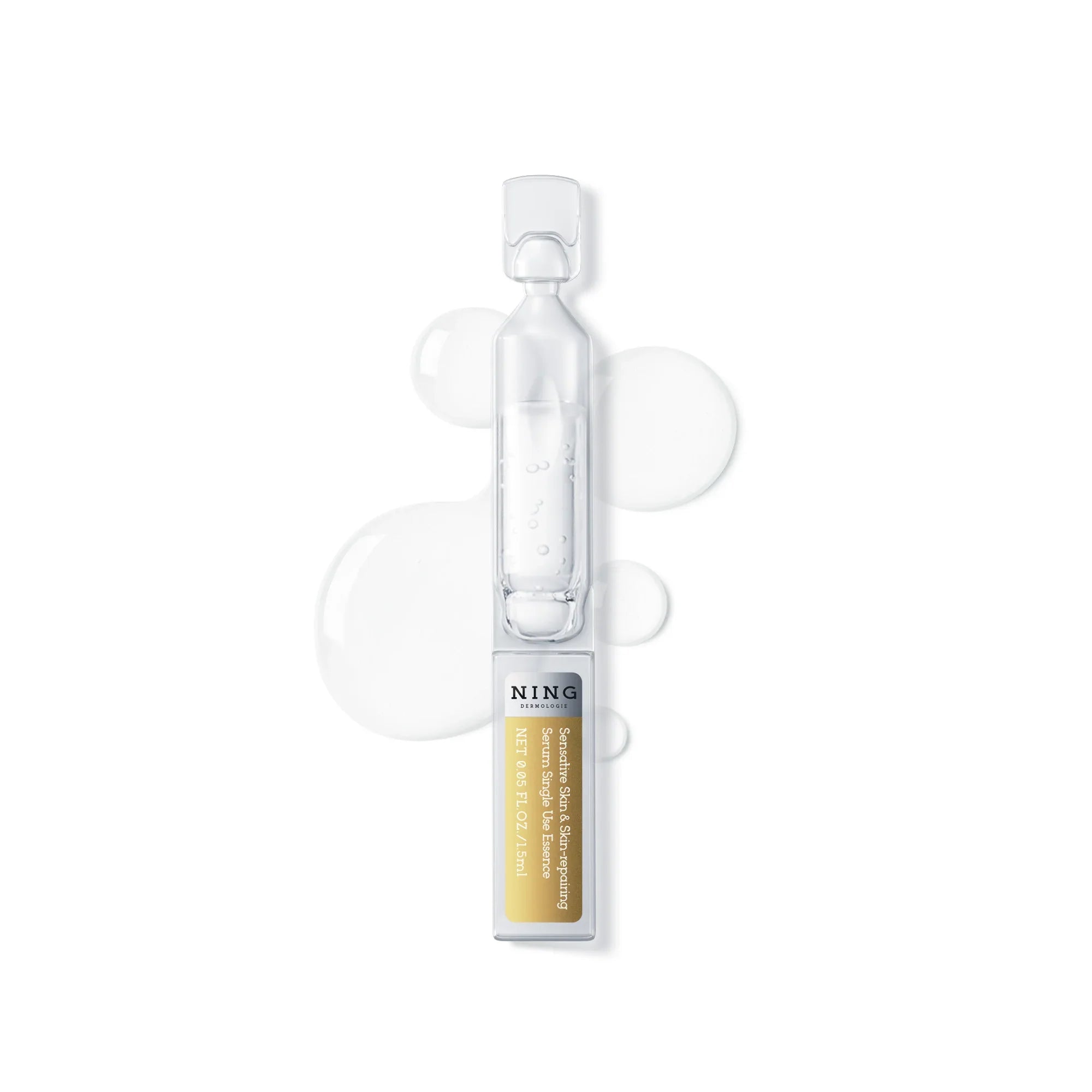
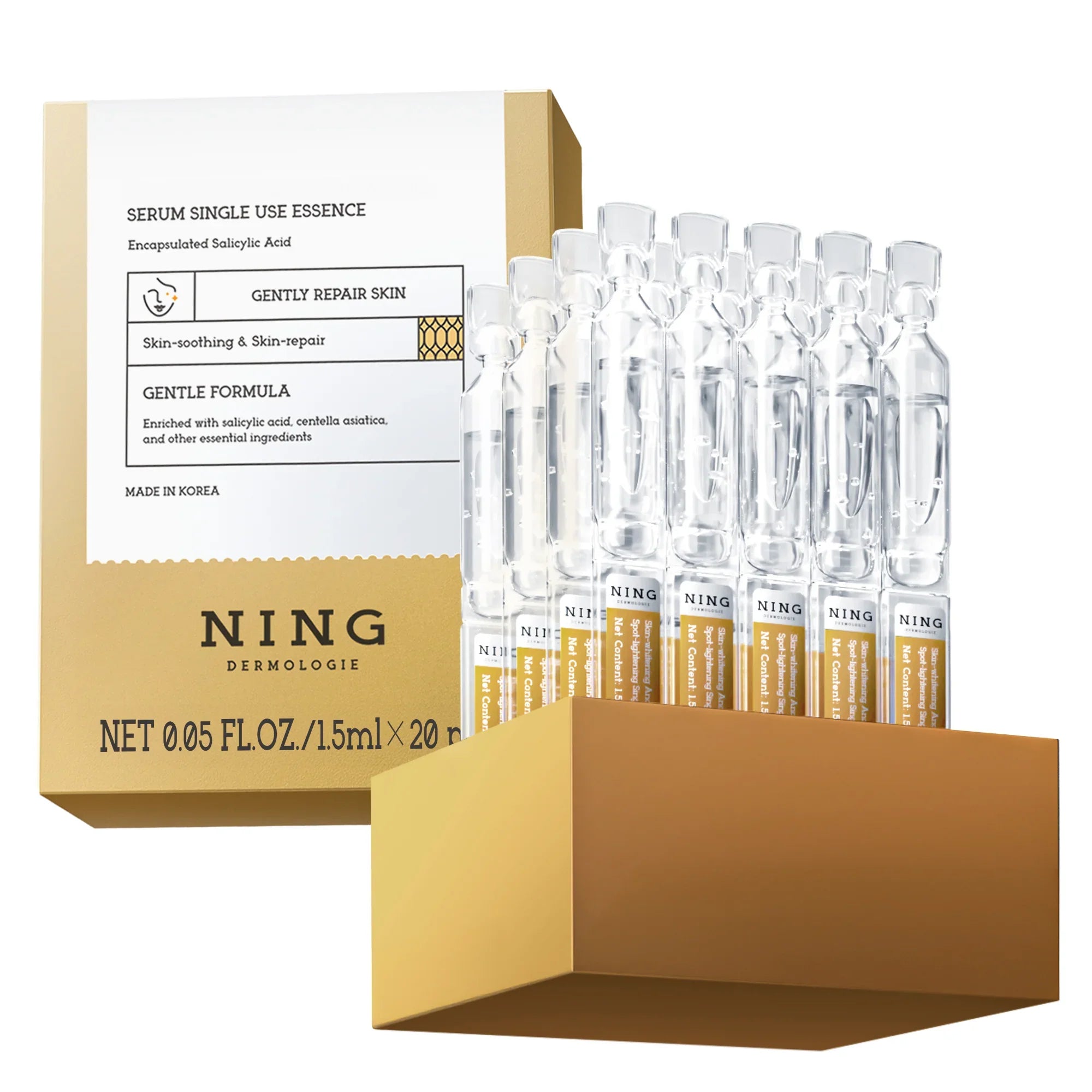
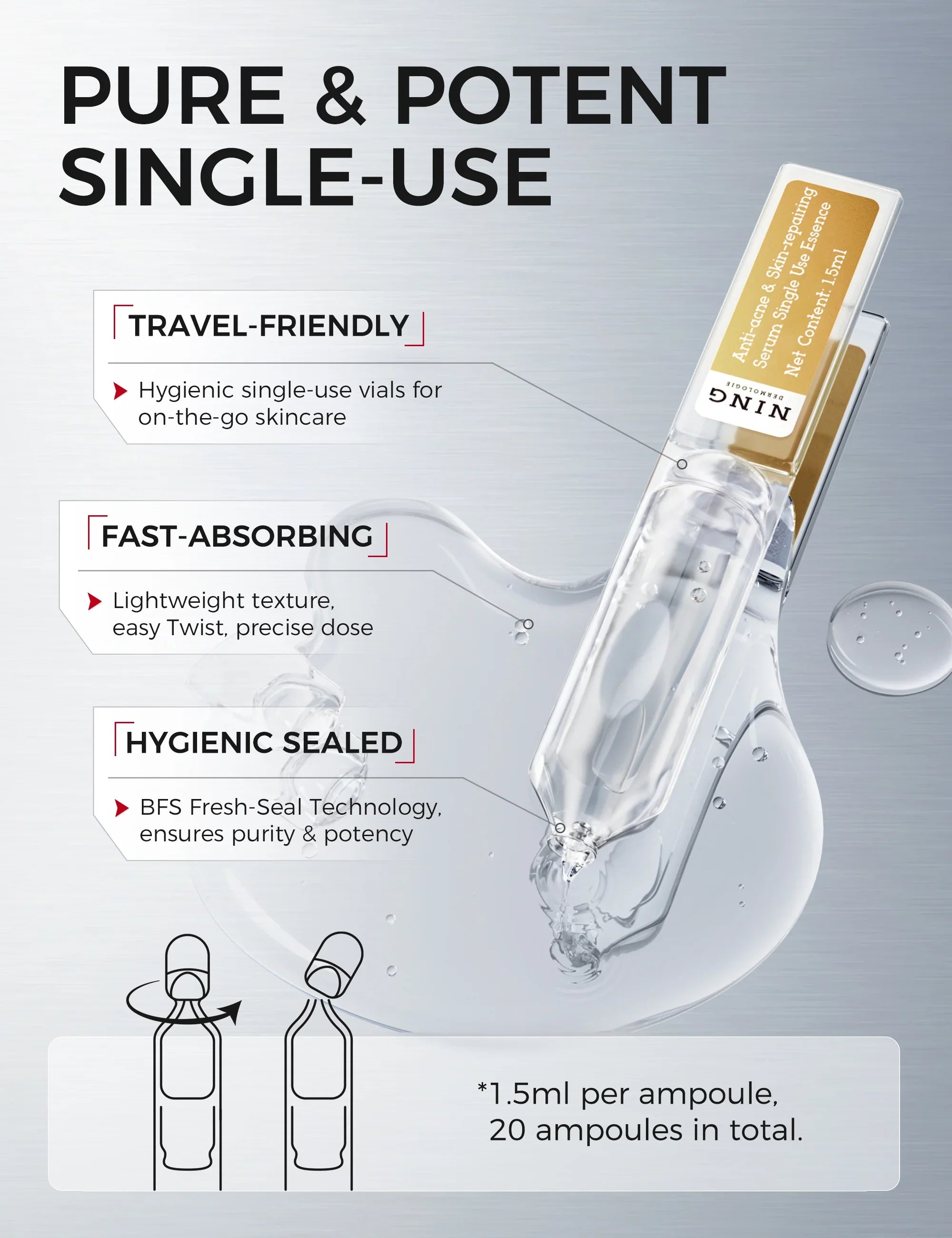
In fact, at NING Dermologie, we often recommend our 2% Salicylic Acid Serum for clients who don't even have acne but want to address "rough" skin. By dissolving the type of skin "glue" that keeps skin cells together, this acid can help you achieve a glass-like finish that physical scrubs simply can't match.
The Anti-Inflammatory Benefits You Didn’t Expect
It sounds counterintuitive: putting an acid on your face to reduce redness? But it’s true. One of the most overlooked benefits of salicylic acid is its chemical relationship to aspirin (acetylsalicylic acid). This means it carries inherent anti-inflammatory benefits.
For those dealing with skin concerns like rosacea or general "angry" skin, the right concentration of salicylic acid can actually calm the swelling often associated with acne and other irritations. It works by inhibiting the enzymes that trigger the inflammatory response. So, while it’s busy removing dead skin cells, it’s also soothing the overall skin environment. However, the key here is the salicylic acid product you choose—the formula must be balanced to prevent skin irritation.
How to Properly Use Salicylic Acid Without Wrecking Your Barrier
A common mistake is thinking "more is better." If a salicylic acid cleanser is good, then using it twice a day followed by a high-strength toner must be better, right? Wrong. Overusing any acid product into your routine can lead to dry skin and a compromised skin barrier.
If you’re ready to transform your skin, follow these guidelines:
-
Start Slow: If you have sensitive skin types or combination skin, start by using a salicylic acid treatment just twice a week.
-
The "Buffer" Method: If you’re worried about dry skin, apply your salicylic acid product after a light layer of moisturizer, or look for a serum that combines salicylic acid with soothing agents.
-
Hydration is Non-Negotiable: Always pair your BHA with hyaluronic acid. While the salicylic acid addresses the root cause of congestion, hyaluronic acid ensures your cells stay plump and hydrated. This prevents the "flaky" look that gives acids a bad reputation.
-
Check the pH: For salicylic acid to work effectively, the product needs a specific pH level (usually between 3.0 and 4.0). Our NING Dermologie 2% Serum is precision-engineered to stay in this "active zone" while maintaining a skin-friendly profile.
Selecting the Right Product for Your Skin Type
Not all skincare products are created equal. Depending on your skin type, the way you use salicylic acid will vary:
- Oily and Acne-Prone Skin: You can likely handle a leave-on salicylic acid product like a 2% serum. This stays on the skin longer, allowing the acid to penetrate deep into the sebum and dead skin cells.
- Sensitive Skin Types: You might prefer a salicylic acid cleanser. Because it’s a wash-off product, it provides the benefits of salicylic acid without the prolonged contact that might cause skin irritation.
- Dry Skin: Look for "spot treatments" rather than all-over applications. This allows you to target skin concerns like a localized breakout or blackheads on the nose without drying out your cheeks.
The Science of Pore Decongestion
Have you ever noticed those tiny gray dots on your nose? Most people call them blackheads, but they’re often actually sebaceous filaments—perfectly normal collections of oil. While you can't get rid of them forever, regular use of salicylic acid keeps them from turning into actual clogs.
Salicylic acid addresses the root of the problem by dissolving the type of skin debris that clogs pores and causes acne. Because it can travel into the follicle, it flushes out the skin debris that clogs pores before it has a chance to oxidize and turn black. This is why salicylic acid is best known for creating that "poreless" look.
Avoiding Side Effects and Maximizing Results
While the side effects of salicylic acid are generally mild, it’s important to pay attention to how your skin reacts. If you notice excessive peeling or a stinging sensation that lasts more than a few seconds, you might be using too high a concentration or using it too frequently.
Also, remember that salicylic acid can make your skin more sensitive to the sun. Even though it's not as photosensitizing as Retinol, you should never incorporate salicylic acid into your daily or weekly routine without a solid SPF. Salicylic acid helps remove the "shield" of dead skin, meaning the fresh cells underneath are more vulnerable to UV damage.
Why NING Dermologie is the Choice for "Beyond Acne" Care
We designed our 2% Salicylic Acid Serum to be more than just an acne treatment. By balancing the acid with skin-replenishing ingredients, we’ve created a formula that salicylic acid is suitable for a wider range of users. Whether you're trying to achieve youthful skin, manage combination skin, or simply want a smoother skin texture, our formula works to exfoliate the skin without the harshness often associated with acne products of the past.
When you apply salicylic acid from our line, you’re not just stripping the skin; you’re refining it. We believe that overall skin health comes from a balance of "active" intervention and "barrier" protection.

Conclusion: Ready to Transform Your Skin?
The benefits of salicylic acid are too vast to be pigeonholed into a "teenager only" category. From its anti-inflammatory benefits to its ability to improve skin texture, this beta-hydroxy acid is a versatile tool in any serious skincare routine. By removing dead skin cells, treating acne, and clearing skin debris that clogs pores, it sets the stage for every other product in your cabinet to work better.
If you’re ready to move beyond acne treatment and start seeing profound impact on skin health, it’s time to incorporate salicylic acid into your daily skincare (or weekly) habits. Explore the NING Dermologie 2% Salicylic Acid Serum and discover what your skin looks like without the debris holding it back.
Frequently Asked Questions (FAQ)
1. Can I use salicylic acid every day?
It depends on your skin type and the concentration of salicylic acid. For oily skin, a daily 2% serum like the one from NING Dermologie is often fine once the skin adapts. However, if you have sensitive skin types, start with 2–3 times a week. Always monitor for skin irritation or excessive dry skin, and scale back if your skin barrier feels tight or compromised.
2. Is it okay to mix salicylic acid with Vitamin C?
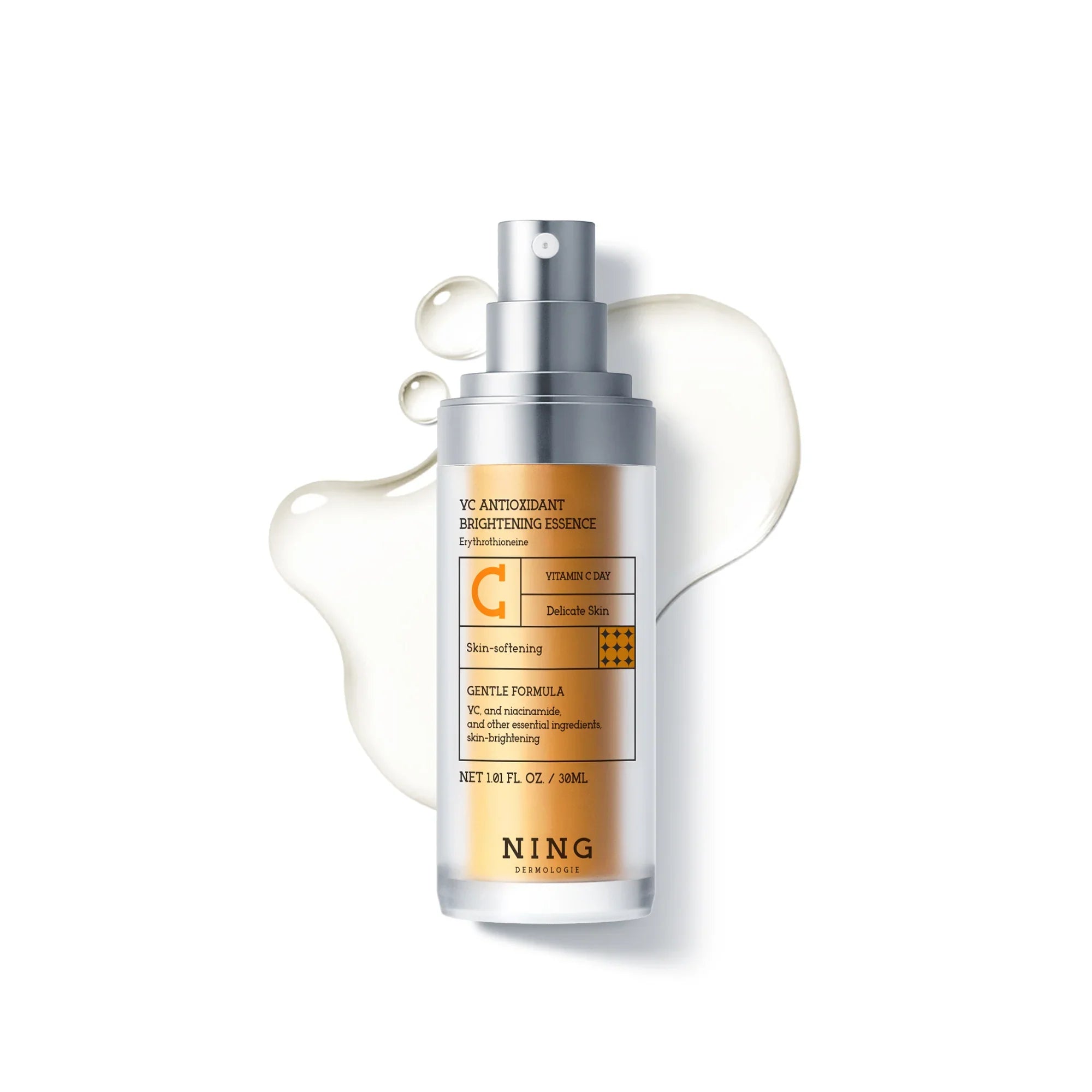
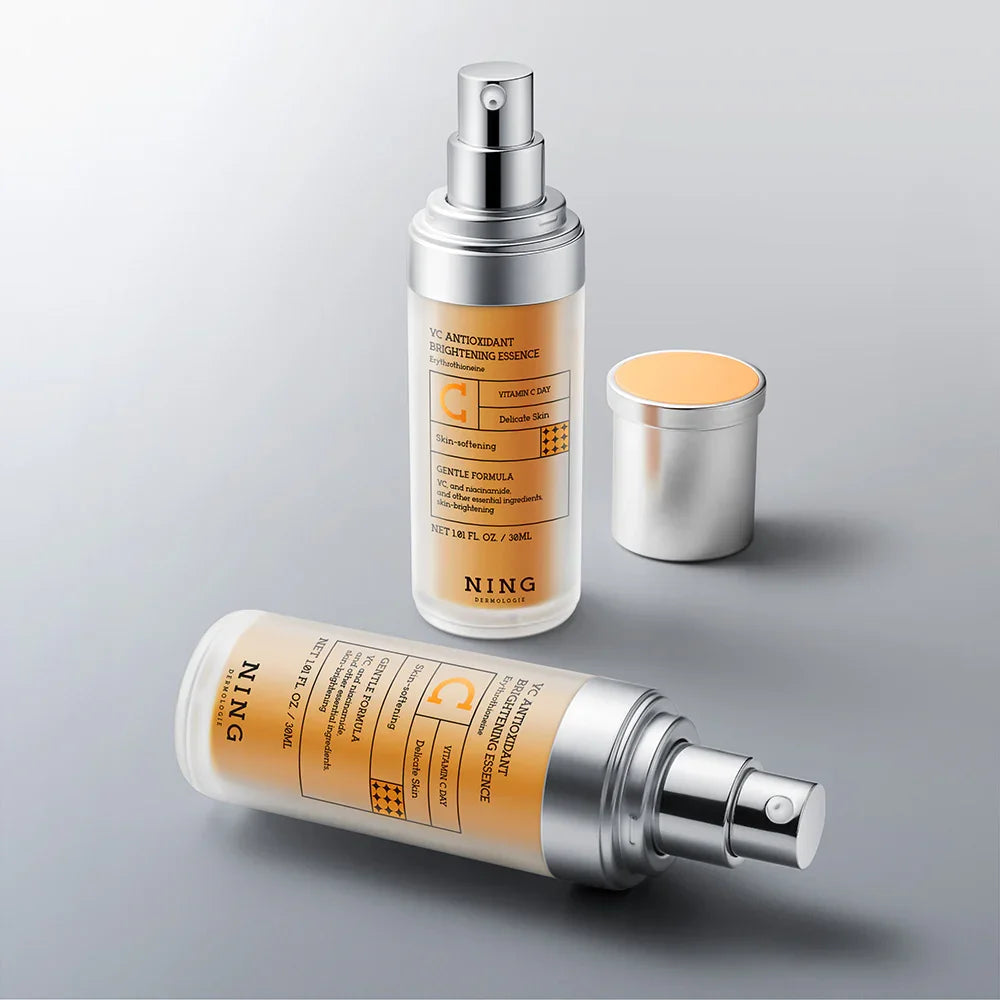
It’s generally better to separate them to avoid skin irritation. Both are actives that work at low pH levels, which can be overwhelming if layered together. Use your Vitamin C in the morning for antioxidant protection and use salicylic acid in your evening skincare routine to exfoliate the skin and clear out dead skin cells and sebum accumulated throughout the day.
3. Will salicylic acid help with my large pores?
Pore size is mostly genetic, but salicylic acid helps them appear much smaller. When pores are filled with excess oil and dead skin, they stretch out and become more visible. By dissolving the type of skin debris that clogs pores, a salicylic acid product keeps the "pipes" clear, allowing the pore to snap back to its natural, smaller appearance.
4. Can I use salicylic acid if I don't have acne?
Absolutely! Beyond acne treatment, BHAs are excellent for improving skin texture and addressing skin concerns like dullness and rough patches. Because salicylic acid addresses the root of cell buildup, it helps maintain youthful skin and a smoother skin surface. It is a fantastic preventative tool for anyone looking to maintain overall skin health and radiance.
5. How long does it take to see results?
Honestly? It’s a bit of a split timeline. If you’re just trying to shrink a red, angry zit, you’ll likely see it flatten out within 48 hours. But for that "filtered" skin texture or fading dark spots? You’ve got to be patient. It takes about a month for your skin to physically replace itself. Stick with the routine for at least 6 weeks—that’s when the real, visible transformation kicks in.





Share:
How Salicylic Acid Works: The Chemistry Behind Acne Reduction
Improve Your Skincare Routine: Must-Have Salicylic Acid Serums of the Year