



The Power of Clay: How Clay Masks Can Transform Your Skincare Routine
Looking in the mirror after a long, stressful week only to find that your pores have decided to host a "congestion party" right on your nose. Your skin feels heavy, looks dull, and your usual moisturizer just seems to be sitting on the surface. When your complexion hits this wall, it’s usually a sign that your daily cleanser isn't enough. It’s time to call in the heavy lifters.
Enter the clay mask. While it might feel like a modern spa trend, using clay in skincare is an ancient practice that has survived centuries for one simple reason: it works. But if you think a clay face mask is just a thick mud that cracks on your face while you scare your dog, you’re missing out on the nuance.
From the detoxifying power of clay to its ability to leave you with radiant skin, let’s dive into why adding a clay mask to your skincare routine is the upgrade your face has been begging for.

Why Your Pores Are Obsessed with Clay
At its core, a clay mask functions like a biological vacuum cleaner. Most clay masks for your skin are formulated with minerals that carry a negative electrical charge. Why does this matter? Because many of the impurities trapped in your pores—like toxins, heavy metals, and certain bacteria—carry a positive charge.
When you apply a natural clay mask, it acts as a magnet, literally drawing out impurities from deep within the skin. As the mask dries, it binds to excess oil and dead skin cells, lifting them away as you rinse. This process doesn't just "clean" your face; it resets your skin health at a microscopic level.
The Science of "The Three Phases"
To truly transform your skincare, you have to understand how a mask actually works on your skin. It’s not just "wet" then "dry." There are three distinct stages:
-
The Damp Phase: This is when your skin drinks in the minerals that nourish your skin.
-
The Cooling Phase: The mask begins to dry, stimulating blood flow and contracting your pores.
-
The Dry Phase: This is where things get risky. If you let the clay mask crack and crumble, it begins to suck moisture out of your skin, leaving your skin feeling tight and irritated.
The pro tip? Wash it off when it’s still slightly tacky to the touch. Your skin type will thank you.
Finding the Right Type of Clay for Your Skin
Not all clays are created equal. If you use a heavy bentonite clay mask on dry skin, you’ll likely end up red and flaky. Conversely, a gentle kaolin mask might not be enough for someone dealing with a serious "oil slick" situation.
1. Bentonite Clay: The Heavyweight Champion
If you have oily skin or acne-prone skin, bentonite is your best friend. Derived from volcanic ash, it is incredibly absorbent. It’s the go-to clay mask for acne because it is unparalleled at absorbing oil from your skin and calming inflammatory breakouts.
2. Kaolin Clay: The Gentle Refiner
Kaolin clay (often found as white, pink, or rose clay) is the gentlest of the bunch. It doesn't strip the skin, making it perfect for sensitive skin or dry skin types. It focuses more on mild exfoliation and boosting circulation to give you that coveted glowing skin.
3. Green Clay (Illite): The Detox Specialist
Green clay is famous for its "de-gunking" abilities. It’s rich in decomposed plant material and phytonutrients. It’s a fantastic middle ground for combination skin, helping to balance the T-zone without over-drying the cheeks.
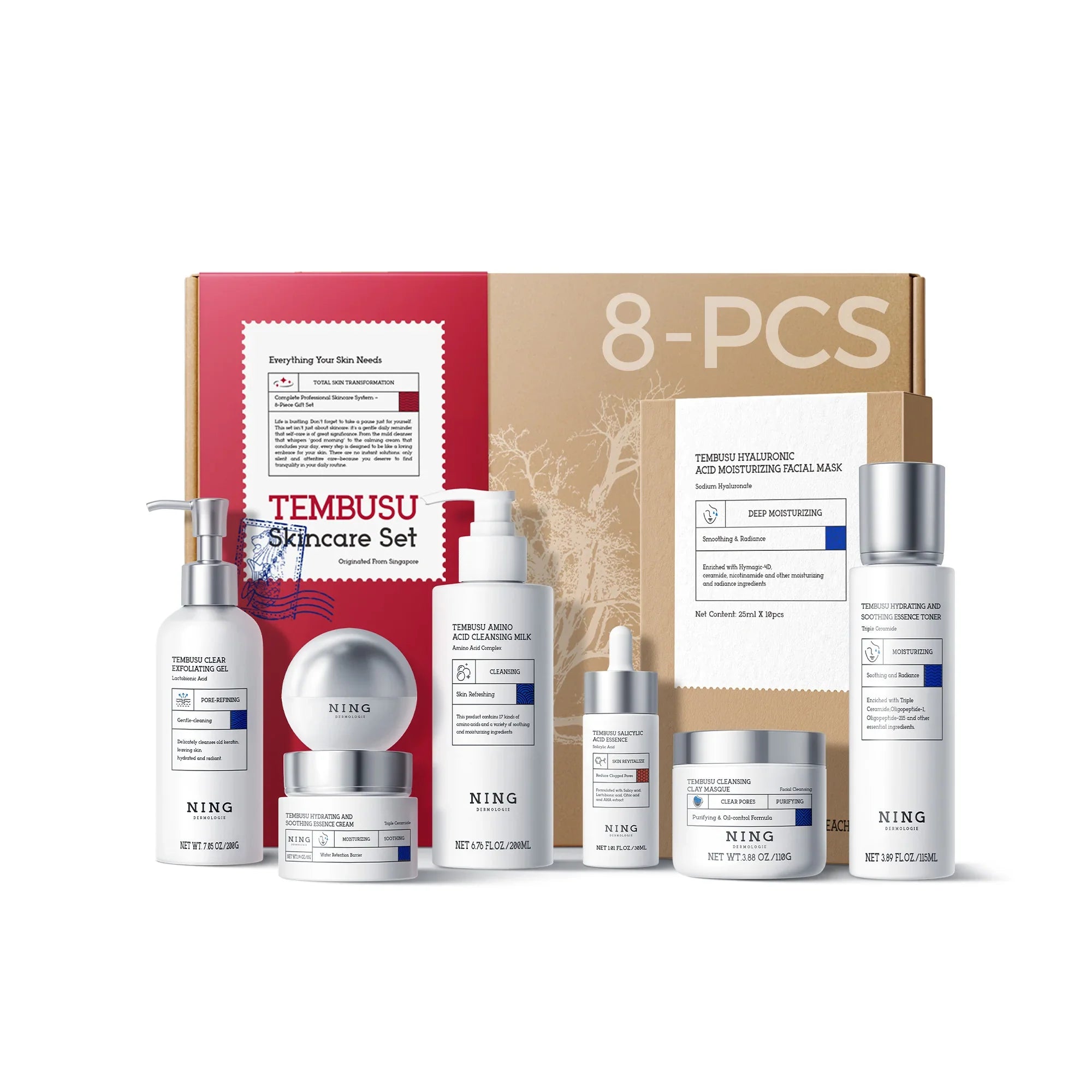
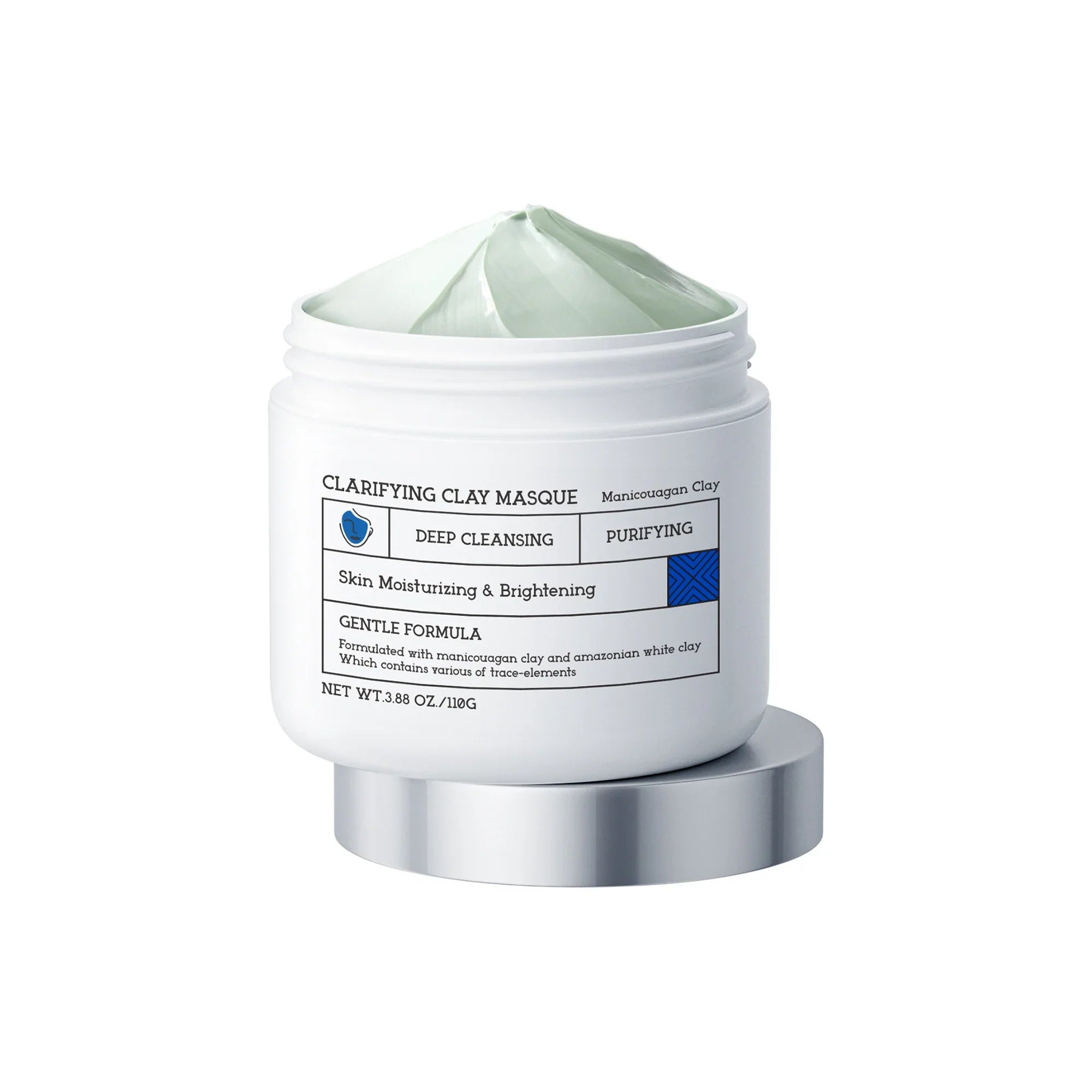
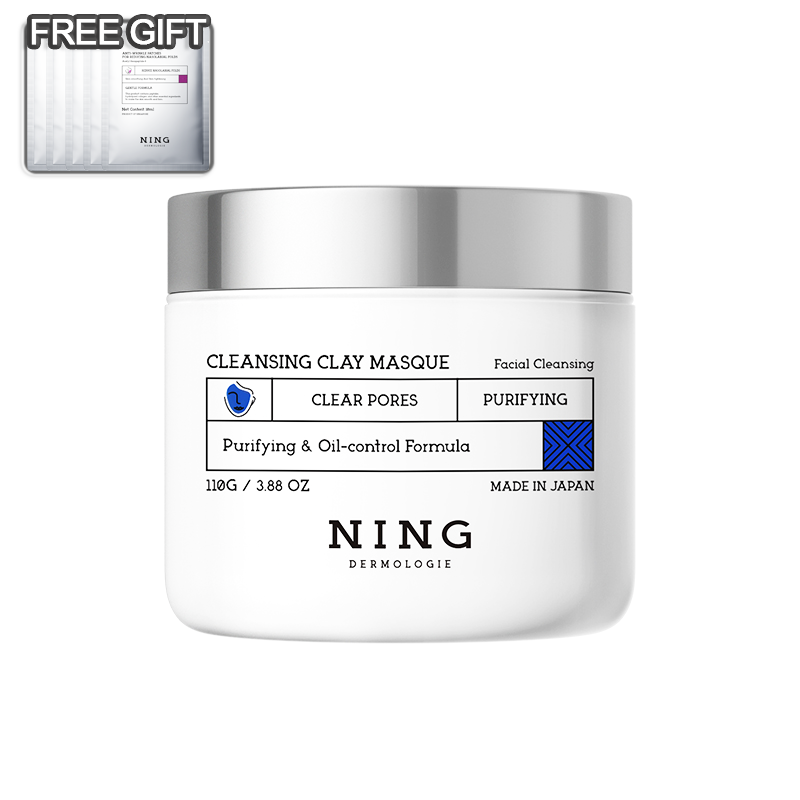
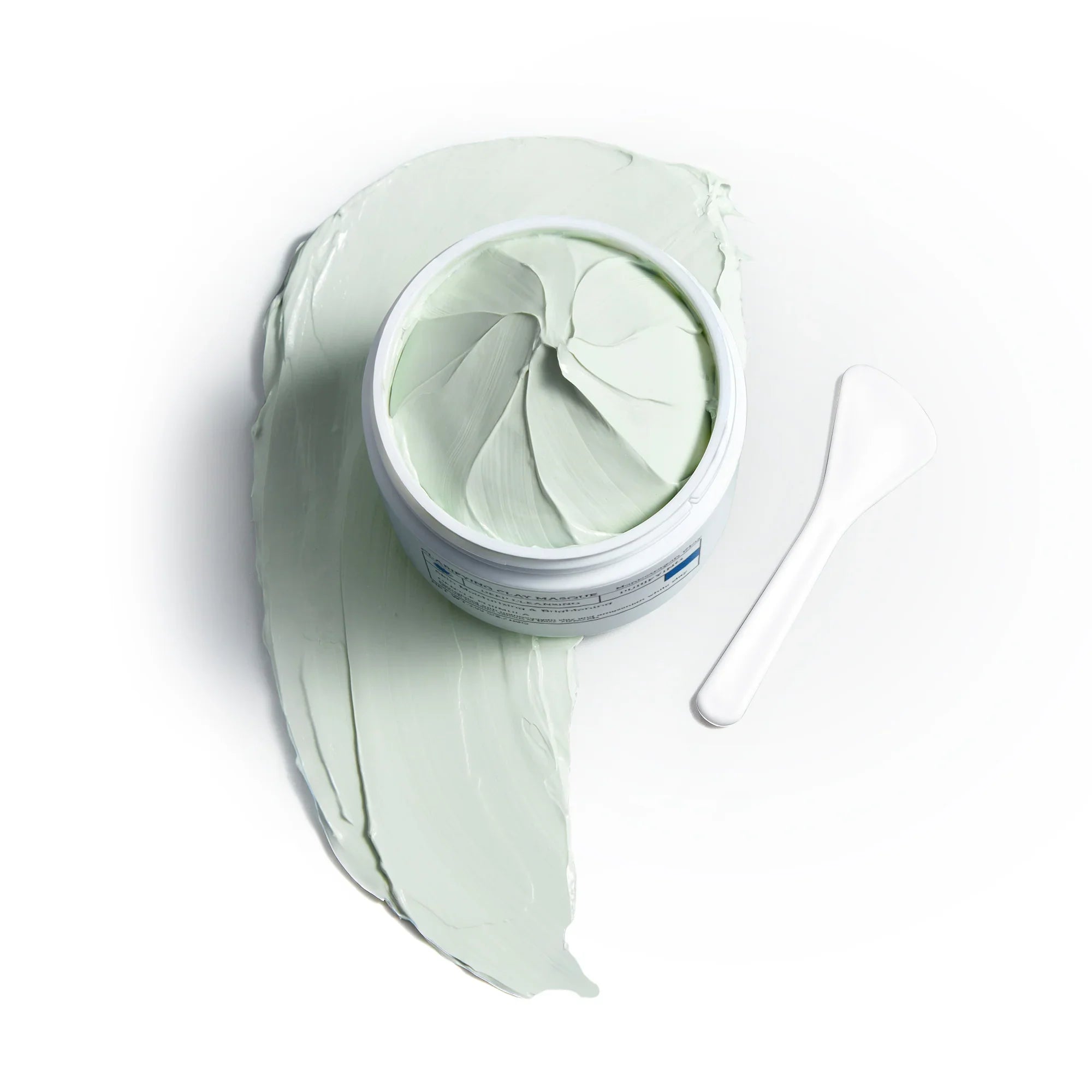
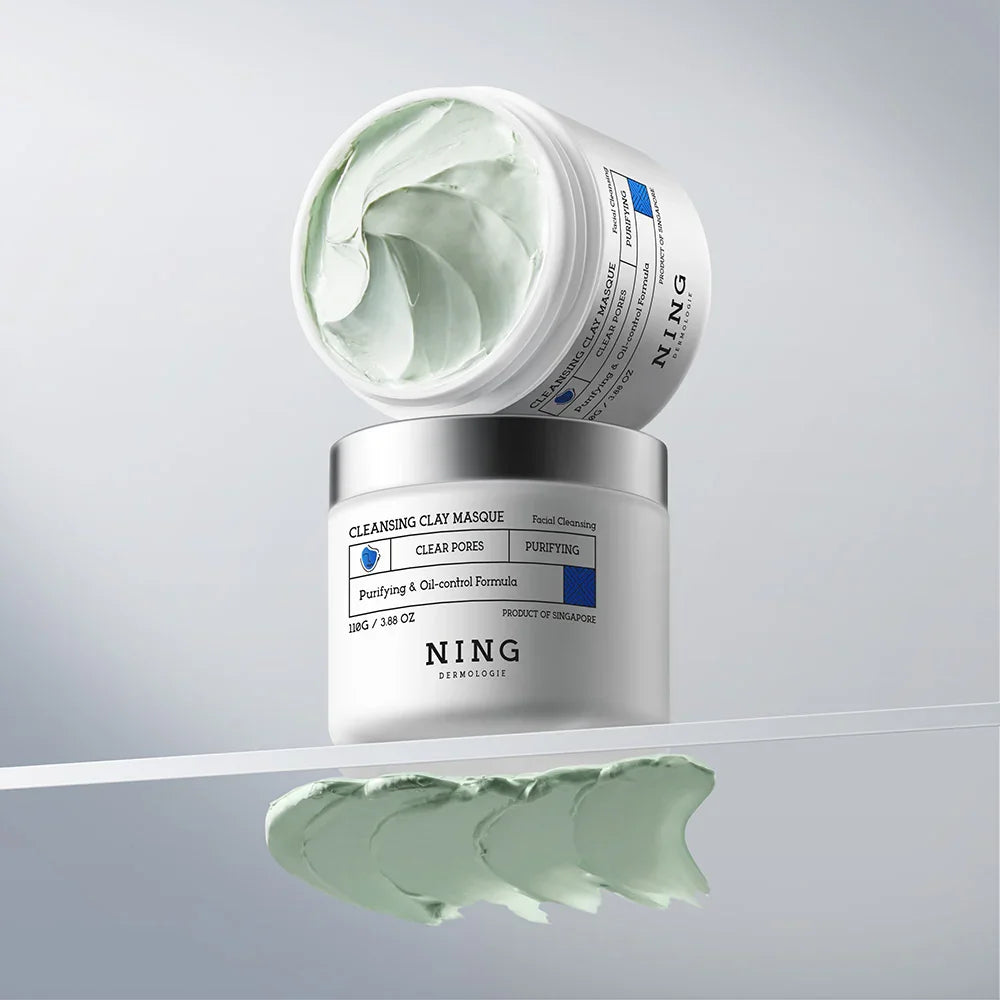
For those with particularly reactive complexions, we developed the NING Dermologie Clay Mask for Sensitive Skin. It utilizes a sophisticated blend of natural clay that targets pores without compromising the skin barrier—a common pitfall of many high-street clay masks.
The Transformative Benefits of Clay Masks
Why should you bother adding an extra 15 minutes to your skincare routine? The benefits of clay go far beyond just a deep clean.
Refined Complexion and Pore Clarity
When excess oil and dead skin cells sit in your pores, they oxidize and turn into blackheads. By using a clay mask regularly, you prevent this buildup. The result? A complexion that looks smoother and pores that appear significantly smaller.
Instant Radiance
Because clay masks help increase blood circulation to the surface of the skin, you’ll notice an immediate "flush" of health after rinsing. This oxygenation is what leads to radiant skin.
Better Absorption of Other Products
Think of a clay mask as "clearing the runway." Once you've used a clay face mask to remove the barrier of dead skin cells, your serums and moisturizers can penetrate much deeper. Using a clay mask to your skincare routine actually makes the rest of your skincare products work harder.
Expert Note: Maintaining a clean skin surface is essential for preventing acne and maintaining overall skin health, making deep-cleansing tools like clay masks vital for those in high-pollution urban areas.
How to Incorporate a Clay Mask Without Wrecking Your Barrier
One of the biggest mistakes people make is daily use. Unless the product specifically says otherwise, clay masks are made for periodic treatment.
- For Oily Skin: Use a bentonite clay or green clay mask twice a week or three times a week.
- For Dry or Sensitive Skin: Stick to a kaolin-based mask like the NING Dermologie formula once a week or even once every two weeks.
- For Combination Skin: Try "Multi-masking." Apply a stronger clay to your nose and forehead, and a hydrating mask or a gentle rose clay to your cheeks.
Step-by-Step for Best Results:
-
Cleanse: Always start with a clean clay face. You don't want the mask to have to fight through makeup to get to your pores.
-
Apply: Use a brush or clean fingers to spread a thin, even layer. You don't need a half-inch of mud; a thin layer ensures even drying.
-
Wait (But Not Too Long): Wait about 8-10 minutes. If it starts to crack, you’ve waited too long.
-
Remove: Use lukewarm water. Avoid scrubbing aggressively, as the clay dries and can become abrasive. Let the water do the work of re-hydrating the clay first.
-
Restore: Immediately follow up with a hydrating serum or oil to lock in moisture.
Common Misconceptions About Clay in Skincare
Many people avoid using clay because they fear it will dry out your skin or cause irritated skin. While it’s true that some clay masks dry very aggressively, modern formulations (like those at NING Dermologie) often include soothing ingredients like aloe, allantoin, or specialized minerals to ensure the mask to your face remains comfortable.
Another myth is that clay masks also "shrink" pores permanently. While no product can change your genetic pore size, by keeping them empty, they look smaller. A clogged pore is a stretched pore; a clean pore is a tight pore.
Research on topical minerals consistently shows that the ion exchange facilitated by natural clays helps stabilize the skin's surface and remove environmental pollutants that standard surfactants might miss.

Final Thoughts: The NING Dermologie Difference
At NING Dermologie, we believe that clay masks offer a unique opportunity for "mindful skincare." It’s a moment to slow down. Our Sensitive Skin Clay Mask was specifically engineered to provide the benefits of using a clay mask—the detox, the glow, the smoothness—without the "desert-dry" feeling that haunts many traditional formulas.
By choosing a good clay that respects your skin's natural oils, you can transform your skincare routine from a chore into a ritual.
Frequently Asked Questions (FAQ)
Q1: Can I use a clay mask if I have very dry skin?
Yes, but you must be selective. Avoid high concentrations of bentonite and look for kaolin or rose clay. These types cleanse your skin without aggressive oil stripping. Limit use to once every 10 days and never let the mask dries to the point of cracking.
Q2: Why does my skin feel itchy while the mask is on?
That "itchy" or "crawling" sensation is usually just the clay doing its thing. As the water evaporates, the mask physically contracts, which pulls on your skin and tingle. It’s a sign of increased circulation. However, there's a fine line: if it transitions from a "weird tingle" to a "burning sting," your skin is screaming at you. If that happens, don't wait for the timer—rinse it off immediately with cool water. You might be dealing with a compromised barrier or an ingredient that’s too aggressive for you.
Q3: Should I exfoliate before using a clay mask?
Honestly? I’d say skip the scrub. Clay is already a natural exfoliant—it grabs onto dead skin cells and hitches them away when you rinse. If you use a physical scrub or a strong acid right before the mask, you’re basically asking for redness and irritation. Think of it as "double-dipping" on exfoliation; it’s just overkill. Let the NING Dermologie mask handle the heavy lifting for one night, and save your other exfoliants for later in the week.
Q4: Can I leave a clay mask on overnight?
Please, don't. I know the "more is better" mindset is tempting, but clay isn't a sleep mask. If you leave it on for hours, it’ll go past absorbing surface oil and start sucking the essential moisture out of your deeper skin layers. You’ll wake up with a face that feels like parchment paper and looks incredibly stressed. 10 to 15 minutes is the "sweet spot"—any longer and you’re just inviting a breakout from a damaged moisture barrier.
Q5: Are clay masks good for "maskne"?
They’re actually a lifesaver for it. "Maskne" is basically a cocktail of trapped breath, sweat, and friction. Using a clay mask twice a week acts like a deep-clean for those specific "suffocated" areas around your jaw and chin. It helps clear out the bacterial gunk before it turns into a full-blown cystic spot. Just make sure to follow up with a light, non-comedogenic moisturizer so your skin doesn't overcompensate by producing even more oil.





Share:
2026 Beauty Essentials: The Skincare Sets You Cant Miss
The Ultimate Guide to Choosing the Right Clay Mask for You