



Beyond the Glow: Finding the Best Vitamin C Serum to Fade Dark Spots and Fix Uneven Skin Tone
Leaning into the bathroom mirror, inspecting that one stubborn dark spot that survived the summer, or wondering why our skin looks "muddy" despite a ten-step routine. If you’ve been hunting for a way to even out skin tone, you’ve likely been told that a vitamin c serum is the holy grail.
But here’s the frustrating truth: the world of vitamin c serums is messy. Some smell like hot dog water (looking at you, Ferulic acid), some turn orange before you’re halfway through the bottle, and others do absolutely nothing but sting your face. In this guide, we aren’t just listing products; we’re breaking down what actually works for dark spots and fine lines in 2026, and how to find the best fit for your specific skin type.

Why Your Current Vit C Might Be Failing You
Before we dive into the 6 best vitamin c serums, we need to talk about why most "brightening" products end up in the trash. Most brands use pure vitamin c (L-ascorbic acid). While it’s the most researched form of vitamin c, it’s notoriously unstable. Heat, light, and air turn it into a useless, oxidizing mess.
If you’ve ever used a brightening serum and noticed your skin looking more irritated than radiant, it might be the pH level. L-ascorbic acid needs a very low pH to penetrate the skin barrier, which can be a nightmare for sensitive skin types.
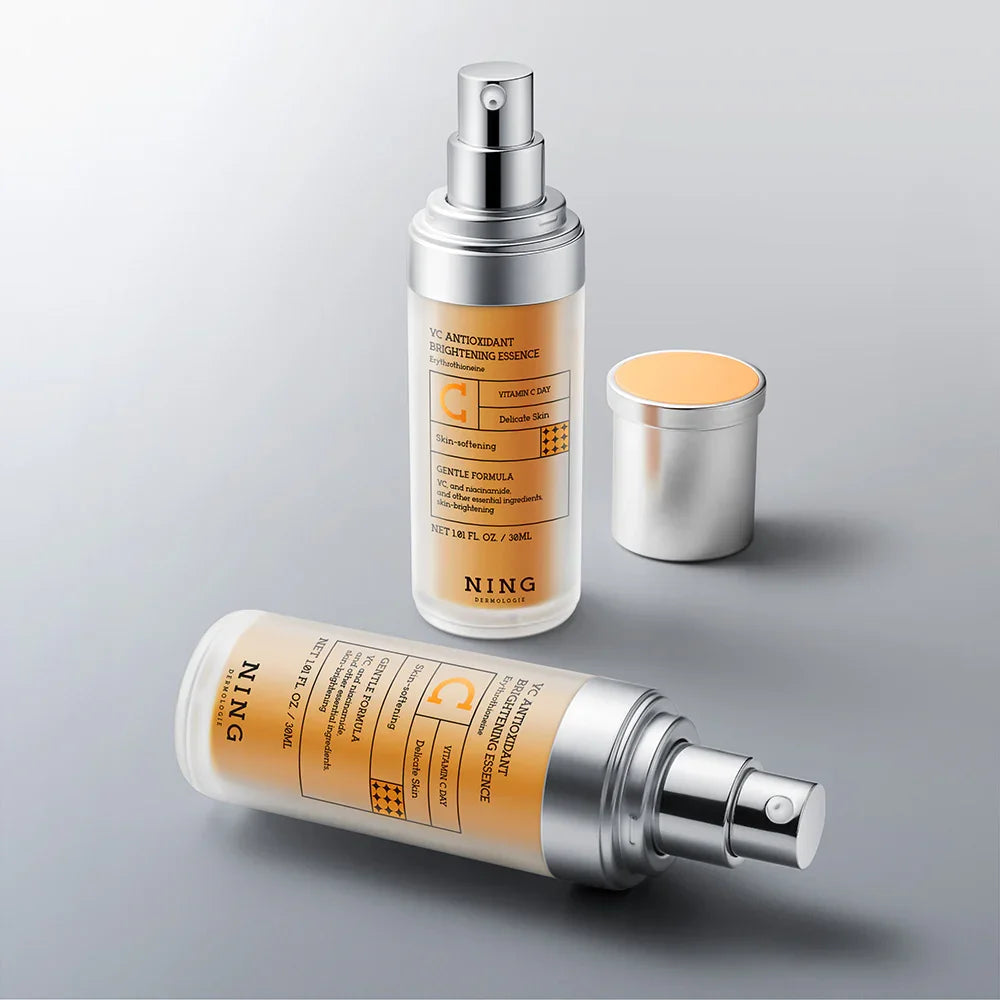
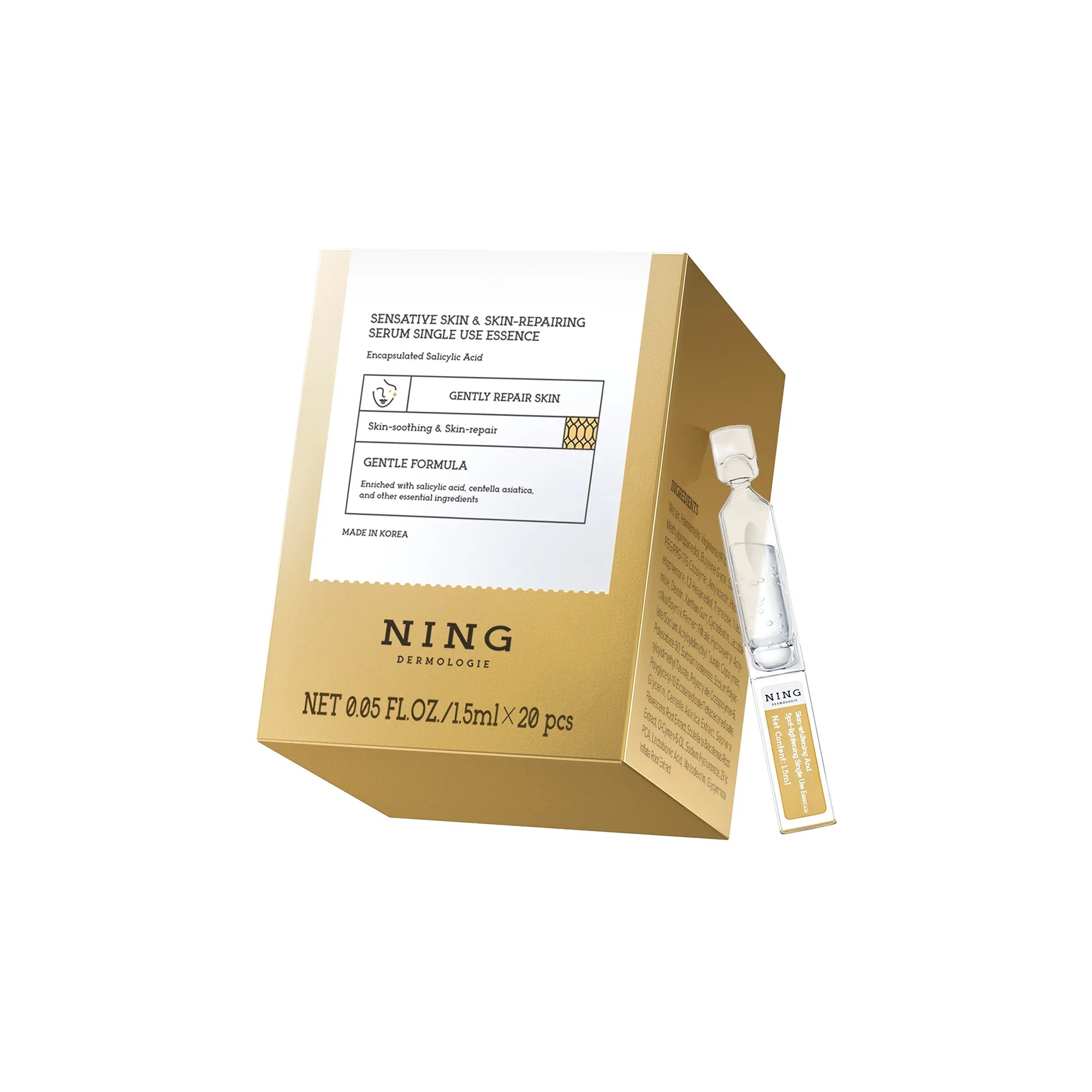
This is where modern formulations, like the NING Dermologie Vitamin C Serum, change the game. By using vitamin c derivatives like Ethyl Ascorbic Acid, you get the same brighten skin results without the "red face" side effect. It’s about being smart, not just strong.
The Deep Dive: 6 Best Vitamin C Serums of 2026
When we tested these, we looked at stability, the skin feel, and how quickly we noticed my skin actually changing. Here is the definitive list for fading dark spots.
1. Skinceuticals C E Ferulic (The Expensive Icon)
Let’s address the elephant in the room. Skinceuticals C E Ferulic is the dermatologist favorite for a reason. It’s formulated with vitamin c (15% L-ascorbic), 1% vitamin e, and 0.5% ferulic acid.
- The Pro: It’s a powerhouse for firmer skin and neutralizing environmental damage.
- The Con: It costs a small fortune and has a very distinct, metallic scent.
- Best For: Normal skin or those with a high budget who don't mind a tacky skin feel.
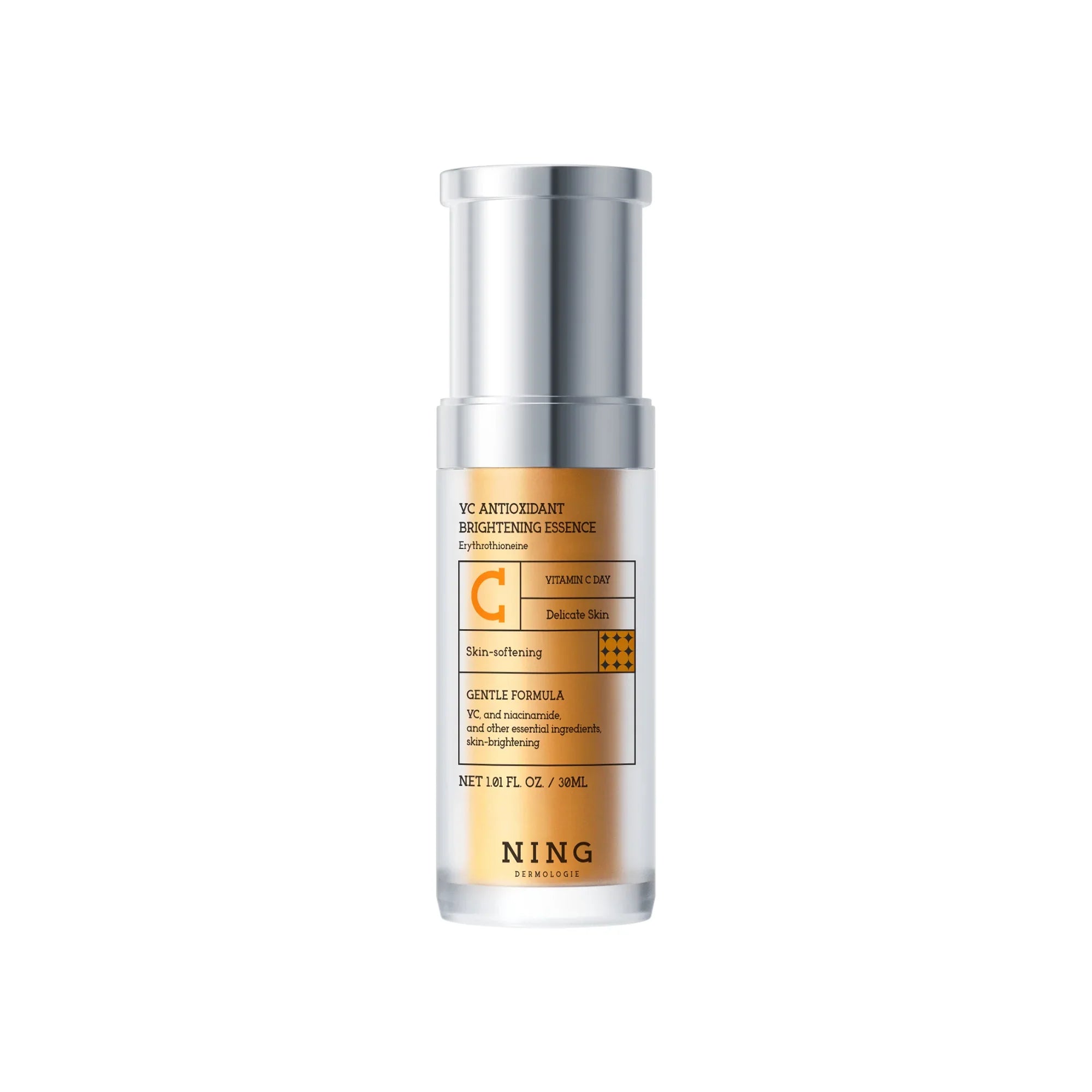
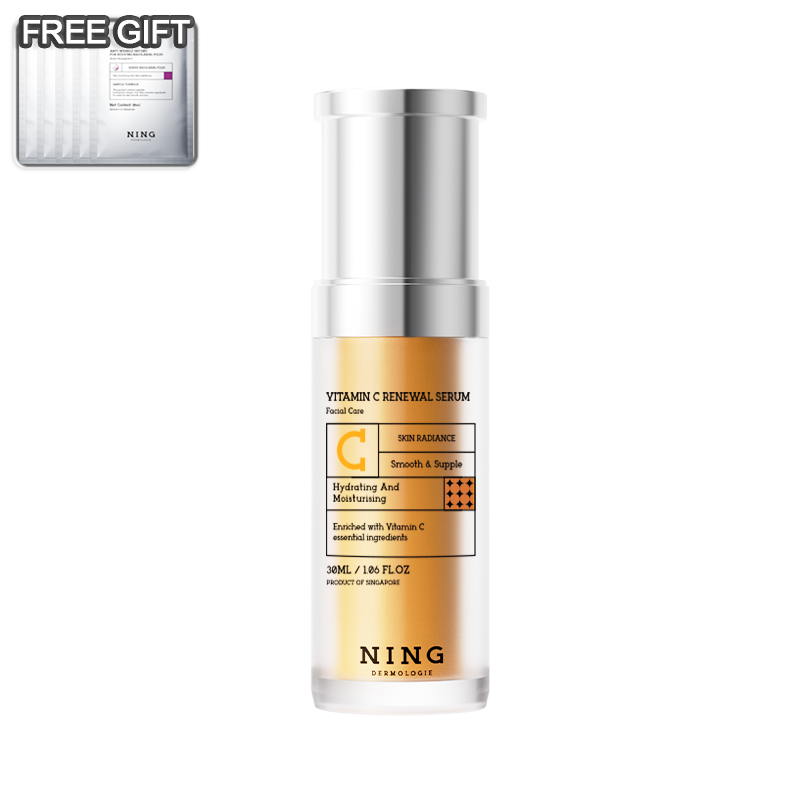
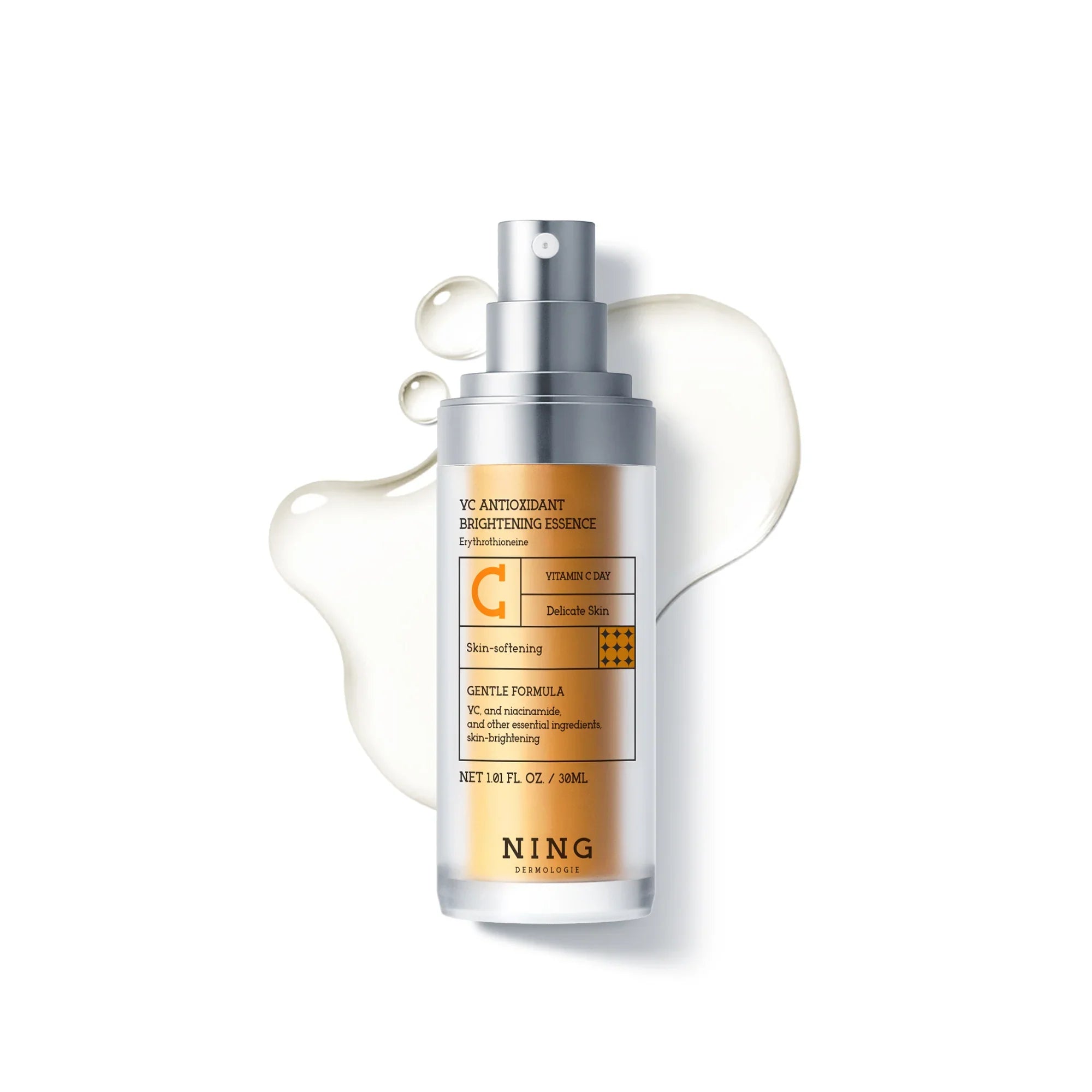
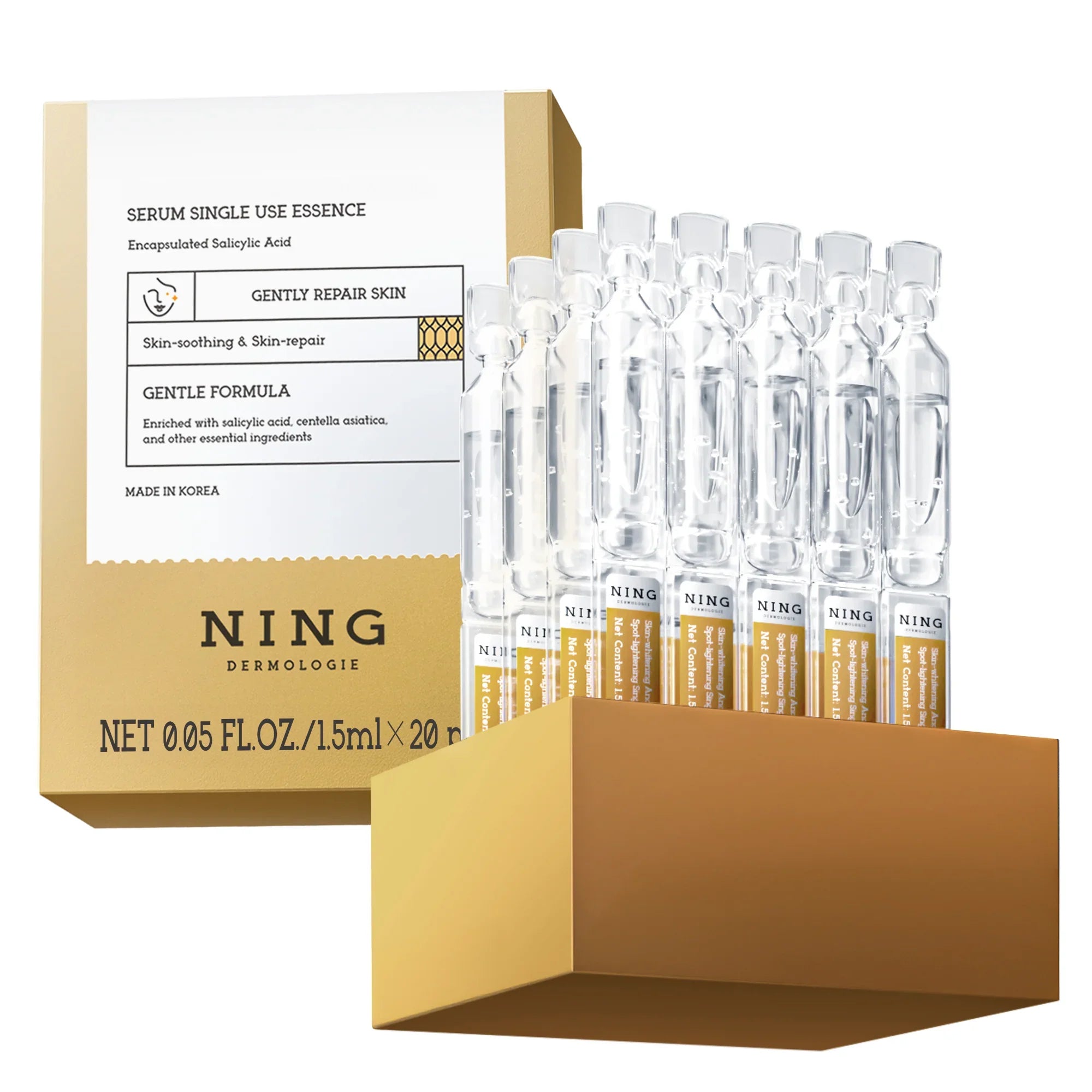
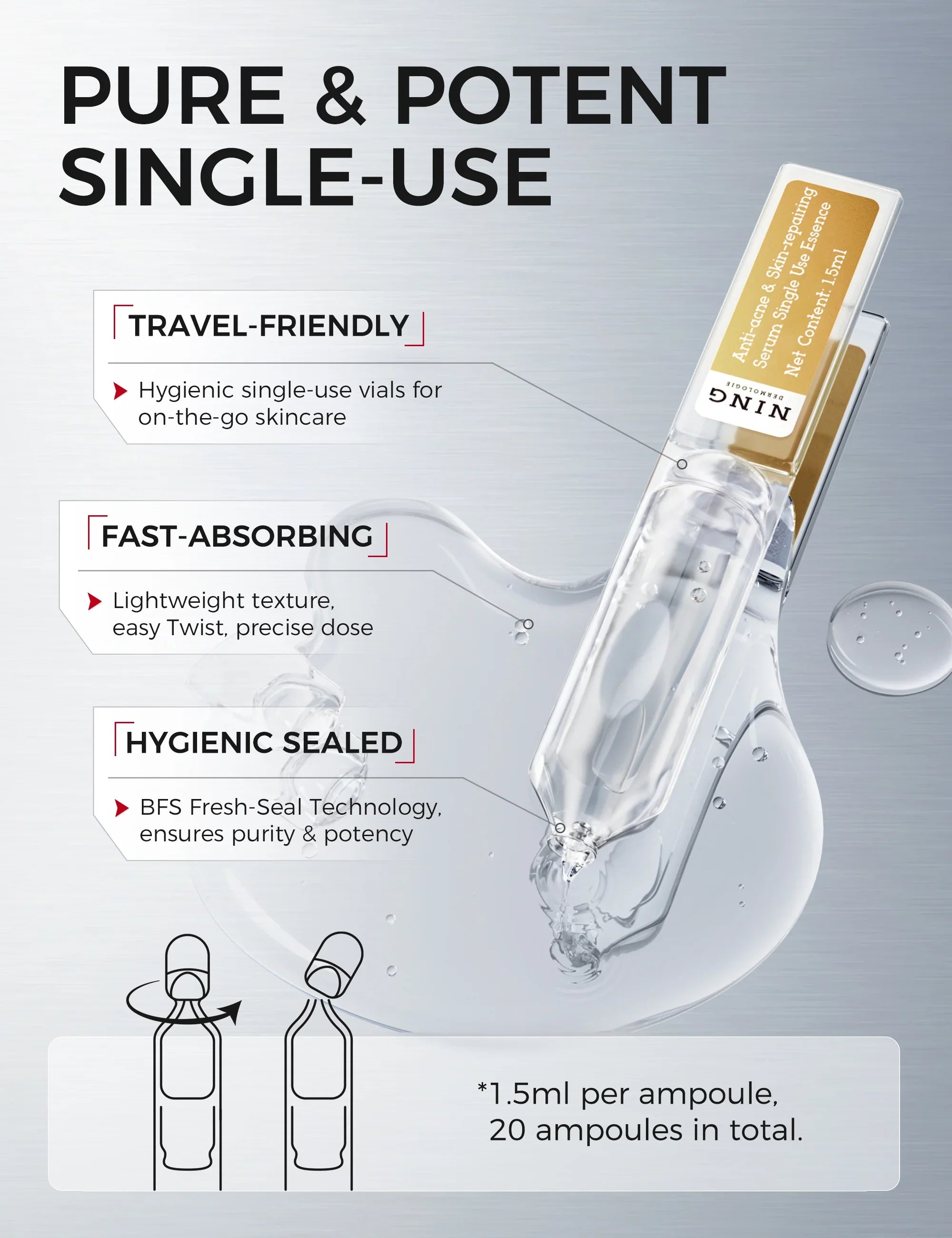
2. NING Dermologie Vitamin C Serum (The All-Rounder)
If you want the results of a high-end face serum without the irritation, this is the one. NING Dermologie uses a high concentration of vitamin c in the form of 3-O-Ethyl Ascorbic Acid.
What makes it the best vitamin c serum for everyday use is the addition of Niacinamide. While most Vit C products can't be mixed with other actives, this vitamin c and hyaluronic acid blend is specifically designed to targets dark spots while keeping the skin barrier intact.
- Texture: The serum absorbed quickly without any pilling under makeup.
- Results: Within three weeks, the appearance of dark spots visibly softened. It’s a solid vitamin c dark spot serum for those who want "clean" beauty that actually works.
3. Naturium Vitamin C Complex Serum
Naturium vitamin c complex serum uses a "gold-stabilized" delivery system. It’s a great middle-ground vitamin c product.
- The Experience: The serum had virtually no scent, which is a plus.
- Best For: Combination skin that needs a boost in skin tone and texture without feeling greasy.
4. TruSkin Vitamin C Serum (The Budget King)
For a best budget-friendly option, TruSkin vitamin c is always at the top of the list. It’s a vitamin c facial serum that uses Sodium Ascorbyl Phosphate.
- The Reality: It’s gentler, but it takes longer to see a difference in my skin.
- Best For: Beginners or those with acne-prone skin who are afraid of breaking out.
5. Mad Hippie Vitamin C Serum
Mad hippie vitamin c serum is beloved in the "natural" skincare community. It uses Vitamin C, Vitamin E, and ferulic acid, but swaps the L-ascorbic for a more stable version.
- Tester's Skin Note: "My skin looked and felt much smoother after one bottle, but it didn't do as much for my heavy sun damage as the NING or Skinceuticals."
6. Buttah Vitamin C (For Melanin-Rich Skin)
Buttah vitamin c is specifically formulated for the needs of deeper skin tones. It focuses heavily on uneven skin and hyperpigmentation without the "ashy" finish some serums leave behind.
Choosing the Right Serum for Your Skin Type
You can buy the most expensive vit c in the world, but if it doesn't match your skin type, it’s a waste of money.
Vitamin C for Dry Skin
If you have dry skin, look for a serum for dry skin that contains hyaluronic acid. You want something that provides a "glow" while locking in moisture. The combination of vitamin c and oil-based carriers can help prevent that tight, flaky feeling.
Dealing with Sensitive Skin
A serum for sensitive skin should avoid pure L-ascorbic acid. Instead, look for vitamin c derivatives. These are less acidic and don't require the skin to be at a pH of 3.0 to work. A vitamin c brightening serum with soothing agents like Centella or Aloe is your best bet.
Oily and Combination Skin
For oily skin, a water-based face serum is essential. You want the brightening vitamin c serum to sink in immediately so it doesn't sit on top of the skin and cause congestion. Naturium vitamin c complex serum or the NING formulation are both excellent for this because they leave a matte, smooth skin finish.
How to Apply for Maximum Impact
Most people apply their vitamin c product wrong. If you want to even out skin tone and brighten dark spots, follow this "pro" protocol:
-
Clean Skin First: Always apply your vit c to bare skin. If you have layers of toner or moisturizer underneath, the concentration of vitamin c won't reach where it needs to go.
-
Wait (If you can): Give it 60 seconds. Let the serum absorb quickly before moving to your next step.
-
The Ultimate Combo: Vitamin e and ferulic acid actually double the photoprotective effect of your vitamin c.
-
Sunscreen is Non-Negotiable: Vitamin c doesn't replace SPF; it makes it better. Applying a vitamin c face serum under your sunscreen helps protect your skin from the dull skin caused by UV rays.
The "Information Gain": What the Labels Don't Tell You
When you’re looking to find the best vitamin c, don’t just look at the percentage. A 20% serum that is oxidized (turned orange/brown) is less effective than a 10% serum that is fresh.
Also, watch out for the term "Vitamin C inspired." If the ingredient list has "Citrus Aurantium Dulcis" (orange water) but no actual pure vitamin c or stabilized derivative, it’s just expensive scented water. Look for Ethyl Ascorbic Acid or L-ascorbic acid near the top of the list if you actually want to fade dark spots.
In my experience, the NING Dermologie Vitamin C Serum is the most balanced for the 2026 market. It avoids the stability drama of the "old school" serums while delivering the smooth skin and even skin tone that we actually care about.

Final Thoughts on Improving Skin Texture
Fading dark spots and fine lines is a marathon, not a sprint. You won't wake up with a new face tomorrow. However, after about 4 to 6 weeks of consistent use, you should notice that your skin feel firmer and your overall skin tone is more uniform.
Whether you go for the best drugstore bargain or a luxury ferulic serum, the key is consistency. Stop switching products every week. Give your vitamin c dark spot serum time to work its magic on your uneven skin tone.
Frequently Asked Questions (FAQ)
1. Can I use Vitamin C serum every day?
Yes, and you probably should. Most dermatologists recommend applying it every morning. This allows the vitamin c to act as a shield against pollution and UV damage during the day. If you have extremely sensitive skin, start by using it every other day to let your skin barrier adjust, then move to daily use once you're sure there's no irritation.
2. Why does my Vitamin C serum smell like "hot dog water"?
That distinct scent usually comes from the combination of vitamin c and ferulic acid. Ferulic acid is a powerful antioxidant that stabilizes the formula, but it has a naturally pungent odor. While it’s not pleasant, the smell usually dissipates a few minutes after the serum comes into contact with your skin. If the smell suddenly changes or the color turns dark brown, it's oxidized.
3. Should I use Vitamin C in the morning or at night?
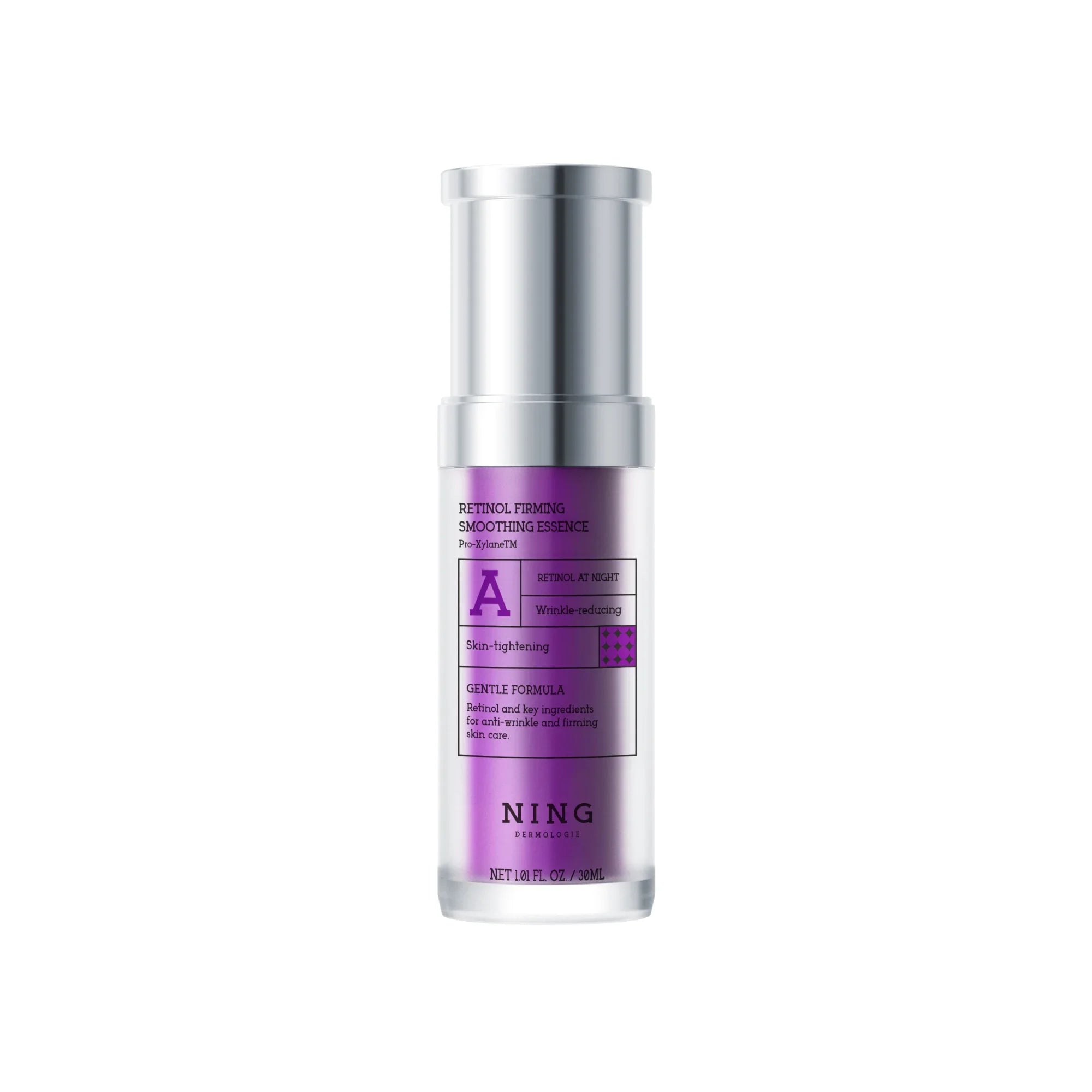
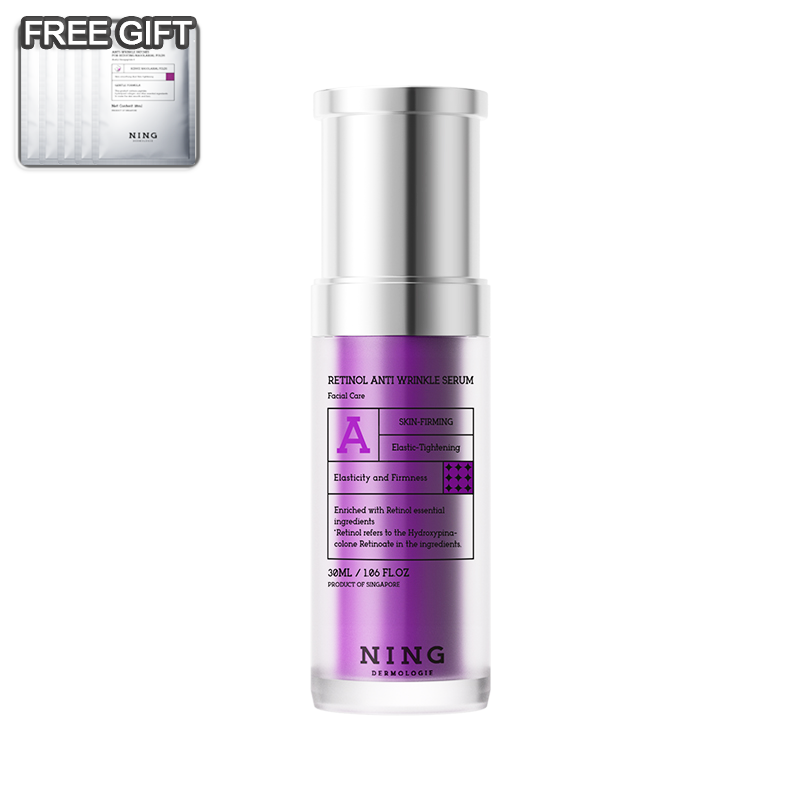
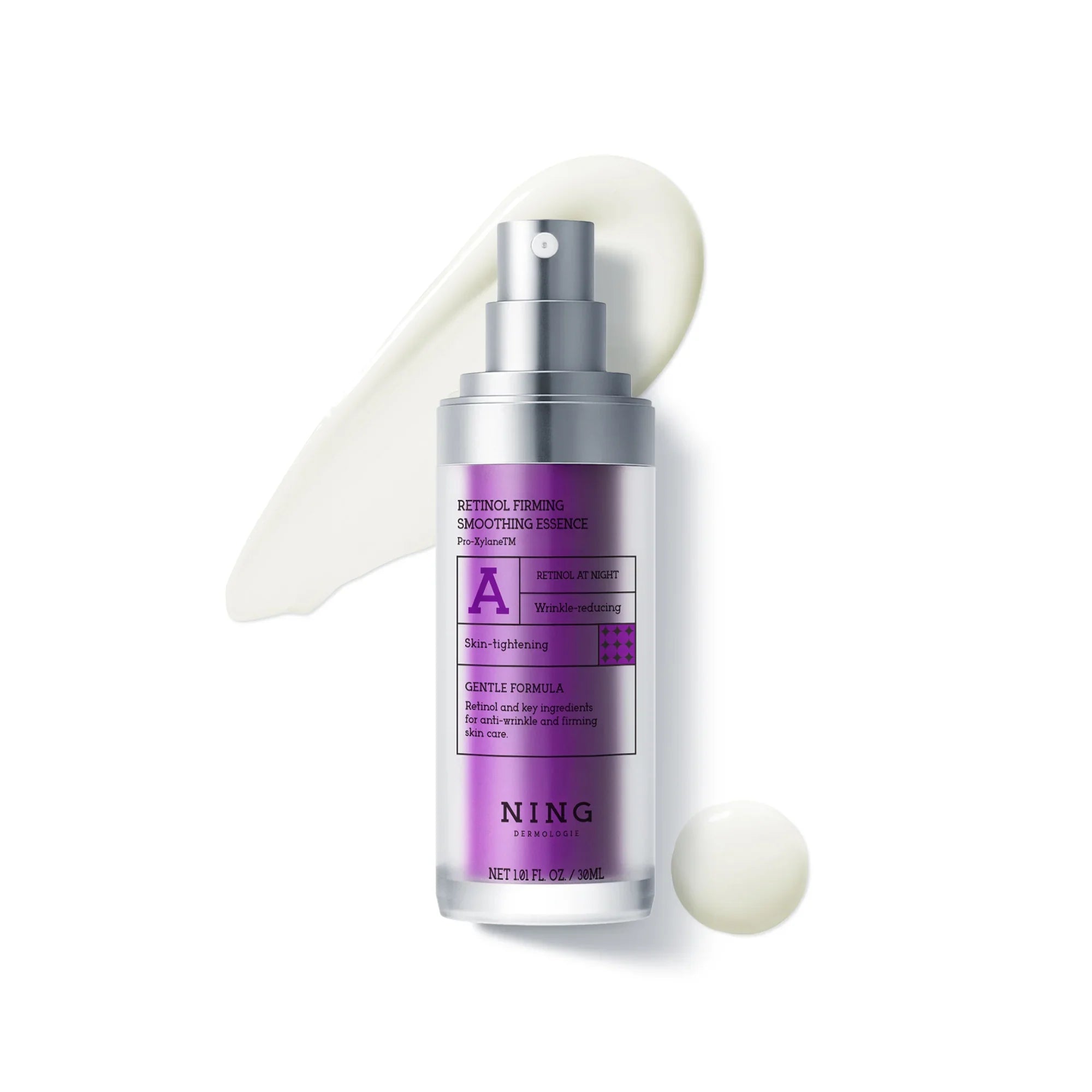
Morning is the gold standard. While it works at night to brighten skin, its primary superpower is neutralizing free radicals from sun exposure and pollution. Applying it to clean skin in the AM under your sunscreen ensures you protect your skin most effectively. If you use Retinol at night, keeping your vitamin c serum in the morning routine also prevents potential ingredient conflicts.
4. Can Vitamin C help with acne scars?
Absolutely. Specifically, it helps with Post-Inflammatory Hyperpigmentation (PIH)—those red or brown marks left behind after a breakout. A vitamin c dark spot serum works by inhibiting the enzyme tyrosinase, which prevents the overproduction of pigment. By using a brightening vitamin c serum regularly, you can even out skin tone and make those stubborn acne marks fade much faster than they would on their own.
5. How do I know if my Vitamin C serum has gone bad?
Check the color. A fresh vitamin c product (especially one with pure vitamin c) should be clear or very pale champagne. If it turns bright yellow, orange, or a murky brown, it has oxidized. At this point, the concentration of vitamin c has degraded, meaning it won’t improve skin or fade dark spots effectively. It might even cause mild irritation, so it’s best to toss it.





Share:
Best Korean vitamin C serums for brightening skin
Where to buy authentic Korean vitamin C serum online in the US