



Stop scrubbing your face like you’re trying to clean a driveway. If you are still relying on harsh, jagged apricot scrubs or aggressive cleansing brushes, your skin barrier is likely screaming for help. In the world of modern dermatology—and specifically within the philosophy of NING Dermologie—exfoliation isn't about brute force; it’s about precision.
The debate between chemical vs physical exfoliants isn't just academic. It’s the difference between a radiant complexion and a raw, inflamed mess. Let's break down the mechanics of the stratum corneum and how to choose the right Exfoliating Face Wash without wrecking your face.
The Physical Reality: Friction and Instant Gratification
Physical exfoliation is the "manual labor" of skincare. It involves using small particles or tools to physically nudge dead skin cells off the surface. You know the feeling: that immediate smoothness after using a lip sugar scrub or a charcoal exfoliating gel cleanser.
The Good, The Bad, and The "Micro-Tear"
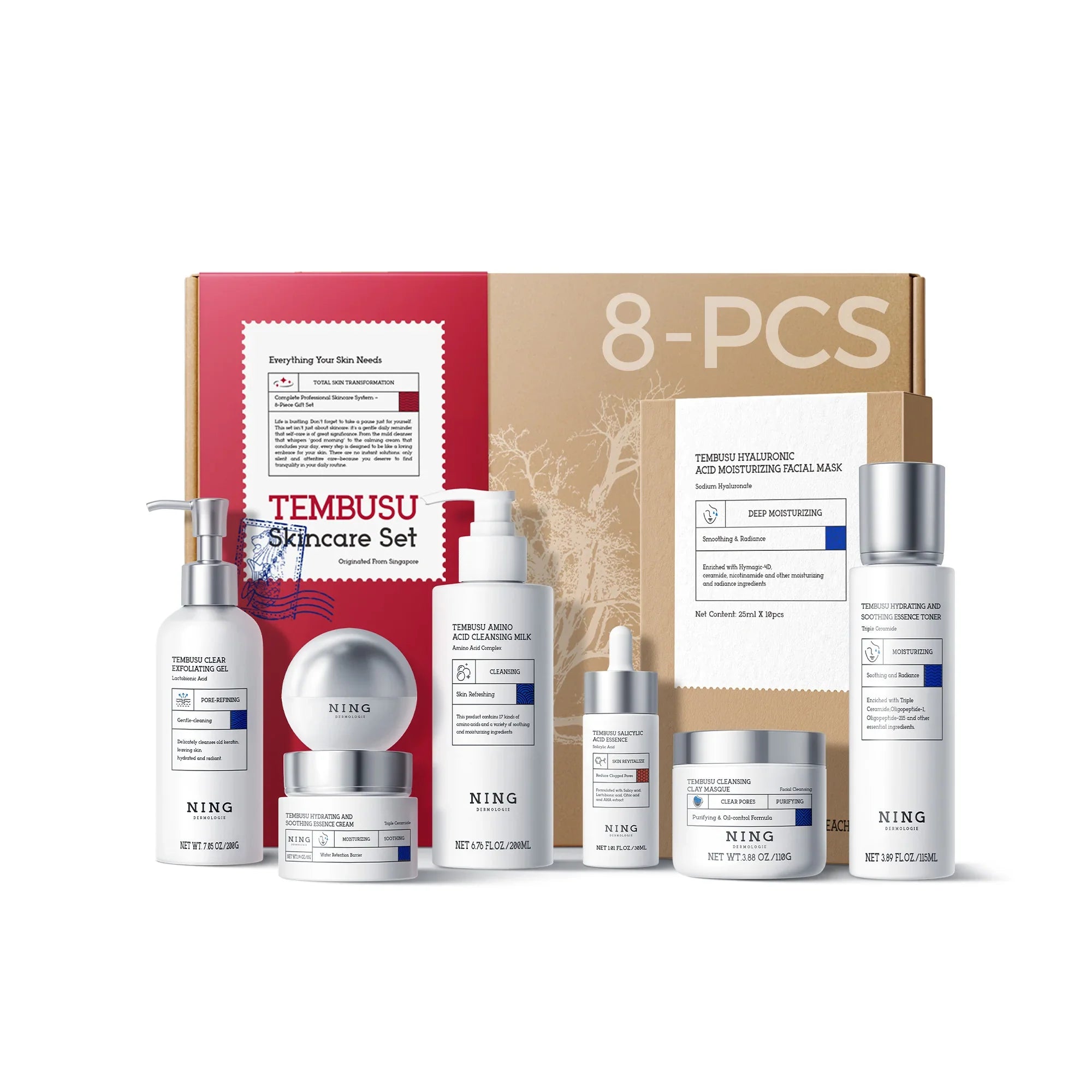
Traditionally, physical products used crushed walnut shells or large seeds. Avoid these. They create micro-tears that invite bacteria and inflammation. Instead, look for sophisticated formulas like theNING Dermologie Peeling Gel.
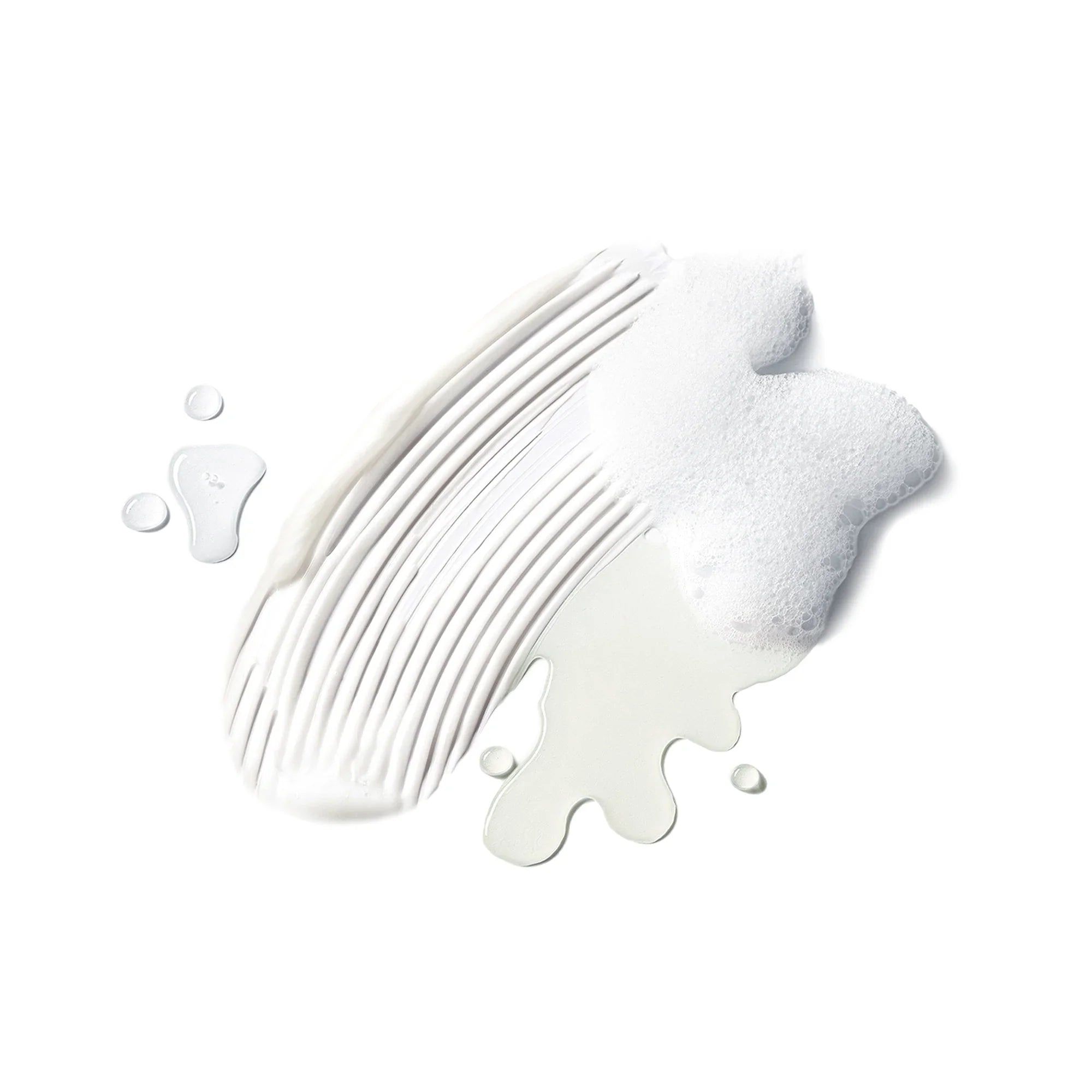
Our Exfoliating Face Wash utilizes a "rolling" mechanism rather than a "sanding" one. Unlike aggressive stone crop oxygenating fizzofoliant or rough muslin cloths, a high-quality peeling gel binds with surface oils to gently lift debris.
- Refined Particles: Look for jojoba beads or Diatomaceous Earth. These are spherical and smooth, providing the "scrubby" sensation without the trauma.
- The Tools: Cleansing brushes and muslin cloths fall into this category. They are great for a deep clean but easy to overdo. If your skin is red for more than ten minutes after washing, you’ve gone too far.

The Chemical Shift: Breaking the Glue
If physical exfoliation is a broom, chemical exfoliation is a solvent. It doesn't rub cells away; it dissolves the "intercellular glue" (desmosomes) holding those dead cells to your fresh skin.
The Acids You Need to Know
Chemical exfoliants generally fall into three camps: Alpha Hydroxy Acids (AHAs), Beta Hydroxy Acids (BHAs), and Poly-Hydroxy Acids (PHAs).
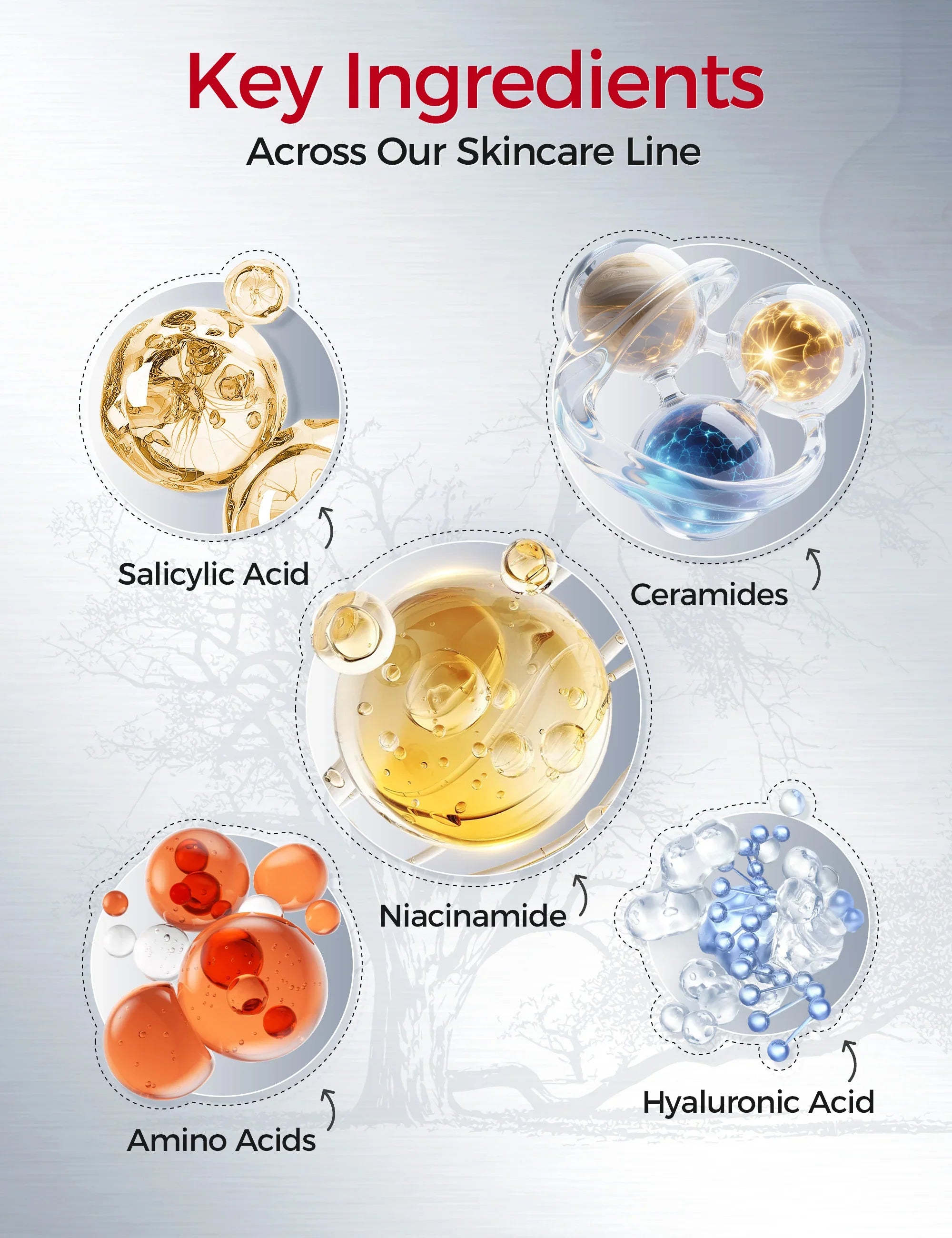
- Alpha Hydroxy Acids (AHAs): Derived from sugar cane (as glycolic acid) or sour milk (lactic acid). These are water-soluble and work wonders on skin tone and skin texture. By speeding up cell turnover, AHAs help fade uneven skin tone and may even stimulate collagen production over time.
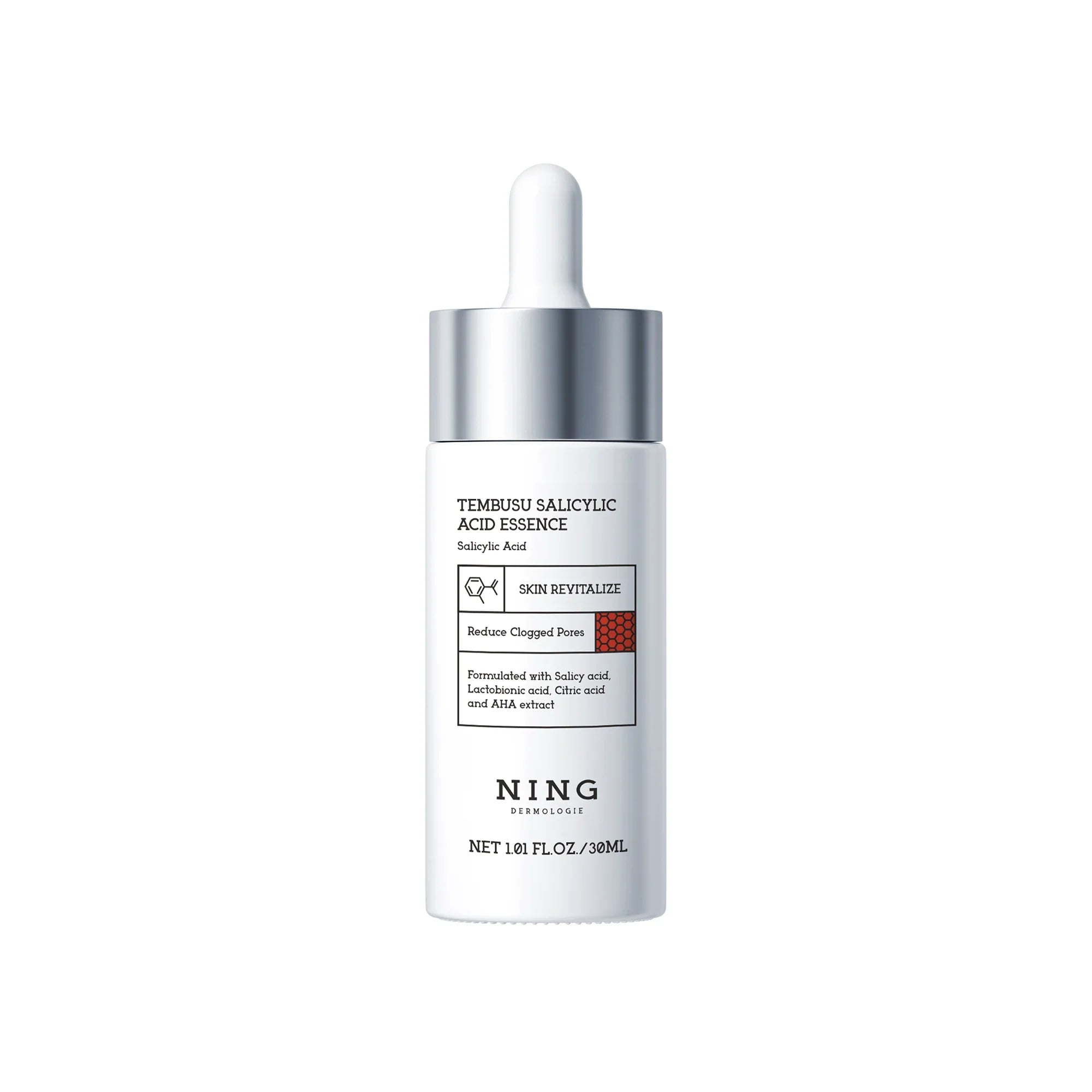
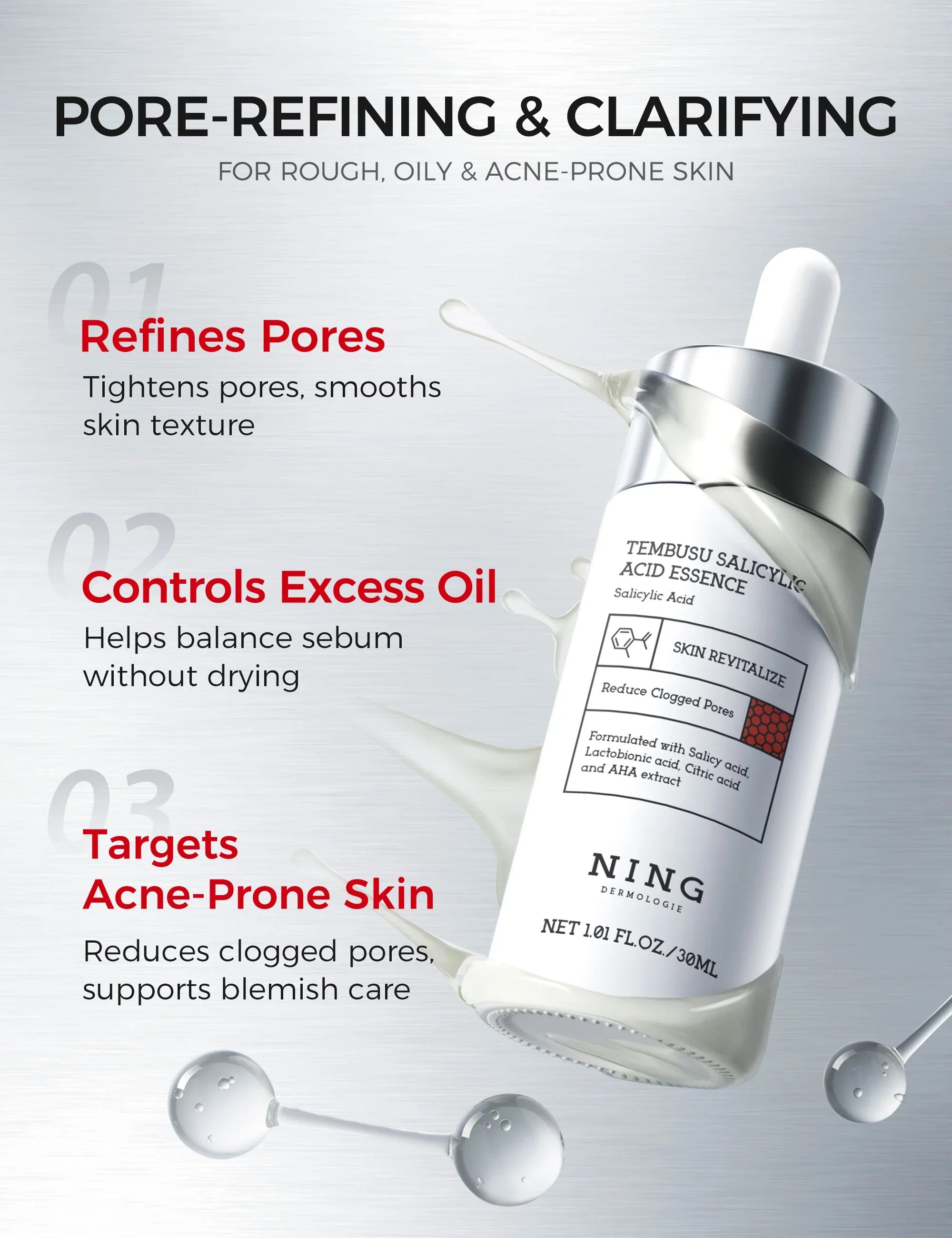
- Beta Hydroxy Acids (BHAs): Specifically salicylic acid. Unlike AHAs, BHA is oil-soluble. It dives deep into pores to clear out sebum, making it the gold standard for acne-prone skin types. It’s often used alongside benzoyl peroxide in aggressive treatments, but a BHA wash is much more manageable for a daily skincare routine.
- The New Gen (PHAs): Including lactobionic acid and gluconolactone. These have larger molecular weights, meaning they don't penetrate as deeply or cause as much irritation. If you have sensitive skin, poly-hydroxy acids are your best friend.
Enzyme Exfoliation: The Gentle Alternative
For those who find even lactic acid too tingly, enzyme exfoliation is the answer. Utilizing fruit enzymes like papaya enzyme (papain) or bromelain, these products "digest" protein-based dead skin without messing with your pH levels. It’s the logic behind the turmeric energizing treatment—using natural actives to achieve a skin glow without the sting.
NING Dermologie: The "Peeling Gel" Hybrid
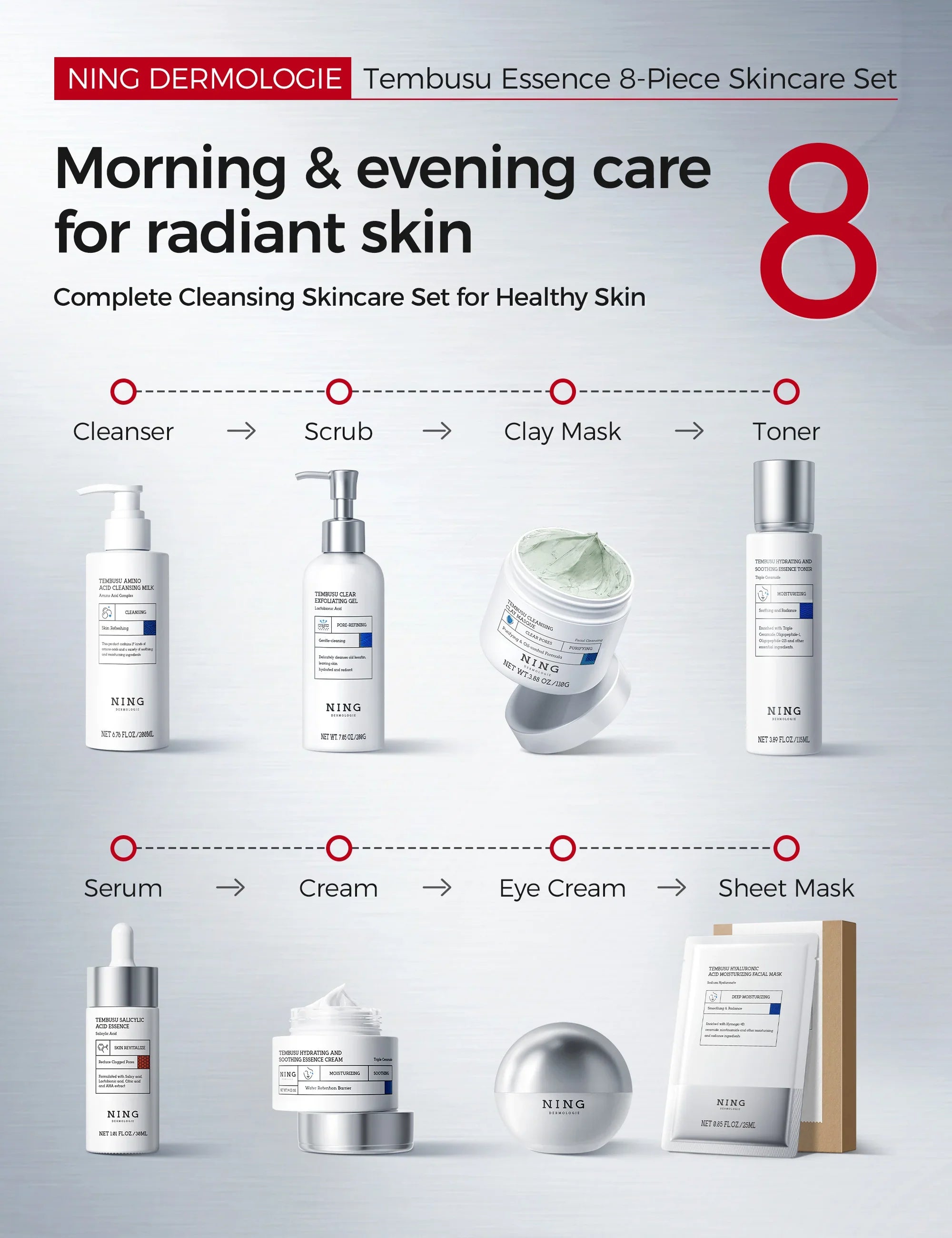
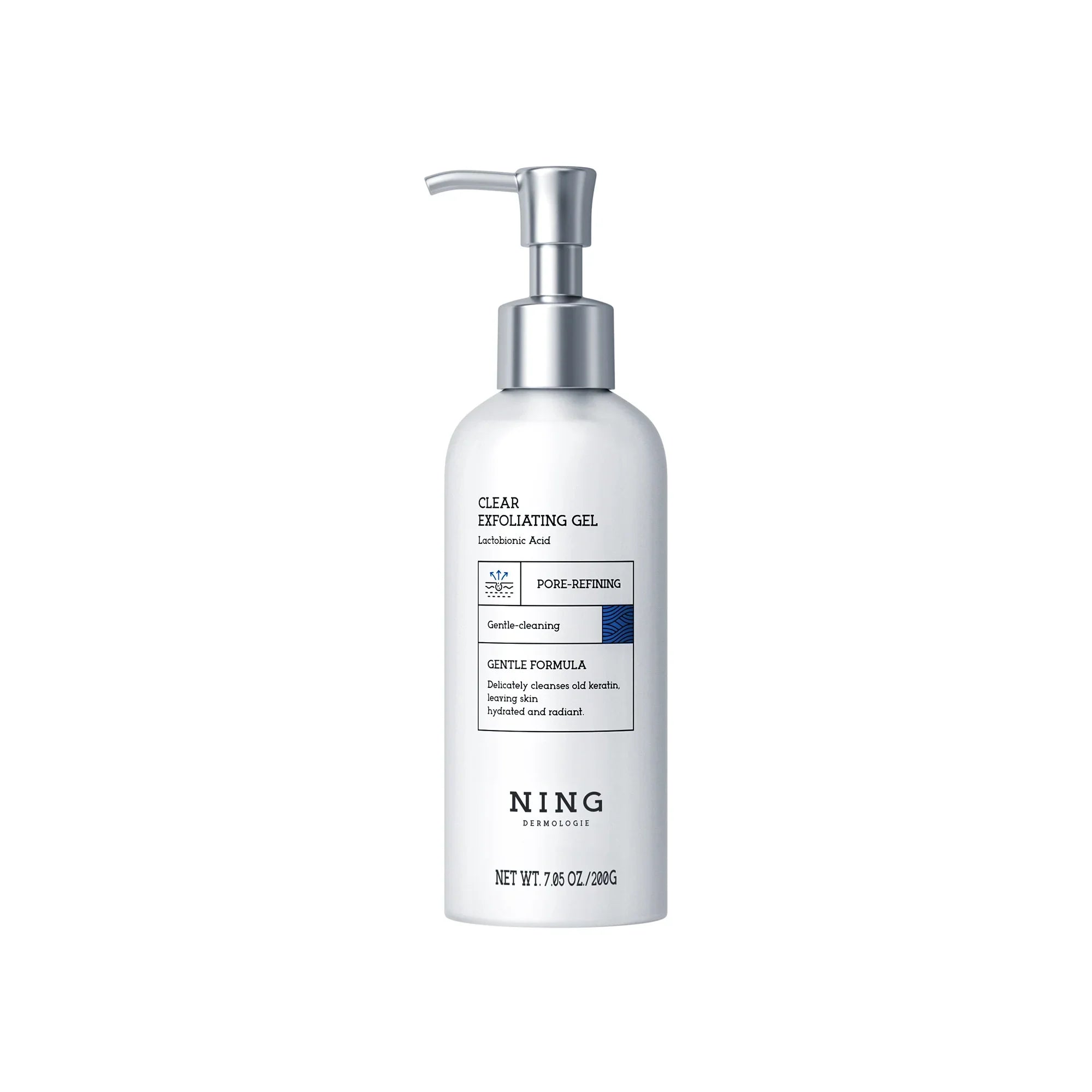
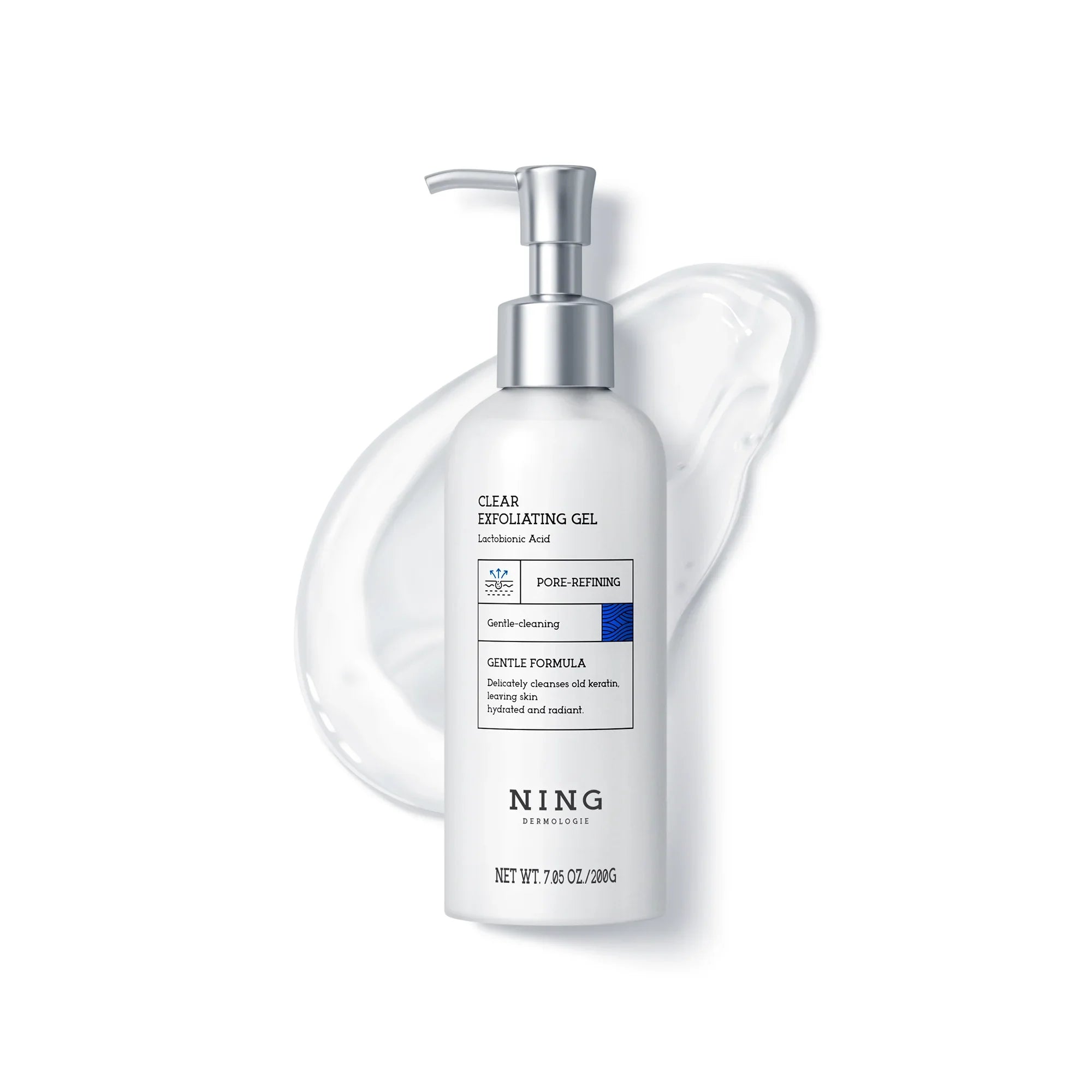
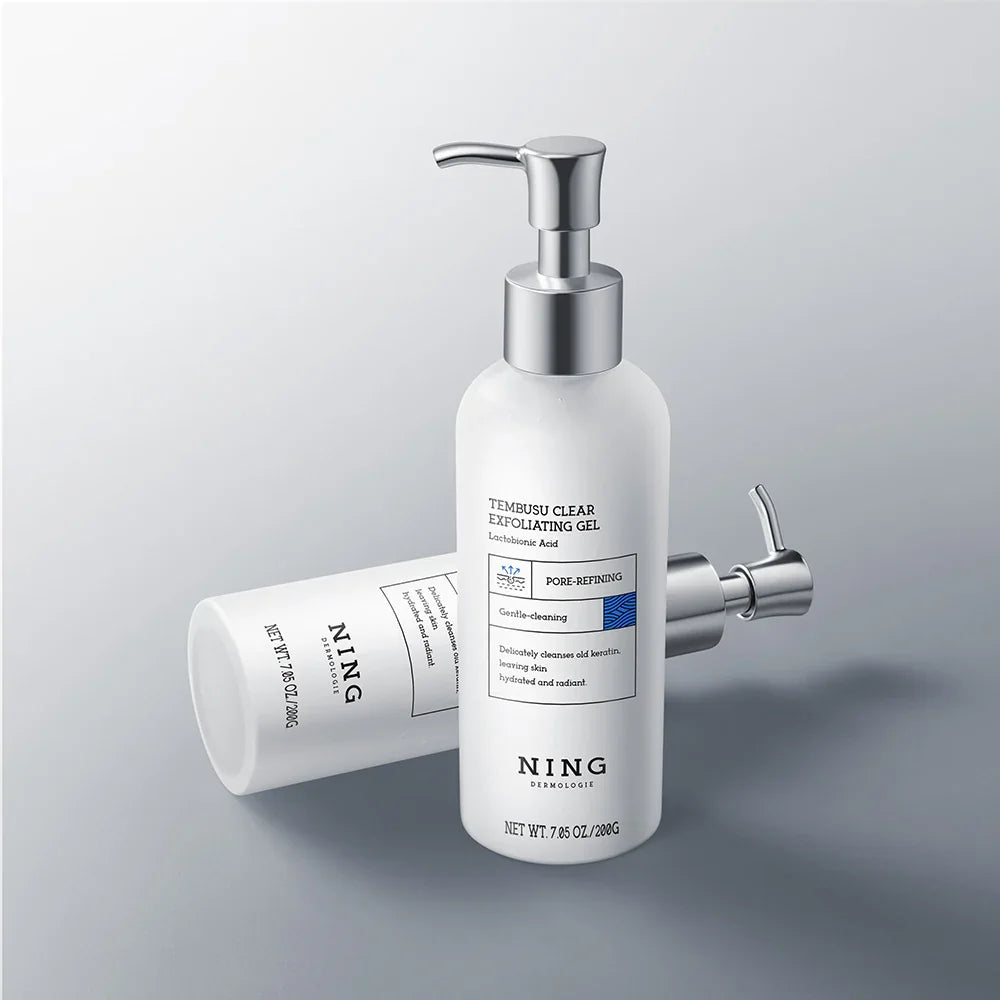
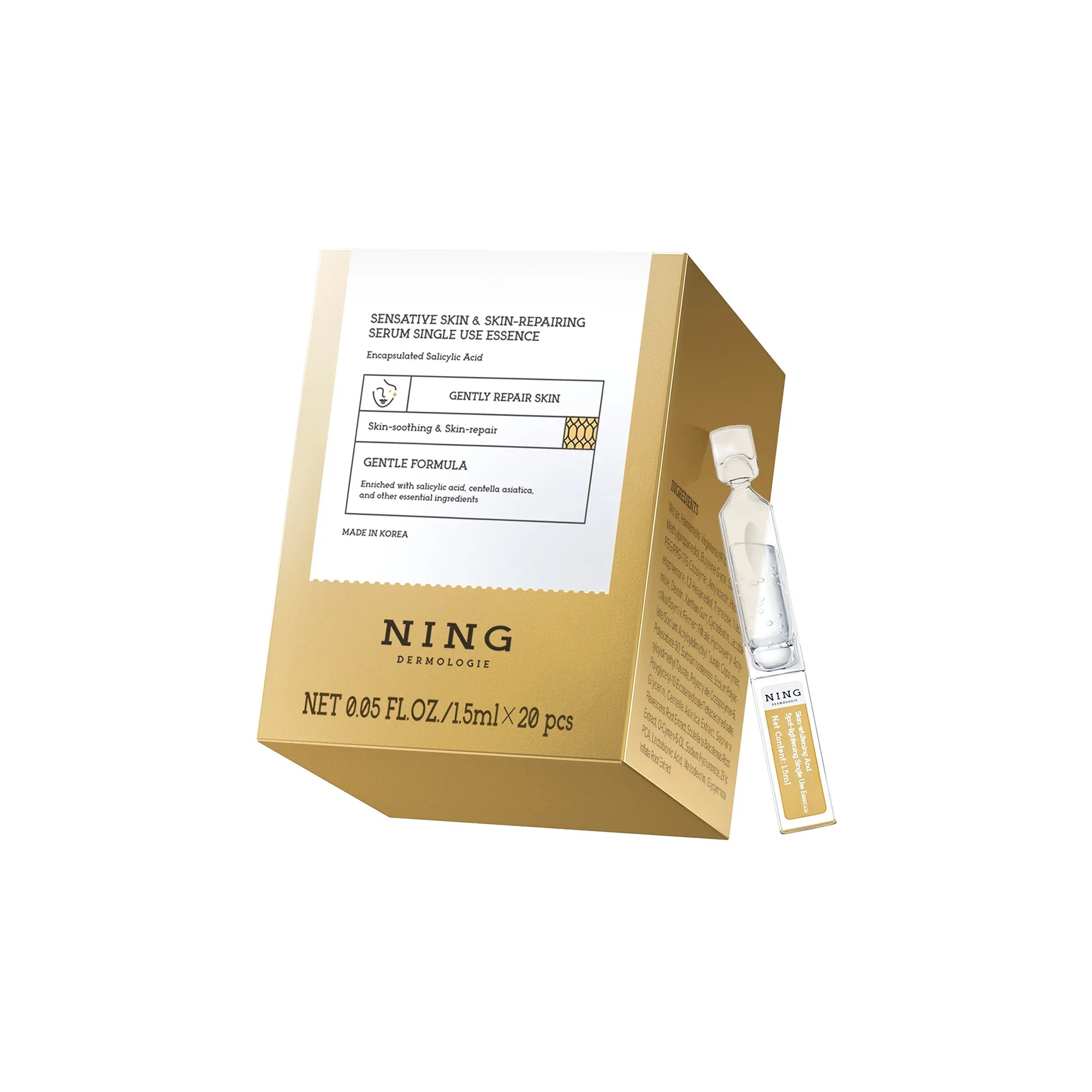
Most people struggle with liquid exfoliation (toners) because they are hard to dose. This is why we developed the NING Dermologie Exfoliating Face Wash. It bridges the gap between a liquid peelfoliant and a physical scrub.
By incorporating phytic acid and Reishi mushroom extracts, it calms the skin while the peeling action lifts the dead skin cells. It’s a targeted approach to skin cell turnover that respects the skin barrier. Whether you're dealing with UV damage or just a dull, grayish cast, this formula helps reset the cellular turnover rate without the downtime of professional exfoliating peels.
Choosing Based on Your Skin Type
Your skin care routine isn't a one-size-fits-all. It needs to adapt to your environment and biology.
|
Skin Type |
Recommended Exfoliant |
Key Ingredients |
|
Oily/Acne-Prone |
BHA (Chemical) |
Salicylic acid, phytic acid |
|
Dry/Mature |
AHA (Chemical) |
Glycolic acid, Lactic acid |
|
Sensitive/Rosacea |
PHA or Enzyme |
Lactobionic acid, papaya enzyme |
|
Dull/Combination |
Hybrid Peeling Gel |
NING Dermologie Peeling Gel, Reishi mushroom |
A Note on the "Scalp" and "Lips"
Don't stop at your jawline. A scalp detox exfoliant can prevent dandruff and buildup, while a lip sugar scrub followed by a balm ensures your lipstick doesn't flake. Even brands like NassifMD® Skincare emphasize that total-body cellular turnover is the secret to longevity.

The Golden Rules of Exfoliation
- The SPF Mandate: Any chemical exfoliation—especially with alpha-hydroxy acids—makes your skin more photosensitive. If you are exfoliating, an SPF 50 broad-spectrum sunscreen is non-negotiable. Without sunscreen protection, you are essentially trading a few dead cells for permanent UV damage.
- Don't Over-Exfoliate: You don't need to exfoliate every day. Start 2-3 times a week. If your skin starts looking "plastic-y" or shiny (but not oily), you've over-exfoliated.
- The Vitamin D Balance: While we obsess over sunscreen protection, remember that your body needs sunlight for vitamin D. Exfoliate at night, wear SPF during the day, and let your skin breathe.
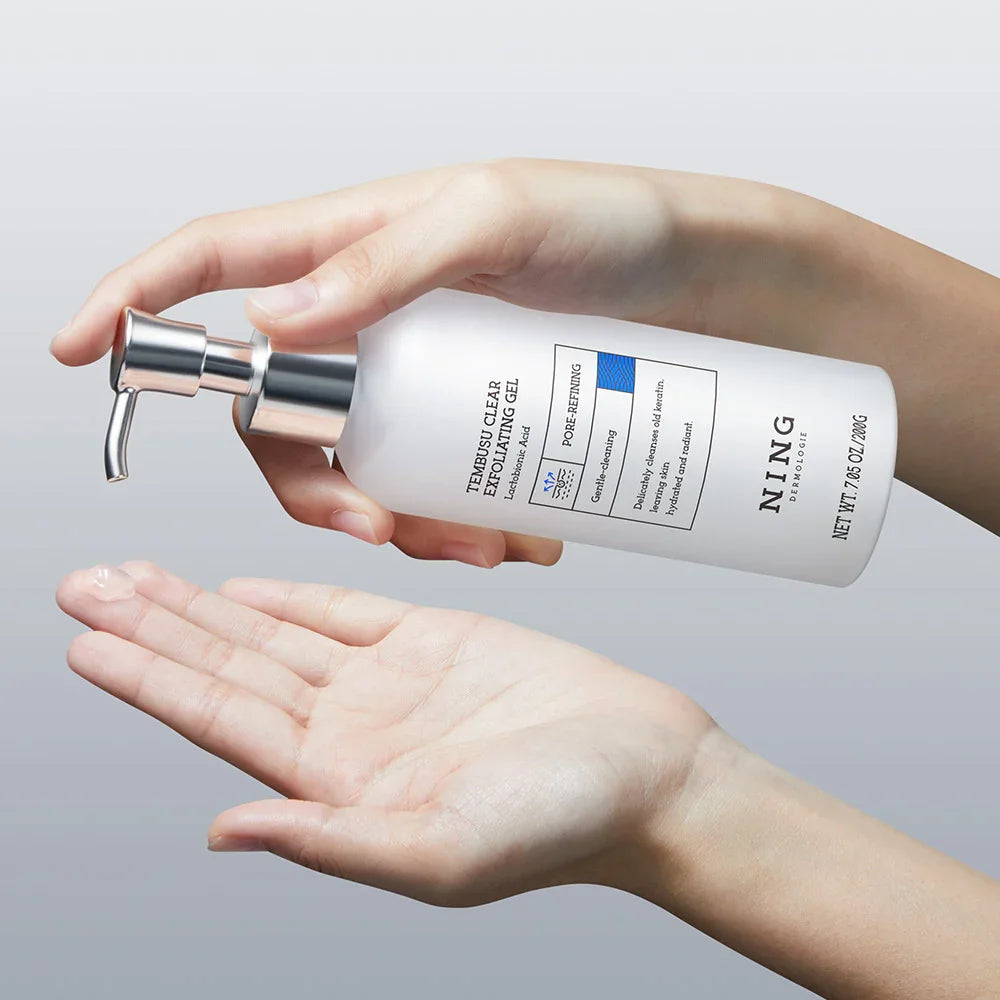
- Application Method: Use a cotton pad for liquid exfoliants to ensure even distribution, or simply use your fingertips with the NING Dermologie Exfoliating Face Wash to feel the texture change as it works.
Frequently Asked Questions (FAQ)
1. Can I use chemical and physical exfoliants in the same routine?
You’re playing with fire if you do. Doubling up on a charcoal exfoliating gel cleanser and a liquid peelfoliant in one go is the fastest way to a raw, stinging skin barrier. If you love both, space them out. Use your manual scrub on a "grime-heavy" Monday and save your acids for Thursday night. Your stratum corneum needs time to breathe, not a double-sanding.
2. How long does it take to see results from chemical exfoliants?
Physical scrubs are for instant gratification, but chemicals play the long game. While you might see a "surface glow" in a few days, real shifts in collagen production or fading an uneven skin tone take a full cellular turnover rate—roughly 28 to 40 days. Stick with it for a month before you decide if that salicylic acid is actually working for you.
3. Is it normal for my skin to tingle during chemical exfoliation?
A little "spiciness" or a mild tingle? Totally normal. It means the hydroxy acids are active. But if your face feels like it’s actually on fire or looks like a sunburned tomato, wash it off immediately. We added Reishi mushroom to the NING Dermologie formula specifically to kill that "ouch" factor while the phytic acid does the heavy lifting on your pores.
4. Should I exfoliate if I have active, cystic acne?
Stop scrubbing. Using jojoba beads or cleansing brushes on angry, cystic bumps just spreads bacteria and causes more trauma. It’s a mess. Instead, let a salicylic acid wash do the "invisible" work. Since BHA is oil-soluble, it dives straight into the gunk inside the pore without you having to rub a single inflamed spot on your face.
5. Does exfoliation help with anti-aging and wrinkles?
It’s basically the foundation of anti-aging. By clearing out the "dead weight" of old dead skin cells, you’re forcing your skin to speed up its skin cell turnover. This constant renewal helps smooth out skin texture and keeps the radiant complexion of your 20s alive. Plus, your expensive serums actually reach the skin instead of just sitting on top of debris.


Share:
Show me the ingredients commonly found in exfoliating face washes.
Ultimate Guide to Exfoliating Cleansers for a Radiant Glow