



Stop Wasting Money on Single Acids: Why an Exfoliating Duo is the Only Way to Fix Blackheads, Acne Marks, and Uneven Texture
You’ve probably spent a small fortune on skin care over the last few years. You’ve stockpiled serums, watched countless hours of dermatologists on TikTok, and maybe even experimented with sketchy home remedies you found on Pinterest. Yet, every morning, you look in the mirror and the same three villains are staring back at you: stubborn blackheads dotting your nose, lingering dark marks from that breakout last month, and a bumpy, uneven texture that makes your foundation look like a topographic map.
Why is it that you can drench your face in a single, highly-concentrated acid, and your skin just laughs it off? Because tackling acne inflammation, excess oil, and hyperpigmentation requires a tag-team approach. You don't need more products; you need the right combination. Today, we are stripping away the marketing fluff and talking about why an exfoliating duo is the only logical solution to reboot your complexion.

The Anatomy of a Breakout (And Why Your Current Routine is Failing)
Before we fix the problem, you need to understand what’s actually happening in your pores. Blackheads and inflammatory acne lesions don't just appear out of nowhere. It starts deep within the pilosebaceous glands. When these glands kick your sebum production into overdrive, that sticky oil mixes with dead skin cells. Add in a party-crashing bacteria called Propionibacterium acnes, and you’ve got a full-blown breakout.
Once the active pimple flattens out, the nightmare isn't over. Your skin’s trauma response leaves behind acne spots, dark spots, and post-inflammatory hyperpigmentation. Most people panic and throw everything at their face—a random scrub, maybe some azelaic acid, or a cheap vitamin C serum. But single-ingredient solutions usually only address one layer of the problem. You need a formula that can dive deep into the pore to dissolve the clogs, while simultaneously sweeping away the dead, pigmented cells on the surface.
Enter the Golden Standard: The Exfoliating Duo
This is exactly why relying on a standalone acid is a rookie mistake. To get that glass-skin finish, you need oil-soluble ingredients working in tandem with water-soluble ones.
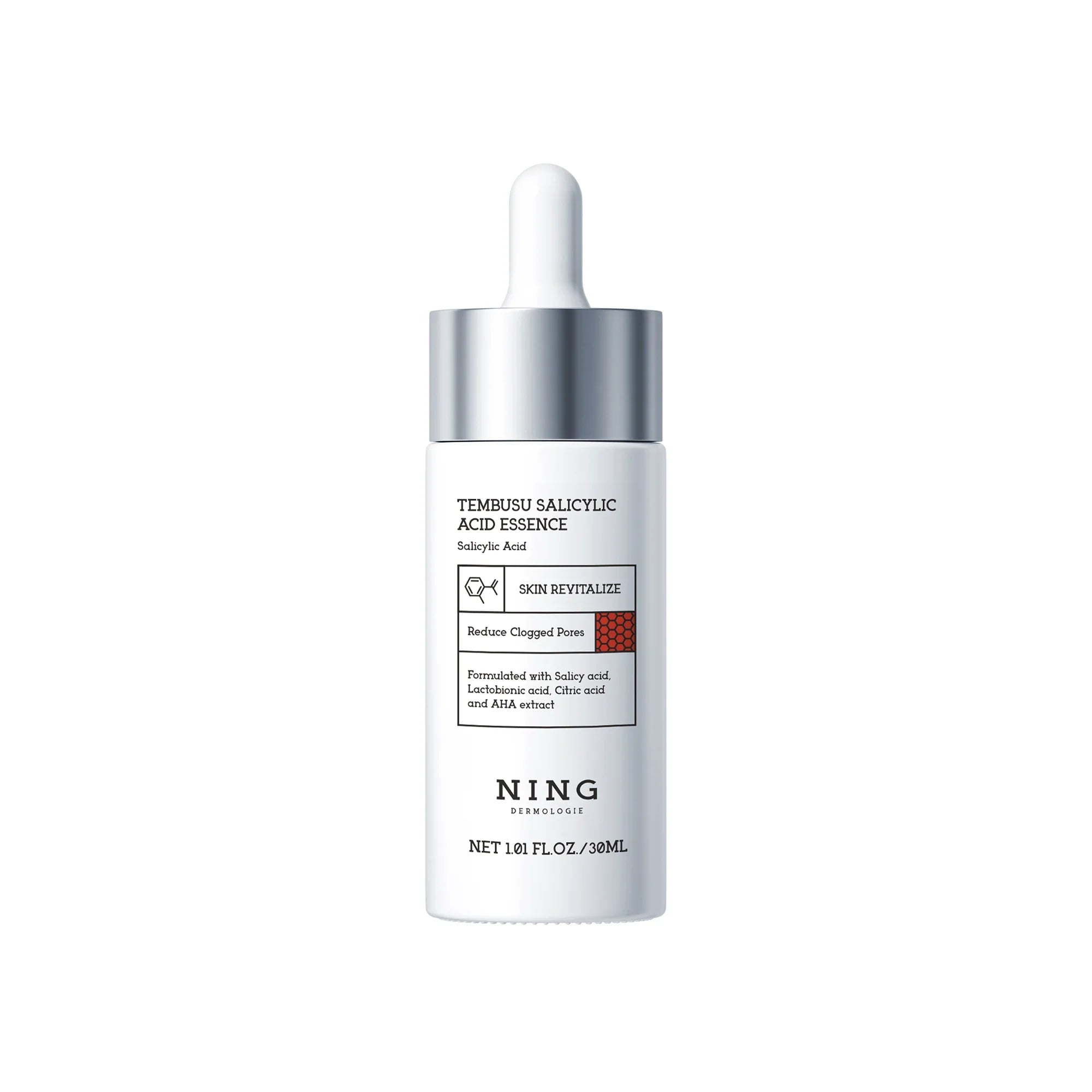
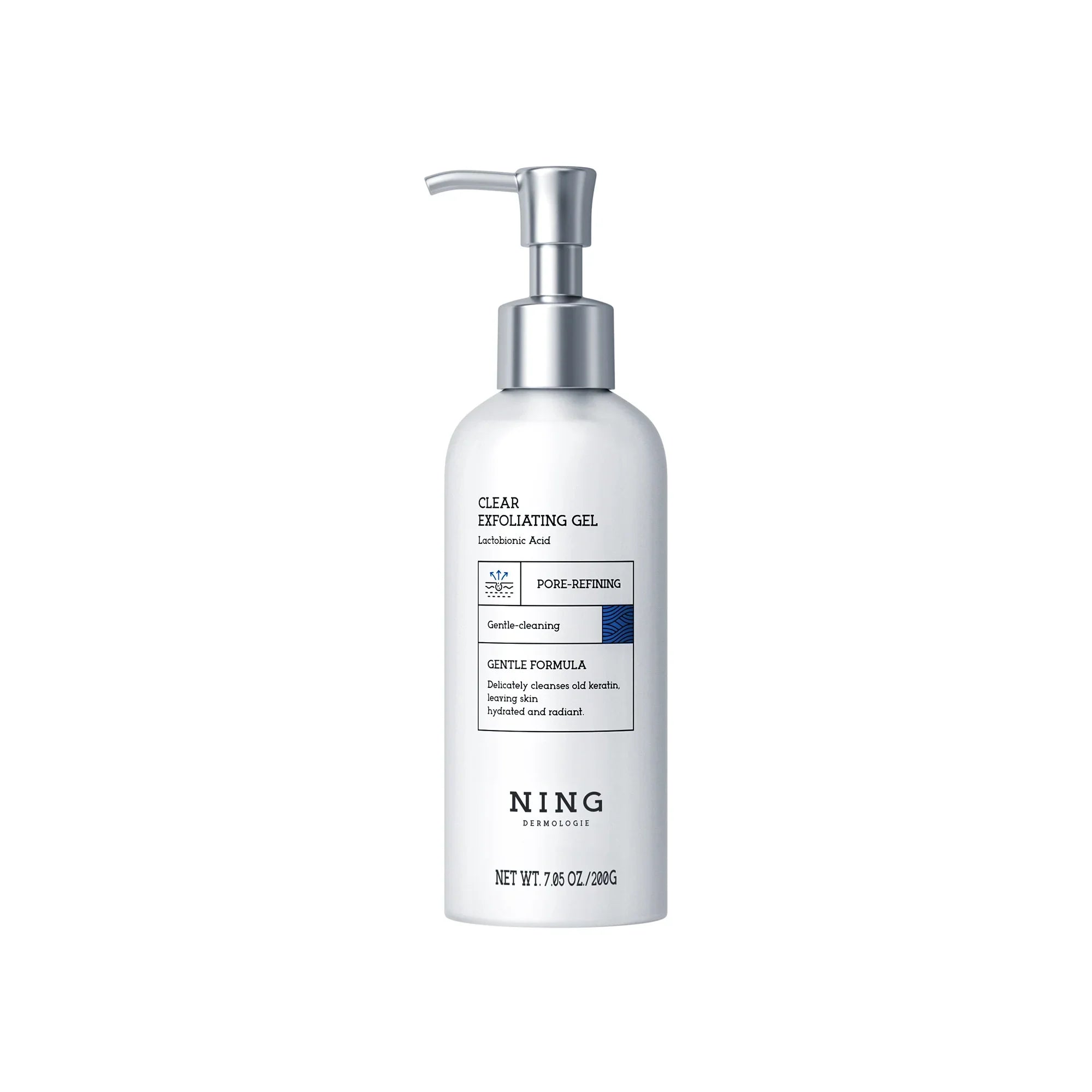
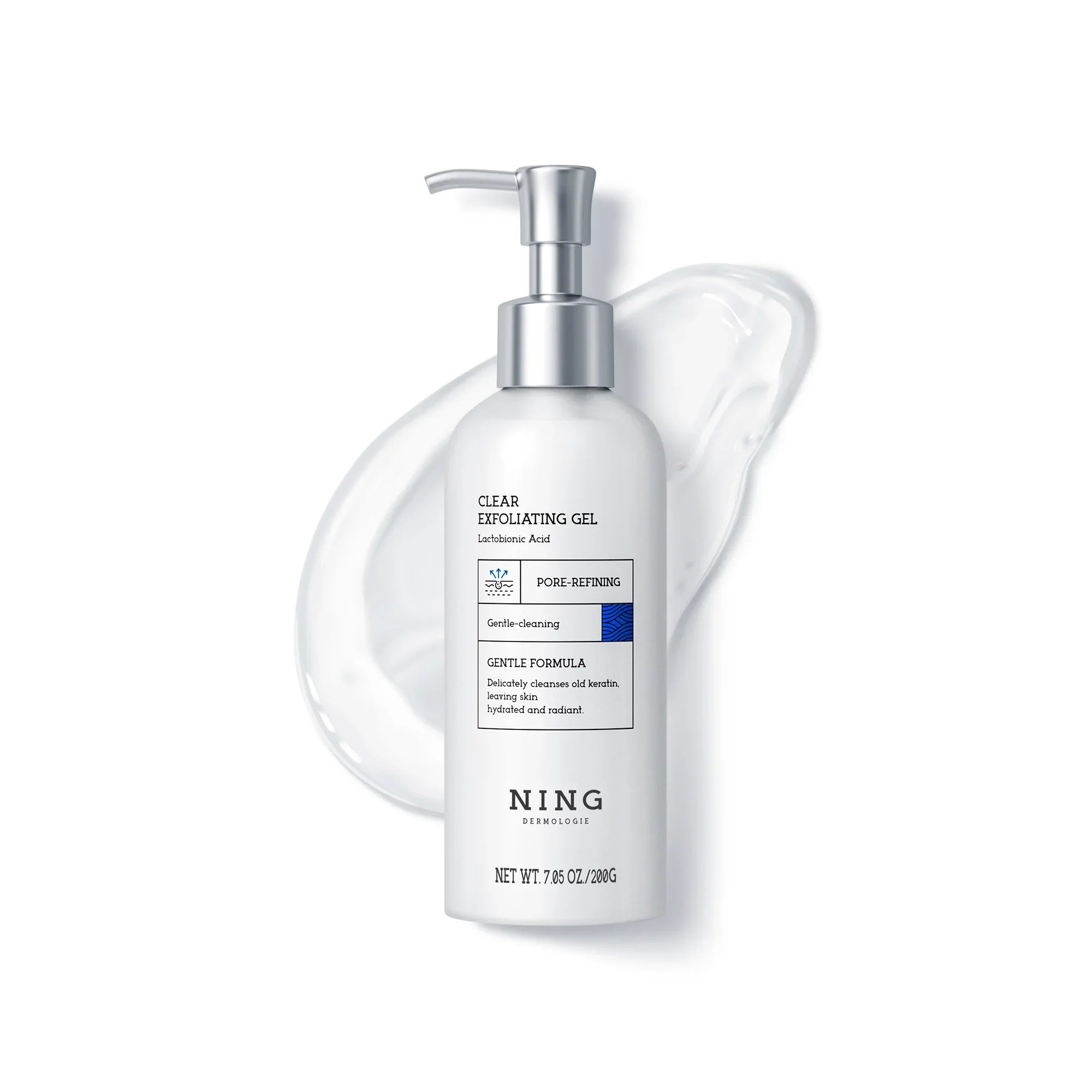
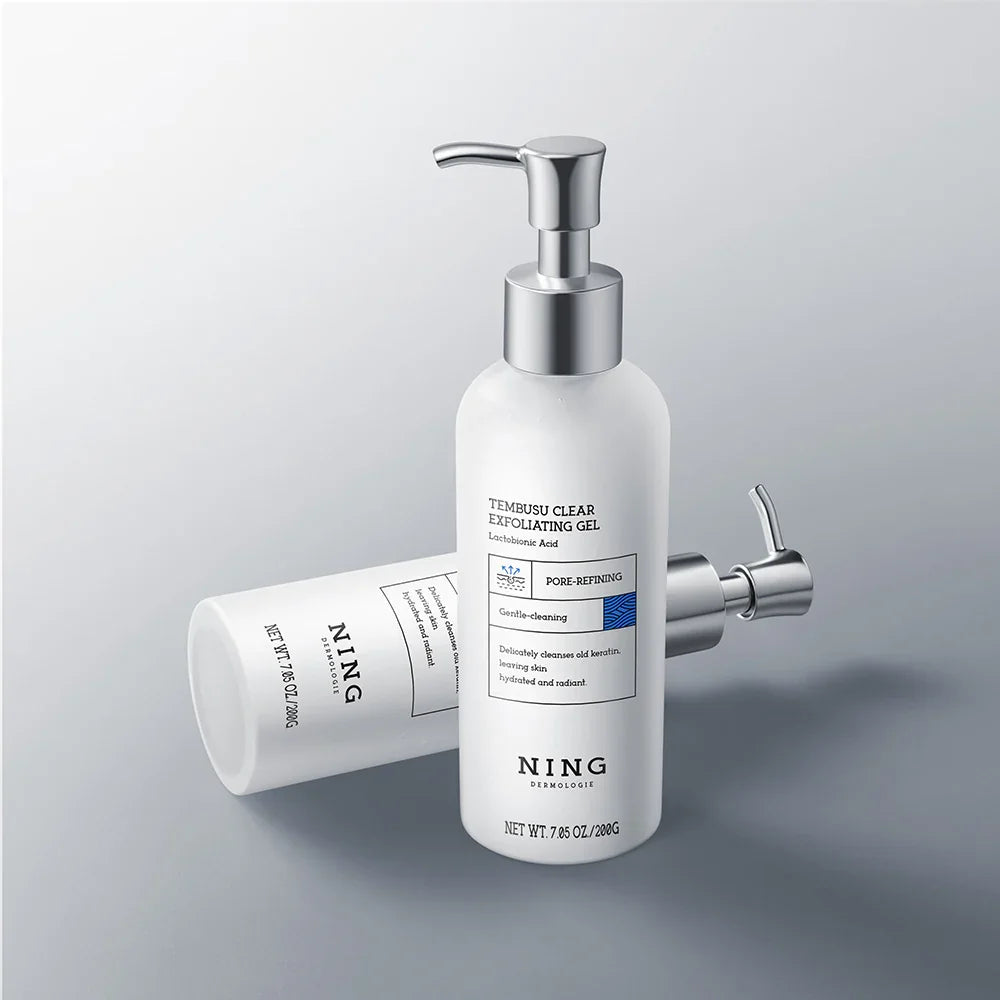
If you are tired of playing cosmetic chemist in your bathroom, the most elegant solution I’ve found recently is the NING Dermologie Clear & Refined Duo. You can check out the exact formulation here: https://ningcos.com/products/ning-dermologie-clear-refined-duo-serum-peeling-gel.
Instead of forcing you to layer five different sticky serums, NING Dermologie figured out the sweet spot. The duo leverages the heavy-hitting power of Salicylic Acid (a BHA) paired flawlessly with a targeted blend of alpha hydroxy acids.
Here is why this specific pairing is essentially a cheat code for your skin:
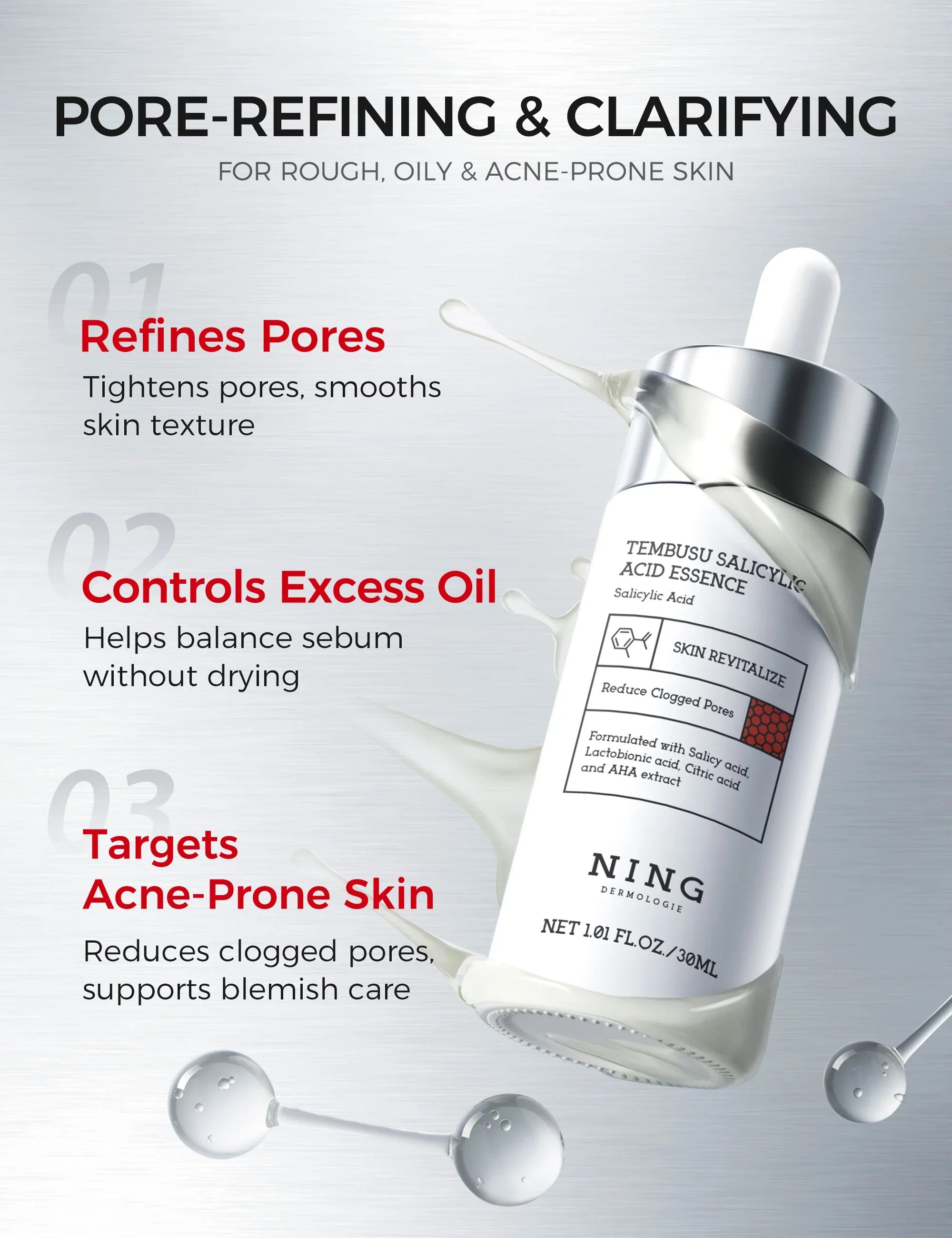
- The Deep Sweep: The Salicylic Acid acts as the pore-plumber. Because it is oil-soluble, it actually penetrates the lipid barrier of your skin, dissolving the hardened sebum and debris that form blackheads.
- The Surface Polish: While the BHA is working underground, the alpha hydroxy acids are gently dissolving the glue that holds dead, discolored skin cells to the surface of your face. This is what fades those stubborn dark marks and smooths out the rough, uneven texture.
- The Brightening Boost: When your pores are clear and the dead layer is gone, any other brightening agents you use—whether it's kojic acid or your favorite morning antioxidant—can actually penetrate and do their job.
Real Talk: Topicals vs. Textural Scarring
Now, as much as I love the NING Dermologie duo for clearing pores and fading pigment, I have to give you a reality check. There is a massive difference between a dark mark (hyperpigmentation) and true, textural acne scars.
If you are dealing with flat, dark spots left behind by inflammatory or cystic acne, an over-the-counter exfoliating duo will absolutely change your life. However, if your skin has deep indentations or raised bumps, no serum in the world is going to resurface your face. You are dealing with structural damage to your collagen fibers.
Let's break down when you need to put down the serums and call a board-certified dermatologist:
- Atrophic Scars: These are the depressed indentations. If you have rolling scars (wavy depressions), boxcar scars (broad depressions with sharp edges), or deep ice pick scars (narrow, deep V-shaped holes), topical skin care won't cut it. For these, dermatologic surgery and clinical scar treatment are required. Your derm might suggest skin needling, punch excision (cutting the scar out), punch elevation, or punch grafting.
- Hypertrophic and Keloid Scars: These are raised, thick scars. We see these often as hypertrophic burn scars, keloidal and hypertrophic sternotomy scars from surgeries, or thick erythematous/hypertrophic and pigmented scars on the jawline from severe acne. These require aggressive scar management like silicone gel sheets, intralesional injection, or specific intralesional steroid therapy (like triamcinolone acetonide or a standard corticosteroid injections/steroid injection) to flatten them out.
The Clinical Heavy Hitters
If you've graduated from topicals and need serious resurfacing, the medical community—backed by institutions like the Mayo Clinic, the Cleveland Clinic, and the British Association of Aesthetic Plastic Surgeons—has an arsenal of tools.
For severe textural issues, laser therapy is the gold standard. Depending on your downtime tolerance, doctors use ablative laser treatment (like a harsh CO2 laser) or non-ablative laser treatment. Fractional laser and fractional photothermolysis poke microscopic holes in the skin to stimulate new collagen. Laser resurfacing and overall Laser scar revision can dramatically smooth the skin.
For redness and vascular issues within scars, a pulsed dye laser (specifically a 585 nm pulsed dye laser or a 595-nm flashlamp-pumped pulsed dye laser) works wonders—these are entirely different technologies from what is used for laser tattoo removal.
For deep ice pick scars, doctors often use a technique called TCA CROSS, which involves dropping high-concentration TCA (trichloroacetic acid) directly into the scar to trigger localized healing. For broader resurfacing, standard chemical peeling or a chemical peels using lighter acids might be used. In extreme cases, surgical techniques, soft tissue fillers, plastic surgery, or even freezing lesions with liquid nitrogen are on the table.
How to Build Your Routine (Without Wrecking Your Skin Barrier)
Okay, let's step out of the dermatologist's chair and back to your daily routine. If you are starting with the NING Dermologie Clear & Refined Duo, or even if you are testing out drugstore staples like the CeraVe resurfacing retinol face serum, La Roche-Posay treatments, the CVS Health refining retinol serum, or SLMD Skincare (created by Dr. Sandra Lee), you have to play it smart.
- Start Slow: Do not use potent exfoliants every single night. Start twice a week. Let your skin breathe.
- Hydrate: Acid treatments strip away the bad, but they also compromise your barrier if you aren't putting moisture back in. Follow up with a barrier-repairing moisturizer.
- Skin Protection is Non-Negotiable: If you are using acids and skipping sunscreen, you are literally aging yourself faster. Exfoliants reveal fresh skin that is highly sensitive to UV rays. You must use a broad-spectrum sunscreen with a sun-protection factor of at least SPF 30 every single morning. Period.
A Quick Word on the Mental Toll
We spend so much time talking about the physical aspect of acne and scars, but we rarely discuss the psychological weight. Severe acne inflammation isn't just a cosmetic issue; it's an emotional heavy-hitter. The anxiety of waking up to new breakouts can be paralyzing. If your skin is severely impacting your mental health, please know that seeking help from a therapist for cognitive behavioural therapy, or discussing medication options like selective serotonin reuptake inhibitors with a doctor, is just as valid a part of your skincare journey as finding the right serum. Be kind to yourself.

Frequently Asked Questions (FAQ)
Q: Will the NING Dermologie Duo make me purge?
A: Probably, and that’s a good thing! BHA pushes trapped gunk to the surface. If you see tiny whiteheads in areas you normally break out, stick with it. It usually clears up within 2 to 4 weeks. If it’s red and itchy, that’s irritation, so back off.
Q: Can I use this Duo with my daily Vitamin C serum?
A: Yes, but don’t layer them in the same routine unless you want a chemical burn. Use your Vitamin C in the morning to fight free radicals under your SPF, and save your exfoliating duo for your nighttime routine to do the heavy lifting while you sleep.
Q: I have deep ice pick scars. Will this duo fill them in?
A: I'll be straight with you: no serum can fix deep indentations. Topicals fade the dark marks left by the acne, but structural depressions require clinical treatments like TCA CROSS or lasers. Use this duo for texture and tone, but see a derm for deep scars.
Q: How long until my dark spots actually fade?
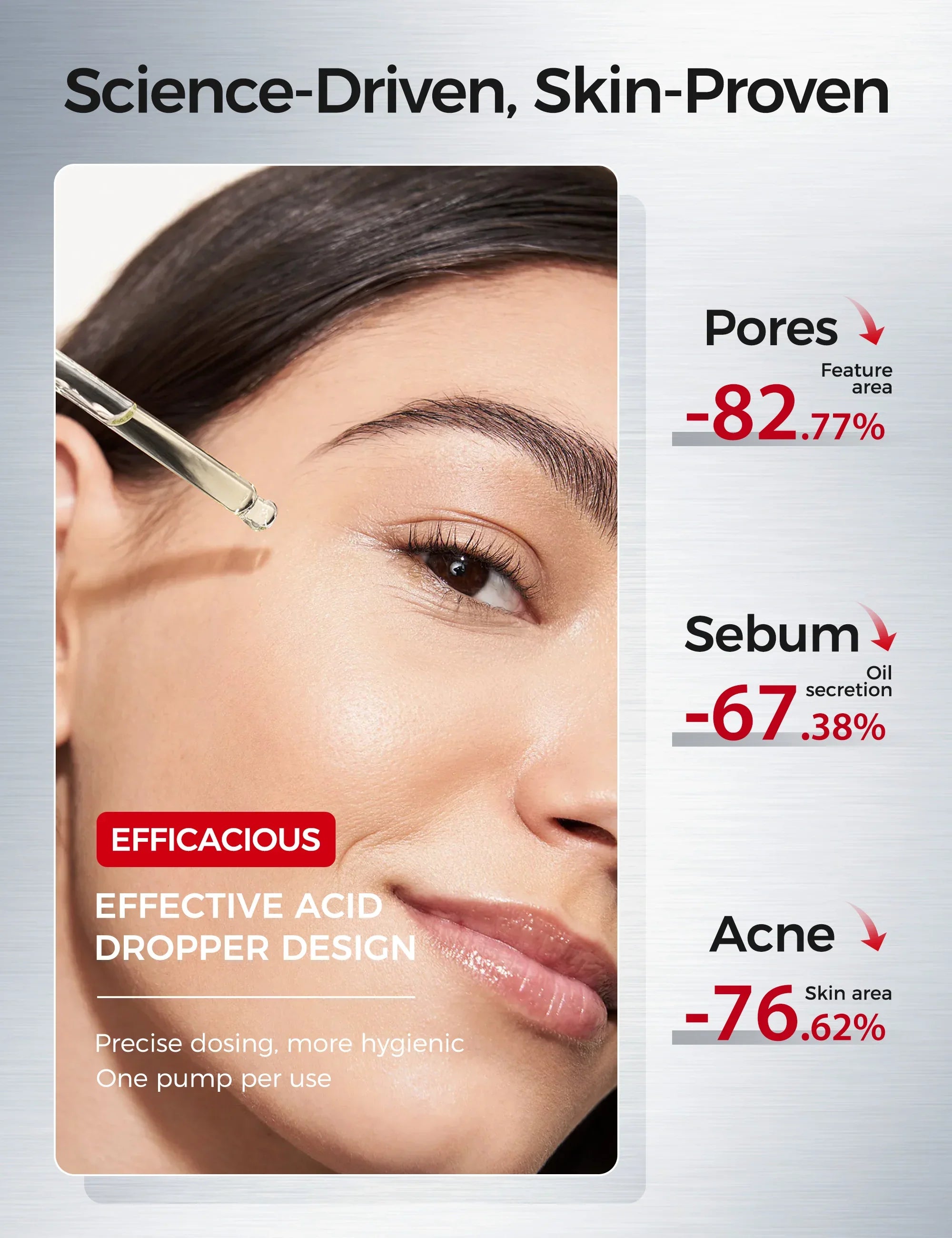
A: Consistency is everything. You should notice your skin feeling smoother and looking brighter within the first two weeks. However, truly fading post-inflammatory hyperpigmentation takes about 8 to 12 weeks of consistent use, strictly paired with daily sunscreen.
Q: Do I really need SPF 30 if I work indoors all day?
A: Absolutely. UVA rays (the ones that cause aging and make dark spots darker) easily penetrate window glass. Since exfoliating acids make your fresh skin extra sensitive to light, skipping sunscreen will literally reverse all the hard work your serums did the night before.





Share:
How to Clear Congested Pores and Smooth Skin Texture with a Dual-Step Routine
How to Reduce the Look of Eye Lines and Smile Lines with Targeted Care