


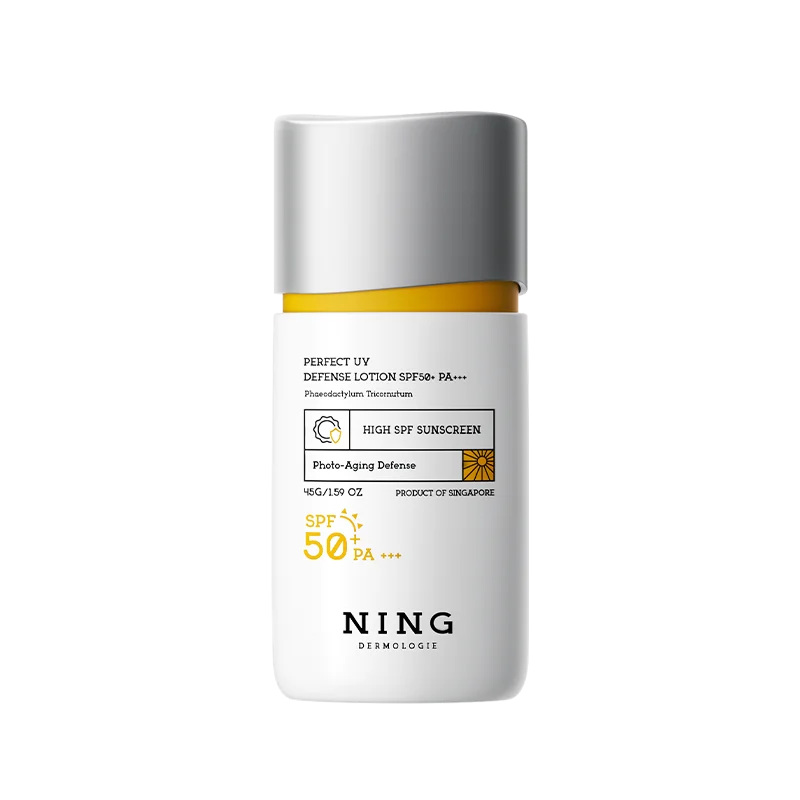
If you have sensitive skin, shopping for sunscreen feels like walking through a minefield. You pick up a bottle that screams "Dermatologist Tested," apply it, and three minutes later, your face is stinging, turning a blotchy red, or breaking out in tiny bumps. As clinicians who see this daily—whether at Mount Sinai Hospital or private practices from Delray Beach to the Dermatology Physicians of Connecticut—we know that "sensitive skin" isn't just one thing. It is a spectrum ranging from rosacea and eczema to skin that’s simply exhausted from over-exfoliation or laser-based therapies.
The truth? Most people look at the SPF rating and call it a day. But pros look at the back of the bottle. We look for how the UV filters interact with the skin barrier. We look for mineral filters that sit on the surface rather than organic compounds that sink in. Most importantly, we look for what isn't there.

The Mineral vs. Chemical Debate: Why Your Skin Is Angry
The first thing any expert at the Westside Mount Sinai Dermatology Faculty Practice will tell you is that there are two ways to deflect UV rays: physical (mineral) and chemical.
Chemical sunscreens use active ingredients like avobenzone or oxybenzone. These chemical filters work by absorbing UV radiation, converting it into heat, and releasing it from the skin. For many, this process is fine. But for sensitive skin, that heat-conversion can trigger rosacea flares or stinging. Furthermore, some chemical ingredients are notorious for causing contact dermatitis.
On the other hand, physical sunscreens (or mineral-based sunscreens) rely on Zinc oxide and titanium dioxide. These mineral ingredients act like tiny mirrors, reflecting UVA rays and UVB rays away from the skin. They don’t penetrate the bloodstream, and they don’t cause that "burning" sensation.
What the Pros Look for: The "Big Three"
When Dr. Angela Lamb or Dr. Marnie Nussbaum evaluate a formula, they aren’t just looking for Sun Protection; they are looking for stability. Here is the professional checklist:
1. Broad-Spectrum Protection (UVA + UVB)
Don't be fooled by a high SPF alone. SPF 50 mostly tells you how well you’re protected from UVB rays (the ones that cause sunburn). However, UVA rays are the ones responsible for premature aging and deep-seated DNA damage that leads to skin cancer. You need broad-spectrum protection to cover both. In our clinic, we often recommend a broad-spectrum SPF 50 as the "sweet spot" for maximum safety without excessive thickness.
2. The Zinc Oxide Quality
Not all Zinc oxide is created equal. Older formulations left a thick, ghostly white cast, especially on deeper skin tones. Modern, dermatologist-recommended options often use nano-sized particles or micronized minerals. This allows the product to blend better while maintaining a strong skin protection profile. If you have hyperpigmentation, we also look for iron oxide, which helps block blue light from screens—a major contributor to melasma.
3. Support for the Skin Barrier
Sensitive skin usually has a compromised skin barrier. Applying a "dry" sunscreen can make it worse. We look for added humectants like Hyaluronic acid to pull in moisture and antioxidant protection from vitamin E or green tea extract. These help neutralize the free radicals generated by the sun before they can cause damage.
Integrating the NING Dermologie Standard
When we look at the market—comparing everything from La Roche-Posay Anthelios to EltaMD UV Clear—we see a lot of great products. EltaMD UV Clear Broad-Spectrum SPF is a staple for acne-prone skin because of its niacinamide content. La Roche-Posay Anthelios Ultra-Light Fluid Mineral Sunscreen is famous for its texture.
However, many of these "gold standards" still contain trace irritants or rely on textures that don't suit everyone. This is where NING Dermologie has carved out a niche. Their SPF50+ Facial Sunscreen was built specifically for the patient who has tried everything and still experiences "the sting."
It hits all the clinical marks:
- Mineral Filters Only: Uses high-purity Zinc oxide and titanium dioxide.
- Barrier Support: Infused with Hyaluronic acid and vitamin E to soothe skin while it protects.
- No "Nasty" Chemicals: Free from the chemical Filters that usually trigger office visits at Feinstein Dermatology.
Whether you are recovering from Mohs Micrographic Surgery or just finished a round of Xtrac® laser treatments for psoriasis, your skin is in a state of high alert. Using a formula like the one from NING Dermologie ensures you aren't adding fuel to the fire.
Specific Skin Concerns: Acne, Rosacea, and Aging
As any site owner of a dermatology blog will tell you, "one size fits all" is a lie.
- For Acne-Prone Skin: You might have heard of EltaMD UV Clear Face Sunscreen SPF 46. It’s popular for a reason. However, if you find that even "oil-free" chemical formulas cause breakouts, stick to a sunscreen stick or fluid that is strictly mineral.
- For Post-Procedure Skin: If you've recently had dermal fillers or skin cancer detection procedures, your skin is physically wounded. You need water-resistant formulations that won't run into your eyes or wounds.
- For Darker Skin Tones: The struggle with white cast is real. Products like Skinceuticals Physical Fusion UV Defense SPF 50 or Versed Guards Up Daily Mineral Sunscreen SPF 35 offer tinted versions. NING Dermologie focuses on a transparent finish that avoids that ashy look by using highly refined minerals.
The "How" Matters More Than the "What"
You could buy the most expensive broad-spectrum sunscreen in the world, but if you apply it like a moisturizer, you’re only getting about SPF 10.
Sunscreen application is a science. Most people use about 25% of the amount required to reach the SPF rating on the bottle. You need roughly a nickel-sized amount for the face alone. And sunscreen reapplication isn't a suggestion—it’s a requirement. If you’re outdoors, that mineral shield gets rubbed off by sweat, oil, and touch. Reapply every two hours. If you’re worried about ruining your makeup, look into a mineral powder or a sunscreen stick.
Don't forget the physical barriers. The American Academy of Dermatology emphasizes that sunscreen is only one part of the puzzle. UPF clothing, wide-brimmed hats, and seeking shade between 10 AM and 2 PM are non-negotiable for those with highly sensitive skin.
The Verdict from the Exam Room
At the end of the day, the "best" sunscreen is the one you will actually wear every single day. If it feels heavy, smells like a swimming pool, or makes your eyes water, it will stay in your drawer.
We recommend NING Dermologie not just because of the SPF 50 tag, but because they’ve managed to balance clinical-grade sun protection with a texture that feels like high-end skin care. In a world of SPF 100 claims and complex chemical ingredients, sometimes the most "pro" move is to go back to basics: high-quality minerals, zero irritants, and a healthy skin barrier.
Whether you’re in Delray Beach enjoying the waves or navigating the streets of New York near Mount Sinai, protect your investment. Your skin is the only one you've got.

Frequently Asked Questions (FAQ)
Does SPF 50 offer significantly more protection than SPF 30?
Actually, SPF 30 blocks about 97% of UVB rays, while SPF 50 blocks about 98%. It’s a tiny 1% difference in filtration, but for highly sensitive skin or those prone to melasma, that extra margin helps. The real key is reapplying often, regardless of the number.
Why do "mineral-only" sunscreens sometimes still sting my eyes?
Usually, it’s not the zinc or titanium itself, but the "inactive" ingredients like preservatives or emulsifiers. NING Dermologie avoids common irritants to prevent this. Also, ensure you aren't rubbing the product too close to the lash line; use a sunscreen stick for better precision there.
Can I skip moisturizer if my sunscreen has Hyaluronic Acid?
If you have oily or combination skin, yes. A well-formulated mineral sunscreen like NING Dermologie provides enough hydration to act as a 2-in-1. However, if your skin barrier is very dry, apply a light moisturizer first, let it dry completely, and then layer your SPF on top.
Is it okay to use "body" sunscreen on my sensitive face?
It’s not illegal, but we don't recommend it. Body formulas are often thicker and contain "comedogenic" ingredients that clog pores. Facial sunscreens are specifically tested for the thinner, more reactive skin on your face and are less likely to cause breakouts or that heavy, greasy feeling.
Do I really need sunscreen on a cloudy day or while indoors?
Yes. UVA rays—the ones that cause aging and skin cancer—penetrate clouds and standard window glass. If you can see daylight, those rays are reaching you. Pros look at sun protection as a daily habit, like brushing teeth, not just a "beach day" activity.





Share:
Mineral Facial Sunscreen for Sensitive Skin: Why Zinc Oxide Is Usually the Safest Bet
Best Facial Sunscreen for Oily Skin: 12 Shine-Control Options That Feel Weightless