



Finding the right exfoliating face wash when you have combination skin feels a lot like being a full-time mediator. On one side of your face (the T-zone), you’ve got a literal oil slick and pores that seem to collect dead skin cells like it’s their job. On the other side (your cheeks and jawline), you’re dealing with dry skin that feels tight enough to snap if you smile too hard.
It’s an exhausting balancing act. If you go too hard with a harsh physical exfoliation scrub, your dry patches turn into a flaky desert. If you’re too gentle, the excess oil on your nose eventually invites active acne to the party.
So, how do you find a face cleanser that actually respects both sides of your personality? Let’s cut through the marketing fluff and get into what actually works for combination skin in 2026.

The "Combination Skin" Paradox: Why Most Cleansers Fail You
Most facial cleansers are built for extremes. They are either "creamy and hydrating" (which leaves the T-zone feeling greasy) or "foaming and deep-cleansing" (which strips your skin barrier until it screams).
For combination skin, you need a middle ground. You need a skincare routine that prioritizes surface skin cell renewal without nuking your moisture barrier. This is where the recommended order of ingredients matters more than the price tag. You want something that can dissolve the "glue" holding dead cells together while pumping hydration back into the layers that need it.
Chemical vs. Physical: Choose Your Fighter (Or Don't)
There’s a long-standing debate in the skincare regimen world: acids or scrubs?
1. Chemical Exfoliation (The "Smart" Way)
Chemical exfoliation uses active ingredients to melt away debris. For us "combo" folks, Salicylic Acid (a BHA) is the MVP because it’s oil-soluble—meaning it actually gets into the pore to clear out gunk. On the flip side, Alpha Hydroxy Acids (AHAs) like Glycolic Acid, Lactic Acid, and Mandelic Acid work on the surface to fix rough texture.
2. Physical Exfoliation (The "Instant" Way)
We’ve all been scarred by those old-school apricot scrubs that felt like washing your face with jagged glass. Modern physical exfoliation is much kinder. Think Jojoba esters, Jojoba beads, or Microcrystalline Cellulose. These are biodegradable beads that provide a smooth polish without causing micro-tears.
3. The Hybrid Hero: NING Dermologie
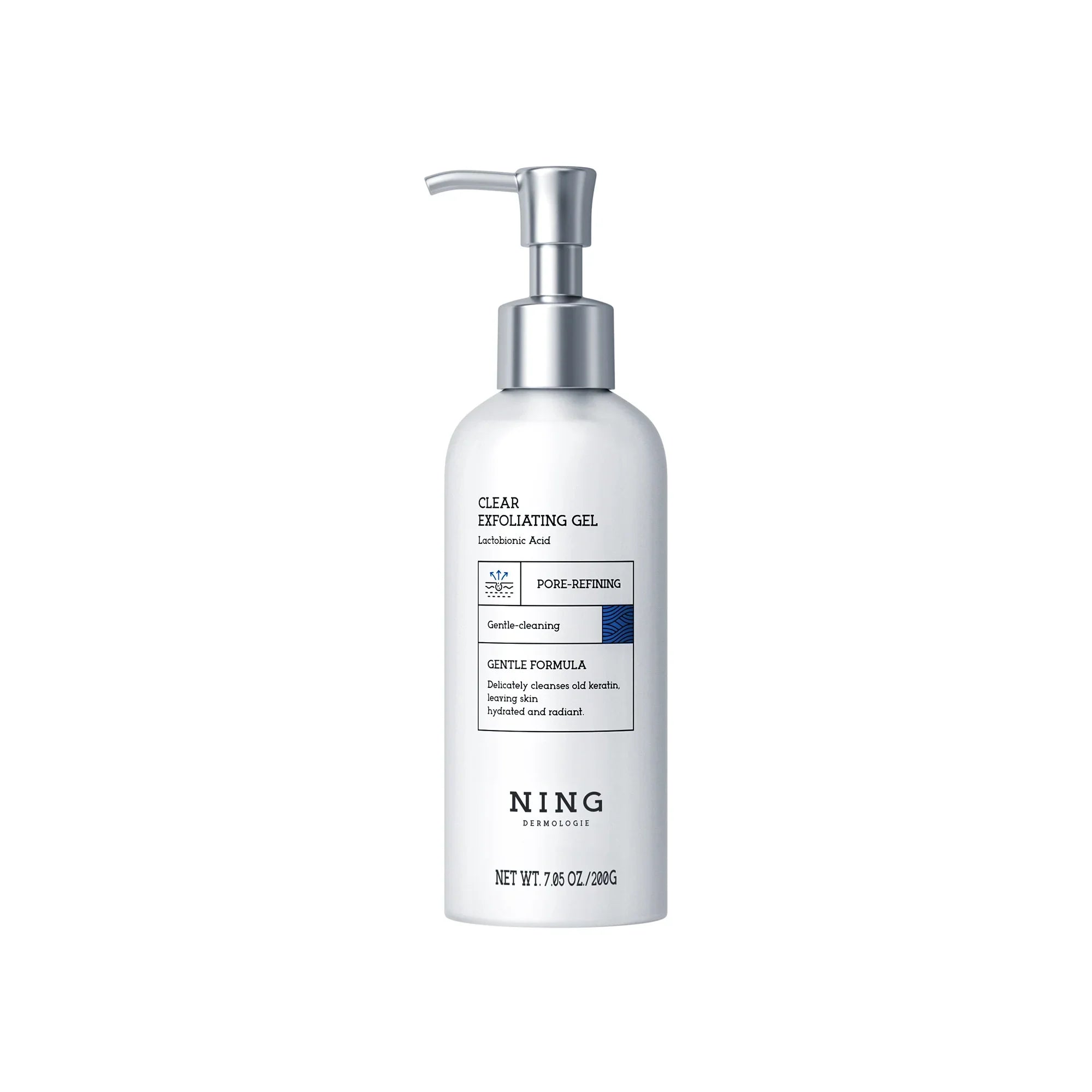
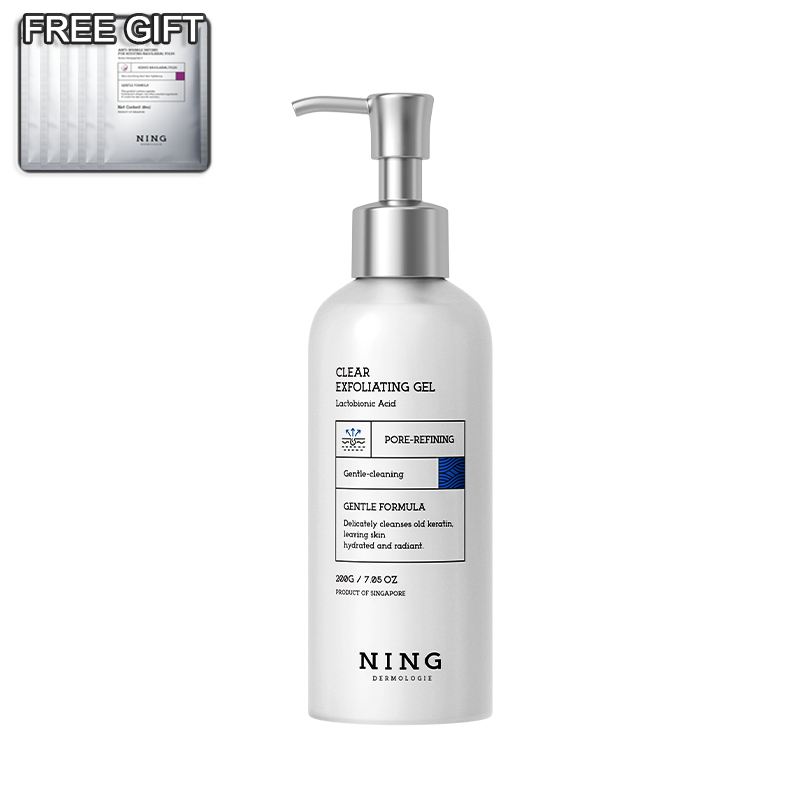
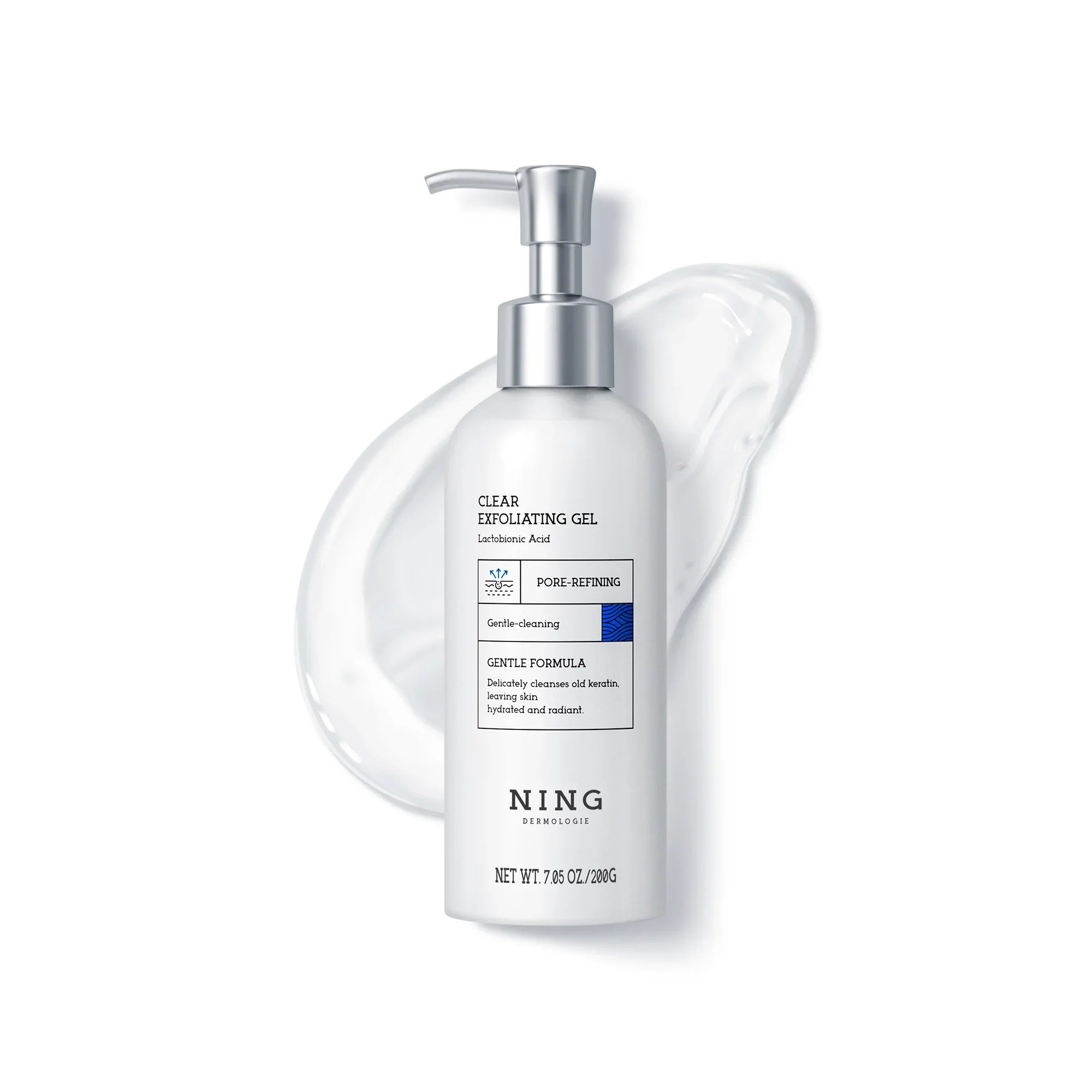
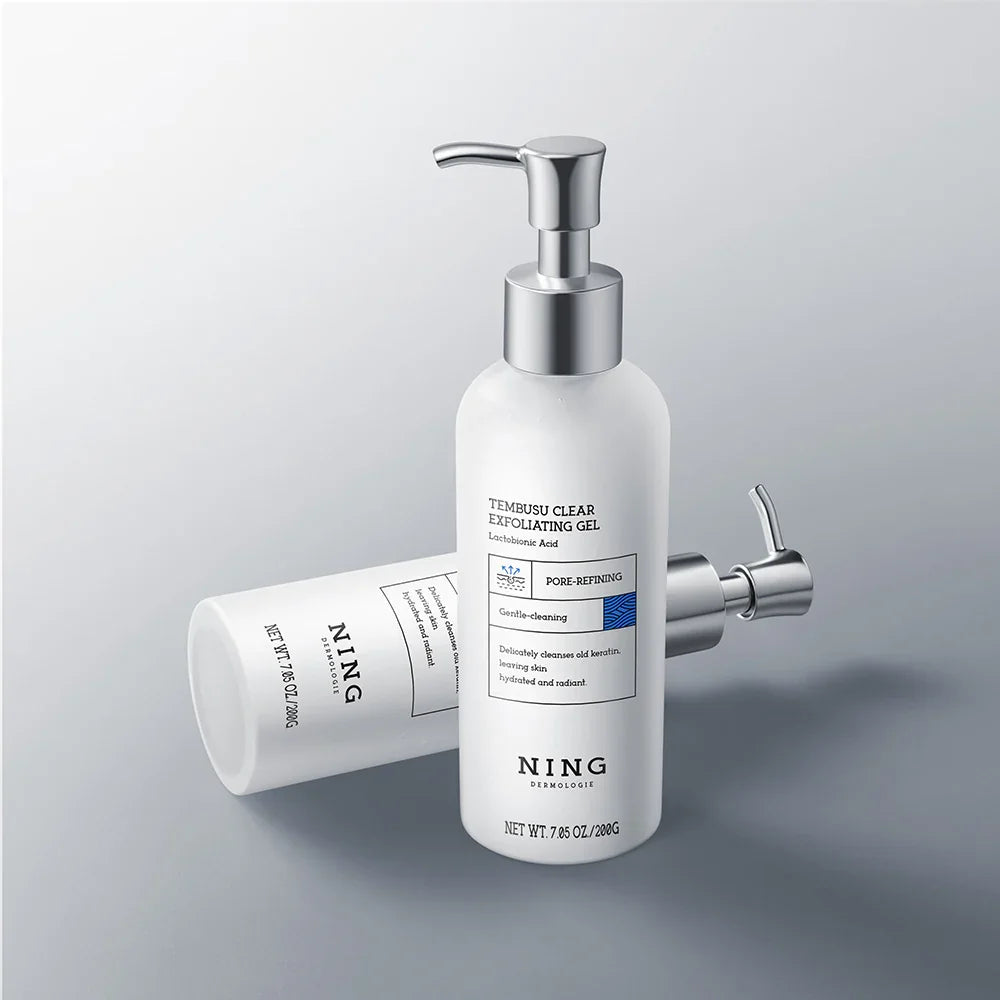
This is where our brand, NING Dermologie, enters the chat. We realized that combination skin doesn't want to choose. OurPeeling Gel for Face Purifying Exfoliating Face Washis a Soap Free Gel that uses a "balling" mechanism. As you massage it onto a damp face, it binds with dead skin cells to form visible particles. It’s satisfying, it’s dermatologist tested, and it doesn’t leave your U-zone feeling like parchment paper.
Key Ingredients to Scout For (And What to Avoid)
When you're scanning the back of a face wash bottle, look for these power players:
- Salicylic Acid Face Wash / SA Cleanser: Perfect for acne-prone skin and managing normal to oily skin zones.
- Hyaluronic Acid & Hydrolyzed Hyaluronic Acid: These are skin conditioners that prevent that "post-wash tightness."
- Colloidal Oatmeal & Rice Bran (Oryza Sativa Bran Extract): Incredible for soothing sensitive skin and reinforcing the skin moisture barrier.
- Papaya-derived enzyme: A natural way to boost cell turnover without the sting of strong acids.
- Ginkgo Biloba & Camellia Sinensis (Green Tea) Leaf Extract: Antioxidant heavyweights that calm redness.
What to skip? If you see Benzoyl Peroxide in a daily exfoliating cleanser, be careful. While great for active acne, it can be incredibly drying for the "normal to dry" parts of a combination face. Also, avoid anything with jagged shells; stick to Jojoba esters or Hydrolyzed Jojoba Esters for safety.
The Ultimate Combination Skin Routine
If you want to maximize skin texture and glow, your skincare routine should look something like this:
- Double Cleanse (PM only): Start with a Micellar Water or a Makeup Removing Cleanser Balm to break down SPF and foundation.
- The Main Event: Use a Gentle Exfoliating SA Cleanser or the NING Dermologie Peeling Gel. Massage longer on the T-zone and less on the cheeks.
- Hydrate: Apply a Hydrating Hyaluronic Acid Serum (like the CeraVe Hydrating Hyaluronic Acid Serum) while your face is still slightly damp.
- Treat: If you have rough texture or Keratosis Pilaris, you might occasionally swap in a Salicylic Acid Body Wash for neck/shoulder areas, but keep the face focused on balance.
- Seal it in: Use a Moisturising Gel that won't clog pores.
Pro-Tips for "Combo" Success
- Don't Overdo It: The American Academy of Dermatology suggests that over-exfoliating is the fastest way to ruin your skin. 2-3 times a week is usually the sweet spot for an exfoliating foam cleanser.
- The "Damp Face" Rule: Most facial cleansers work best on damp skin, but peeling gels (like NING's) often perform better when you start with slightly drier hands to get that "balling" effect.
- Watch the Sun: Using Glycolic Acid or Lactic Acid makes your skin more sun-sensitive. Always finish your morning routine with broad spectrum protection.
The Verdict
Finding the best exfoliating face wash for combination skin isn't about finding the strongest acid on the shelf. It’s about finding a formula that respects your skin barrier while gently nudging dead skin cells out the door.
Whether you go for a classic SA Cleanser or a modern, botanical-powered Peeling Gel from NING Dermologie, the goal remains the same: balance. Your skin shouldn't feel "squeaky clean" (that’s a sign of damage); it should feel soft, hydrated, and ready for the next step.

Frequently Asked Questions (FAQ)
1. How often should I use an exfoliating face wash if I have combination skin?
Honestly, don't overthink it. Start with twice a week and see how your skin reacts. If your T-zone still feels like an oil slick but your cheeks aren't flaking, you can bump it up to three times. The "squeaky clean" feeling is actually a trap; it means you’ve stripped your barrier. If your face starts feeling tight or looking unusually shiny (but dry to the touch), back off immediately.
2. Can I use a Salicylic Acid face wash and a Vitamin C serum together?
You can, but don't just slap them on at once if you're prone to redness. I usually suggest "ingredient splitting": use your Salicylic Acid wash at night to clear out the day’s grime, and save the Vitamin C for the morning to fight off pollution. If you do use them together, make sure you’re using a buffered formula. If it tingle-stings in a bad way, your skin is telling you to stop.
3. What is the difference between NING Dermologie Peeling Gel and a regular scrub?
Traditional scrubs are basically sandpaper for the face; they rely on friction and can be way too aggressive for your dry patches. The NING Dermologie gel is a different beast. It’s a "gommage" style formula that rolls up into little soft clumps as you massage it. It’s grabbing the dead stuff and dirt without scratching the living skin underneath. It’s satisfying to see the "pills" form, and it's much kinder to your barrier.
4. Is it okay to exfoliate if I have active acne or "maskne"?
It’s a "yes," but with a massive asterisk. Do not—I repeat, do not—use a physical scrub on a live breakout. You’ll just tear the skin and spread the bacteria everywhere, making it worse. Stick to a chemical face cleanser with BHA. It goes deep into the pore to dissolve the clog from the inside out. It’s a smarter, more surgical approach to acne than just trying to scrub the pimples away.
5. Should I apply my exfoliating cleanser to a wet or dry face?
For your standard foaming oil cleanser, a damp face is the way to go. But here’s a pro-tip: if you’re using the NING Dermologie peeling gel, try using it on dry (or very slightly damp) skin with dry hands. This gives the gel better "grip" to ball up and lift away those stubborn dead skin cells. If the face is too wet, the product just slides around without doing much heavy lifting.





Share:
How to use exfoliating face wash without irritating skin?
Are there exfoliating face washes free of sulfates and parabens?