



The beauty industry loves to complicate things. We are constantly told we need a 12-step skin care routine, a cabinet full of expensive anti-aging products, and an hour every morning just to look decent.
But here is the honest truth about skin health: if you want to prevent premature aging, you only need to master two things. Radiance and defense. Everything else is just extra credit.
If your daily routine doesn’t prioritize protecting your skin barrier and boosting your natural glow, you are just throwing money down the drain. Let’s break down exactly how to build a practical, nonsense-free AM and PM routine that actually works.

The Invisible Threats Wrecking Your Skin
Every time you walk out the door, your face goes to war. Even on cloudy days, UV radiation is silently penetrating your skin. High UV indexes and rising pollution levels in our cities are a toxic combination. When sun exposure mixes with urban smog, it triggers a massive increase in reactive oxygen species (also known as free radicals) on your skin.
These free radicals are greedy. They steal electrons from your healthy cells, which aggressively breaks down your natural collagen production. The result? Sagging, fine lines, and dark spots.
And let’s be very clear. This isn't just about vanity or cosmetic skin concerns. Chronic UV damage is the leading cause of Skin Cancer. Skipping sun protection isn't just risking a few wrinkles; it's risking your life. Nobody wants to end up sitting in the office of a Mohs surgeon having a chunk of Skin Damage carved out of their face.
The Tech Metaphor You Need to Hear
Think about it like this. If you are a site owner running an e-commerce business, you wouldn't dream of launching without a solid security service to block online attacks.
Your skin barrier operates the exact same way. Think of UV Rays and pollution as a malicious SQL command or a stream of malformed data trying to hack your system. A good antioxidant serum and sunscreen combination is your ultimate security solution. Without that daily firewall, your skin's natural defenses crash faster than a web server spitting out a blank screen and a Cloudflare Ray ID error. You need that protection active 24/7.
Your Morning Armor: The Radiance & Defense Strategy
To build this firewall, your morning skincare routine needs to be efficient. You don't need ten layers. You need the right active ingredients.
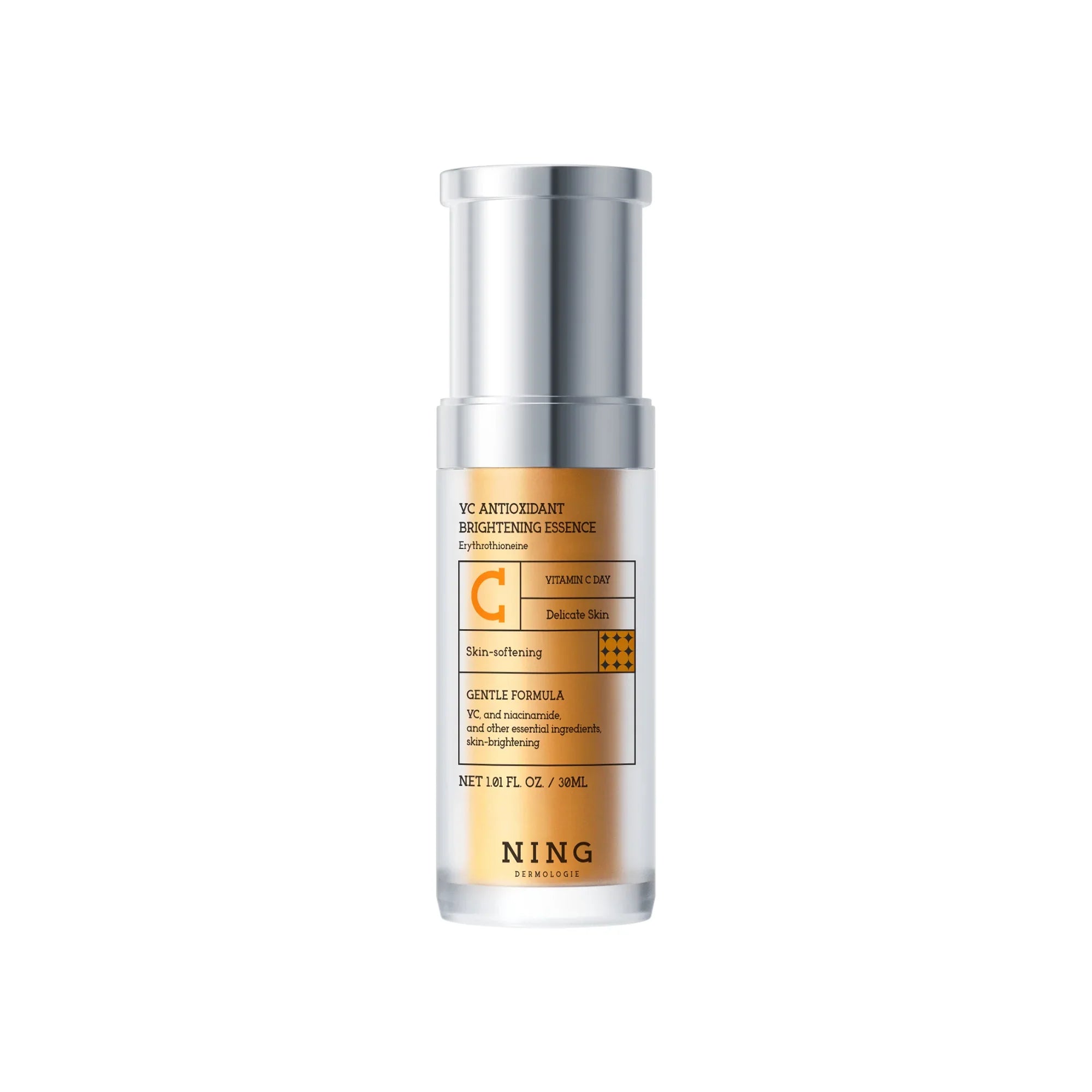
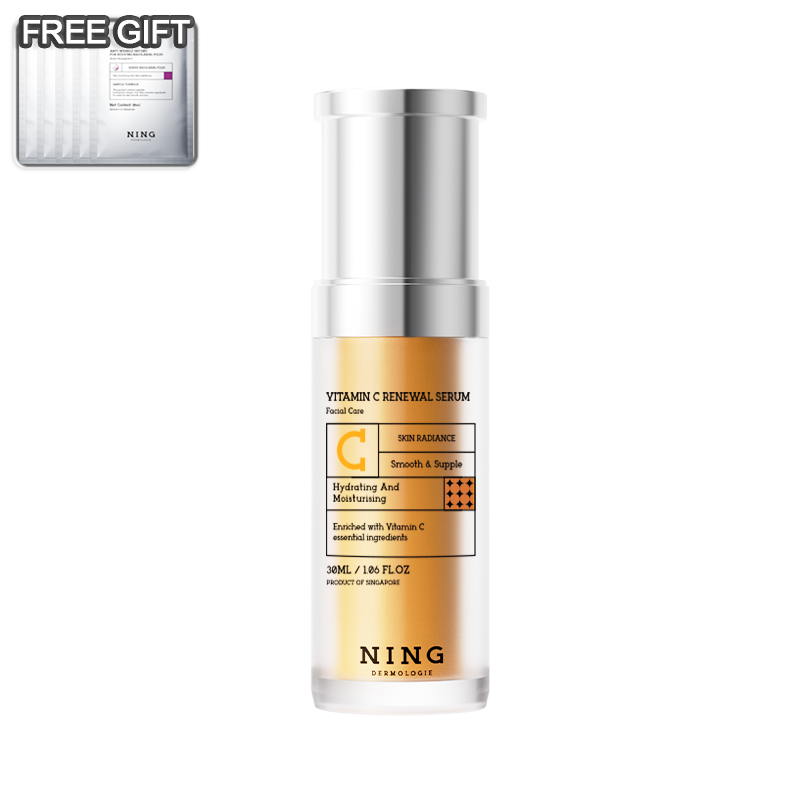
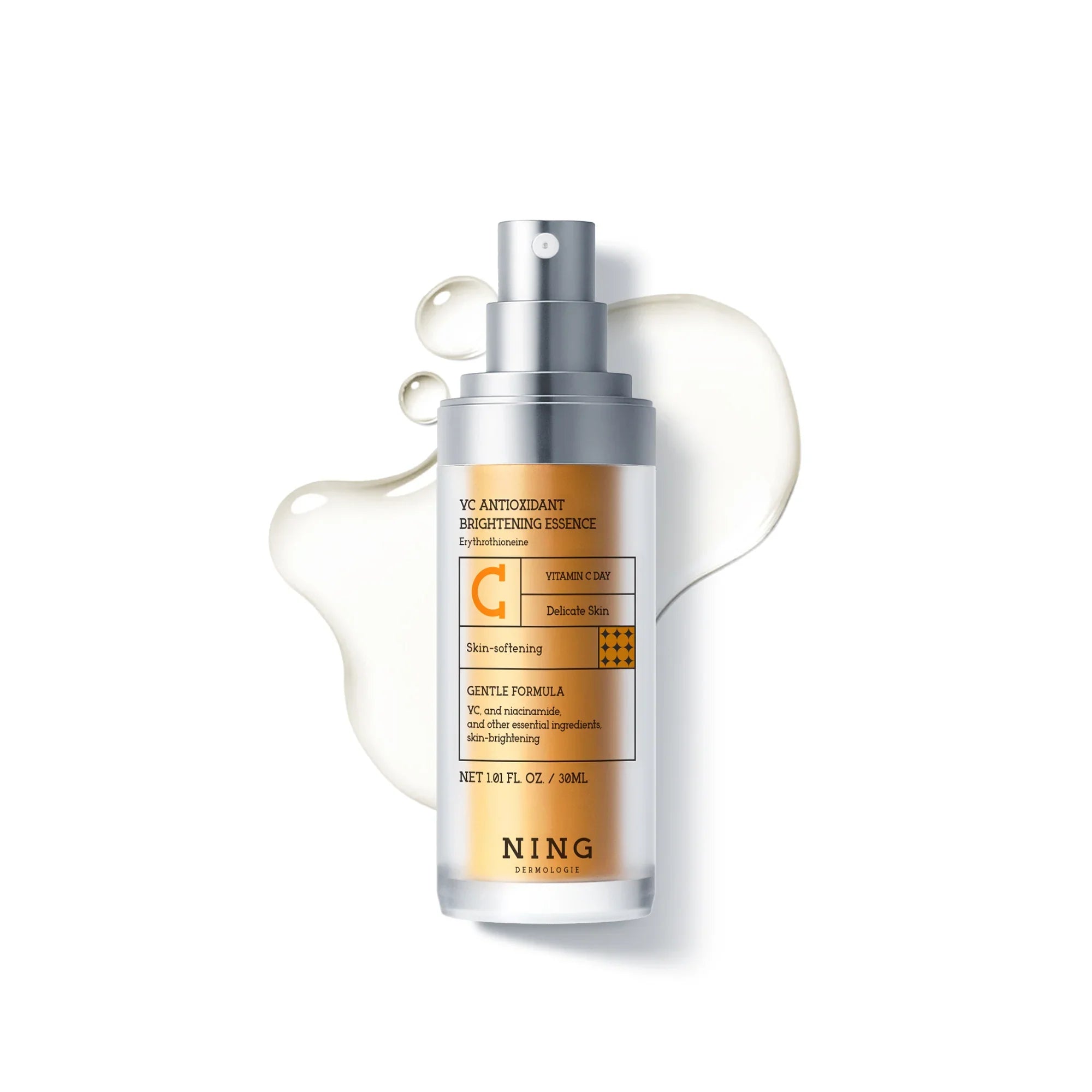
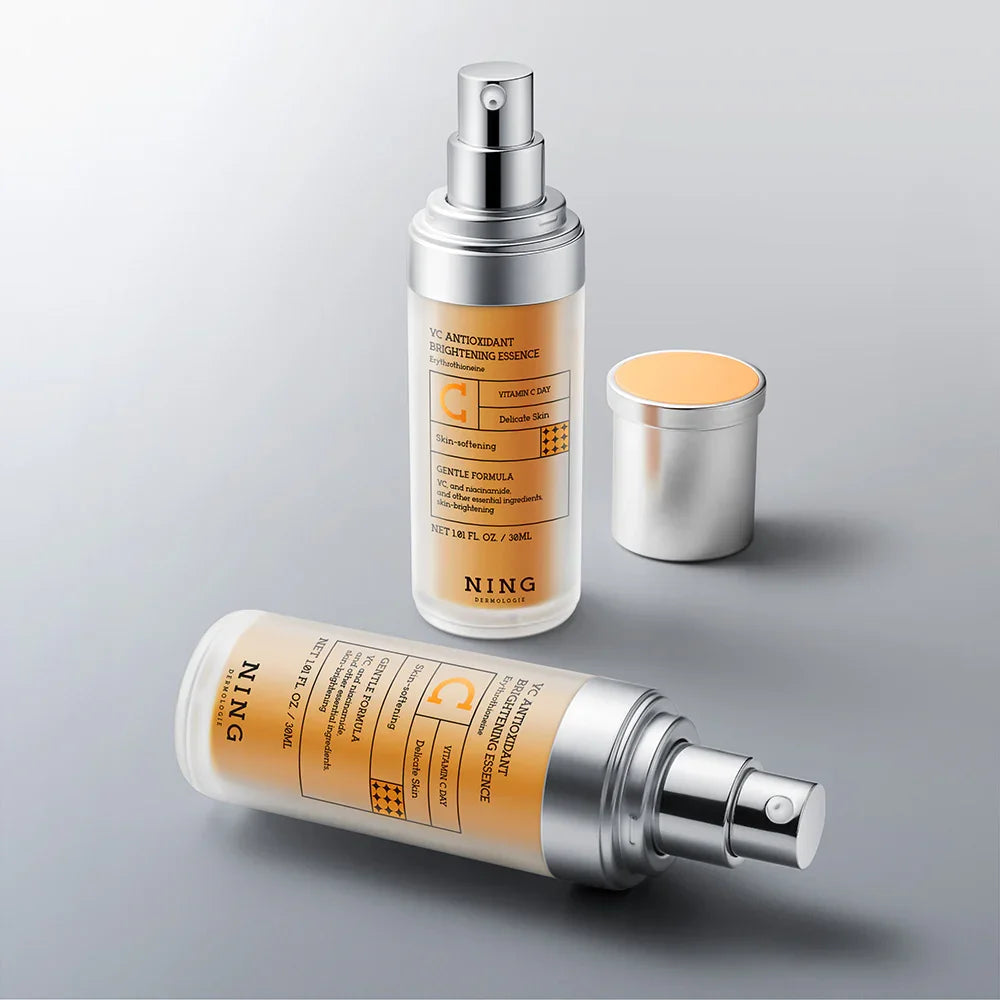
First, splash your face with water or a gentle face wash. Then, you need an antioxidant. Vitamin C is the gold standard here. It acts like a scavenger, hunting down those reactive oxygen species before they can degrade your collagen.
Next comes the non-negotiable step: a broad-spectrum sunscreen. "Broad Spectrum" simply means it protects against both UVA (the aging rays) and UVB (the burning rays). You need a minimum of SPF 30 for daily use.
This is where formulation matters, and frankly, where most people mess up because they hate the heavy, greasy feel of traditional sunscreens. That’s exactly why the NING Dermologie brand approach makes so much sense.
Instead of layering three different sticky serums and creams, I always recommend the Radiance & Defense Duo. You can check it out right here: NING Dermologie Radiance & Defense Duo.
This duo is brilliant because it tackles both sides of the coin in a way that feels weightless. It gives you that immediate brightening effect while delivering serious UV protection. It utilizes high-quality physical blockers like Zinc Oxide and Titanium Dioxide.
Historically, physical sunscreens were a nightmare for skin of color because they left a chalky white cast. But modern cosmetic chemistry has fixed this. The NING Dermologie formulation blends seamlessly without looking ashy. Plus, because it relies on physical mineral blockers rather than harsh chemical filters, it doubles as a Reef Safe Sunscreen. It protects your face without bleaching the coral reefs on your next vacation.
The PM Routine: Repair and Resurface
While your morning is all about defense, your night routine is about damage control. While you sleep, your body goes into repair mode.
Start by thoroughly cleansing off the day's grime, oil, and SPF. A double cleanse is usually best if you wear makeup.
Next, focus on cell turnover. As we age, our skin naturally slows down the rate at which it sheds dead cells. This leads to a dull, rough complexion. Introducing chemical exfoliating products into your nighttime lineup two or three times a week is a game-changer. A well-formulated glycolic acid liquid or serum will gently dissolve the glue holding those dead cells together.
On the nights you aren't exfoliating, focus on hydration and repair. A serum packed with hyaluronic acid acts like a sponge, pulling water into your skin to plump up fine lines. Look for moisturizers containing a DNA Repair Complex or soothing ceramides to rebuild that skin barrier we talked about earlier.
If your skin runs dry, lock everything in with a few drops of hydrating face oils. Don't forget a targeted eye cream, as the skin around your eyes is the thinnest on your face and shows skin aging first. If you want to treat yourself on a Sunday night, throw on a hydrating face mask while you watch Netflix. It’s a simple dermatologist-approved ritual that forces you to relax.
Professional Treatments vs. At-Home Realities
Let’s talk about the heavy hitters. Cosmetic dermatology has advanced rapidly over the last decade. Professional treatments can achieve things that topical creams simply cannot.
We are seeing incredible results from laser therapies that erase years of sun damage in a single session. Ultrasound therapy can tighten deep tissue, and botulinum toxin (like Botox) remains the undisputed king of stopping dynamic wrinkles in their tracks. We are even entering the sci-fi era of skin rejuvenation with things like RF microneedling, topical growth factors, and advanced exosome therapy.
But here is the reality check. You can drop thousands of dollars at a luxury med-spa. You can get the most expensive lasers and injections on the market. But if you walk out of that clinic and refuse to use your at-home products—specifically your daily sunscreen—you are entirely wasting your money.
In-office treatments are accelerators. Your daily radiance and sunscreen routine is the engine. Skincare is a long-term commitment. Consistency beats intensity every single time. Slapping on your NING Dermologie Radiance & Defense Duo every morning takes 30 seconds, but it will do more for your skin over ten years than a single expensive laser session ever could.
If you scroll to the bottom of this page, I’ve put together a quick cheat sheet addressing the most common questions I get asked about making this routine stick. Keep it simple, protect your barrier, and your skin will thank you.

Frequently Asked Questions (FAQ)
Do I really need sunscreen if I work indoors all day?
Yes. UVA rays easily penetrate standard glass windows. If you sit near a window or commute in a car, you are getting chronic sun exposure. That daily UVA hit is exactly what causes gradual collagen loss and deep wrinkles over time.
How much sunscreen am I actually supposed to use?
Most people apply way too little. Use the "two-finger rule." Squeeze a line of sunscreen down the length of your index and middle fingers. That is the exact amount you need to adequately cover your face and neck to get the true SPF on the label.
Can I skip moisturizer if my sunscreen is hydrating?
Absolutely. If you have oily or combination skin, layering a thick moisturizer under your SPF is a recipe for breakouts. Modern hydrating sunscreens, like the NING Dermologie Defense cream, contain enough moisture to act as a two-in-one product for your morning routine.
Why does my vitamin C serum smell weird or change color?
Pure vitamin C (L-ascorbic acid) is highly unstable. If exposed to light and air, it oxidizes quickly, turning orange or brown and losing its effectiveness. Keep your bottle tightly sealed, store it in a cool, dark place, and use it up within three months.
Are chemical exfoliants safe to use during the summer?
Yes, but you must be diligent. Ingredients like glycolic acid reveal fresh, new skin cells that are much more vulnerable to UV damage. You can use them year-round, but applying a broad-spectrum sunscreen the next morning becomes absolutely critical to prevent dark spots.








Share:
How to Brighten and Protect Skin with Cream and SPF in One Routine
Peeling Gel and Serum Routine for Clearer, More Refined Skin