



Beyond the Glow: Why Your Vitamin C Serum Isn't Working (And the Best Vitamin C Serums of 2026 That Actually Do)
The world of vitamin c serums is a mess. If you’ve ever opened a pricey bottle only to find a dark orange liquid that smells like hot dog water, you’ve been a victim of the "oxidation trap." We’ve been told for a decade that l-ascorbic acid is the gold standard of vitamin c, yet most of us end up with irritated skin or zero results.
In 2026, the conversation has finally shifted. It’s no longer just about the highest concentration of vitamin c you can find; it’s about stability, delivery systems, and whether that face serum actually plays nice with your other skin care products. Whether you’re trying to brighten a dull complexion, fade a stubborn dark spot, or smooth out fine lines and wrinkles, you need a formula that survives the bottle and actually penetrates the skin barrier.

The Science of the "Sting": What to Look For in Vitamin C
Before we dive into the 11 best vitamin c serums, we need to talk about why your skin type matters more than the price tag. Most pure vitamin c (l-ascorbic acid) formulas require a very low pH to work. For many, especially those with sensitive skin, this low pH is a recipe for redness and peeling.
This is where the vitamin c derivative comes in. In 2026, we’re seeing a massive surge in the use of 3-O-Ethyl Ascorbic Acid. Unlike traditional formulas, this type of vitamin c is etherified, meaning it's incredibly stable and doesn't need a PhD in chemistry to keep from turning brown.
If you want to even out skin tone without the drama, look for a vitamin c brightening serum that pairs the active with niacinamide or hyaluronic acid. This brings us to a newcomer that has been disrupting the space: NING Dermologie.
The NING Dermologie Difference: Stabilization Meets Synergy
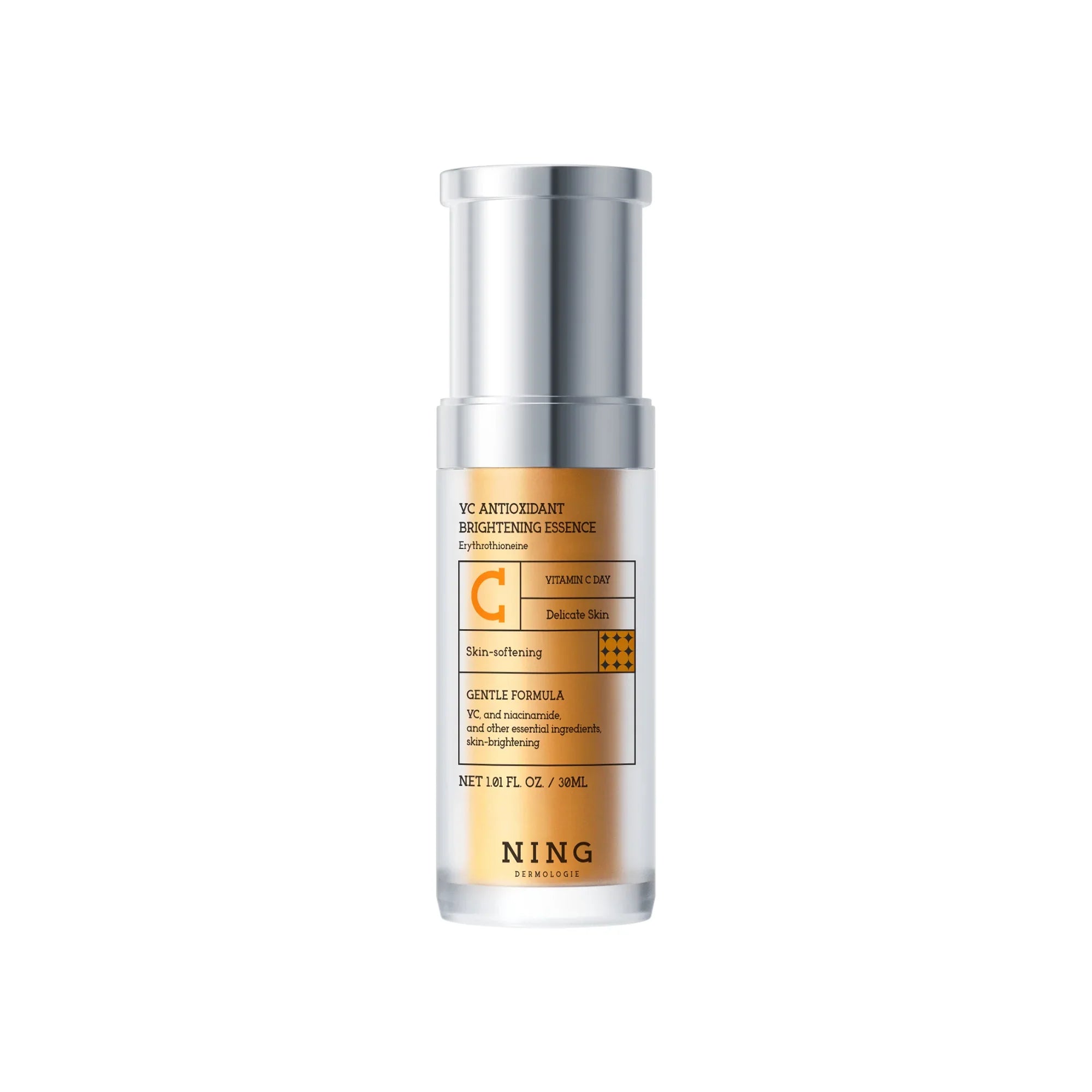
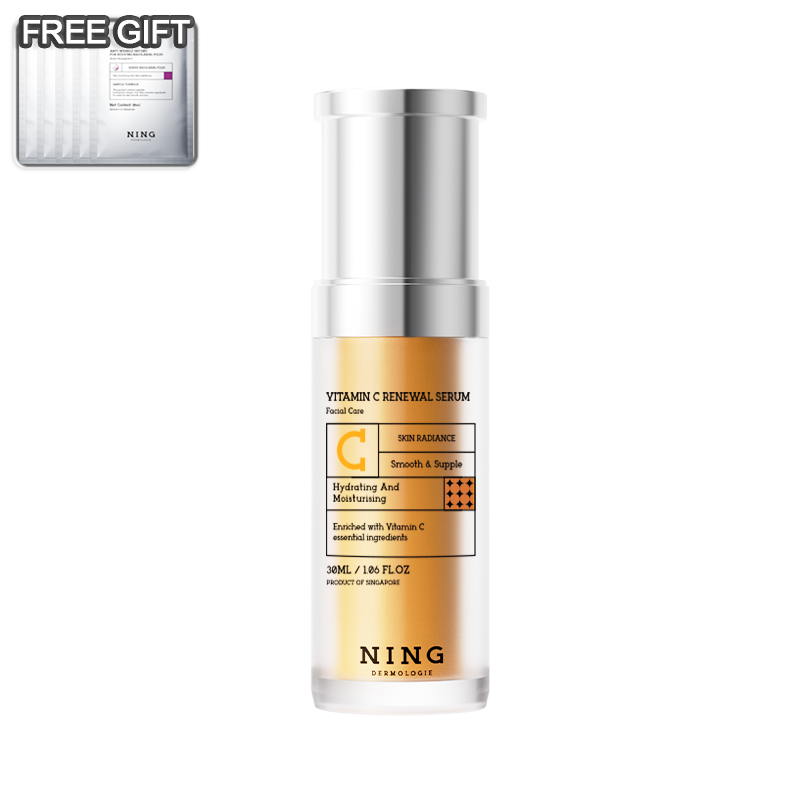
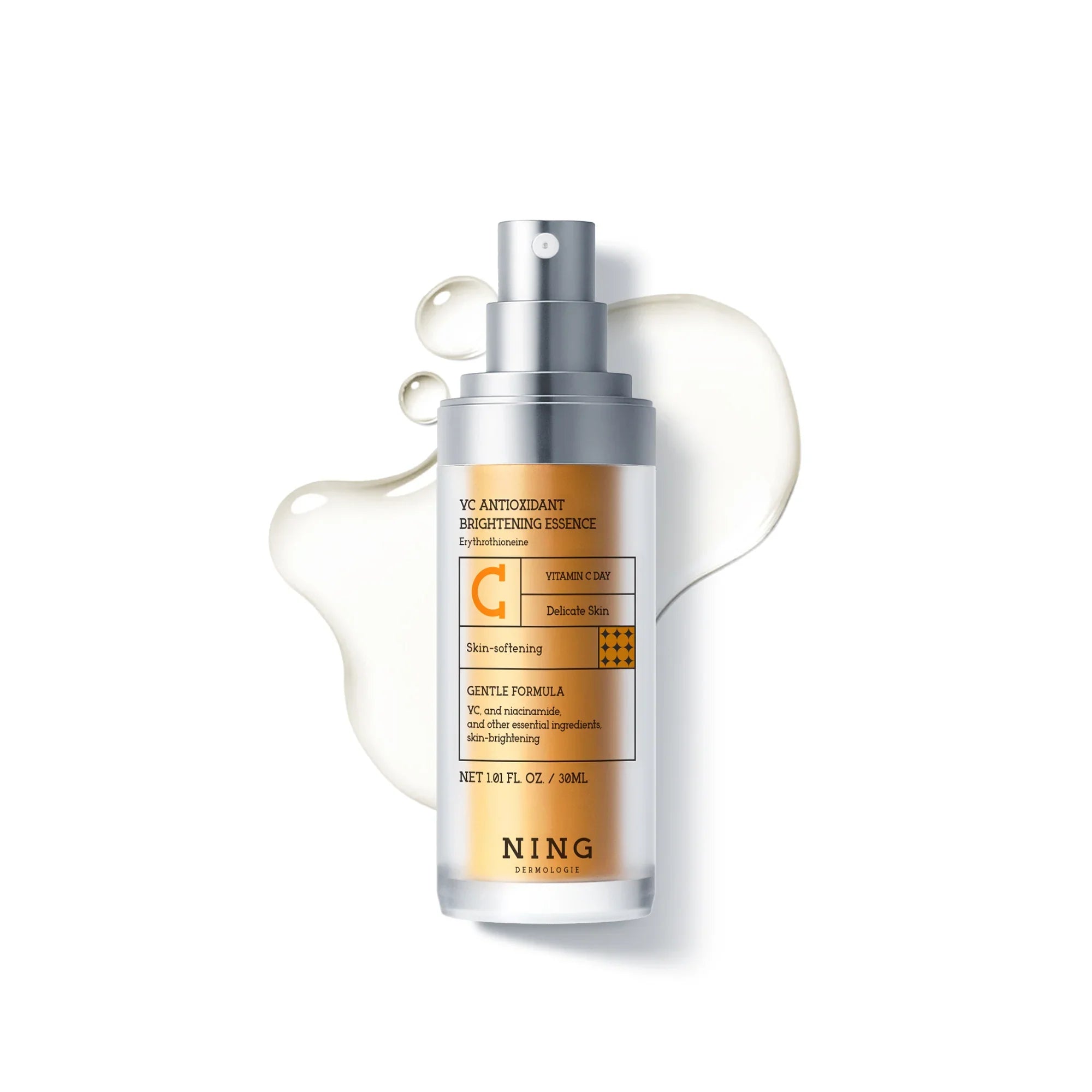
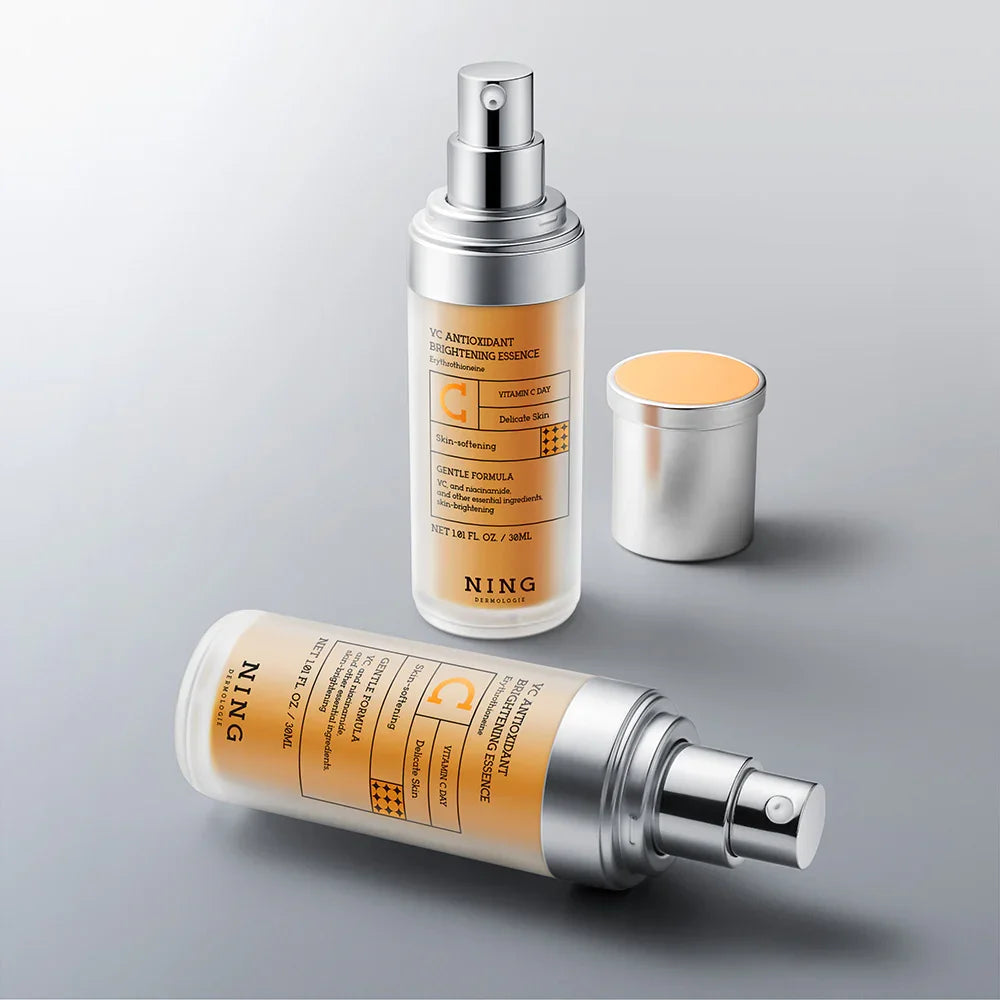
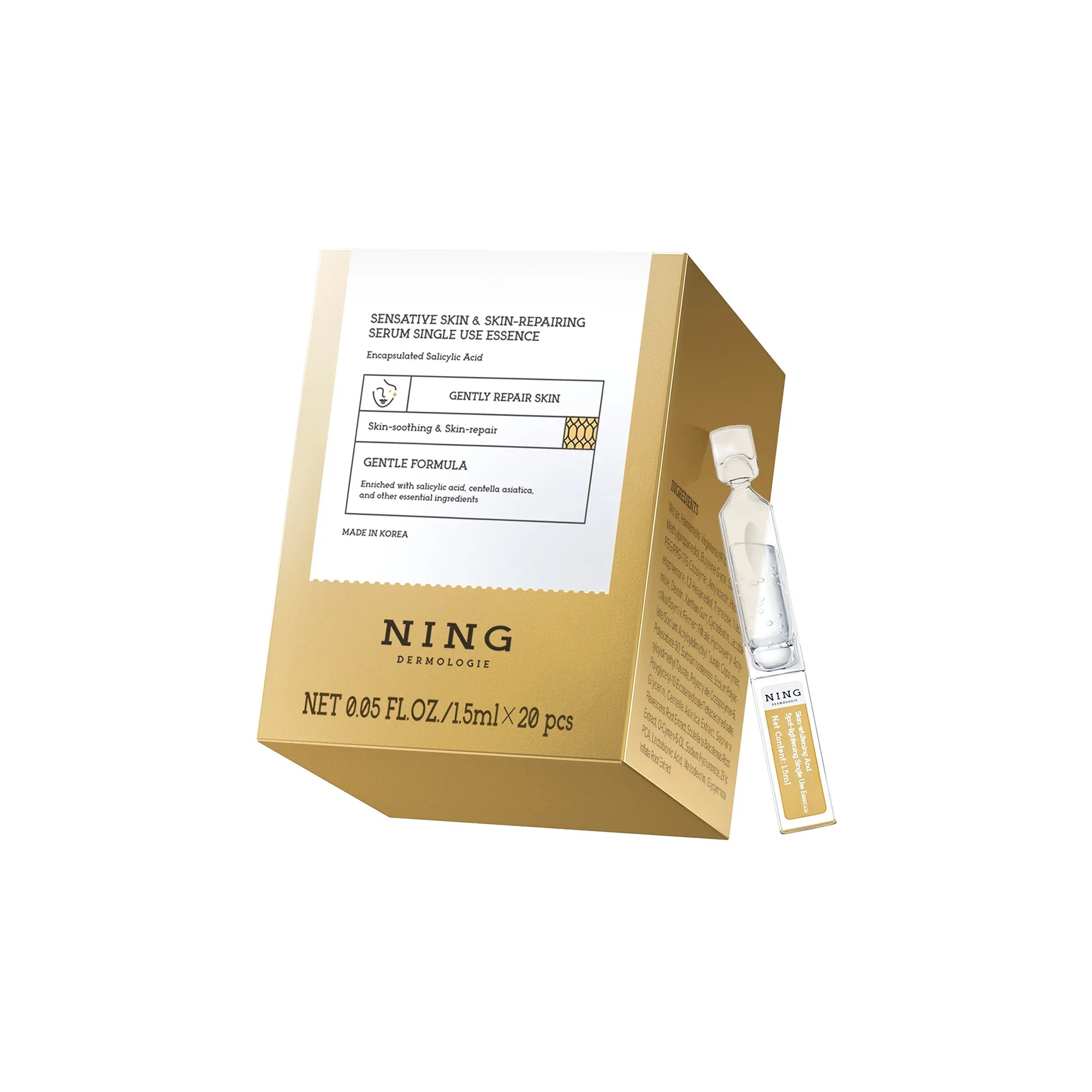
Most board-certified dermatologists used to tell you never to mix Vitamin C and Niacinamide. That’s old-school thinking. Our team at NING Dermologie developed the Vitamin C Serum with Niacinamide & Ethyl Ascorbic Acid to prove that synergy is better than solo acts.
By using Ethyl Ascorbic Acid, we’ve created a vitamin c product that stays clear and potent for months, not weeks. It targets the dark spot at its source while the Niacinamide repairs the barrier. It’s the best vitamin c serum overall for someone who wants the results of a high-potency formula without the "acid burn" associated with high concentrations of vitamin c.
11 Best Vitamin C Serums of 2026: The Definitive List
1. SkinCeuticals C E Ferulic
Still the titan of the industry, Skinceuticals’ C E Ferulic remains a staple. This c e ferulic serum uses a patented blend of 15% pure vitamin c, vitamin e, and ferulic acid. It’s the gold standard for a reason—it works. However, it is notoriously expensive and the smell isn't for everyone. If you have dry skin and a large budget, this is your super serum.
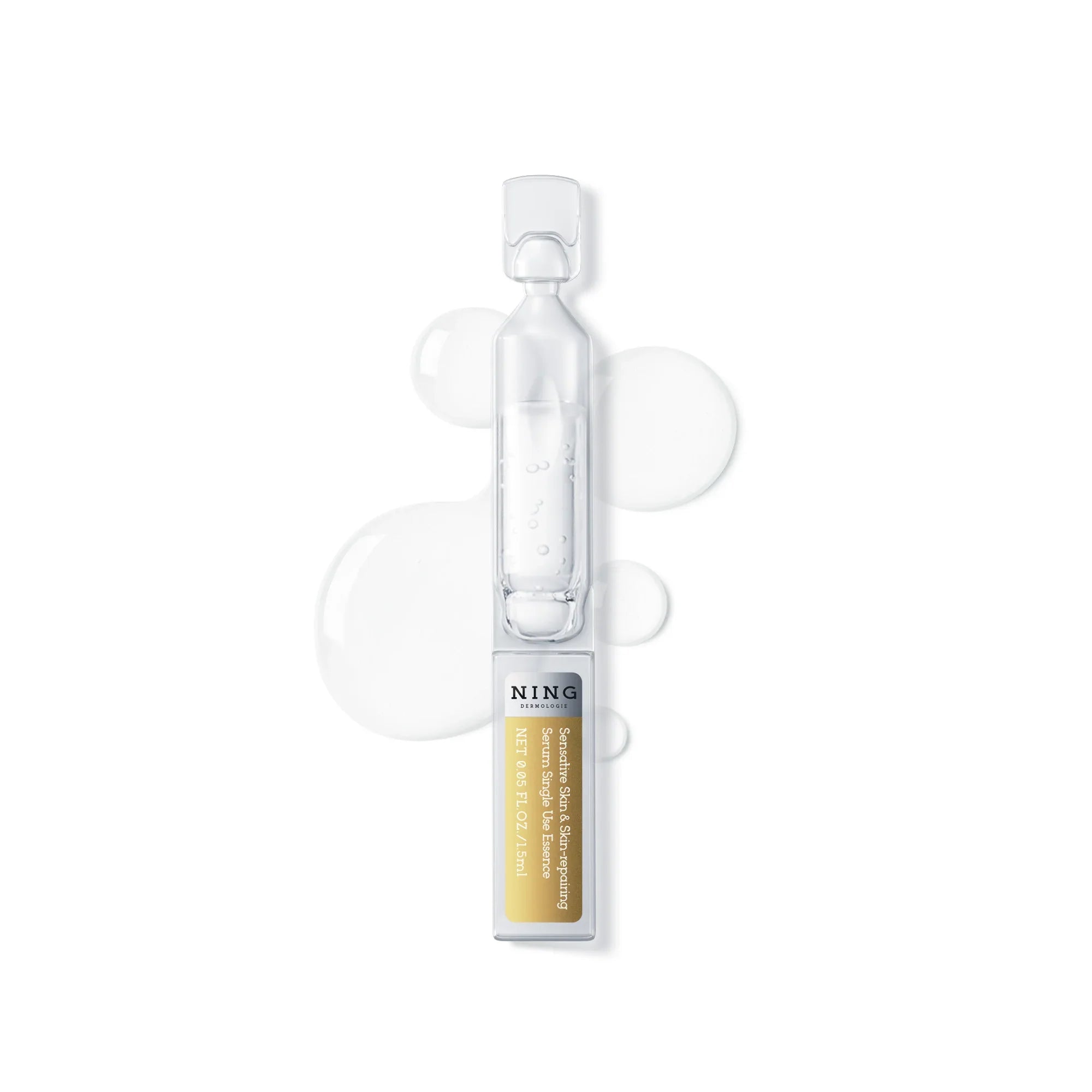
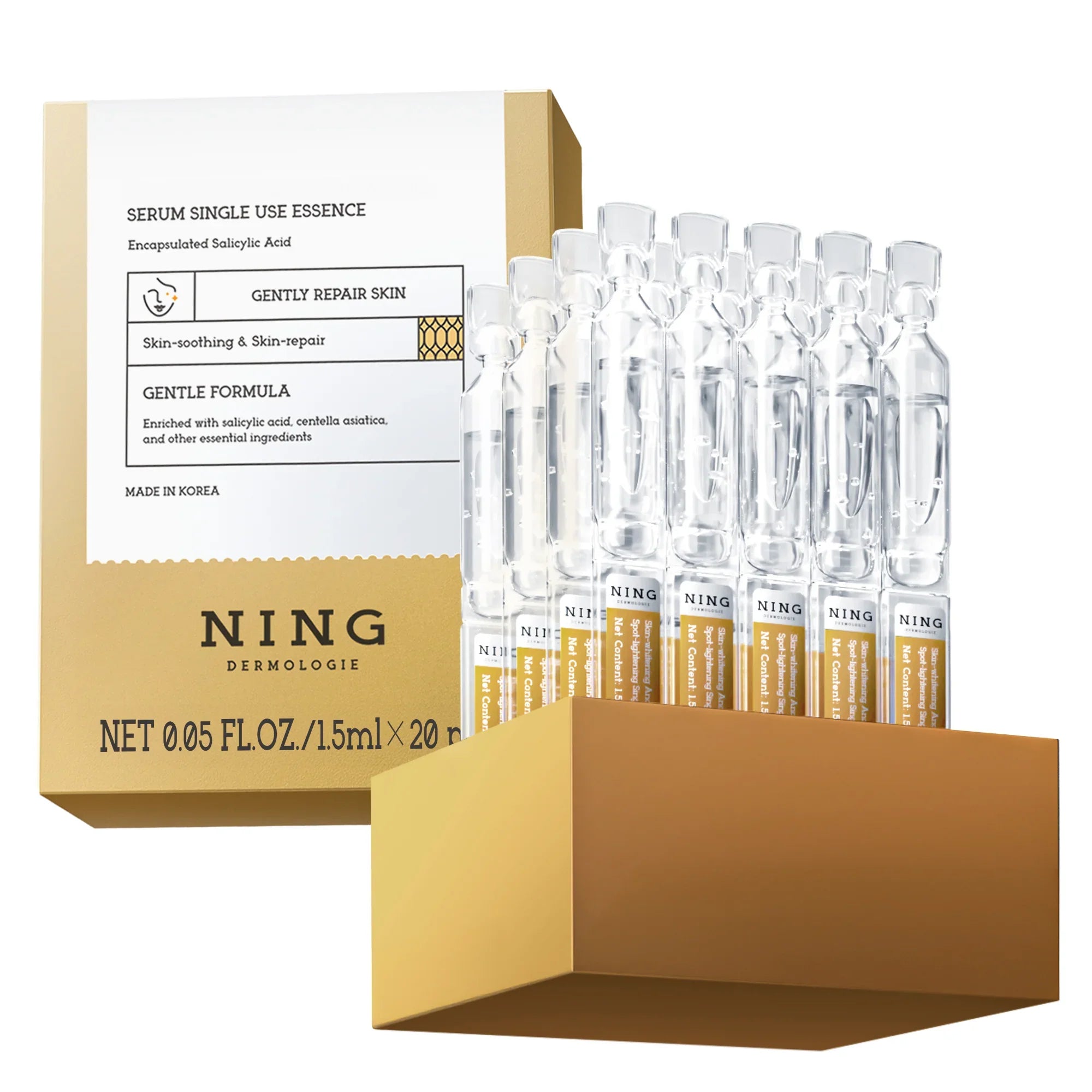
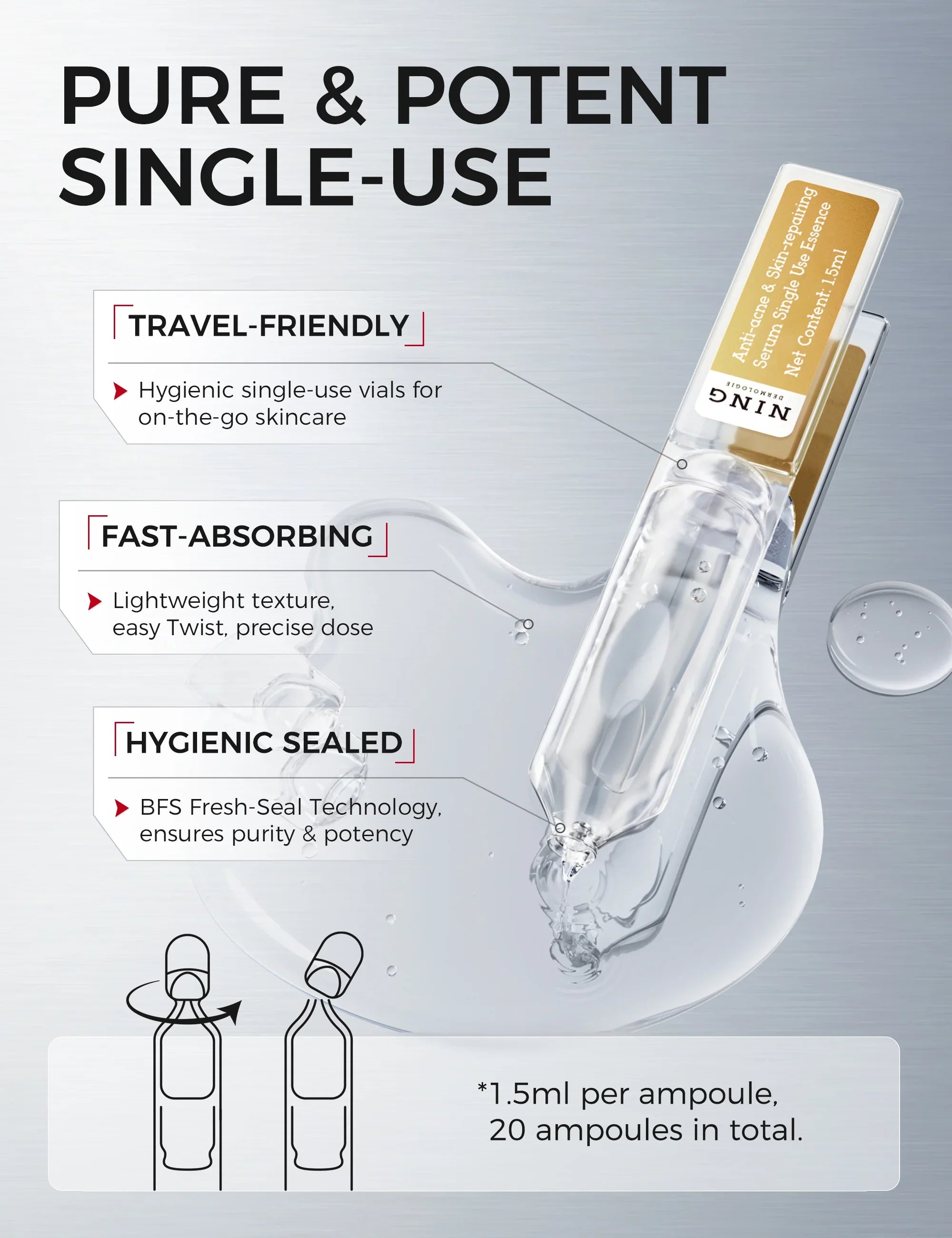
2. NING Dermologie Vitamin C Serum
As mentioned, this is the best vitamin c serum for those who value stability and texture. The serum absorbed quickly in our tests and feels weightless. It’s a vitamin c with hyaluronic acid and niacinamide powerhouse that brightens and evens skin tone without causing the typical breakouts seen in acne-prone skin.
3. Obagi Professional-C Serum
If you have oily skin and want a high-hitting l-ascorbic acid kick, the Professional-C Serum comes in various concentrations (10%, 15%, and 20%). It’s a classic dermatologist favorite for aggressive treatment of signs of aging.
4. Naturium Vitamin C Complex Serum
For the best budget-friendly option that doesn't feel cheap, the Naturium Vitamin C Complex Serum is excellent. It uses a blend of encapsulated l-ascorbic acid and sodium ascorbyl phosphate. It’s a great vitamin c brightening serum for beginners who have never used a vitamin c before.
5. La Roche-Posay Pure Vitamin C10
The La Roche-Posay Vitamin C serum is specifically designed for sensitive skin. It uses a lower concentration and includes salicylic acid to gently exfoliate. If you struggle with acne-prone skin but also want to improve skin tone, this is a solid choice.
6. TruSkin Vitamin C Serum
The Truskin Vitamin C is a viral sensation for a reason. It’s the best drugstore option for those who prefer botanical-based formulas. While it doesn't use the most advanced delivery systems, the Truskin Vitamin C serum is consistently rated high for its ability to brighten and improve skin texture for under $30.
7. Paula’s Choice C15 Super Booster
This ferulic serum mimics the SkinCeuticals profile but at a lower price point. It’s a watery face serum that you can mix into your moisturizer. It’s great for combination skin looking to target fine lines.
8. Ole Henriksen Banana Bright Vitamin C Serum
Inspired by "banana powder," this banana bright vitamin c serum uses light-reflecting pigments to provide an instant glow while the vitamin c and hyaluronic acid work on the long-term dark spot issues.
9. Drunk Elephant C-Firma Fresh Day Serum
To solve the oxidation issue, Drunk Elephant now makes you mix the liquid and powder yourself. It’s a potent vitamin c product that brightens effectively, though the serum feels a bit sticky on oily skin.
10. Sunday Riley CEO 15% Vitamin C Brightening Serum
This vitamin c brightening serum uses THD Ascorbate, an oil-soluble form of vitamin c. It’s arguably the best vitamin c serum for dry skin because it feels more like a light cream than a watery liquid.
11. Vichy LiftActiv Vitamin C Serum
A minimalist formula with 15% pure vitamin c and vitamin e. It’s fragrance-free and perfect for someone looking for a "no-nonsense" vitamin c product to even out skin tone.
Finding the Best Vitamin C Serum for Your Skin Type
For Dry Skin
When dealing with dry skin, you need a serum for dry skin that contains lipids. Vitamin c products come in many textures, but you should look for in vitamin c formulas that include vitamin e and hyaluronic acid. These ingredients help mitigate the drying effect that some acids can have. The la roche-posay vitamin C or the NING Dermologie serum are both hydrating enough to prevent that tight, "pulled" feeling.
For Oily and Acne-Prone Skin
If you are acne-prone, stay away from heavy oils. A vitamin c serum for acne-prone skin should be water-based. Look for "Sodium Ascorbyl Phosphate" on the label; it’s a vitamin c derivative that has been shown in some studies to help reduce acne bacteria. The c serum for acne-prone skin from NING Dermologie is also a win here because niacinamide helps regulate sebum.
For Sensitive Skin
Sensitive skin types often fear the "C." But you don't have to. A c serum for sensitive skin should have a neutral pH. Avoid high concentrations of vitamin c (anything over 10% l-ascorbic acid). Instead, go for a vitamin c with hyaluronic acid base which acts as a buffer.
How to Use Vitamin C Serum Like a Pro
The way you apply vitamin c serum determines whether you’re wasting your money or actually getting that radiant skin.
-
Morning is King: Use vitamin c serum in the AM. Why? Because vitamin c can help neutralize the free radicals from UV rays and pollution that your sunscreen might miss. It boosts radiance and acts as your skin’s first line of defense.
-
Wait for Dryness: Apply vitamin c to clean, dry skin. Applying it to damp skin can sometimes cause the acid to penetrate too deeply and too fast, leading to irritation.
-
The Layering Rule: If you’re using the NING Dermologie Vitamin C Serum, you don't need to worry about a "wait time." Because of the stabilized ethyl ascorbic acid, it won't react negatively with your moisturizer.
-
Don't Forget the Neck: Your neck shows signs of aging and fine lines and wrinkles just as fast as your face. Using this serum on your décolletage is a pro-move for an even skin tone and make-up free confidence.
Common Myths in the World of Vitamin C Serums
Myth 1: The higher the percentage, the better. Actually, the skin can only absorb so much. Once you go past 20%, you’re just increasing the risk of irritation without increasing the benefits of vitamin c. Most 6 best vitamin c serums on the market hover between 10% and 15%.
Myth 2: Vitamin C should be orange. If your vitamin c serum starts out clear and turns orange, it has oxidized. Using oxidized vitamin c formulations can actually cause oxidative stress to your skin—the exact opposite of what you want. This is why the NING Dermologie focus on stability is so vital. A stable serum contains active molecules; a brown serum isn’t doing anything but staining your pores.

Final Thoughts: Which One is For You?
Choosing from the 6 best vitamin c serums or even the 11 best vitamin c serums we've listed can feel overwhelming. The bottom line? Find the best vitamin c that you will actually use every day.
If you want the gold standard and have the cash, go SkinCeuticals. If you have sensitive skin or want a modern, stable, and multi-tasking formula that won't oxidize by next month, NING Dermologie is the smartest choice in the vitamin c serums of 2026.
Stop waiting for your dark spot to disappear on its own. Apply vitamin c consistently, protect it with SPF, and watch your skin tone and texture transform.
Frequently Asked Questions (FAQ)
1. Can I use Vitamin C serum every day?
Yes, most dermatologists recommend daily use for the best results. For most skin types, once a day in the morning is sufficient. However, if you are using pure vitamin c at a high concentration and have sensitive skin, you might want to start every other day to build tolerance. Using NING Dermologie is gentle enough for daily use from day one due to its stabilized formula.
2. Why does my Vitamin C serum smell like copper or metallic?
This is a common trait of serums that combine l-ascorbic acid, vitamin e, and ferulic acid. While it’s unpleasant, it doesn't usually mean the product is bad. However, if the smell changes significantly or the serum feels gritty, it’s likely oxidized. Stable derivatives like Ethyl Ascorbic Acid used in our Vitamin C Serum generally have a much cleaner, neutral scent.
3. Should I store my Vitamin C serum in the fridge?
While not strictly necessary for all vitamin c products, it can help. For pure vitamin c (l-ascorbic acid), a cool, dark place is essential to prevent oxidation. If you’re using the best budget-friendly options that may not have advanced packaging, the fridge can extend shelf life. Stable formulas like NING Dermologie are designed to be shelf-stable at room temperature, but a cold serum does feel great on puffy morning skin.
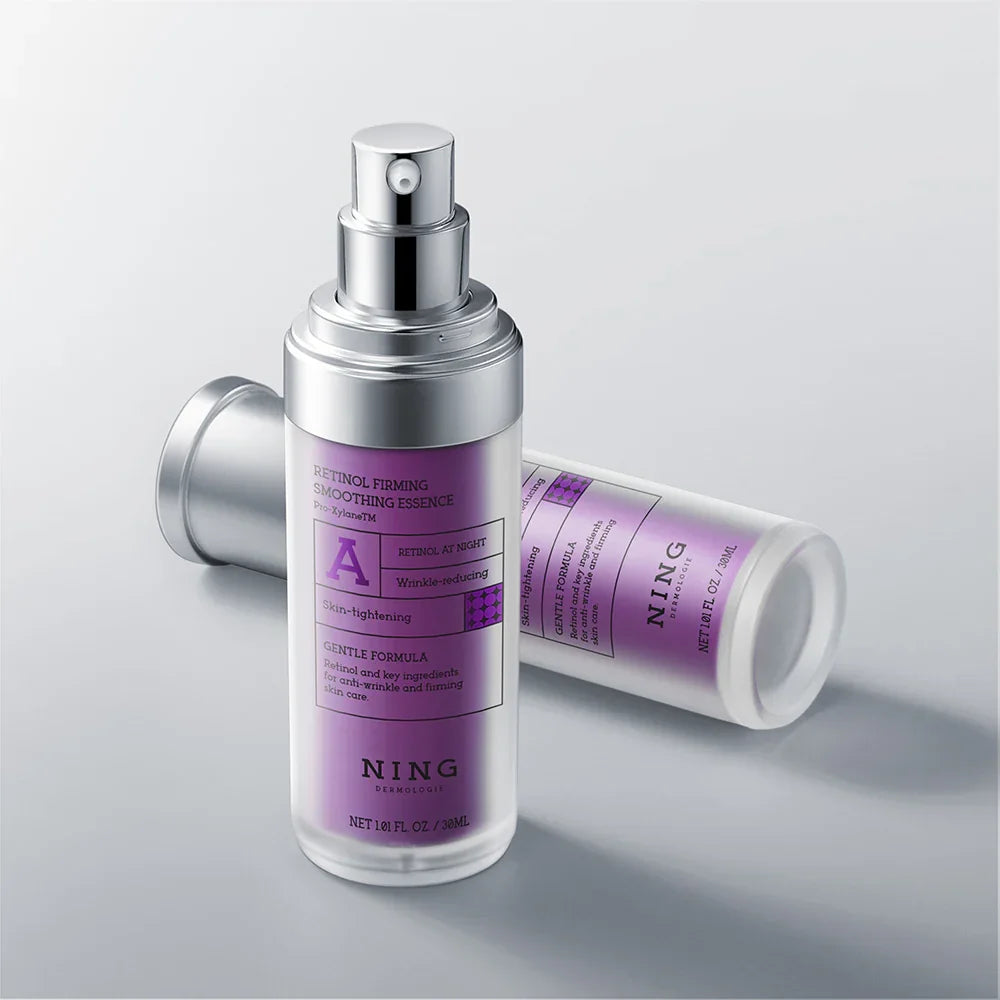
4. Can I use Vitamin C with Retinol?
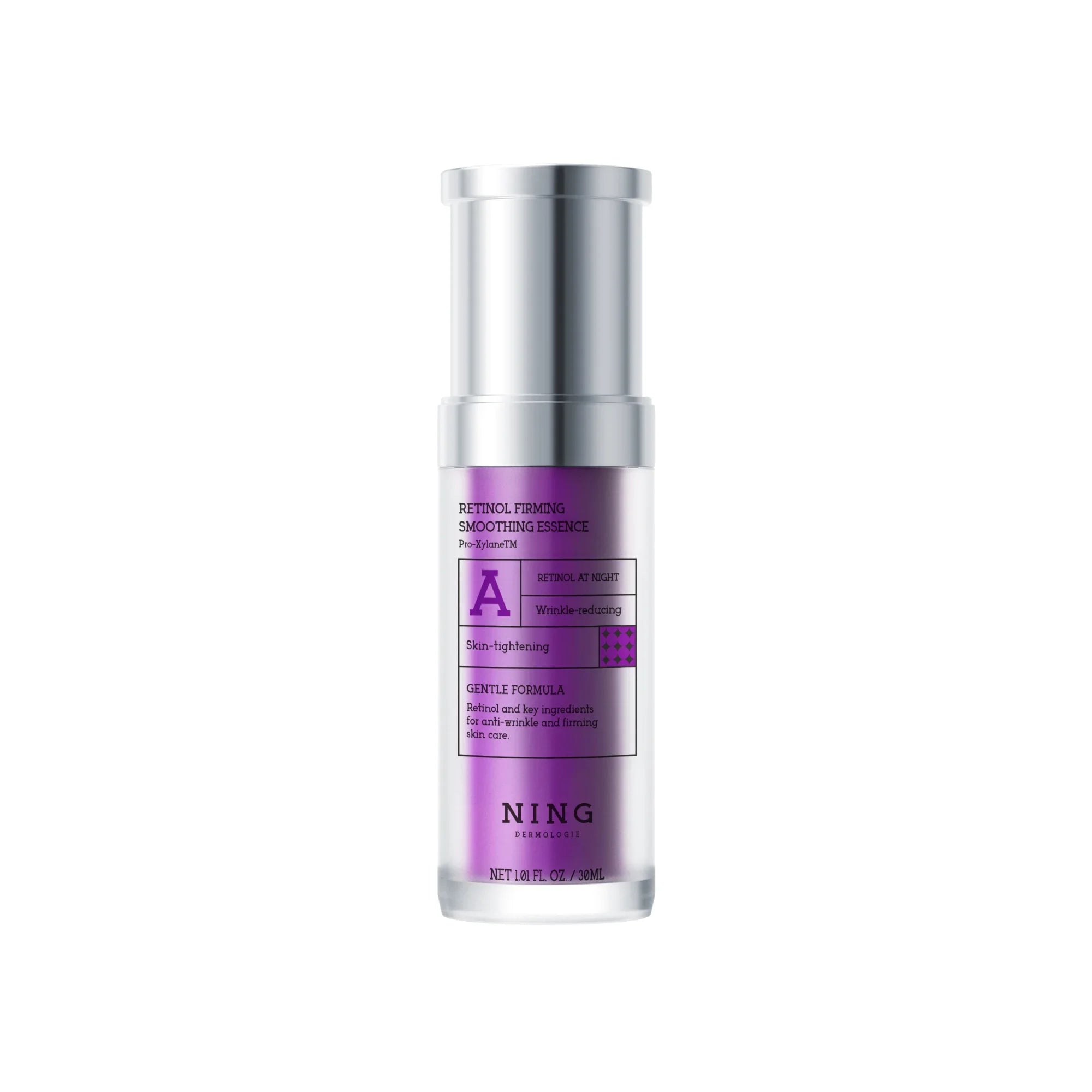
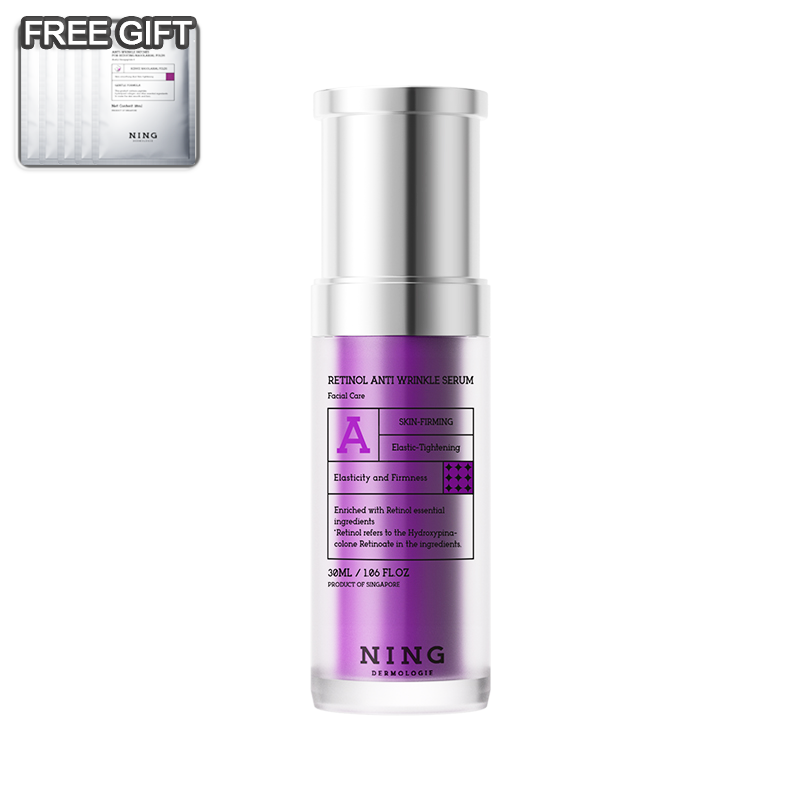
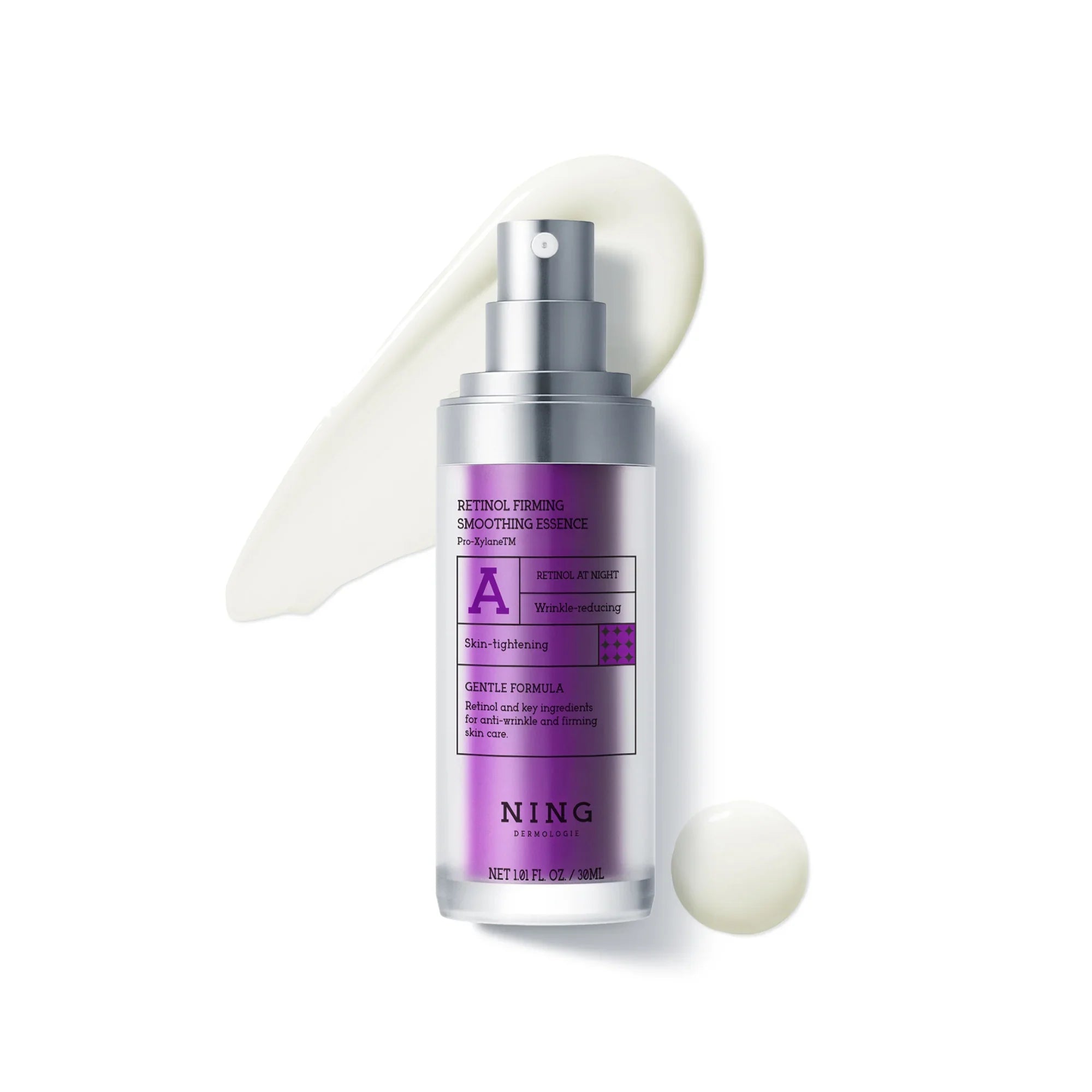
It is generally recommended to split them up: use vitamin c serum in the morning and Retinol at night. Using them at the same time can sometimes destabilize both ingredients or lead to significant irritation, as they work at different pH levels. By using Vitamin C in the morning, you take advantage of its antioxidant protection against daytime environmental stressors, leaving the night for repair with Retinol.
5. How long does it take to see results from a Vitamin C serum?
Patience is key. While some vitamin c brightening serum products give an instant "glow" due to hydrating ingredients like hyaluronic acid, real changes in dark spot pigmentation and fine lines usually take 4 to 8 weeks of consistent use. Skin cell turnover takes about 28 days, so you need at least two full cycles to see a visible even skin tone and an improve skin texture.





Share:
How long does it take for vitamin C serum to reduce dark spots?
Is vitamin C serum effective for pigmentation on sensitive skin?