



In the ever-evolving world of skin care, finding the "holy grail" exfoliating face wash feels like a full-time job. Between the viral TikTok trends and the massive aisles at your local shop, it’s easy to end up with a bathroom cabinet full of half-used bottles.
I’ve spent years testing facial cleansers—from the high-end boutique finds in New York City to the reliable staples recommended by a board-certified dermatologist. If you’re struggling with dull skin, rough skin texture, or persistent excess oil, you know that a regular splash of water isn’t going to cut it. You need something that actually shifts those stubborn dead skin cells without making your skin barrier scream for help.
After scouring thousands of customer reviews and doing the legwork myself, here is the lowdown on the best exfoliating products on the market right now.
1. The Crowd Favorite: Dermalogica Daily Microfoliant
This one is basically the "white t-shirt" of the skincare world—everyone seems to have it, and for good reason. It’s a unique rice powder formula that activates with water.
- The Vibe: You pour a half-teaspoon of the powder into wet hands, rub them together to create a velvety texture, and massage. It uses salicylic acid (a beta hydroxy acid) and papain (one of those hardworking fruit enzymes) to chemically dissolve debris while the rice bran provides a very gentle physical exfoliation.
- The Reality Check: It’s famous for improving skin tone and clearing out acne-prone skin without being abrasive. It’s even safe for most skin types, including sensitive ones, thanks to the colloidal oatmeal.
- The Catch: The price tag is a bit of a sting. Also, if you don't mix it with enough water, it can feel a bit "scratchy."

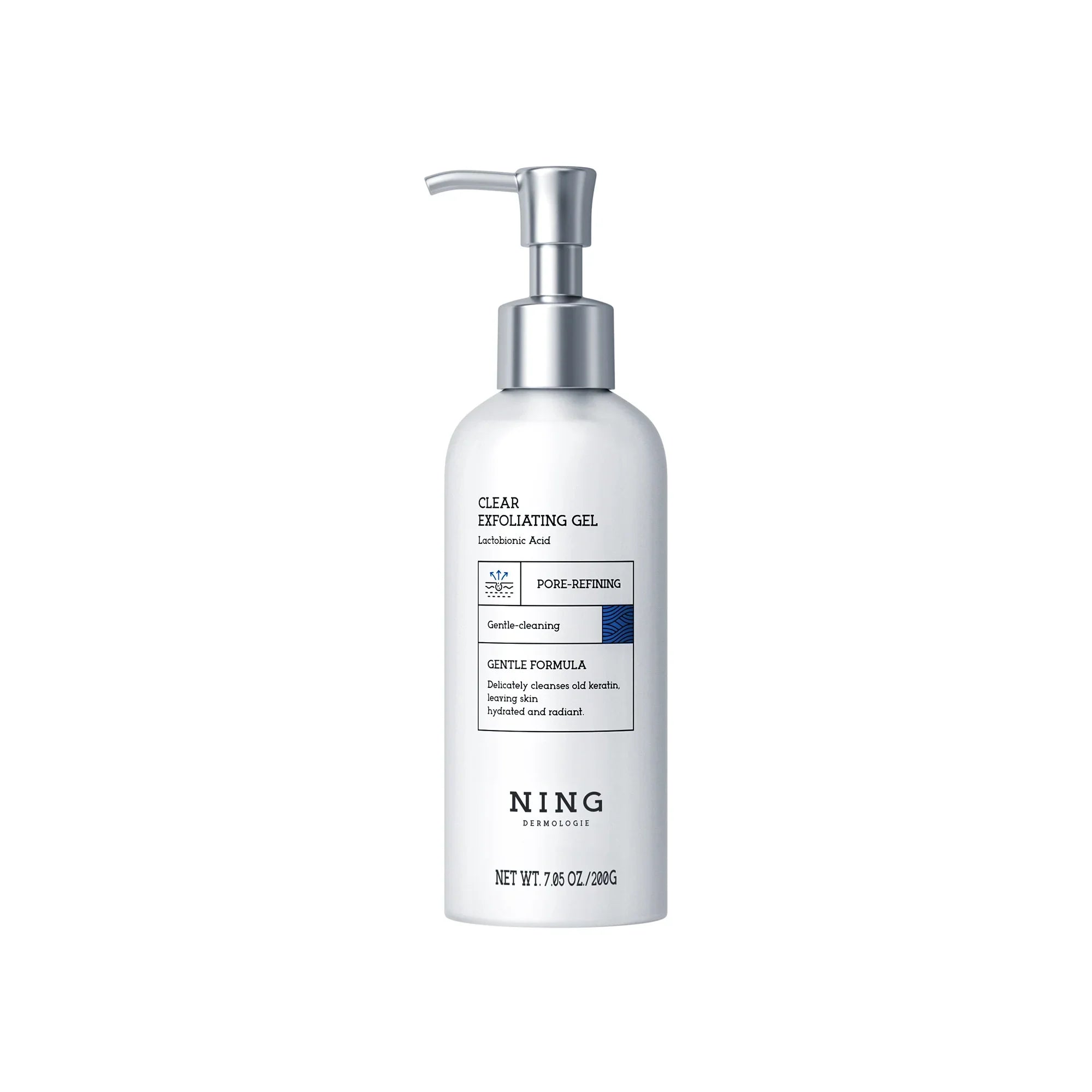
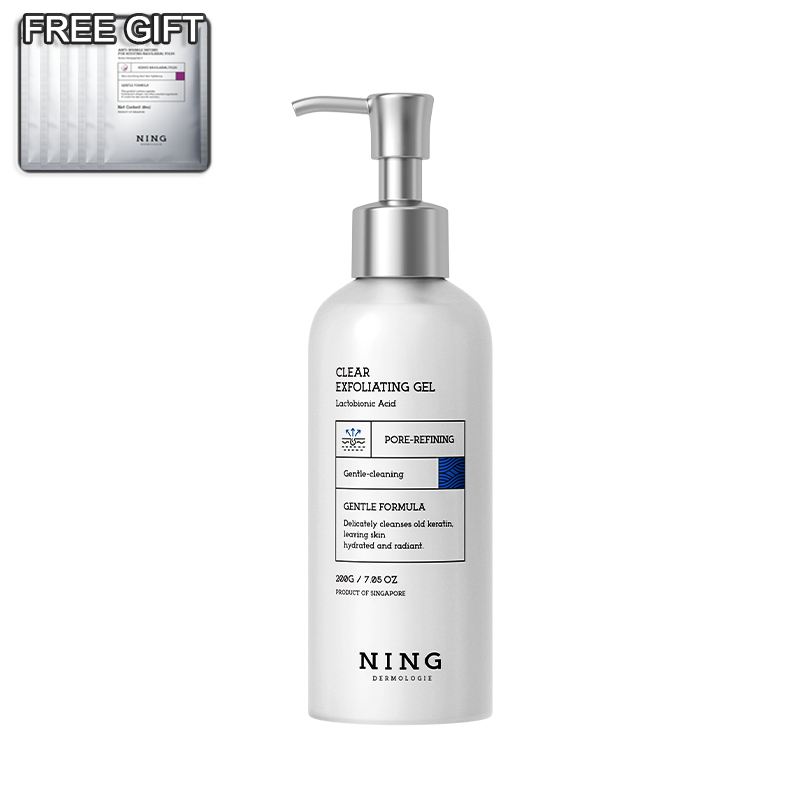
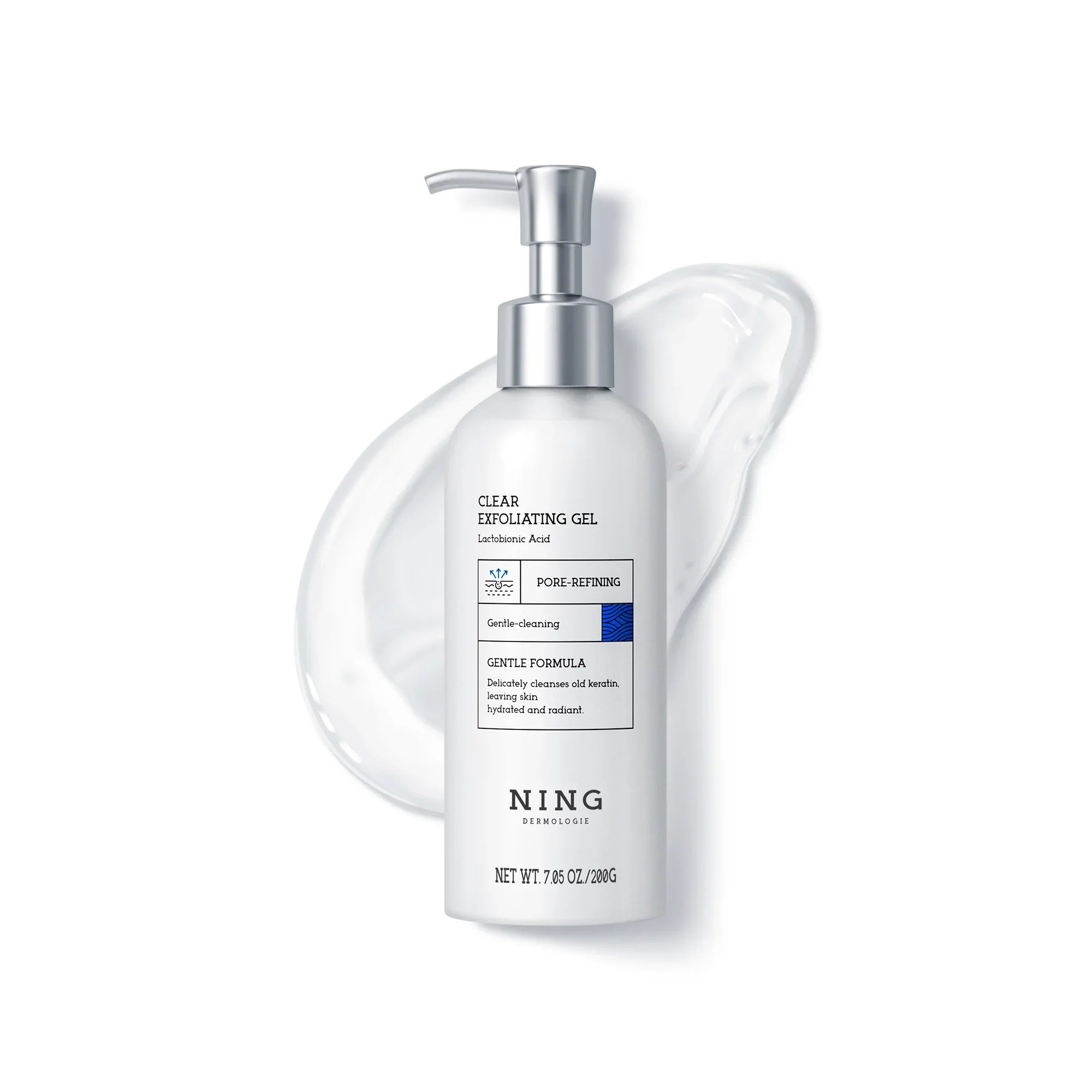
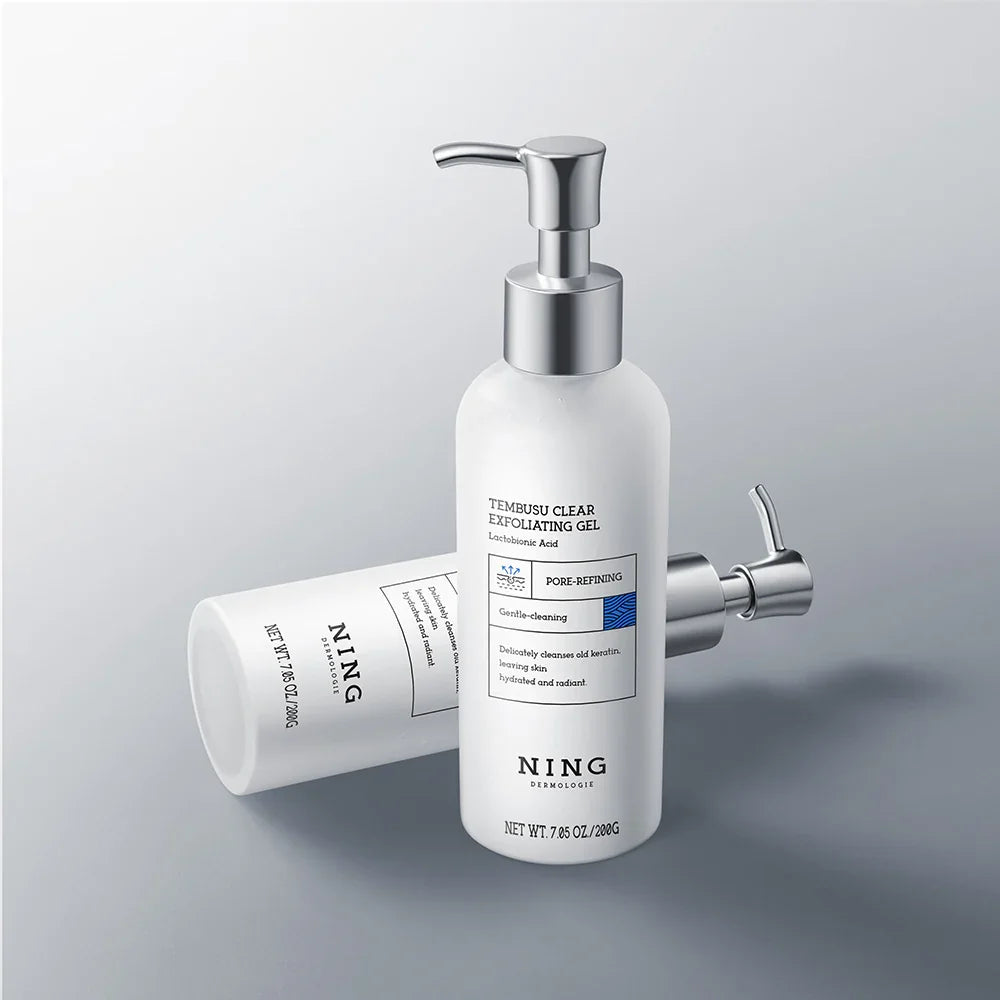
2. The Game Changer: NING Dermologie Peeling Gel
If you hate the feeling of sand on your face but want that "baby-smooth" result, this Exfoliating Face Wash from NING Dermologie is the one I keep coming back to. It’s a "peeling gel" rather than a traditional scrub, and the satisfaction factor is 10/10.
- How it works: This formula uses a "Triple Keratin Complex" along with alpha and beta hydroxy acids (specifically glycolic acid and salicylic acid). When you massage it onto dry skin, the gel actually bonds with your dead skin cells and oils, pilling up into tiny visible clumps. It’s not the skin itself peeling off—it’s the product grabbing the junk and lifting it away.
- The Perks: Because it contains hyaluronic acid, Amino Acids, and Sodium PCA, it leaves your face feeling hydrated rather than stripped. It’s a massive win for anyone trying to fix dull skin or pore minimizing goals. You can find theNING Dermologie Peeling Gel here.
- Honest Take: It’s oddly addictive. You’ll want to use it every day, but keep it to 2-3 times a week to keep your skin barrier happy.
3. The Spa-in-a-Bottle: Elemis Dynamic Resurfacing Facial Wash
If you’ve ever walked into a high-end clinic like Center Aesthetic & Dermatology or FACET Dermatology, you’ve probably smelled something like this.
- The Tech: It uses patented Tri-Enzyme Technology. Essentially, it’s an exfoliating cleanser that acts like a "reset" button for your skin. It features lactic acid (a gentler alpha-hydroxy acid) and Vitamins B5 and E to support cell turnover.
- Best For: People dealing with fine lines and uneven skin texture. It’s dermatologist tested and feels incredibly luxurious.
- The Snag: It’s a face wash cleanser that doesn’t foam up a ton. If you’re a "suds or it didn't happen" kind of person, the lotion-like feel might take some getting used to.
4. The Natural Powerhouse: Deluvia Exfoliating Cleanser
For those who prefer botanical and herbal extracts, Deluvia Skincare and Cosmetics has a cult following.
- The Ingredients: This exfoliating face scrub uses extra-fine volcanic rock (pumice) for physical exfoliators and is packed with Organic Coconut Oil, Organic Jojoba Oil, and Shea Butter. It’s also got green tea to calm inflammation.
- Why people love it: It’s a heavy-duty face cleanser for those with very oily skin or those who work outdoors and feel "grimy" at the end of the day. It’s got a great returns policy and often offers FREE Returns, which makes trying it low-risk.
- The Warning: It is a physical exfoliant. If you have active, cystic acne, the friction might be too much. Stick to chemical versions like mandelic acid or poly hydroxy acids if your skin is currently angry.
Decoding the Labels: What Actually Matters?
When you're browsing face washes, the back of the bottle can look like a chemistry quiz. Here’s the "cheat sheet" I wish I had years ago:
- AHA (Alpha Hydroxy Acid): Includes glycolic acid, lactic acid, citric acid, and mandelic acid. These are great for surface-level brightening and skin tone.
- BHA (Beta Hydroxy Acid): Mostly salicylic acid. This is the king of pore minimizing because it’s oil-soluble and gets inside the pore to dissolve excess oil.
- PHA (Polyhydroxy Acid): The "new kid" on the block. Larger molecules that don't penetrate as deeply, making them perfect for sensitive skin types.
- Physical vs. Chemical: Physical exfoliation uses things like Jojoba beads, jojoba spheres, rice powder, or bamboo stem extract. Chemical exfoliant options use acids or fruit enzymes (like Carica papaya Extracts or Pineapple Core).
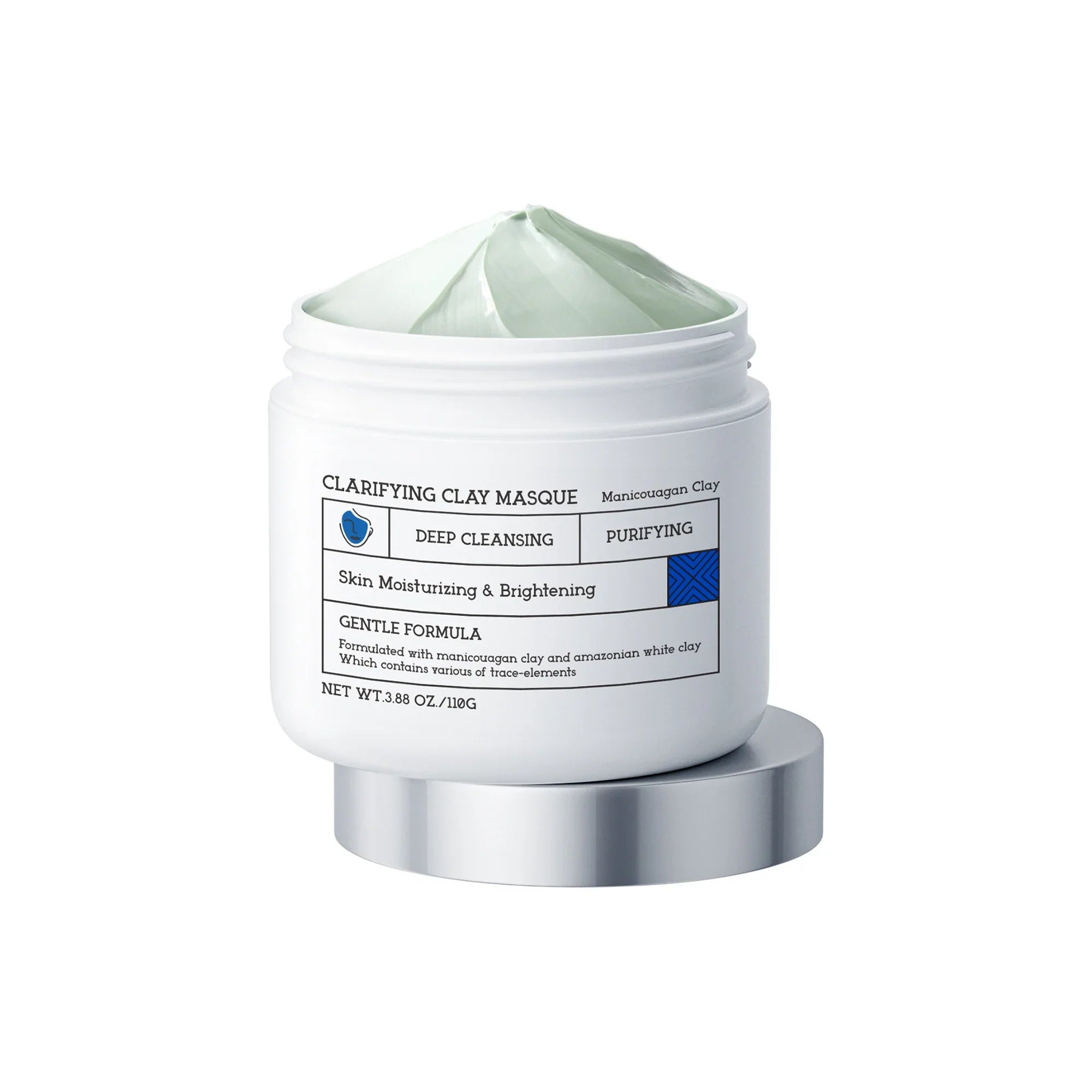
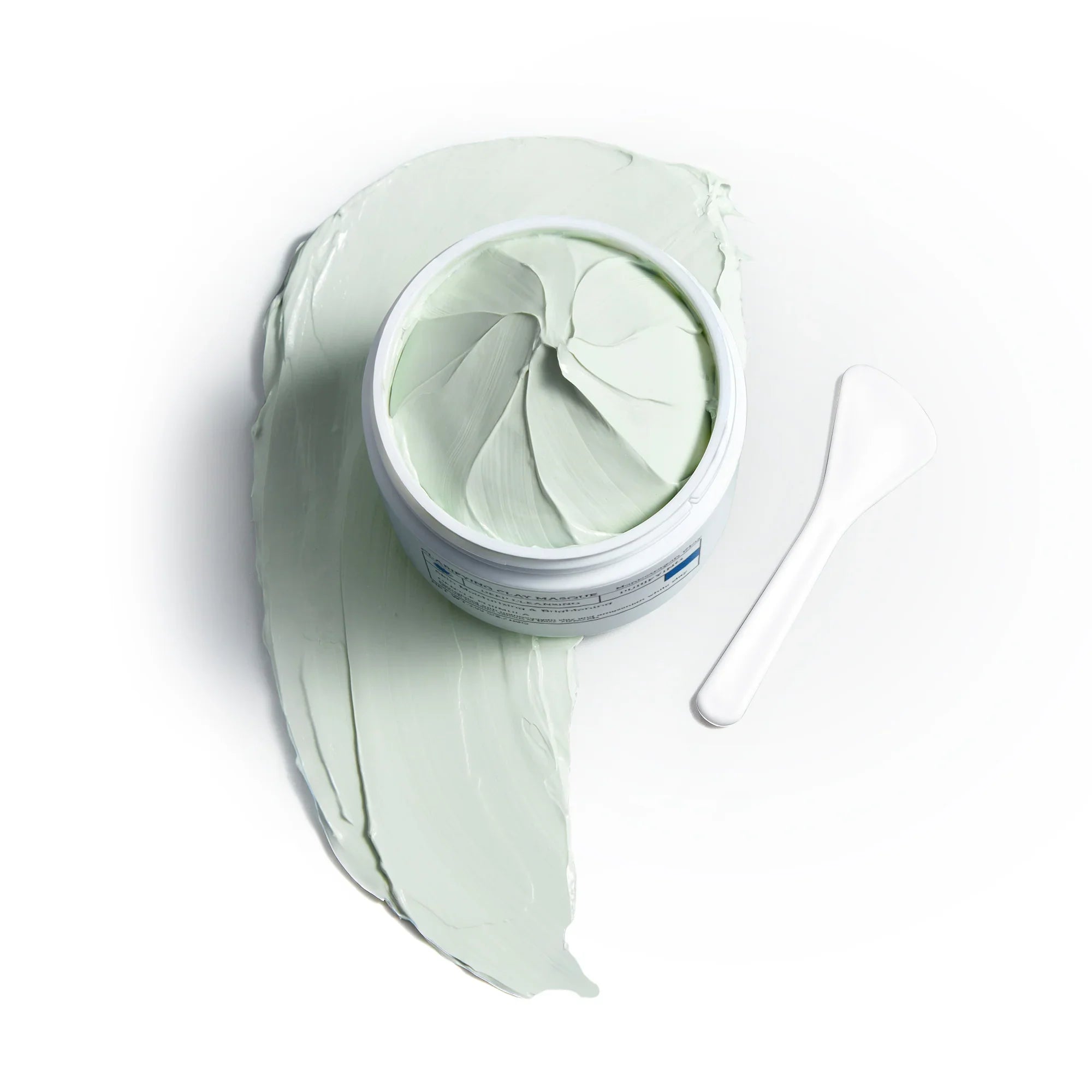
Whether you choose a charcoal acne cleanser, an Amazonian white clay mask, or a daily exfoliating face wash, the goal is the same: healthy cell turnover. Just remember the advice often given by the American Academy of Dermatology: don't overdo it. Exfoliating is like sanding a piece of wood—you want it smooth, but you don't want to go through the floorboards!

Frequently Asked Questions (FAQ)
1. How often should I actually use an exfoliating face wash?
Most skincare routine experts and certified nurse practitioners suggest 2 to 3 times a week. If you have very oily skin, you might push it to every other day, but listen to your skin. If you start seeing redness or feel a "tight" sensation, back off. Over-exfoliating can damage your skin barrier, leading to more breakouts and sensitivity.
2. Can I use a chemical exfoliant and a physical scrub at the same time?
It’s usually best to pick one per session. Using physical exfoliators (like Jojoba beads) followed immediately by a chemical exfoliant (like glycolic acid) can be way too aggressive. If you love both, use a gentle exfoliating cleanser in the morning and a chemical treatment a few nights a week. Your skin texture will thank you for the restraint.
3. Is salicylic acid better than glycolic acid for acne?
Generally, yes. Salicylic acid is a beta-hydroxy acid, which means it’s oil-loving. It can get deep into the pores to break up the "glue" holding dead skin cells and excess oil together. Glycolic acid (an AHA) is better for fading the dark spots left behind by acne and improving overall skin tone on the surface.
4. What is the best way to use the NING Dermologie Peeling Gel?
For the best results with the NING Dermologie Exfoliating Face Wash, apply the gel to dry skin. If your face is wet, the product slides around too much and can't bond effectively with the dead skin cells. Massage in circular motions for about 30-60 seconds until you see the "pilling" effect, then rinse with lukewarm water and follow with a moisturizer.
5. Why does my skin look duller after I start exfoliating?
This is often a sign of a compromised skin barrier. If you use too many exfoliating products too fast, you're stripping away the healthy skin cells before they are ready. This leads to inflammation and dehydration, which actually makes dull skin look worse. Focus on hydration with hyaluronic acid and colloidal oatmeal to help your skin recover its natural glow.





Share:
Show me the ingredients commonly found in exfoliating face washes.
Ultimate Guide to Exfoliating Cleansers for a Radiant Glow