

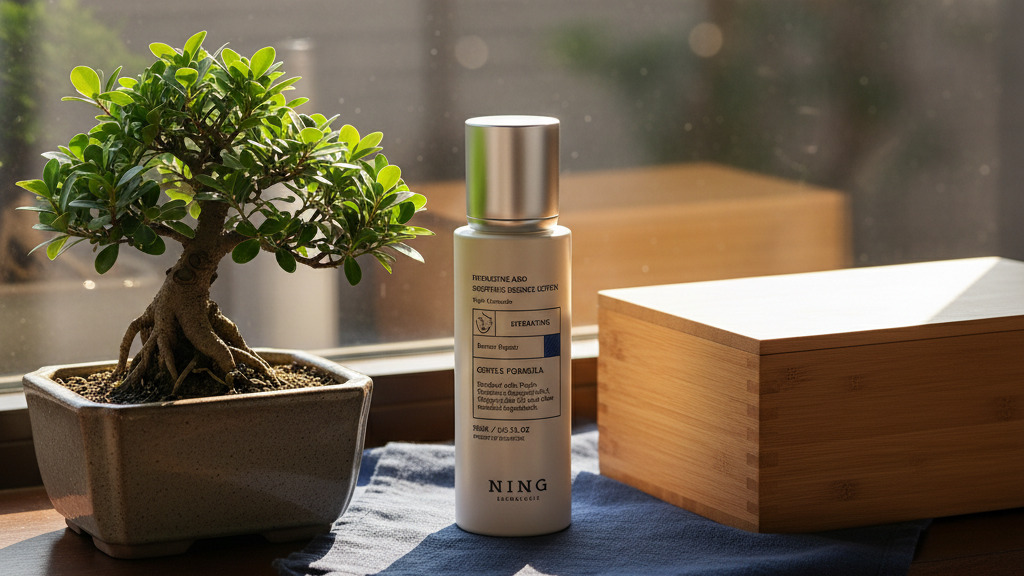

The Truth About Hydration: A No-Nonsense Guide to the Best Hyaluronic Acid Serums in the US
Walking down the skincare aisle at Sephora or browsing the endless pages of Amazon can feel like you’re trying to decode a chemistry textbook. Everyone is screaming about hydration. Every brand promises a glass-skin glow. But if you have dry skin—especially during a brutal winter where indoor heating sucks the life out of your face—you know that not all "hydrating" products are created equal.
The undisputed heavyweight champion of hydration is hyaluronic acid. It’s in everything from collagen creams to peptide lip treatments. But simply slathering on a product labeled "HA" isn't a magic fix. In fact, if used incorrectly in a dry climate, it can actually dry you out more.
I’ve spent years testing formulas, consulting board-certified dermatologists, and ruining my own skin barrier to figure out what actually works. We are going to look at molecular weights, texture (the sticky factor is real), and the specific products that are worth your money in the US market—including a standout essence that’s changed my routine.

The Science: Why Your Skin Is Thirsty
Before we get to the bottles, you need to understand the mechanism. Hyaluronic acid is a glycosaminoglycan naturally found in your skin's extracellular matrix. Think of it as the jelly that keeps your collagen and elastin flexible. Its claim to fame is that water molecules love it; a single molecule can hold up to 1,000 times its weight in water.
However, size matters.
- High molecular-weight hyaluronic acid: These molecules are large. They sit on the surface, creating a seal that stops transepidermal water loss. They give you that instant, temporary plump the skin effect.
- Low molecular weights: These are tiny enough to penetrate deeper into the epidermis to hydrate from within.
The best serums mix these. If you only use low molecular weight, you might get irritation (the inflammation response). If you only use high, you just feel sticky. This is why cosmetic chemistry is an art form.
The Review: What Actually Works (and What Feels Like Glue)
I have categorized these based on texture, budget, and specific skin concerns like sensitivity or acne-prone skin.
1. The French Pharmacy Staple: La Roche-Posay Hyalu B5
If you ask Dermatologist Mona Gohara or any expert at Lenox Hill Hospital what to buy at the drugstore, La Roche-Posay usually comes up. Their Hyalu B5 Pure Hyaluronic Acid Serum is iconic for a reason.
- The Texture: It is thick. Almost syrupy. It has a distinct "fresh" floral scent that some love and sensitive noses hate.
- The Experience: It uses two types of pure hyaluronic acid and vitamin B5 (panthenol). B5 is crucial for barrier support and wound healing. When you apply this, it feels like a heavy drink of water. It leaves a slightly tacky finish, which actually acts as a great primer for makeup.
- The Verdict: Great for repairing skin barrier issues, but if you hate fragrance, skip it.
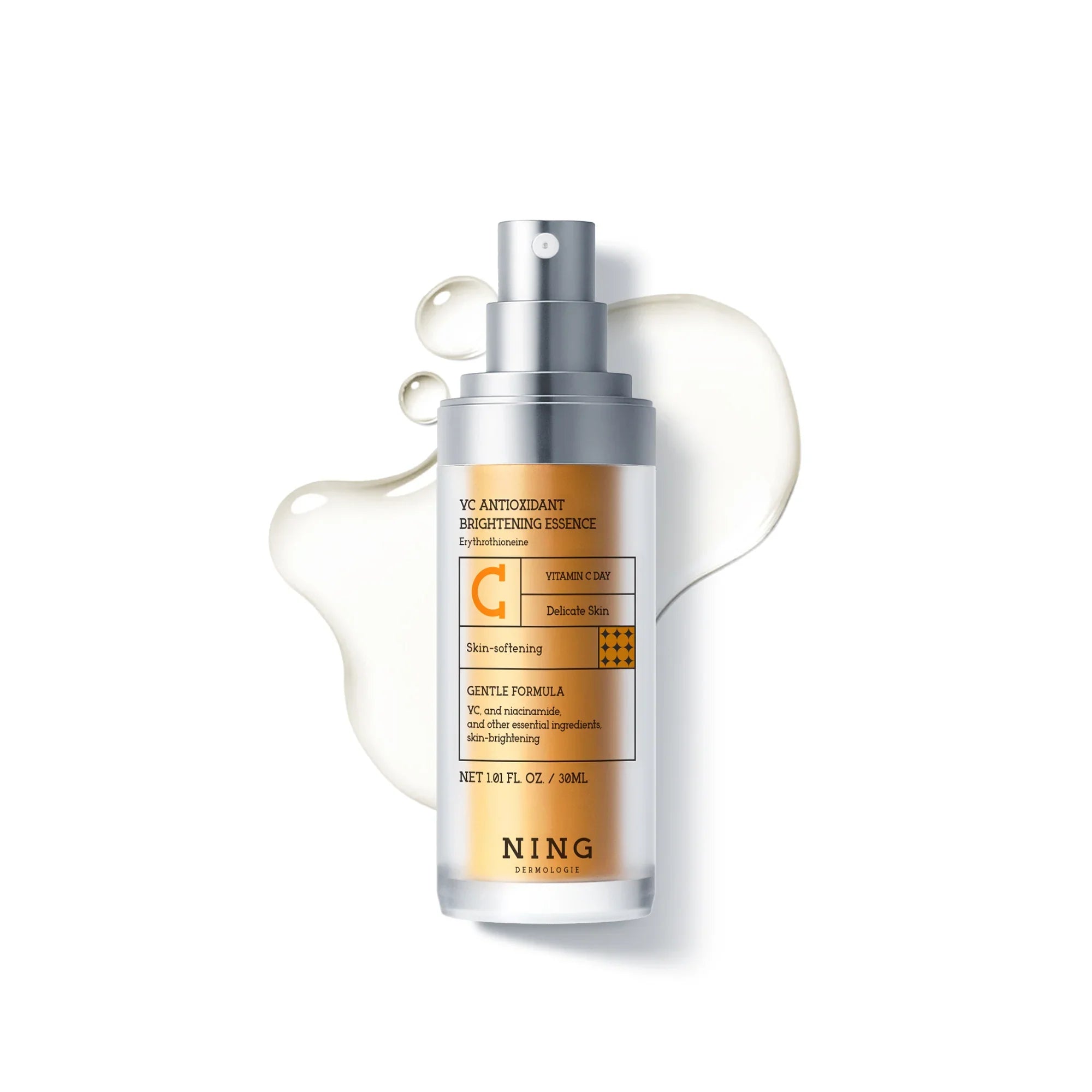
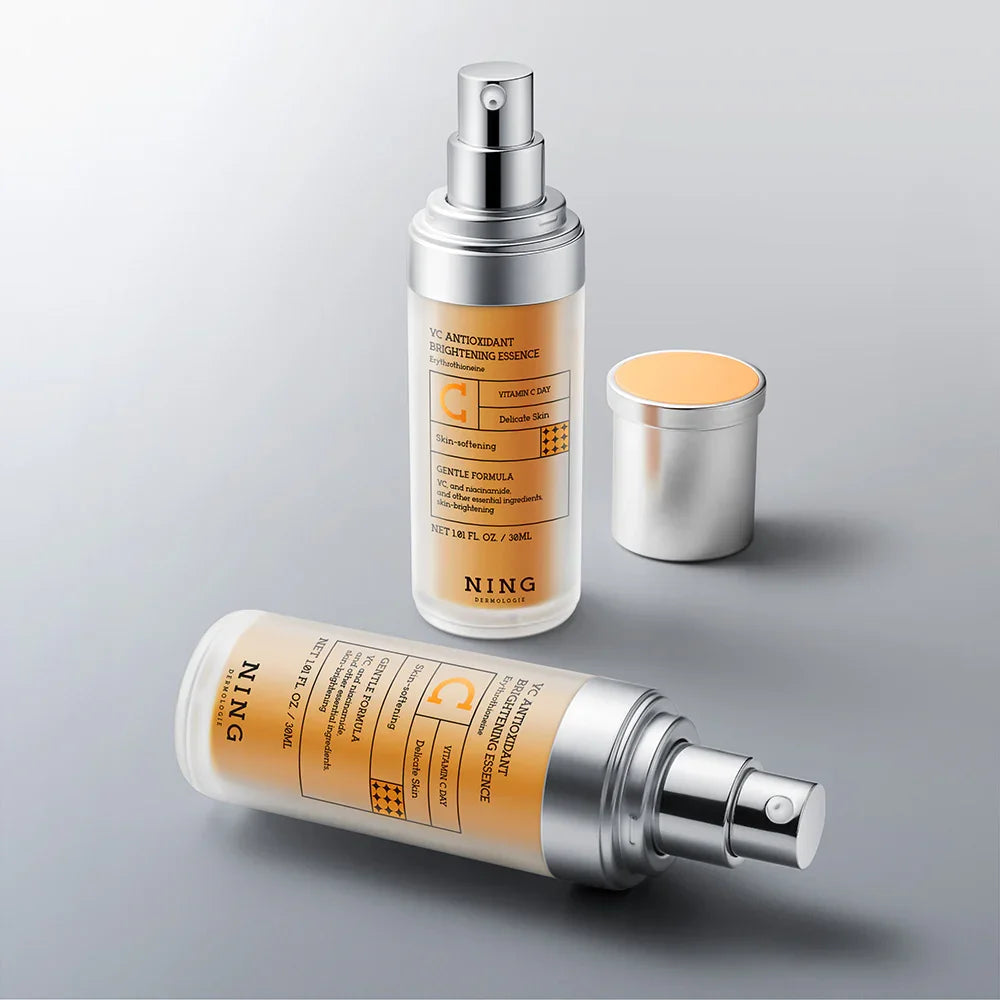
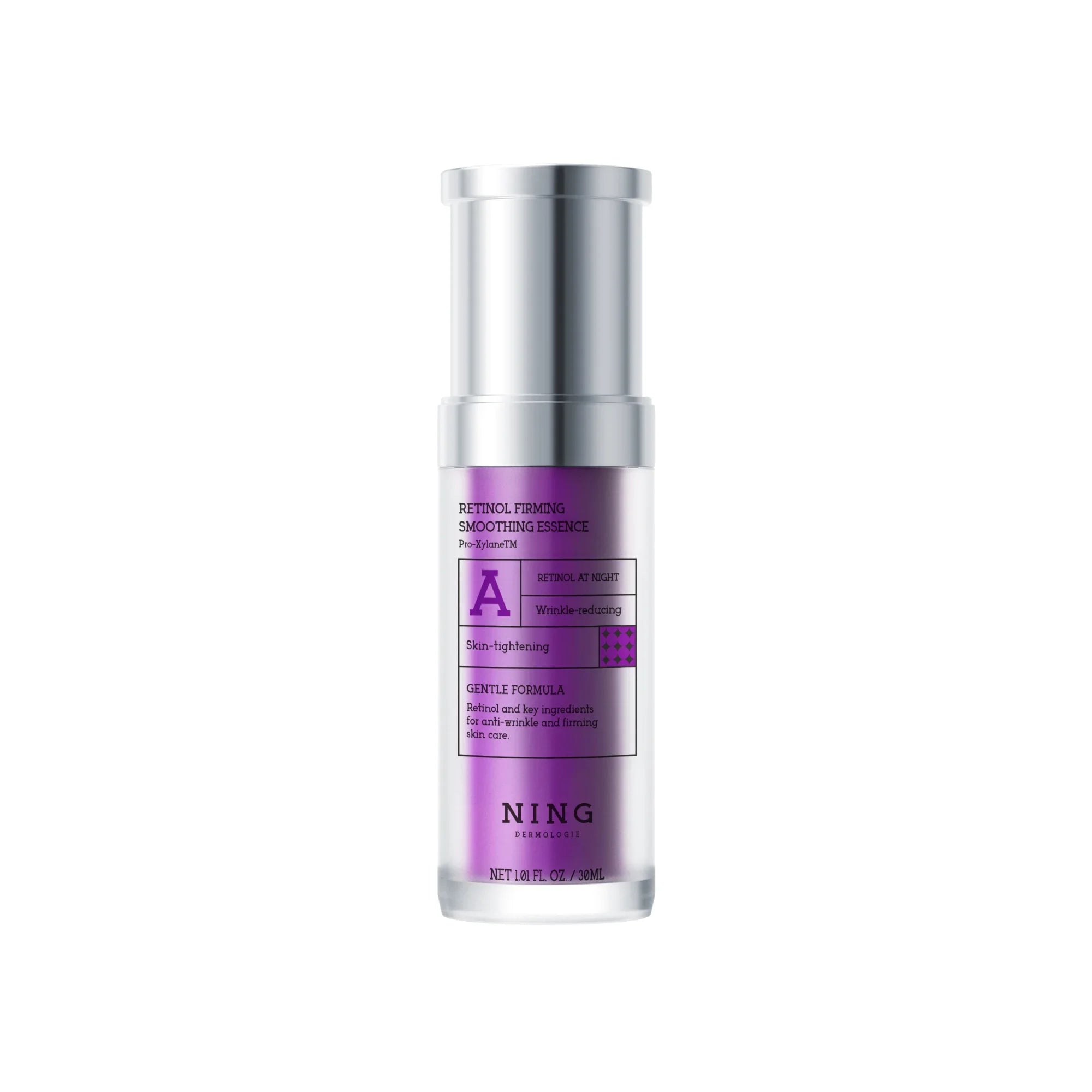
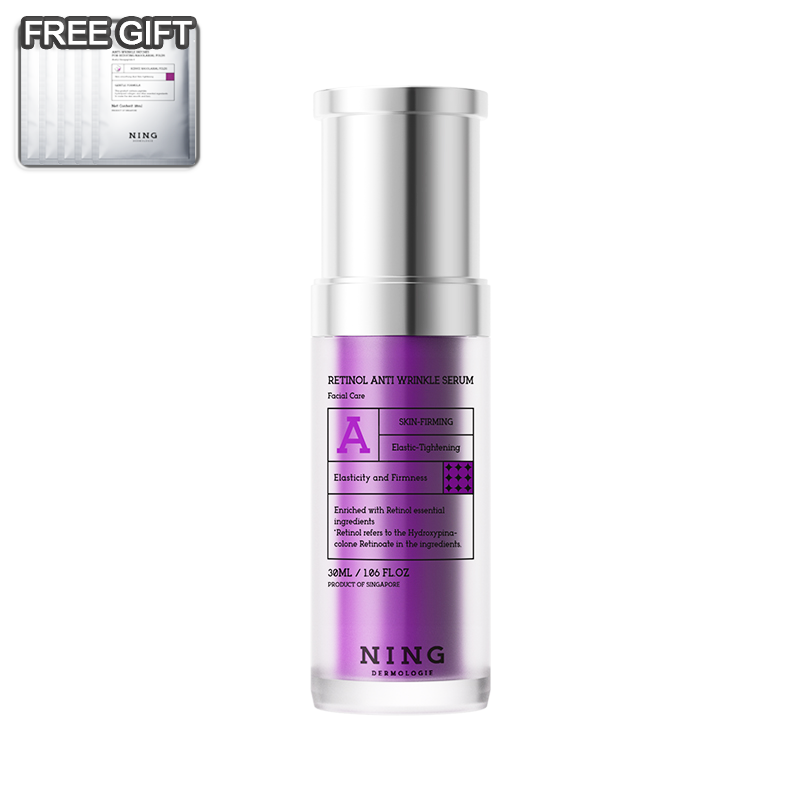
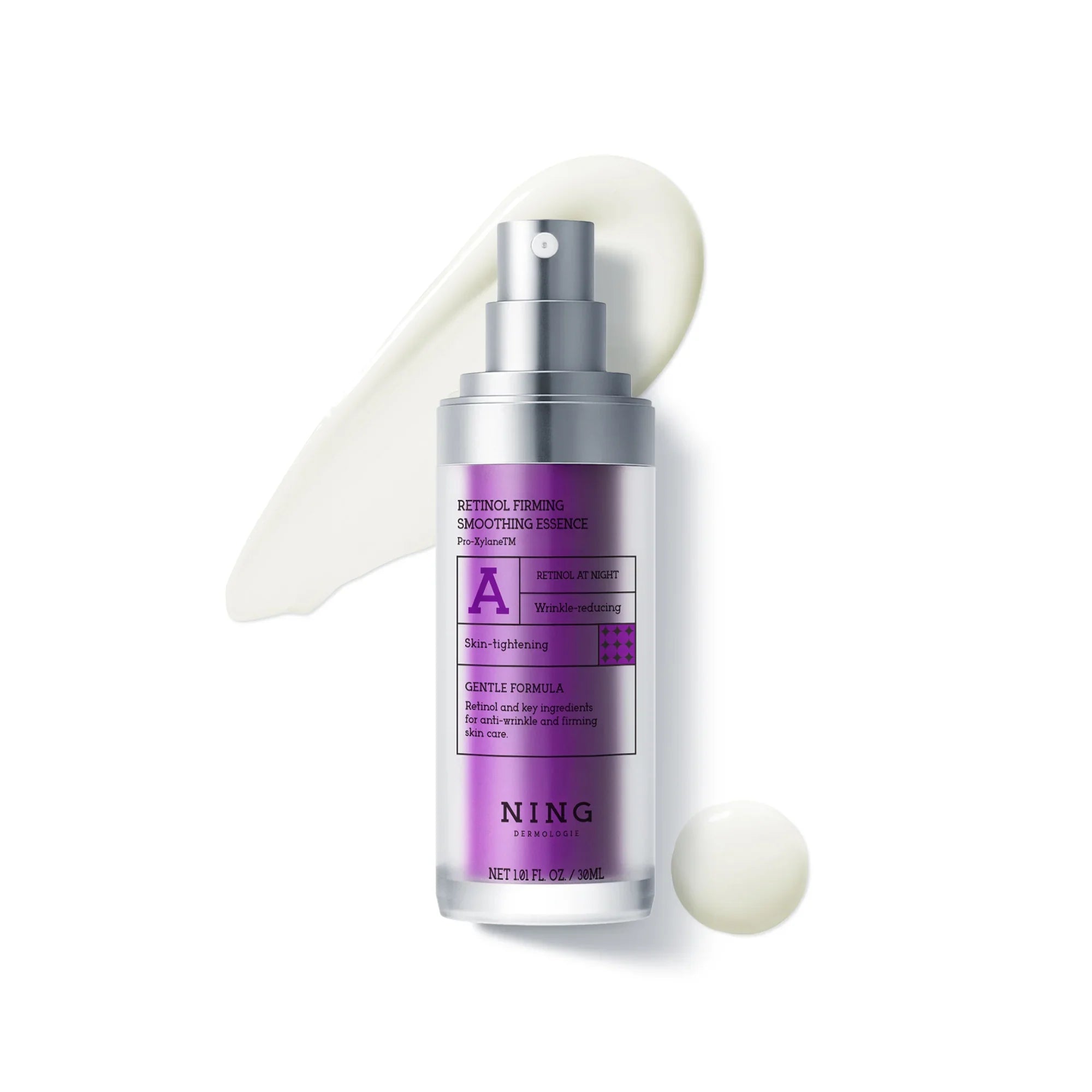
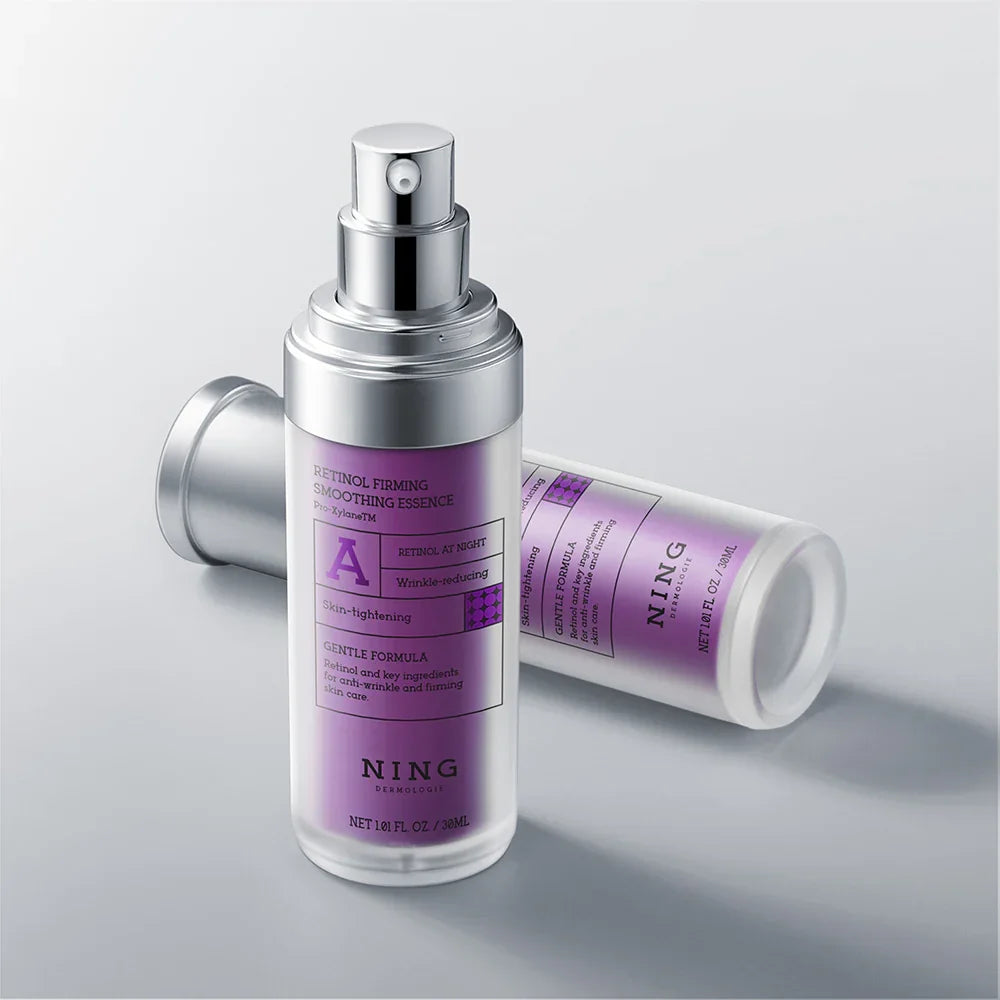
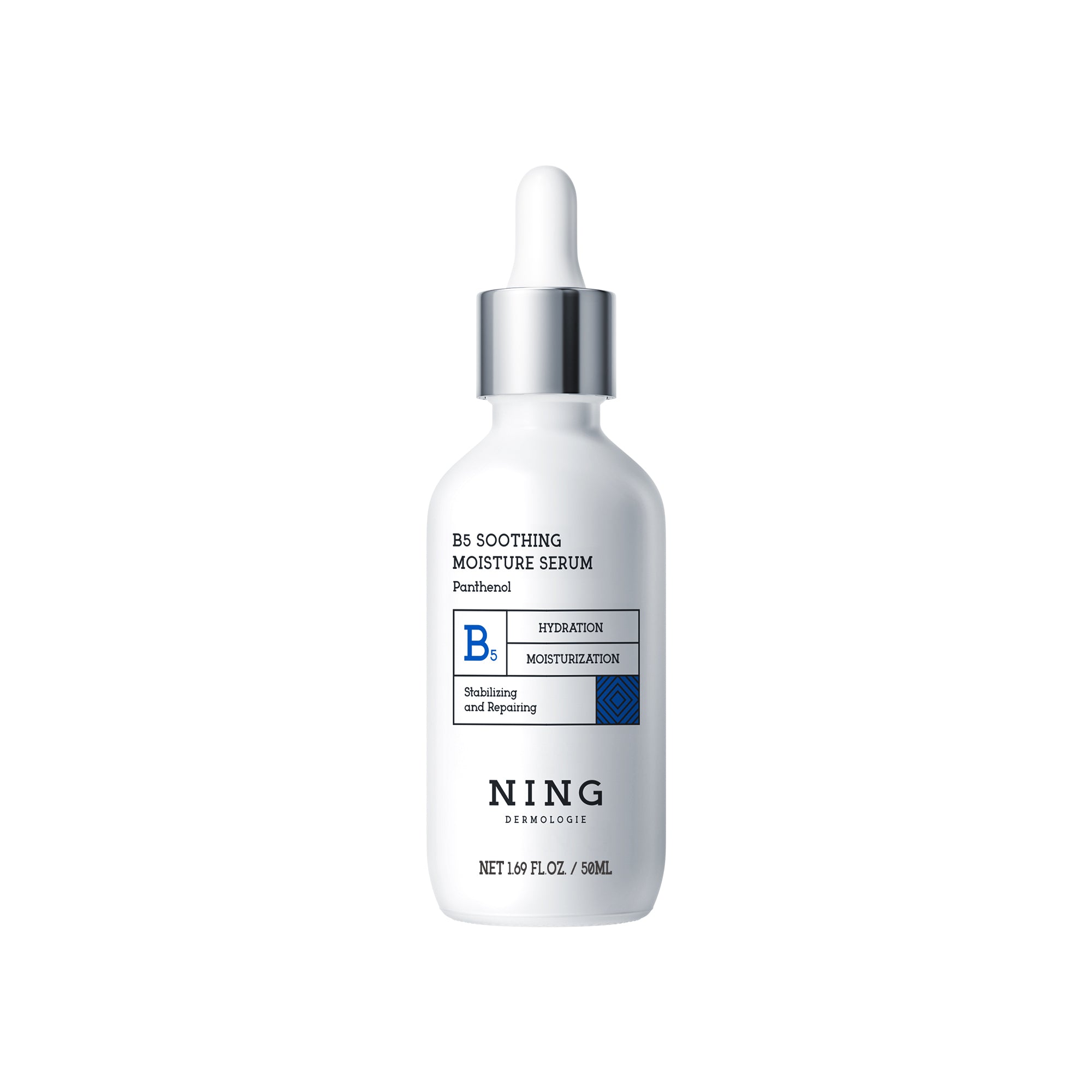
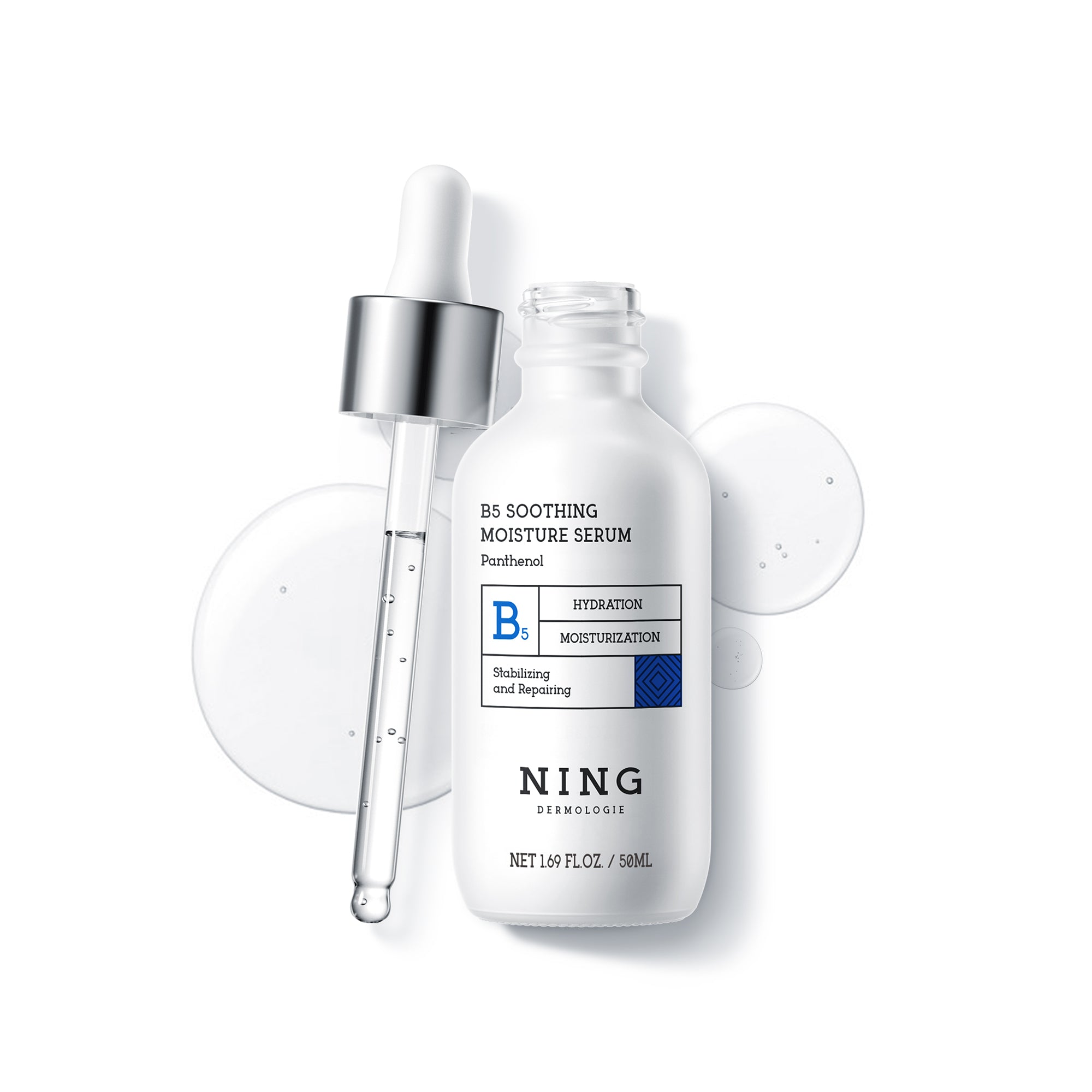
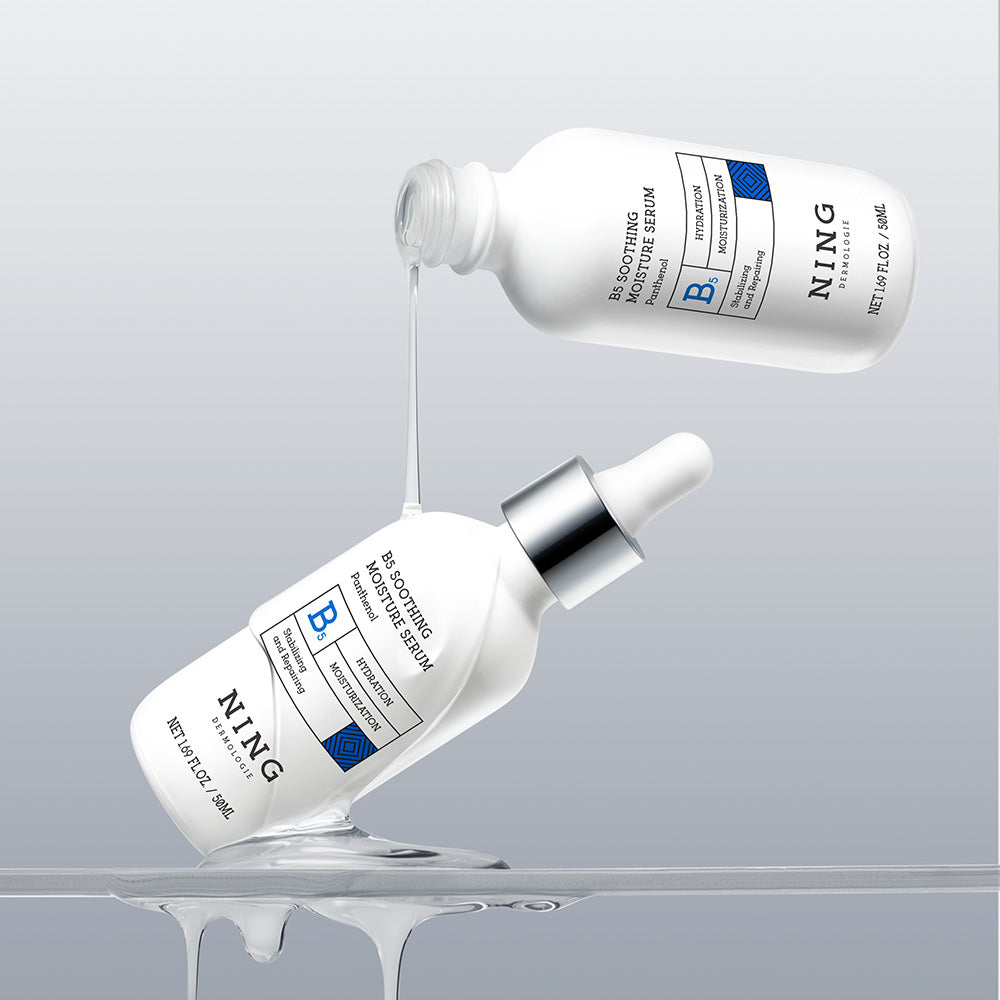
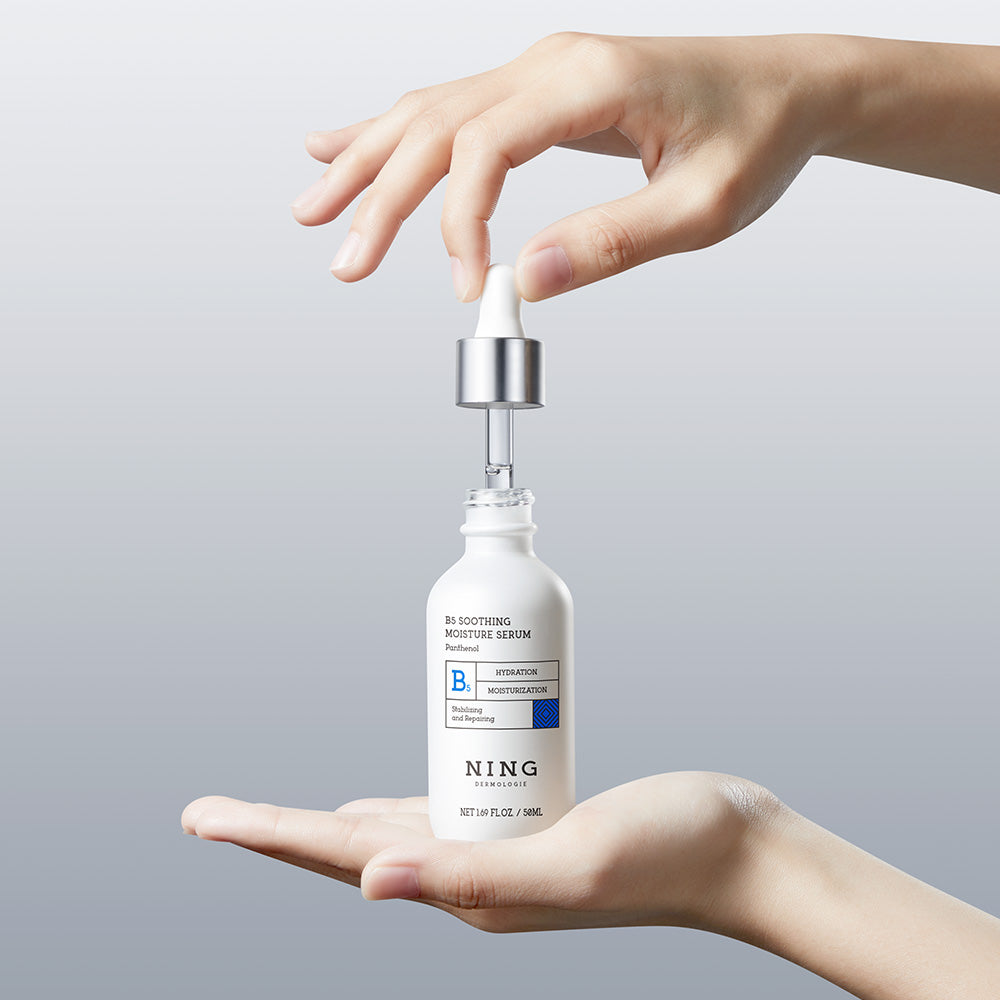
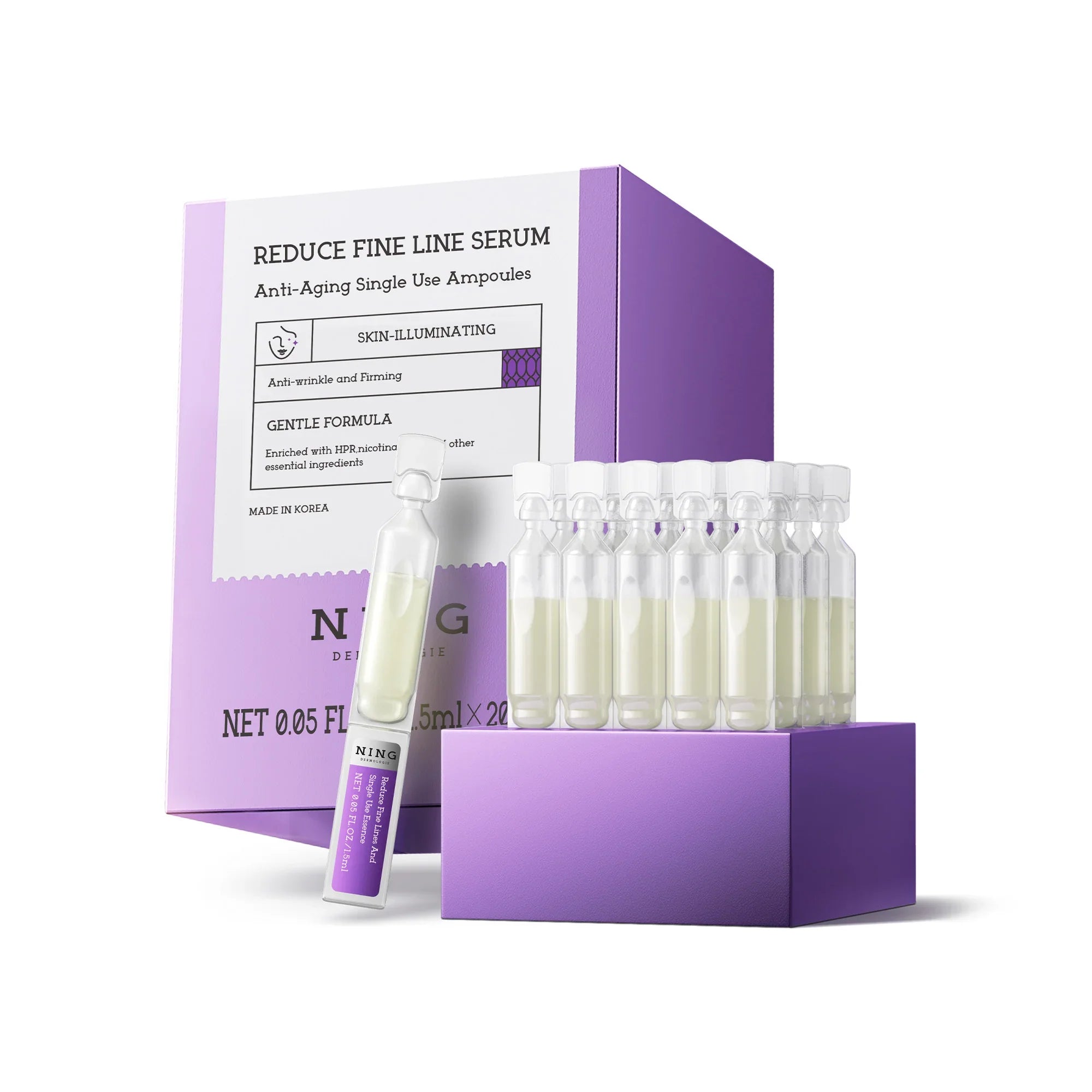
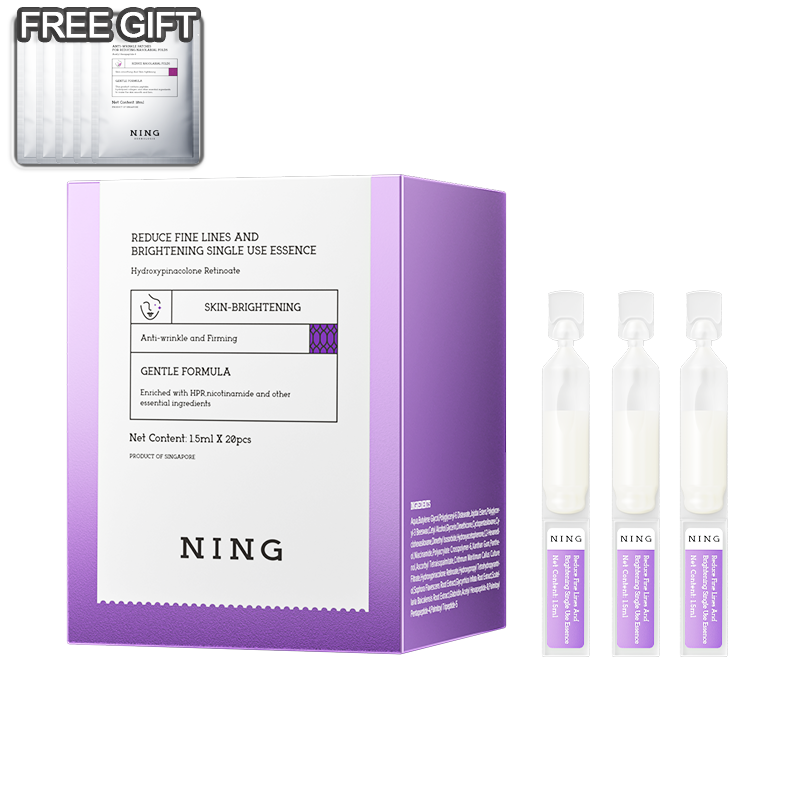
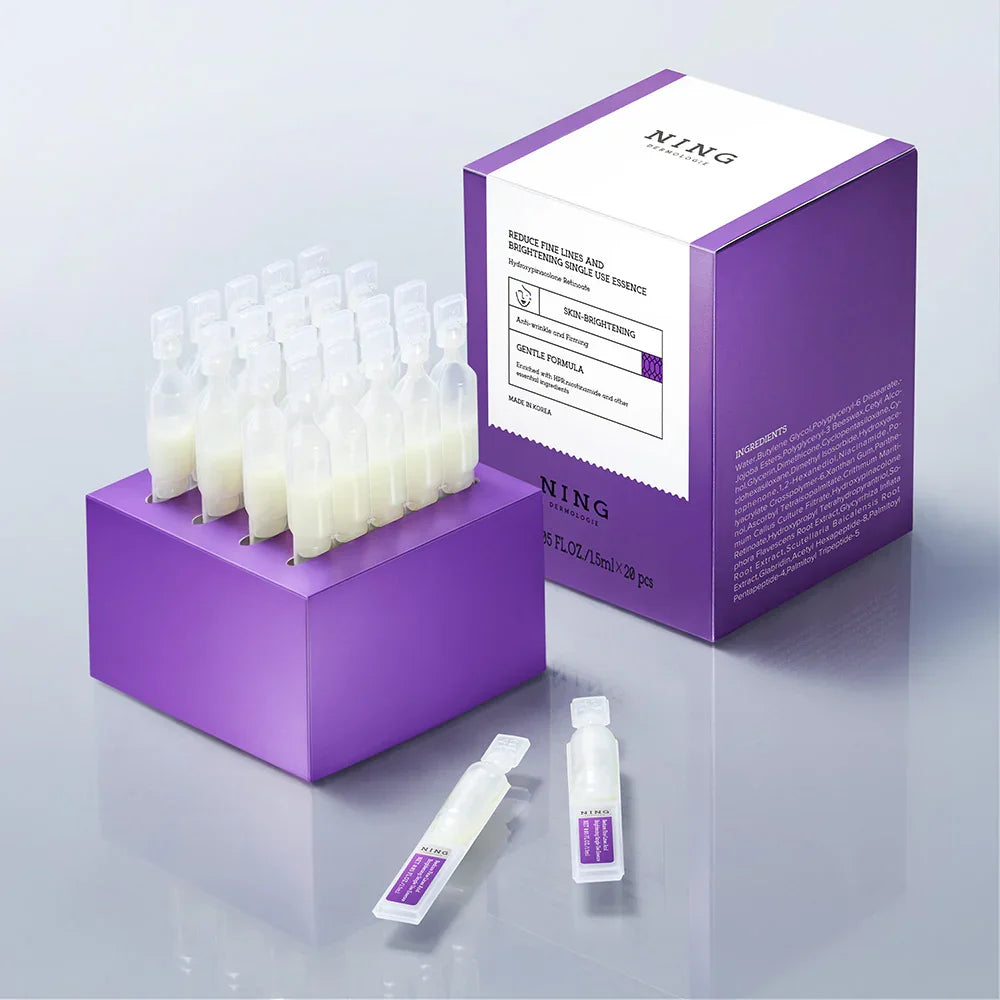
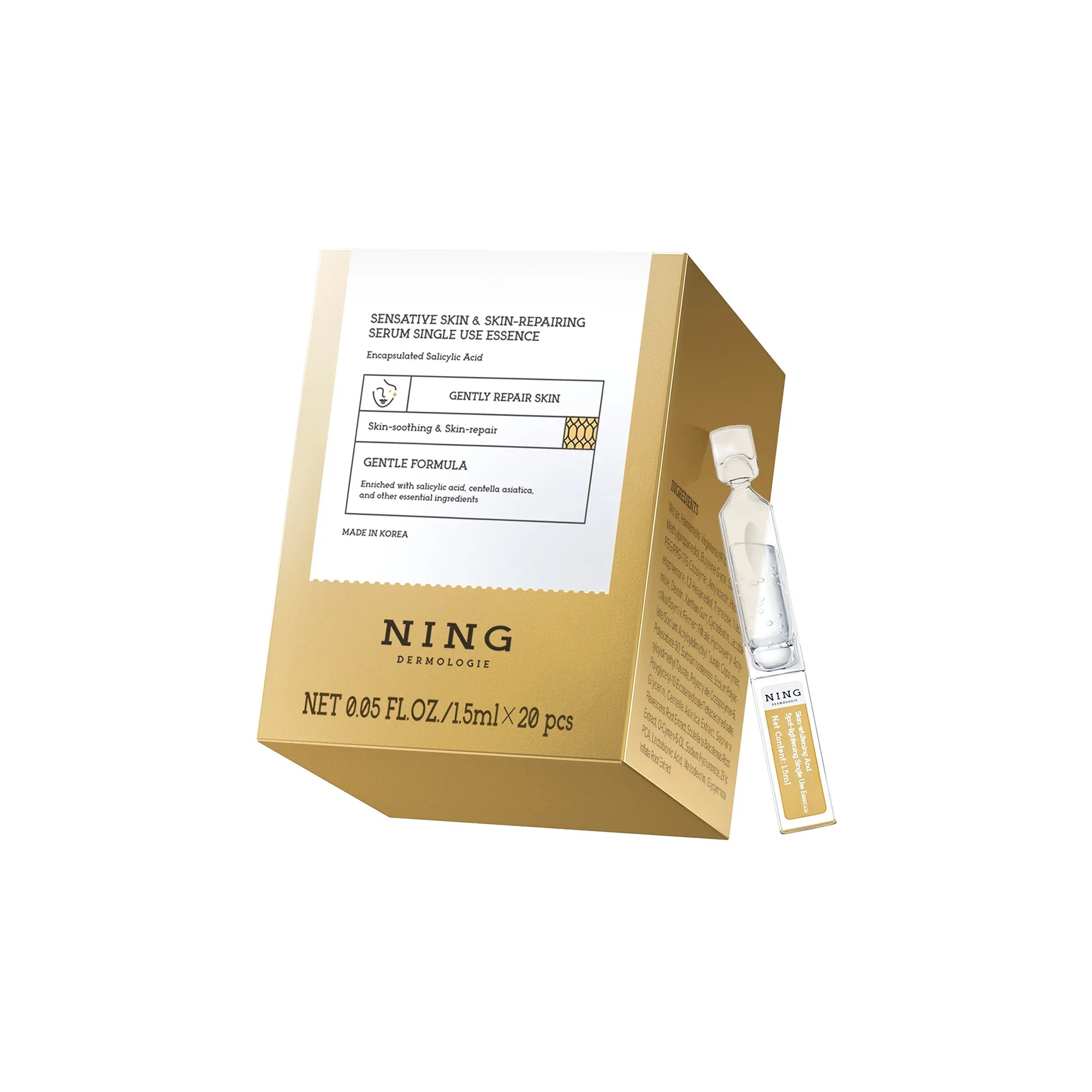
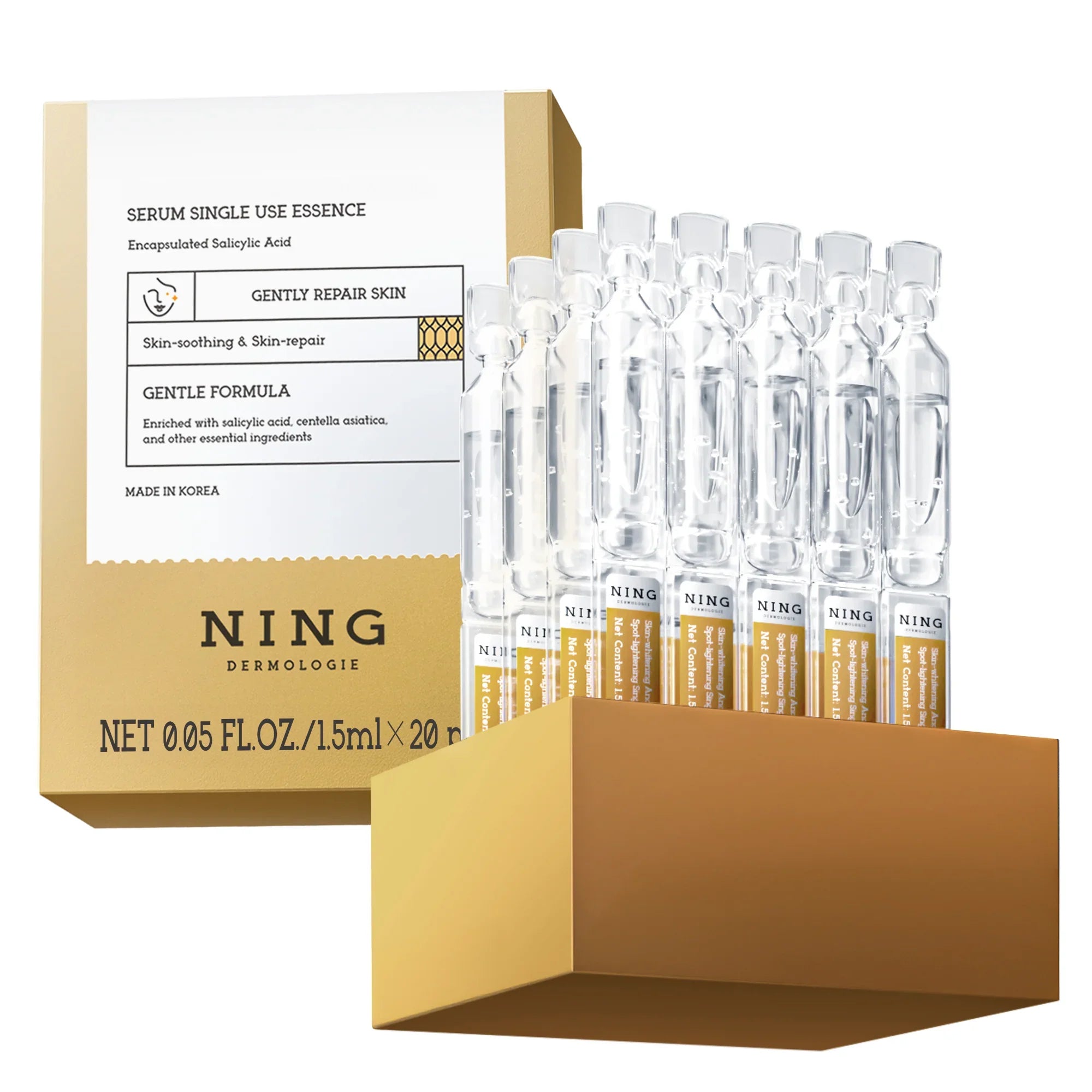
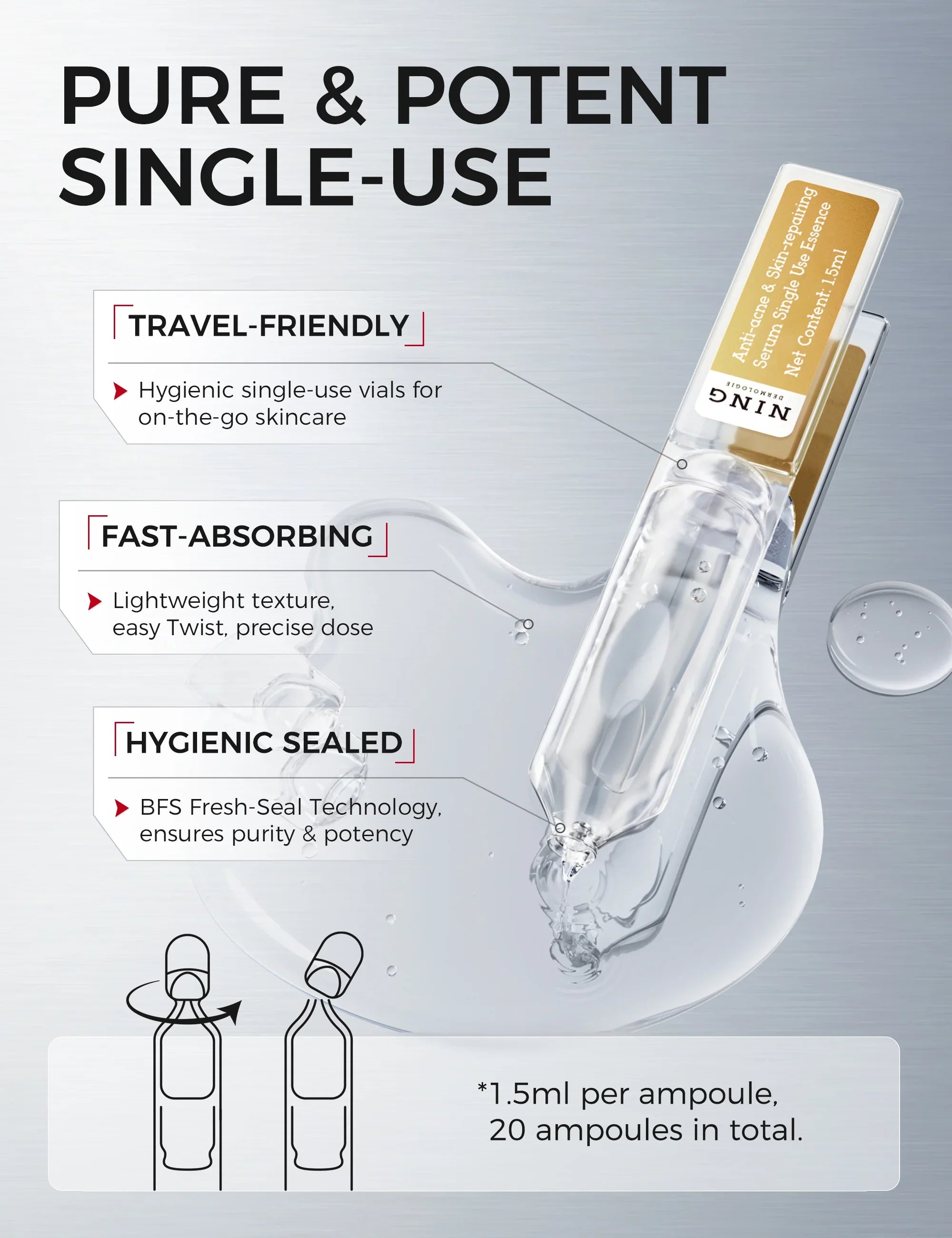
2. The Soothing Specialist: NING Dermologie
Sometimes, the standard clear, goopy serums are too aggressive for skin that is already red and angry. This is where I found a massive gap in my routine until I tried NING Dermologie.
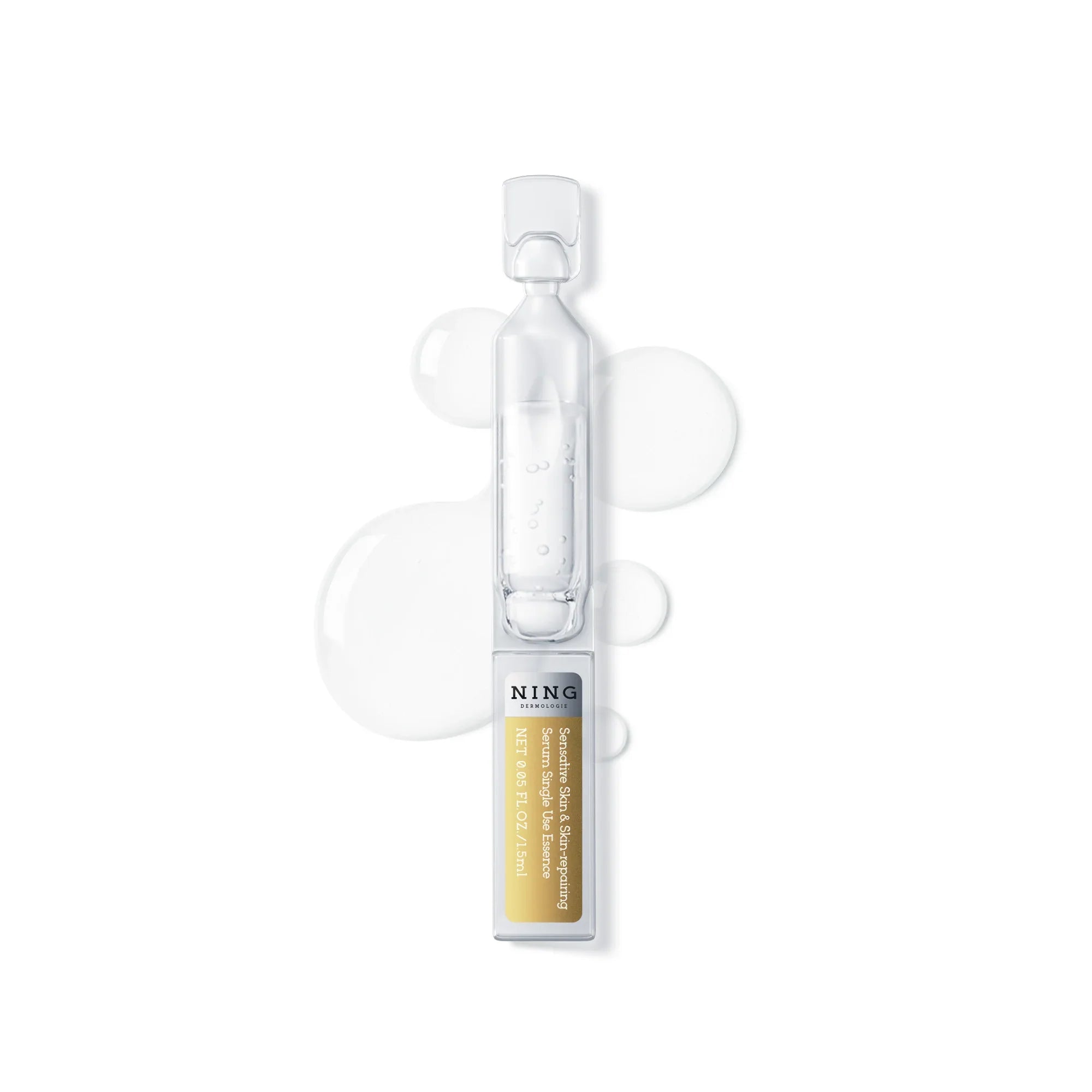
Their Hydrating & Soothing Essence Lotion isn't just a standard HA serum; it’s a hybrid. It addresses the fact that dry skin is often inflamed skin.
- The Texture: Unlike the sticky Hyaluronic Acid 2% + B5 from The Ordinary, the NING Dermologie formula feels silky and fluid. It absorbs without that "tight mask" feeling.
- The Ingredients: They didn't just stop at sodium hyaluronate. They included Centella Asiatica (tiger grass), which is the gold standard for calming irritation. It also packs amino acids to support the skin's structure.
- Why It Wins: If you have sensitive skin or facial eczema flare-ups, simple HA isn't enough. You need the soothing action of Centella. This product creates a buffer against environmental damage while hydrating. It pairs beautifully under a vitamin C serum in the morning because it doesn't pill.
3. The Cult Classic: SkinCeuticals Hyaluronic Acid Intensifier (H.A.)
If money is no object and you are looking for results that border on a cosmetic dermatologic surgeon visit, this is the one. SkinCeuticals Hyaluronic Acid Intensifier is unique because it contains proxylane and purple rice extract.
- The Texture: It’s purple. Literally. It has a gel-like consistency that is thicker than water but lighter than the La Roche-Posay.
- The Science: It claims to boost your skin's own hyaluronic acid levels rather than just topically applying it.
- The Verdict: It definitely helps with skin texture and fine lines, but at $100+, it’s an investment.
4. The Budget King: CeraVe Hydrating Hyaluronic Acid Serum
You cannot talk about US skincare without CeraVe. Available at every Target and CVS, the CeraVe Hydrating Hyaluronic Acid Serum is the definition of "reliable."
- The Difference: It contains their signature ceramides. If your moisture barrier is compromised, HA alone can sting. Ceramides plug the holes in the barrier.
- The Texture: It’s a cream-gel hybrid. It feels more like a light lotion than a serum.
- The Call: Perfect for beginners or teenagers. It’s boring, but it works.
Beyond the Basics: Ingredients That Boost HA
To really get that "glow," you need more than just HA. The market is flooding with "boosters."
- Polyglutamic Acid: Think of this as HA's big sister. It holds even more water. The Inkey List Hyaluronic Acid Serum is great, but their Polyglutamic Acid serum is a sealer. Glow Recipe Plum Plump Serum uses a mix of these to ensure multi-depth hydration.
- Antioxidants: Dry skin ages faster because it's vulnerable to free radical damage. Look for serums with green tea or antioxidant-packed grape flower extract.
- Copper Peptides: These are fantastic for collagen production. If you see a blue serum (like the one from The Ordinary or NIOD), it’s likely copper peptides. They pair well with HA but be careful mixing them with strong acids.
The Landscape: Other Contenders
The US market is crowded. Dermalogica Circular Hydration Serum uses a distinct technology to trap water, which is great for long office days. Naturium Quadruple Hyaluronic Acid Serum offers four different molecular weights at a drugstore price point, which is impressive cosmetic chemistry.
On the "clean beauty" side (a term often critiqued by Vox Media and Harper's BAZAAR for being vague, but popular nonetheless), Moon Juice has a hyaluronic serum that incorporates adaptogens. For those needing intense repair, StriVectin Hydration Multiplier Hyaluronic Acid Serum is targeted at mature skin that needs serious barrier function help.
Even L'Oreal Paris (who owns CeraVe and La Roche-Posay) has excellent drugstore options that utilize hydrolyzed hyaluronic acid for better penetration.
How to Actually Use It (You’re Probably Doing It Wrong)
I have interviewed Dr. Claire Wolinsky and Dr. Nava Greenfield about this, and they agree: the biggest mistake people make is applying HA to dry skin.
The Golden Rule: HA acts like a magnet. If the air is dry (hello, Arizona or a heated NYC apartment) and your skin is dry, the HA will pull water out of your deep skin layers to satisfy its thirst. This increases transepidermal water loss.
The Correct Routine:
- Cleanse: Wash your face.
- Mist: Leave your face damp. Or better yet, apply the NING Dermologie Hydrating & Soothing Essence Lotion immediately while pores are open.
- Treat: Apply your actives. If using active ingredients like Kojic Acid for dark spots or salicylic acid for acne, let them settle.
- Hydrate: Apply your HA serum (if you didn't use the NING essence already).
- Seal: This is non-negotiable. You must use an occlusive moisturizer. This could be a cream with Shea Butter or biofermented purslane (a favorite of Dr. Barbara Sturm). This traps the water in.
If you are using alpha-hydroxy acids (AHAs) to exfoliate, be careful. Over-exfoliating strips the barrier. HA helps repair that, but it can sting if the acid burn is fresh.

A Note on "Clean" and "Clinical"
There is a war between "natural" ingredients like red algae and hydrolyzed collagen versus clinical powerhouses like PCA SKIN. The truth? Your skin doesn't care about the marketing label; it cares about biocompatibility.
Whether you choose the high-tech SkinCeuticals, the barrier-repairing NING Dermologie, or the accessible CeraVe, consistency is key. Hydration is not a one-time fix; it is a daily diet for your skin.
Frequently Asked Questions (FAQ)
1. Can I use Hyaluronic Acid with Vitamin C?
Absolutely. In fact, they are a power couple. Apply your Vitamin C serum first on clean, dry skin to let it penetrate (since it's pH-dependent), wait a minute, and then follow up with your Hyaluronic Acid or NING Dermologie essence to plump the skin and restore moisture.
2. Is HA safe for acne-prone or oily skin?
Yes, it is non-comedogenic (won't clog pores). Oily skin is often dehydrated skin overcompensating by producing more oil. A lightweight, water-based serum like The Inkey List Hyaluronic Acid Serum or Naturium provides hydration without the grease. Avoid heavy creams; stick to gel textures.
3. Why does my HA serum pill under makeup?
This usually happens with high-molecular-weight silicones or if you apply too much. If the serum is tacky (like many drug store options), let it dry down completely. Alternatively, switch to an essence-texture product like the Hydrating & Soothing Essence Lotion, which absorbs fully and plays better with foundation.
4. What is the difference between Sodium Hyaluronate and Hyaluronic Acid?
Think of them as siblings. Sodium Hyaluronate is the salt form of Hyaluronic Acid. It has a smaller molecular size, meaning it is more stable and penetrates deeper into the skin more easily than pure HA. Most "Hyaluronic Acid" serums actually use Sodium Hyaluronate for this reason.
5. Can I use Hyaluronic Acid around my eyes?
Yes, it’s great for plumping fine lines (crow's feet). However, the skin there is thin. Don't use heavy, perfumed serums that might migrate and sting. Look for products specifically ophthalmologist-tested or gentle formulas containing pro-vitamin B5 and Centella asiatica to soothe that delicate area.





Share:
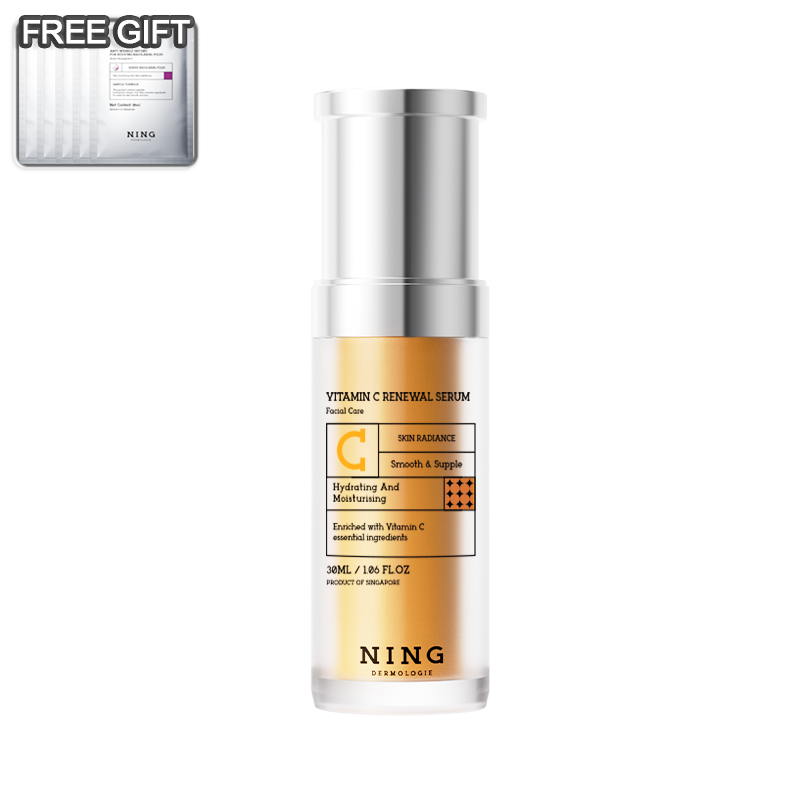
Top-rated hyaluronic acid serums with added vitamin C
Top-rated hyaluronic acid serums with added vitamin C