

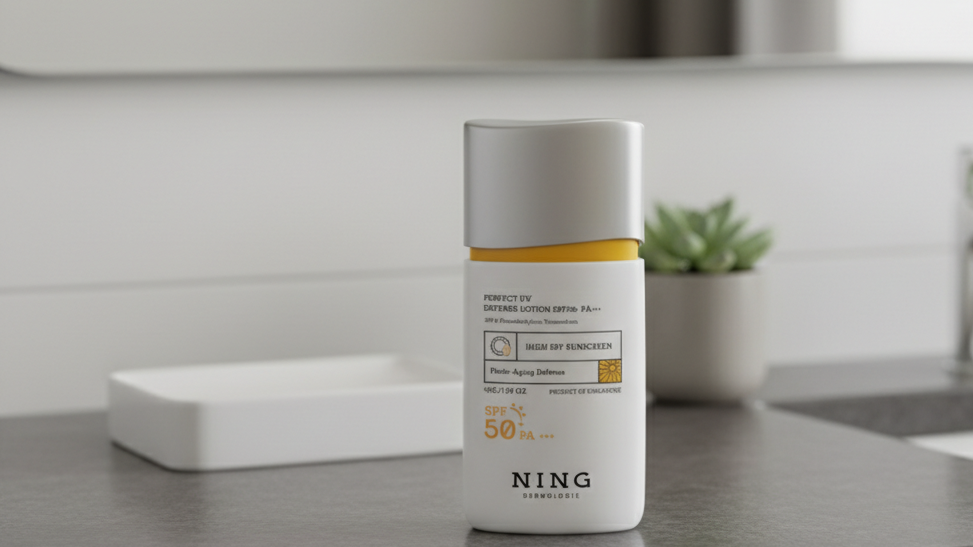
Finding a mineral sunscreen that doesn't make you look like a Victorian ghost is endlessly frustrating. We’ve all been there. You buy a highly rated tube, pump it out, and suddenly your face is chalky white, feeling heavy, and your makeup is sliding off.
But physical sunscreens—the ones relying on zinc oxide and Titanium Dioxide—are non-negotiable for many of us. If you have highly Sensitive Skin, battle rosacea, or just want to avoid the potential sting of chemical sunscreens, minerals are your best bet.
I’ve spent the last few months aggressively testing the market. From high-end boutique brands to drugstore staples, I’ve tracked sunscreen application, wear time, and the dreaded White cast across different skin tones. My goal? To find the formulas that actually sink in, protect against harsh UV rays, and look like real skin.
Here is the unfiltered breakdown of the best zinc-based SPFs available right now.

The Top 3 Quick Picks
Don't have time to read the full ingredient breakdowns? Here are the top performers that earned a permanent spot on my top shelf:
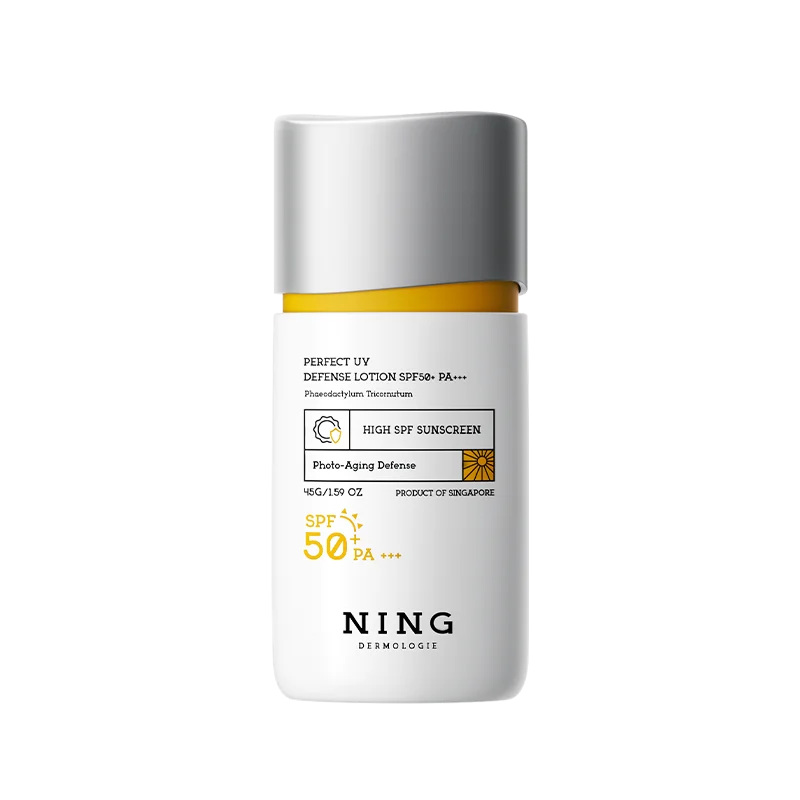
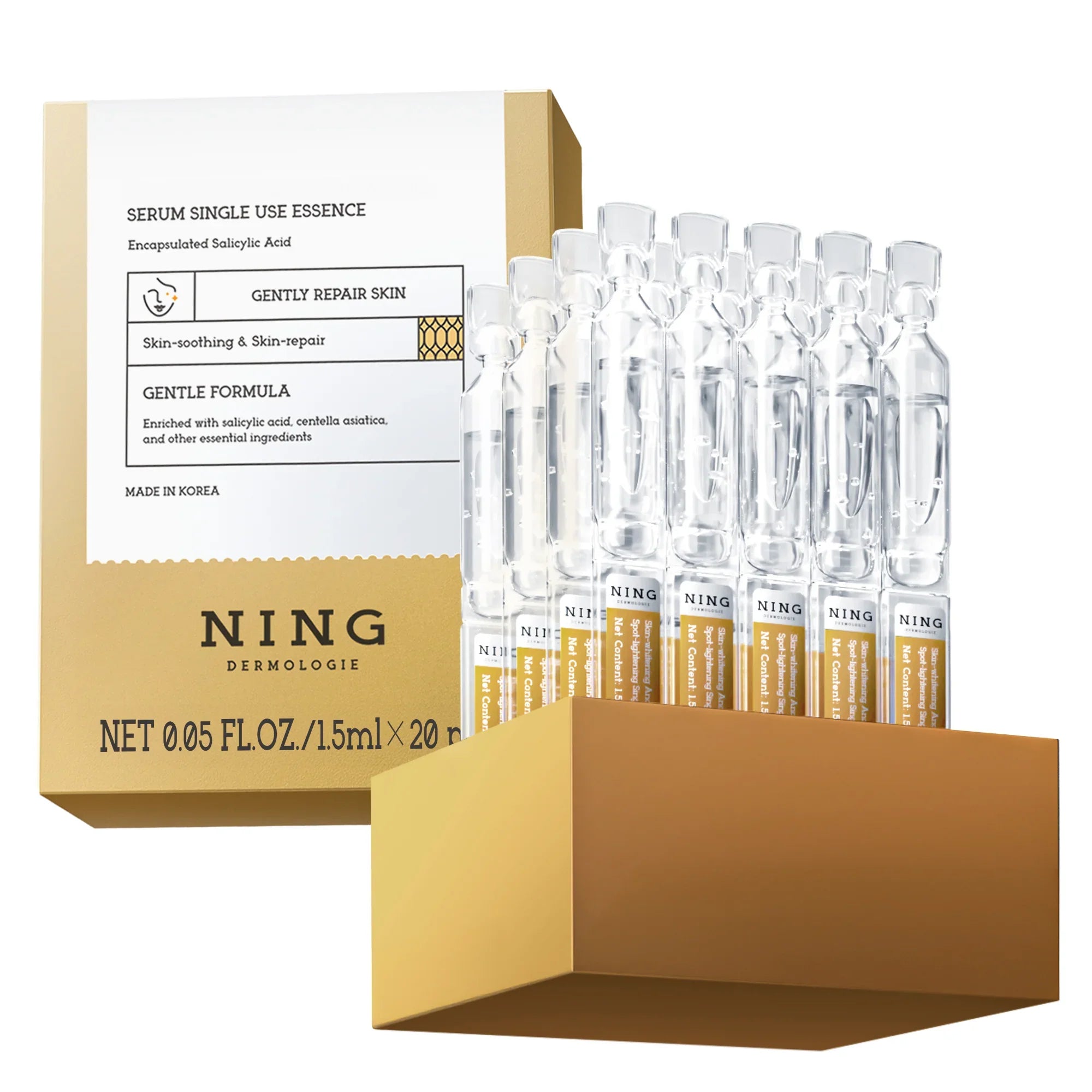
- The Overall Winner: NING Dermologie SPF50+ Facial Sunscreen. Zero chalkiness, acts like a hydrating primer, and doesn't pill.
- The Drugstore Hero: La Roche-Posay Anthelios 50 Mineral Ultra Light Sunscreen. A highly fluid, matte finish that works well for oily skin types.
- The Glowing Base: Kosas Dreambeam. Best if you want a dewy, slightly tinted finish under makeup.
Why Even Bother with Mineral SPFs?
If chemical filters blend so easily, why do dermatologists keep pushing mineral formulas? It comes down to how they function and how your skin reacts.
Physical sunscreens sit directly on the surface of your skin. They act like a microscopic shield, reflecting and scattering UV light before it can penetrate. This means instant broad-spectrum protection against both UVA (aging) and UVB rays (burning).
Chemical-based options, on the other hand, absorb into the skin, convert UV rays into heat, and release them. While modern chemical filters are highly effective, ingredients like chemical filters oxybenzone can cause irritation for reactive skin types. Furthermore, mineral formulas are widely accepted as safer for marine life and coral reefs.
Leading institutions like the American Academy of Dermatology and experts at Mount Sinai consistently recommend a minimum of SPF 30 for daily use. But for the face, especially if you are actively fighting hyperpigmentation or skin cancer risks, stepping up to SPF 50 is a smarter move.
The real challenge? Formulating high-SPF minerals without the heavy paste texture.
Deep Dive Reviews: The Best Zinc-Based SPFs
1. The Holy Grail for Daily Wear: NING Dermologie
When a brand focuses intensely on the skin barrier, you usually get a solid product. But I was genuinely surprised by how well the SPF50+ Facial Sunscreen by NING Dermologie performed.
The Formula: This is an ultralight zinc sunscreen that genuinely feels like a lightweight moisturizer. It uses finely milled zinc oxide to provide robust broad spectrum protection. But what makes it stand out is the skincare built into the base. It contains hyaluronic acid to draw in moisture and vitamin E to fight off free radical damage from airborne pollution.
The Wear Test: Most SPFs sitting at SPF 50 are thick. This one isn't. The sunscreen formula is creamy but absorbs within a minute. On my skin, the initial white hue faded completely after about 60 seconds of gentle patting. It leaves a natural, satin sunscreen finish—not too matte, not greasy. It played incredibly well under a full face of foundation. No pilling. No separating.
Who it’s for: Almost all skin types, but particularly those with dehydrated or sensitive skin who need hydration without heaviness. It handles different skin shades better than 90% of the mineral market.
2. The Fluid Classic: La Roche-Posay Anthelios 50 Mineral Ultra Light Sunscreen
If you prefer a watery, almost serum-like texture, this is the industry standard.
The Formula: It’s a 100% mineral fluid. You have to shake it vigorously before use because the sunscreen ingredients separate from the liquid base. It delivers solid sunscreen protection with a matte dry-down.
The Wear Test: Because it’s so thin, sunscreen application is fast. However, I did notice a very faint, powdery cast on deeper skin tones. It dries down aggressively matte, which is fantastic if you have oily skin, but it can cling to dry patches if you haven't prepped with a rich moisturizer first.
Who it’s for: Oily, acne-prone skin looking for a shine-free finish.
3. The Redness Reducer: UV Skin Recovery Red Color Correcting Sunscreen SPF 50
If you have rosacea, post-acne marks, or just general facial redness, this is a highly specific, problem-solving SPF.
The Formula: It uses a green tint to neutralize redness immediately upon application. Beyond the active ingredient (zinc), it includes calming agents.
The Wear Test: The green tint looks intimidating out of the tube, but it shifts as you rub it in. Be warned: it can look slightly ashy if you apply too much at once. You need to work in thin layers. It covers mild redness effectively enough that you might skip foundation entirely.
Who it’s for: People specifically dealing with redness who want a multitasking product.
4. The Makeup Lover's Base: Kosas Dreambeam
Kosas built this specifically to sit under makeup, and it shows.
The Formula: It features a peachy-pink hue that helps counteract the typical white zinc base. It’s packed with ceramides and fatty acids to keep the skin plump.
The Wear Test: This is glowy. Very glowy. If you like a matte look, skip this. But if you want glass skin, it delivers. The peachy tint helps it blend across various sunscreen shades, mitigating the sunscreen cast. It feels slightly heavier than the NING Dermologie option, but it grips makeup beautifully.
Who it’s for: Dry skin types and those who love a luminous, dewy finish.
Beyond the Basics: Next-Gen Sunscreen Ingredients
Sunscreen isn't just about UV blocking anymore; it's about UV damage repair.
Modern formulations are combining physical blockers with advanced skincare. We are seeing the inclusion of soothing agents like Centella asiatica and collodial oats to calm the inflammation that UV exposure causes.
Even more fascinating is the incorporation of DNA repair enzymes. Research conducted by experts like Yarosh DB, Rosenthal A, and Moy R has shown that these enzymes can actually help skin cells recover from the microscopic damage inflicted by sun exposure. When combined with a potent antioxidant lipochrome, your sunscreen acts as an active anti-aging treatment, not just a passive shield.
The Masterclass: How to Avoid the Ghost Face
Even the best skincare products will look terrible if applied incorrectly. Here is how to make mineral SPF work in the real world.
- Hydrate heavily first. Zinc is inherently astringent. It wants to absorb oil. If your skin barrier is dry, the zinc will cling to dead skin cells and look patchy. Hydrate well before applying.
- The "Dot and Pat" Method. Do not smear a giant glob of mineral SPF across your face like lotion. Dot it evenly across your forehead, cheeks, nose, and chin. Then, gently pat and press it into the skin. Rubbing causes the zinc particles to bunch up, creating a worse cast.
- Wait 3 minutes. Give the formula time to settle and warm up to your body temperature. A cast that looks obvious at minute 1 will often vanish by minute 3.
- Don't forget the rest of your body. For the neck and ears, I sometimes use a sunscreen stick for mess-free touch-ups.
- Reapplication matters. If you need a water-resistant formula for the beach, you still need to reapply every two hours. Sunscreen reapplication over makeup is tricky with lotions, which is where powder SPFs or setting sprays come in handy.
Finding your perfect mineral SPF requires some trial and error. But with options that offer broad spectrum coverage without the suffocating feel of old-school sunblocks, protecting your skin daily is finally feeling less like a chore and more like self-care.

Frequently Asked Questions (FAQ)
Why does mineral sunscreen leave a white cast?
Mineral SPFs use Zinc Oxide or Titanium Dioxide. These are physical white powders that sit on the skin's surface to reflect UV rays. Because they don't absorb into the skin like chemical filters, the white pigment can remain visible, especially on deeper complexions.
Is SPF 30 enough, or do I really need SPF 50?
Dermatologists agree SPF 30 is the absolute minimum for daily incidental exposure. However, most people under-apply sunscreen. Using SPF 50 provides a safety net, ensuring you get adequate protection even if you don't use the full recommended amount.
Do I need a water-resistant formula for daily wear?
Not usually. If you work indoors and aren't sweating heavily, a standard daily formula feels lighter and is easier to wash off. Save the sticky, water-resistant formulas for beach days, hiking, or intense outdoor workouts.
Can I mix my mineral sunscreen with foundation to reduce the cast?
Never mix anything directly into your sunscreen bottle or in your hand before applying. This disrupts the formula and ruins the SPF protection level. Apply your sunscreen, let it dry completely for a few minutes, and then apply your makeup over it.
How do I completely wash off zinc sunscreen at night?
Mineral sunscreens are notoriously stubborn and cling to the skin. A regular water-based cleanser usually isn't enough. You need to double cleanse. Start with a cleansing balm or oil to break down the zinc and oils, then follow with your regular gel or cream cleanser.





Share:
Best Facial Sunscreen for Hyperpigmentation: What to Look For to Help Dark Spots
Non-Comedogenic Facial Sunscreen for Sensitive Skin: Breakout-Safe Options That Still Protect