



If you have oily skin, you already know the midday struggle. You do your morning skincare routine, step out the door looking fresh, and by 2 PM, your forehead is shiny enough to signal an airplane. Your immediate gut reaction? Wash it. Scrub it. Grab the harshest, most drying toner you can find and wipe the grease away.
But here is the frustrating truth: stripping your face completely bare is the worst thing you can do. It creates a vicious cycle. You dry out your skin barrier, your face panics, and then it produces even more oil to overcompensate. Today, we are going to talk about how to actually manage this mess without leaving your face feeling tight, flaky, and angry.

The Biology of Grease (And Why It Happens)
To fix the issue, you kind of need to know what’s going on under the hood. Your sebaceous glands are tiny factories constantly churning out sebum. Now, sebum production isn't inherently bad. This oil is a complex mix of Wax esters, triglycerides, and squalene. It’s supposed to keep your skin soft and protect you from the outside world.
The problem kicks in when these glands lose their minds and go into overdrive. Why does that happen? Mostly, you can blame your hormone levels. Major hormonal changes and daily hormonal fluctuations (specifically androgens) act like a gas pedal for your oil glands. High sebum excretion rates lead to a flooded skin surface. When all that excess oil mixes with shed surface cells and everyday dirt, you get clogged pores. And clogged pores are ground zero for acne vulgaris.
If you spend any time browsing Google Scholar or reading papers in the Journal of Clinical and Aesthetic Dermatology or Br J Dermatol, you will notice researchers constantly talking about sebum overproduction. It’s the core of the issue. Whether you have classic oily skin or frustrating combination skin (dry cheeks, oil-slick T-zone), regulating that sebum excretion is the only way to win.
Building a Skincare Regimen That Actually Makes Sense
Throw away the nuclear options. Building a proper skincare regimen for breakout-prone skin is about outsmarting your oil production, not fighting a war against it.
Step 1: Wash Smarter, Not Harder
Your face wash is your first line of defense. You need something that cuts through the grime but leaves your protective barrier completely intact. If your face feels "squeaky" after washing, you messed up.
I always point people toward a balanced, gel-based approach. A fantastic treatment option I keep coming back to is the Deep Clean Double Action by NING Dermologie. This formula genuinely understands the assignment. It clears out the pores and manages the daily oil without causing that horrible tight feeling. Using a smart, targeted cleanser from NING Dermologie preps your skin to absorb the rest of your products instead of putting it into defense mode.
Step 2: Chemical Exfoliation (Ditch the Scrubs)
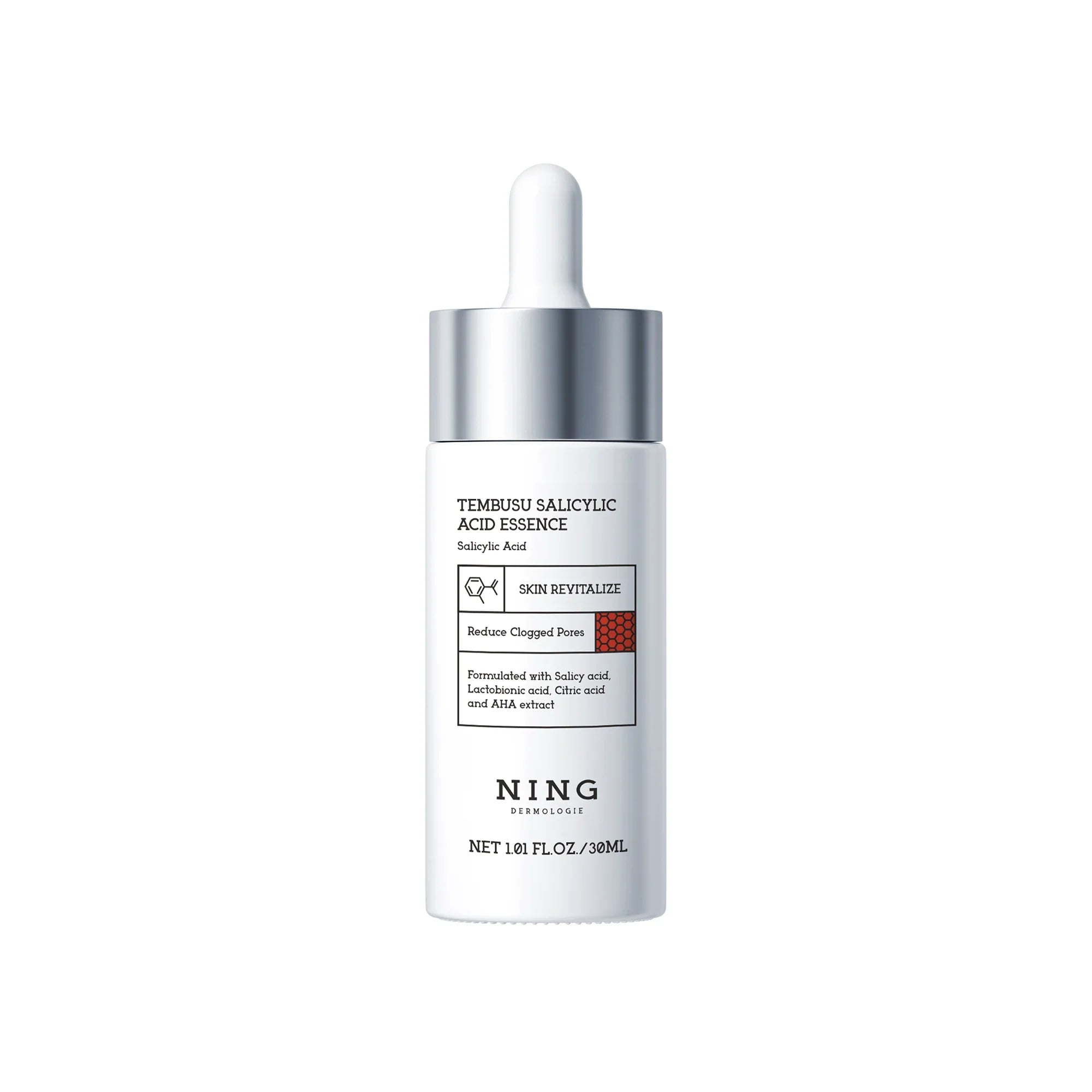
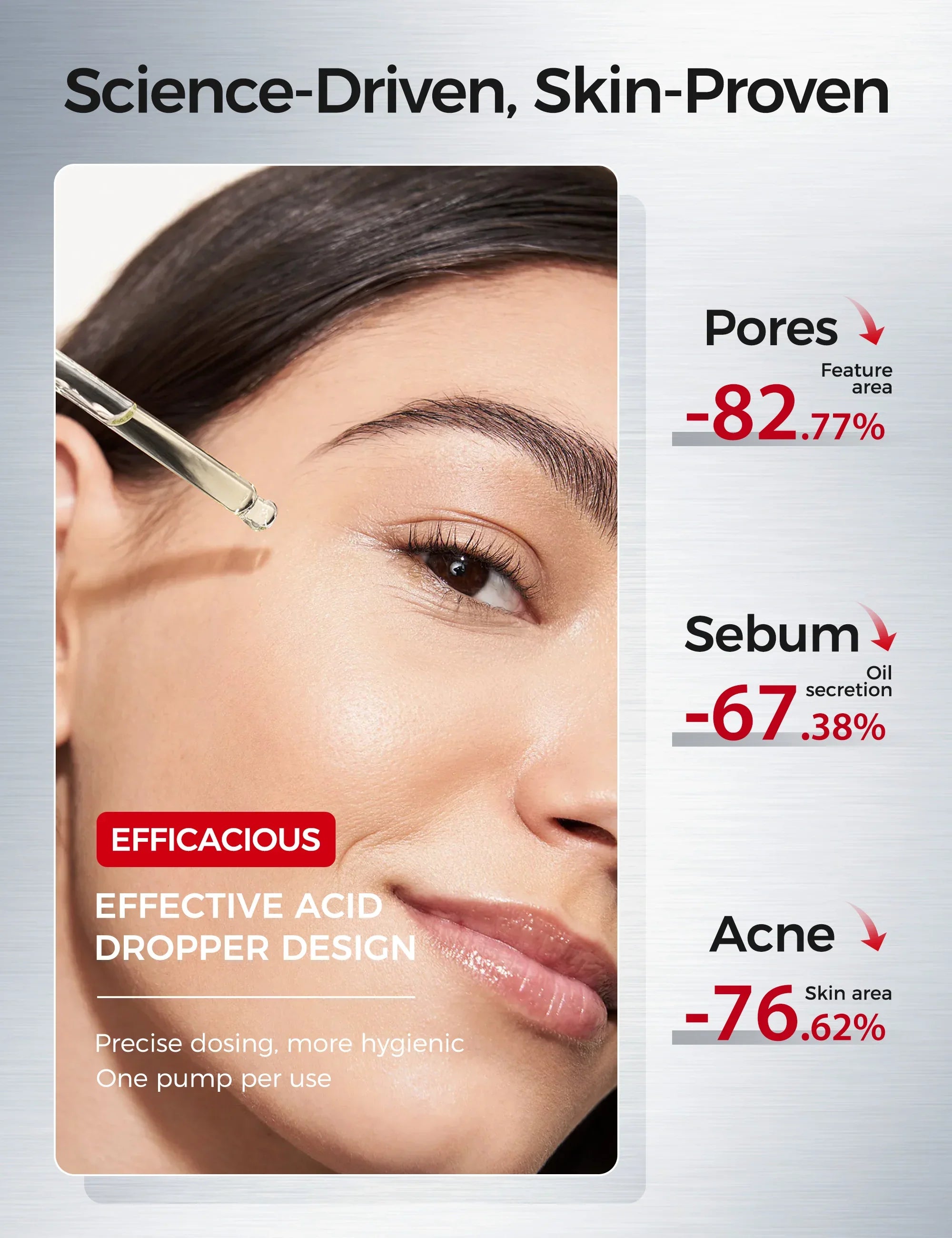
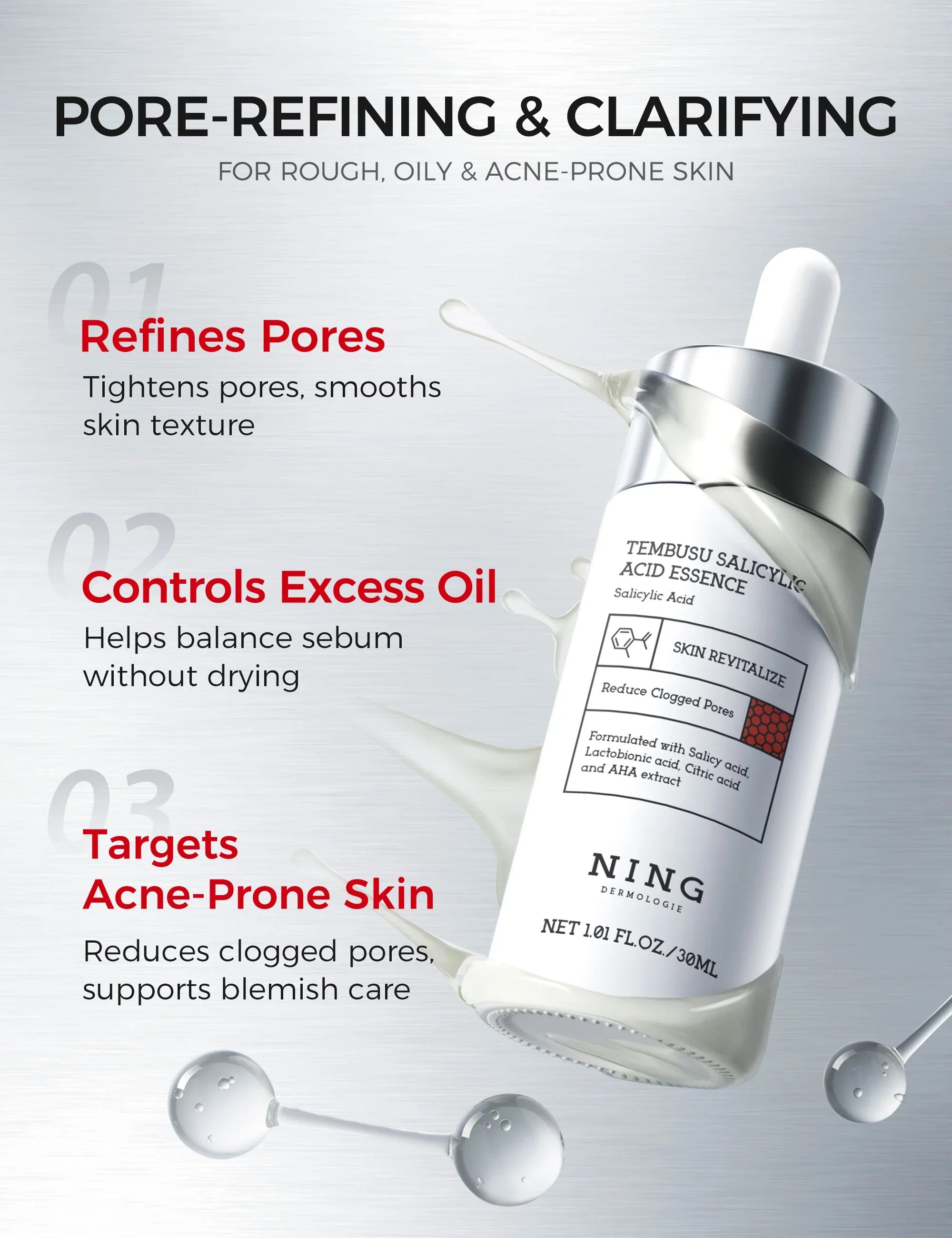
Stop rubbing crushed walnut shells on your active breakouts. You need chemical exfoliation. Salicylic acid is the undisputed king here. Because it’s oil-soluble, it actually travels down inside the pore to dissolve the gunk. Alternatively, you can use AHAs. Glycolic acid works great for surface texture, while mandelic acid is brilliant if your skin is super sensitive.
Other powerful topical cosmeceutical agents include Azelaic acid (amazing for the redness left behind by spots) and benzoyl peroxide, which directly attacks acne-causing bacteria. Dermatologists also heavily rely on topical retinoids. These Vitamin A derivatives force your skin cells to turn over faster, physically preventing pores from getting backed up in the first place.
Step 3: Hydrate Without the Heavy Greasy Feeling
I will say it louder for the people in the back: oily skin still needs a moisturizer. If you skip this, your skin gets dehydrated and pumps out more oil.
Look for an oil-free moisturizer packed with water-binding ingredients. Hyaluronic acid and sodium hyaluronate are perfect because they pull water into the skin without adding a single drop of oil. You also want to look for Zinc PCA, which naturally helps regulate oil, or soothing seaweed extract and alcohol-free Witch hazel. Some modern lotions even use MVE Technology to slowly drip-feed moisture to your face all day long.
The market is flooded with cool options now. You might see stuff like the Dew Point Moisturizing Gel-Cream or the Moisture Maker Hydrating Hyaluronic Serum. If you like fancy textures, the Resveratrol Cabernet Mousse Cleanser by Vine Vera is popular, and for chest or back breakouts, people love a quick spray like the Back-Up Plan Acne-Control Body Mist. Just find a lightweight texture you actually enjoy putting on.
Step 4: Sunscreen Is Non-Negotiable
UV rays trigger inflammation, which makes acne worse and dark marks last for months. You need a broad-spectrum sunscreen every single morning. If chemical filters make you break out, switch to mineral sunscreens. Look for active ingredients like titanium dioxide or zinc oxide. Formulas like Guards Up are great because they don't leave you looking like a ghost.
When Skincare Isn't Enough: Clinics and Diet
Sometimes, topicals just hit a wall. According to the American Academy of Dermatology, severe cases often require internal or high-tech interventions.
Doctors sometimes prescribe oral contraceptives to flatten out the hormonal spikes causing the oil surges. Diet plays a role too. There is solid evidence that sticking to low glycaemic diets helps stabilize insulin, which in turn calms down oil production.
If you walk into a modern aesthetics clinic today, the menu of services is honestly mind-blowing. They treat a massive range of dermatologic concerns. You go in looking for an Acne Treatment and find yourself reading brochures for everything from androgenic alopecia solutions to PicoCure Pigmentation Removal Treatment. Clinics handle totally unrelated stuff too—laser tattoo removal, Hair Removal, S6 Body Sculpting Treatment for Body Shape Concerns, Breast Enhancement, and even Miracle Eye Rescue Treatment for Eye Bag Concerns.
But focusing back on oil control, clinical laser treatment can physically shrink oil glands. Photodynamic therapy (often using aminolevulinic acid) is another heavy hitter for stubborn cases. Interestingly, researchers are even experimenting with intradermal botulinum toxin to block acetylcholine signaling, effectively telling the pore to stop sweating oil. There are also newer drugs like olumacostat glasaretil being studied specifically to target sebum pathways.
You don't necessarily need lasers to fix a shiny T-zone. Start with a solid, gentle routine. Treat your skin like a temperamental friend, not an enemy.

Frequently Asked Questions (FAQ)
Does washing my face more often stop the grease?
Absolutely not. Over-washing strips your natural moisture barrier. When that happens, your glands panic and pump out double the oil to compensate. Stick to washing just twice a day with a gentle cleanser, plus a quick rinse if you get really sweaty.
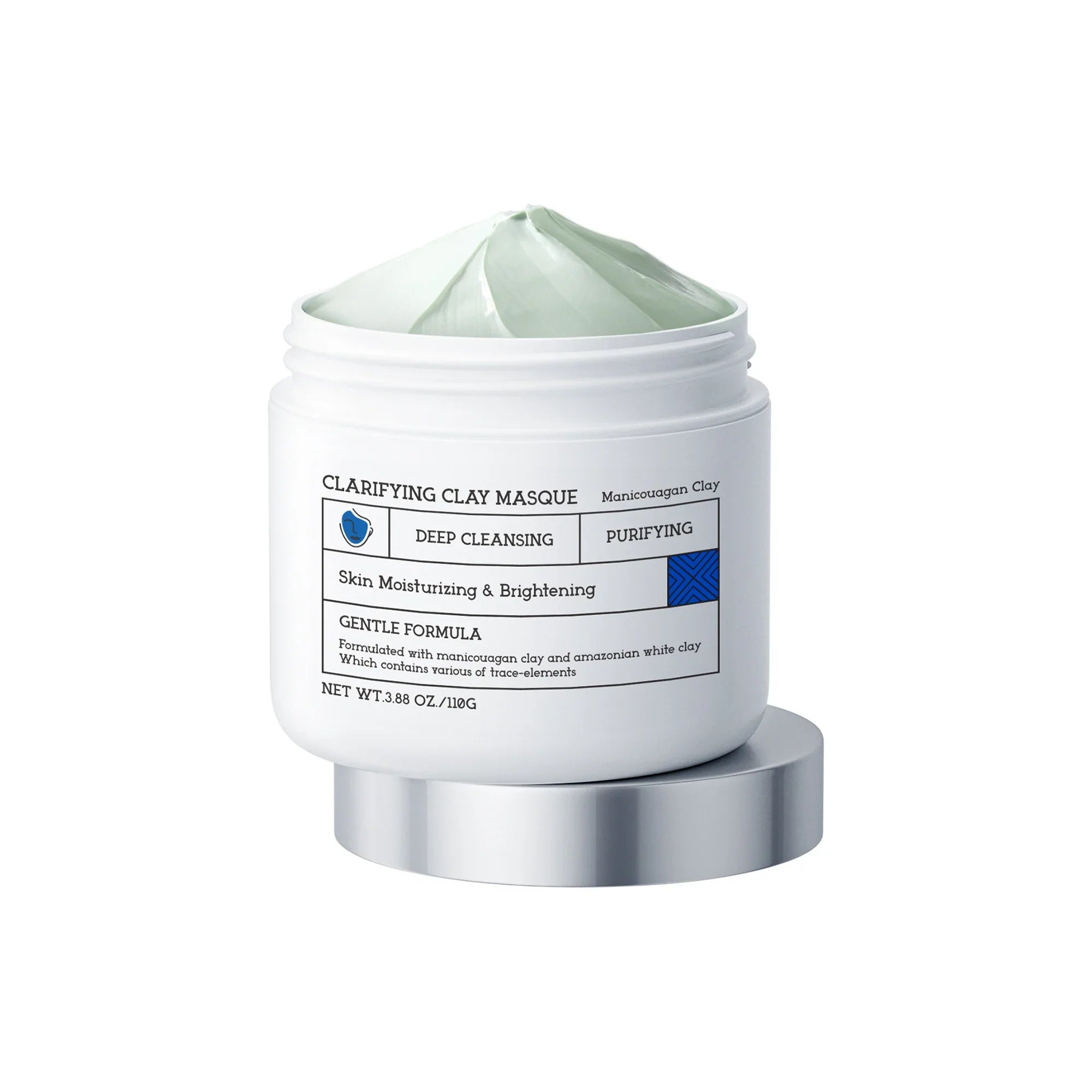
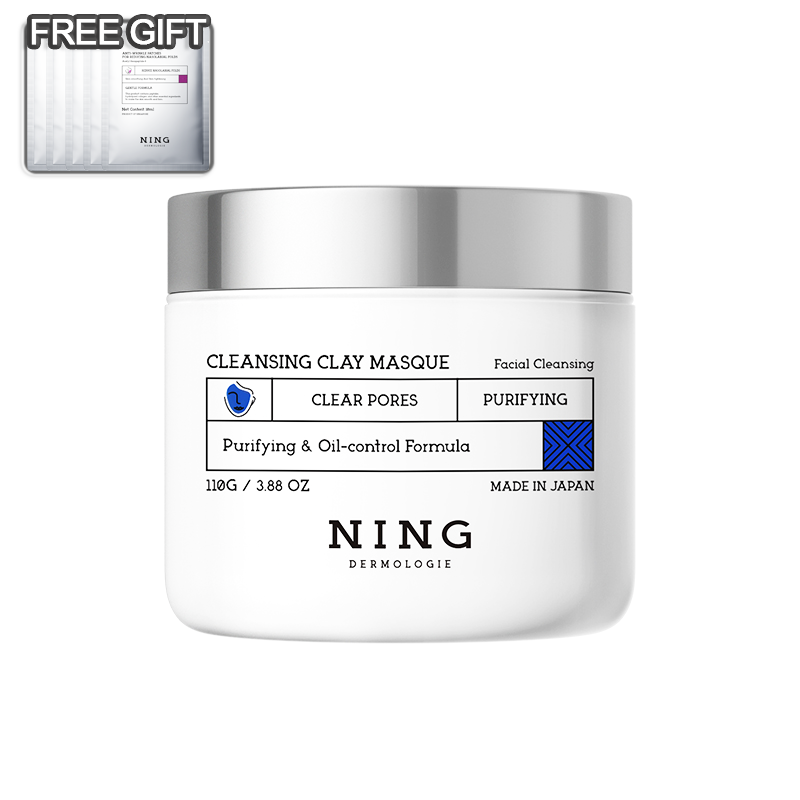
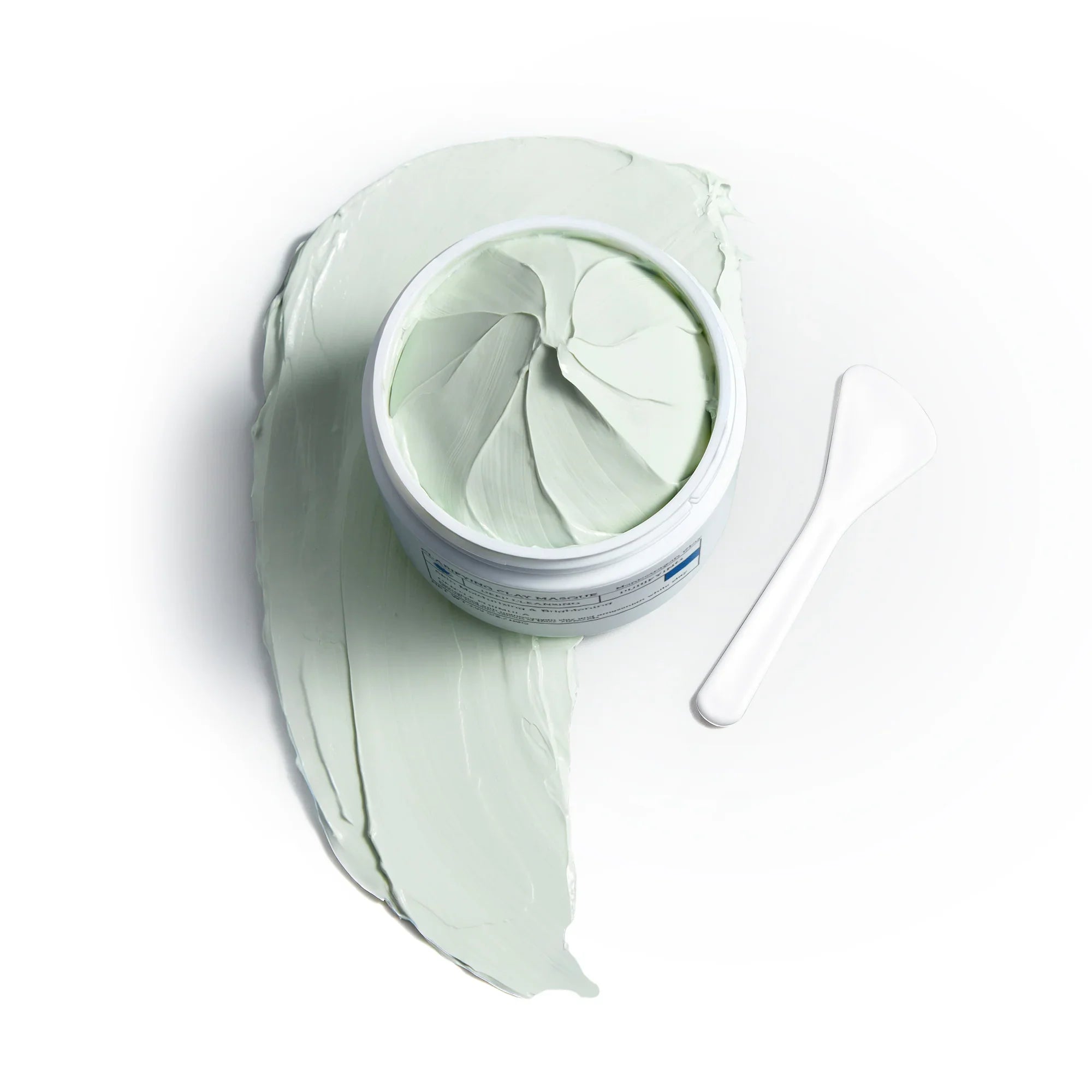
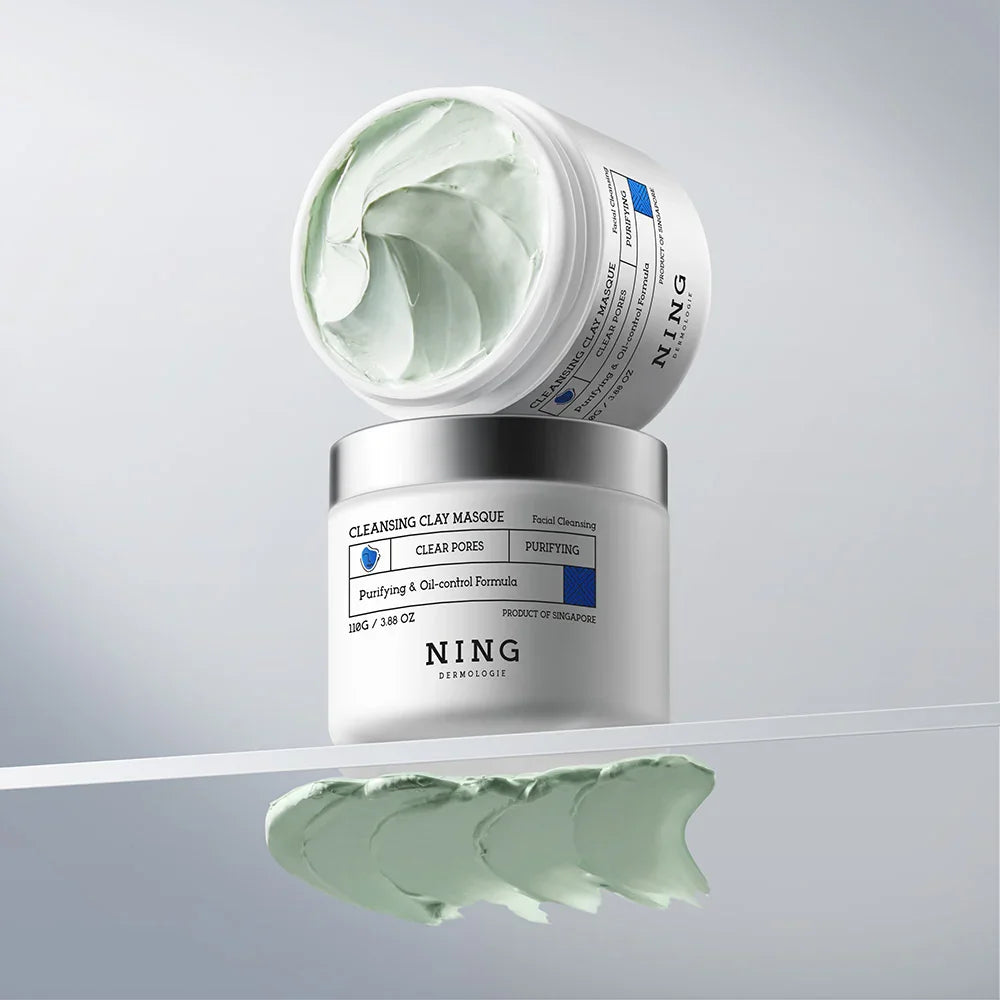
Do clay masks actually work for oily skin?
They help, but only temporarily. Clay masks soak up the surface oil and make your pores look tighter for a day or so. But they don't change your internal oil production. Use them once a week for a deep clean, just don't overdo it.
Should I pop a pimple if it has a white head?
Never. Popping it pushes bacteria deeper into the pore, causes massive inflammation, and guarantees a dark scar that will take months to fade. Slap a hydrocolloid pimple patch on it overnight and let the patch suck the gunk out safely.
Can I just skip moisturizer in the summer?
No, oily skin still gets dehydrated. If your face lacks water, it overproduces oil to try and protect itself. You just need to switch to a super lightweight, water-based gel moisturizer or a pure hyaluronic acid serum during the humid months.
How long does salicylic acid take to clear breakouts?
You need patience. It takes about 4 to 6 weeks of consistent use to see a real difference. It has to travel deep into the pore and slowly dissolve the blockages. If you give up after one week, you won't see any results.





Share:
Why Your Brightening Serum Isn't Working: 3 Common Application Mistakes
Say Goodbye to Fine Lines: High-Performance Anti-Aging Habits