



Best Vitamin C Serums of 2026: Why Most Aren't Worth Your Money (and What Actually Works)
Most of us have bought a vitamin c serum because we saw a glowing TikTok or a "before and after" photo that looked too good to be true. We spent $80, maybe even $180, on a little bottle of "liquid gold," only to have it turn a murky, rust-brown color three weeks later. It starts smelling like hot dog water, and suddenly, you’re rubbing expensive, oxidized vinegar on your face.

What Vitamin C Serum Actually Offers the Best Value for Money for Facial Care?
If you’re hunting for the best vitamin c serum, you aren’t just looking for a fancy label. You want something that actually stops the dark spot from getting darker, makes your skin tone look less like a patchy map, and doesn't bankrupt you in the process. In the skincare products world of 2026, the marketing is louder than ever, but the science has actually gotten quite good. You just have to know what to look for—and what to ignore.
The "Gold Standard" Trap: L-Ascorbic Acid and Ferulic Acid
If you’ve spent five minutes researching skin care, you’ve heard of l-ascorbic acid. It’s the "pure" form of vitamin C. It’s what most dermatologists swear by because it has the most research behind it. When you mix it with vitamin e and ferulic acid, you get a powerhouse antioxidant cocktail that can practically shield your face from the sun’s worst moods.
The most famous version is the Skinceuticals C E Ferulic. It’s basically the industry benchmark. Every other vitamin c product tries to copy its c e ferulic® with 15% l-ascorbic acid formula. It’s effective—no one denies that. But it costs nearly $200. Is it the best budget option? Absolutely not. For most people, paying that much for an active ingredient that might oxidize before you finish the bottle is the opposite of "value for money."
The problem with pure l-ascorbic acid is its temper. It hates light. It hates air. It hates water. If the pH isn't perfectly low (under 3.5), it won't even penetrate your skin. This is why many people with sensitive skin find these "high concentration" serums to be a nightmare of stinging and redness.
Comparing Value: Timeless Skin Care vs. TruSkin Vitamin C Serum
Because we all want the Skinceuticals results without the Skinceuticals price, "dupes" have flooded the market.
Timeless Skin Care became a cult favorite because they basically took the 20% C + E Ferulic formula and put it in a pump for under $30. It’s a great face serum if you want high-strength, pure C. But again, if you have acne-prone skin or sensitivity, that 20% concentration might be like hitting a fly with a sledgehammer.
Then there’s the TruSkin Vitamin C serum. You’ll see this all over Amazon. It uses sodium ascorbyl phosphate, which is a much more stable form of vitamin c. It’s gentler, but it’s also less potent. While TruSkin vitamin c is great for beginners or those who want a serum for sensitive skin, it often lacks the "oomph" needed to tackle deep hyperpigmentation or significant sun damage.
The 2026 Shift: Why NING Dermologie is Winning the Value Game
This is where the conversation about "value" changes. Real value isn't just a low price; it's a bottle that stays effective from the first drop to the last. This is why our team at NING Dermologie took a different route.
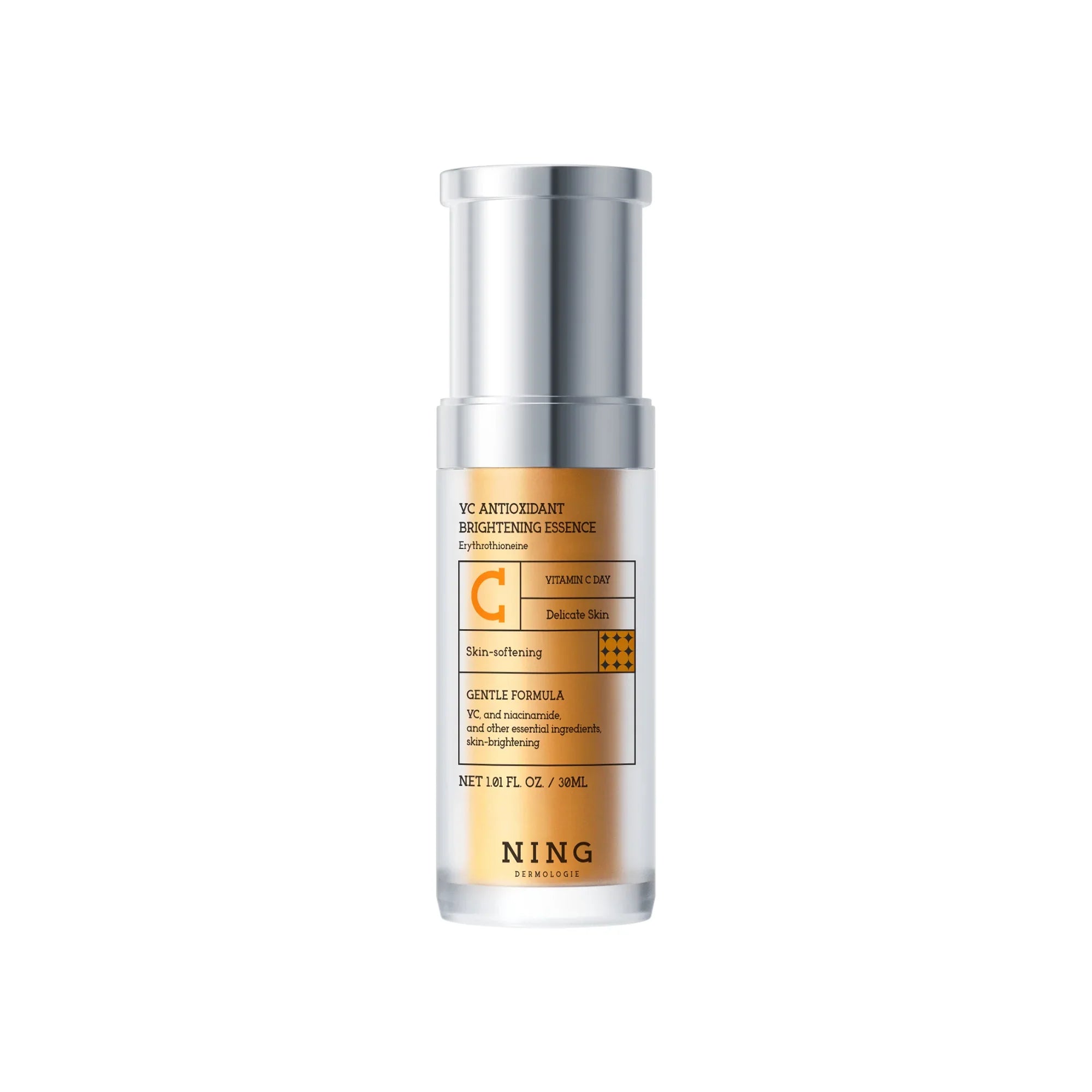
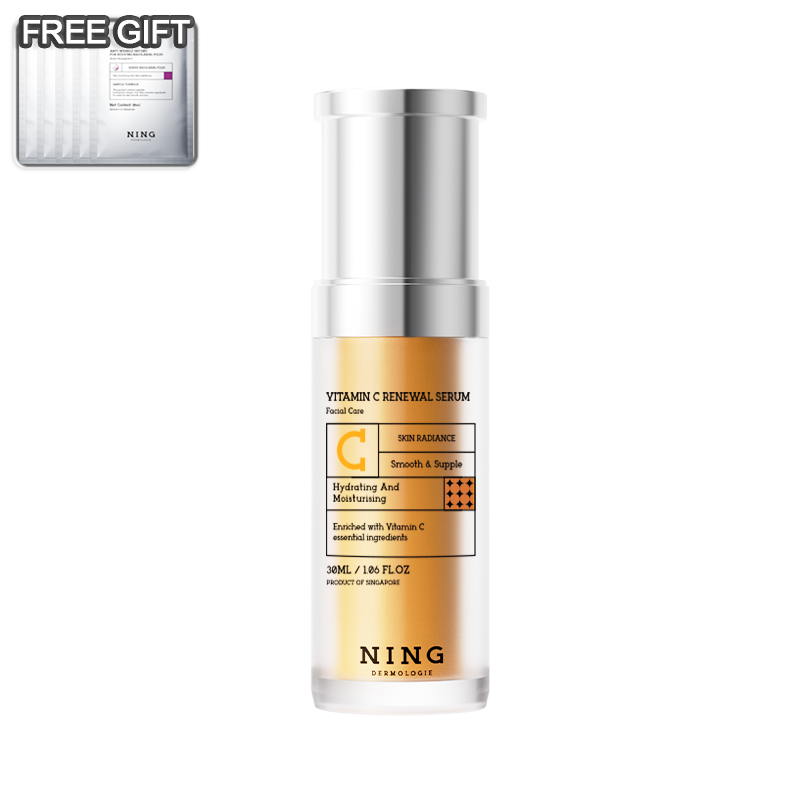
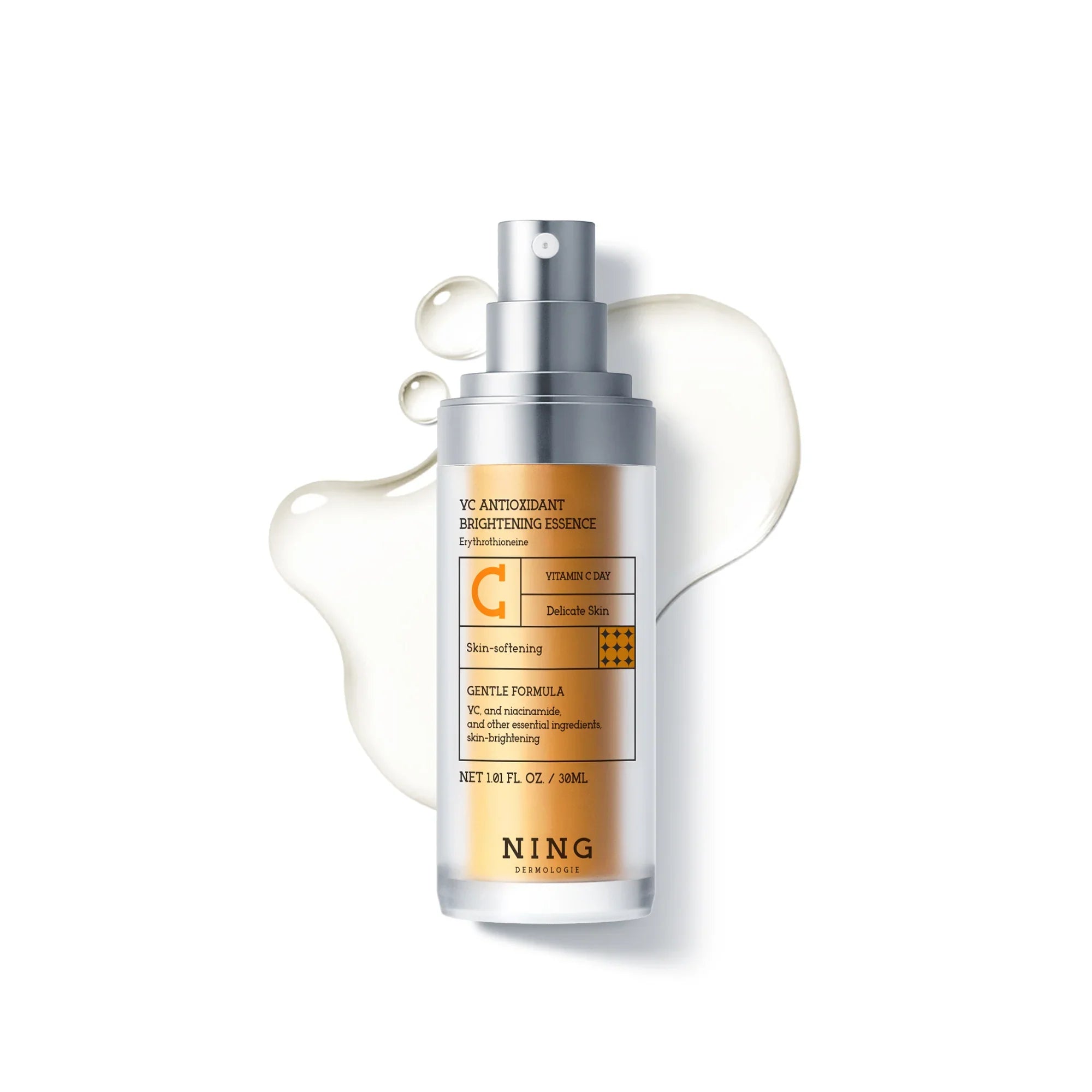
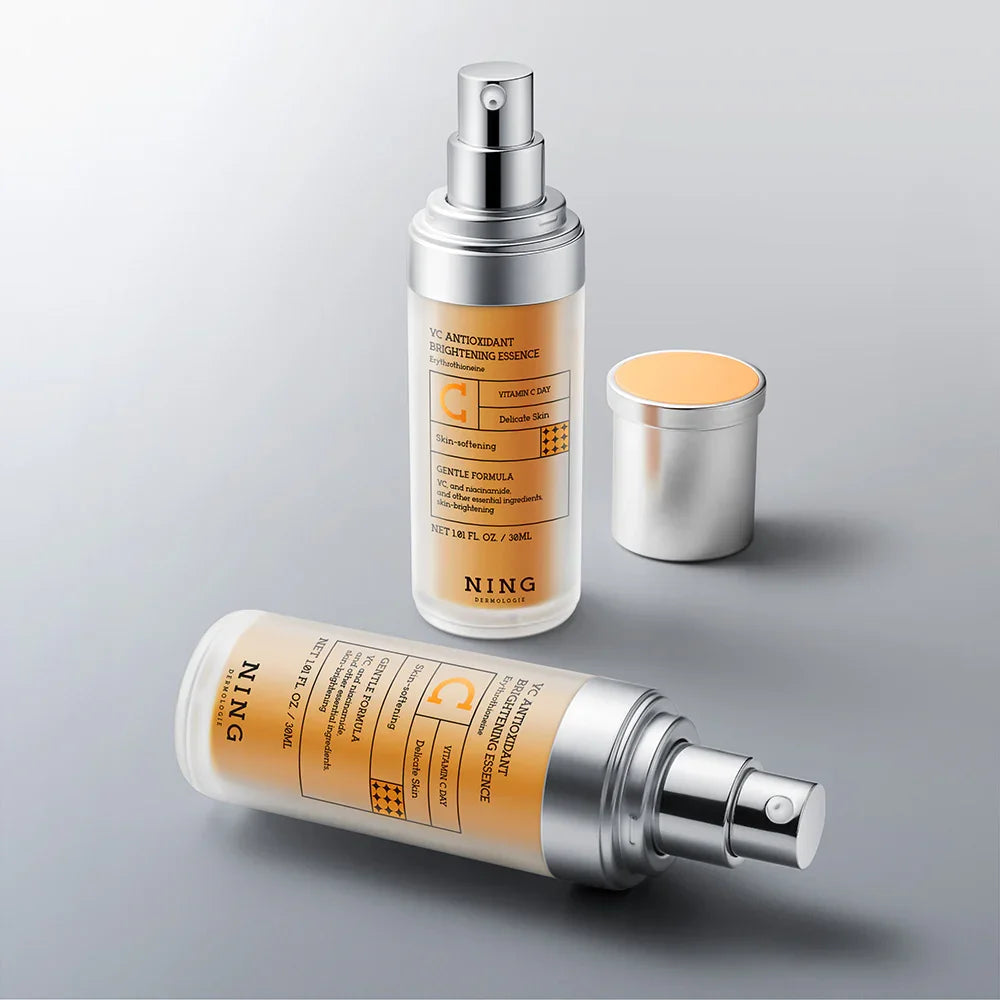
Instead of using the unstable l-ascorbic acid, our Vitamin C Serum (which you can check out here: NING Vitamin C Serum with Niacinamide) uses 3-O-Ethyl Ascorbic Acid.
Wait, don’t glaze over at the science name. Here is why it matters for your wallet:
-
Stability: It doesn't turn brown in a month. You can actually finish the bottle.
-
Absorption: It’s both water and oil-soluble. Your skin actually drinks it in rather than letting it sit on top.
-
The Duo: We paired it with Niacinamide.
In the old days, people said you couldn't use vitamin c and niacinamide together. That’s an old myth. In 2026, we know that combining these two is the secret to brighter skin and smaller-looking pores. It's a vitamin c brightening serum that also repairs the skin barrier. That is true value—one product doing the job of two.
Tailoring the Search: What’s Your Skin Type?
You can’t find the best vitamin c serum for you without looking in the mirror first. Your skin type dictates what formula will actually work.
For Oily and Acne-Prone Skin
If you struggle with grease, a heavy, oil-based vitamin c product is a recipe for a breakout. You need a serum for acne-prone skin that is water-based and lightweight. Look for sodium ascorbyl phosphate or ethyl ascorbic acid. These derivatives actually have some antimicrobial properties, which can help keep those pesky spots at bay while they brighten your even skin tone.
For Dry Skin
If your skin feels like parchment by noon, you need a serum for dry skin that doubles as a hydrator. Look for formulas that include vitamin E and hyaluronic acid. These help the Vitamin C work without stripping your natural oils. After you apply vitamin c serum, always follow up with a rich moisturizer to lock that moisture in.
For Sensitive Skin
Sensitive skin and high-concentration l-ascorbic acid are usually enemies. If "pure" C makes your face turn red, look for a high concentration vitamin c derivative instead. Derivatives are "inactive" until they hit your skin, meaning they release slowly and don't cause that instant stinging sensation. The Naturium Vitamin C Complex or our NING Dermologie formula are both solid choices here because they prioritize stability and skin-comfort.
How to Use Vitamin C Serum Effectively (And Avoid Wasting Money)
Even the most expensive skincare products won't work if you use them wrong. Here is the "no-fluff" guide to using a vitamin c serum:
- Morning is Best: You want your antioxidant shield on when you're facing the world. It helps your sunscreen work better. Apply it to a clean, dry face.
- Wait for it: Give it a minute to sink in. "My skin looked and felt better" usually only happens when the product actually reaches the deeper layers.
- Don't Forget the Neck: Your neck shows age faster than your face. Spread the love.
- Sunscreen is Non-Negotiable: If you use a vitamin c brightening serum but skip the SPF, you’re basically trying to dry off in a rainstorm. The sun will just create new dark spots as fast as the serum fades them.
The Real Cost of "Cheap" Serums
We’ve all been tempted by those $10 vitamin c serums in the bargain bin. But "value" is a math problem. If a $10 serum has a concentration of vitamin c so low it does nothing, or if it oxidizes in 10 days, you’ve just thrown $10 in the trash.
On the flip side, paying for a name brand like La Roche-Posay vitamin C or Drunk Elephant is often paying for the marketing department. The best budget strategy is to find "middle-ground" brands. These are the ones that use high-quality derivatives, airless packaging, and transparent ingredient lists.

Final Verdict: Which One Should You Buy?
If you have a bottomless bank account and don't mind the smell, Skinceuticals C E Ferulic is the "best overall" for pure data.
If you want the best budget version of that specific formula, go with Timeless Skin Care.
But if you want a modern, stable, and multi-functional vitamin c serum that won't irritate your skin and actually stays fresh, NING Dermologie is the clear winner for value for money. By combining the stability of Ethyl Ascorbic Acid with the pore-refining power of Niacinamide, it's the smartest investment you can make for your skincare routine in 2026.
Frequently Asked Questions (FAQ)
1. Can I use Vitamin C and Niacinamide together?
Absolutely. In the past, there was a concern that they would cancel each other out or cause redness, but modern chemistry has debunked this. Combining them—like we do in the NING Dermologie formula—actually provides a "double-hit" against hyperpigmentation and dullness. Vitamin C brightens while Niacinamide strengthens the skin barrier and calms inflammation. It’s one of the most effective pairings for achieving an even skin tone without the irritation.
2. Why did my Vitamin C serum turn orange or brown?
If your serum contains l-ascorbic acid, it is highly prone to oxidation when exposed to light and air. That orange or brown color means the Vitamin C has "gone bad" and lost its antioxidant power. In some cases, oxidized serum can even cause more free radical damage to your skin. This is why choosing a stable form of vitamin c, like the one in our Vitamin C Serum, is better for long-term value.
3. How long does it take to see results from a Vitamin C serum?
Patience is key. While some people report that their skin looked and felt brighter after just a few days due to the hydrating ingredients, real change in dark spots and hyperpigmentation usually takes 4 to 8 weeks of consistent, daily use. This is because it takes time for your skin cells to turn over and for the collagen-boosting effects to become visible. Stick with your skincare routine!
4. Should I apply Vitamin C to wet or dry skin?
For the most potent results, especially with l-ascorbic acid, apply it to clean, dry skin. Water can change the pH of the serum, making it less effective at penetrating the skin barrier. However, if you have sensitive skin, applying it to slightly damp skin or over a light toner can act as a buffer to reduce that initial stinging sensation. Just make sure to let it absorb before applying your moisturizer.
5. Is a higher concentration of Vitamin C always better?
Not necessarily. Most studies show that the skin can only absorb so much. A concentration of vitamin c between 10% and 20% is the "sweet spot." Anything higher than 20% often doesn't provide more benefits but drastically increases the risk of irritation and redness. For most people, a stable 10-15% formula offers the best value for money by providing maximum results with minimal risk of a skin reaction.





Share:
Find vitamin C serums available for purchase with fast shipping in the US.
Affordable vitamin C serums suitable for sensitive skin