

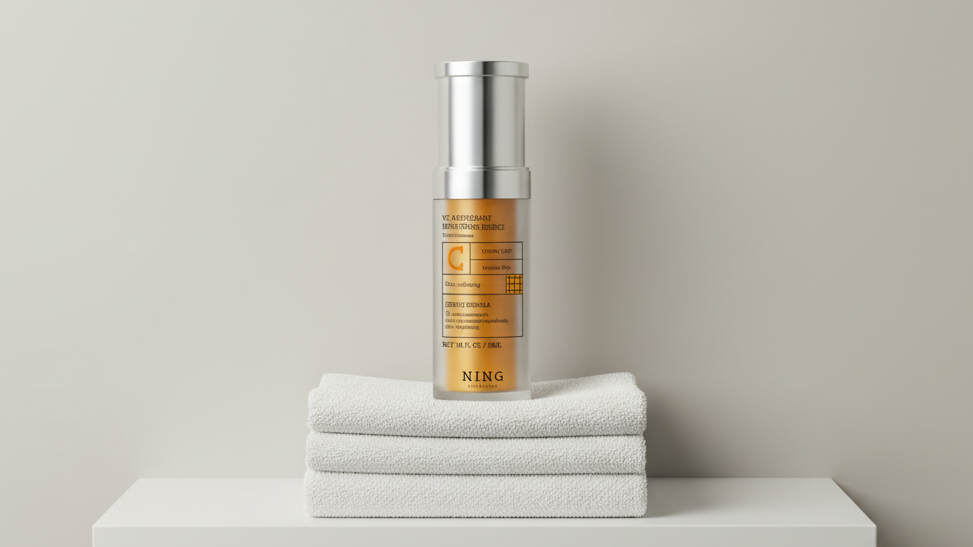

Why Your Vitamin C Serum Isn't Fading Your Dark Spots (And Which Brands Actually Work)
The skincare market is saturated with "brightening" promises that often result in nothing more than a sticky face and a lighter wallet. If you are hunting for the best vitamin c serum to actually tackle stubborn hyperpigmentation, you’ve likely realized that "brightening" and "pigment correction" are two very different ballgames.
Most generic vitamin c product options help with a temporary glow. But if you’re dealing with sun damage, melasma, or post-inflammatory erythema, you need a formula that understands the chemistry of melanin suppression. In 2026, the stakes are higher, and the formulations are smarter.

The Reality of Hyperpigmentation vs. General Dullness
Before we dive into the 11 best vitamin c serums that dominate the professional and consumer space, we have to talk about why most fail. Hyperpigmentation is a deep-seated issue. To fix it, a facial serum must penetrate the stratum corneum and remain stable long enough to inhibit tyrosinase (the enzyme responsible for pigment).
Whether you have oily skin, dry skin, or acne-prone skin, the form of vitamin c used is the make-or-break factor.
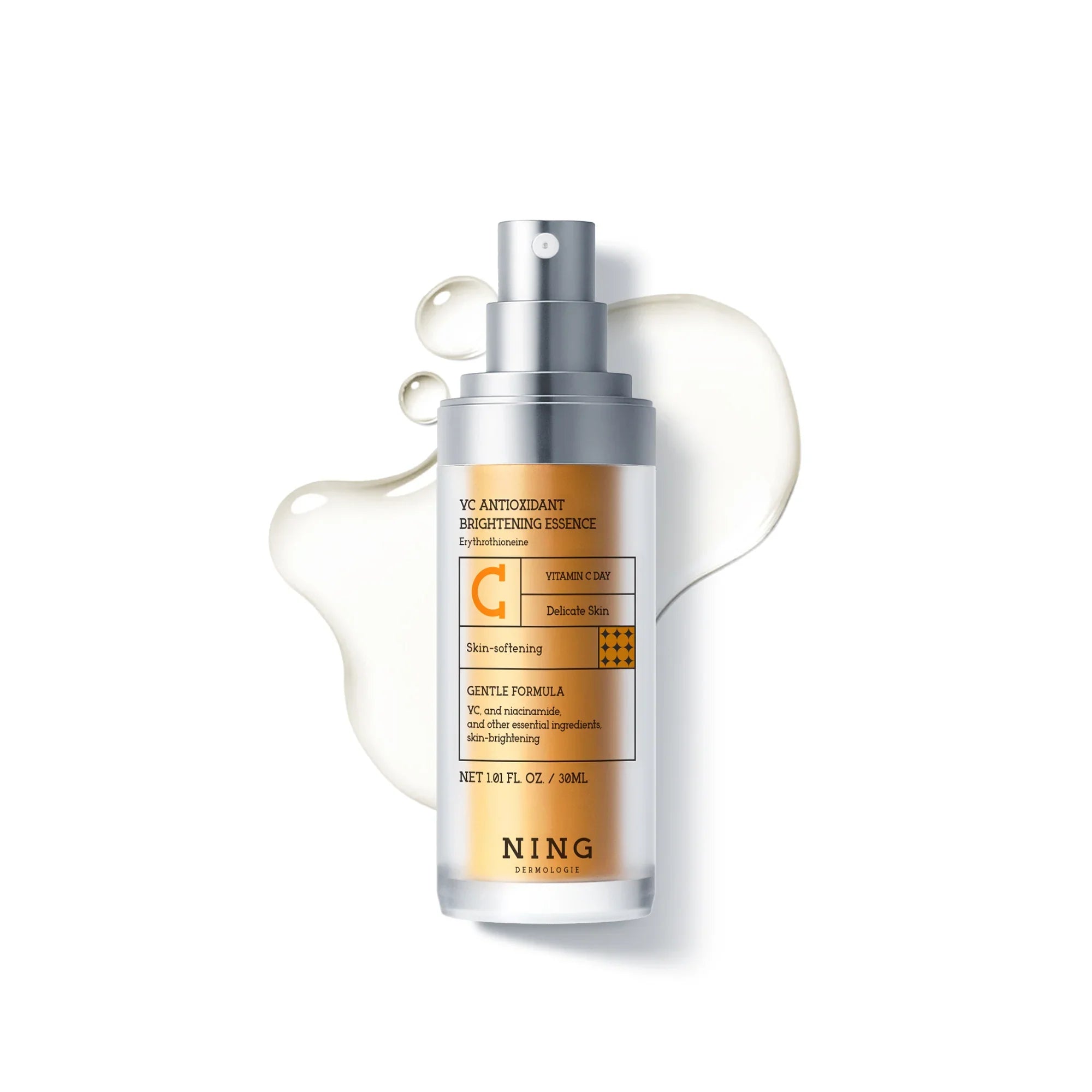
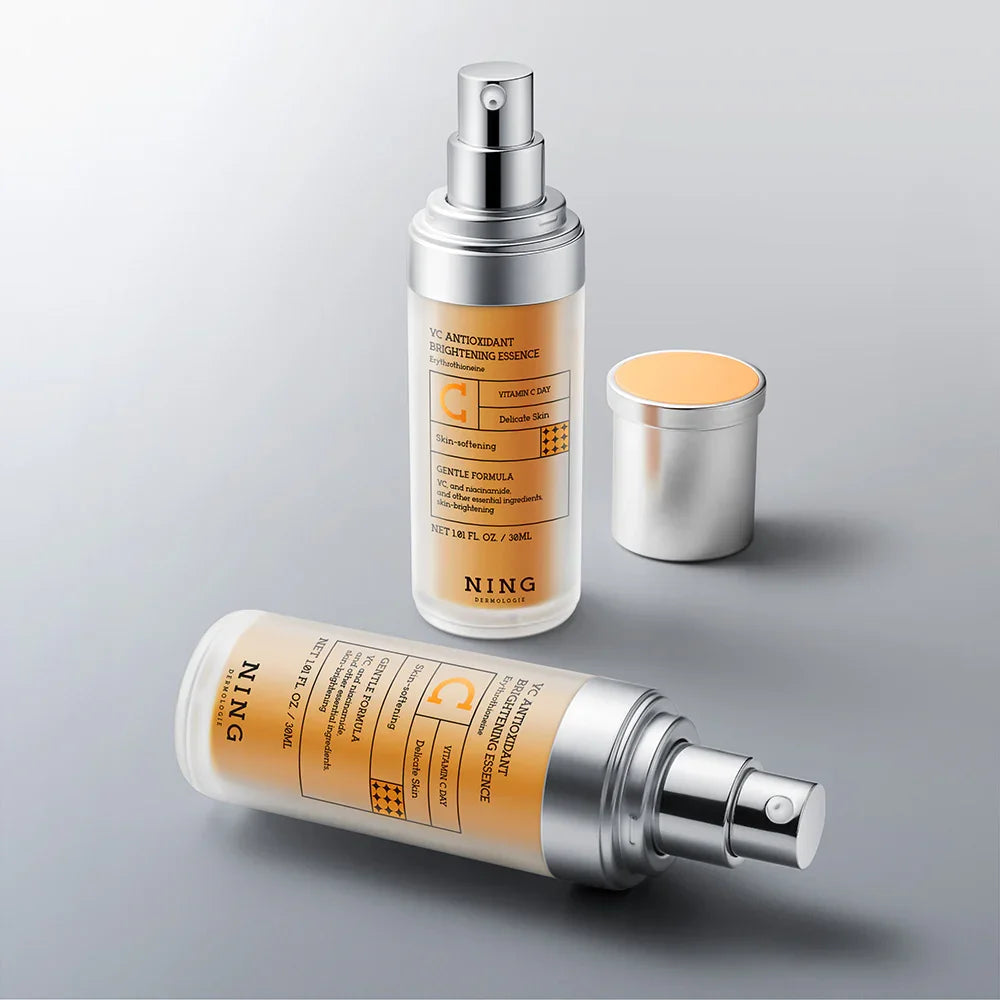
1. NING Dermologie: The Stability Disruptor
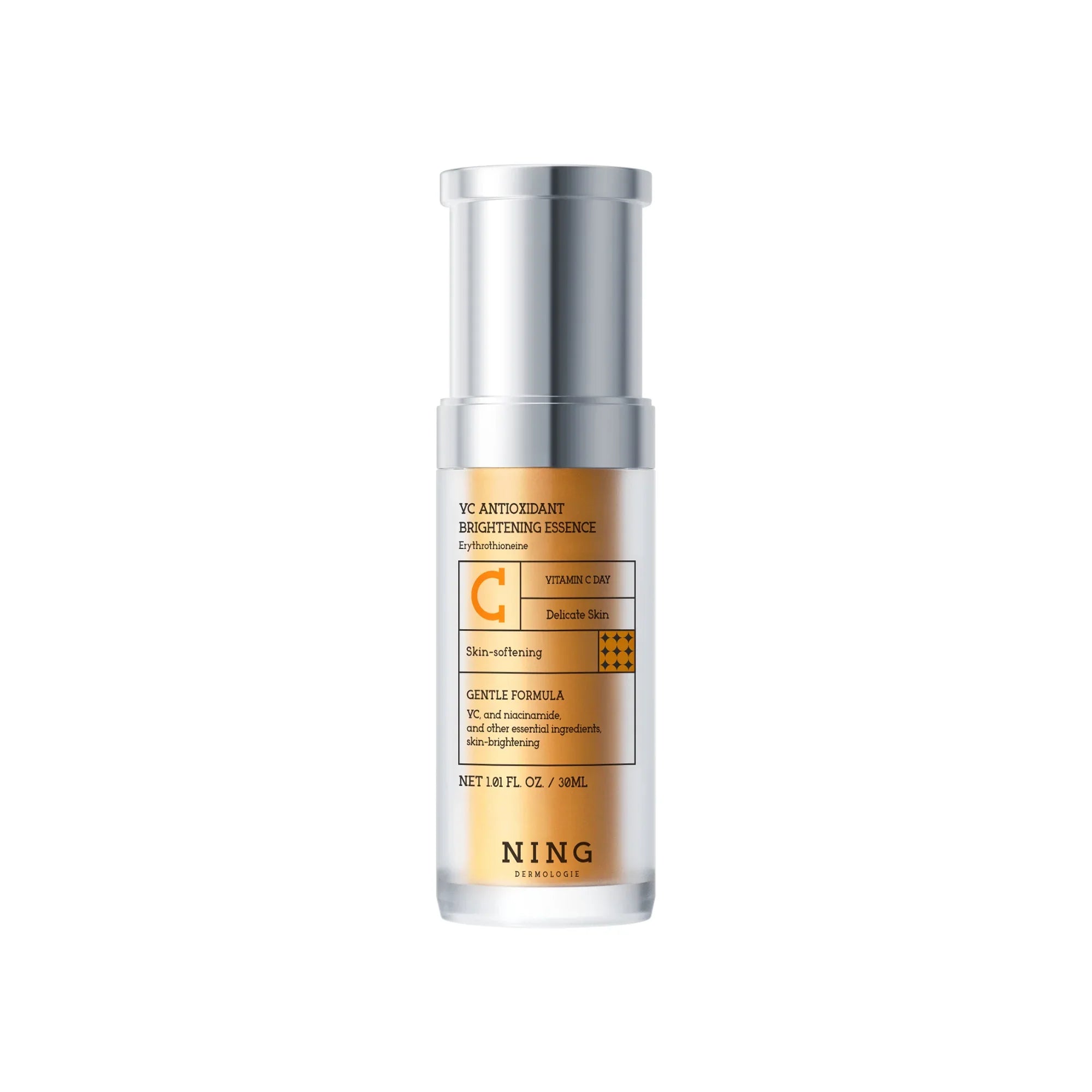
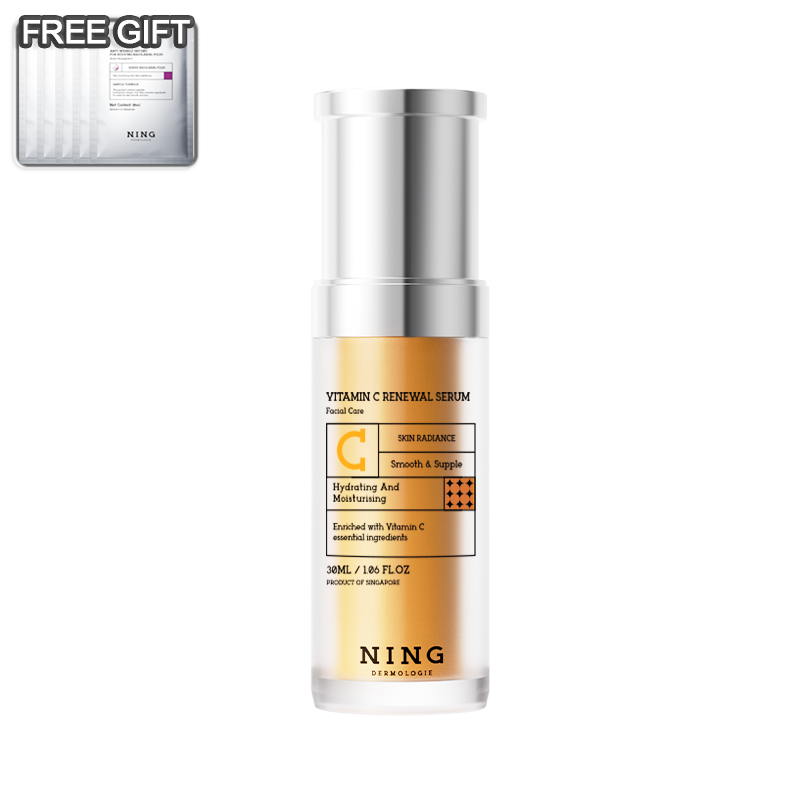
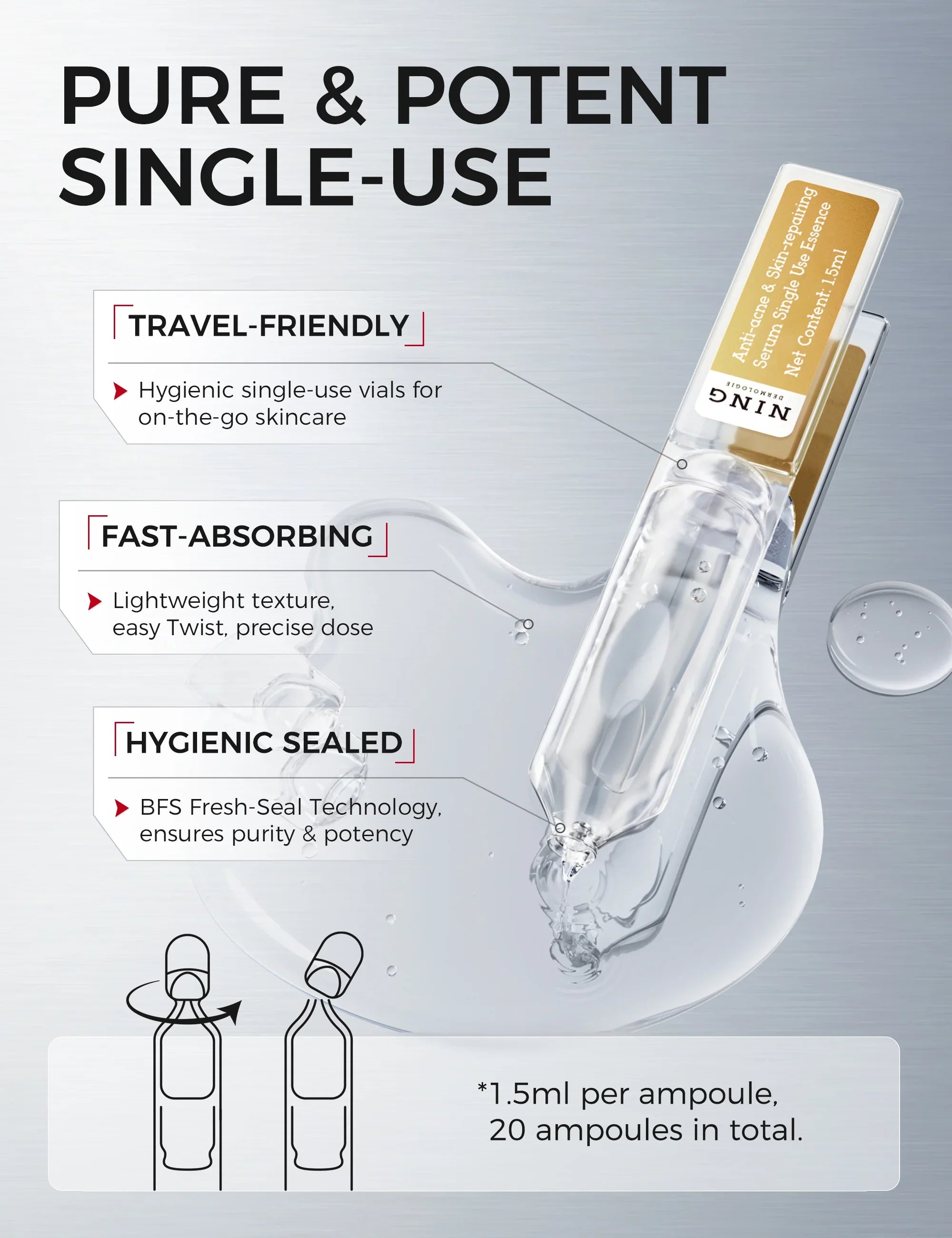
If you’ve ever had a vitamin c facial serum turn orange in the bottle after two weeks, you know the frustration of oxidation. NING Dermologie has addressed the "instability" elephant in the room with their targeted Vitamin C Serum.
Unlike brands that rely solely on volatile L-Ascorbic Acid, NING utilizes Ethyl Ascorbic Acid, a highly stable derivative that doesn't irritate sensitive skin but offers deep penetration to brighten dark spots. What makes this a super serum for those with uneven skin tone is the inclusion of Niacinamide. By pairing Vitamin C with Niacinamide, it attacks pigment from two angles: C inhibits the production of pigment, while Niacinamide stops that pigment from transferring to your skin cells.
If you have combination skin or acne-prone skin types, this formula is particularly effective because it doesn't use the heavy oils often found in "glow" serums. You can find their high-performance Vitamin C Serum with Niacinamide here.
2. SkinCeuticals C E Ferulic: The Gold Standard (With a Catch)
You cannot discuss the best vitamin c without mentioning Skinceuticals C E Ferulic. It’s the formula that launched a thousand dupes. Its power lies in the specific concentration of vitamin c (15% pure L-ascorbic acid) combined with vitamin e and ferulic acid.
This acid serum is a powerhouse for fine lines and wrinkles and environmental protection. However, it’s not for everyone. The low pH required for stability can be brutal on irritated skin or those with a compromised barrier. Plus, that "hot dog water" scent is legendary. It’s a master at preventing new pigment, but for existing dark spots on the skin, you might need something more targeted toward cell turnover.
3. Obagi Professional-C: The Penetration Specialist
Obagi doesn't play around with "fluff" ingredients. Their vitamin c brightening serum comes in various concentrations (10%, 15%, and 20%) to match your skin type. Their 20% version is arguably the best vitamin c serum for "city skin"—it’s incredibly potent and designed to improve skin tone by reaching the deeper layers of the dermis. It’s a "pro-grade" vitamin c face serum that works exceptionally well on oily skin that can handle a higher acidity.
4. Timeless Skin Care: The Freshness Enthusiast
Timeless Skin Care became a cult favorite for one reason: they make a c e ferulic serum that is remarkably similar to high-end brands but at a fraction of the cost. Their vitamin c serum daily use is popular because they manufacture in small batches to ensure the pure vitamin c hasn't oxidized before it hits your doorstep. It’s an excellent serum for those who want the classic vitamin e and ferulic acid combo without the $180 price tag.
5. La Roche-Posay Pure Vitamin C10: The Sensitive Skin Savior
Finding a vitamin c serum for sensitive users is a nightmare. Most are too acidic. La Roche-Posay’s c serum for sensitive skin uses a 10% concentration and includes salicylic acid to improve skin texture while it brightens. It’s a great serum for dry skin that typically reacts poorly to high-strength actives.
Choosing the Right Serum for Your Skin Type
When you use vitamin c, you have to respect your biology. A vitamin c cream might be better for someone with extreme dry skin, whereas a lightweight brightening serum is the move for combination skin.
For Acne-Prone and Oily Skin
Look for "sodium ascorbyl phosphate" or stable derivatives like those in the NING Dermologie formula. These help prevent the oxidation of sebum, which is a secret trigger for breakouts. A c serum for acne-prone skin should never feel greasy or heavy.
For Hyperpigmentation and Uneven Skin Tone
To even out skin tone, look for "synergy." Vitamin C alone is great, but Vitamin C + Ferulic Acid + Niacinamide is a powerhouse. You want to brighten the skin while simultaneously smoothing skin texture and tone.
For Signs of Aging
If your main skin concerns are fine lines and wrinkles, you need a vitamin c product that stimulates collagen. This usually requires pure vitamin c (L-ascorbic acid). The goal here is to plump skin and protect the skin from further UV-induced collagen breakdown.
How to Apply Vitamin C Serum for Maximum Results
-
Cleanse: Start with a clean slate.
-
Damp Skin? No: Unlike hyaluronic acid and vitamin B5, Vitamin C (especially L-ascorbic acid) should be applied to dry skin to prevent irritation.
-
The Wait: Give it 60 seconds to "sink in" before moving to your moisturizer.
-
The Shield: Always follow up with SPF. Vitamin C and Sunscreen are best friends—they provide a double defense against the sun.

The Verdict on Vitamin C Serums of 2026
The best vitamin c is the one you will actually use every day. If a serum is too sticky, smells bad, or makes your skin red, it doesn't matter how "effective" the bottle claims to be.
For a balanced approach that tackles hyperpigmentation without the drama of irritation or oxidation, NING Dermologie is a standout choice for every skin type. It bridges the gap between "sensitive-friendly" and "medical-grade results."
Stop settling for a "glow" that washes off at night. Invest in a facial serum that works at a cellular level to even skin and restore your confidence.
Frequently Asked Questions (FAQ)
1. Why does my Vitamin C serum turn orange or brown?
This is a sign of oxidation. When pure vitamin c is exposed to air and light, it breaks down and loses its antioxidant power. Using an oxidized serum can actually cause oxidative stress on the skin. To avoid this, look for stable derivatives like Ethyl Ascorbic Acid used by NING Dermologie, or ensure your L-ascorbic acid comes in an airtight, opaque pump.
2. Can I use Vitamin C with Niacinamide or Retinol?
Yes, but with caveats. Using Vitamin C and Niacinamide together is a myth-debunked "no-no"; they actually work beautifully together to brighten and evens skin tone. However, using Vitamin C and Retinol at the same time can irritate sensitive skin. The best strategy is to apply vitamin c serum in the morning for protection and use your Retinol at night for repair.
3. How long does it take to see results on dark spots?
Patience is key. While you might see a "glow" in days, significant changes in hyperpigmentation and uneven skin tone usually take 8 to 12 weeks. This timeline matches your skin’s natural cellular turnover cycle. Consistent vitamin c serum daily use is essential; skipping days significantly slows down the fading of dark spots on the skin.
4. Is a higher concentration of Vitamin C always better?
Not necessarily. Most studies show that the skin maxes out its absorption at around 20%. Anything higher often leads to irritated skin without providing extra benefits. For those with dry skin or sensitive skin, a 10% or 15% concentration, or a high-quality derivative, is often more effective because it doesn't trigger the inflammation that can actually worsen pigment.
5. Does Vitamin C help with acne scars?
It helps with "pigmented" scars—the red or brown marks left behind (PIE/PIH). It will improve skin texture and tone by fading these marks. However, it cannot "fill in" pitted or depressed physical acne scars. For those with acne-prone skin, using a c serum for acne-prone skin helps prevent the dark marks from forming in the first place.





Share:
Korean vitamin C serums with high concentration of pure vitamin C
Best vitamin C serum bundles or kits for dark spot treatment