

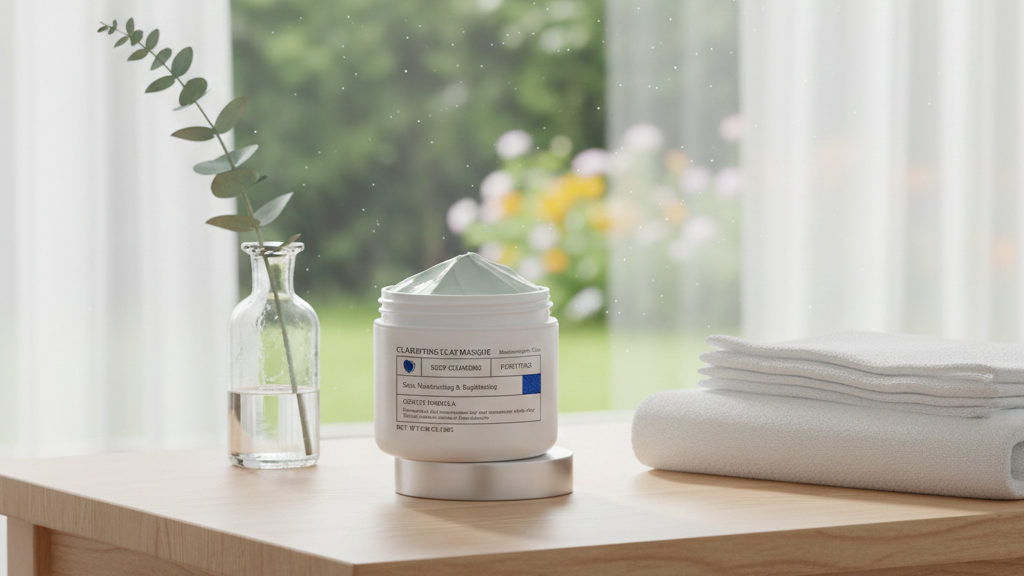

Battle Blackheads: The Scientific Truth Behind the Best Clay Mask for Pore Refinement
Blackheads are stubborn squatters. No matter how many times you squeeze them (which you shouldn’t) or use those aggressive nose strips, they seem to return with a vengeance. If you are tired of looking in the mirror and seeing congested pores that refuse to budge, it is time to rethink your strategy. A high-quality face mask isn't just a self-care luxury; it is a tactical tool in your skin care arsenal.
The secret to winning this war lies in understanding the mineralogy of clay. Not all dirt is created equal. Whether you’re dealing with oily skin, acne, or sensitive skin, choosing the best clay mask requires more than just picking a pretty jar off a shelf. You need a formula that can purify the skin without compromising your moisture barrier. This is where NING Dermologie steps in, bridging the gap between clinical efficacy and dermatological safety.

The Biological Reality of Clogged Pores
Before we rank the 8 best or top 10 solutions, we need to talk about what is actually happening within your pore. A blackhead isn't just "dirt." It is a plug of oxidized sebum and dead skin cells. When this mixture gets trapped in the follicle and hits the air, it turns black.
Clay masks work because of a process called adsorption. Note the "d"—it means the clay pulls toxins and impurity to its surface like a biological magnet. If your clay mask is formulated correctly, it will clear pores by physically extracting these plugs. However, if the mask is too aggressive, your skin panics, produces even more oil, and leads to a worse breakout next week.
Why Your Current Blackhead Mask Might Be Failing
Most people wait for a mask to become bone-dry and crack before they rinse. Big mistake. According to a board-certified dermatologist, that "cracking" phase is actually the clay sucking the essential water out of your cells. You want to remove the facial mask while it is still slightly damp to ensure you clear clogged pores without causing massive irritation.
10 Expert-Vetted Strategies: Best Blackhead Masks Tested and Reviewed
1. The Gold Standard: Best Overall Clay Mask
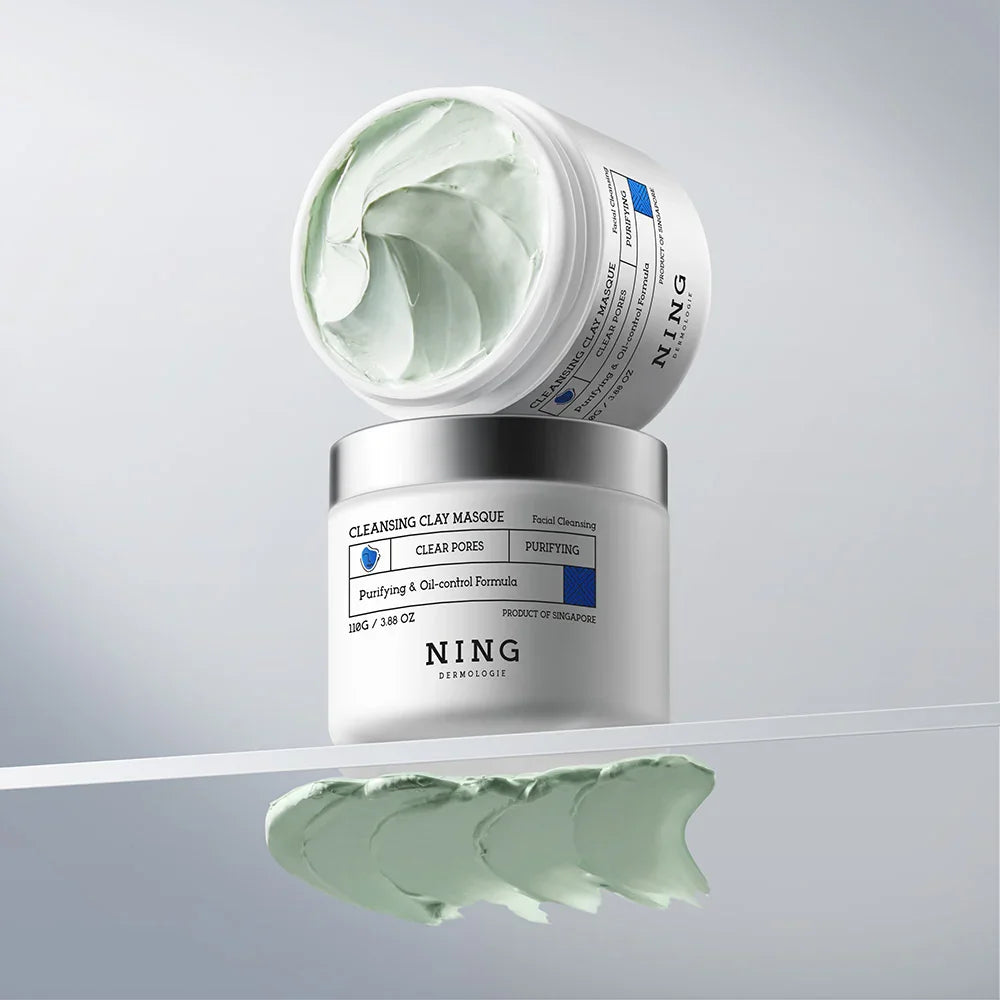
For a solution that hits every mark, the best overall choice must balance oil absorption with hydration. NING Dermologie has mastered this with a blend of kaolin and bentonite. While the bentonite clay reaches deep into pores to yank out oxidized oil, the kaolin clay acts as a buffer to soothe the skin. This synergy ensures you clear pores without that dreaded "tight" skin feel.
2. The Specialist: Clay Mask for Face Sensitive Skin
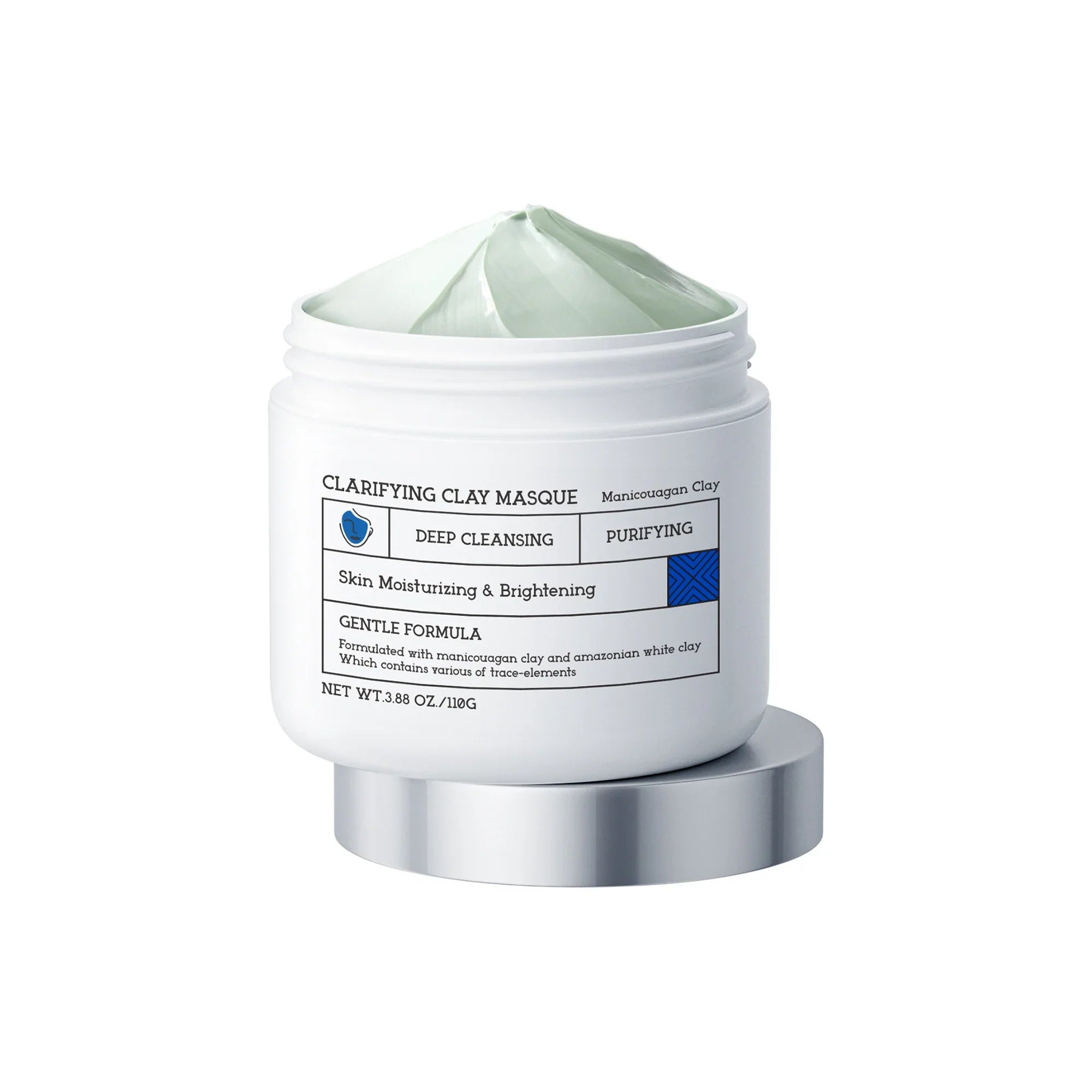
If you have dry or sensitive skin, you’ve likely been told to avoid clay. That advice is outdated. The NING Dermologie Clay Mask for Face Sensitive Skin uses a high concentration of amazonian white clay and rose clay. These are far gentler than traditional clay types. This purifying mask focuses on removing dead skin cells through mild mineral friction rather than harsh chemical stripping. It’s about keeping the skin hydrated while the mask helps dissolve the edges of blackheads.
3. The Oil Magnet: Best for Oily Skin and Acne-Prone Skin
For those with a high-shine t-zone, a standard facial mask won't cut it. You need a purifying clay that features volcanic ash. This ingredient has a massive surface area that can absorb five times its weight in sebum. When combined with tea tree oil, it becomes a powerhouse for acne-prone skin, killing bacteria while it clears the path.
4. The Chemical Hybrid: Salicylic Acid Infused Masks
Sometimes minerals need a teammate. An active charcoal mask to clear the skin often works better when paired with a hydroxy acid. Salicylic acid is oil-soluble, meaning it dives within your pores to break the glue holding dead skin cells together. Using this mask once or twice a week ensures that clogged pores are treated both mechanically (by the clay) and chemically (by the acid).
5. The Mineral Powerhouse: Umbrian Clay
Umbrian clay is rare and incredibly rich in minerals. It has a unique alkaline pH that helps to purify the skin surface instantly. If you find that traditional clay makes your sensitive skin red, this specific type of clay is often the "Goldilocks" solution—strong enough to clear pores, but gentle enough for daily spot treatments on the t-zone.
6. The Deep Detox: Charcoal Mask to Clear Pores
An active charcoal mask to clear pores is the heavy hitter. Charcoal acts differently than clay; it’s porous and excels at trapping micro-pollutants. For urban dwellers, a detox mask that combines bentonite and charcoal is the ultimate defense against "city skin"—that dull, congested look caused by pollution and soot.
7. The Budget Hero: Best Budget Kaolin Blend
You don't always need to spend $80 to clear pores. A best budget option usually relies heavily on kaolin. While it might not have the rare amazonian white clay, a pure kaolin mask is a reliable way to exfoliate and brighten the skin look on a weekly basis.
8. The Pore-Refining Specialist: Volcanic Ash
If your main concern is that your pores look like craters, you need a clarifying mask with volcanic ash. As the mask works, it provides a slight "vacuum" effect. When you rinse, the pores look smaller because the debris that was stretching them wide has been removed.
9. The Quick Fix: Instant Detox Mask
Sometimes you only have ten minutes before an event. An instant detox mask uses smaller molecular particles to purify at high speed. These k-beauty clay masks often incorporate soothe-heavy botanicals so you can go from "clogged" to "glowing" without the recovery time of a heavy peel.
10. The Duo: Kaolin and Bentonite Clays
The "workhorse" of the industry. Most best blackhead masks use this duo. The bentonite does the heavy lifting, while the kaolin ensures the mask feels incredibly creamy rather than chalky.
How to Properly Use Clay Masks for Maximum Results
Applying a face mask seems simple, but there is a methodology that separates the amateurs from the experts.
Step 1: The Prep
Don't just wash your face. You need to soften the sebum plugs. Use lukewarm water—never hot—to clear pores of surface debris. If you have a salicylic acid cleanser, use it now to begin the exfoliate process.
Step 2: Strategic Application
You don't always need to apply a clay mask to your entire face. If you have combination skin, focus the mask only on your t-zone and chin. For dry skin areas, a face cream or hydrating serum is more appropriate. NING Dermologie advocates for "multi-masking"—using the Clay Mask for Face Sensitive Skin on the cheeks and a stronger bentonite blend on the nose.
Step 3: The Timing Secret
Wait for the mask to change color slightly, but do not wait for it to become a dry, white desert on your face. When you touch it, it should feel tacky, not dusty. This is when the mask pulls the most impurity without damaging the skin barrier.
Step 4: The Rinse and Reset
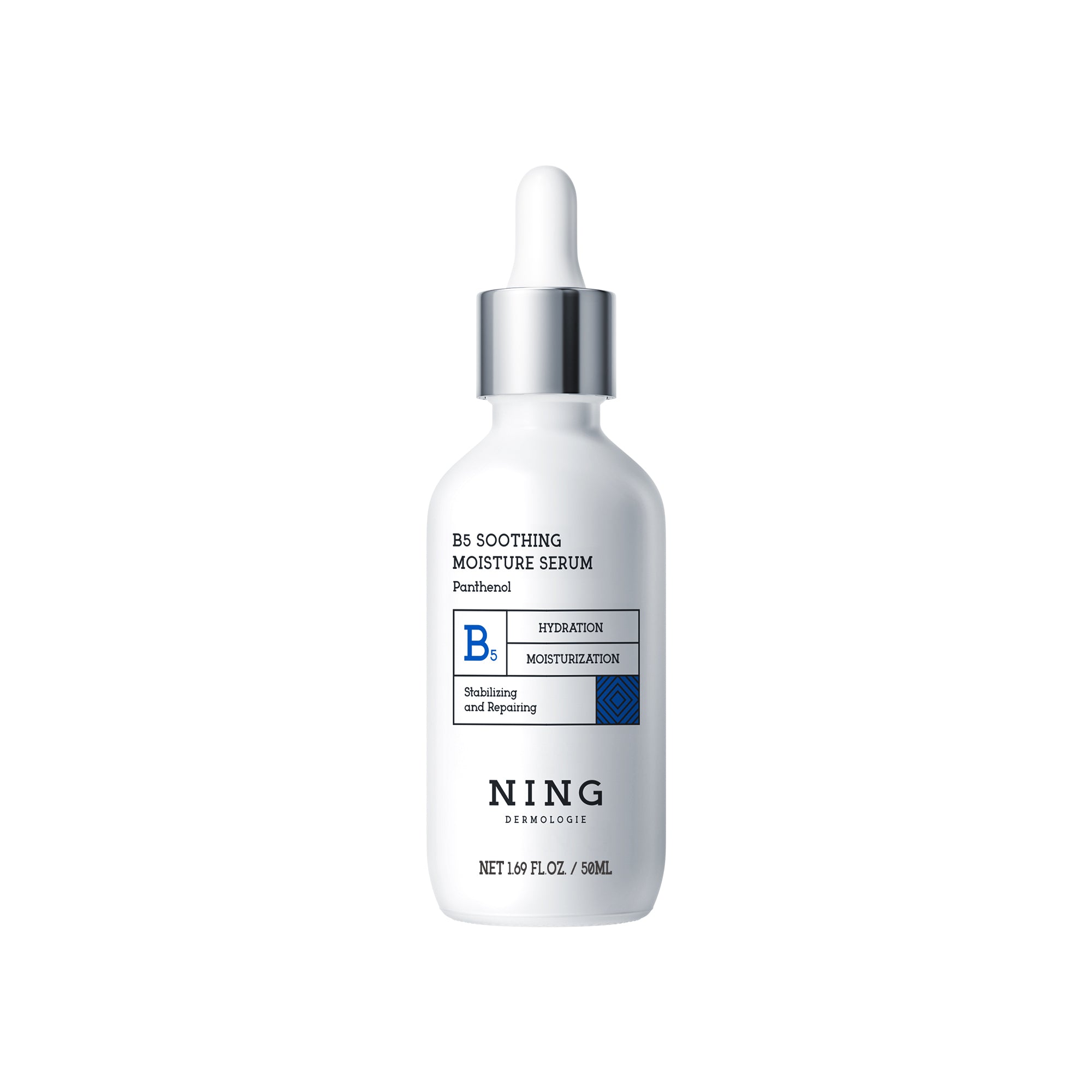
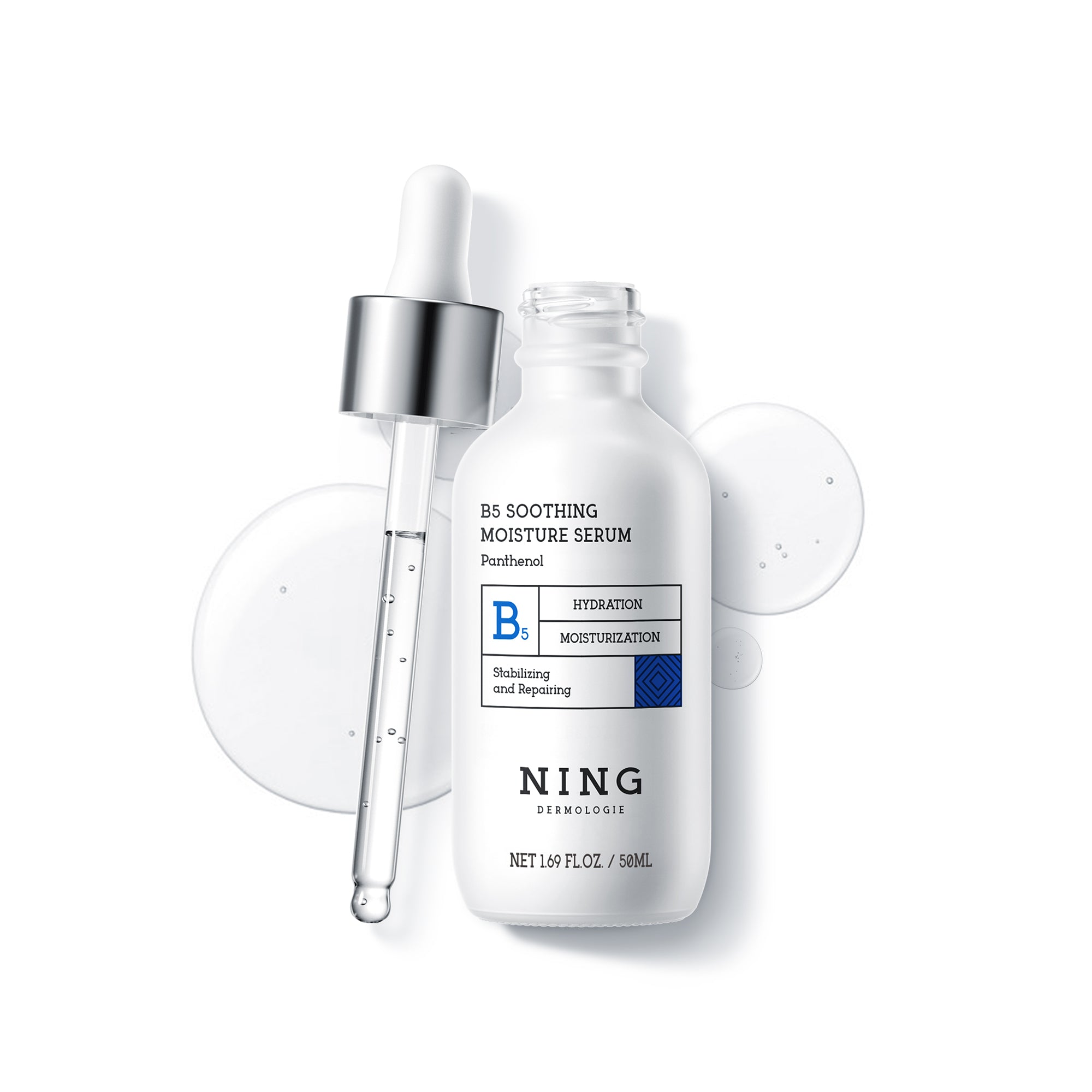
Use a soft washcloth to rinse. Avoid scrubbing. Once the skin is clean, you must hydrate immediately. Clay is an alkaline substance; you need a toner or a serum to bring your pH back to a healthy 5.5.
Maintenance: Keeping Pores Clear for the Long Haul
A blackhead mask is a treatment, but skin care is a daily commitment. To ensure those clogged pores don't return, follow these rules:
- Never Sleep in Makeup: This is the fastest way to enlarge pores.
- Double Cleanse: Use an oil-based cleanser followed by a water-based one. This ensures you dissolve the oil that clay masks work to remove.
- According to Board-Certified Dermatologists: Consistency beats intensity. Using a gentle clarifying mask twice a week is better than using a harsh detox mask once a month.
- Watch Your Diet: High-glycemic foods can spike insulin, which triggers sebum production.

Why NING Dermologie is Different
In a market flooded with k-beauty clay masks and mass-market facial mask options, NING Dermologie stands out by focusing on the skin feel. We believe that "clean" shouldn't mean "stripped." Our formulas are designed to purify while soothe-ing the inflammatory response.
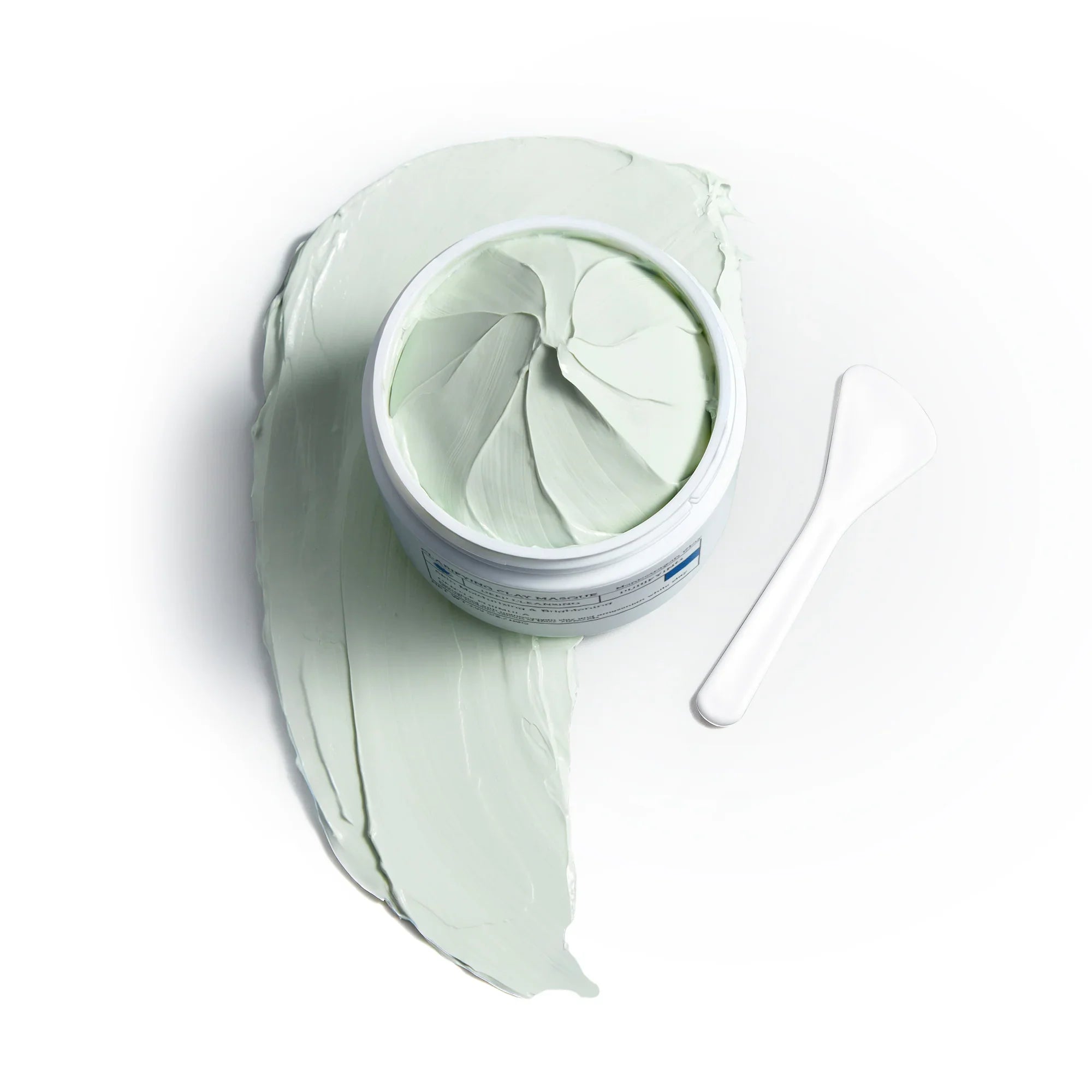
When you use the NING Dermologie Clay Mask for Face Sensitive Skin, you aren't just putting "mud" on your face. You are applying a precisely calibrated mineral treatment that respects the delicate nature of your skin type. Whether you are fighting acne, trying to brighten a dull complexion, or just want your pores look smaller, the right clay makes all the difference.
Frequently Asked Questions (FAQ)
1. Can I use a clay mask every day if I have very oily skin?
Definitely avoid daily use. Even with severe oily skin, using this mask every day will strip your natural oils, causing a "rebound effect" where your skin produces even more sebum. Aim for two to three times a week. This allows your skin to stay balanced while keeping clogged pores under control. Over-masking often leads to irritation and a damaged skin barrier.
2. Is it normal for my skin to tingle when using a clay mask?
A slight tingle is common, especially if the mask combines active minerals like volcanic ash or salicylic acid. However, if the tingle turns into a burning sensation, rinse it off immediately. High-quality options like NING Dermologie are formulated to minimize this. It’s usually just the clay increasing local blood flow as it begins to purify and clear pores deep down.
3. Why do my blackheads look more visible after using a mask?
This is actually a sign the mask works. As the clay draws the impurity to the surface, the "plug" moves upward, making it more visible. This is the perfect time to gently cleanse. Over time, as you use clay masks regularly, the depth of these plugs will decrease, and your pores look smaller and much cleaner as the congestion clears out.
4. Can I use a clay mask if I have active, painful acne?
Yes, but be gentle. A purifying mask with bentonite clay can help soothe inflammation and suck up the pus and oil from a breakout. However, don't scrub the mask off; let the water do the work to avoid popping the pimples. For acne-prone skin, look for formulas with tea tree oil to provide an extra antibacterial boost during the process.
5. Should I moisturize after using a blackhead mask?
Absolutely. This is a non-negotiable step in skin care. Even the best clay mask removes some moisture along with the oil. To keep your skin feel soft and prevent the brain from signaling for more oil, apply a lightweight, non-comedogenic moisturizer or serum while the skin is still slightly damp. This locks in hydration and protects the newly clearer skin.





Share:
Trending Now: Why Everyone is Talking About Clay Masks in 2025
From Clogged to Clear: Clay Masks That Work Wonders on Pores