



Best Vitamin C Serum for Sensitive Skin: Why Most Advice is Wrong for Your Face
If you have sensitive skin, you’ve probably been burned by Vitamin C—literally. You buy the "gold standard" bottle everyone raves about, apply three drops, and within minutes, your face feels like it’s been slapped with a hot iron. You’re left with redness, peeling, and a "skincare trauma" that makes you want to throw the whole bottle in the trash.
I get it. Navigating the world of skincare when your skin throws a tantrum at every active ingredient is exhausting. But here is the truth: you don’t actually hate Vitamin C. You hate ascorbic acid at a low pH.
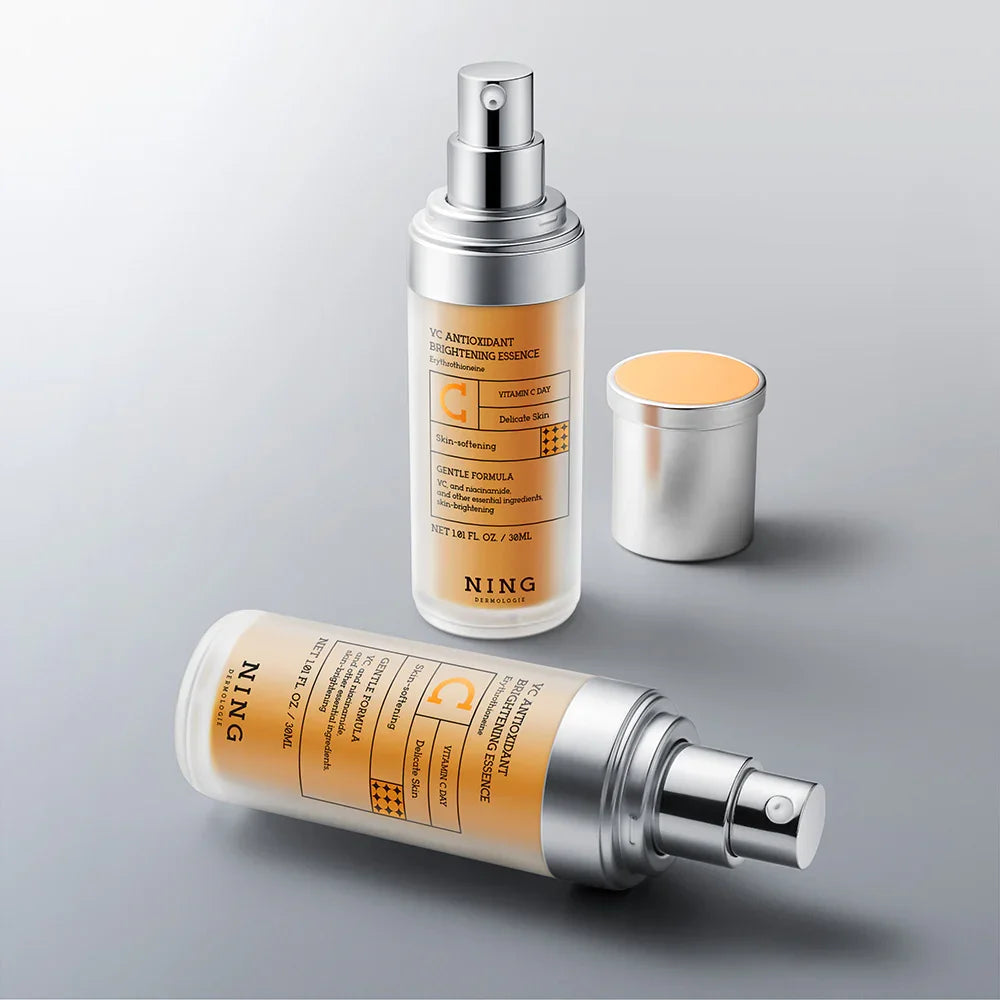
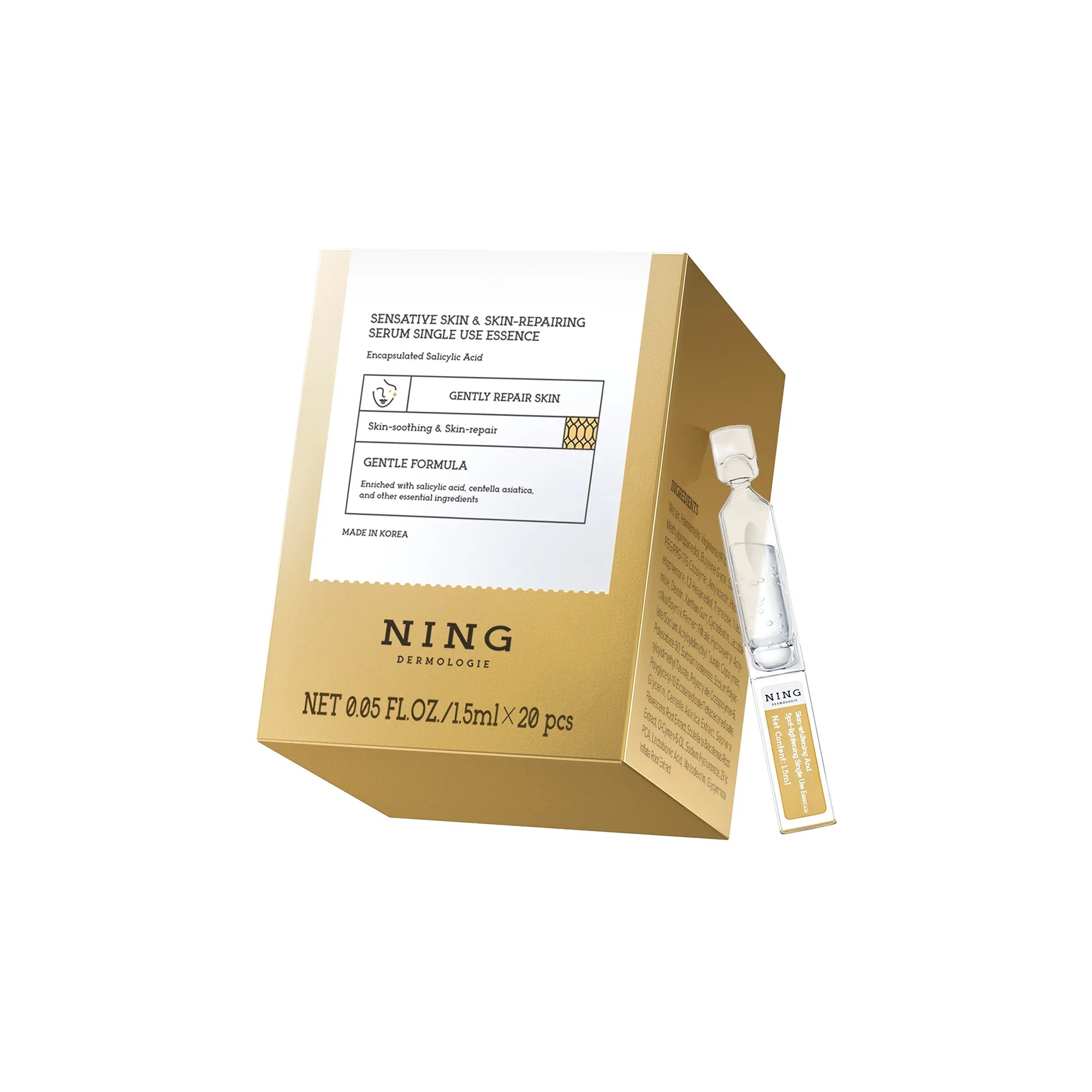
In this guide, we are going to tear down the marketing myths and find the best vitamin c serum for your specific skin type. We’ll talk about why some different types of vitamin c are basically sandpaper in a bottle, and why others—like the NING Dermologie formula—actually respect your skin barrier.

The "Sting" Factor: Why Pure Vitamin C Hurts
When people talk about the purest form of vitamin c, they are talking about L-ascorbic acid. It is the most researched, most potent antioxidant out there. It’s also a nightmare for delicate skin.
Why? Because for topical vitamin c in its pure form to actually penetrate the skin, the formulation has to be incredibly acidic (usually a pH of 2.5 to 3.5). Your skin’s natural pH is around 5.5. When you dump something that acidic on sensitive skin types, you disrupt the skin barrier, leading to instant skin irritation and chronic redness.
If you’ve tried the famous Skinceuticals C E Ferulic and ended up looking like a lobster, you aren’t "allergic" to Vitamin C. Your skin just can't handle the acid bath required to make that specific type of vitamin c work. For people with sensitive skin, we need to look at vitamin c derivatives.
Understanding Vitamin C Derivatives: The "Gentle" Revolution
If you want the benefits of vitamin c—the collagen boost, the brightened skin tone, and the free radical protection—without the burn, you need to look at a derivative.
Think of a derivative as a "pro-drug." It’s a stable form of vitamin c that stays chill on the surface of your skin but converts into active ascorbic acid once it within the skin. Here are the best types to look for:
1. Sodium Ascorbyl Phosphate (SAP)
This is a salt-based form of vitamin c. It’s incredibly stable and, interestingly, has some serious anti-inflammatory properties, making it ideal for sensitive skin that is also acne-prone skin. It doesn't need a low pH to work, so it won’t irritate your face.
2. Tetrahexyldecyl Ascorbate (THD)
This is an oil-soluble derivative. Because it’s oil-based, it penetrates the skin much deeper and more easily than water-based serums. Sensitive skin often experiences dryness, and THD feels more like a luxurious oil than a stinging acid.
3. 3-O-Ethyl Ascorbic Acid
This is the "new kid on the block" and arguably the best vitamin c for those who want results without the drama. It’s highly stable, water-and-oil soluble, and has a massive impact on skin health and appearance. This is exactly why we chose it as the star for our NING Dermologie Vitamin C Serum.
How Vitamin C Benefits Sensitive Skin (When Done Right)
It feels counterintuitive, but topical vitamin c can actually help sensitive skin often prone to reactivity. When you use vitamin c serum that is properly formulated, you aren't just "brightening"—you are fortifying.
- Antioxidant Protection: It neutralizes free radical damage from pollution and UV rays. For sensitive skin, environmental stress is a major trigger for redness.
- Strengthening the Skin Barrier: Some vitamin c formulations help stimulate lipids, which are the "glue" holding your skin barrier together.
- Collagen Production: Even delicate skin deserves to stay firm and bouncy. Vitamin c can help reduce the appearance of fine lines by signaling the skin to produce more collagen.
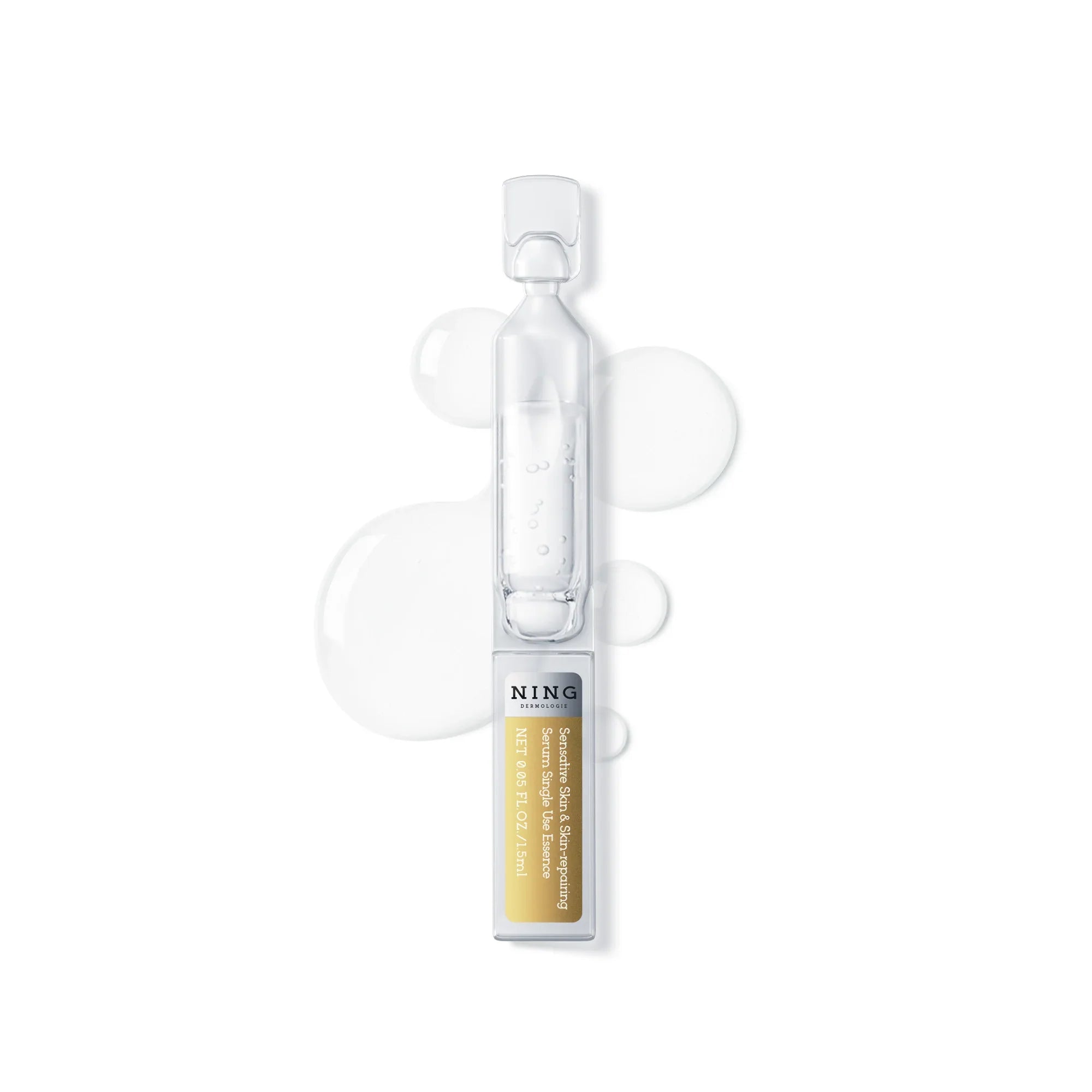
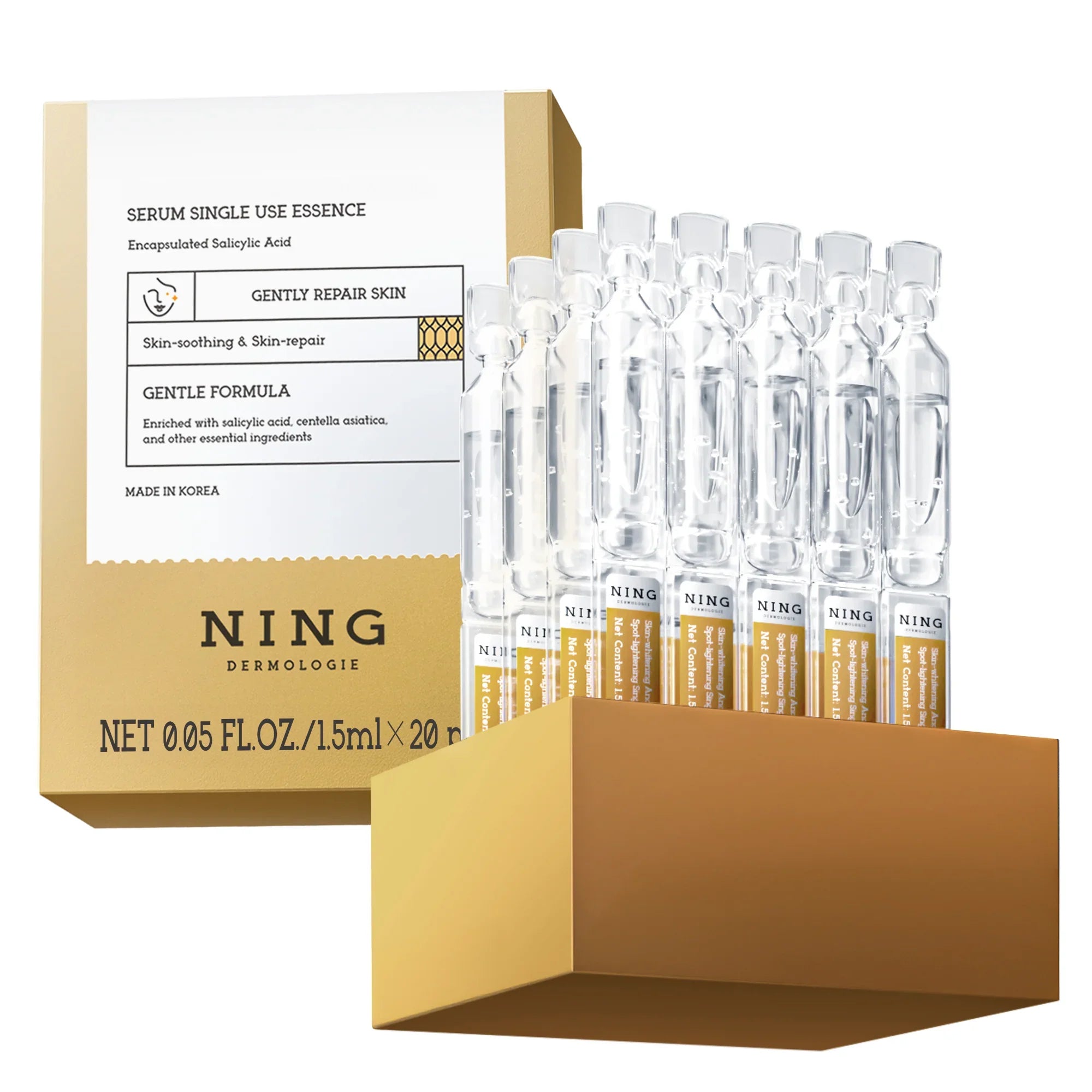
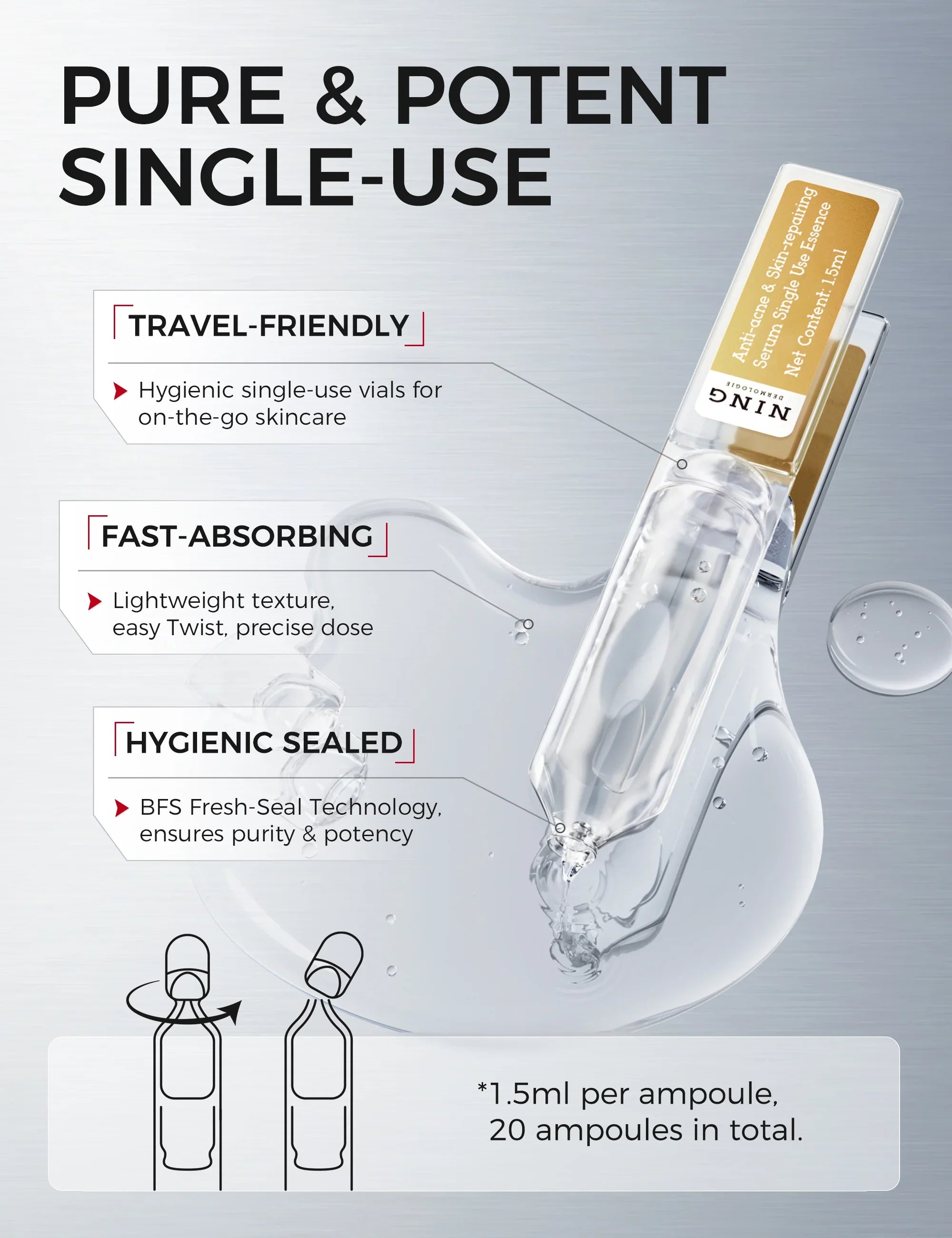
Introducing NING Dermologie: The Sensitive Skin Choice
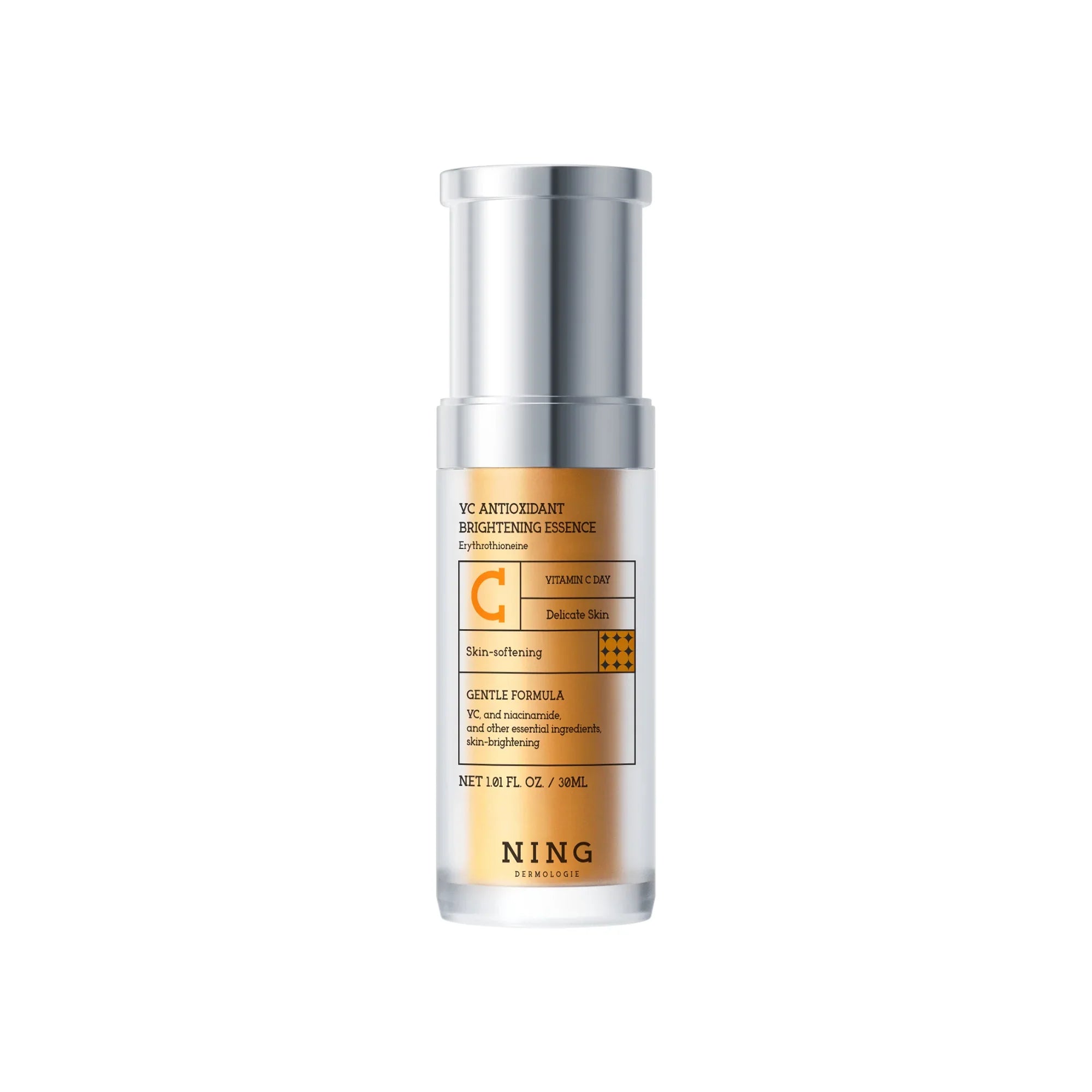
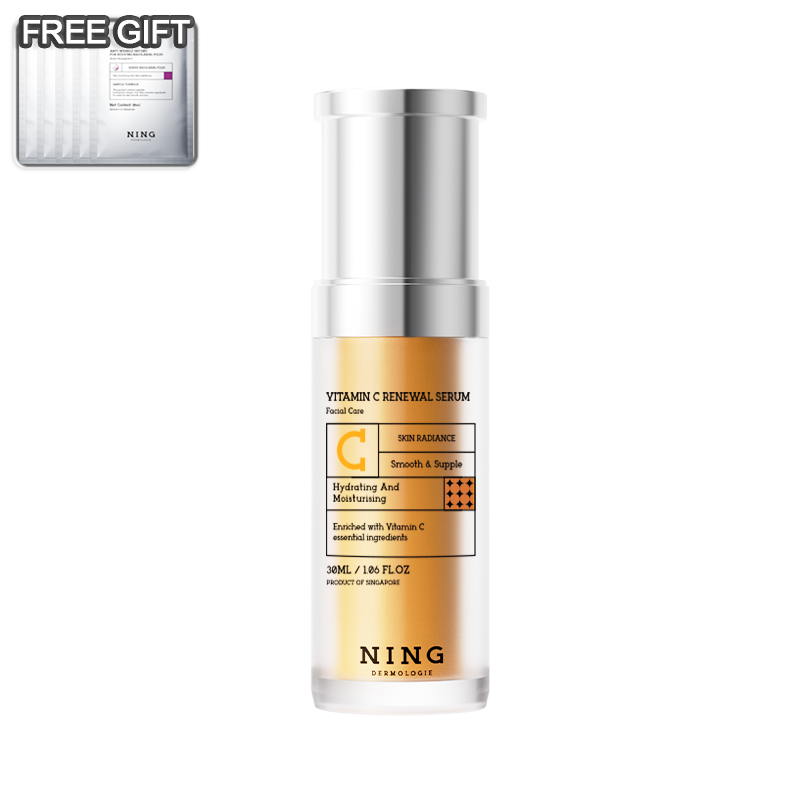
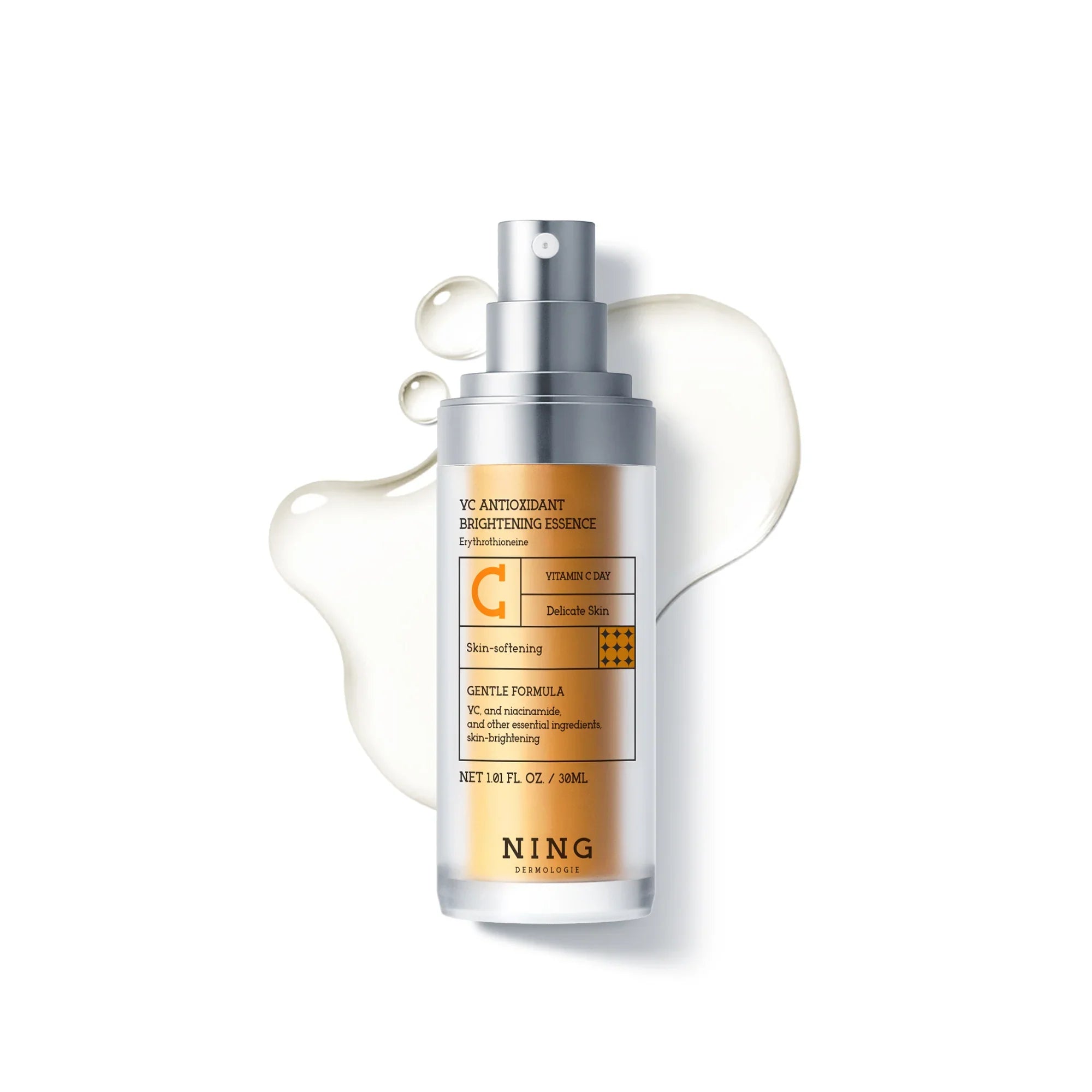
When we developed the NING Dermologie Vitamin C Serum, we had one goal: stop the sting. We didn't want to create another vitamin c product that sat in a drawer because it was too harsh.
We combined 3-O-Ethyl Ascorbic Acid with Niacinamide. If Vitamin C is the worker, Niacinamide is the manager that keeps everything calm. Niacinamide (Vitamin B3) is famous for its ability to improve skin texture and soothe skin irritation. By pairing these two, our vitamin c for sensitive skin offers a double-hit of brightening power while actively repairing the skin barrier.
It’s a vitamin c serum for sensitive souls who have given up on the antioxidant serum category. Plus, we added Hyaluronic Acid to ensure your skin needs for hydration are met, avoiding that tight, "pulled" feeling many serums cause.
How to Use Vitamin C Serum Effectively (The Strategy)
Even the best vitamin c serum can cause trouble if you apply it like a maniac. If you have combination skin or sensitive skin types, follow this "Slow-Start" protocol:
Step 1: The Patch Test
I know, it’s boring. Do it anyway. Apply a tiny amount of the vitamin c product behind your ear or on your inner forearm. Wait 24 hours. If there’s no redness, you’re good to go.
Step 2: The Sandwich Method
If you are very worried about skin irritation, apply a thin layer of a basic moisturizer first, then your vitamin c serum, then another layer of moisturizer. This buffers the active ingredient and allows your skin builds tolerance.
Step 3: Timing is Everything
Most dermatologist experts suggest you use vitamin c in the morning. Why? Because its primary job is antioxidant protection against the sun. While it doesn't replace your spf, it makes your spf work harder.
Step 4: Avoid the "Acid Cocktail"
Do not, under any circumstances, use exfoliating acids with vitamin c in the same session. If you use Glycolic or Salicylic acid at night, apply vitamin c only in the morning. Overwhelming the skin with too many active ingredients is the fastest way to cause skin irritation.
Comparing the "Favorites": Why NING Dermologie Wins for You
You’ve likely seen lists of the favorite vitamin c serums online. Let’s look at the reality:
| Product Type | Form of Vitamin C | Sensitive Skin Rating | Why? |
| Pure L-Ascorbic (15%+) | L-Ascorbic Acid | Low | Too acidic; causes redness and stinging. |
| C E Ferulic (Standard) | L-Ascorbic + Vitamin E | Medium-Low | Effective but often too harsh for people with sensitive skin. |
| NING Dermologie | Ethyl Ascorbic + Niacinamide | High | Stable, pH-balanced, and contains soothing agents. |
Our skin renewing vitamin c serum isn't about being the "strongest" acid on the market. It’s about being the most effective for human skin that isn't made of armor.
Common Mistakes When You Use Vitamin C
-
Storing it in the bathroom: Heat and humidity kill vitamin c formulations. Keep your vitamin c serum in a cool, dark place (even the fridge!) to prevent it from turning orange.
-
Waiting for a "tingle": A tingle isn't "working"; for sensitive skin, a tingle is an early warning sign of a disrupt the skin barrier.
-
Ignoring the Neck: Your neck and décolletage have even thinner skin than your face. They need antioxidant protection too, but they are even more suitable for sensitive skin formulas than your cheeks.

The Role of Vitamin E and Ferulic Acid
You’ll often see vitamin c serum paired with vitamin e. There’s a reason for this. Vitamin E is a fat-soluble antioxidant like vitamin c that helps stabilize the formula and provides extra skin protection. When you see a vitamin c product with "CE," it means they are working in synergy to protect your skin from environmental damage. At NING Dermologie, we believe in this synergy, but we prioritize the stability of the derivative first.
Final Thoughts: Finding Your Best Options
Choosing a vitamin c for sensitive skin shouldn't feel like a gamble. Your skin needs a product that understands the balance between efficacy and comfort.
If you are tired of the "no pain, no gain" mentality of skincare, it’s time to switch to a vitamin c serum for sensitive skin that actually feels good. Start slow, prioritize your skin barrier, and always—always—finish with spf.
A radiant complexion is a marathon, not a sprint. By using a derivative like those found in the NING Dermologie line, you’re giving your skin the antioxidant tools it needs to thrive without the inflammatory fallout.
Frequently Asked Questions (FAQ)
1. Can I use Vitamin C if my skin is extremely sensitive?
Yes, but you must avoid pure L-ascorbic acid. Look for stable derivatives of vitamin c like Ethyl Ascorbic Acid or Sodium Ascorbyl Phosphate. These don’t require a super-low pH to be effective, meaning they won't sting or cause redness. NING Dermologie is specifically formulated to be gentle enough for reactive skin while still providing the brightening benefits of vitamin c.
2. Should I apply Vitamin C serum in the morning or at night?
The best used time is the morning. Vitamin C provides essential antioxidant protection against free radical damage from UV rays and pollution you encounter during the day. When paired with spf, it creates a powerful shield for your skin health. If you use Retinol at night, keeping your Vitamin C in the morning routine also prevents skin irritation from ingredient clashing.
3. Why does my Vitamin C serum turn orange or brown?
This is called oxidation. It happens when the vitamin c product is exposed to light, heat, or air. Once a serum oxidizes, it loses its antioxidant effectiveness and can actually irritate the skin. Vitamin c derivatives are much more stable and have a longer shelf life than pure ascorbic acid, but you should still keep your bottle in a cool, dark drawer.
4. Can I use Vitamin C with Niacinamide?
Absolutely. Old skincare myths suggested they cancel each other out, but modern skincare science proves they are a power couple. Niacinamide helps strengthen the skin barrier and calm redness, while Vitamin C works on collagen and skin tone. Our NING Dermologie Vitamin C Serum combines them into one step to simplify your skincare routine and maximize results for sensitive skin.
5. How long does it take to see results on sensitive skin?
Because you should use a gentler form of vitamin c, it may take 4 to 8 weeks to see significant benefits for sensitive skin. You’ll first notice a more hydrated skin barrier, followed by a gradual brightening of dark spots and improved skin health. Consistency is more important than intensity—using a gentle serum daily is better than using a harsh one once a week.





Share:
Show me vitamin C serums with the highest concentration for face application.
Show me vitamin C serums with the highest concentration for face application.