

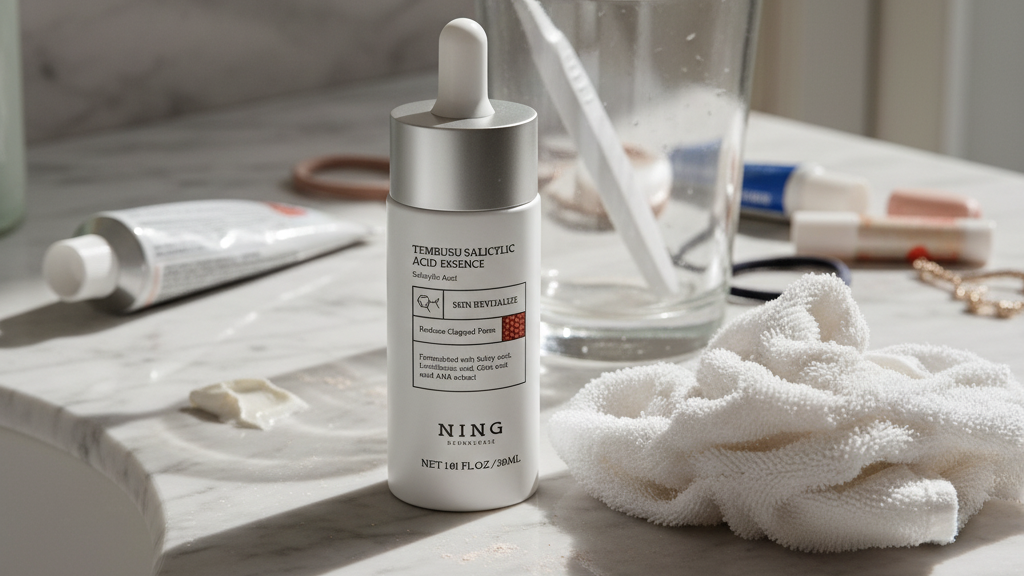

The Truth About Salicylic Acid: How NING Dermologie Transforms Acne-Prone Skin
The road to clear skin is usually paved with half-empty bottles and broken promises. If you’ve ever looked in the mirror and felt the frustration of a stubborn breakout right before a big event, you aren't alone. We’ve all been there. But if there is one ingredient that actually lives up to the hype in the world of dermatology, it’s salicylic acid.
At NING Dermologie, we don’t believe in "miracle cures." We believe in chemistry that works. If you want to move from acne to radiance, you need to understand exactly what you’re putting on your face. This isn't just another skincare guide; it’s a deep dive into the benefits of salicylic acid and how you can finally achieve the clearer skin you’ve been chasing.

What is Salicylic Acid, Really?
You’ve probably seen the term beta hydroxy acid (BHA) on a dozen labels. But what does salicylic acid work like in the real world?
Unlike glycolic acid and lactic acid—which are alpha hydroxy acids (AHAs)—salicylic acid is oil-soluble. This is the "aha!" moment for anyone with oily skin. While AHAs sit on the surface of the skin to scrub away flakes, salicylic acid is like a deep-sea diver. It dives straight into the pore, cuts through the grease, and dissolves the "glue" holding dead skin cells together.
When we talk about salicylic acid for skin, we are talking about a unique ability to exfoliate the skin from the inside out. It’s why topical salicylic acid is the gold standard for acne management.
The Science of Why Salicylic Acid Helps
If you have acne-prone skin, your pores are likely struggling with a traffic jam. Sebum (oil) and dead skin cells clogging your pores create the perfect environment for bacteria. This is the primary cause of acne.
Salicylic acid helps by breaking those bonds. By promoting the shedding of dead skin cells, it ensures that the skin cells on the surface don't get trapped. But the salicylic acid benefits don't stop at just cleaning. It also has inherent anti-inflammatory properties. This means it doesn't just treat the pimple; it calms the redness around it.
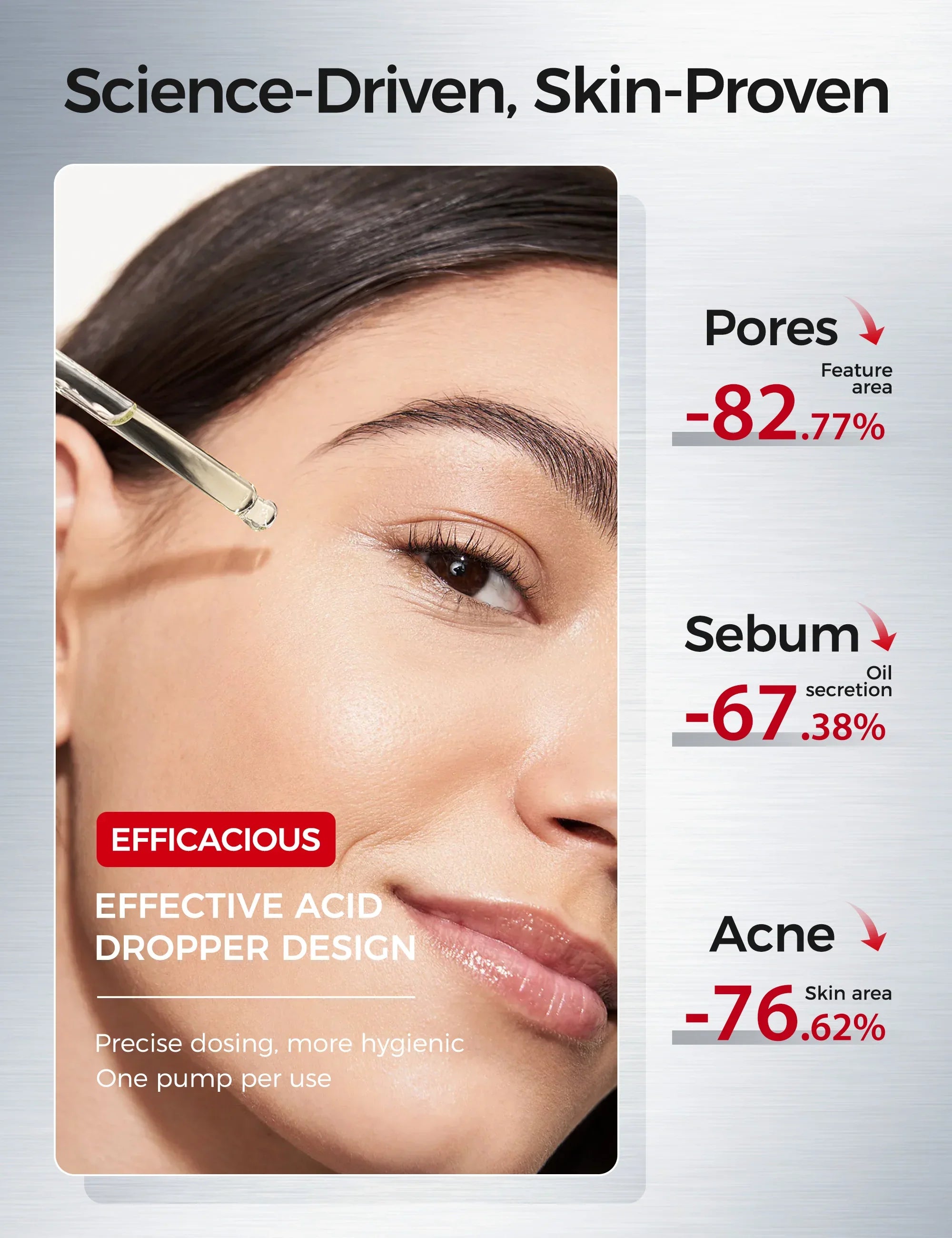
At NING Dermologie, we’ve seen how salicylic acid in skincare can change skin texture in as little as two weeks. When you use a high-quality salicylic acid acne treatment, you’re doing more than just "fixing a spot"—you’re training your skin to behave better.
Why 2% is the Magic Number
You might see skincare products with varying concentrations. However, for a spot treatment or a full-face serum, 2% is the industry sweet spot. It’s strong enough to be an effective acne treatment but gentle enough that it won't leave your skin feeling like parchment paper.
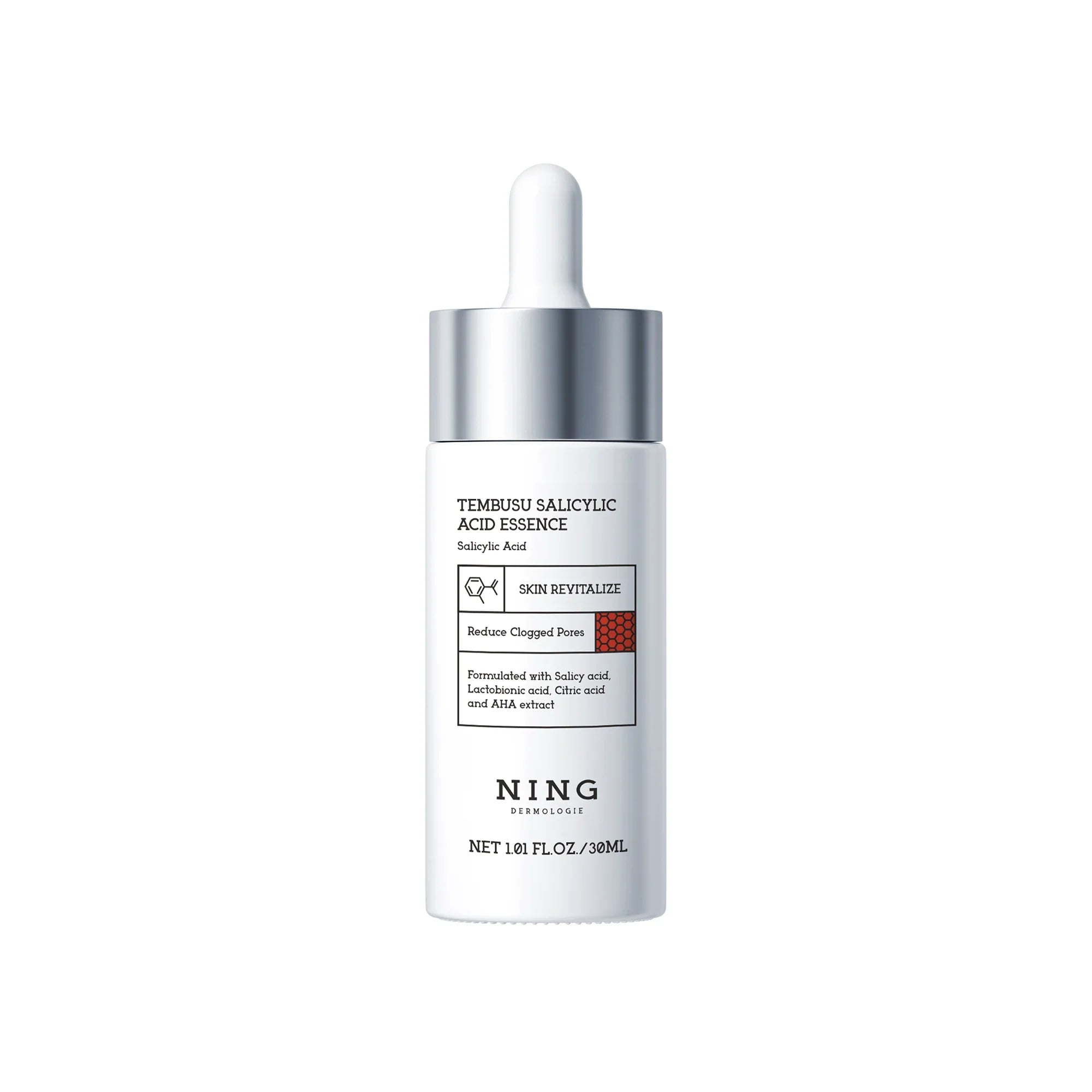
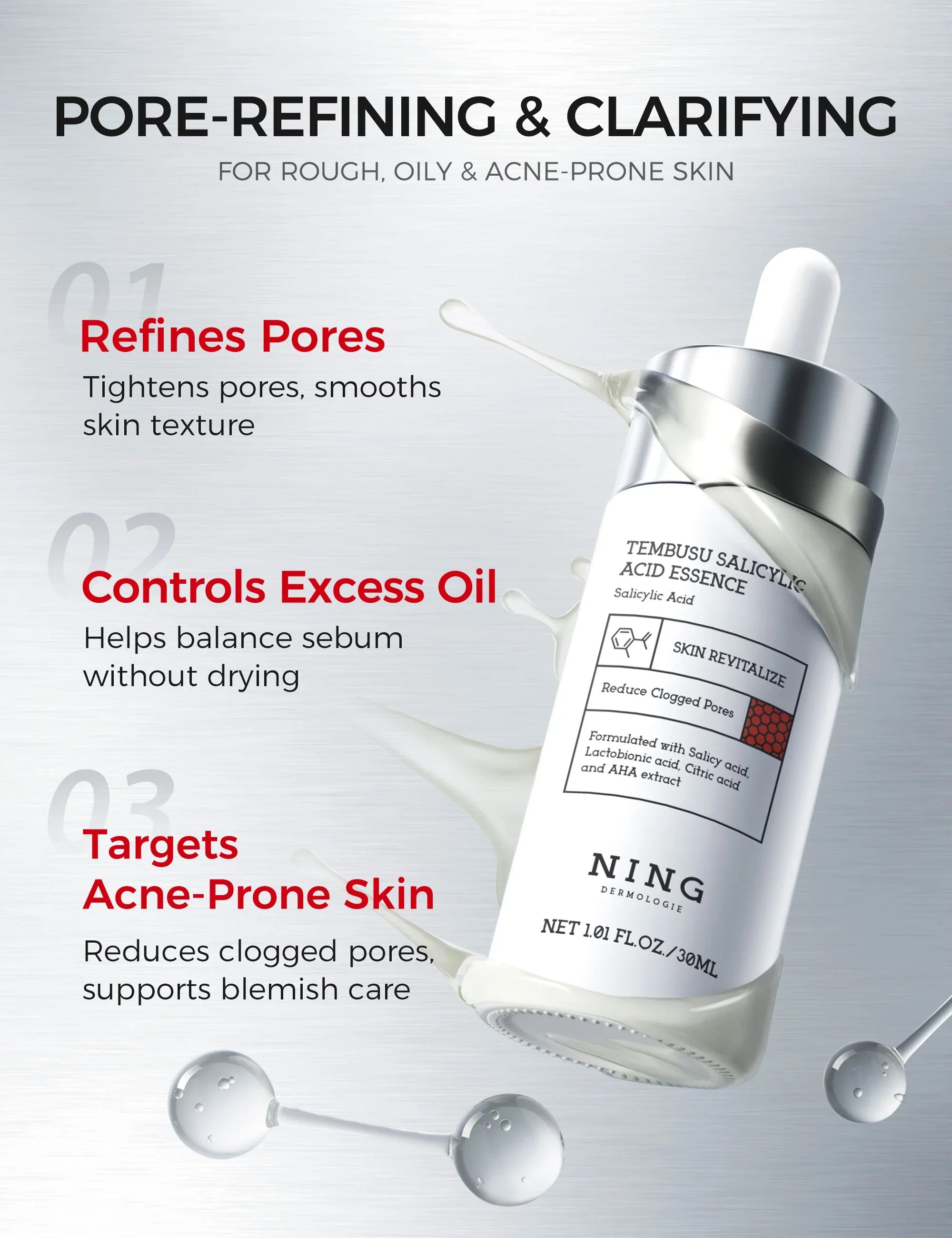
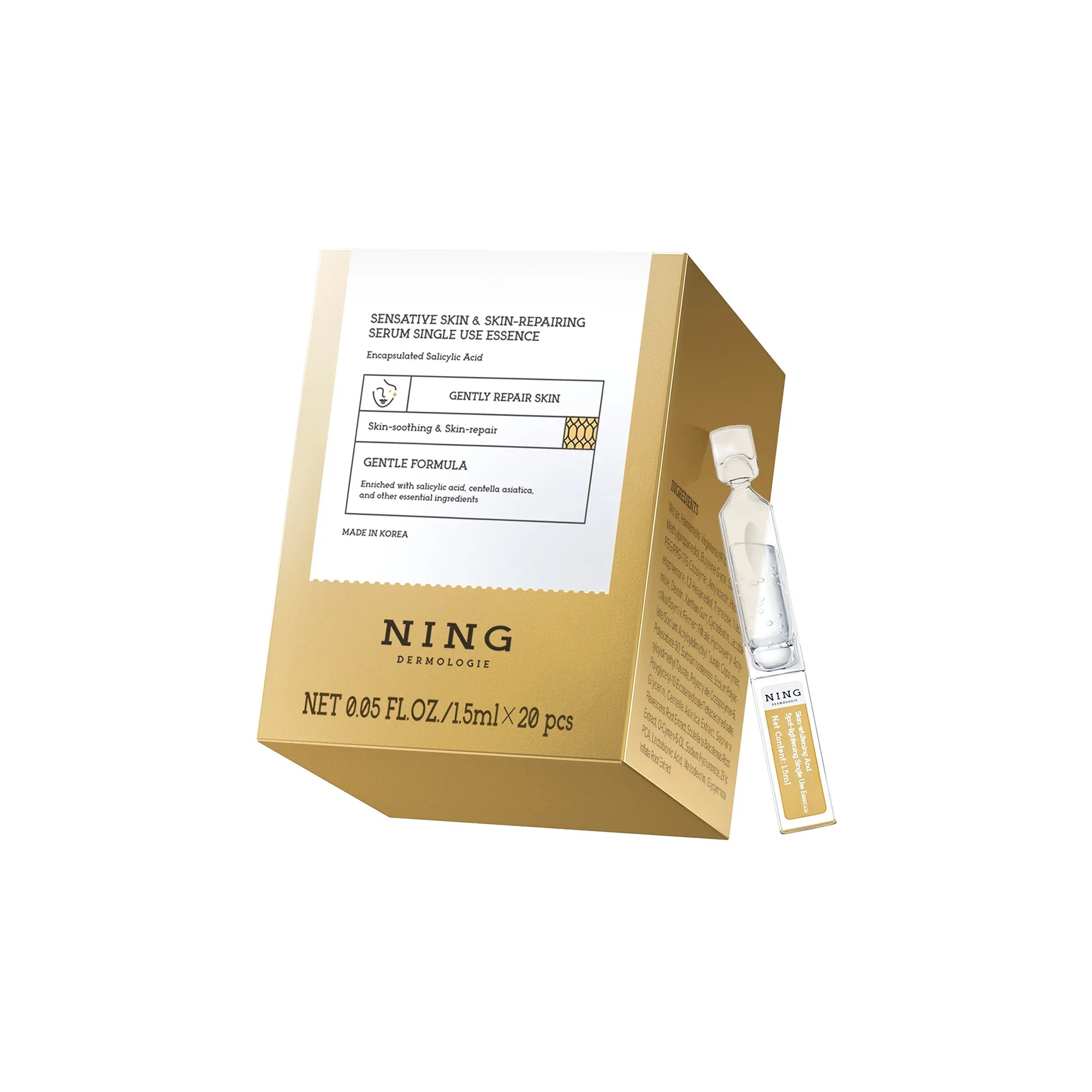
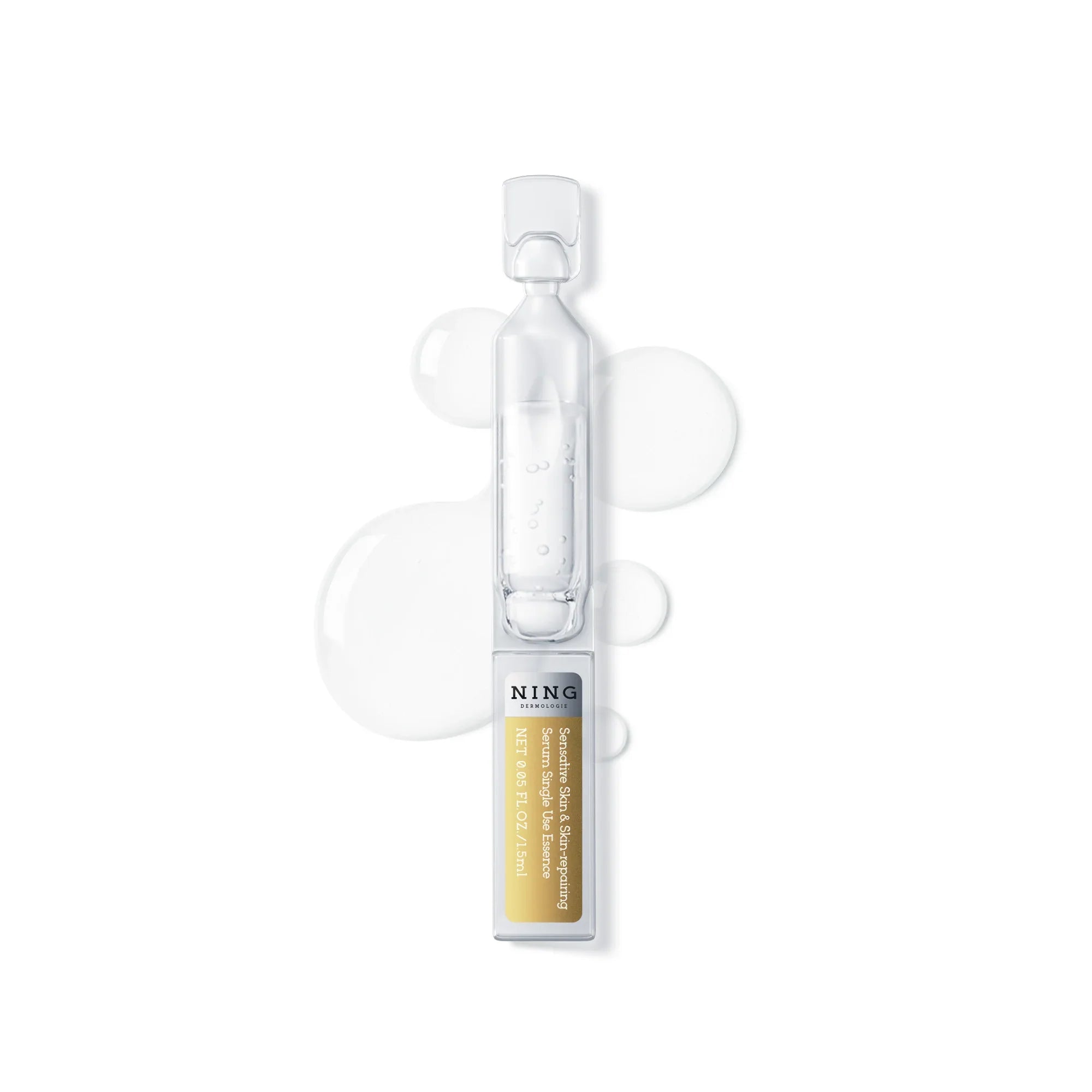
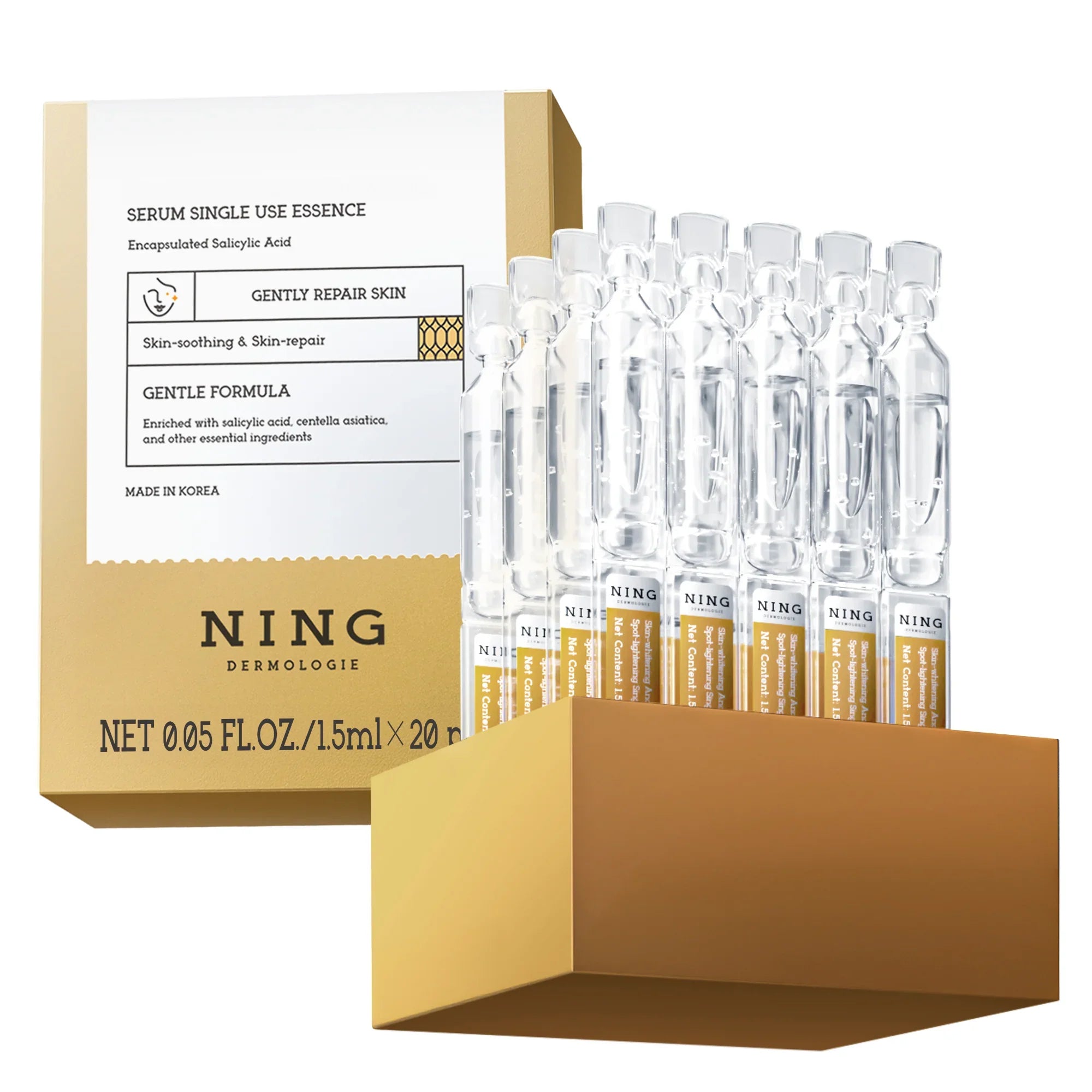
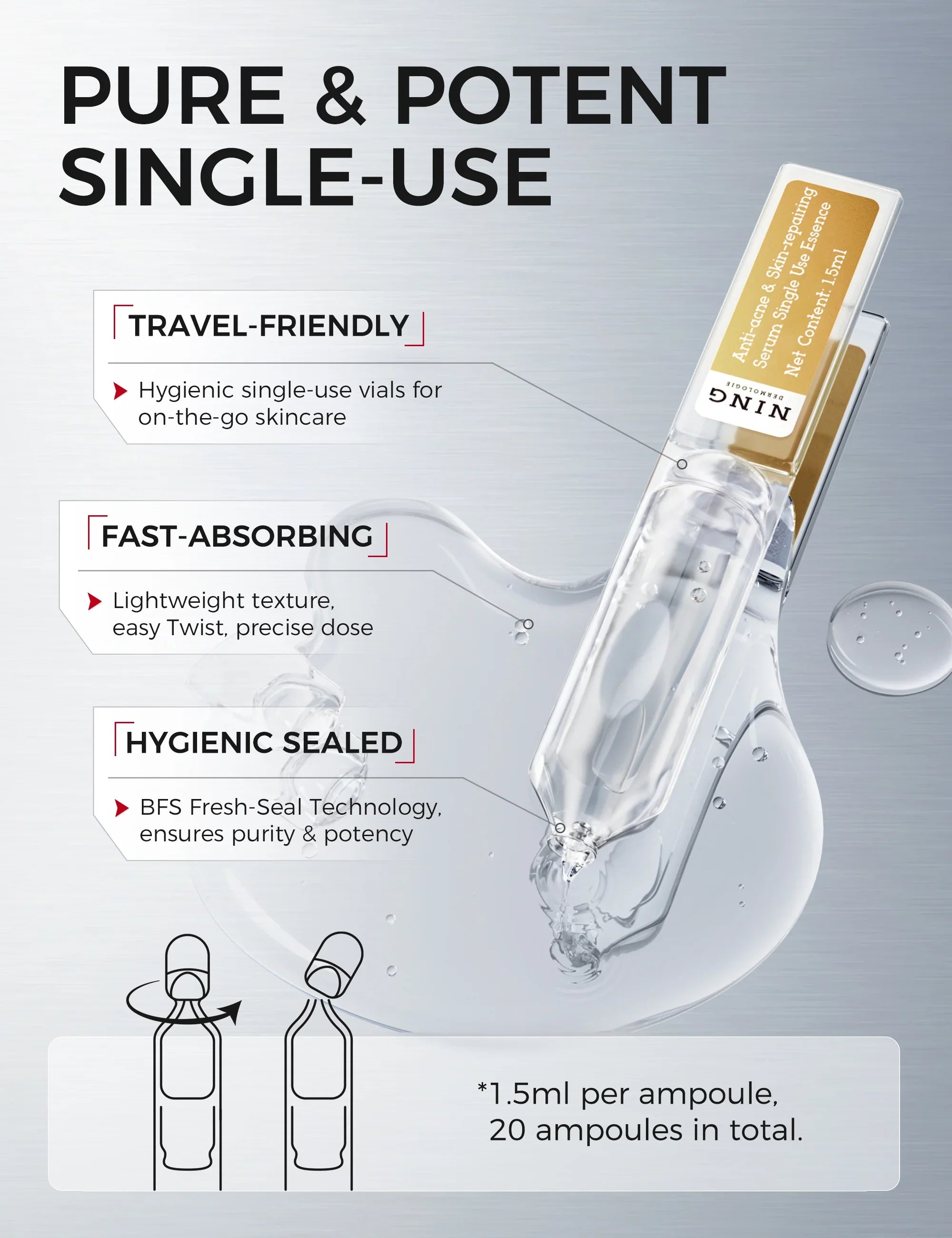
Our 2% Salicylic Acid Serum is a powerhouse. But we didn't stop at just the acid. This serum combines salicylic acid with dioic acid to target not just the breakout, but the dark marks (hyperpigmentation) that acne leaves behind. It’s about skin clarity and even skin tone, not just a temporary fix.
Salicylic Acid for Different Skin Types: It’s Not Just for Teens
A common misconception is that you only use salicylic acid if you’re a 16-year-old dealing with puberty. That’s simply not true.
- Oily Skin: For you, salicylic acid is best. It’s the only thing that will keep that mid-day shine at bay by regulating oil production.
- Combination Skin: You can use it as a targeted acne treatment on the T-zone while keeping your cheeks hydrated.
- Dry Skin: Yes, you can use it too. You just need to be careful. Salicylic acid for skin that is dry should be paired with heavy-duty hydrators to prevent a compromised skin barrier function.
- Sensitive Skin: Start slow. Skin irritation is a risk, so a patch test is your best friend.
The "Purge": What You Need to Know About Salicylic
Here is the part most brands won't tell you: your skin might look worse before it looks better. This is called "purging." Because salicylic acid works by speeding up cell turnover, it pushes all the gunk that was already hiding in your pores to the surface at once.
If you’re new to salicylic acid, don't panic. If you see tiny whiteheads in areas where you usually break out, that’s the acid doing its job. However, if you feel a burning sensation or see hives, that’s skin irritation, and you should back off.
How to Use Salicylic Acid Daily (Without Ruining Your Face)
A lot of people think that if a little is good, a lot must be better. That’s how you end up with a compromised skin barrier. Salicylic acid may be powerful, but it requires respect.
-
Start with a Salicylic Acid Cleanser: This is a "wash-off" treatment. It’s a great way to let your skin learn more about salicylic acid without the intensity of a leave-on product.
-
Gradual Introduction: Use your products with salicylic acid two or three times a week at first.
-
The Serum Step: Once your skin is comfortable, apply the NING Dermologie 2% Salicylic Acid Serum at night.
-
Protect the Barrier: Always, always follow up with a moisturizer. Salicylic acid helps clear the pores, but you still need to protect the outer layer of the skin.
-
Sunscreen is Non-Negotiable: Even though BHA isn't as photosensitizing as AHAs, you’re revealing fresh skin underneath. Protect it with SPF 30+.
Salicylic Acid vs. Other Hydroxy Acids
Why choose salicylic acid for acne over glycolic acid?
Imagine your pore is a pipe. Glycolic acid and lactic acid are like polishers that make the outside of the pipe look shiny. Salicylic acid is the Drano that clears the clog inside. While AHAs improve skin by targeting fine lines and skin tone, BHA is the king of skin health for those prone to congestion.
Pro Tip: You can use them together, but proceed with caution. Many skincare products now blend them, but if you’re doing it yourself, use them on alternate nights to avoid potential side effects.
Beyond the Breakout: Surprising Benefits
While acne management is the headline, the skin benefits of salicylic acid go much deeper:
- Reduces Redness: Its chemical structure is related to aspirin, meaning it’s naturally anti-inflammatory.
- Minimizes Pores: You can’t technically "shrink" your pores, but when they aren't filled with dead skin cells and sebum, they look significantly smaller.
- Improves Skin Texture and Tone: By constantly removing the "gray" layer of dead cells, it reveals the radiance mentioned in our title.
Common Mistakes to Avoid
We want you to achieve clearer skin, so avoid these three pitfalls:
-
Using it on Broken Skin: If you’ve just picked a pimple (please don’t!), do not put topical salicylic acid on it. It will sting and likely cause a dark mark.
-
Over-exfoliating: If your face feels "tight" or looks "shiny" (but not oily), your skin barrier is screaming for help. Stop all acids for a week.
-
Mixing with Retinoids: Unless the product is specifically formulated to have both, don't layer a 2% BHA serum with a strong Retinol. It’s a recipe for irritation.

The NING Dermologie Difference
At NING Dermologie, we believe in transparency. Our 2% Salicylic Acid Serum isn't just about the acid; it’s about the delivery system. We’ve formulated it to ensure the BHA stays active where it needs to be—in the pore—without causing unnecessary surface dehydration.
Salicylic acid is generally safe for most, but we want you to be informed. Learn what salicylic acid can do for you by starting with a consistent routine. Smoother skin isn't an overnight miracle; it’s the result of smart, science-backed choices.
Frequently Asked Questions (FAQ)
1. Can I use salicylic acid every day?
Look, jumping straight into daily use is the fastest way to wreck your skin barrier. Start with two nights a week. If your face doesn't turn red or feel tight, then—and only then—slowly bump it up. Most folks with oily or acne-prone skin find their "sweet spot" is once every other day. If you have dry skin, every day is likely overkill and will just lead to unnecessary irritation.
2. How long does it take to see results for acne?
Don't expect a miracle by tomorrow morning. While you’ll feel smoother skin almost immediately, getting deep into those pores takes time. You’re looking at about 4 to 6 weeks for a real turnaround. Why? Because that’s just how biology works—it's the length of a full skin cycle. If you're using our serum, stick with it; consistency is what actually gets those stubborn clogs to finally move.
3. Is salicylic acid safe to use during pregnancy?
Most dermatologists recommend salicylic acid be used with caution during pregnancy. While low-concentration salicylic acid cleanser (wash-off) is often considered fine, high-strength topical salicylic acid or large-area body treatments are usually discouraged. It’s a cousin to aspirin, after all. Always consult your doctor before using products with salicylic acid while pregnant or breastfeeding to ensure it is appropriate for your skin and situation.
4. Can I use salicylic acid with Vitamin C?
You can, but I wouldn't layer them at the same time. Both are acids, and stacking them can be a recipe for a stinging, red mess. The smartest move? Use your Vitamin C in the morning to fight off environmental junk, and save the NING Dermologie serum for your nighttime routine. This keeps your skin barrier happy while letting both actives actually do their jobs without fighting each other.
5. Why is my skin peeling after using a BHA serum?
If you're seeing actual flakes, your skin is basically screaming at you to slow down. A little shedding of dead skin cells is what we want, but visible peeling means you’ve over-exfoliated. Your skin barrier is likely struggling to hold onto any moisture. Stop the acid for a few days, drench your face in a thick moisturizer, and when you restart, do it way less often. It’s a marathon, not a sprint.
Final Thoughts
Whether you are looking for a salicylic acid cleanser to start your journey or a potent serum like this one to tackle serious congestion, understanding the benefits is its ability to transform your routine.
Stop settling for breakouts. Learn more about salicylic acid, respect your skin barrier, and let NING Dermologie help you reveal the radiance that’s been hiding under those clogged pores all along. Your journey to smoother skin starts with a single drop.





Share:
Our Top Picks for Affordable Salicylic Acid Serums That Work Wonders
Daily Defender: Salicylic Acid Serum for Problematic Skin