



Honestly, dealing with hyperpigmentation is a massive headache. You can spend a fortune on high-end skincare products, stick to a strict routine for months, and then undo all that progress with just one afternoon of unprotected sun exposure.
It sucks. Whether you’re dealing with stubborn age spots, pregnancy mask, or the dark shadows left behind by old breakouts, fixing this cosmetic concern requires two things: fading the pigment sitting on your face right now, and building a literal fortress against the triggers that make it worse.
Here is exactly how you fade dark spots and keep them from coming back, without wasting your money on hype.

Why Your Skin is Freaking Out (The Science)
Before spending a dime on serums, you have to understand what’s actually happening in your skin. Pigmentation isn’t random. It’s a defense mechanism.
Every time UV radiation hits an unprotected face, your skin cells (specifically the melanocytes) go into panic mode. To shield your cellular DNA from getting fried, they ramp up melanin production.
When things are working normally, this just gives you a tan. But when melanocytes are damaged or chronically irritated, they glitch. They dump clumps of pigment into specific areas. Bam. You have dark spots.
Usually, the triggers fall into three buckets:
- UV Sun Damage: This is the big one. Decades of cumulative UV exposure slowly cook up sun spots that usually surface on the high points of your face—cheeks, nose, forehead.
- Hormonal Changes: Things like pregnancy or birth control pills can trigger melasma. This is a very stubborn, patchy type of pigment that flares up from both UV rays and plain old heat.
- Post-Inflammatory Hyperpigmentation (PIH): You popped a pimple. Or you scraped your face. Now there’s a dark mark. If sunlight hits that fresh, inflamed skin, the resulting pigment stain will be incredibly hard to erase.
The Absolute Non-Negotiables: Shielding the Skin
You literally cannot fix pigmentation if you aren't playing defense. Fading dark spots without using sunscreen is like turning on the AC while your windows are wide open.
Getting Serious About SPF That SPF 15 mixed into your liquid foundation? It’s doing nothing. You need a dedicated broad-spectrum SPF of at least 30. Better yet, go for SPF 50 if you are actively trying to reverse damage.
Why "broad spectrum"? Because it means the formula actually blocks both UVA/UVB rays.
- UVB Rays: These burn the surface of your skin and are the main drivers of skin cancer.
- UVA Rays: These are the sneaky ones. They penetrate way deeper, silently kickstarting melanin production and destroying your natural collagen production. They blast right through your car windows, too.
To get the SPF protection advertised on the bottle, you need to apply two finger-lengths of product to your face and neck. Reapply every two hours if you are sweating or sitting outdoors.
Physical Shade Sunscreens are filters, not concrete walls. If you want to keep your skin clear, wear wide-brim hats. Sit under umbrellas. Physical shade is the only 100% effective block.
The Erasers: Ingredients That Actually Work
Okay, your defense is locked in. Now we tackle the pigment. You need a targeted mix of brightening ingredients to hit the problem from multiple angles.
Stopping the Pigment Factory (Tyrosinase Inhibitors) Your skin uses an enzyme called tyrosinase to make melanin. If you shut down that enzyme, you stop new pigment from forming. Period. You want these active ingredients in your daily brightening serums and face creams:
- Kojic Acid: Derived from fermented fungi, this stuff directly blocks melanin formation.
- Tranexamic Acid: A heavy hitter for melasma and PIH. It literally blocks the chemical signals that tell your melanocytes to pump out pigment.
- Azelaic Acid: Amazing for post-acne marks. It targets abnormal pigment cells but leaves your normal skin tone alone.
- Licorice Root: A very calming, natural extract that takes down redness while fading discoloration.
The Antioxidant Safety Net
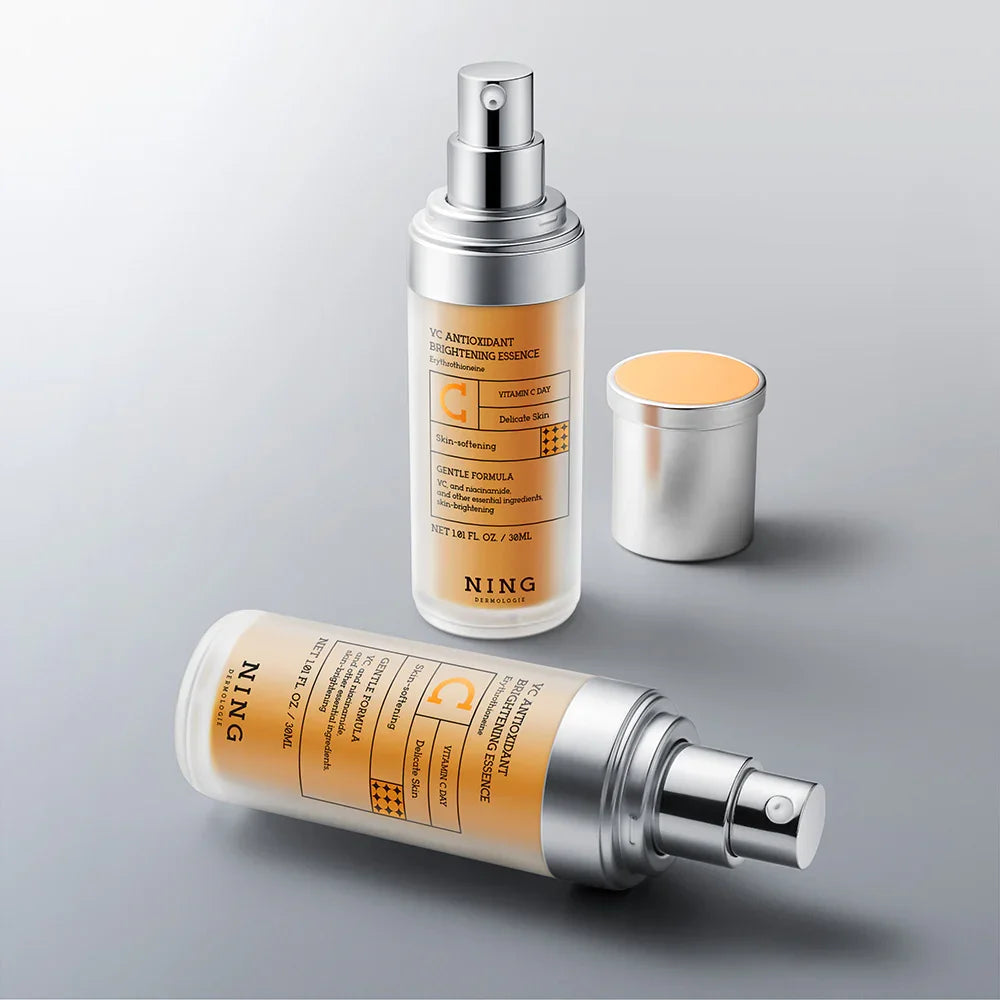
- Vitamin C: Use this every single morning. It fades existing marks and acts as an antioxidant shield. Worn under broad-spectrum sunscreens, it eats up the free radicals from UV exposure that inevitably sneak past your SPF. The gold standard for years has been SkinCeuticals C E Ferulic, but there are plenty of potent L-ascorbic acid options out there now.
Sloughing Off the Stains (Chemical Exfoliants) Tyrosinase inhibitors stop new spots, but you still have to lift away the dead, stained skin cells sitting on the surface.
- Glycolic Acid: An AHA that dissolves the glue holding dead skin together. It forces the pigmented layers to shed faster.
- Salicylic Acid: A BHA that goes deep into the pores, offering anti-inflammatory clearing and mild exfoliation.
Warning: Do not overdo the acids. Trashing your skin barrier creates inflammation, which just leads to more pigmentation. Use them two or three nights a week, max.
When Topicals Plateau: Clinical Interventions
Sometimes pigment is anchored so deeply in the dermis that no serum on earth is going to fix it. If you hit a wall, you might need to look at in-office procedures.
- Chemical Peels: A professional will use high-strength acids to strip away damaged layers. Ask your clinic about a specialized sun-protective peel if you are worried about post-treatment sensitivity.
- Laser Skin Treatments: Devices like Pico or IPL literally shatter pigment into microscopic dust so your immune system can flush it out. Laser pigmentation removal is highly effective for age spots, but you must avoid the sun like a vampire afterward.
- RF Microneedling: Mostly used for texture and tightening, but the radiofrequency energy can also help break up superficial stubborn patches.
- Brightening Mesotherapy: A provider injects a custom cocktail of vitamins and pigment-blockers right into the middle layer of your skin.
Putting It Together: A Routine That Doesn't Suck
Trying to layer six different single-ingredient serums is a nightmare. It’s expensive, it pills under makeup, and it usually just irritates your face.
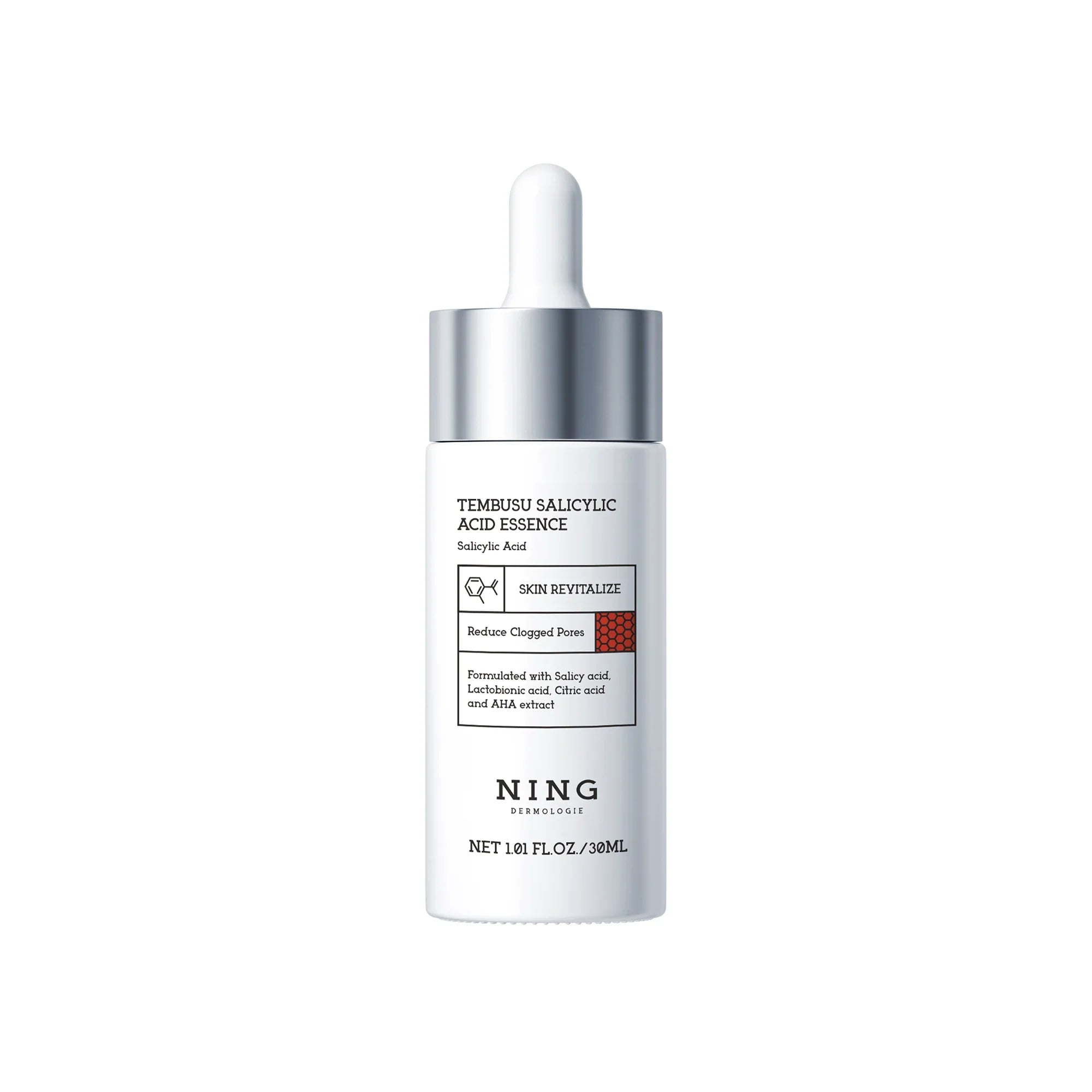
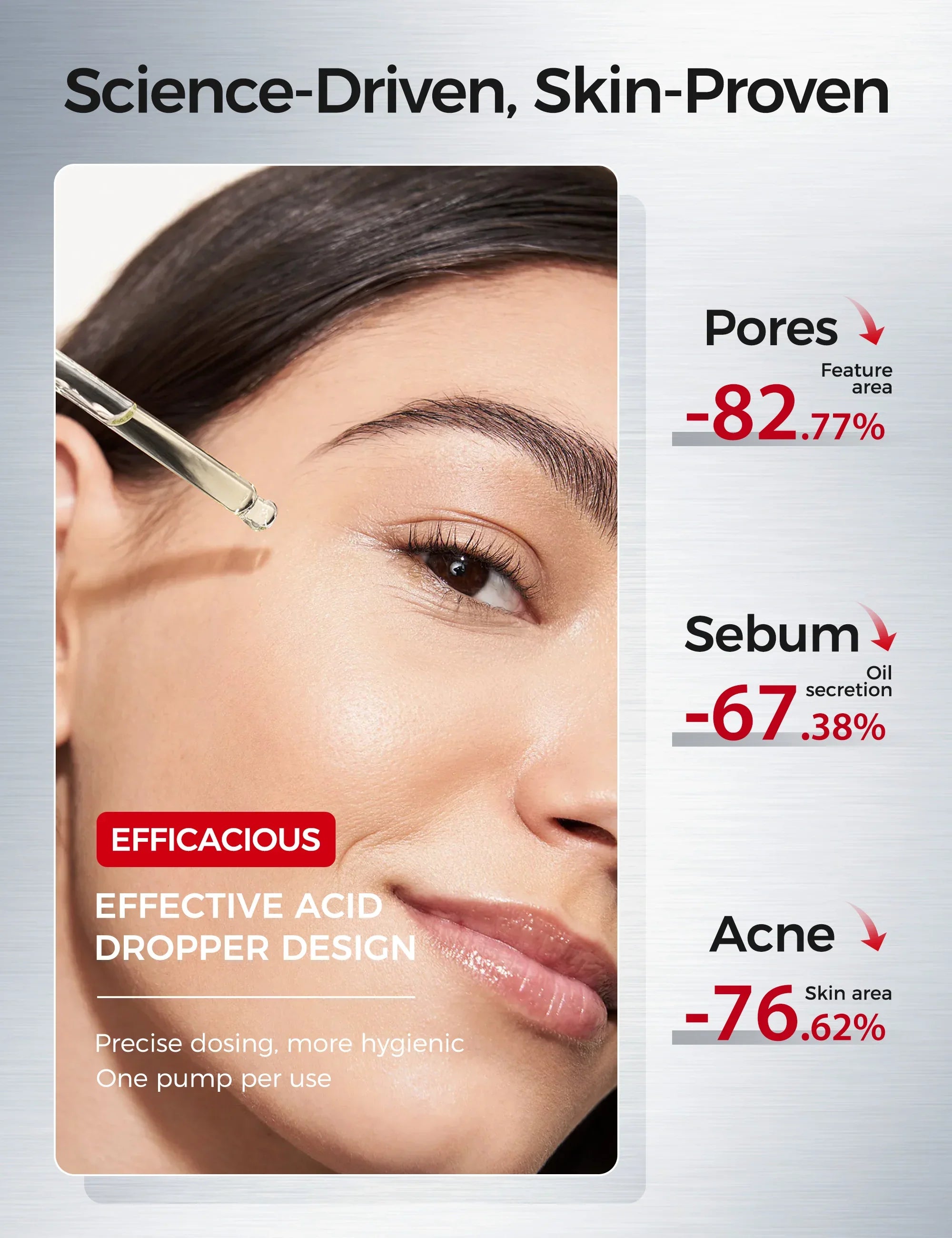
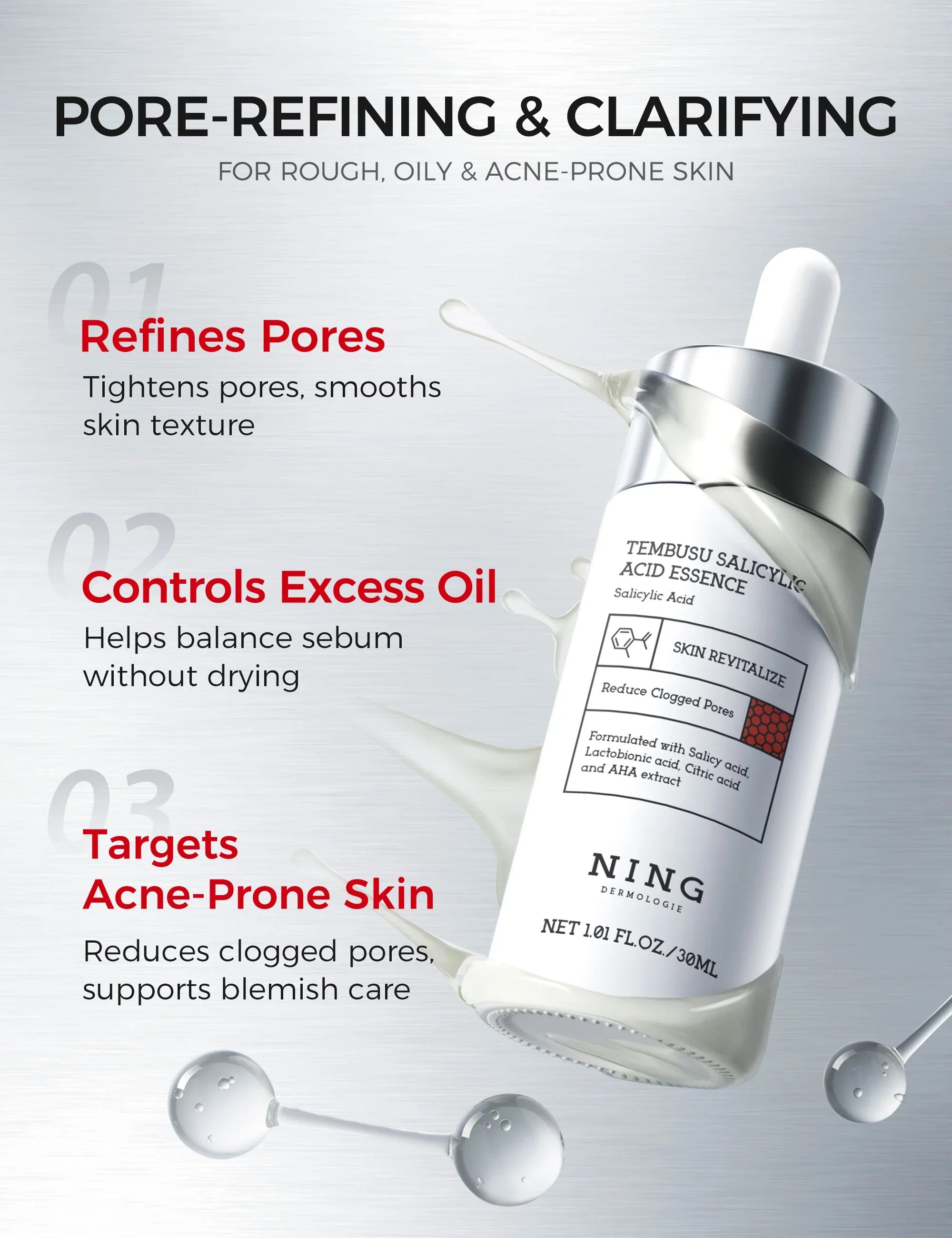
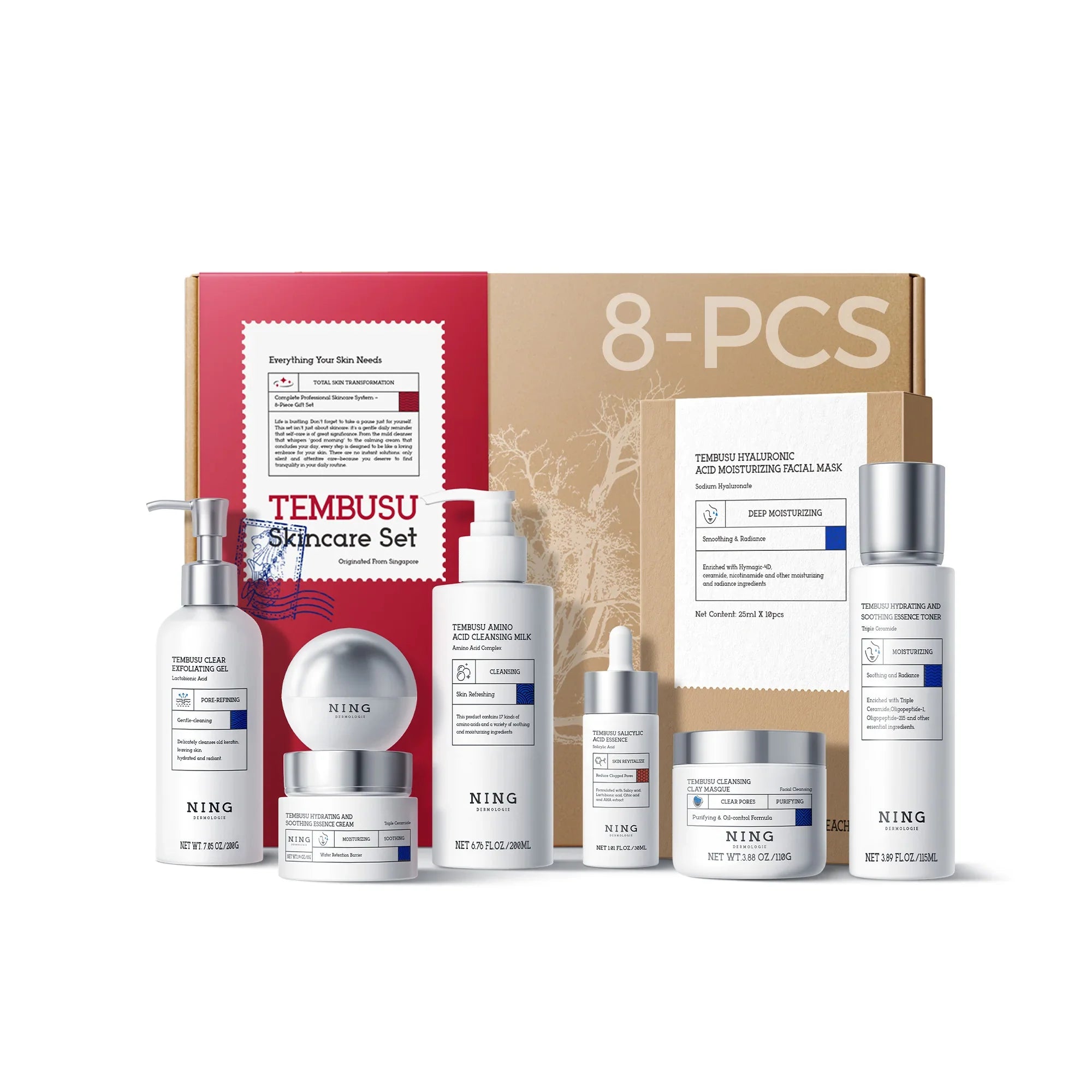
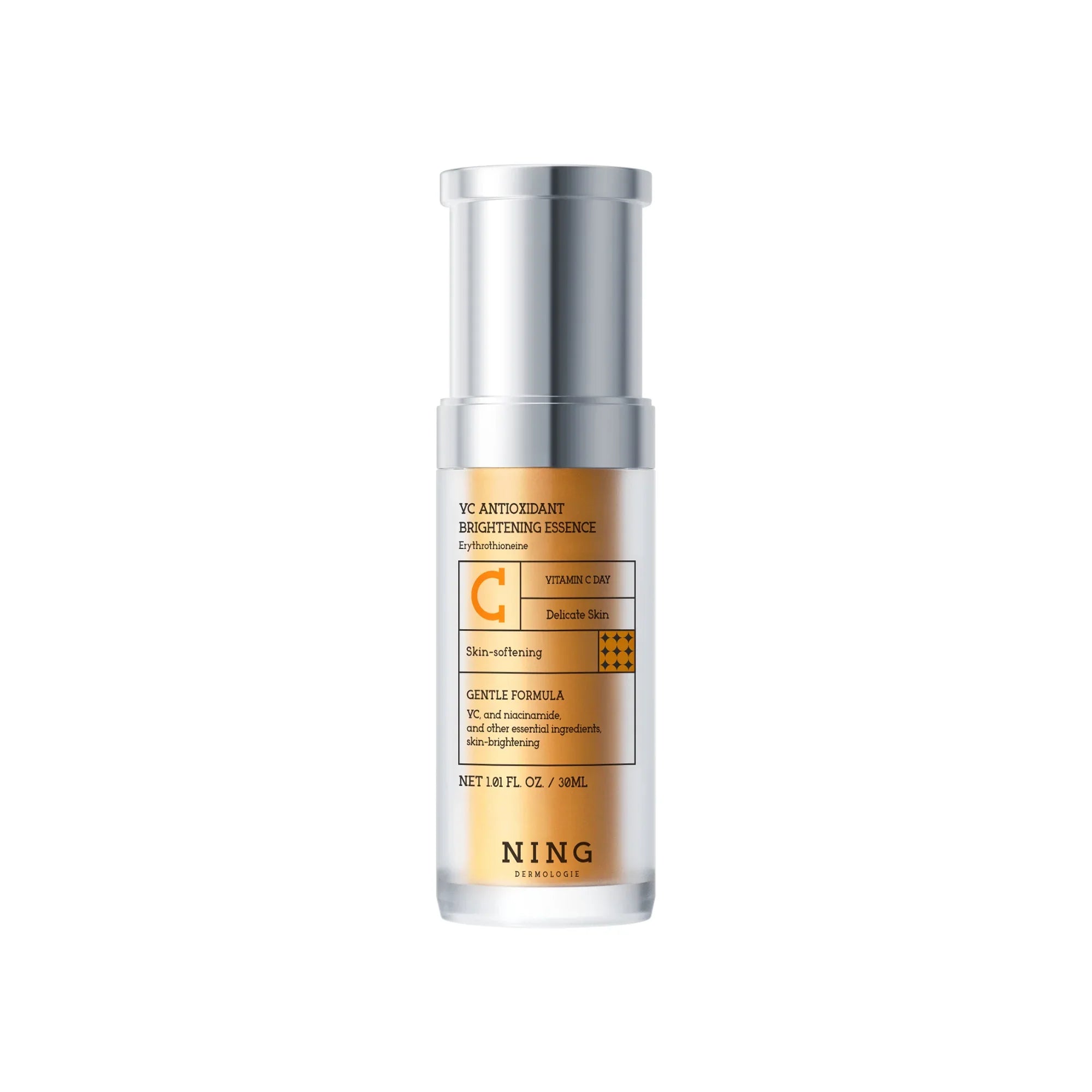
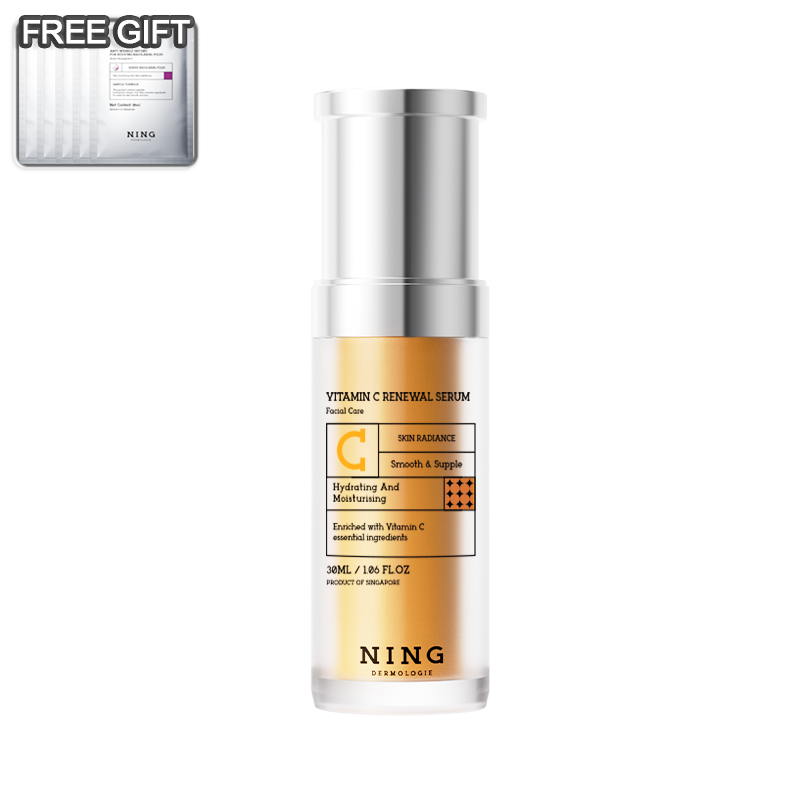
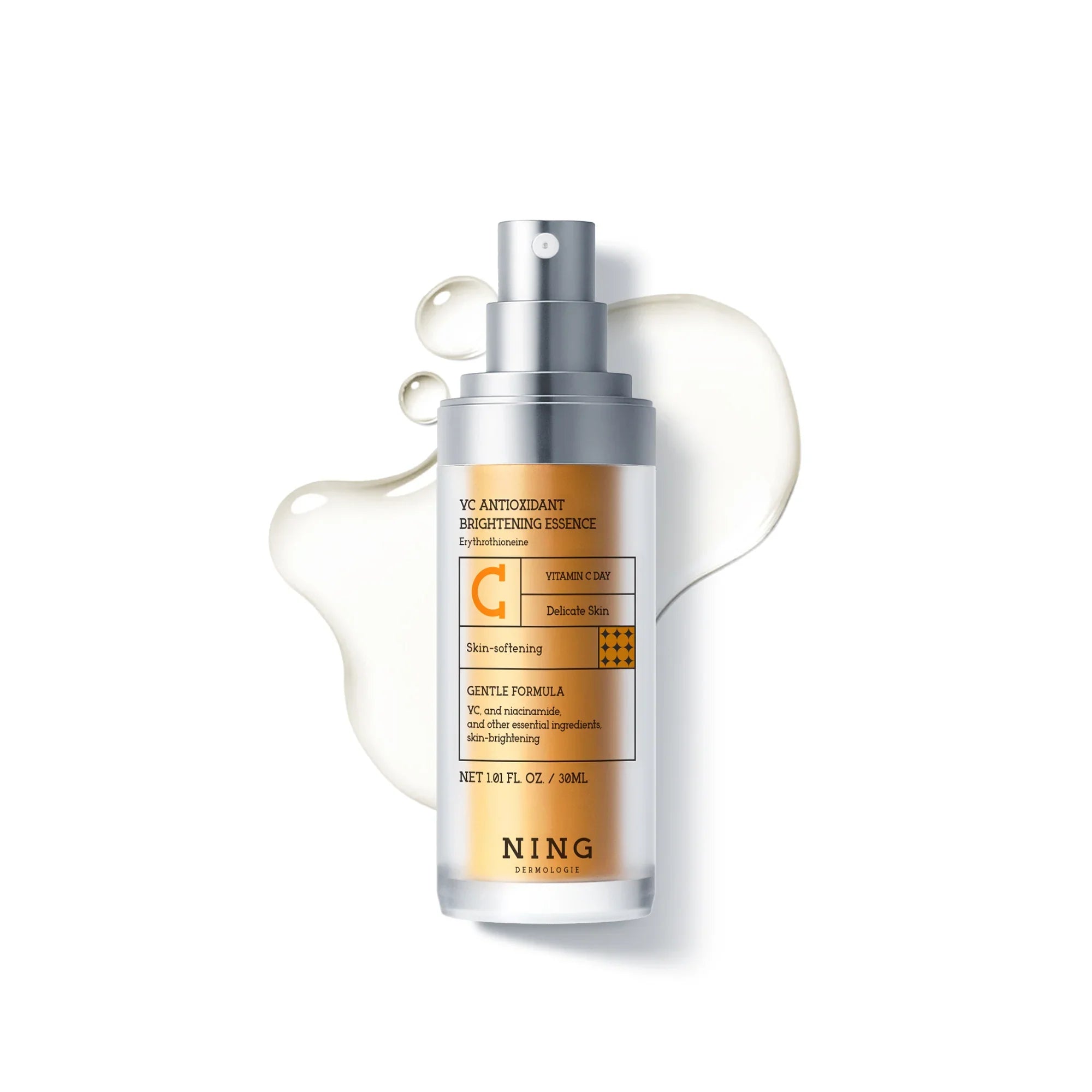
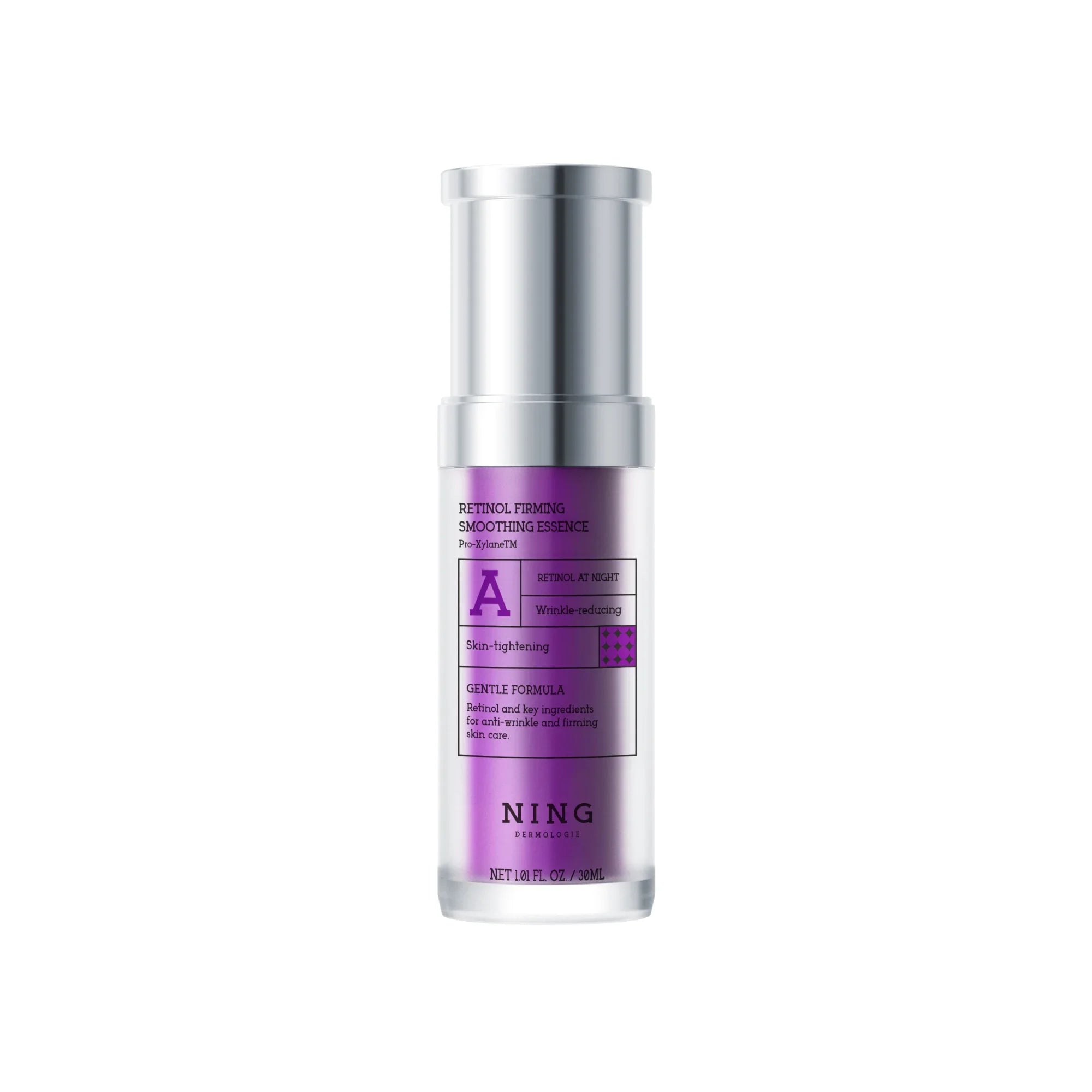
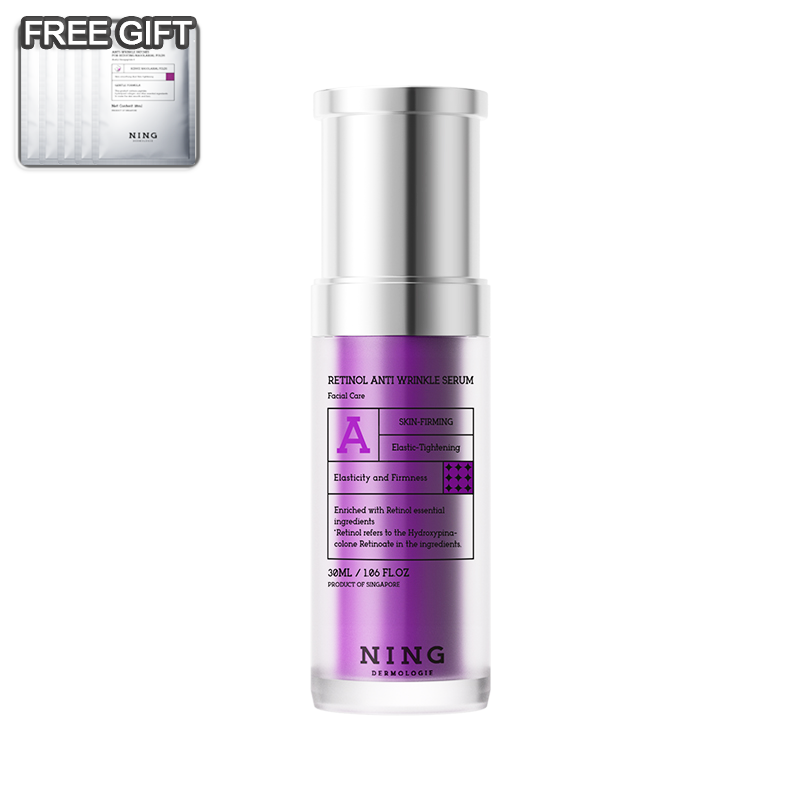
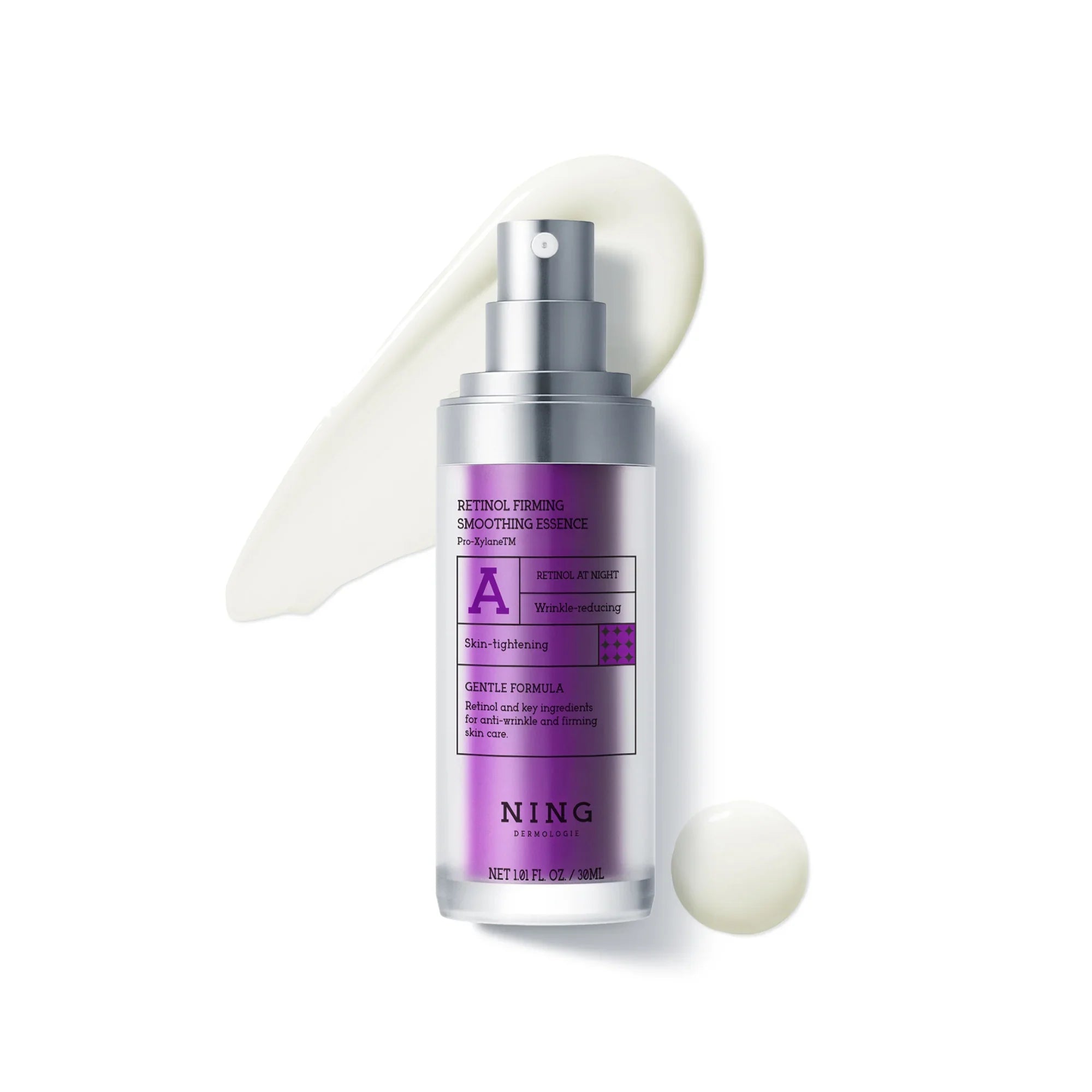
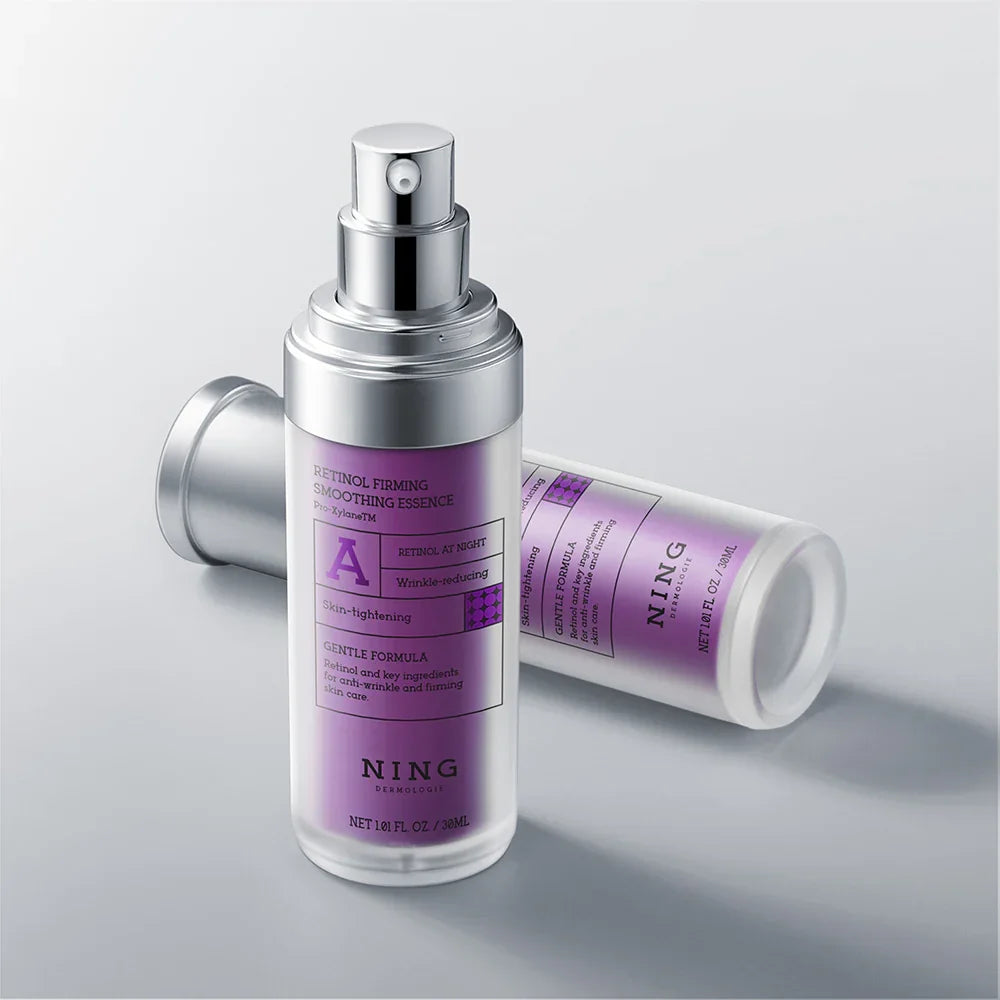
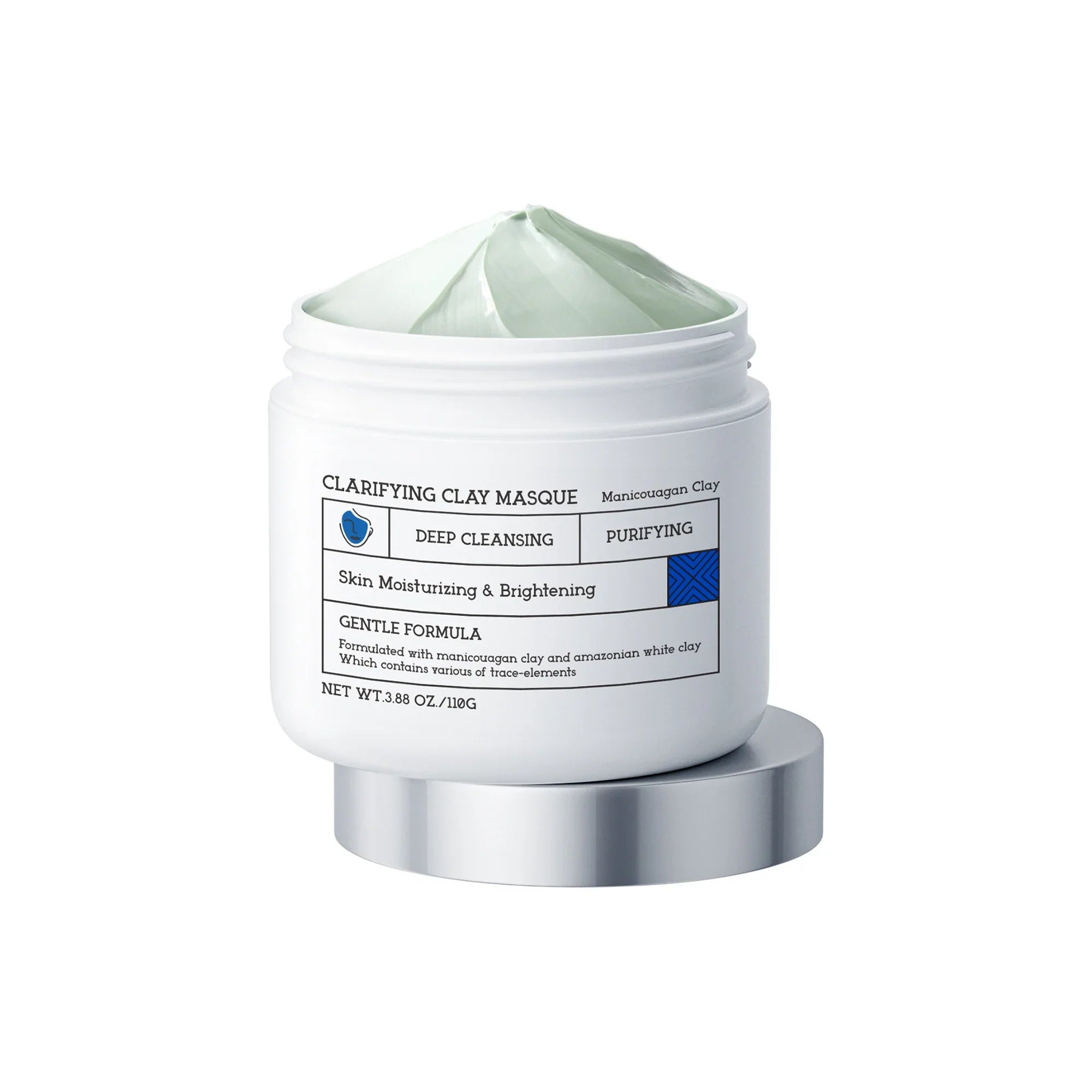
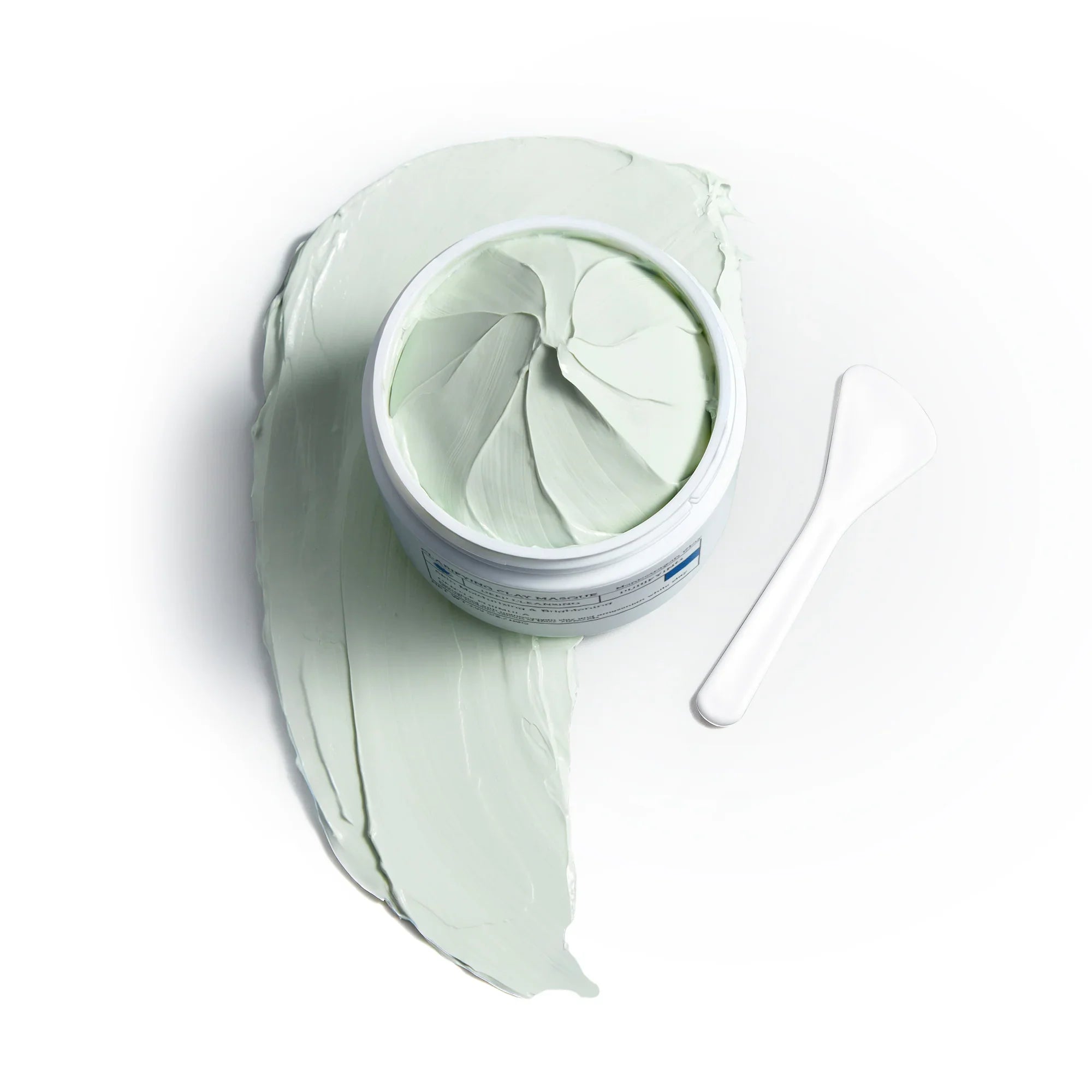
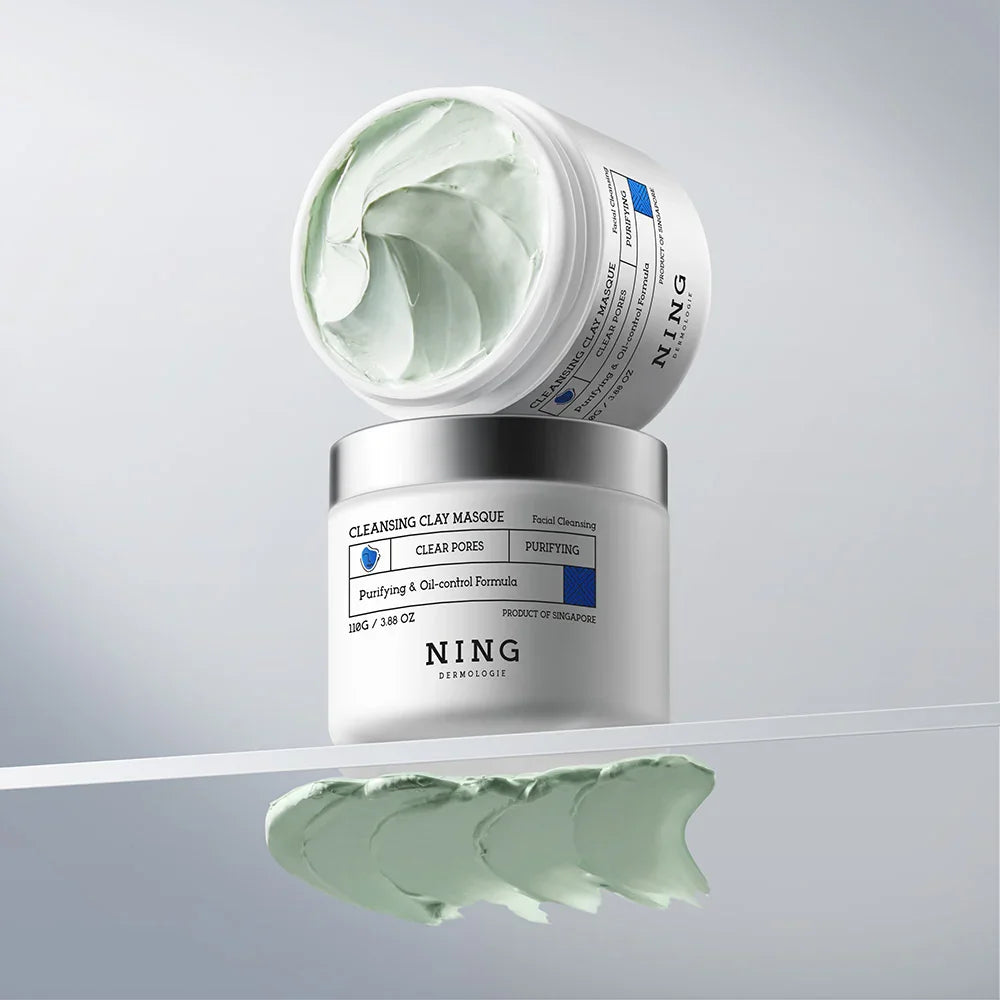
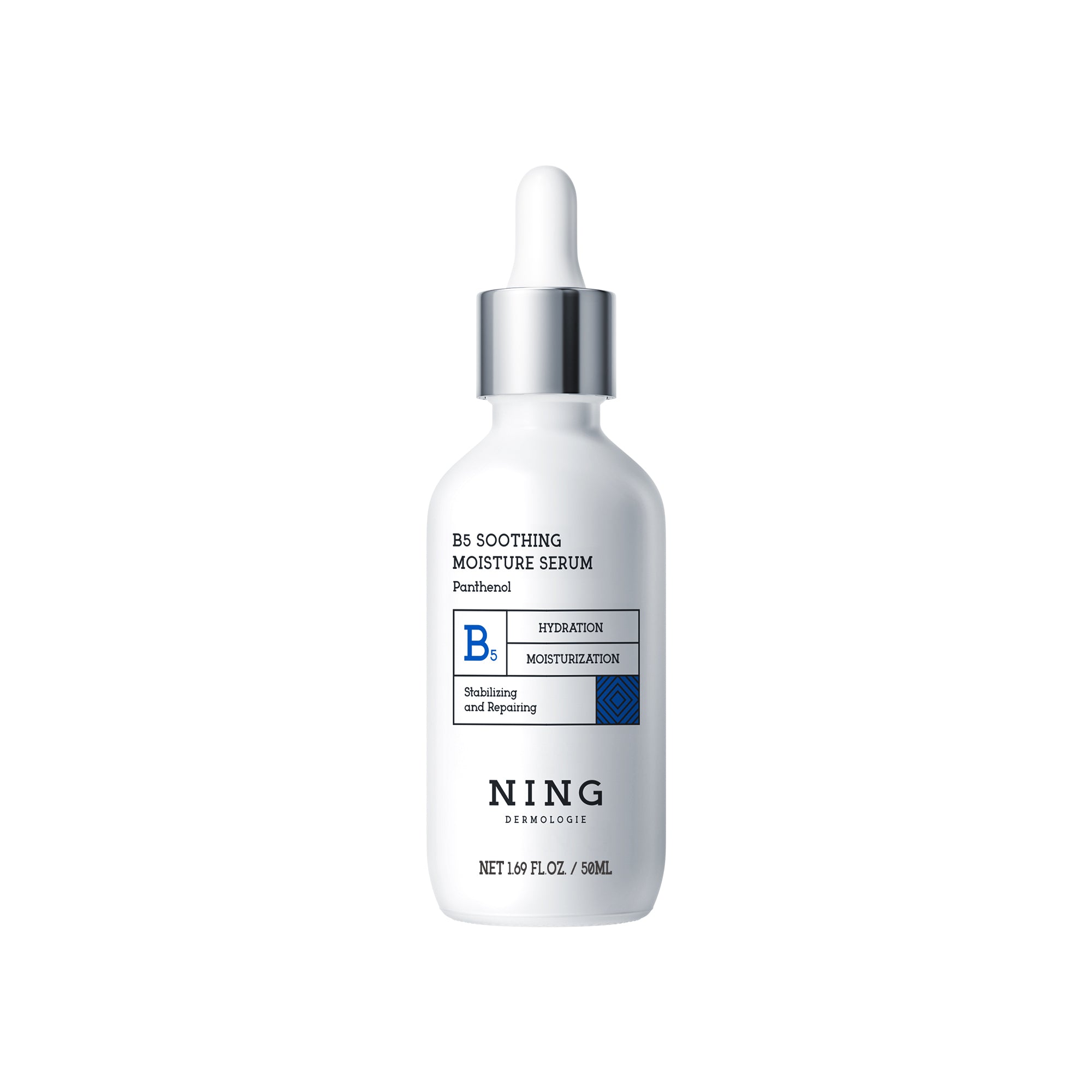
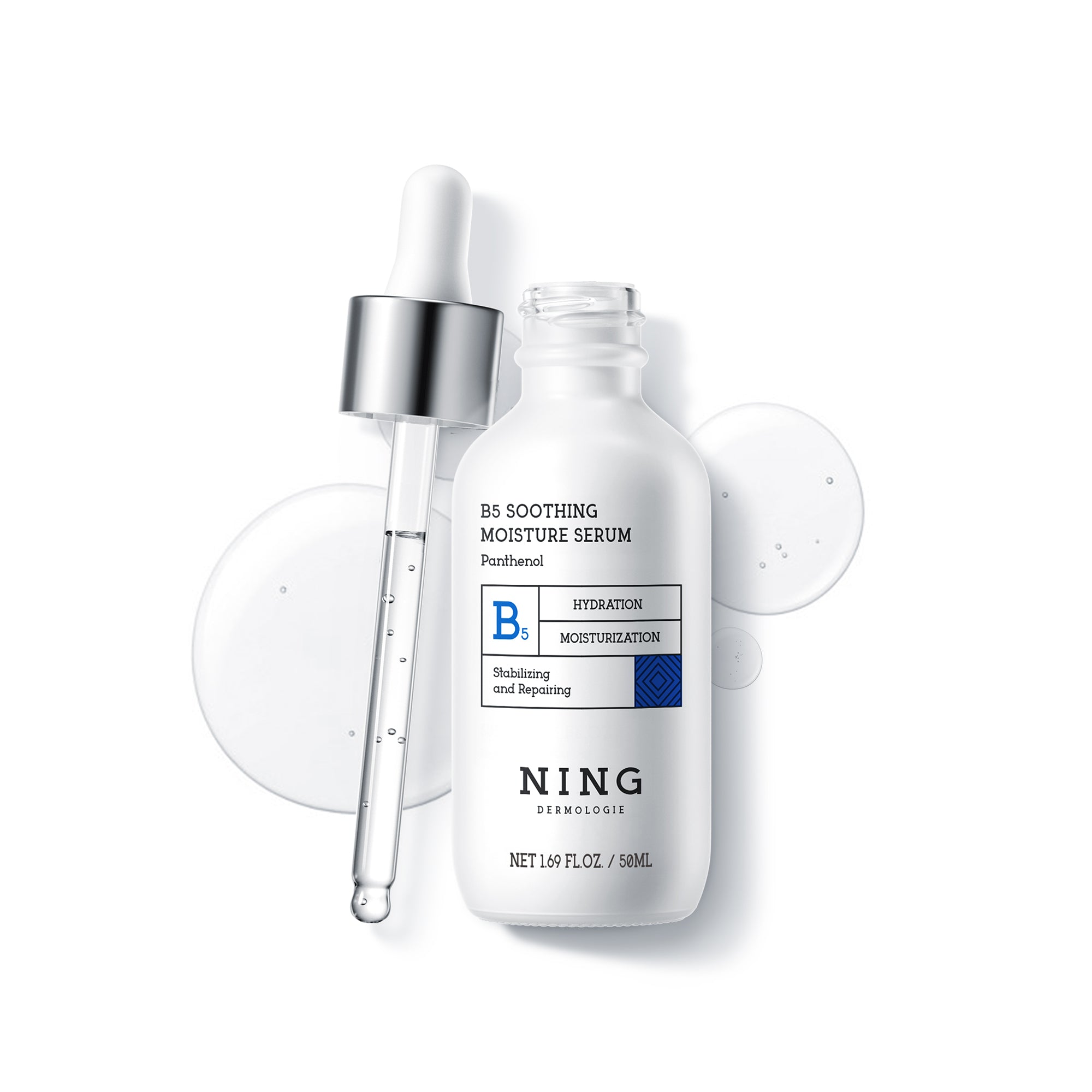
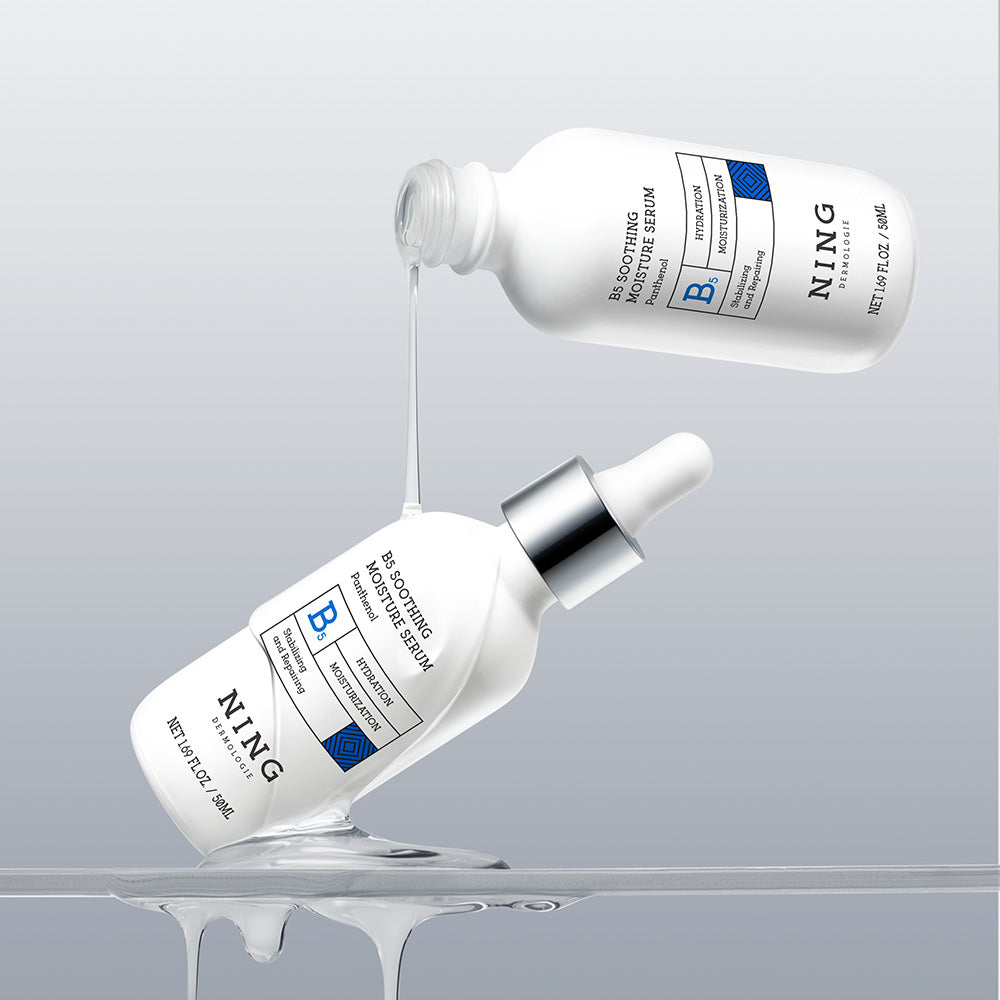
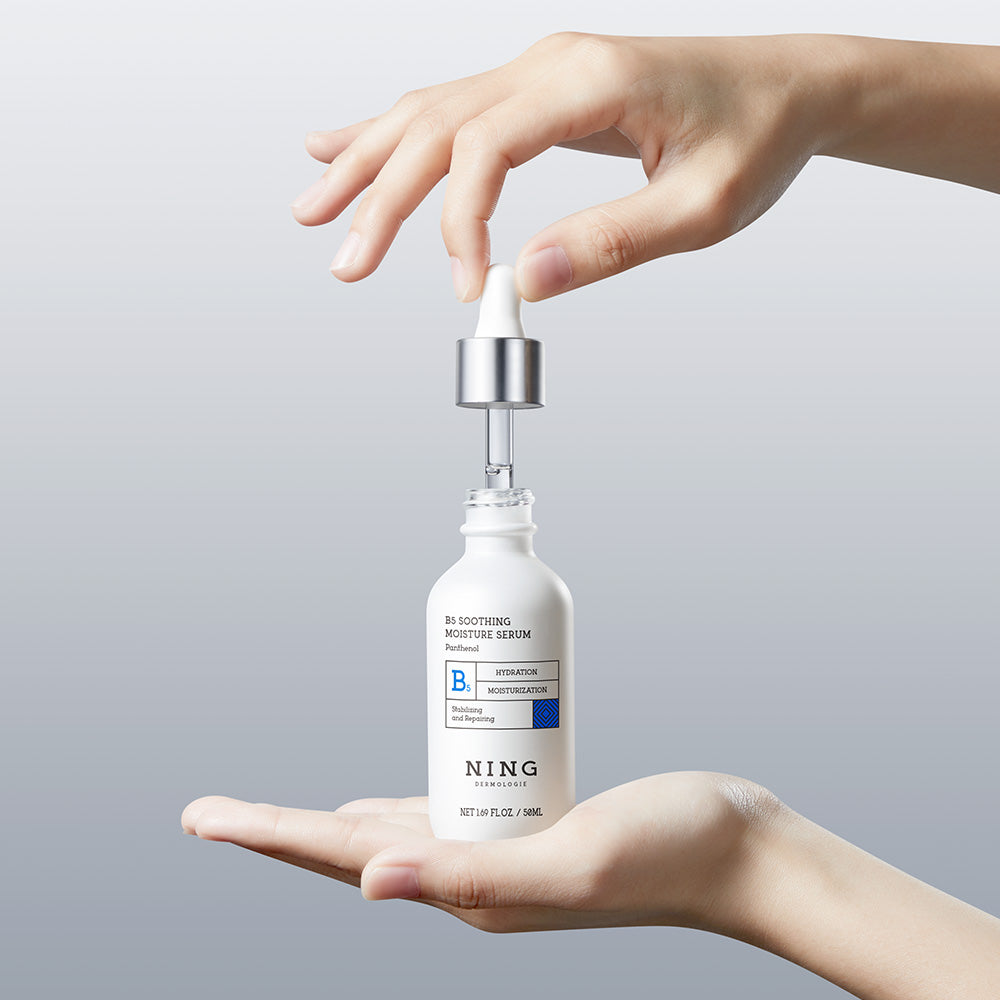
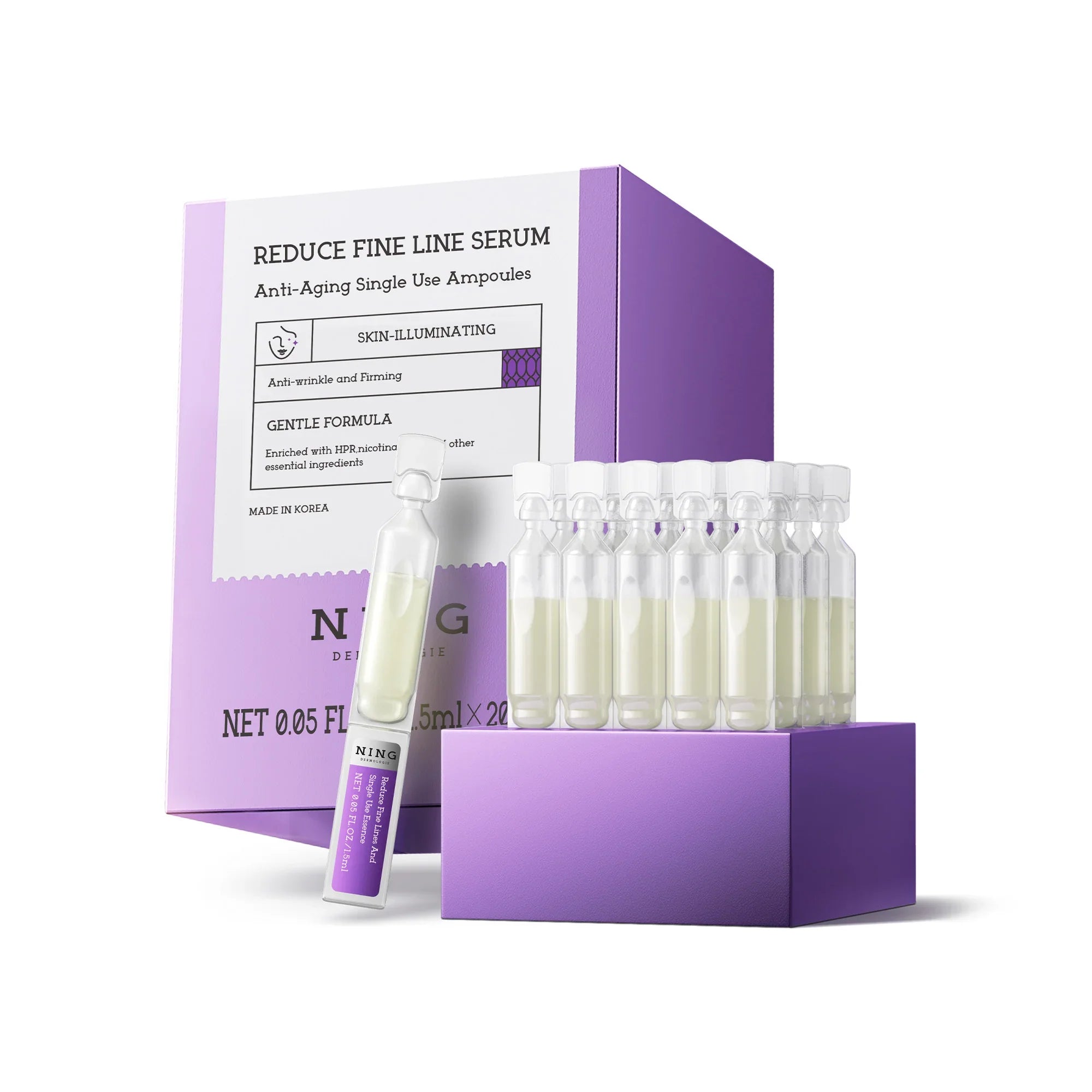
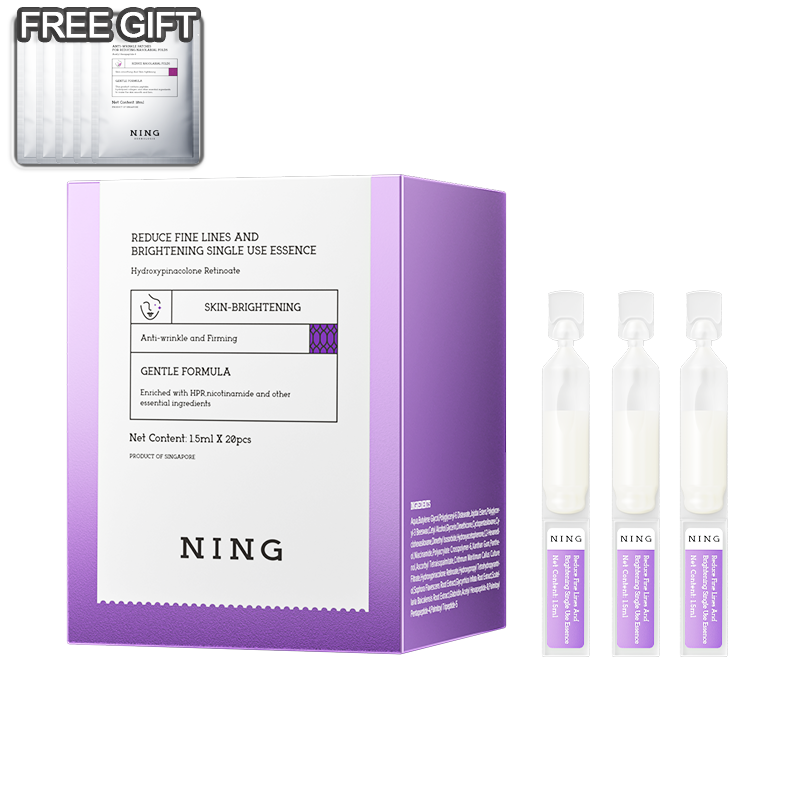
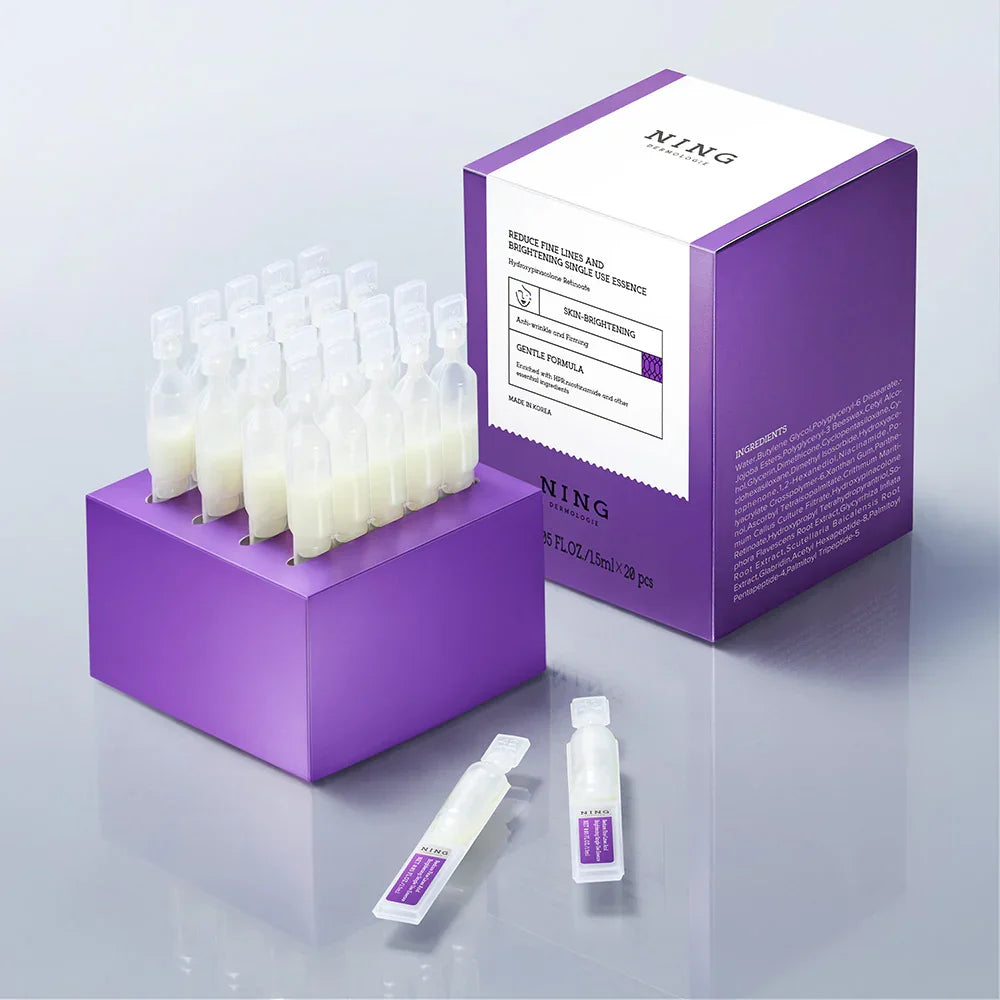
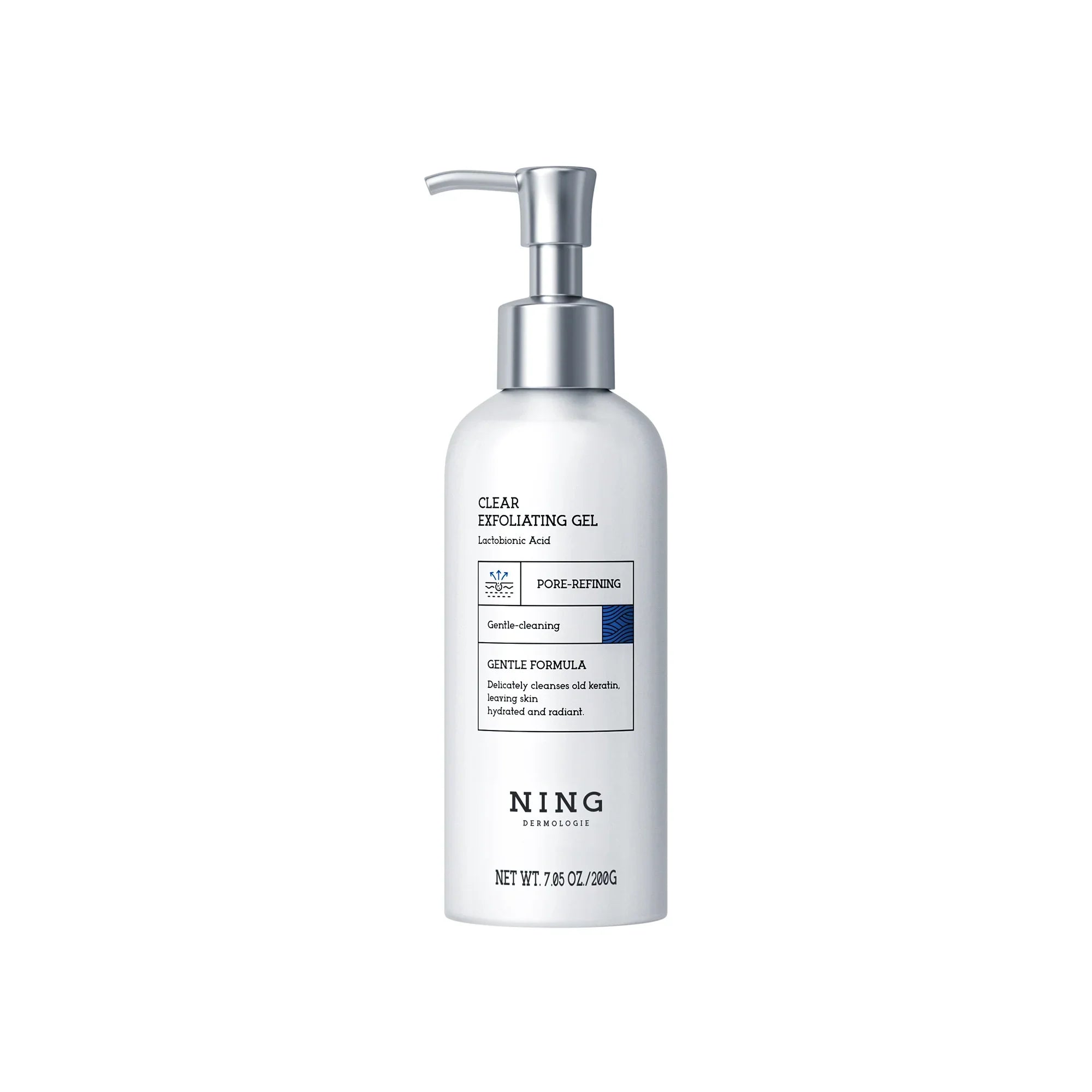
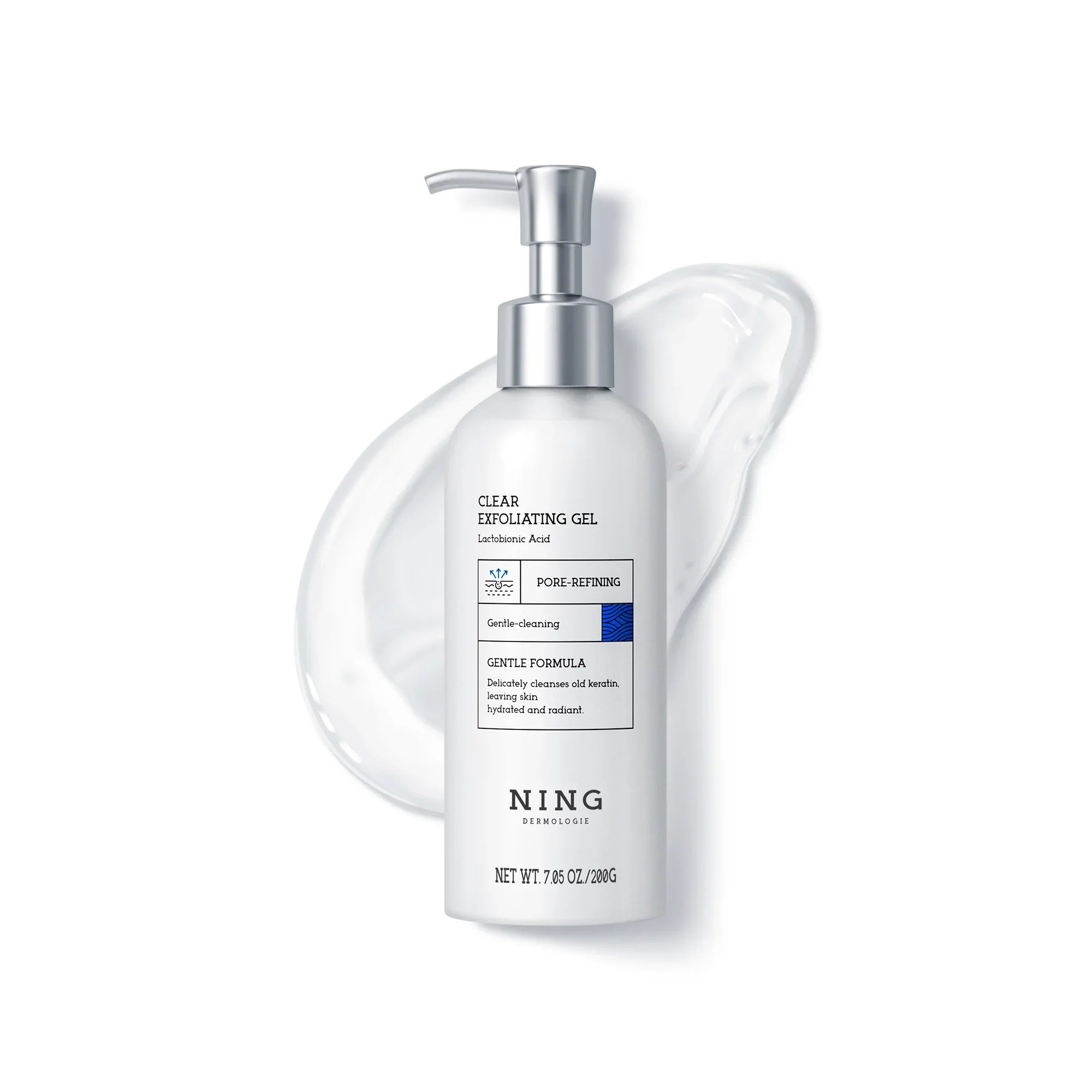
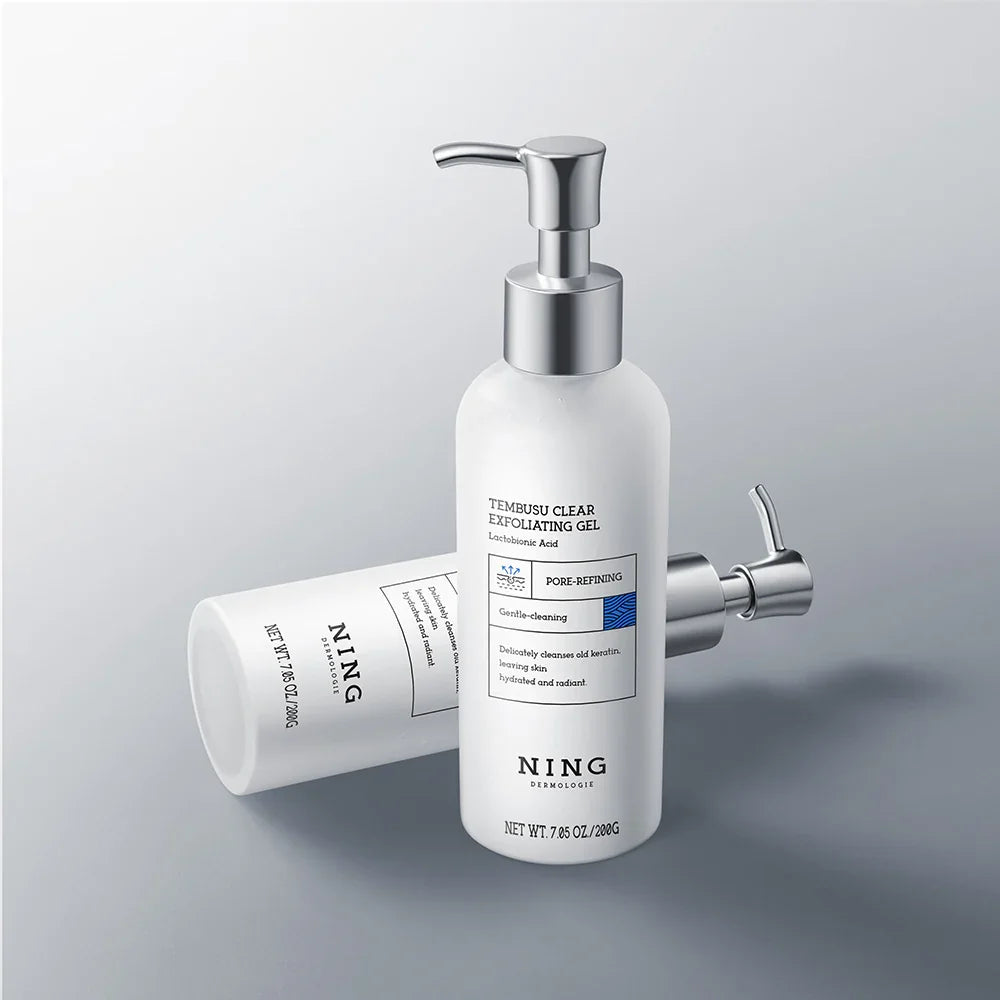
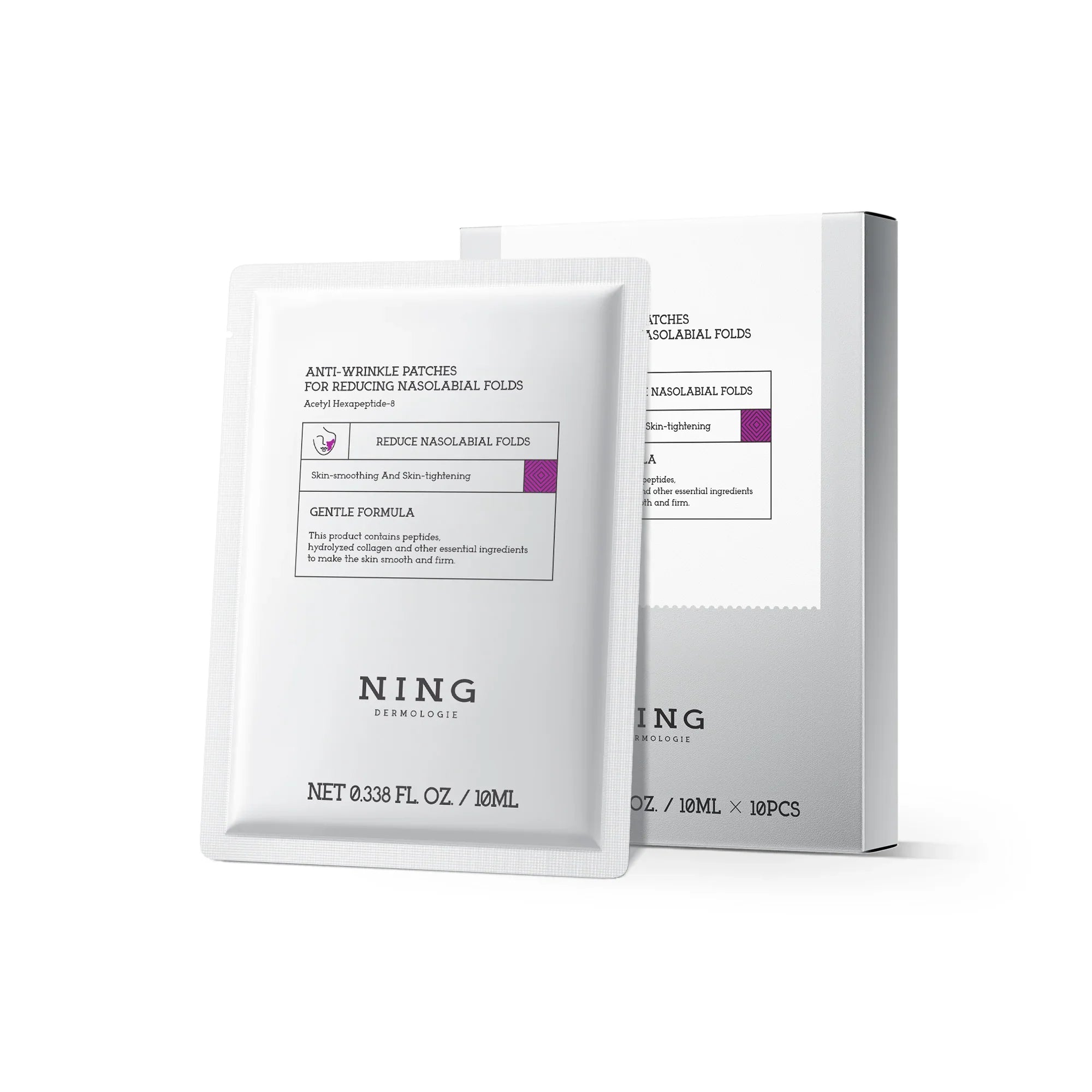
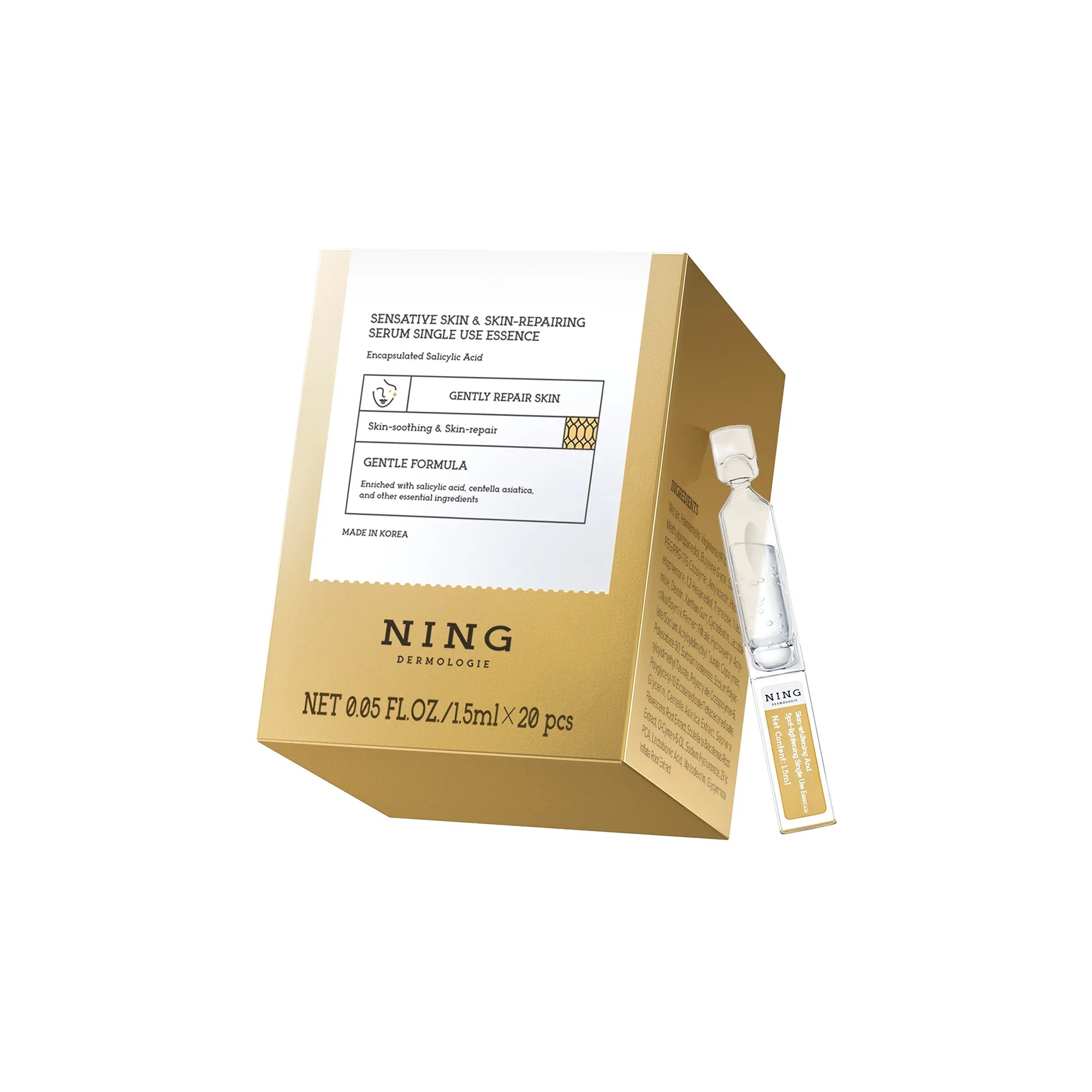
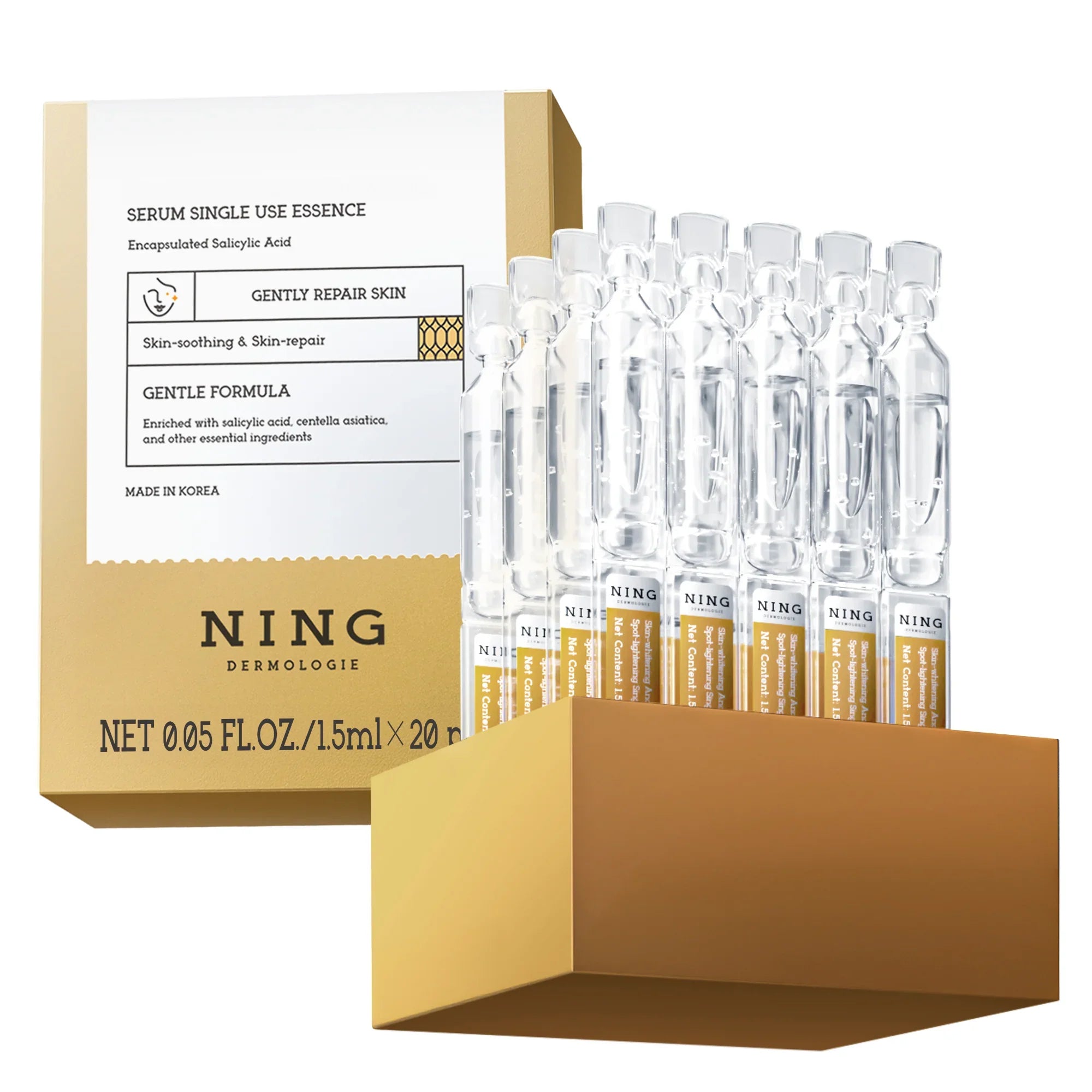
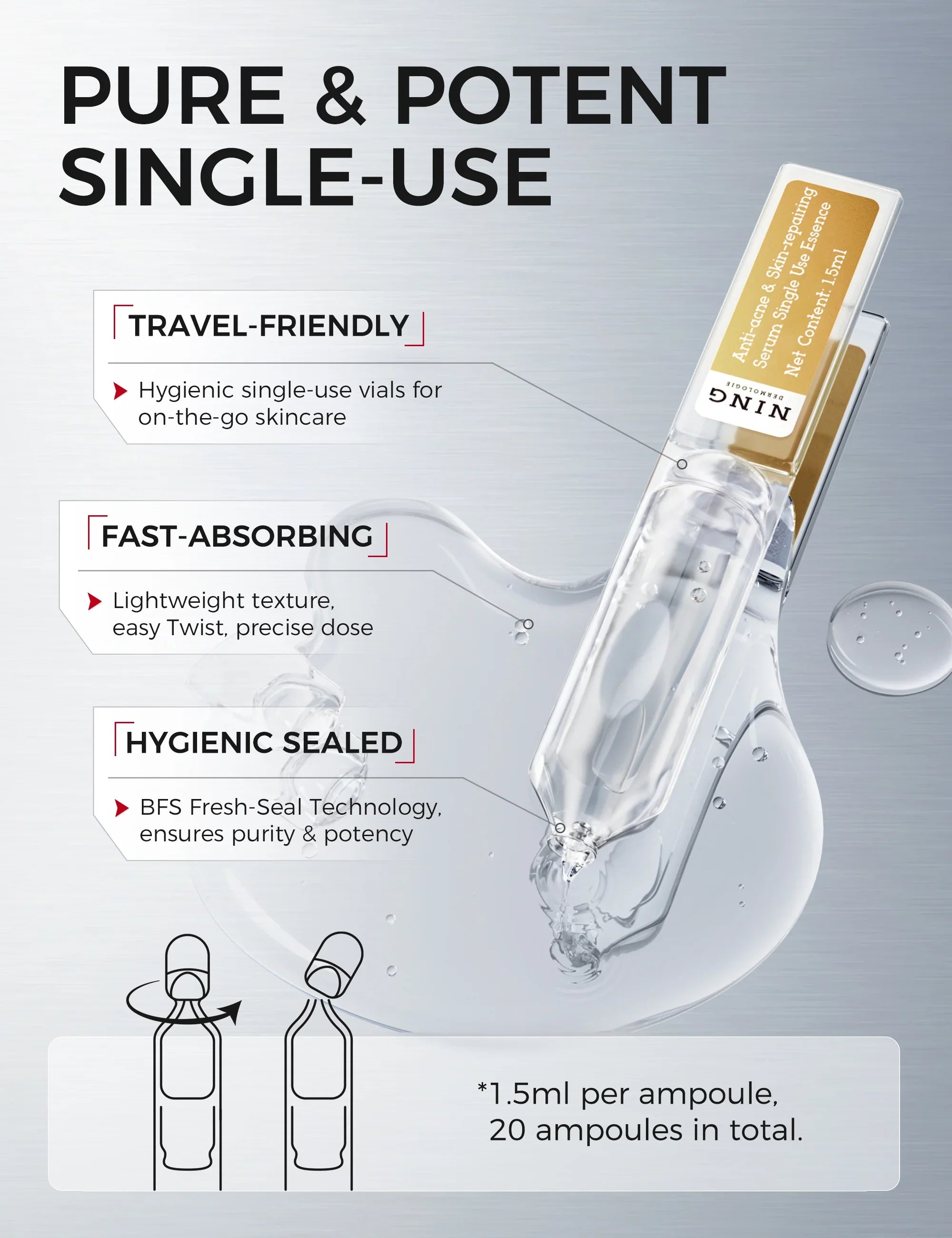
If you want a straightforward routine that actually works, I highly recommend looking at comprehensive, all-in-one systems. This is why I point people toward the NING Dermologie line.
Instead of playing chemist in your bathroom, you can use the NING Dermologie Melasma Defense & Brightening System. It’s smartly formulated because it bundles those crucial tyrosinase inhibitors and brighteners into highly stable formulas. You get the clinical-level fading power without wrecking your skin barrier, which makes it incredibly easy to use right alongside your daily SPF.
The Realistic Daily Routine:
- AM: Gentle cleanser > Vitamin C > Targeted treatment (like the NING Dermologie serum) > Broad spectrum SPF 30+.
- PM: Cleansing balm (to melt the SPF) > Normal cleanser > Chemical exfoliant (2x a week) OR your targeted treatment > A solid, restorative moisturizer.
Fading pigment takes time. Your skin turns over about once a month, so give any new routine at least 8 to 12 weeks of consistent use before you judge the results.

Frequently Asked Questions (FAQ)
1. Can my makeup act as my daily sunscreen?
No. To get the actual SPF protection listed on a foundation bottle, you would have to apply a massive, unwearable amount of makeup. Always use a dedicated, standalone sunscreen first to prevent UV sun damage.
2. How long does it realistically take to fade these spots?
You need patience. Even with the best tyrosinase inhibitors, it generally takes 8 to 12 weeks of daily, strict use to see a real difference. Pigment takes years to form; it won't disappear overnight.
3. Will laser treatments get rid of my spots forever?
Lasers provide fast, dramatic clearing. But if you stop using your brightening serums or skip your broad-spectrum SPF after getting laser treatments, those exact same dark spots will come right back.
4. Can I use my Vitamin C and my acids on the same day?
Yes, but split them up. Apply Vitamin C in the morning to protect against free radicals. Use your chemical exfoliants, like glycolic acid, strictly at night so you don't irritate your skin.
5. Does looking at my phone and laptop make my spots darker?
Yes, visible light from screens can actually stimulate melanin, especially if you have melasma. To block this, use a tinted broad-spectrum SPF containing iron oxides, which physically block visible light from penetrating the skin.





Share:
Best Line Smoothing Duo for Eye Wrinkles and Smile Lines
Best Line Smoothing Duo for Eye Wrinkles and Smile Lines